Blog Netts
Notes from the Netts team: TRON fees, USDT transfers, APIs and the crypto industry.
-
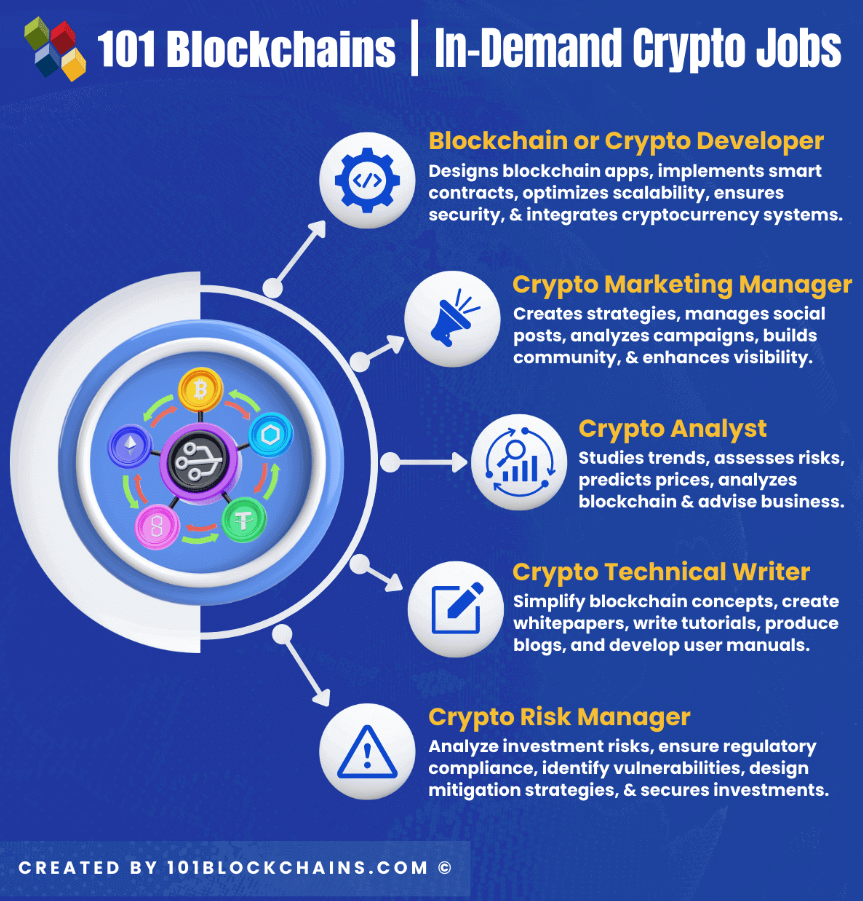
Jobs in Crypto - What Are They?
What crypto jobs actually look like — from protocol devs and security to analysts, community, and ops — and the skills that matter in Web3.
-
Enemies of Crypto - Who Wants It Gone
Who opposes crypto — banks, politicians, naysayers, and opportunists — and how each group’s incentives shape regulation, narrative, and adoption.
-
The Biggest Secrets of Crypto
Crypto’s enduring mysteries — Satoshi, vanished billions, and quiet industry truths — plus what those stories reveal about power, trust, and anonymity.
-
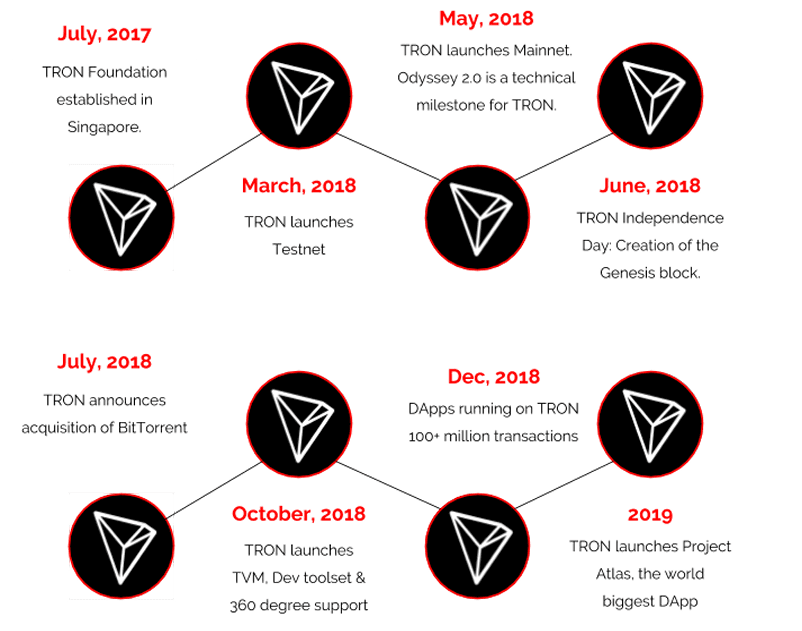
TRON Network - a True Unicorn?
TRON as a payments layer: USDT volume, energy and bandwidth economics, uptime, and why stablecoin traffic defines real-world utility.
-
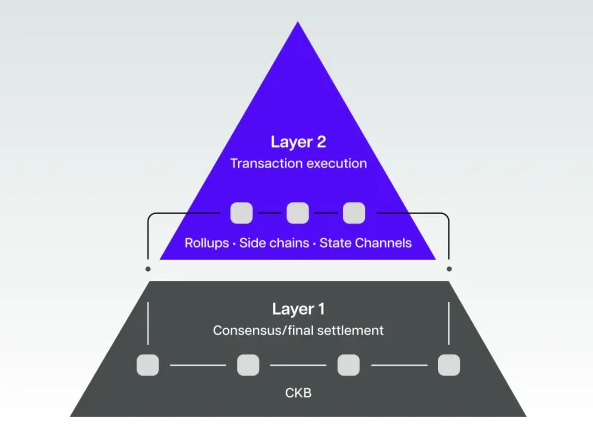
Optimization of Blockchain: Main Bottlenecks
Why blockchains stall: the scalability trilemma, mempools, gas, consensus costs, and the engineering trade-offs behind every “we’ll fix it later.”
-
Most Reliable Ways to Lose Money in Crypto
Classic loss vectors in crypto — fake support, clipboard malware, infinite allowances, dust hoaxes, and yield that quietly makes you the product.
-
Crypto and Competition: the Best Chain Wins
Chain competition as a market for blockspace — fees, liquidity, developer gravity, and the memes that hide structural risk for retail users.
-
Cost of Crypto — How Much Resources Wasted?
The real resource bill for crypto — electricity, e-waste, opportunity cost, and how incentives stack up against traditional finance’s hidden overhead.
-
UBI, Welfare, and Cryptocurrencies
UBI, welfare rails, and crypto: programmable transfers, audits, and efficiency — plus the governance and privacy tensions nobody hand-waves away.
-
How Crypto Changes Charity
Philanthropy on crypto rails — speed, privacy, and verifiable receipts — and why donors still have to think like security-conscious operators.