Most Reliable Ways to Lose Money in Crypto
Classic loss vectors in crypto — fake support, clipboard malware, infinite allowances, dust hoaxes, and yield that quietly makes you the product.
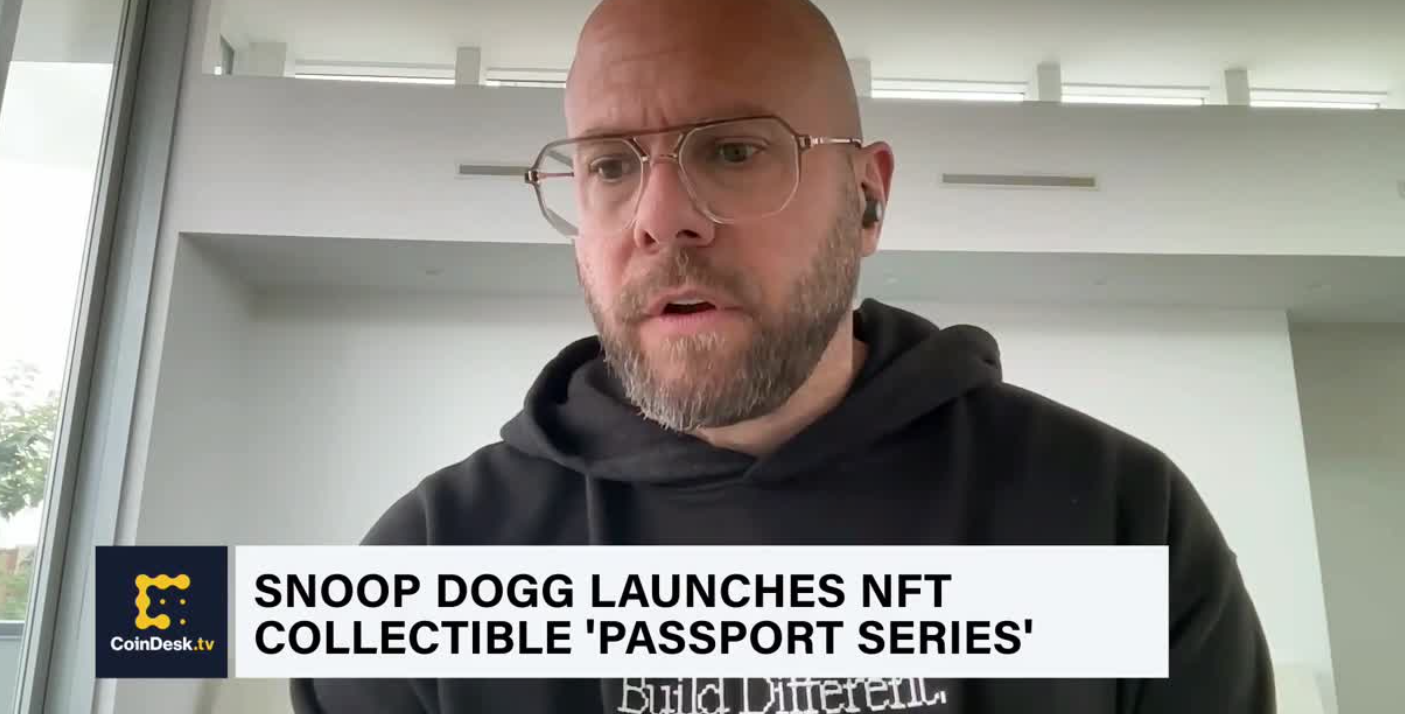
Congratulations if you’re reading this. You’re joining the single most effective wealth-redistribution device ever built by humans. And that, really, is how it’s supposed to work: The crypto market is a feat of modern engineering specifically built to separate the impatient and greedy from their capital, transferring it smoothly into the wallets of individuals who are smarter, faster and quite frankly, much more ruthless than you. You may assume you are here to get rich. You might believe you’ve stumbled upon the next Bitcoin, the next Ethereum or Snoop Dogg’s digital token that will allow you to retire on a private island. The truth is usually far more mundane. You are there to supply continuous liquidity for other people.
The potential to wipe the slate clean in an instant is boundless. In conventional finance, losing money is a lot of work. You need to sign papers and talk with advisers and disregard warnings. In crypto, it’s possible to destroy your entire financial future with a click or two while sitting on your shitter. It’s a place where, from one breath to the next, the brilliant notion becomes a financial suicide note and your most maverick move is also a last act — which then can turn out to have been an obvious scam all along. If you are hellbent on burning your money, you have found the right place. Here is how the pros do it.
How to Buy the Top of a Meme Coin
There is nothing quite like the adrenaline that rushes through you when you are just staring at a stock screaming and going straight up on chart, green candle after green candle. It goes right around the thinking part of your brain, and touches the part that screams “MORE!”: your lizard brain. This is the fuel that drives the meme coin economy, a market niche that has perfected the art of the rug pull.
In 2025, the game changed. The old way cursed you to wait for a project to develop both a website and community first before scamming you. And now, with services like Pump.fun on Solana, you can lose everything in seconds. According to a study from Solidus Labs, 98.7 percent of tokens that had been launched on that platform were scams, rug pulls or pump-and-dump schemes. Of seven million tokens, only a tiny fraction survived long enough to be traded. The rest were digital dust.
The mechanics are brutal. A programmer creates a token with an amusing name and copies an image. In the very first block, they buy a huge chunk of the supply — often using bot software that is quicker than any human could ever be. Then they wait. What they’re waiting for is the “jeets” — what they call us all day: a derogatory reference to retail investors like you. The moment the price reaches the target, they unload everything. The liquidity vanishes. The graph becomes a vertical red line. You’re left holding a bag of “dogeple” tokens, which are now worth exactly nothing.
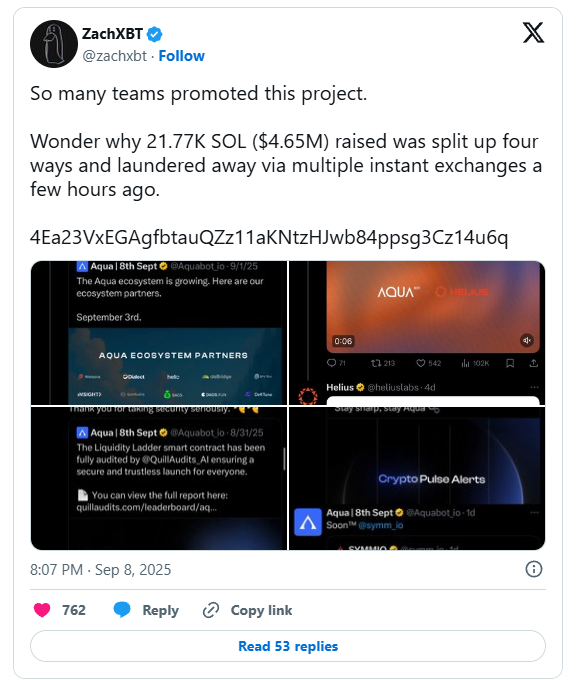
Take the case of Aquabot. It was going to be a groundbreaking trading tool on Solana. The team included major endorsements. They had a slick website. They took in 4.65 million dollars during a presale, from people who believed they were getting in on the ground floor. Then, just as the token was about to be released, the team changed the terms, drained away the liquidity and disappeared. The money was divided into smaller pieces and laundered through different exchanges. The investors? They got nothing. Not even the equivalent of a token to unload for a loss. Nothing but an empty wallet to show for it, and a lesson that will stay with them forever.
The red flags are always there, but greed is blind. Anonymous teams. "Marketing / CEX listing only" roadmaps. Towns that shun anyone who raises a hard question. If you are in a Telegram groupchat where thousands of people are spamming rocket emojis and screaming “LFG” you aren’t an investor. You are the mark. You are the one who is buying developer his new Lamborghini.
Taking That Face on the Screen at Face Value
We are a credibility-based generation, and right now that trust is in hyperinflation. The crypto influencer industry is one of undisclosed promotions, paid shills and outright lies. If you are in any position to be taking financial advice from a YouTube thumbnail of a dude looking shocked with his mouth open, you deserve whatever happens next.
Then, in September 2025, the blockchain investigator who went by ZachXBT made a bombshell revelation. He uncovered more than 200 influencers who’d accepted money to promote scams. These weren't small accounts. These were individuals with hundreds of thousands of followers. They’d get five figures to tweet about a project which they would then pump as the “next 100x gem” only for them to silently delete the tweet a week later when it rug pulled. They didn’t care if you went broke. They had already been paid.
But the human scammers now seem almost quaint. The ascent of AI has spawned a new nightmare: Never trust a deepfake influencer. Think about a video with your favorite financial guru telling you about some new trading bot. The voice is theirs. The face is theirs. The mannerisms are perfect. But it isn't them. It’s an AI-generated marionette crafted by a scam artist in some basement halfway around the globe.
In one instance, a persona who called himself Thomas Roberts. He’d starred in more than 500 videos, where he broke down complex trading strategies and hawked speciality tools. He was the type who could pass for a middle-aged, dependable financial analyst. People trusted him. They also followed his recommendations on the tools to download. Those tools were actually malware, which stole from their wallets as soon as they were installed. "Thomas Roberts" never existed. He was a ghost in the machine, a digital siren beckoning sailors to their doom on the rocks.

The risk with that is your brain has evolved to trust faces. We were designed by evolution to believe what we see. But by 2026, seeing is no longer believing. If a video says “download this software, or send money to this address, or put in your private key onto our website,” you are being lied to. Even if your favorite influencer says it’s good. Even if it’s from your own mother’s account. Verify everything. Trust no one. Because you know the split second that you get careless is the moment that you're just a number.
The Too-Good-to-Be-True Website
You are smart. You know not to wire money to strangers. But what if you are sending money to a website that has become part of your daily routine? What if I am signing in to my favourite exchange to trade?
Phishing has evolved. It’s not just the terribly misspelled emails from a “Nigerian Prince” any more. What began as a cottage industry has become industrial-scale, with pixel-perfect replicas of real sites. Scammers buy ads on search engines so that when you search for “Coinbase” or “Binance,” the first thing that comes up is their fake site. It appears identical to the genuine article. And the login box makes sense. The colors are perfect. Now you just type in your username and password. You even type in your 2FA code.
And before you know it, they’ve got you. The website records your credentials and then logs in to the actual exchange on-the-fly. Before you even know you are on the wrong page, they vacuum clean your account.
But it gets worse. Some scams don’t require you to log in at all. All you have to do is connect your wallet. And now you land on a site that advertises a free airdrop, or an NFT mint at 90 percent off. Handling that is as simple as connecting a wallet (for example MetaMask or Phantom) and signing a transaction. You click "Approve." You imagine you are accepting to a connection. In truth, you’re signing a “setApprovalForAll” transaction that authorizes the scammer to transfer all 5 trillion tokens in your wallet.
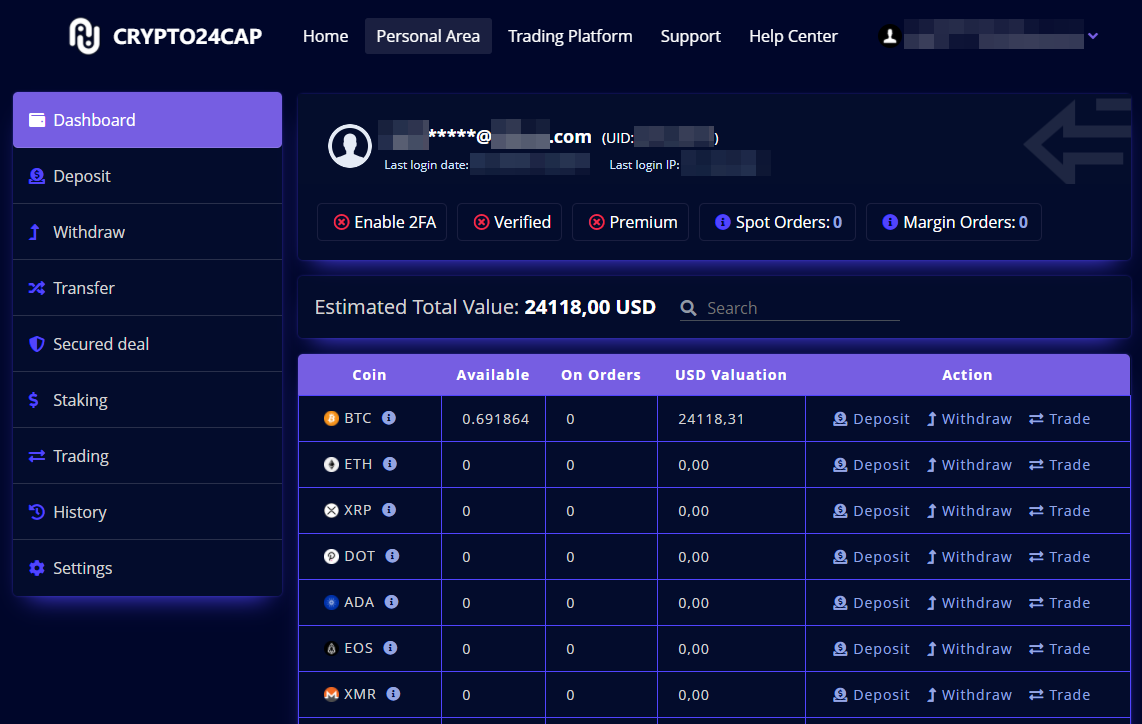
The screen blinks “Transaction Failed,” but on the blockchain, the transaction went off without a hitch. You watch with horror as your USDT, your ETH, all of it — even those prized NFTs — drain away from your wallet in seconds. But there is no customer service number to call. There is no "undo" button. The blockchain is immutable. That means your blunder is there in stone, for all time.
The scope of these attacks is mind-boggling. In 2025 the fraud of impersonation soared by 1,400 percent. On average, victims were out nearly $3,000. Some lost millions. I mean, that “E-ZPass” text message scam targeting millions of Americans with false toll road bills in the form of crypto really went to show just how wide the net has become. Whether you are a crypto native or a total newcomer, it does not matter. If you are not personally verifying (char by char) the URL, if you are clicking links in your email, if you have signed transactions without reading the code — You’re walking through a minefield with a blindfold on.
Slow Knife (Cuts the Deepest)
Most scams are quick. The rug pull takes minutes. A phishing attack unfolds in seconds. But the most costly way to lose money is one that can drag on for months. It’s the one that steals not only your money but also your dignity.
They call it "pig butchering." The term comes from the livestock practice of feeding a pig corn kernels and grain before sacrificing it. It starts innocently. A wrong number text. A match on a dating app. A friendly message on Instagram. And the person on the other line is definitely attractive and successful...and interested in you. They don't ask for money. In fact, they refuse it. They just want to be friends. Maybe more.
You build a relationship over weeks. You share your lives, and your dreams, your families. The topic finally turns to business. They say they have been making a killing with a new crypto trading platform. They send you screenshots of their gains. They offer to demonstrate the thing in action. “Just a little bit,” they say. "See for yourself."
You deposit 500 dollars. A week later, it's worth 800. You pull the cash out into your checking account. It works. The trust is cemented. They are real. The platform is real. You deposit 5,000. Then 50,000. You take out loans. You borrow from family. On screen, the numbers keep going up. You are rich. You’ll finally see it.
Then you attempt to withdraw the large amount. The site informs you that there’s a “tax issue.” You have to spend another 20,000 in order to open up your money. You pay it. Next comes a “security audit fee.” You pay that too. You are desperate now. You are chasing your losses. Eventually, the person at the other end no longer responds. The website goes offline. And you get stuck with nothing but debt and a broken heart.
This isn’t a few bad actors in a basement. This is organized crime. Massive compounds in Southeast Asia are staffed with trafficked people who are being forced to run these scams at gunpoint. It is a human tragedy at either end of the connection. And it generated $5.5 billion for its victims in 2025 alone. If a stranger on the internet wants to request your time to chat about crypto, block them. There is no exception. There’s no “nice girl” or “successful guy” who just wants to help you get rich. There is the butcher and you’re his pig.
The Infrastructure Trap
But perversely enough, you don’t always need a scammer to lose your money. You don’t need no stinkin’ rules, nothing at all, in fact: You can just do it yourself, if you like, by designing any old dopey thing that tries to use the blockchain as intended. The complexity of crypto is a gun which is pointed at the foot, frequently.
Consider the simple act of sending someone a stable coin. You would like to transfer USDT to a friend or business. The USDT is in your wallet. You paste the address. You click send. And... nothing happens. "Insufficient Energy." "Out of Gas." "Transaction Failed."
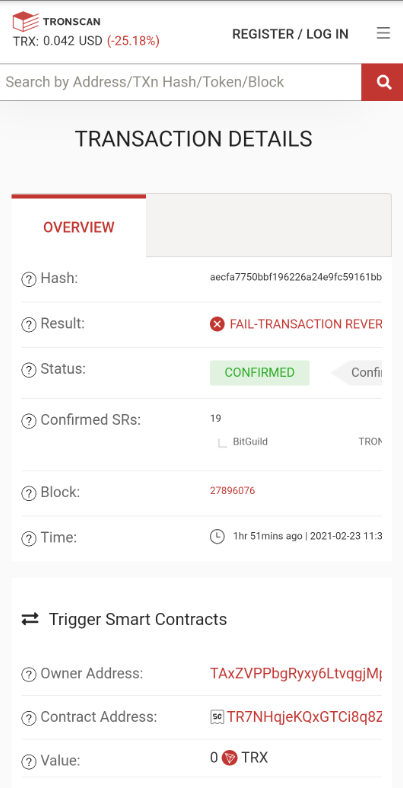
Congratulations and welcome to the nightmare that is network fees. On chains such as TRON, you don’t even have the ability to simply transfer your tokens. You have to pay for the “Energy” to process the transaction with TRX — TRON’s native currency. Your USDT is now stuck if you have no TRX. It is frozen. You’ve got a digital dollar bill, and that dollar bill is affixed to the table.
So now you have to go somewhere where the coins are exchanged. You have to buy TRX. You need to withdraw it to your wallet. You have to pay a fee to withdraw. Then you can even make your move. When you’re finished, an hour of your life and a $5 fee to send $20 later, you’ve sent the money. It’s a sweaty, friction-soaked nightmare that makes people crazy.
And with that frustration come mistakes. You try to find a workaround. You attempt to access a bridge you don’t comprehend. You send your funds to an aggregator and try to trade on some seedy DEX with a promise of lower fees. You click the wrong button. You paste the wrong address. Instead of sending a wallet, you send your USDT to a contract address. Poof. Gone. The blockchain does not take kindly to fat fingers. There is no “cancel” button. It just does what you tell it to, stupid as that command may be.
The actual fee arrangement is a trap for the unwary. That USDT charge may sound standard, but on some networks that fee can surge to insane levels during periods of congestion. You could wind up spending 50 dollars to transfer 100. It's a system that punishes the little guy and rewards the whales with cash to burn.
So, there are lots of dumb ways to go bankrupt:
1. The “helpful” support admin. You post a question on a public Discord or Telegram. Immediately, a "moderator" DMs you. They have the logo. They have the name. They inform you that you must "synchronize your wallet" to clear the bug. They send you a link. You click it. You connect. You lose everything. Real support won’t DM you first. Ever.
2. The clipboard hijacker. You cut a wallet address. You go to paste it. But a malware program on your computer catches the crypto address and inconspicuously substitutes it with the scammer’s. You do not compare the last four digits. You click send. Congratulations, you’ve just handed that money to a hacker. Always check the address. Every single time.
3. The unlimited allowance. You interact with a DeFi protocol. It asks to spend your USDT. You hit “Max” because it’s easier than typing that number. That protocol is hacked a year later. Since you granted it carte blanche to spend your tokens, the hackers can empty out your wallet even if you haven’t touched the site in months. Revoke your permissions. Don't leave doors open.
4. The fake Airdrop. You open your wallet, and there’s a new token you didn’t purchase. It's worth thousands of dollars! You head to the website described in the token’s details page to unload it. You connect your wallet. The token is a honeypot. The site is a drainer. In chasing fake money, you lost your real money. Ignore strange tokens. They are dust attacks.
5. The ‘guaranteed’ yield. A platform offers a 20 percent APY. Or 50 percent. Or 100 percent. They say it's "arbitrage." They say it's "AI trading." It's a Ponzi scheme. It remains an effective strategy right up until the new money becomes scarce. Then it collapses. If the yield doesn’t come from anywhere, you are the yield.
6. The revoked access. You pay for a token. The price goes up. You try to sell. You can't. You are blacklisted or there is a “sellBlock” in the smart contract. You can watch the price go to infinity, but you can never cash out. It is a honeypot. You paid for a ticket to a hotel you can never check out of.
7. The seed phrase storage. A screenshot you make of your seed phrase. You save it in a text file on your desktop that you call “passwords.txt." You email it to yourself. You are begging to be hacked. However, if your seed phrase so much as brushes up against the internet, it’s “compromised.” Write it on paper. Put it in a safe. Or better yet, memorize it.
8. The FOMO buy. You see a coin that is pumping. Everyone is talking about it. It feels like you’re not getting in on the action. You buy at the absolute peak. The trend reverses. You panic sell at the bottom. You just did the classic “buy high, sell low” move. Emotions are your enemy. If you’re feeling optimistic, chances are you're about to do something dumb.
Bottom Line
The crypto world is a dark forest. They are a bunch of predators — always moving, always testing the fences, always looking for a chink in your armor.” They do not have to break encryption. They just need to break you. They have to break your cynicism, your fondness for shortcuts or your focus.
Every dollar you’re in crypto is someone else’s dollar that they want. And they are prepared to work hard to hold on to it. They did it for fake companies with fake people and fake code — just to get a little piece of your portfolio. The only thing that survives is paranoia. Presume everything’s a scam until proved otherwise. Assume everyone is lying. Just pretend that if you screw up, there’s no one to cling to.
But let's be honest. The scammer isn’t always the issue. Other times, the issue is that the tech is frustrating. Just get USDT from A to B without some kind of riddle. You want to deliver USDT inexpensively without having to have a member of staff with a degree in computer science who can work out the energy consumption for every single transaction that takes place on the USDT. A common transaction with USDT does not need to be as complex a procedure for people without doctorates. The old systems’ frictions — having to hold TRX in order to pay a fee, complicated math, frozen funds — is a legacy that needs to be killed off.
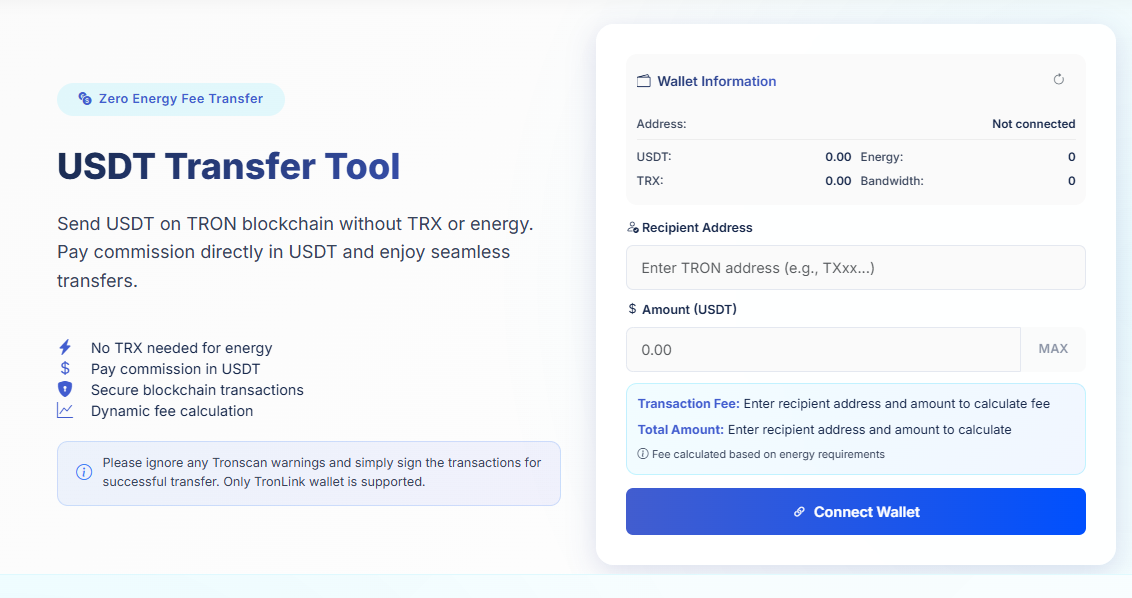
This is where tools like the Netts Transfer Tool come in. It cuts through the nonsense. You can use it to send USDT on the TRON network without having to own any TRX. The commission you pay directly in USDT. No power rental, no staking, no frustrations. It’s a clean, non-custodial solution that treats you as a user and not as cattle to be farmed. In a world engineered to make you stumble, just works is the rarest gem in the universe. Stay safe, stay skeptical, and for the love of all that is holy: Check the URL.