How Crypto Changes Charity
Philanthropy on crypto rails — speed, privacy, and verifiable receipts — and why donors still have to think like security-conscious operators.
Global philanthropy is markedly transforming — and not at the behest of the traditional power structures that have dominated foundation giving for centuries, but by an emerging force: decentralized finance. For a wealthy person, giving has always been tangled with paradox: A desire to help is so often followed by a full-frontal assault on the privacy one may guard like gold bars. In more traditional channels, when a high-net-worth individual makes a large donation, they effectively paint a target on their back.
Their information is shared, sold or leaked, and the number of solicitations, requests and possibly threats to personal safety it elicits can be overwhelming. The discerning donor of today seeks an escape from this loop. They ache for something that will allow them to evoke real, world-shaking change without all the sideshow of public examination and bureaucratic hurdles. They want speed, they want anonymity if they so wish, and most important of all: They demand mathematically verifiable proof that their contribution reached the other party. This is where the clunky rails of the banking system break down and where cryptocurrencies can succeed as a radical alternative.
Silent Donor's Dilemma
The friction in traditional charity is not only a pain; it’s an impediment that chews up value. When one sends a donation of fiat to some large international organization, it goes into the swamp of bureaucracy. It passes through several intermediary banks, each of which takes a cut and adds another delay.
It is then deposited into the coffers of a big N.G.O., where admin costs — salaries, marketing, real estate — may sap a large chunk of the capital before it ever drips through to the earth. This return on investment is not acceptable for the donor who thinks like a business person when doing philanthropy. Used to efficiency in business, they are increasingly seeking it in charity. They’re tired of everyone sticking their nose into the charity they do and questioning motives or requiring a public show of virtue. The privacy of crypto is not a plea for secrecy-for-secrecy’s-sake; it is about taking back the agency to give without oneself being devoured by the machinery of gimme.
Velocity and Verification
Cryptocurrencies erase this friction in giving: the distance imposes less of a barrier now than it did when using Western Union, and the intermediation is much more transparent. In the event of a disaster — an earthquake, say, or a sudden outbreak of warfare — speed is the only thing that matters. Conventional banking wires can take days to clear, especially when they are traveling across borders into shaky places. A crypto transaction is done in minutes or even seconds.
This immediacy saves lives. But speed isn’t the only issue, there’s also verification. With the legacy system, a donor gets back a tax receipt and perhaps some glossy annual report of activities, but nothing tangible to show that his or her specific dollars bought a specific tent or meal. Through blockchains, money can be tracked. The donor can monitor the trajectory of their contribution — from their wallet to that of the field operative’s or direct recipient. That’s the duality of crypto: private on who sent it, if the sender sheathed themselves in privacy-preservation technology, but totally clear about where the money has traveled. Donations received or not one can see easily also very fast.
Privacy in Perilous Times
This technological revolution has spawned a new ecosystem for charitable projects that address at least some charity problems really effectively and solve problems people once thought were impossible to tackle. And think about what it is like to be an aid recipient in a conflict zone or in an authoritarian state. Receiving money from a Western organization in such an environment can be a risky business. It can label a family a target for the local militias, or attract the wrath of a government that seeks to control resource flows. Privacy is not to be taken lightly here — it’s a matter of life and death.
This is where privacy-oriented cryptocurrencies and shielded transactions become relevant. Zero-knowledge proof-based projects enable the transfer of value without exposing to prying eyes on the public ledger who sent what to whom, such that verifying parties can confirm it all checked out without revealing anything more than was necessary. The Zcash Foundation, for example, has already led efforts such as the Shielded Aid Initiative, a project that seeks to facilitate the transfer of humanitarian aid without requiring that the identity of the recipient be made public. This is important context: it’s not only about how dirty money moves; it’s also about moving the dirty money without shining a spotlight on people who need to be able to stay in the shadows to survive.
Stablecoins: a Lifeline in Crisis
Another area where crypto is even better than traditional finance is in the form of stablecoins. In countries like those debilitated by hyperinflation, donations in local currency are often a quixotic endeavor. It becomes worthless from the moment of payment. Donating in Bitcoin or Ethereum injects instability that a family that hasn’t had a meal in weeks can not afford to take. The solution seems to have come via US Dollar-pegged stablecoins such as USDT or USDC.
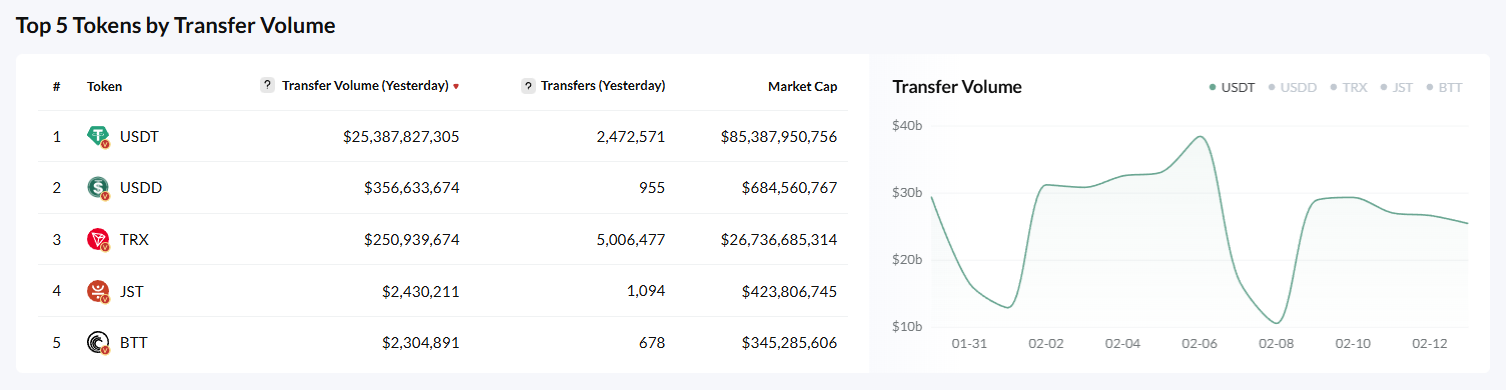
These assets operate on public blockchains, but keep a stable value — so in a sense letting donors beam hard currency directly into the smartphones of people stuck in economic collapse. The TRON network has become the predominant rail for such transactions because of its high throughput and low fee structure. Even small fees, though, add up when an organization is processing tens of thousands of micro-donations. To work effectively at this scale, smart operators have to comprehend how network resources behave.
The Economics of Compassion
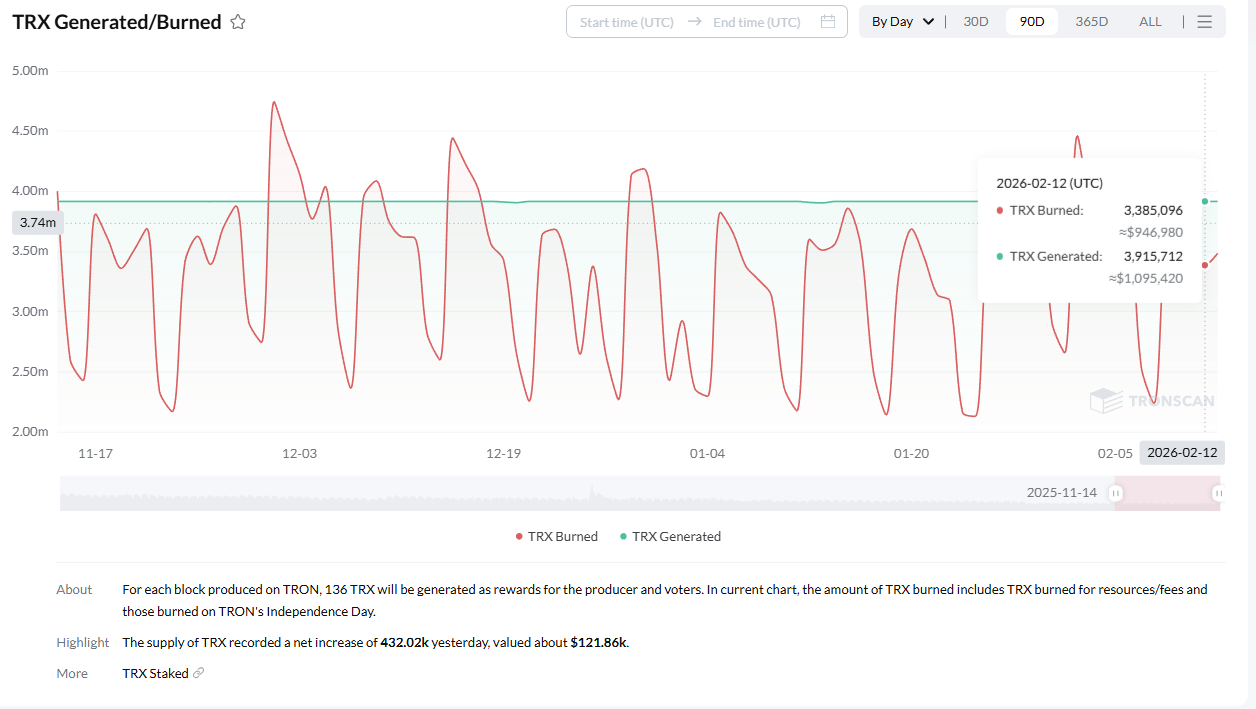
When a nonprofit or a DAO (Decentralized Autonomous Organization) creates a system to manage the disbursement of thousands of relief payments in USDT, it encounters one technical sticking point: the fee to run smart contracts. Transactions on the TRON network cost Energy and Bandwidth. If the account does not have these resources, the network burns TRX to cover the transaction, a potentially crushing cost for any charity that wants to put as many pennies into people’s hands in need. Thus the effective resource utilisation is an essential element of the operations strategy. Forward-thinking PMs will rent TRON Energy cheaply from resource markets rather than burn the native token. By staking down to their payout wallets, they can significantly decrease the transaction fee to be negligible. It’s a degree of optimization I have never seen in banking, where the fees are fixed and non-negotiable. And in the crypto world, modest technical literacy can help you get TRON Energy on your transactions and hugely reduce overhead costs that see more money go to the cause and less to network validators.
It’s worth going underneath the hood of direct cash transfers. Research has established that the model of “unconditional cash transfers” is one of the most effective forms of aid. People know better what they need than an aid worker arriving from thousands of miles away. Crypto supercharges this model. Consider the following scenario in a drought-ridden area. Rather than shipping grain halfway around the world and paying for costly logistics and delays, a donor could directly send crypto to the digital wallets of affected farmers. Those farmers can trade that crypto for goods locally, boosting local economy rather than undercutting it with free imports.
Today there are initiatives that leverage satellite data to automatically trigger such payments. If the rain in a certain geofence, which covers a specific area, does not reach baseline values, then the smart contract will automatically trigger and make payments to the wallets of farmers who are registered within that location. No forms to fill out, no bureaucrats to beg, schmooze or bribe; no corruption siphoning off the money. It is fast, and it can be audited.
But for the wealthy donor, the appeal is often in coming back to freedom and “no noise”. They are tired of the gala circuit, and a plaque on the wall, and what inevitably comes next (a plea for “just one more” donation) every time you do anything generous in public. They want to be like a ghost in the machine: an invisible, intangible force for good. Crypto gives them the ability to create a wallet, fill it with money worth millions in traditional assets and disburse money to causes they care about without anyone ever knowing their real name outside of the receiving organization. They receive a transfer based on blockchain, see the transaction was confirmed and know 100% that the transfer has been made. This “trustless” verification is a psychological balm. They don’t have to trust the CEO of the charity; just the code.
New Paradigm of Trust
The growth of Donor-Advised Funds (DAFs) accepting cryptocurrency is a gateway between the old world and the new, but its true believers are going entirely on-chain. They are donating to decentralized autonomous organizations, or DAOs — which manage endowments for things like scientific research, ocean cleanup and legal defense of civil liberties.
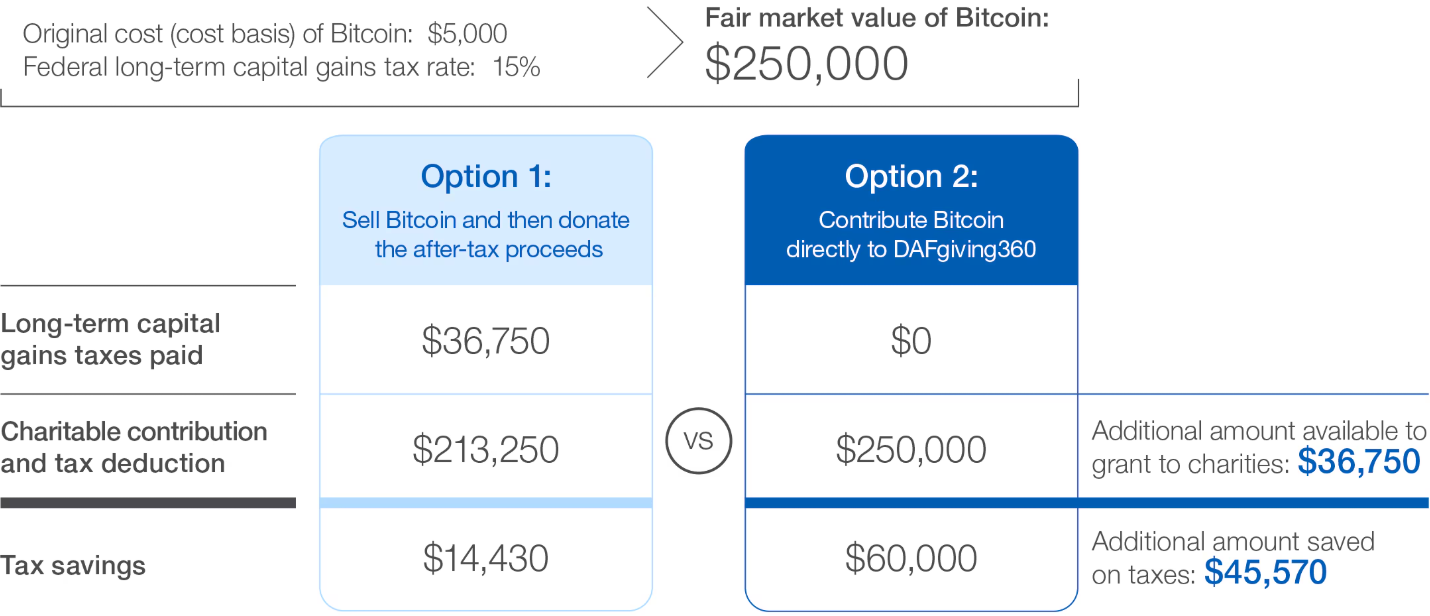
In such structures, the governance is open. You can observe exactly how each ballot was voted and how every dollar was spent. However, the donor could still be a pseudonymous address. This combo of radical spending transparency and radical funding privacy is the killer app for crypto charity. It cuts through the tension in which rich people feel annoyed that everyone else is sticking their noses in their charity business. It honors their space while the other party is also held accountable.
Optimizing for Impact
But it’s not exactly seamless, this ecosystem. Technical management of the blockchain interface is paramount for an organization running a high-frequency direct aid program. If they're making 50,000 payments of 50 USDT to refugees, they're interacting with a smart contract 50,000 times. If they go ahead and do these transactions on the TRON network without taking any necessary precautions, then up to 10-20 TRX could be burnt per transaction based on how busy the network is. That could have been hundreds of thousands of TRX lost — funds that were supposed to go to the refugees. This is where markets for resources come in. The operations team searches the market to come up with inexpensive TRON Energy packages.
By renting the Energy they need for a set time, they can calculate all those transactions at a fraction of the price. It’s a simple formula: The less you spend on gas fees, the more you spend on food and medicine. Thus the ability to purchase TRON Energy in an effective manner is not a technicality — it’s basically a fiduciary responsibility of a contemporary digital charity.
There's also the reliance on censorship resistance. We’re living in a world in which payment processors and banks are increasingly weaponized in the service of politics. A charity that advocates for a contentious, yet humanitarian cause — say offering medical relief to protesters against an authoritarian government — could have its bank accounts frozen or access to PayPal cut off. Crypto is permissionless. Now there's no bank manager that can put a stop to transaction on the Bitcoin or TRON blockchain. The transaction is all or nothing; if the sender can afford it and has the appropriate amount of Energy or gas available then the exchange will occur. This is to ensure that charity remains an impartial act of humaneness, rather than a political-party granted privilege. It paves the way for funding unpopular but essential causes, safeguarding the rights of minorities and others who are marginalized by society and that de-banking often hits first.
To date, successful projects have combined the three most important elements: the stability of USDT, with the speed offered by modern blockchains, and privacy on behalf of the donor. For example, following a series of major earthquakes in the Middle East we saw huge inflows of crypto donations because the local banking infrastructure was rubble. People could still access their money using private keys they had memorized or written down on paper even though the bank branch was no longer standing. The projects that handled this well were those already equipped with on-ramps and off-ramps, and that could process the flood of incoming micro-transactions without becoming gummed up by fees. They knew how the chain they were using worked. They could optimize their Bandwidth and Energy use to keep the pipes open and the bills low.
The future of charity is probably hybrid, but decentralization has the clear edge. It just makes too much sense not to consider when the efficiency gains are that substantial. A swamp of red tape can’t compare with the speed of light. With the transfer of wealth to a digital native generation, instant verification and privacy will be the norm. The rich are up for sharing, just not how we’d like. They wish for the power to do good unaccompanied by exposure. They want to feel confident that their generosity is productive, not diluted by administrative bloating.
The tools to do so are maturing, pushing us into a phase of professionalization and out of the “wild west” phase of cryptoland. Infrastructure is being developed to make these interactions frictionless. Wallets grow more user-friendly and the management of blockchain resources from the backend becomes automated. But for now, the most effective actors are those who manage their on-chain footprint carefully. They are the ones who understand that if they want to move a million dollars in ten thousand transactions, you have to be efficient at getting TRON Energy. They are the ones who know that every satoshi, or Sun, saved in fees is empathy sent directly to someone in need.
This transformation isn’t only technical; it’s philosophical. It’s a move from “trust me” to “verify me.” It’s a path from “public benevolence” to “private impact.” It is a return to the most primitive kind of charity — the left hand not knowing what the right hand is doing, and its consequence being incontrovertibly real. The blockchain is the ledger of truth enabling this to occur. It solves the age-old problem of the giver: how to give without giving oneself away. In this new model, donations are easy to make, safe and silent. The clutter is removed, and you’re left with the transaction — and the transformation that arises from it.
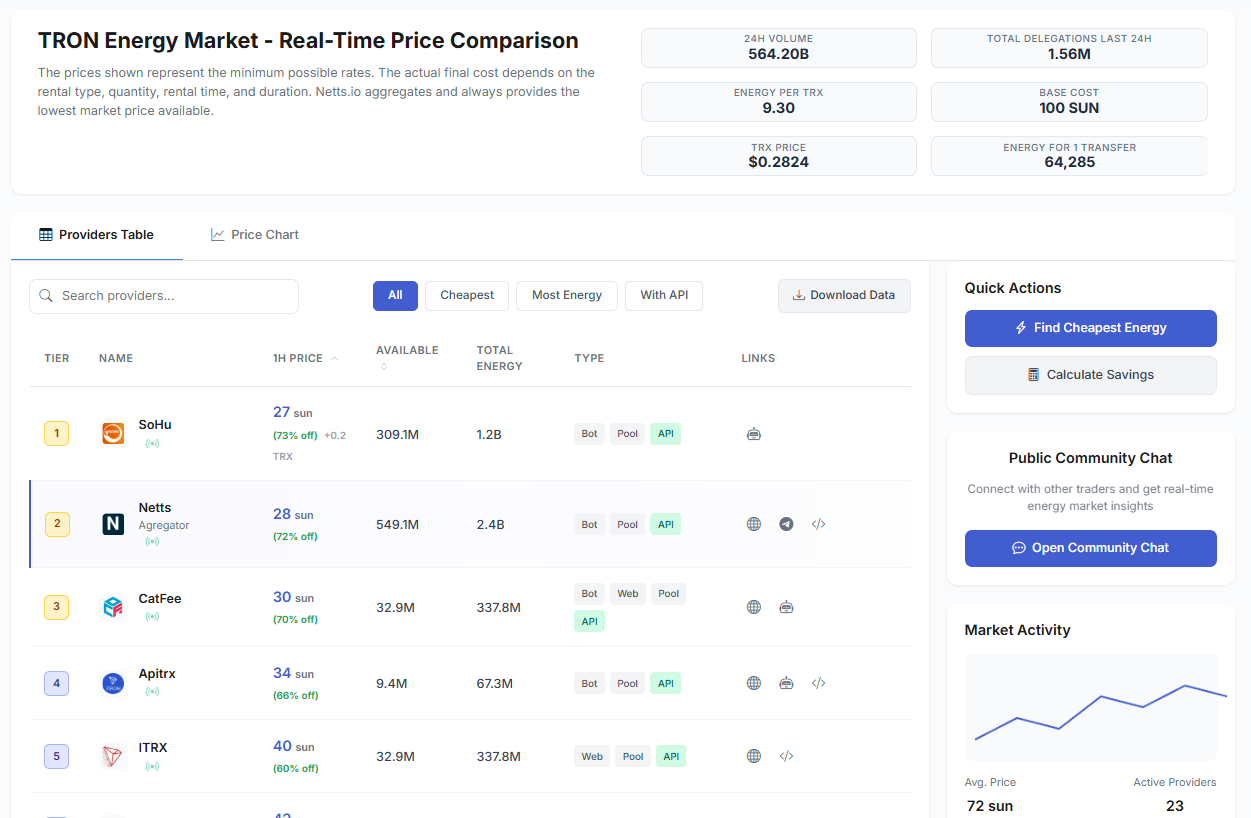
For those who are transacting high volumes of donations on the TRON network, or other use cases, optimizing for resource costs is key to being as efficient as possible. Netts.io is an all-inclusive aggregator for the TRON Energy Market, where users can compare prices across 20+ providers in real-time and lock down the lowest available rates. Consolidating resources, Netts will guarantee you the lowest market price for renting Energy and will save you up to 90% on transaction fees compared to burning TRX. Featuring instant delivery, Netts streamlines how to save on operational expenses. Whether you want as little gas for making personal transfers or huge volume due to a dApp or aid distribution, Netts offers the tools you need in order to make your on-chain expenditure efficient.