Crypto Influence on Hardware Industry
How crypto reshaped hardware — GPUs, ASICs, data-centre demand, and the boom-bust cycle that touches chips, power, and consumer supply.
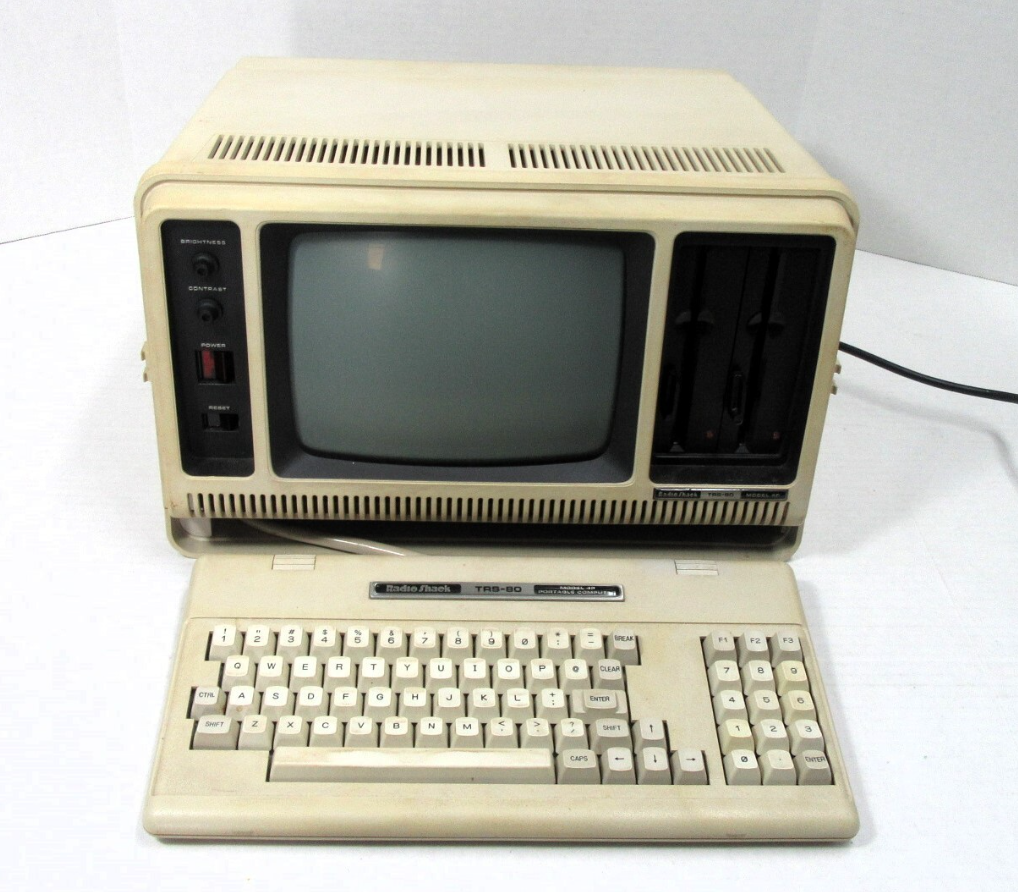
Get into a time machine and send yourself to a suburban shopping mall in the late 1980s or early ’90s, if only for the rate shock of a pre-iPhone era. The mecca of consumer electronics was RadioShack, a store that smelled of ozone and carpet cleaner, where the walls were shelved with pegboards containing blister packs of capacitors, resistors, fuses and miles of copper wire on spools. Back then, the personal computer was a mystery: it was a squarish beige monolith that sat in the corner of a home office or den.
It was an appliance, no different than a refrigerator or washing machine, not because of the specs under its chassis but for what it could do. You purchased that IBM compatible or Macintosh because you had a term paper to type, bills to balance, or maybe fancied playing a grainy game of Oregon Trail. The vast majority of civilization wouldn't have known anything in existence inside that tan metal shell. The idea of a newbie knowing the clock rate of their CPU, the video RAM in one’s GPU or latency timings on its RAM was ridiculous. And that’s all the esoteric concerns of electrical engineers and a small, ostracized subculture of tinkerers who spent their weekends soldering circuit boards in their basements, right? For the average consumer, a computer was a magic box: You pressed a button, it beeped and if you were lucky, it responded to commands.
Fast forward to thirty years later, and the cultural shift on hardware literacy is nearly radical. We're now in a place where the specs of a microchip are openly debated. It's not at all unusual to overhear a teenager playing out an explanation of why they need the raytracing-capable graphics card or reading a general interest forum discussion asking about the thermal costs of some manufacturing step for some silicon wafers.
No longer do people simply use computers; they curate them. They know not only the exact model number of their graphics card, but also the CAS latency of their RAM and the thermal design power of their processor. They passionately debate in online forums about the manufacturing of the newest chips, arguing over efficiencies of nanometer nodes and transistor gate architectures. This surge in technical literacy was no accident. It was fueled by the unyielding demands of modern software, the ascendance of high-fidelity gaming and, perhaps most infamously, the volatile — if not quixotic — influence of the cryptocurrency industry.
Golden Age of PC Building
To put this into perspective, let’s look at the “golden age” of PC building that was early to mid-2010s. This was an era of democratization for powerful hardware. Platforms such as Steam had made PC gaming more accessible than ever, and games such as Crysis, Half-Life 2 and eventually The Witcher 3 were breaking new ground in what could be achieved visually. Building a custom PC was something of a rite of passage. It wasn’t simply a matter of utility; it was also expressive. They built systems with tempered-glass side panels, neatly-routed cables and synchronized RGB lighting. The altar was centered on the graphics card, a token of power and influence. For just a few hundred dollars, anyone could assemble a machine that would perform as well as one of the previous decade’s supercomputers. The supply chain was reliable, prices were predictable, and the relationship between manufacturer and user — also known as the consumer of one — was transparent.
The Disruption: Miners vs. Gamers
Then came the disruption. The meeting of cryptocurrency and hardware has been a rocky ride; one that has forever changed how the public looks at the components inside their machines. Hostility characterized much of this relationship over the past decade. And as the price of digital assets, like Bitcoin and Ethereum, started to rise, a new use for consumer hardware arose: mining. It turns out the same GPUs that were rendering photorealistic explosions in video games happened to be extremely effective at performing the repetitive, parallel calculations needed to keep blockchain networks safe. That revelation caused a gold rush that left store shelves barren.
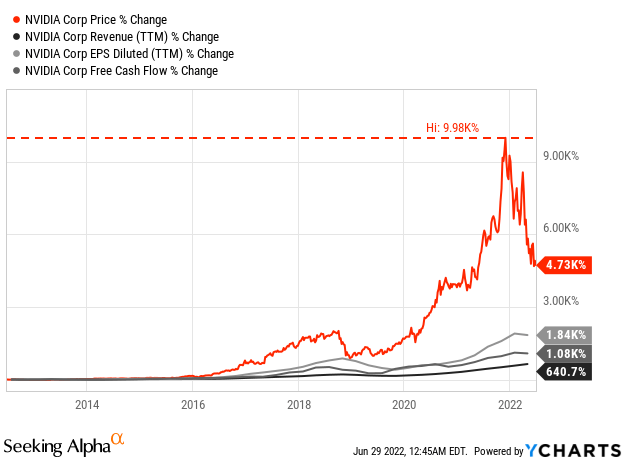
The first shockwaves came about 2017, then hit back with earthquake-like force in 2020 and 2021. In a split second, a product that used to signify a ticket to virtual adventures morphed into a gadget that prints money. Literally overnight, industrial-scale mining operators emerged everywhere and swept clean the stocks of every card on the market. They didn’t buy a piece here or there; they purchased cards by the pallet, by the container, in some cases managing to stop the retail cards at the border and grab the entire lots.
The material and aesthetic opposition between a gaming rig and a mining rig has become the metonym of the clash. The elite sportscar of computing and the semi-legal cargo truck, the artfully sculpted high-tech wonder and the Frankenstein’s monster: the milk crate or open metal support rack with six, eight, or twelve big or huge cards jacked in, hooked together by flimsy PCIe cables, dredged straight into a server-grade power supply roaring at maximum output. A mining rig never powered off. Instead, customers gutted a fridge or two, manually verifying the memory modules to their physical bounds, and sometimes pushed the equipment to excesses the original invention could not risk.
The resulting response among the general public was swift and incandescent. Gamers who had been saving up for months to purchase a new card, be it NVIDIA GTX 10-series or later the RTX 30-series, suddenly found themselves facing “Out of Stock” notices at every retailer. The secondary market turned into a battlefield. Scalpers, armed with automated bots, grabbed rare and paltry stock when it did materialize and flipped the items at double or triple or quadruple their manufacturer’s suggested retail price. A card that in theory was worth $700 was going for $2500. This was a slap in the face for average consumers. The story line that took hold in these years was one of outsize villainy: The “cryptobro” was ruining the hobby of millions of people to mine speculative, digital tokens. The end user whose family members wanted to play popular recent games IRL couldn't because of profit-motivated miners. This era left a deep gash in the relationship between crypto’s community and the wider tech world.
Shift to ASICs and Proof-of-Stake
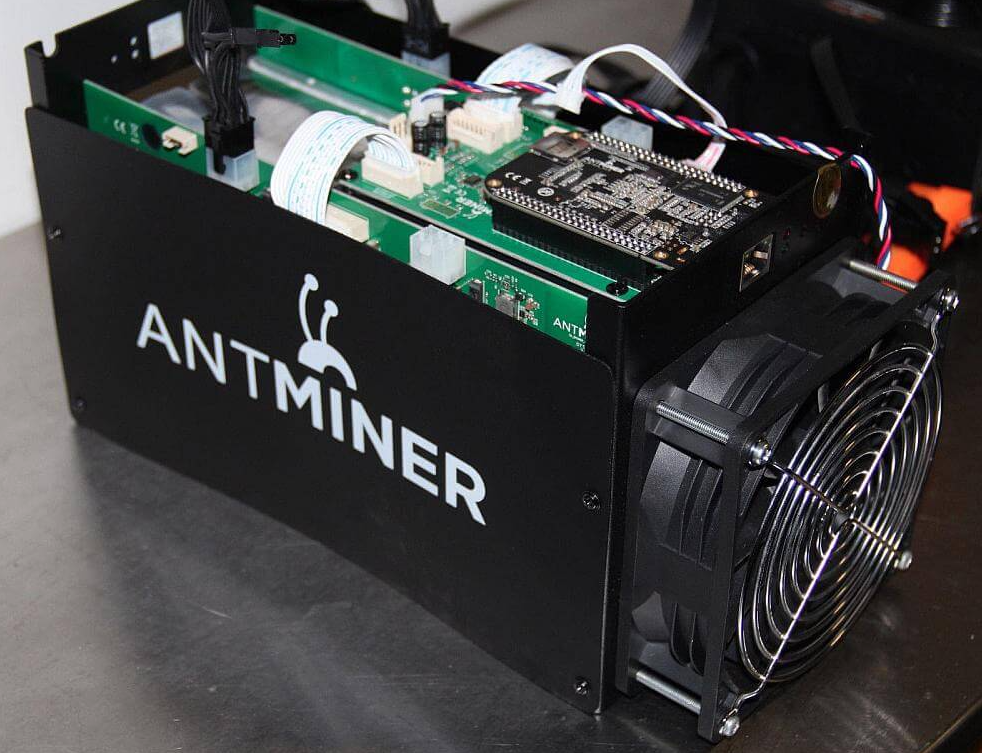
But as we progressed further into the 2020s, the underpinnings of the hardware industry itself started to change in ways that the everyday buyer may not have immediately seen. It was the beginning of the end for the GPU miner that did everything, and the start of an era that would see a new class of custom-built ASICs striding onto the scene. The first was the introduction of Application-Specific Integrated Circuits, known as ASICS. These machines were made for one purpose and one purpose only: to mine certain cryptocurrencies efficiently. An ASIC miner is worthless for playing games, watching videos or building AI models but orders of magnitude more efficient than the most powerful consumer video card at hashing. As the challenge of mining networks such as Bitcoin rose, the hobbyist with a gaming PC was essentially priced out. All those industrial mining companies started using these dedicated machines, and the consumer GPU market got a bit of a break.
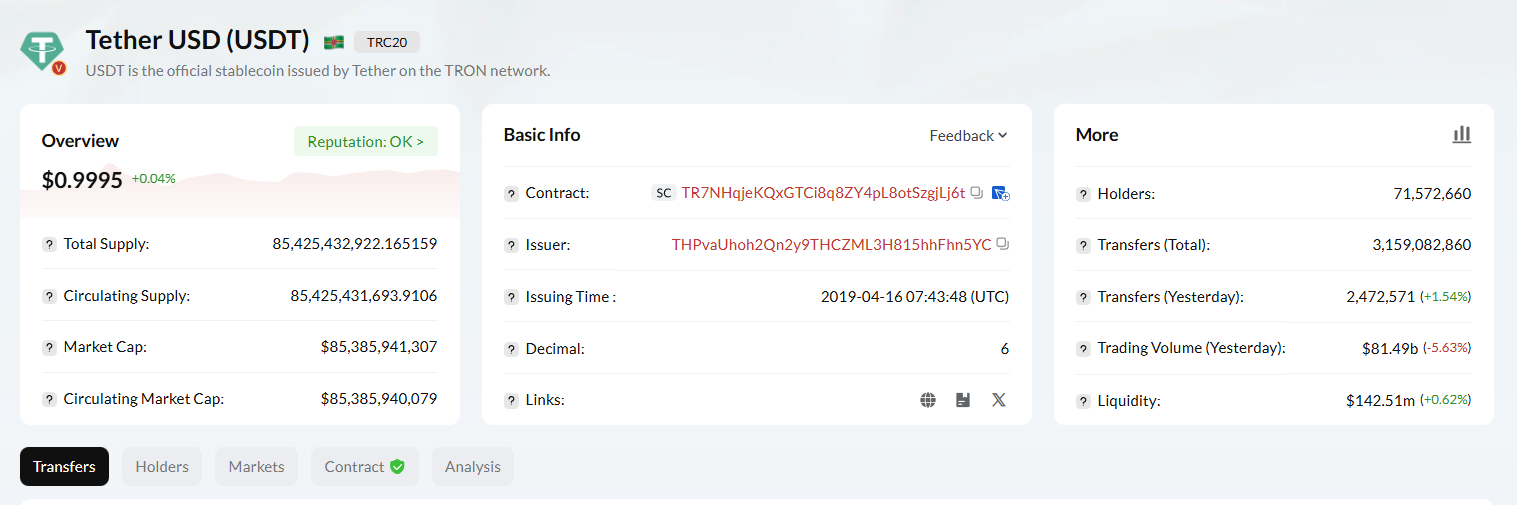
The second shift, and probably a more radical one, was the move of all significant blockchain networks from proof-of-work altogether. The most prominent example was “The Merge,” which marked Ethereum, the second-largest cryptocurrency and main demand-generator of GPU mining, transitioning to proof-of-stake as its consensus mechanism. Almost overnight, millions of graphics cards were no longer needed to secure the network. The hardware requirements for running a node or validator on today’s proof-of-stake network are fundamentally different from yesterday’s power-hungry rigs. The requirements to support a network TRON or the Ethereum beacon chain today are less raw computational grunt and more reliability, storage speed, and raw bandwidth.
New Kind of Infrastructure
That has created, in offers of server-grade hardware at least, a rich ecosystem that runs parallel to the consumer market, rather than contrary to it. When we speak of crypto’s influence on hardware, in 2026 this means high-performance solid-state drives for rapid state access; huge pools of error-correcting code RAM for in-memory databases; and specific network interface cards that can process thousands of transactions per second. The new crypto infrastructure provider is more like the traditional data center operator than the iconic, basement-based miner of the popular imagination. They care about uptime, latency and resource handling.
This concern around accumulating and managing resources has been an underpinning in systems like the TRON network. The network works on Bandwidth and energy. These are resources needed in making transactions and running smart contracts. This model promotes a degree of optimization, which did not exist in the proof-of-work brute force days. No longer can users just hurl servers at their problems; they must be more considerate about how to economically lease Energy to power their workloads. The hardware that supports this is geared for these kind of transactional loads. For a node-server: it should handle a high throughput of incoming requests and verify them in minimal time. This calls for a different kind of hardware balance — high I/O performance and high memory bandwidth, but low floating-point calculation capability.
Then there came a boom in the resource rental. Those who want to run complicated smart contracts or make lots of transactions now have the option to hire Energy instead of using their own capital to produce it. Now “rent Energy,” “get TRON Energy” and “TRON Energy refill” are new terms in the optimization vernacular. This is a problem in software-defined hardware. Data centers filled with physical servers are there humming efficiently, but the interaction for the user is remote. You don’t have to purchase a larger power supply to get more throughput, you just interface with the resource market and buy the Energy you need. This layer of abstraction is an indicator of a growing industry. The "heavy lifting" has been offloaded from the user's desktop to specialized, well optimized nodes that run so much more efficiently than consumer hardware ever could.
AI Hardware Crunch
Paradoxically, as the crypto industry was resolving its hardware inefficiency problem and beginning to get comfortable with the supply chain, a new titan rose to throw a wrench into everything all over again. Artificial Intelligence. The rise of generative AI and Large Language Models (LLMs) has led to a march for hardware that makes the crypto boom pale by comparison. The training and inference of these large models demand an incredibly specific kind of hardware: GPUs with days-worth of High Bandwidth Memory (HBM) on board.
The one-time bête noire of gamers, NVIDIA has moved with ice-bottomed precision. They read the writing on the wall. They were willing to sell cards by the hordes to miners through the boom, but they knew that mining was not high-margin computing; AI is where the future of money was at. They have pivoted their entire supply chain towards delivering enterprise-grade AI accelerators. The manufacturing capability for the advanced packaging techniques needed to make these chips — such as TSMC’s CoWoS — is very constrained. For every wafer that goes into an AI GPU, there’s one fewer to build a consumer graphics card or a crypto mining ASIC.
The outcome is a fresh sort of scarcity. The costs of DDR5 RAM and high-bandwidth memory (HBM) are hitting record marks not because there’s a new digital currency around, but rather because AI data centers are eating up every last memory chip that comes off the production line. The “general public” and the “crypto community” are now on a weird and accidental same team. The gamer seeking a less-expensive GPU and the server node operator interested in affordable server RAM are both running against the same headwind: the AI industrial complex. The big tech conglomerates are hoarding hardware in a way decentralized crypto miners never could.
The narrative has flipped completely. The villain is no longer the “cryptobro,” sending prices into the ether. And, in the ultimate twist of irony, it’s now crypto enthusiasts who are leading the charge towards efficient, lightweight hardware solutions. They are constructing nodes out of Raspberry Pis, reusing old enterprise servers and optimizing software so that it runs as efficiently as possible with minimal hardware usage. That hate that was thrown at them back then was only a result of being specific to a special time and place, where PoW mining and PC gaming were basically both trying to strangle each other for the same exact commodity. That moment has passed. The battle now is between the consumer (whether gamer or crypto user) and trillion-dollar AI corporation.
Optimization as the New Standard
Crypto has reached the hardware and it’s now a matter of server-side optimization. Those networks that did survive and then flourish, such as TRON in our case, had a successful economic model where they didn’t need users to own their own warehouse full of hardware. They pushed the performance burden on to a smaller number of high-powered professional validators and let normal users interact with the blockchain with nothing more than a smartphone or laptop. The 2026 “mining rig” is usually just a stake of tokens and a leased portion of Energy.
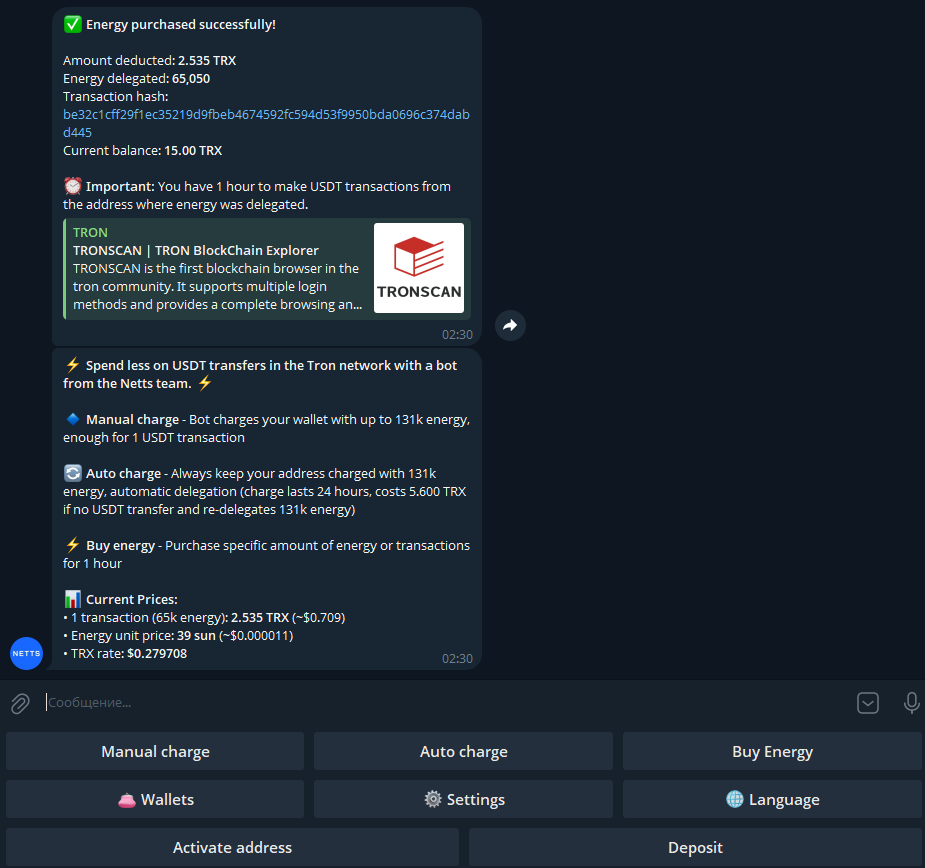
This is where tools which can connect this vast infrastructure to the end user become relevant. In the world where only efficiency is a means of protection from growing hardware expense — services which optimize blockchain resources usage become crucially important. This new paradigm is embodied by the Netts Energy Charge Bot. Any users on the TRON network can rent Energy easily for transactions without freezing tens of thousands of TRX tokens or burning fees. With an instant rebuy, topping up TRON Energy brings the user back from expensive burning of the token to initiate a transaction. It’s the natural endpoint of the industry trend towards efficiency — using software and clever economic models to solve problems that once called for sheer hardware horsepower.