Crypto Communities to Join
Where to plug into crypto communities — trading groups, education DAOs, conferences, hackathons, and invite-only research circles — with a plan.
If you want to go fast, go alone; if you want to go far, go together — this old adage has never been more relevant than in the high-velocity world of digital assets. You will always move faster with groups of humans. It’s a fundamental truth of human sociology that extends across industries, but it carries particular weight in the world of decentralized finance. In those situations, particularly amongst groups that are equally enthusiastic as you, the rate of learning or opportunity is exponential.
The lone trader or solo developer often reach a ceiling — a plateau of development where their limited experience and world view becomes the limit to their evolution. Conversely, those who become immersed in lively, pulsating communities often discover that the combined intelligence of the group helps to move everyone along. It’s not just the people you talk to, but the environment in which you get thrown, where the collective knowledge base is rising all of the time. By surrounding yourself with obsessives who share and probe into the same niche topics as you, be they yield farming strategies, NFT provenance or layer-two scaling solutions, you participate in a kind of passive osmosis. Words, risk management techniques, market instincts, etc., just rub off on you from being around the discussion.
That little bit of social labor can do us some good. This is the secret weapon many good market players use but seldom verbalize. In the age of information as currency, having contacts with its own set of eyes and ears watching over everything that goes down on the blockchain is a resource you just can’t put a value on, even in a ledger. Other people can have ideas you don’t even think of. They may have noticed a divergence in a chart pattern that you overlooked or they might have read a whitepaper for some protocol that is going to disrupt some individual sector of the market.
Connections might lead to some extremely generous enterprise. A chance chat in a voice channel in Discord can result in a co-founding relationship, an elite protocol job or the scoop on a governance vote that will tip the direction of a major token. And, it’s the serendipity of these interactions that makes the community aspect of crypto so powerful. People can be intensely secretive and reclusive nowadays. Paradoxically, the digital age has connected us more and more — while isolating many of us behind our screens. We are paranoid about our seed phrases and our portfolio values. But once they broach a subject they are passionate about, they come to life. Crypto for crypto’s sake will always be a great icebreaker. It is a common tongue, a collective resistance to volatility and a shared picture of an alternative financial future.
Trading Communities and Alpha Groups
The modern enthusiast has so much range, from the wild and free to the costly and elite. To make sense of this mixed playing field, we may be able to place them into one of several different archetypes — each uniquely designed in order to solve for a unique kind of user and market.
The first type are the large, public trading and discussion communities. These can frequently be found on Telegram and are the beating heart of retail sentiment. This level is represented by groups like Binance Killers or CryptoNinjas Trading. These are communities for the active trader, looking to keep a finger on the pulse of the market. In such circles, the sharing of information feels nonstop.
You are sure to discover dozens, maybe even hundreds of new posts every day on the price action, some news tidbit someone got from their favourite slack group (it’s a thing) and varying arguments against buying their shitcoin. This might be daunting for a new trader, but for a good scalp trader who thrives on sentiment information. If all of the sudden something is getting hyped and you see a bunch of mentions on that token, it’s a leading indicator for Bullish news or other market action… or dumpage. Folks here are frequently trying to find the quickest way to ride volatility. They talk about the best ways to trade tokens, often exchanging information on how they can transfer USDT into other wallet addresses without getting crushed by slippage or having long waits. Down here, the culture is brusque and energetic. It is the marketplace of the digital generation, available to anyone with a smartphone.
Educational Hubs and Research
From there, we move from the pure chaos to the highly curated: the educational and research-oriented communities. They tend to exist on carefully moderated Discords or forums and are represented by entities like Bankless or the deeper subreddits like r/Cryptocurrency and r/BitcoinBeginners. These communities are for the learner, and for the long-term investor. Here the obsession moves on from “number go up” to “why this technology matters?” In a Bankless community, for instance, there might be channels devoted to how monetary policy works under the hood or how decentralized autonomous organizations (DAOs) are architected or the philosophical implications of an unchangeable ledger.
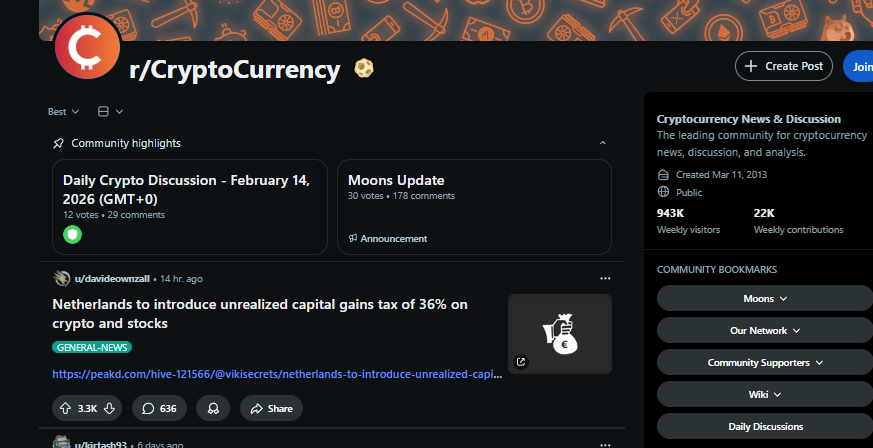
The people you meet in here are less likely to be “degens” chasing a 100x pump, and more likely to be developers, writers or investors constructing a thesis for the next decade. This is the home to go for learning basics. The conversions here tend to be more of the optimization and best practices variety. There might be a thread discussing the best bridges to cross chains on, with users sharing which route they’ve found has the lowest USDT fees or most secure wrapping mechanism. That is where these communities can add value. In a noisy world, they are the signal that keeps you from mistaking real innovation for vaporware.
Exclusive Networks and Private Clubs
And for people willing to buy their way toward an advantage, there are the “Alpha” groups and private clubs. Notable examples include the Nansen Alpha, The Alpha Club or even more niche ones like Black Block. These are not for the faint-hearted or light of wallet. They are for the die-hard market participant who believes, not in crypto as a hobby, but rather as an exercise or even vocation of serious wealth production. Membership typically involves owning a specific NFT or paying a hefty monthly subscription. Members, in turn get exposure to top-level analysis, early-stage deal flow and direct access to industry insiders.
The “Alpha” in this case is info asymmetry. It is news of a protocol update before it goes live on public wires. It is observing on-chain data showing a “whale” accumulating a position. The vibe in these groups is professional and serious. There is little noise. Each notification should be actionable. In that high-stakes world, it’s all about efficiency. Members generally have large investment portfolios to think about, and debates on how to save money moving large sums in USDT fees, or dealing with Energy on TRON are not fine details — bottom line numbers are at stake. What you probably find here are connections with HNW individuals, fund managers, protocol founders.
Real-World Connections: Conferences
Outside the digital world, there is an element of crypto community that is arguably the most potent in terms of bonding relationships — conferences and meetups. It’s why TOKEN2049 in Dubai or Singapore, Consensus in Miami or Hong Kong and ETH Denver (and a slew of other events) offer something that no Discord server can even begin to mimic: trust from seeing someone face-to-face. These are the events for the networker, the business builder and those who want to give humanity a face behind anonymous avatars.
Wandering on the floor of a large conference, you understand the magnitude of it. It is a bombardment of booths and panels and side events. But true value is often to be found in the hallways and at the after-parties. Here is where deals are made. You may end up sharing a drink with the developer of the wallet you reach for everyday or talking about future regulation with an attorney who specializes in digital assets. The people that come to these are the ones that will see through the industry in the years to come. They have "skin in the game." Experiencing this — for which we need to travel, buy tickets and then show up — indicates a certain seriousness that filters out the casual tourists.
The Builders: DAOs and Hackathons
Our attention is constantly captured by trading news and investment, but the avant-garde of this industry operates within speculative Developer DAOs, as well as at hackathons. Groups such as Developer DAO or alumni communities from some of the biggest hackathons like ETHGlobal are people who are building the rails for the future financial system. Here, the talk is less of price action and more of composability, zero-knowledge proofing and smart contract security. Even if you can’t code, these places are game-changing in terms of getting a sense of the technology that is going to influence market value.
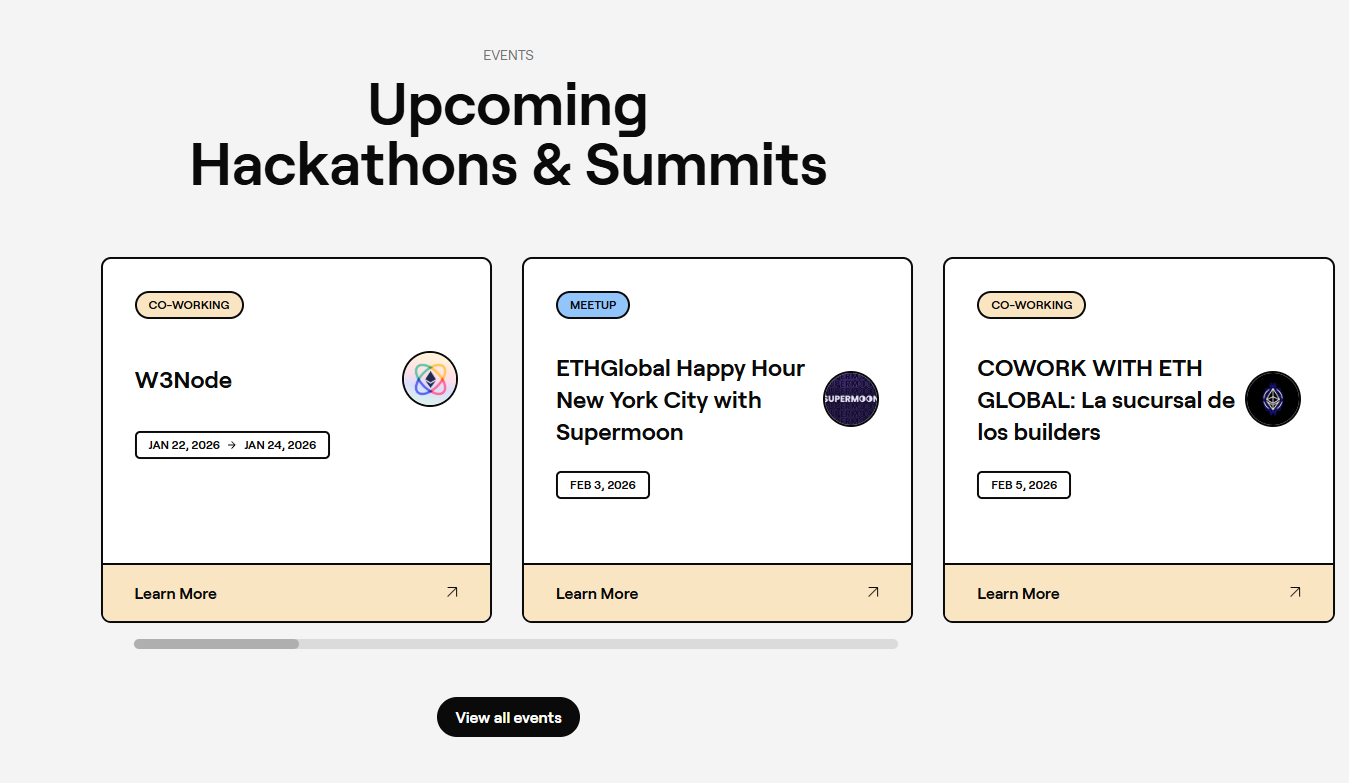
It’s all very collaborative and open-source: folks here are excited to look over your code, whiteboard architecture decisions with you, or help stress-test new ideas. In these digital workshops, you glimpse the future before it is released. Proximity to the builders is a huge advantage for you, as you have knowledge of protocol limits and capabilities far ahead of the time marketing teams start up their hype machines.
Cultural Communities: NFTs and Gaming
Likewise, crypto's cultural sector — the NFT and gaming community — is a totally different vibe. The type of group that comes together around blue-chip NFT collections or blockchain gaming guilds operates more like an exclusive social club or digital nation. In these virtual realms, the thing held in common is not simply a financial asset but also a component of identity. The solidarity here is often even stronger than in trading groups because the members are drawn around a shared aesthetic or gaming passion. Whether it is a guild organizing a raid in an on-chain RPG or an art collective putting together a new generative drop, these communities create belongingness that is often missing in the cold world of finance. They are the laboratories for new models of digital governance and social organization. For the novice, they provide a friendlier on-ramp to Web3 that’s less about speculation and more about community and culture.
1. Trading Signal Groups. For active traders, high frequency, sentiment analysis (i.e., CryptoNinjas, Evening Trader).
2. Educational DAOs. Ideal for students, long-term investors, fundamentalists (e.g., Bankless, CoinBureau).
3. Invitation-only Alpha Clubs. Best for HNWI, early deal flow, professional network (ex: Nansen Alpha, The Alpha Club).
4. Global Conferences. Ideal for business development, face to face trust and macro industry trends (TOKEN2049, Consensus)ю
5. Developer Hackathons. Best for builders, technical talent, cofounders scouting (Example: ETHGlobal, Devcon).
One overlooked element of being part of these societies is the cover they provide. The “wisdom of the crowd” is a formidable antidote to the countless scams and exploits that infest the crypto space. In a vacuum on its own, a phishing email or the approved smart contract may seem legitimate. But if you are part of a watchful community, these threats are often detected immediately. If a new “exploit” is bleeding wallets, the news ricochets across those groups’ Discord channels before any news outlet can write it up. This collective immune system is one of the clearest benefits of being plugged in.
More so, our communities serve as a filter for quality. When a new project is exposed to the scrutiny of hundreds of eyes, faults tend to be revealed in short order. Someone in "General" can probably point that out if a whitepaper contains copied code or predatory tokenomics. Heard it here first, folks! This peer review system has saved many community members from the misery of poor investments. It makes you raise your own due diligence bar, because the people around you demand evidence and logic, not empty enthusiasm.
The mental health value of these communities cannot be underestimated. The crypto market is like a 24/7 beast that never slumbers. It is emotional, irrational and volatile. Going through that on your own is a mind game. Because when the "bear markets" or what the community calls "crypto winters" come, especially if you’re going it alone, they are particularly harsh. In a time when the price is 80% cheaper and mainstream media writes that the industry is dead, it’s a community that goes against haters to keep building.
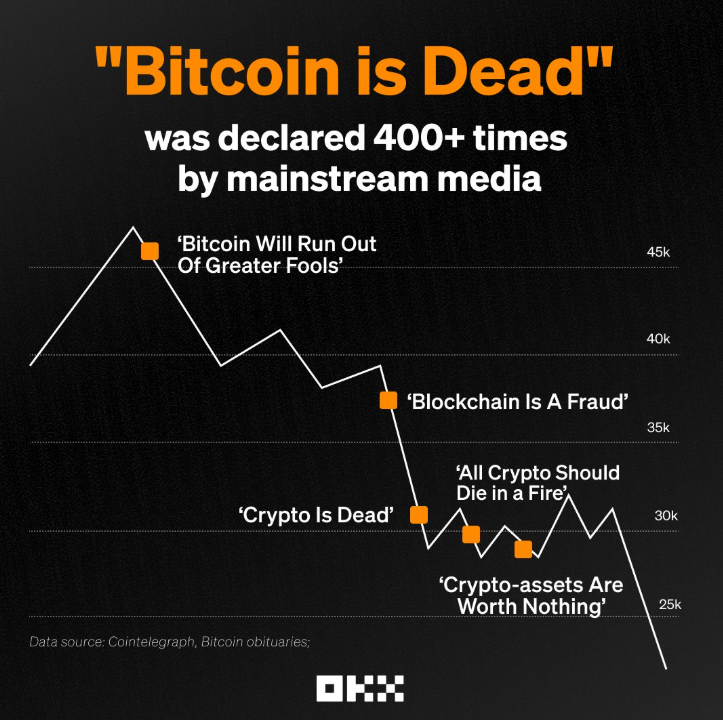
It is in the bear market trenches, in developer chats and true believer forums, that the next wave of innovation is pieced together. Belonging to a group that knows the market is cyclical can keep you level-headed. You understand that you are not the only one with a bag or sitting on the next cycle. It’s this collective resilience that not only acclimates individuals to the extremes, but helps them make it through and out to the other side. And the community, then as now, was there to keep you grounded — or at least remind you that here were people who know what this success means. It can be hard to explain to your non-crypto friends why an airdrop of governance tokens is life-changing money; it’s unnecessary to do so with those in your DAO group because you’re all partying about the news together.
Then, as you roll through these different circles, you’ll find your “tribe” — a set of individuals whose values and risk tolerance and interests mirror yours. It could be a small cohort of on-chain sleuths following the trail of hacker wallets or a large community of NFT collectors complimenting digital art. Whatever it is, the point is that you’re engaging. Don't just lurk. Ask questions, get responses and share your findings. The more you contribute to a community, the more it contributes to you. You can learn, connect and provide value in these groups to build your name up with the people that matter most. In a pseudonymous world, your portfolio of contribution and trust is your resume. A timely insight or a helpful bit of explanation in a public chat can draw the attention of someone influential, leading to opportunities you didn’t even know existed.
In the end, the trip through crypto-space is a voyage of discovery — not so much of technology as peoples. The code is open source, but the true sorcery is in the human layer that lies on top. Whether you’re in search of the next 100x gem, a deep dive into zero-knowledge proofs or just a bunch of friends to meme with when the market’s puking, there’s probably a community out there that suits your needs. And the barrier to entry is usually just clicking a “Join Server” button. But the value you receive is entirely based in your willingness to interact, listen and share. They provide, in an increasingly digital world, a new kind of belonging — one that is borderless, permissionless and based solely on shared passion.
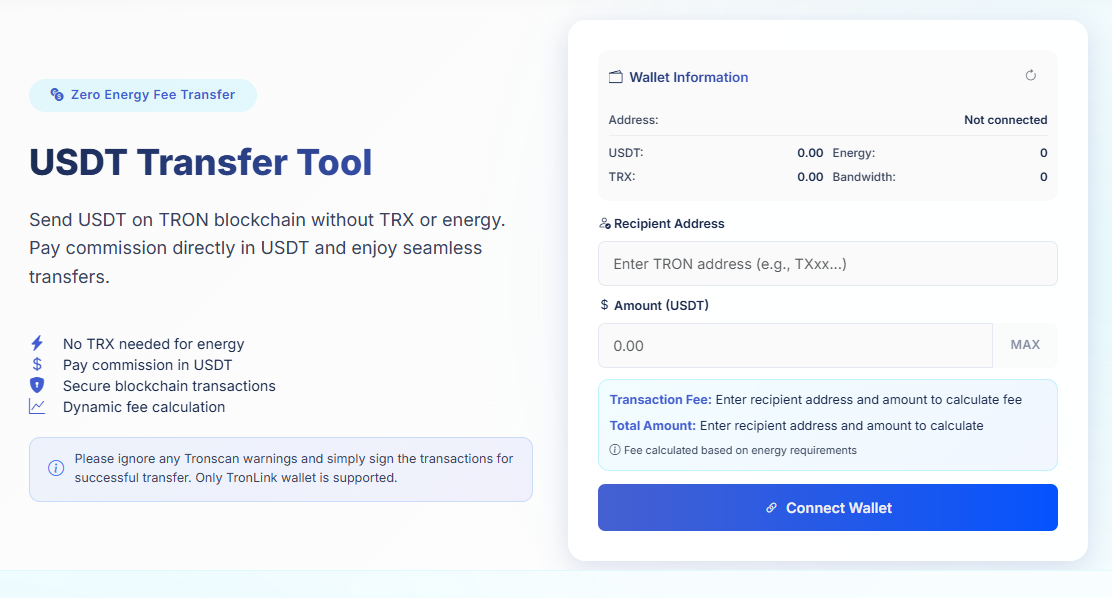
One of the inconvenient truths frequently debated in these communities is on-chain friction — especially for stablecoins such as USDT. This is what makes products such as the Netts Transfer Tool an item of interest. Netts provides a method for transferring USDT on TRON to users without staking TRX for energy, thus eliminating "Energy Wall" by which many users are met with. Through enabling users to directly pay commission in USDT, such friction is significantly reduced, and transactions can be conducted smoothly and safely without the hassle of having to manually manage Energy or Bandwidth.