Crypto and Environment Protection
Blockchain for the climate narrative — tokenized credits, supply-chain proofs, microgrids, and the honest limits of “green” marketing.
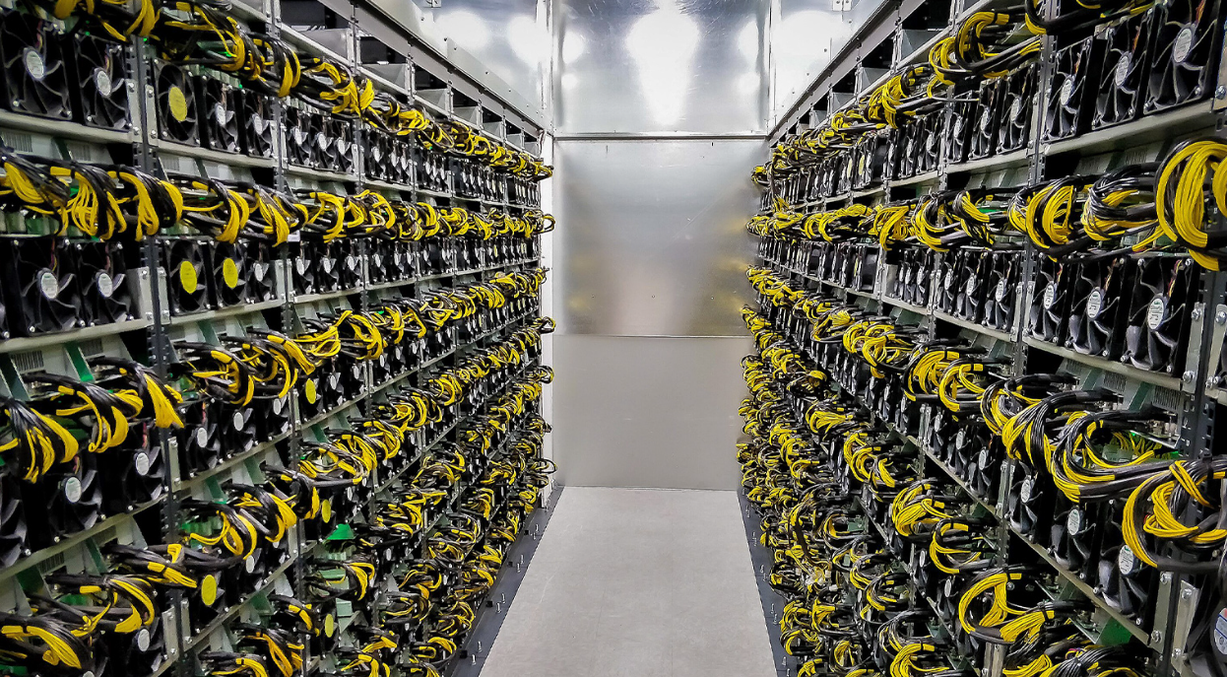
Few subjects in the broad world of financial technology draw out as much passion and controversy as the environmental effect of cryptocurrency. To the average onlooker, the word "crypto" probably brings to mind colossal server farms powering bitcoin miners that are keeping an entire country in darkness. This perspective, though more subtle by 2026, is hardly unjustified. The original and still the most prominent cryptocurrency, Bitcoin, uses a consensus mechanism called Proof of Work.
This system safeguards the network of transactions by forcing miners to solve incredibly complex algorithmic puzzles — a feat that can take up enormous amounts of computational power. As the price of Bitcoin has risen over the years, so too has the competition to mine it. From a hobby on home computers for tech enthusiasts, mining has continued to industrial-scale levels. Giant warehouses packed with servers running around the clock to mine digital coins can be located anywhere that has a cheap and plentiful supply of electricity — regardless of environmental impact. Often that has meant depending on fossil fuels, which account for a large part of carbon pollution and environmental damage.
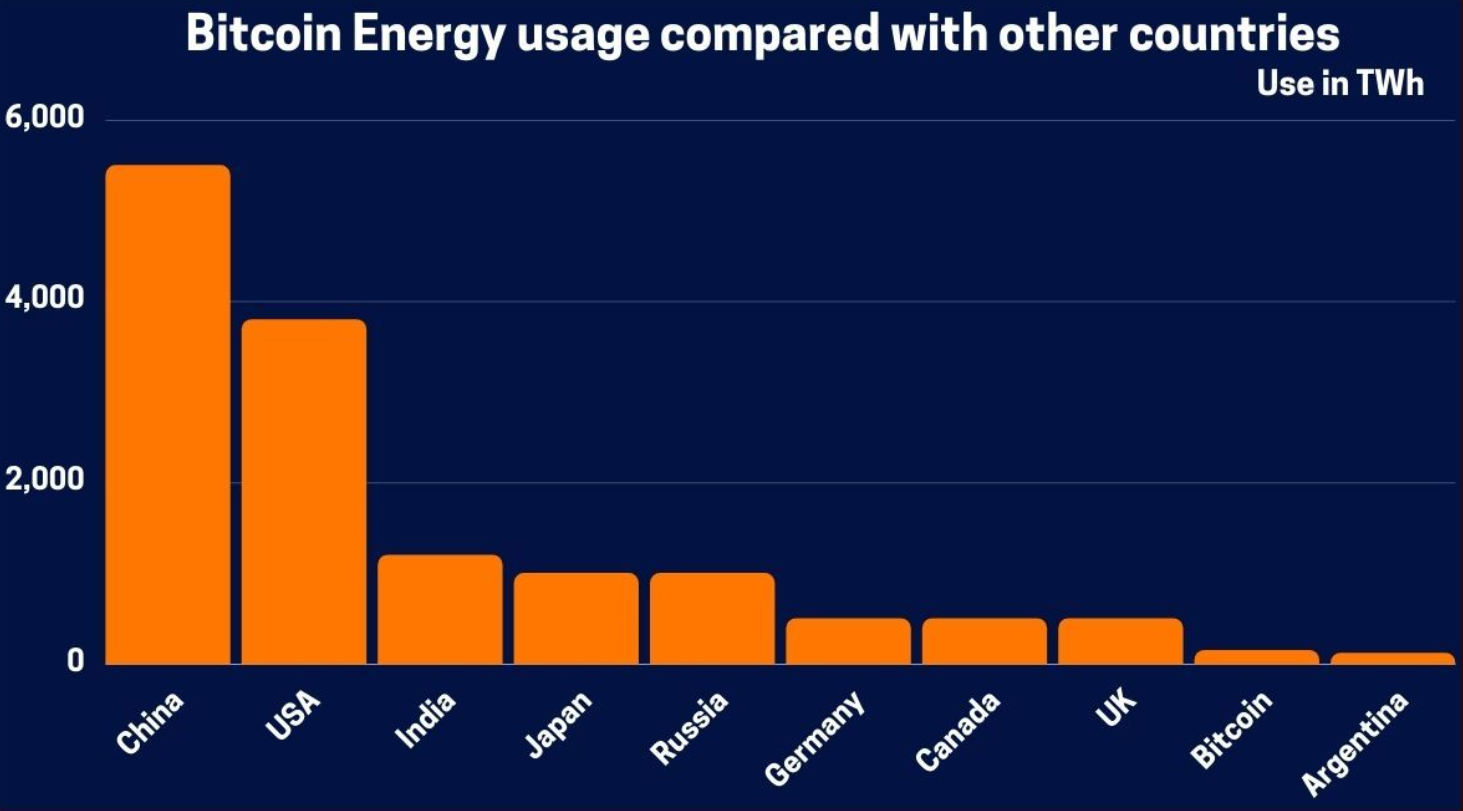
The sheer magnitude of this energy consumption is hard to fathom, with some estimates suggesting that the annual energy consumption of Bitcoin could be comparable to that of mid-sized industrialized countries like Sweden or Argentina. It is that enormous energy footprint that, more than anything else, has long made environmentalists look askance at the crypto industry and why so many have long taken issue with the industry’s contention that whatever its costs to nature, they are justified by its social utility.
The environmental impact of Bitcoin mining goes well beyond just electricity consumption. The hardware employed has a very brief longevity (Application-Specific Integrated Circuit or ASIC devices are commonly used). They are designed for a single purpose: to process data really quickly. With the complexity of mining continuing to rise and new machines being produced, even last year's models are quickly becoming obsolete, with some barely holding their own for a few months. This cycle generates an enormous volume of electronic waste. Tons of circuit boards, fans and metal casings are discarded each year, contributing to the global waste problem that is toxic e-waste. This e-waste is often made with toxic chemicals such as lead and mercury, which can leech into soil and water if not disposed of correctly.
And on top of that the very physicality of mining and its associated infrastructure can have disastrous impacts on local communities. People who live near the mining farms frequently complain about the noise from cooling fans, and overheating of the surroundings areas. The sheer scale of the resource extraction it would take to build, power, and cool such machines is just one way that cryptocurrency emerges as an environmental villain — a rapacious beast whose hunger for resources is never sated. Despite the industry’s best marketing to green its image, this perception has been difficult to shake.
Shift to Proof of Stake
But to assess the entire blockchain industry through that lens is to miss a significant change that has been brewing for years. That’s quite the outdated narrative that all crypto is bad for the environment. The sustainability problems with Proof of Work have been well understood across the industry, and for the most part it has moved toward a much more environmentally friendly model called Proof of Stake. In this system, network security isn’t achieved by burning electricity to solve random puzzles — instead, validators lock up their tokens as collateral.
This simple switch in consensus mechanism cuts energy use by more than 99% and, suddenly blockchain technology changes from an environmental disaster to one of the greenest digital infrastructures on offer. It goes one step further from “work” (energy expenditure) to ‘stake’ (an indication of value put at risk), thereby conceptually separating security of the network from the consumption of physical resources. This is like going from steam-engine power to electric power, making previous ways of doing things obsolete.
TRON's Sustainable Model
Among the first notable examples of this fresh, daring network layout is the TRON blockchain. Unlike the massive energy consuming mining farms of the early days, TRON is capable of being almost environmentally positive. The network employs a Proof of Stake variant, which is referred to as Delegated Proof of Stake (DPoS). In this system, token holders vote for “Super Representatives” who have been entrusted to validate transaction and produce blocks. This voting occurs on-chain and is almost negligible in terms of energy consumption. The end product is a network that can handle thousands of transactions per second, and use less energy to do so than an average office building.
This efficiency is designed into the very foundation of the protocol. By discarding competition based mining, TRON makes the digital economy more international and spreads it equitably among all its participants. It’s a mature DEFI asset, emphasizing utility and speed, rather than just raw computational brute force. The contrast is stark: While one transaction on the Bitcoin network could consume as much power as a house does in a week, a TRON transaction uses less than 20 times the energy of an email. The dramatic decrease in energy intensity means that TRON can power complex decentralized applications and accommodate millions of users while also keeping our footprint on the Earth’s climate to a minimum.
Resource Management and Efficiency
The brilliant business plan of TRON more clearly distinguishes the coin from other cryptocurrencies and emphasizes its focus on long term results. Rather than paying fees only in native currency which is then effectively burned or redistributed to miners, users on the TRON network consume particular resources known as Bandwidth and Energy. These things are regenerative — they regenerate over time and thus allow active participants to make trades without consuming their holdings. Energy especially is consumed for the invocation of smart contracts.
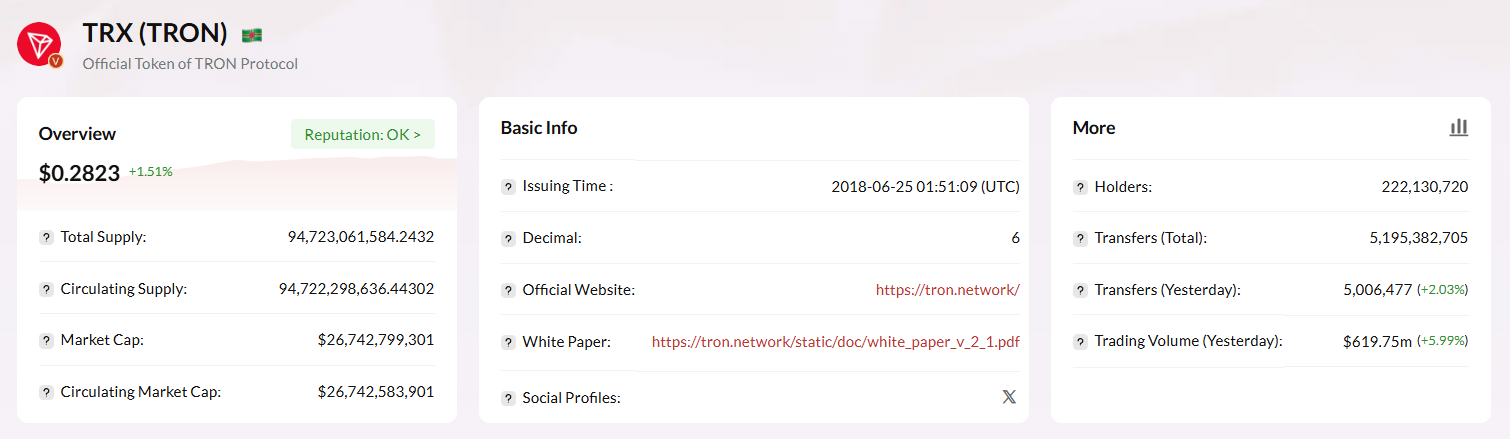
This model promotes optimized code and responsible use of the network. To access these resources, users can freeze their TRX tokens and it costs them no extra energy, only maintaining the healthy state of the network. This mechanism can form a stable circle in which network security and resource scheduling are in tandem with environmental protection. It’s basically the gamification of efficiency, rewarding those who use their resources best instead of those who can most righteously burn up the most coal. This is turning the notion of “mining” on its head, instead of a destructive race to the end, we see a win-win positive sum framework for resource allocation that is good for everyone.
Indeed, for developers and power users, the purchasing of resources has evolved into a complex part of the ecosystem. Here is where you can use specialized tools. For example, a renting API that can be called by the developing logic to get energy for such transactions at exactly the point in time it is needed. Rather than stockpiling resources or “permanently” leveling large quantities of capital, users can hire Energy for a specific time period. This optimization indicates the capacity of the network is being used more efficiently and not wasting resources. Such an order of magnitude is void of the wasteful redundancy that PoW mining entails, as you have millions of machines doing a job on which only one can succeed.
Resources in the TRON ecosystem utilize distributed resource management to achieve logical and effective purposes. The option to rent Energy ensures that even when the network is heavily congested, users can keep their dapps running without having to pay an arm and a leg or cause energy spikes. Based on the market mechanism, resources can be dynamically allocated to meet the demand, and at the same time, maximum benefits could be obtained from the network with environmental footprint kept small. It is a system which has been specifically engineered for the long-term with stability and sustainability in mind, as opposed to short-term profits.
Now you can automate renting Energy and it’s a game changer for businesses building on blockchain. It enables frictionless operations where the environmental cost is essentially nil, and they're maximizing cost-efficiency that it takes to operate. This technological breakthrough is proof that the crypto space recognises and would like to do something about its environmental cost. Now the story is moving from “crypto versus environment” to “crypto for efficiency.” By eliminating the need for bloated energy consumption, blockchains like TRON are demonstrating that you can have a decentralized, secure global financial layer without compromising the health of our planet. This model also opens up a way that blockchain technology might actually help meet environmental aims by providing a low-carbon alternative to current financial systems. It is an example of how new technology can fix the very problems that it created, assuming there's a will to change.
Regenerative Finance (ReFi)
And outside of the architecture of the blockchains themselves, crypto enthusiasts are getting involved in environmentalist actions. That movement — sometimes referred to as Regenerative Finance, or ReFi — aims to leverage decentralized finance so that it can fund and even prove ecological projects. There is a surge in projects tokenizing carbon credits and introducing transparency to what has historically been an opaque, fraud-prone market. By recording carbon credits on a blockchain, it would be possible for anyone to confirm that indeed one ton of carbon dioxide has been offset, thus addressing the double-counting problem.
These efforts are no mere thought experiment; they are alive and expanding, pumping millions of dollars into reforestation, renewable energy deployment and ocean conservation. The transparency of this format assures donors and investors that they can follow the money to where it belongs on the ground, benefitting our planet. This is the prospect of programmable money put to use on the planet’s most pressing challenge.
Green Crypto Initiatives
There’s a new blend when it comes to where blockchain meets the earth: green. Take a look at some of the one-off projects which are picking up traction within the crypto sphere:
1. Tokenized Carbon Credits. It enables the transparent monitoring and trading of carbon offsets, guaranteeing that green claims are backed by blockchain-verifiable data. This removes the so-called "greenwashing" inherent in many corporate sustainability reports and sets up a global standard for carbon trading.
2. Supply Chain Transparency. Leveraging the immutable nature of the ledger to trace goods from producer to end consumer, facilitating sustainable sourcing and equitable labor conditions. Consumers can scan a QR code to see a product’s entire journey and verify its eco-credentials.
3. Decentralized Energy Grids. Peer-to-peer trading platforms for neighbors to buy and sell excess solar power directly from one another rather than a centralized utility. This equalizes energy production and promotes local renewable generation.
4. Conservation DAOs. Decentralized Autonomous Organizations that come together to pool funds for buying land for conservation, or to finance a particular environmental research project. They are global entities which means anybody with an internet connection can help save the world’s biodiversity.
5. Green Data Centers. Even with the remaining Proof of Work miners, there is a tremendous movement toward leveraging stranded energy — such as flaring gas or excess hydro power — putting wasted energy supplies to work. This practical solution helps reduce methane emissions and turns energy that would otherwise be wasted into a moneymaker.
Future of Eco-Friendly Finance
These are examples of a fertile landscape of innovators that is highly-devoted to making the world better than they found it. And the crypto bro who cares most about “number go up” is being supplanted by a new generation of builders who view blockchain as a tool for coordination and making change at scale, globally. They know that for crypto to be truly recognized, it has to be sustainable. Regulatory, investor and public pressure has hastened the transition, but the biggest driver is in fact the technology. Efficient consensus mechanisms like the one TRON employs are just better technology — faster, cheaper and greener. They provide the advantages of decentralized infrastructure with none of the guilt about leaving behind a carbon hoard. This marriage of economic and environmental interests is the only way this industry will prosper long term.
“Green crypto” is no longer an oxymoron, it should be table stakes for any new blockchain project. Nearly all new tokens launching utilize Proof of Stake or alternative low power consensus mechanisms today. If someone tried to start a new PoW coin in 2026, it would fail. The industry has moved on. The emphasis now is on how we can utilise this clean infrastructure to address real-world problems. Whether it’s by way of an automated energy-sharing system that maximizes resource usage or in the form of direct investment into climate-friendly projects, the tools are there. The “crypto is bad for the environment” case is being methodically demolished by the inevitable truth of technological advancement. We are seeing the dawn of a technology that has transformed from a resource heavy experiment to an efficient, planet friendly global backbone prepared to drive the next era of digital applications.
When we consider our future, blockchain should be so easy and ubiquitous that it is invisible. We won’t consider the bits of energy a transaction takes any more than we consider the joules required to send a text message. This is the ultimate victory: a financial service that is resilient, distributed and environmentally neutral. The road has been bumpy, and the legacy of its origins as a renegade experiment that emerged out of financial crisis will always be part of its story, but the path is clear. The future of finance is green — And the blockchain industry will show the way with sustainable possibilities and scalable solutions. It's a state in which financial freedom is not at the expense of our planet’s wellbeing, but rather one that collaborates for its sustainability to create and maintain a healthy world for generations.
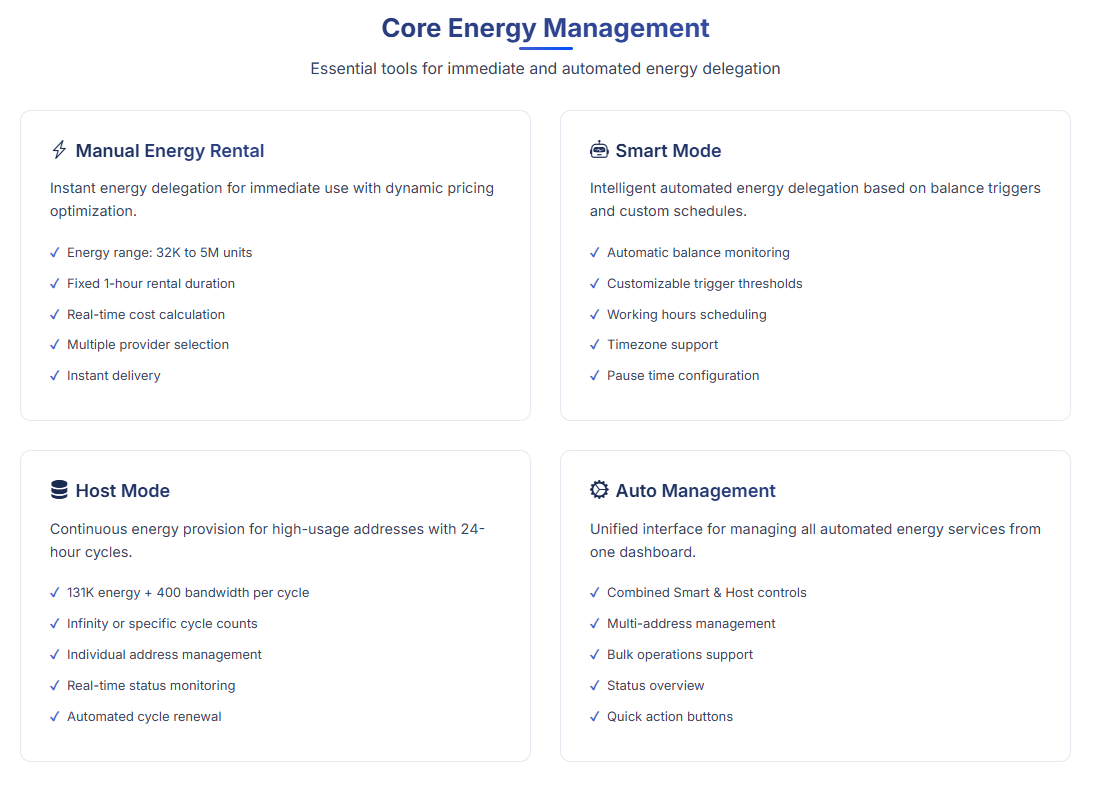
In this era of environmentally friendly blockchain use, there has been an opening for services such as Netts Workspace — which helps in mixing ethereum’s complex protocol code with user-level efficiency. It provides features such as Smart Mode for energy automatic delegation with active management, and Host mode to continuously supply resources to help users take control of their TRON resources without being wasteful. Displaying the latest special offer and energy tips it spares no expense in showing the successes of an industry that is growing up, offering solutions to environmental problems as well as saving people money by keeping the network running tip-top.