Social Mobility with Crypto - Never Higher
How crypto can widen (or warp) mobility — borderless markets, 24/7 access, and asymmetric upside — without pretending risk and scams disappear.
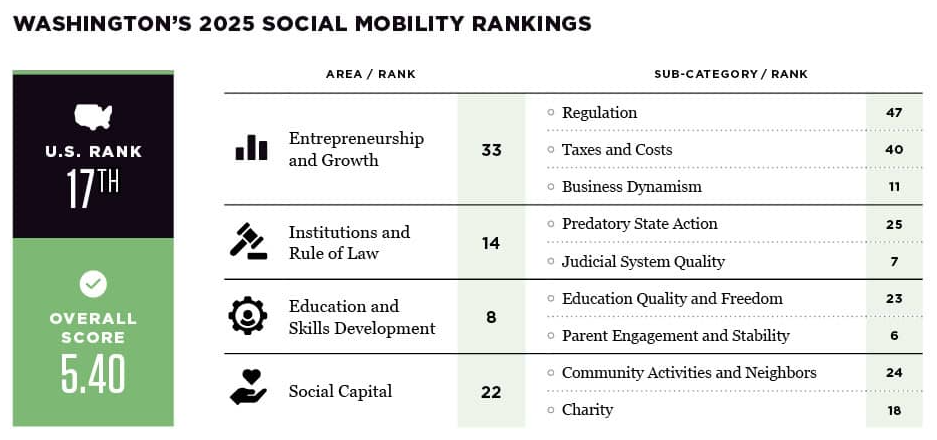
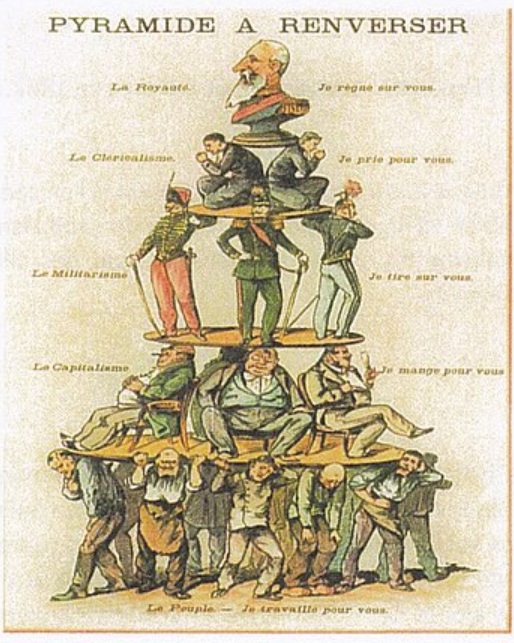
For most of human history, your place of birth was where you died. The walls of society were not so much stiff as mummified. Had you been born a peasant’s son in feudal Europe, or a rice farmer in the rural provinces of dynastic Asia, your fate was sealed from the moment you drew your first breath. The odds of you dying as anything other than a peasant or farmer were statistically zero, a rounding error in the great ledger book of history.
Social layers were reinforced by the laws and habits of a hard-pressed agrarian world, where surplus was rare and starvation always near. There was no fast track upward; wealth flowed directly from land, and land came by inheritance rather than by industry. The idea of "making a fortune" was foreign to common people, an esoteric mystery of the laws of chance in battle, the forbearance of kings and queens or dumb luck which meant finding oil on ground already in your possession. The glass ceiling was not even glass; it was iron. It was a world of fated outcomes, in which ambition could be one’s torment as much as the driver of success.
The Industrial Revolution started to split these plates, making the first real gaps in the edifice of familial status. Suddenly, capital could be created through business instead of merely extracted from the ground. A merchant might grow richer than a duke; an inventor become greater than a landowner. The bourgeoisie’s ascent was a social earthquake. But even then, mobility was a generational project. It was a gradual, grinding climb. It often took generations of work, saving and prudent investment — and frequently the sacrifice of an entire generation — to move a family one rung up the ladder.
What the “American Dream” — and its global variants — were based on was this gradual accumulation: the gold watch after four decades of service, the mortgage paid off, the children at university. Yes, the Information Age turbocharged this process by making it easier to scale value and intellectual property quickly, but even then a person often needed access to an elite institution, the nearness of one or another tech hub like Silicon Valley and presorted networks of venture capital. We imagined we had arrived at the apogee of social liquidity. We thought the internet had democratized opportunity. We were wrong. In the era of decentralized currency and finance, we are yet coming to terms with a revolution so monumental that it is sociologically disorienting. We now live in a time when social mobility is not only faster but instantaneous, precarious and within the grasp of anyone with a smartphone and an internet connection.
Digital Age’s Great Equalizer
At every point in internet history, cryptocurrency is its very ideal type: the purest and most abstract moralization of fixed networks into fluid communications. For the first time in documented history, the hurdles to entering financial global markets have been brought down to zero. This new ecosystem means a teenager in a favela in Brazil, or a student in Lagos, or a developer working out of their basement in Kyiv has as much access to a DeFi protocol as does a hedge fund manager sitting on Wall Street or an investment banker living large alongside the Thames.
The code doesn't care about your bloodlines, your accent, the school you went to or what color skin. It is oblivious to your sex and it doesn’t care about your god. All it cares about is whether a transaction is valid and whether you have the private keys. It is a deep, even violent, sociological disruption. The guilds of the old world — formed out of pedigree, gatekeepers and the long build up to credibility — are falling into the acid of permissionless chains. The traditional gatekeepers of wealth — the banks, the brokers, the regulators who at times protected incumbents — have been circumvented by a technology that permits peer-to-peer value transfer at light speed.
What we have come to see, in fact, is fortunes being made and lost not in lifetimes or years but on weekends. The speed at which wealth is being transferred in the cryptoverse is unlike anything we’ve ever seen happen within any human economy. Data-mining and on-chain analysis point to a newly wealthy “nouveau riche” crypto cohort that looks nothing like any wealth demographic we have seen before in history, at least in its age and wealth distribution.
They tend be young people of non-Western, or at least non-traditional, backgrounds who got the digital-asset asymmetry before the establishment did. They’re the “digital natives” who prized the virtual along with the real. The story of the “crypto millionaire” (you know, the young rich one who brags about it on Instagram) has become a cultural trope, frequently exaggerated and often mocked — but what those earnings represent is no laughing matter: billions of dollars in value have flowed to digital enthusiasts from big financial institutions that were once skeptical. This is mass wealth redistribution taking place not via government fiat, not through a shift in the tax code and certainly not through violent revolution, but rather simply as the market gets more efficient and more open.
Perhaps the most interesting part of this new social mobility is that it is distributed geographically. Whereas the wealth booms of the 20th century were mostly confined to the West, the crypto boom is universal. In many less-developed countries, citizens are bypassing the traditional banking system altogether. Just as numerous developing nations in Africa went directly from no landlines to cell phones, they are now skipping the “traditional bank account” phase and going straight to digital wallets. In countries struggling with hyperinflation, stablecoins that can earn yield on platforms like TRON are a lifeline, helping citizens protect their earning against the recklessness of central banks. That is social mobility at its most elemental — the capacity to preserve and increment one’s purchasing power even when the local state itself fails.
Changing Expectations and the Youth
Sociologically, this change has completely transformed the life chances of the younger generation. For Generation Z and its rising successor, Generation Alpha, the old social contract — that if you go to school, get a degree and work for 30 years you’ll be looked after — looks broken. It’s a lie that seems to have been sold by a generation of people who came of age in an economic reality worlds away from the one young people today face. As real estate in global metropolises has disconnected from average remaining wages and inflation is eating away at the value of fiat currency, the 'safe' route is no longer safe. It serves exclusive mediocrity and debt.
In this climate, crypto is appealing not only as an investment, but as a rational escape hatch. It changes their time preference. Why save for forty years to buy a median home when one well placed move in a high growth protocol could grant financial sovereignty in four? Why sit in a 9-to-5 that barely pays rent when the digital economy seems to offer yield, staking and trading opportunities that make no sense by traditional measures?
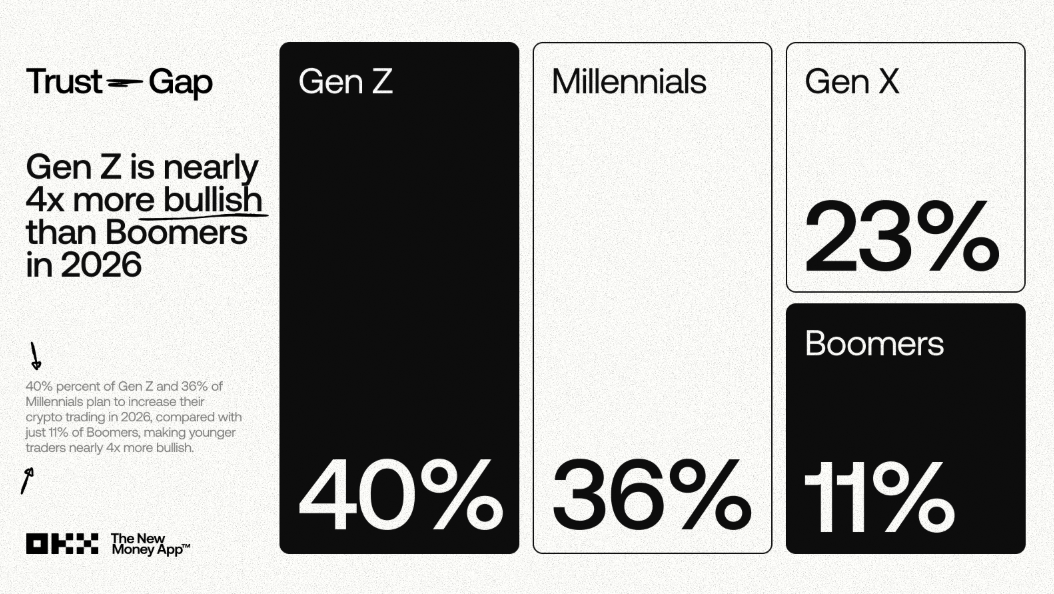
This move has resulted in a curious and somewhat disturbing shift in psychological models. We see a rise in financial literacy, although it’s the very specific, hyper-aggressive kind. They’re learning about liquidity pools, yield farming, tokenomics and leverage ahead of understanding compound interest on savings accounts or how a 401k works — they are becoming active participants in the global economy rather than passive consumers being sold financial products from a bank. They are their own banks. But that also has along with it the risk of "entitlement mentality." When you see your peers pulling down millions from a meme coin or an NFT airdrop, the meaning of work can become distorted. We are in danger of training a generation to regard traditional work as a “sucker’s game” and speculation as the sole winning avenue. The dopamine hit from a 100x return can be powerful, and it can make the slow, steady grind of a career seem unbearable.
The Other Side of the Instant Mobility Coin
This new state of fact is a two-edged sword. It is, on the one hand, the ultimate meritocracy. If you are smart, fast and strong in your own conviction, you can change your life wherever you began. We witness this daily — developers from the developing world constructing protocols that handle billions of dollars, anonymous traders turning small sums into fortunes of life changing capital, communities coalescing around tokens designing to fund real world impact. Poverty as “caste” is no longer a life sentence. But the flip side of that is the brutality of the market. As you can ascend overnight, so too you can plummet. Punishment is quick, and the market does not forgive mistakes made looking to make an emotional trade or be slack on security. There are no bailouts here. There is no FDIC insurance. The high-variance environment raises stress in a special kind of way. The “entitlement” to it can create stupid choices, and the despair if one loses is devastating. The mental health toll of round-the-clock markets, where your net worth swings wildly as you sleep, is a new sociological phenomenon that we are only beginning to understand.
But, we also have to lament the entitlement in order to celebrate the opportunity. It is easy to dismiss the crypto space as a giant casino, but that overlooks the basic liberation it provides. It’s an exit from failing local currencies that wipe out people’s savings. Value can be transferred across borders with much less being taken by intermediaries. It builds a global economy of equals able to flow value like water. The “entitlement” may be a corollary of the belated discovery of power. For hundreds of years, people were taught that they had no control over their financial future. Now they have it all. It is right to expect this passage will be accompanied by excess, by hubris, by volatility. But the result (if you look at it in terms of net effects) is a world in which human potential isn’t as limited by happenstance as at any other time. The peasant’s son is not tied to the land any more; tied only by his bandwidth and brains.
New Economy's Foundation
Efficiency is the lingua franca of this new world, if it wants to survive. As users traverse these on-chain economies, understanding the network's operation is as important as understanding the assets themselves. The romantic period of cryptocurrency is over, and we’ve entered a phase of optimization and industrialization. When dealing with high-throughput networks like TRON, controlling resource costs is a huge part of the game. Smart money knows that burning native tokens for transaction fees is inefficient; it's like burning your balance to drive a car. Smart users instead try to find out how to get TRON Energy without paying the full price. This is the next literacy — knowing not just what to buy, but how to transact. That is the distinction between a tourist, a visitor and a resident.
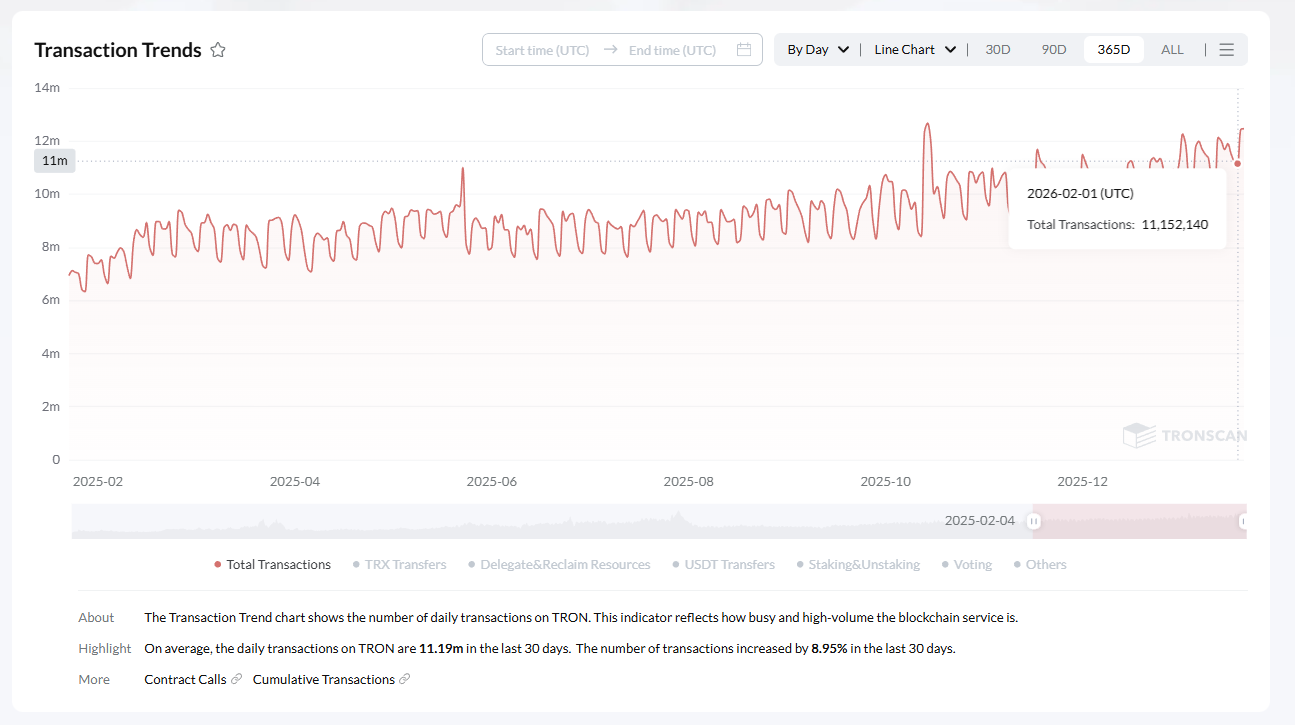
How smart a user is in these efficiencies often makes the difference between novice and power user. If a trader has this information and knows how to rent TRON Energy for cheap, he or she can make thousands of trades for far less than someone is spending when burning TRX. Here meritocracy reasserts itself — it incentivizes knowledge and optimization. Whether you’re running your high frequency bot, juggling a large portfolio or just moving stablecoins for payments getting the cheap edge with TRON Energy matters. It’s a microcosm of the broader crypto ethos: The tools are within everyone’s reach, but it’s up to those who have the good sense to take advantage of them, whether through investing or learning how to use the software for their own benefit. The market penalizes slowness and rewards those nimble enough to dance through its intricacies.
Efficiency in the ecosystem will make those who maintain a handle on their chain of operations more margin and activity. If you are paying full fees, then you are being taxed on your mobility. You are relinquishing some of your upside voluntarily. The users are taking that value back, by renting TRON Energy through markets. This was the mindset of optimization that differentiated the outliers, who became long-term survivors, from flashes in the pan. In a world in which every basis point matters, the infrastructure services that make these savings possible are the new highways of social mobility. They are the invisible tracks that enable the unprecedented speed of money to keep coursing.
Above the Hype: a Permanent Shift
We need to understand that this is not a passing bubble of social mobility. The cat’s out of the bag. The technology that allows peer-to-peer value transfer can’t be uninvented. The young people’s expectation that they can access the global upside isn’t going to go away. We are entering a future where any asset can be tokenized, any person can invest and the friction of traditional finance is something you'll read about in history. The sociological effects will echo for decades. New cities will arise, financed with the wealth of crypto. We will witness new political movements emerge from the decentralized autonomous organizations. We will be treated to a redefinition of what it means to be “wealthy” — from accumulating static assets to mastering dynamic flows.
Mentally adjusting to life this way is a huge change. We are transitioning from a scarcity to an abundance mindset, but abundance protected by cryptographic proofs instead of bank vaults. Today's children will never know the meaning of a "bank closing at 5 PM." They will not comprehend that it used to take three days to send some money to another country. For them, liquidity is like electricity — it’s there 24 hours a day and you can plug in anywhere. And this change in the baseline, how we were raised to expect our lives would turn out — that is the real measure of social mobility. It’s not simply a matter of having more money; it is about having more agency, more control, and further freedom to direct one’s energy — physical and digital — the way people want.
Optimizing for the Future
The only way is up, for integration of these tools. The early web’s friction is going away. We are heading towards a future in which the details of “Energy” and “Bandwidth” disappear into thin air, however; for now, they remain an arbitrage opportunity for the astute. The story of social mobility in the 2020s is coded, and its heroes are those who can read code. It’s a chaotic, gorgeous, treacherous and open frontier. The gates are down. The guards are gone. Now, it’s just the person and the market.
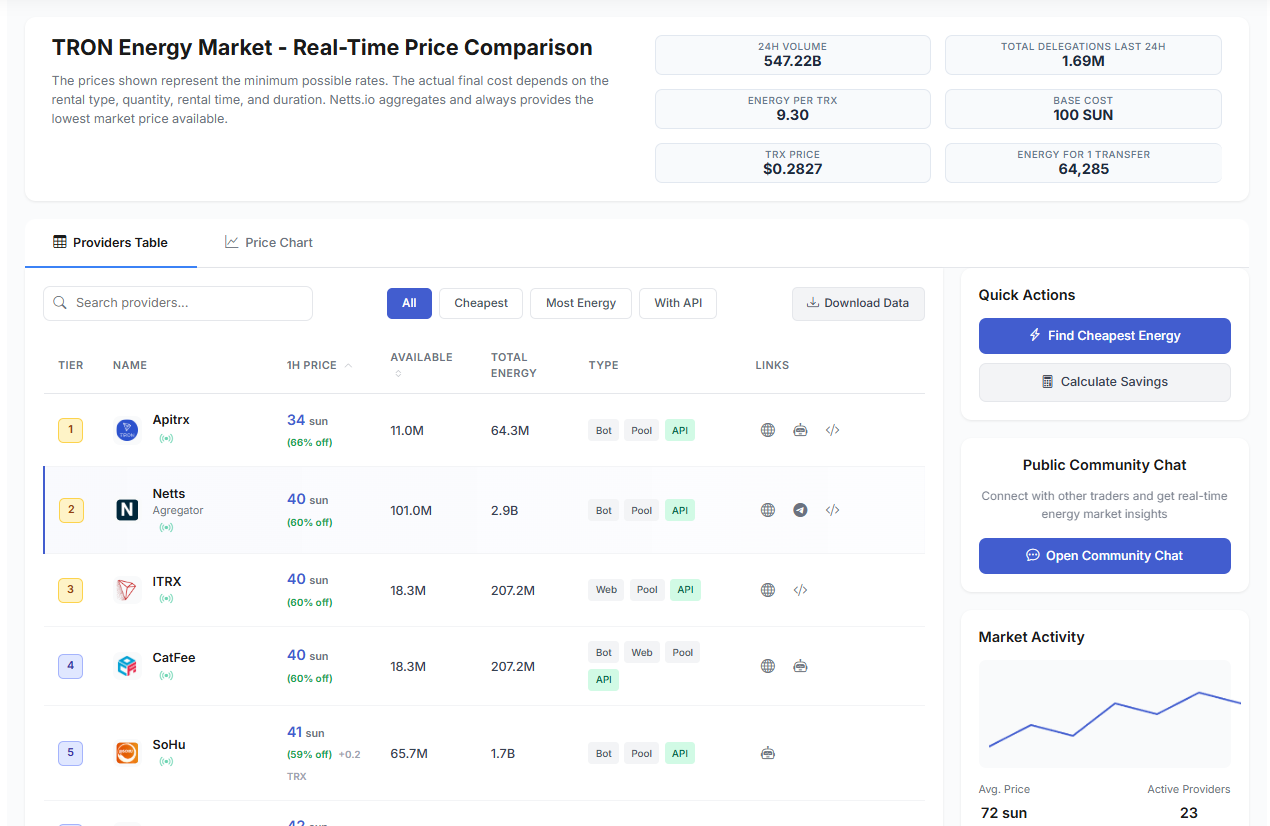
To be able to successfully navigate the landscape, aggregating and ameliorating tools are necessary. Enter services like Netts, which aims to tackle just this problem by offering a TRON Energy Market that brings together all of the providers and promises users the lowest possible rate — currently 37 sun. With a real-time comparison of 20+ energy providers and additional features such as bulk rental and API integration, traders and developers can cut down on transaction costs by as much as 90%, meaning that the friction of fees does not get in their way to the top.