Museums and Cryptocurrency: Old Money Meets New
Museums meet on-chain giving: crypto donations, transparency, reach, and friction — how cultural institutions court a new class of benefactors.
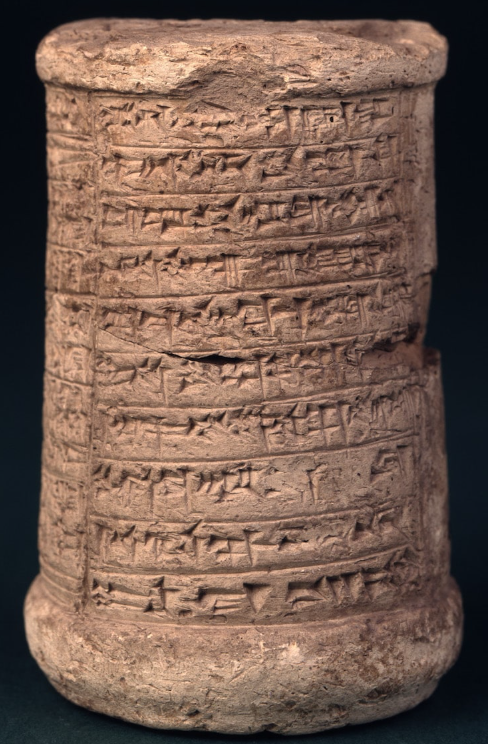
Preserving the past goes as far as civilization itself, based on an ancient human need to stay connected with our predecessors and ensure that we make a mark for others who will follow us. This is a tale that does not start off in grand marble halls or behind glass display cases or in climate-controlled archives but with a Babylonian princess by the name of Ennigaldi. She collected what is believed to be the world’s first museum, circa 530 BC in the former city of Ur, in today’s Dhi Qar Governorate of modern-day Iraq. Ennigaldi was actually the daughter of Nabonidus, a neo-Babylonian king who in turn was an antiquarian and rebuilding ancient temples.
Her museum was not a public institution in the modern sense, a place where tourists and schoolchildren on field trips come to be educated. It was as well an imported room in her palace compound, where new pieces in the old tradition (like a boundary stone from the Kassite era ca 1400 BCE or a statue of a Sumerian king) were placed with great care alongside older ones. What made the museum truly a "museum" and not just a hoard of treasure or an exhibit of captured spoils was the inclusion of clay cylinders with the objects.
These were the world’s first museum labels, written in three different languages to explain the history, excavation site and significance of the items. Ennigaldi was in the process of writing an account, she was rewriting time into a story, as much about control and order as it was about preserving the memory of Mesopotamia. She knew that without context, an object was trivia, but with a story attached it’s history.
This desire to collect, categorize, and show things slowly developed over the next few centuries. Art and historical objects were the exclusive property of the ultra-wealthy, the church and those in power for centuries. The Wunderkammer became popular during the European Renaissance. They were private rooms where merchants, aristocrats, and the earliest natural philosophers showed off their motley arrays of specimens of natural history, rocks and minerals (specimens from these being among the sources for our own discourse), religious relics, and works of art. An alligator suspended from the ceiling may cohabitate with a Roman bust and some coral. They were status symbols, in some cases meant to broadcast the owner’s mind, reach and wealth, but closed off from the general public. It became a private conversation between collector and collected.
The Age of Enlightenment was not only a key period for the development of scientific inventions and technologies, one could also witness how this industrial society began to perceive of the museum as a public institution. The pioneering, in the late 17th century, of the Ashmolean Museum in Oxford and later of the British Museum in London helped to change that. The most revolutionary transformation was the Louvre in Paris, which emerged from the flames of the French Revolution. The revolutionaries announced that the regal collections belong to them as a nation. Art and history were no longer reserved for the delectation of kings and queens, but were presented as a property belonging to the people — necessary for their education and moral improvement. This notion — that culture is everyone’s birthright — became the cornerstone of the modern museum industry.
As we progressed into the 19th and 20th centuries, it continues to shape-shift with every technological or social advance. We have added audio guides and interactive science centers, and created the “white cube” aesthetic of modern art galleries, not to mention virtual reality tours. The underlying job, however, did not change all that much: storing physical things in a physical place. But now, as we're firmly in the mid-2020s, another evolution is occurring — arguably as dramatic a shift as that from the private cabinet to the public gallery. The old world of museums is crashing into the hot new world of cryptocurrency, art and blockchain. This convergence of “old money” (the institutional, often stodgy realm of high art and history) and “new money” (the fast-moving, amorphous digital landscape of crypto) is changing the way we see, value and fund our cultural patrimony.
Digital Canvas: Crypto Art in the Hallowed Halls
The art world has long looked at digital creation with a skeptical eye. It was reproducible, made for the screen and had none of the “aura” of a singular oil painting or sculpted marble bust. How could one own a JPEG? But the advent of NFTs changed that conversation forever when they brought us the notion of digital scarcity. Now it’s 2026 and the early, frenzied hype cycle of the 2020s has given way to a settled consensus that digital art is a medium that deserves its own mature embrace — rather than being ignored by major museums. They are actively collecting it, curating it and analyzing it.
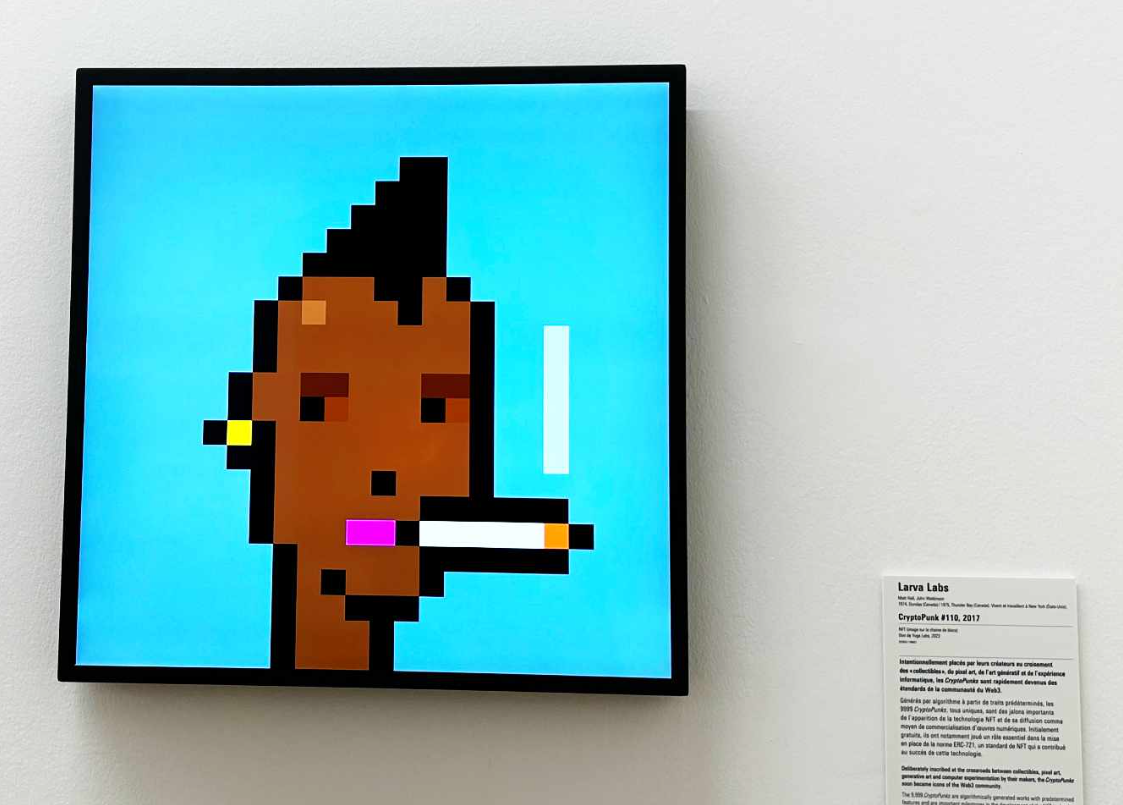
We witnessed revered institutions such as Paris’ Centre Pompidou and Los Angeles’ County Museum of Art (LACMA) begin to include crypto art into their permanent collections. This is no mere fashion move; it is recognition of the fact that contemporary culture, and life itself, are ever more digital and the museum’s responsibility is to be responsive to the culture of its age. When a museum adds a CryptoPunk, Chromie Squiggle or complex generative artwork by an artist like Refik Anadol or Tyler Hobbs to its collection, it is doing what Ennigaldi did in Babylon: preserving the tokens of their era for millennia to come. The latter works are often shown on massive, high-resolution screens that match the scale of traditional murals, and are so immersive and hypnotic no physical paint can quite compare. The “brushstrokes” are lines of code, and the canvas is the blockchain.
It also offers visitors an intriguing juxtaposition in context. Picture yourself strolling through a gallery with an image from the Renaissance on one wall, capturing a merchant who became rich trading wool and was wearing velvet and fur. Across from it, a screen shows a digital artwork minted on the Ethereum or Solana blockchain, and thus representing value created in the ether of the internet. Both are statements of what has worth, status, and aesthetic sensibility five hundred years apart in terms of technology but joined by the common human impulse to make meaning where none seems obvious. This pairing provokes us, the visitors, to ask ourselves what “art” really is. Is it the work of the hand, is it scarcity of materials, or is it idea? In the world of generative crypto art, the artist makes the system and the system makes the art. Museums are the brokers in this conversation, between embodied past and disembodied future.
Immutable Record: Blockchain As the Ultimate Curator
But the overlap of museums and “crypto” goes much beyond showing NFTs as works of art. The technology that powers crypto — the blockchain — is addressing one of the longest, most intractable and harmful headaches related to the art and antiquities trade: provenance. The history of an artwork — who owned it, where it came from, whether it is real — has depended on paper trails for centuries. Certificates of authenticity can be faked, invoices misplaced and the history of an object obscured — resulting in high-profile scandals over forgeries, looted antiquities or Nazi-plundered art.
Blockchain solves this by storing data in a tamper-proof, decentralized ledger. When you “tokenize” an artwork or a historical artifact, by putting it on a blockchain, you are writing its history in indelible ink — beyond the reach of alteration and deletion.
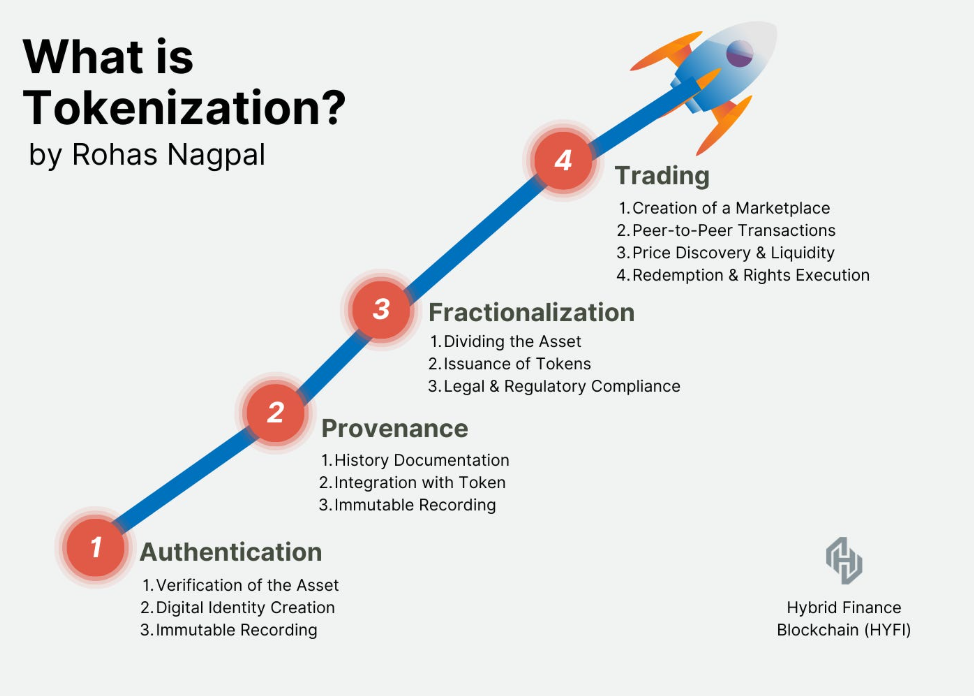
This results in a “digital twin” for physical objects. In 2026, it is more and more not the exception but the rule that high-value acquisitions are delivered with blockchain-backed certificate of authenticity. This digital passport keeps a record of every transfer of ownership, every restoration, every loan to another museum and every publication in which it has appeared.
To a museum curator or potential buyer, this transparency is game-changing. It then permits individuals to track the history of an object from when it was first found (or made) to its current position. If 2024 saw a piece of pottery unearthed, entered into the blockchain and then sold to an eager collector, that transaction is recorded. When that collector tries to sell it five years later, the buyer can instantly verify the chain of title. This would make it nearly impossible for looted or stolen art to enter the mainstream market, as any lapse in the blockchain record would cause red flags. The secure encryption will keep your details safe and sound. Unlike a paper file in a basement, which could burn down or flood, or get eaten by silverfish, the distributed nature of the blockchain means information continues to exist as long as there are copies of it floating out there in the world somewhere.
This technology enabled dissemination of information was a first in history. In the past, authenticating a masterwork meant hiring costly experts and gaining entree to private archives that were frequently locked. Now, anyone can do a quick scan of a QR code beside a painting and see its changing history recorded on the public ledger. It’s adding an element of trust in the industry that has largely been opaque. For the customer or visitor, it is also that much easier to obtain information on any individual work of art or relic of the past — its entire trajectory since discovery laid out in transparent guiding lines and free from the obscurities so often found in historical records. It makes the viewer not just a spectator but an informed detective.
Crypto Philanthropy
The future is in crypto! The patronage of the wealthy — from the Medicis in Florence to the Guggenheims and Rockefellers in New York — has traditionally been a source of financial support for museums. Yet, large scale philanthropy in today's world is less about doing good and more of having a check mark to join the club. What can be a beautiful act of giving is transformed through the traditional banking system — with its compliance checks and cross-border transaction fees and invasive oversight — into nothing short of a logistical nightmare.
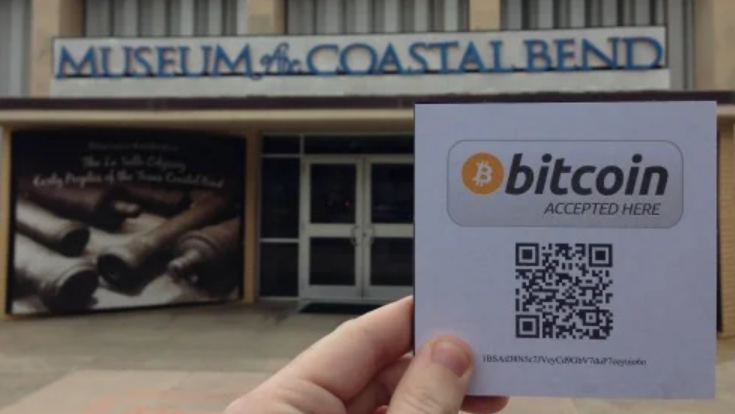
The prospect of being able to support cultural institutions directly using cryptocurrency is a game-changer for many high-net-worth individuals whose wealth is all tied up in digital assets. Donation is an intimate thing — a source of personal pleasure and honor. It’s a statement of values and legacy. But for most donors, may the slick fingers of bureaucrats better have absolutely nothing to do with it. A newer cohort, the crypto-wealthy and the libertarian-leaning philanthropists — as well as curators who want to roll with their changing spending power — is increasingly feeling that its financing of the arts should not be subject to the slow, prying and often judgmental methods of traditional financial institutions.
Crypto helps make this happen with peer-to-peer payments that are quick, secure and, if you choose it to be, anonymous. A donor can send a museum millions of dollars in Bitcoin, Ethereum or stablecoins such as USDT to its digital wallet in minutes from anywhere on the planet. This avoids the days or even weeks wait times of international bank transfers. It also sidesteps the hefty fees that banks frequently levy when moving big sums across borders.
What museums gain from crypto philanthropy:
1. Immediate liquidity: Money comes in unchanged and can be transformed, or held with a view to investment — unlike pledged assets that may not be realized for years.
2. Worldwide outreach: Donors from any country can donate with ease, without dealing with pesky currency conversions or international bank restrictions.
3. Lower transaction fees: Fees on a blockchain network are usually minuscule, if any at all, compared with the cost of bank wire transfers — particularly when handling payments or transferring large amounts internationally.
4. Trust and transparency: Donors can see on the blockchain that their money made it into the intended recipient’s wallet.
5. Drawing a different crowd: Reaching tech-savvy, younger donors who command large amounts of wealth in crypto and may feel left out of traditional fund-raising galas.
Most well-to-do people, most of whom are art and history buffs, covet their privacy above all else. They may want to be a controversial exhibition’s benefactor, or underwrite the restoration of a specific religious artifact, or just evade the public solicitation that comes from penning their name on a “donor list.” Crypto allows for this discretion. A wallet address does not convince us of the identity of the human being behind it, unless we decide to. This return to a form of discreet patronage appeals to people who hate the idea that their donations will be tracked by the government or this bank in service of data mining operations, or tax surveillance (within the parameter of what is legal, obviously). It reverts the relationship to that between donor and cause, eliminating the middleman.
Dynamics of Patronage in the Modern World
As the movement gains traction, how these transactions actually take place continue to remain at center stage. When you're a patron and decide to patronize a museum, efficiency is on deck. When a donor wants to transfer USDT to another wallet in another museum’s fundraising department, they want that transaction to be frictionless. During the early days of crypto, high network fees (gas fees) on chains such as Ethereum have discouraged smaller donations or resulted in inefficient transfers for more frequent transactions. A donor wishing to donate $100, for instance, might have had to pay $50 in fees at a time of peak congestion. But the business has changed since then.
Donors as well as institutions now desire networks and tools for speed and cost effectiveness. It is aimed at minimizing the USDT fee overheads to make the donation as valuable as possible. Every dollar spent on gas is a dollar that can no longer be invested in preserving art or programs to educate people.
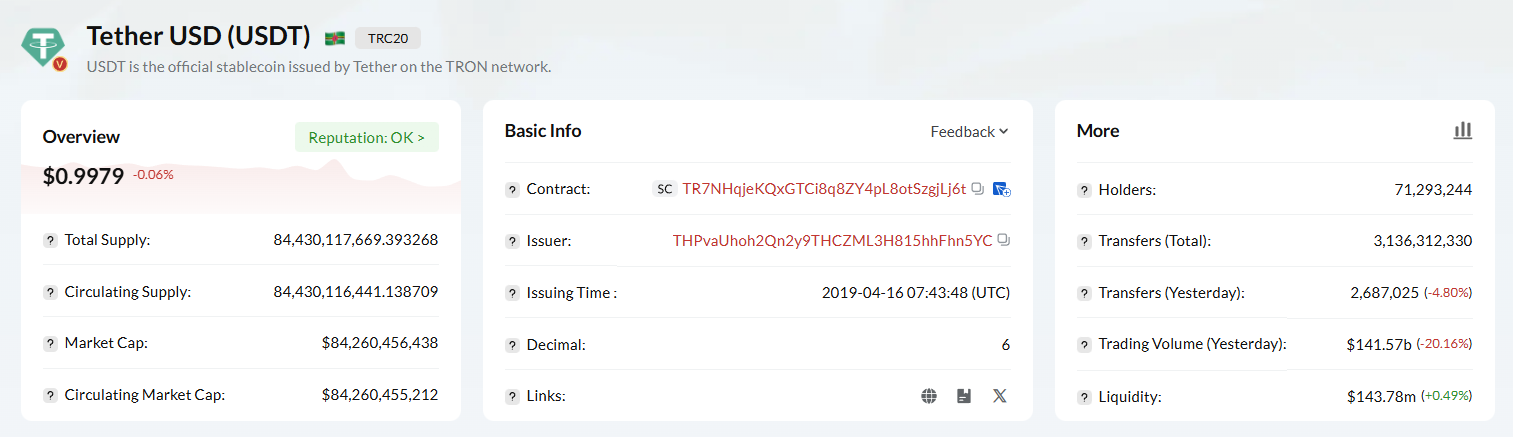
This efficiency is crucial for networks like TRON, which recently become the favored infrastructure through which to transfer USDT because of its speed and low transaction fees. Someone who is trying to find the cheapest USDT fees for a donation isn’t necessarily cheap, they’re just financially literate and ensuring that their money is being spent in an efficient way. This optimization mindset is exactly what you’d expect of the new donor class, much of it tech-entrepreneurial.
The shift is also cultural. The generation of "new money" has a virtue of its own: efficiency. They’re used to everything else in their lives being frictionless and happening instantly on screens. But if a museum’s donation page asks you to fill out five forms, call a banker and then wait three days for confirmation, your interest may wane. If it’s a matter of scanning a QR code and verifying a transaction in seconds, the donation sticks. Museums are painfully aware that to lure this capital, they need to speak the language of the trade. They’re putting together multisignature wallets, researching the intricacies of cold-storage security and figuring out how to use what’s known as a stablecoin.
There is a split in how we are funding museums. There are the ho-hum government grants and corporate sponsorship which are slow and laborious (paperwork, anyone?) and very often strings attached in terms of what can be shown. And then there is the nimbler crypto-native funding stream. Some museums have even formed their own DAOs (Decentralized Autonomous Organizations), where token holders — essentially donors in this scenario — have a direct voice in which works of art the museum should acquire next or what exhibition to offer. This is an extreme democratization of the curatorial process, redistributing power from a small board of trustees to a worldwide community of art collectors and fans who vote with their tokens.
The mash-up of the museum and cryptocurrency is not so much a clash of two unrelated worlds but an inevitable step in their development. As an institution, the museum has lasted for thousands of years because it can change with the times. It metamorphosed from the private Palace of Ennigaldi to the public square of the Enlightenment, and from cabinets of curiosity to white-walled galleries of modernism. Now it is transitioning to the digital ether.
By adapting to crypto art, claiming the blockchain for immortal provenance and allowing digital assets to fund collection, museums are securing their place in the 21st century. They are, not surprisingly, discovering that the crypto community’s values — decentralization, transparency, privacy and permanence are chief among them — align in all sorts of interesting ways with the museum’s mission to preserve the truth of our history for future generations.
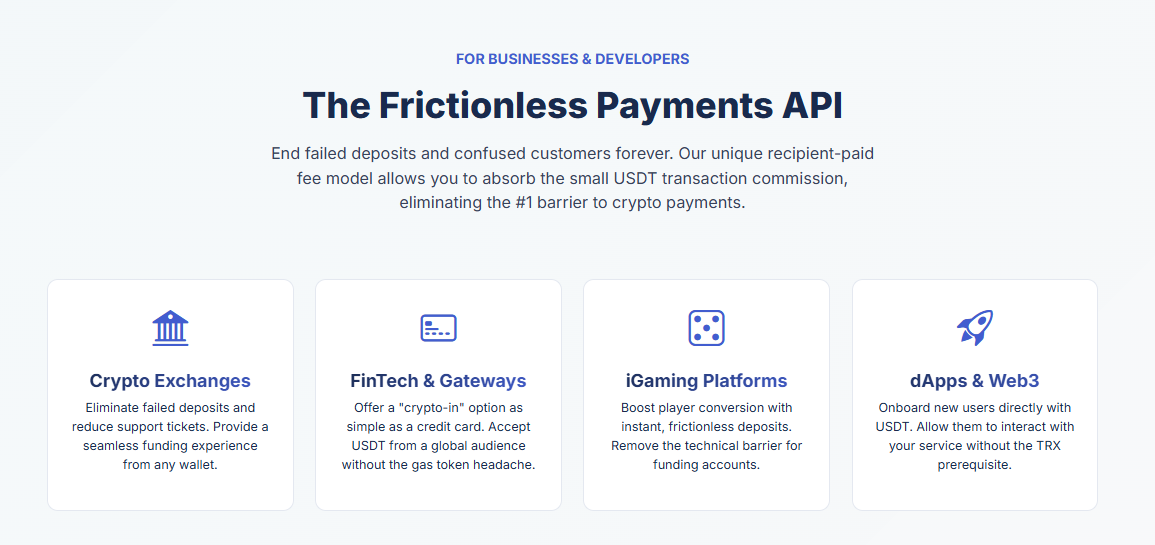
Now for users who are used to this new era of digital value transfer, something that streamlines the process becomes crucial. The Netts Transfer Tool is a manifestation of this movement to user-centric financial exchange. It solves a major user friction point —— the Energy Wall by enabling users to send USDT on TRON's public chain without needing to hold TRX for energy. The commission can be settled by the user in USDT and flows seamlessly, with the technical intricacies related to Bandwidth and Energy handled automatically under the hood, essentially pushing that one button divided into two choices (digital vs physical) to direct support towards their favourite cause either digital or physical.