How Crypto Changes Pet Industry
Crypto in the pet economy — payments without banks, loyalty tokens, and supply-chain visibility — and what actually changes for brands and owners.
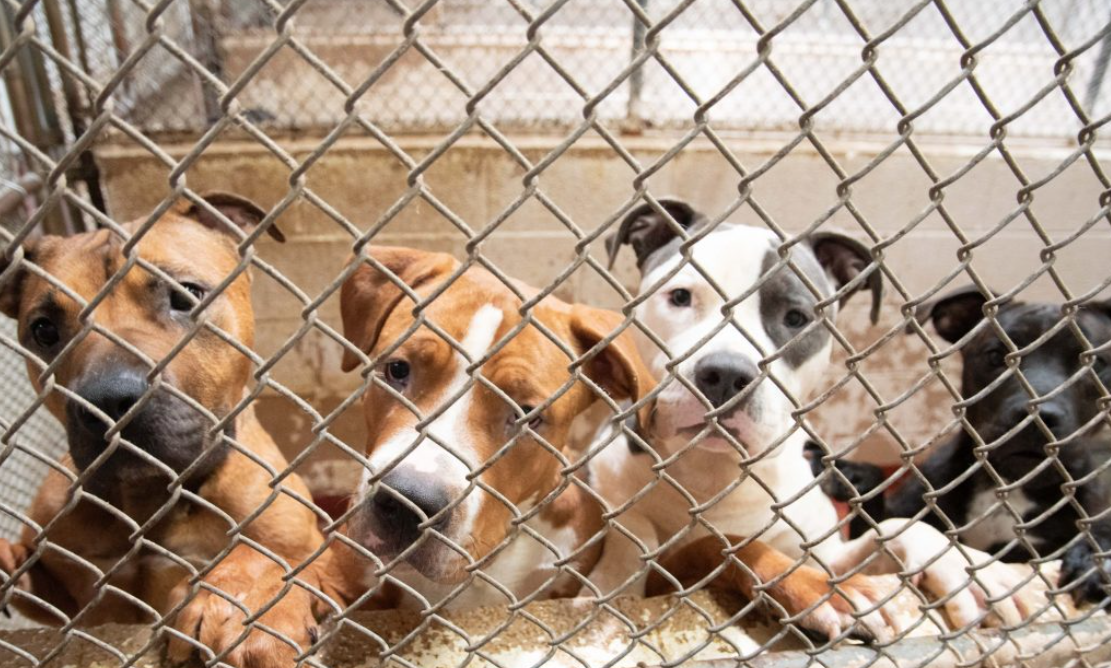
The global pet industry, a subject we often associate with heartwarming captions on adorable puppy videos and viral cat memes, is actually a business facing serious structural and financial challenges. Life for the millions of people who devote themselves to animal welfare is a daily struggle as their costs rise and resources dwindle. Despite the growth of pet rescue, animal shelters — its lifeblood — are facing a perfect storm of economic difficulties in 2026. The post-pandemic months brought a gut-wrenching surge of surrendered animals, packing kennels and pushing staff members to the limit.
These are not just places to store animals; they are intricate medical operations: еhey require industrial-grade sanitation, climate control and expensive veterinary equipment. The price tag for keeping a single medium-size dog in a shelter for one month — feeding, vaccinating, medicating and enriching the animal — has gone through the roof amid global inflation and supply chain disruptions. When you multiply this by hundreds of animals, the monthly burn rate for even a small shelter is a terrifying one. Directors spend more time shaking down potential donors than caring for animals, having to beg constantly in an economy where traditional funders are tightening their belts.
And the private sector of the pet business is also besieged beyond shelters. Professional groomers, who are often small business owners that operate out of mobile vans or storefronts, are in the grip of a relentless surge in operational overhead. The cost of high-quality shampoo, specialty shears and basic grooming supplies has gone up, all while the marketplace discourages excessive price hikes that might send customers fleeing. Also, the wear and tear on the body is enormous (advanced burnout and fatigue), but cheap health insurance is an unattainable dream for too many contract workers here. Pet food and health markets are also dog-eat-dog competitive environments. “All these small brands that try to make good-quality, grain-free or raw diets are being forced out by multinationals that can buy shelf space and have big advertising budgets.” These smaller organizations are forced to fight for existence and often do so at the expense of their margins, but it’s not just them who suffer; the consumer then must try and make sense of a market where price rarely has anything to do with quality.
Compounding the issue is the lack of transparency in the tried and tested banking systems which cater to these industries. For a small rescue or specialty pet product artisan the charges issued against processing payments can be devastating. Credit card processors famously take a slice of each donation, and it’s a tax on caring that is coming out of donations and profits both.
This financial chore racks up more than fees: шt is a structural obstacle that prevents capital from flowing smoothly to where it can best be put to use. In a space where every dollar can literally be the difference between whether or not an animal lives another day, such inefficiencies in our legacy financial system are not simply inconvenient — they’re tragic. Interest in shaking up the way value is exchanged in the pet economy has never been more urgent, and it's here where cryptocurrency’s promise of a decentralized future comes creeping out of the shadows.
Transparency Revolution: Giving Without Borders
One of the most disruptive uses on cryptocurrency in the pet industry is completely revamping the traditional charity donation model. There are too many emotional and logistical friction points in the old world of giving. When a would-be donor pulls out his or her credit card to wire $50 to some local shelter somewhere, the moment is often marred by a sharp pang of irritation at the knowledge that a bank, this here financial institution of yours and all of your precious dreams, makes like Floyd Mayweather and skims down profit for holding its entitled palm over the game. This may be a relative handful of nickel-and-dime awards, but it adds up to millions of dollars disappearing each year — that’s money that could have been spent on food or medicine or housing.
The donor is usually upset to hear that. They believe their generosity is being taken advantage of by middlemen, who book millions in profits on interest rates and spreads. As a result, many simply choose not to give or they give less in the knowledge that their full donation isn't getting to who they had intended. This middleman is almost entirely eliminated by cryptocurrency. By providing peer-to-peer transactions, a donor is able to send funds directly to a shelter’s digital wallet without limiting leakage, so that almost all value is transferred.
Moreover, there is a large donor demographic who are intentionally pushed aside by the prejudice of the archaic system. There are a number of people who make an income in 2026 not from illegal industries but rather from sectors large portions of which have been deemed “high risk” or stigmatized by conservative banking institutions — like adult entertainment, cannabis, or perhaps even some forms of freelance gig work. These people may be very rich, and sincerely concerned about animals, but are terrified that sending a bank transfer to a charity will cause an invasive audit of them, freeze their accounts or generate awkward questions as to the origin of their wealth.
This stigma of a “shady income” is unfairly preventing good humans from doing good. The privacy and neutrality sanctuary of cryptocurrency. A gift given in crypto is censorship-resistant — the blockchain does not care where the money came from, only that it is happening. This opens up an entirely new cohort of donors interested in animal welfare to donate without fear of material persecution, unlocking a wave of philanthropy that had previously been blocked by the banks.
One of the most common fears holding potential animal supporters back is that of being scammed. The internet abounds with heartbreaking tales of bogus “rescues” that put up photos of sad-eyed puppies with the express purpose of eliciting donations, then make the money disappear into accounts that are used to buy luxury items overused by the scammers (you know the type: a scammer’s BMW versus a new roof for a shelter). This cynicism is toxic for genuine charities. Cryptocurrency itself, especially via public ledgers, provides a cure: radical transparency.
To accept crypto, a shelter can publish its wallet address to the world. Any donor can find this address on the blockchain and know exactly how much money has come in, and crucially, where it goes. If a shelter says it requires $10,000 for a new surgical suite, donors can track on the blockchain as contributions come in, and then observe the outgoing transaction to a medical supplier. This unchangeable record is a “trustless” system meaning you don’t have to trust because you can verify at all times. It makes the donor feel secure seeing their money unmistakably going toward the thing they care about.
Gamifying Health: Walk to Earn
Apart from the life-or-death operations of rescue and finance, however, cryptocurrency is also bringing a sense of gamified reward into your average day in the life as a pet owner with “Move-to-Earn” apps. Such platforms have transformed the morning dog walk from chore to financial opportunity. At a time when pet obesity is becoming — just like with humans — an emerging health crisis, the apps throw in a strong financial incentive for owners to get mobile. It’s a simple, but ingenious idea: Users download an app, maybe add a digital “NFT leash” or collar for flair, and post their walks through GPS. Digital tokens are paid out to the user for every kilometer walked. The gamification of this process leverages the same psychological loops that make video games addictive, but turns them in this case to real-world, physical activity that both the dog and owner benefit from.
The effect of these apps isn’t just a few more dollars in a digital wallet. They foster community. But users also band together in local walking groups to boost their profits and climb the leaderboards in their neighborhood, forging social bonds that counteract the loneliness of urban life today. The tokens they earn can frequently be exchanged for another cryptocurrency or used in a closed-looped environment to buy pet products, pay for grooming services and yes, make donations back to partner shelters. This forms a micro-economy based on pet health. Advertisers and pet health companies are eager to play, providing sponsored challenges — “Walk 50 miles this month for a discount on Premium Kibble” — that further entwine the digital reward system with the physical economy of pet care. It reflects a movement from passive ownership to active rewarded engagement, where the time you spend with a pet is valued in a meaningful way.
Value of Transparency
Issues around trust in the supply chain are being addressed through cryptocurrency and blockchain technology within the commercial space. The pet food business has been a black box for decades. There wasn’t really a way for the customer buying a bag of “organic, free-range chicken” dog food to know if those claims were true. They had no choice but to trust the label, a trust that has been broken time and time again through recalls and scandals of tainted ingredients from unregulated suppliers. Crypto pet product trading is the smoke screen; the real innovation is the data that flows with the payment. Blockchain enables a digital passport for each and every product. From the farm where it was raised, to each manufacturing plant and packaging facility along the way, to the retail shelf — at each point in its journey, we can trace every chicken on an immutable ledger.
This kind of transparency facilitates the buyer to sell for less by bypassing the inefficiencies and fraud of traditional supply chains. When a retailer buys stock with crypto, the transaction is instantaneous and does not require letters of credit or expensive escrow services. This overhead reduction, can then be passed on to the customer. What that means for the pet owner is they can purchase lower-priced items without losing quality. They can scan a QR code on a bag of treats and the “green” path of that product is laid before them — blockchain-verified. If a batch of food is recalled, thanks to blockchain, we can pinpoint the precise origin of the tainted goods and recall just those units immediately — not with broad-stroke industrywide recalls like we see today. Digital animal passports are another option:
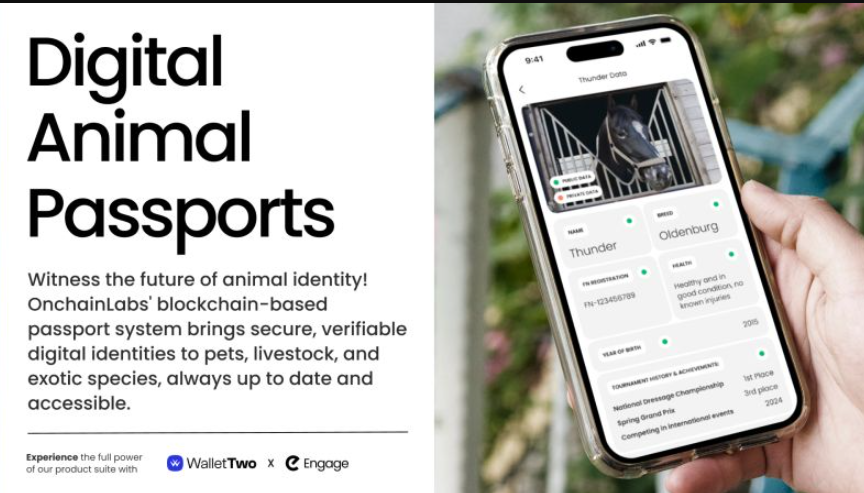
That precision saves companies millions, and more importantly, pets’ lives:
1. Payments can be made between individuals without requiring a bank, eliminating bank fees and passing the savings on to the consumer.
2. Immutable ledgers yield irrefutable proof of origin for ingredients, with the mystery meat era finally over.
3. Smart contracts automatically pay suppliers upon delivery, speeding cash for small manufacturers.
4. The world has become ever more accessible, so a pet owner in New York can buy artisanal collars from a craftsman in remote town without worrying about currency conversion woes.
5. Loyalty, tokenized: Rather than punch cards, loyalty programs are becoming more like a liquid asset that customers care about.
Mechanics of Tomorrow
With these crypto-integrated models becoming widespread, it's pushing average pet owners and business owners to learn more about what terms in those transactions mean. It’s not enough to simply “use crypto”; one must use it productively. A lot of stability in this market comes via USDT (Tether), a stablecoin that is pegged to the U.S. dollar. It has the stability of a fiat currency and the speed of blockchain. But there is no doubt that the issue we keep in mind is "USDT transfer fee". On some networks, like Ethereum, gas fees can spike to such high levels that small transactions — for example, buying a toy or donating $10 — are not feasible. This has resulted in a shift to more efficient networks like TRON (TRC20) where the fees are significantly lower and it offers high throughput.
But on even fast networks, the cost is not necessarily zero. Users often google "send USDT cheap" to get the most bang for their buck. The resource model of the network governs the price of a transfer. For instance, in the TRON ecosystem transactions burn “Energy” and “Bandwidth.”
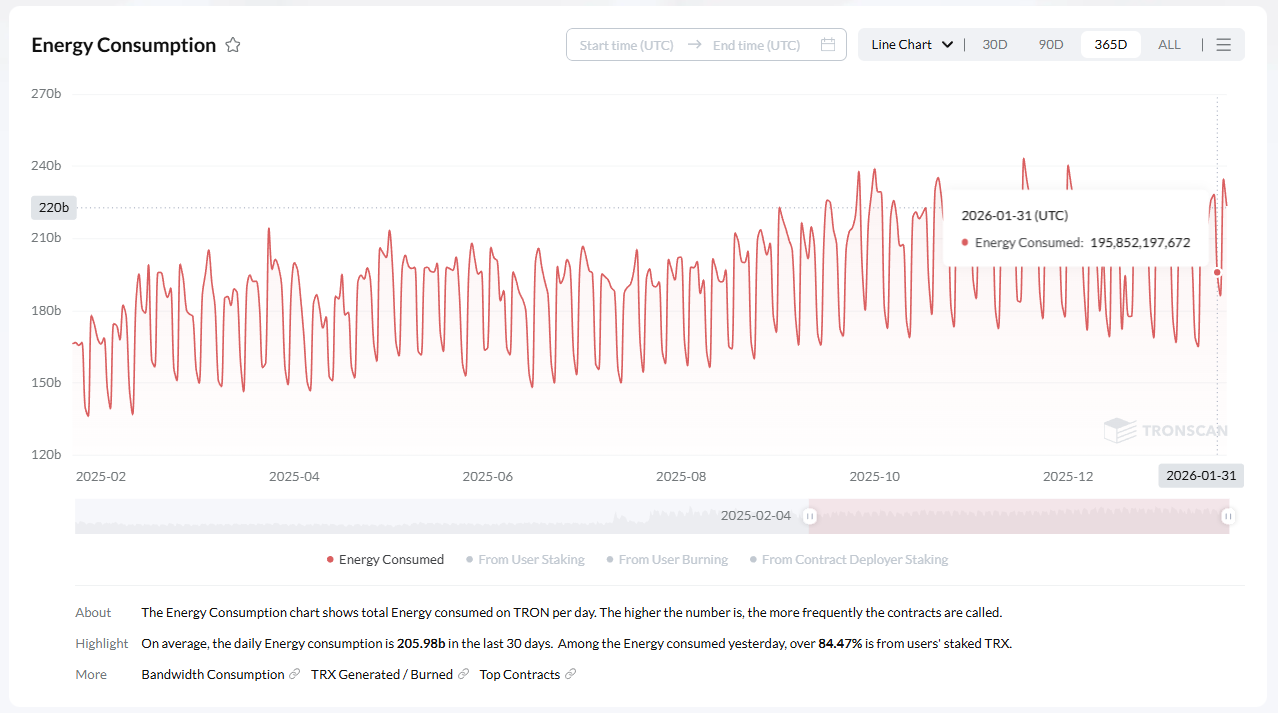
These are capped resources that refill over time or can be earned by having known tokens. If a reporter asks, “How much for transfer USDT,” the answer is complex. If the sender does not have enough Energy in their balance, they burn TRX (the native currency of the network) to pay for computation. This "burn" is the fee. For a high-volume business like a pet store or an overcrowded shelter, these burn fees can add up to thousands of dollars a month, whittling away the savings that crypto was supposed to bring.
This level of technical expertise is the new financial literacy for the contemporary pet industry. The same way a shop owner cares about merchant fees for credit cards, the crypto-savvy shelter manager will care to understand energy markets. There is an expanding set of tools and services to aid the users in managing these resources. Users can save up 95% of the cost by using Energy rather than burning TRX. This optimization is critical. “It keeps the friction of a transaction as low as it can be and preserves crypto’s promise — cheap, peer-to-peer value transfer,” he says. It makes the issue of fees no longer an obstacle, but a navigable operational detail.
Optimizing Every Transaction with Netts
And for those traversing this great new world of digital finance, especially in the super-potent TRON network that handles countless USDT transactions, Netts is not merely a resource — it’s an indispensable one. In short, it is somewhat of a tool for facilitating TRC20 transfers and managing resources. Netts USDT Transfer Calculator tackles the opacity issue of transaction fee by enabling users to enter the send and receive addresses to have accurate estimation for required Energy and Bandwidth. Most importantly, it indicates if the receiving wallet has some USDT balance.
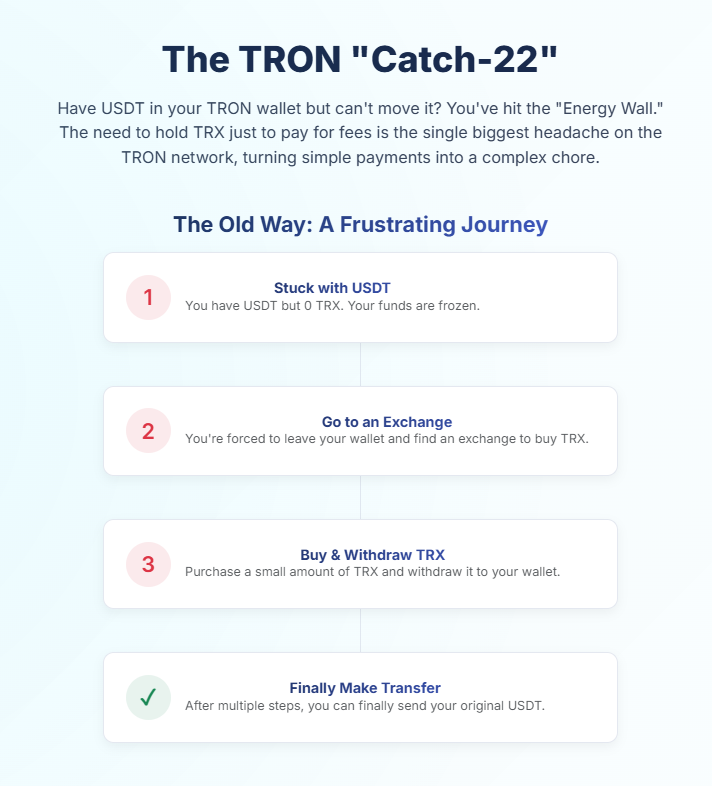
Armed with this information, Netts can help users make more informed decisions, such as renting Energy for a few TRX instead of burning more and in some cases save up to 80% on the transfer fee. This efficiency means that whether you’re a donor saving a shelter dog or a shopper purchasing premium kibble, your dollars are going to the animal, not the network.