Why You Might Get Arrested for Crypto
Crypto, travel, and the law: AML, border searches, and custody risk — practical ways to stay compliant without painting a target on your back.
A deserted patch of white sands on a Southeast Asian sea is hot under the tropical sun. You are there with a camera and your fans back home. The water is blue-green, palm trees are rustling gently, and it's a good day. You have been bouncing from island to island for the past few weeks and your entire trip is being paid for with the proceeds of a recent bull run.
It is magic internet money, after all, and in the heat of the moment, a few too many local cocktails later, you get relaxed. You chat with a local and the talk comes around to your means of being able to live this way. So you take out your phone, open the wallet app, and show them the amount you have there. It is a substantial sum. You consider it nothing — simple boastful behavior.
Fast forward twenty-four hours. You are not standing on the beach anymore. You are where the air is thick with body odor, damp as dirt and the fluorescent bulb buzzes and flickers above; sitting in a closet-size room. The man on the other side of the metal table is wearing a worn-out military uniform. He's holding your passport in one hand, and your unlocked phone in the other. He knows about the crypto. Anyone else has no interest in your trading strategies. He's really only interested in one thing: a 'fine' to get you out of your unexpected legal woes.
You supposedly broke some local financial law of which you had no knowledge. The specifics do not matter. The only thing that matters is you are thousands of miles away from home with no attorney and the person able to put you in a cage wants a transfer. It's not the plot of a new crypto crime drama; it's the new reality of travelers to countries where digital assets are clearly made illegal for personal use, and many travelers are blissfully unaware of the extreme consequences of bringing their digital steeds with them when crossing borders.
Myth of Borderless Money
One of the biggest myths we have in the entire crypto scene is that they would indeed have us live in a world with no borders. Bitcoin and the cryptocurrencies are described as censorship-resistant, and operating independently of governments. On a technical level, this may hold true — the blockchain has no consideration for your citizenship — but on a physical level it is blatantly false. The human being reading this has private keys (and thus private bitcoins) associated with addresses, in some jurisdiction.
It distinguishes between legal and illegal forms of ownership relations on the basis of land jurisdiction; you are bound by the law of the land you are standing on — and those laws are becoming increasingly hostile to digital assets. The above scenario is the worst case version, but the dull reality can be equally devastating. You might just get arrested on arrival for not reporting the money you have with you, or getting locked in a cell for attempting to check in to a hotel and pay with a currency which the local government has decided is illegal.
Being abreast of the legal landscape is not an optional pursuit. The year is 2026 and the World-wide regulations have become very strict. Those days are done and dusted with the Wild West. Only governments IRL (in real life) have realized that crypto goes around their capital controls & are now coming down with the scythe of draconian measures.
And if you want to travel, you will need to know what your position is. Not knowing the law is not a valid defense, and in many parts of the world, the simple fact of having a crypto wallet on your smartphone can be a reason to be suspicious, detained, and arrested.
Countries Where Crypto Is a Crime
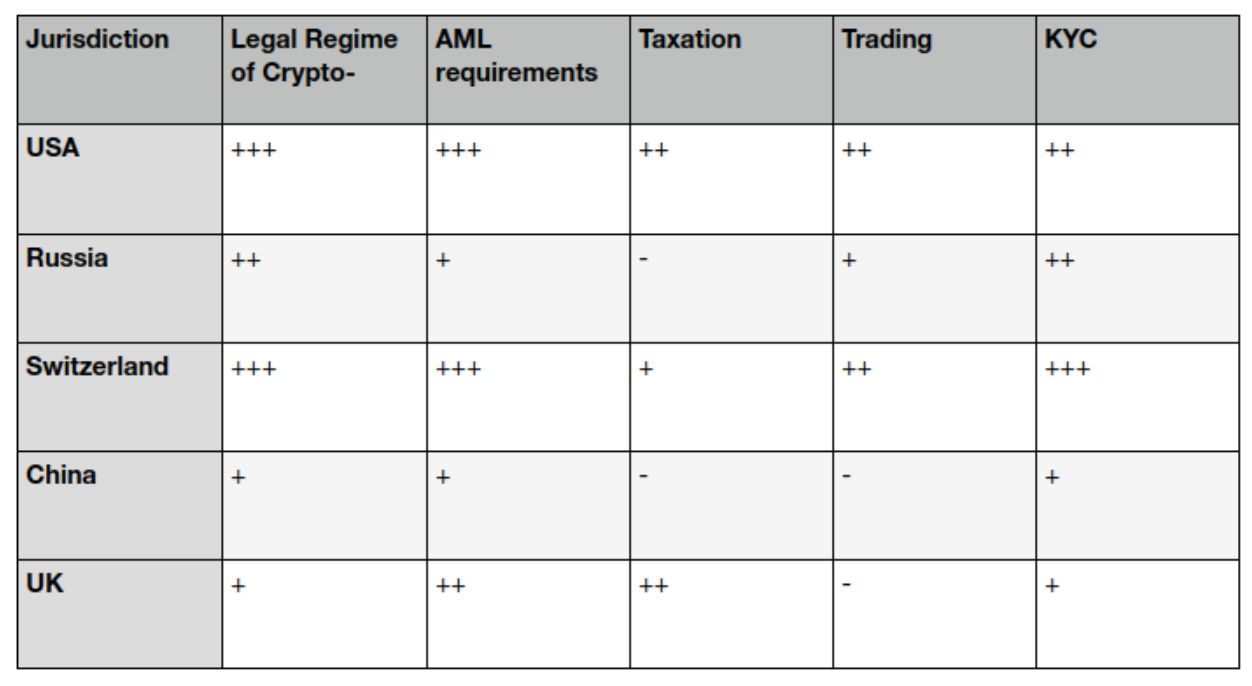
To illustrate, let us discuss how a selection of countries approach this. Crypto is legal in some countries, a crime in others. Take Nepal, for instance. The gorgeous Himalayan nation features a bucket list trek for trekkers. And it just so happens that it is the single most unwelcoming environment for cryptocurrency users on the entire planet. Nepal Rastra Bank had imposed a complete ban on mining, trading and using cryptocurrency.
This is not a "grey area"; this is a clear-cut ban. Should you be found to have booked a tea house trek with Bitcoin, or on the off-chance you have a trading app on your phone when caught in a routine check, you can still be arrested. Tourists even have faced arrests and steep fines for the mere holding of digital assets. Crypto is seen by the government as a threat to its own currency and a tool for capital flight.
Slide across to the Middle East and the Egyptian miasma becomes equally lethal. Following a religious decree from the Dar al-Ifta, which declared the trading of cryptocurrency to be haram (forbidden), the Central Bank of Egypt codified the ruling into law. Cryptocurrency trading, advertising or running new platforms without a license receive a 15-year prison sentence along with huge fines. If you are in Cairo and you search for a local to exchange some USDT for Egyptian Pounds because you want a better rate than the bank, you will get into a trap. Not just is it involved inside an illegal black market currency exchange, but actually worse, inside an illegal class of asset.
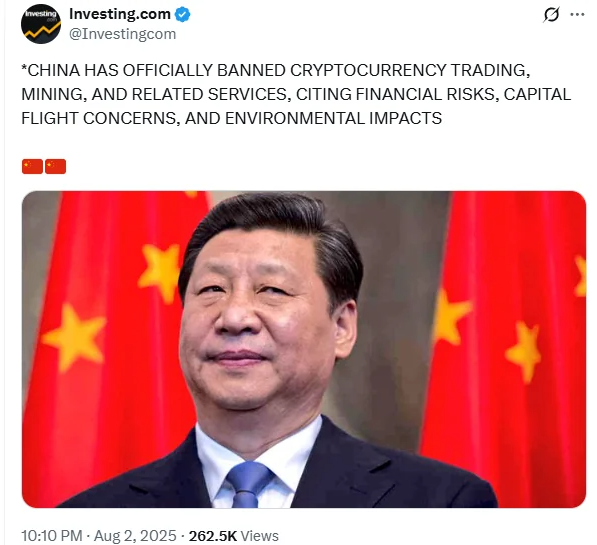
Finally we have to talk about China, which is the hardest one. For years, the nation has been infamous for its clampdowns on exchanges and mining, but the crackdown on individuals has always been a little more complex when it comes to enforcement. As an aside, the legal system over there does not believe that crypto is legal currency. If there is a dispute — for example, you get cheated — then the police will not report it either.
In fact, if you report the crime, they might actually investigate you. Moreover, USDT also cannot be used to buy goods or services. If you live in Shanghai and pay your landlord in crypto to avoid the annual forex limits, you are breaking the law. The surveillance apparatus is advanced; they will track on-chain activity, and link on-chain activity to real-world identities.
The "Free World" and Money Laundering
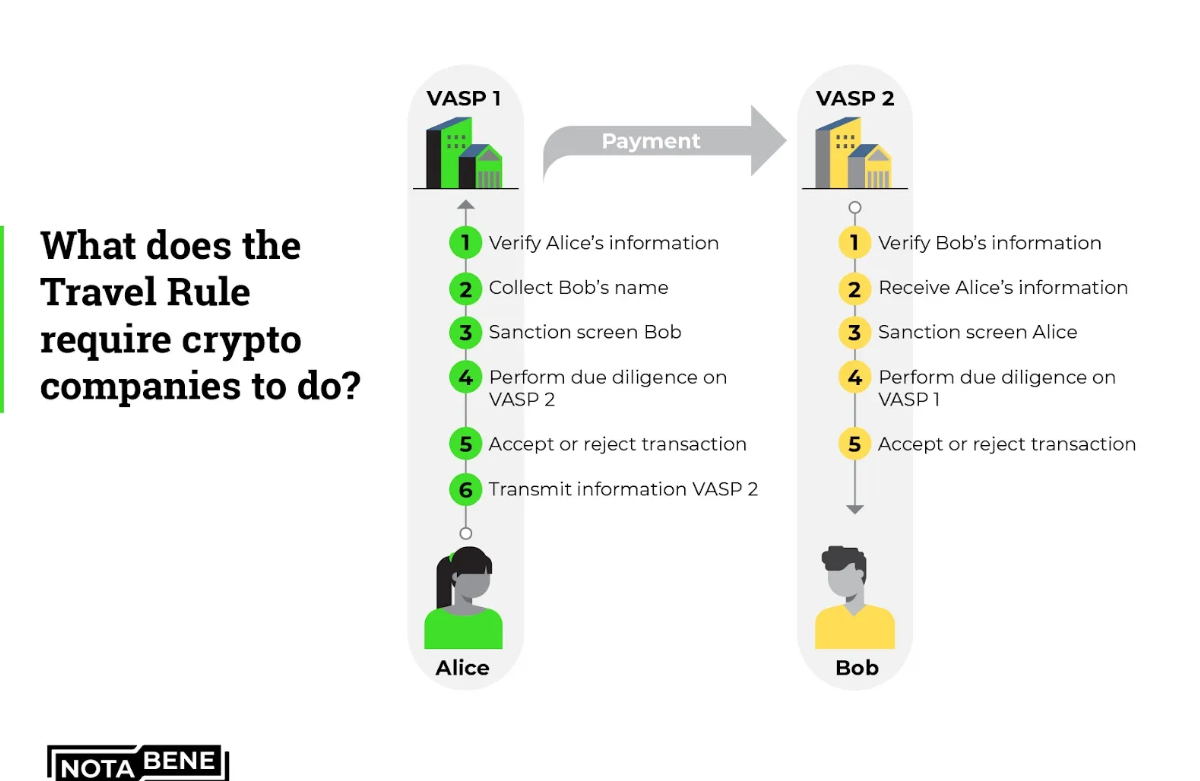
This means not only authoritarian regimes are in danger. So-called "free world" countries have their own traps too. In the case of US and EU, the main tool used against crypto users is the accusation of money laundering. When you cross the border with over $10,000 ($10K USD) in cash, you must declare it. Q: But what does that mean for $10 million in Bitcoin on a Ledger Nano X? The laws are catching up. In countries such as New Zealand and the U.K., border agents are within their rights to ask for your electronic device passwords. That is referred to as "compelled disclosure." You can be arrested and imprisoned for obstruction of justice if you refuse to unlock your phone or laptop. Irrespective of committing no other crime, the crime is in the refusal to provide access.
At the Border: Compelled Disclosure
Imagine landing at Heathrow Airport. You want nothing more than to get to your hotel and rest, because you are tired and jetlagged. Suddenly a customs officer stops you. They ask to see your phone. When they spot a hardware wallet on your keyring, they ask for the PIN. You refuse, citing privacy.
They detain you. You could be jailed for not handing over the key — something that is made a crime under the Regulation of Investigatory Powers Act (RIPA). This is a dystopian scenario for those who value privacy. You are literally left with the choice of either risking your financial future or going to prison.
P2P and the Money Transmitter Trap
When it comes to peer-to-peer (P2P) trading, things get a bit more hairy. P2P platforms are commonly used among travelers to obtain local currency. You encounter someone, deposit crypto to him/her, and they provide you with fiat. And in most jurisdictions, this can be considered running a money transmission business without a license.
If you are not registered as a money transmitter, selling bitcoin for cash over and over again in the United States can send you to federal prison. You might imagine you are merely aiding a traveler in remitting USDT affordably to their loved ones, but you are seen by the law as a non-regulated banking institution. Penalties are very harsh for this, often years in prison.
Minefield: How to Traverse It
So how the heck do you traverse this? So how do you get to reap the rewards of digital currency while avoiding incarceration in an overseas prison? Radical compartmentalization is job one. Your life savings can not be confused with your travel wallet. Do not ever, ever, cross a border somewhere with your primary cold storage accessible anywhere remotely. The wallet they see when you are forced to unlock your device should hold only a few funds — just enough for the plausible travel expenses so that it does not ruin you to be seized. This is especially the idea behind a decoy wallet.
And you must understand the idea of plausible deniability. Use phones without crypto apps as your main ones. Use a second phone as a 'burner' just for financials and keep it off and hidden to cross borders. Or, even better, leave the device at home altogether. Forced to memorize your seed phrase (which obviously spells disaster if you forget it), or keep it on the cloud (but encrypted and disguised as a random file). You can get your access back when you reach your destination and can lock the door.
Discretion is your best armor. The situation we led in with — the tipsy tourist boasting at the tavern — is how the majority end up in jail. More often than not, it is not the police; it's criminals who inform the police or criminals who are police. Being a crypto whale is like being an ATM on two legs. Different from a bank account that can be put on freeze or a credit card that can be blocked, a crypto transaction cannot be reversed.
If you are in a situation that someone places a gun in your head or tells you to move your funds or you will go to jail, and you transfer your funds, then goodbye. This real-world weakness is the achilles heel of the digital world. You must be a "gray man." Look average. Do not wear crypto merchandise. Never mention Bitcoin price in public.
Equally important is knowing the local cash out culture. There are semi-legal networks of OTC brokers in some countries. In others, it is an undercover operation in the making to use them. You gotta research before you hit the ground. Check the forums. What expats have to say about it. Is using a Bitcoin kiosk a better option? Or is using a credit card pretty much as normal without having to round up your crypto only to leave it for another, safer-to-hold jurisdiction, the better option?
Survival Strategies: A Summary
So, to summarize the survival strategies of the traveling crypto holder: this is not legal advice, but a compilation of mistakes from a few who have made them the hard way.
1. Read up on local laws. You could avoid booking a flight if the status of crypto in the place you are heading to is not favourably different from your neighbouring countries. Is it legal? Is it banned? Legal to hold, yeah, illegal to trade.
2. Clean your devices. Avoid crossing borders with your main wallet open — make sure you have a travel wallet with minimal funds.
3. The $5 wrench attack. Realize that human beings can be dangerous. You are just a target if you show a money mountain.
4. Goals of VPN and OpSec: Never use a public WiFi to browse your financials without a VPN. Your traffic can be intercepted.
5. Ignore P2P dangers. Never have cash trades in-person unless you know the counterparty. The risk of robberies or police stings is just too high.
6. Understand your exit. Be prepared for converting to fiat when a cash emergency happens. Do not make one approach your only approach.
7. Silence is golden. The first rule of the crypto club is you do not talk about the crypto.
We must not underestimate the mental strain caused by an arrest abroad. You are isolated. Now, you might not know the language. The legal system functions off a different set of principles than what you are accustomed to. Many civil law countries would hold you in detention for investigative purposes way before they even charge you.
For the duration, you're barely allowed contact with the outside world. Your money is stuck in a multisig wallet and you are the only signer. Your family cannot get access to the money for your defense to get you out of jail if you are in jail with no Internet; they cannot give you money. Which is exactly why you need to have a Plan B, a 'break glass in case of emergency' plan handed to a trusted family member or lawyer who can swoop in or speak out on your behalf.
Now, bearing the technical aspect in mind: someone who needs to shift belongings immediately might just be getting roped into some extortion scheme, or may just need to cough up the cash and pay a good lawyer to get out of a shuffle.
Gas Trap and Fee Abstraction
And this is exactly where the concept of fee abstraction comes to the rescue. Being able to cover transaction fees with the same token that you are sending (eg: pay USDT fees with USDT) is the holy grail of usability. So you never risk being stuck with your assets frozen. If you are on the road, always keep your wallet equipped with the appropriate gas tokens or use services that do this for you. When you are in a holding cell somewhere or getting shaken down, the last thing you want to be debugging is the complexity of blockchain mechanics — Energy, Bandwidth, Gas Limits.
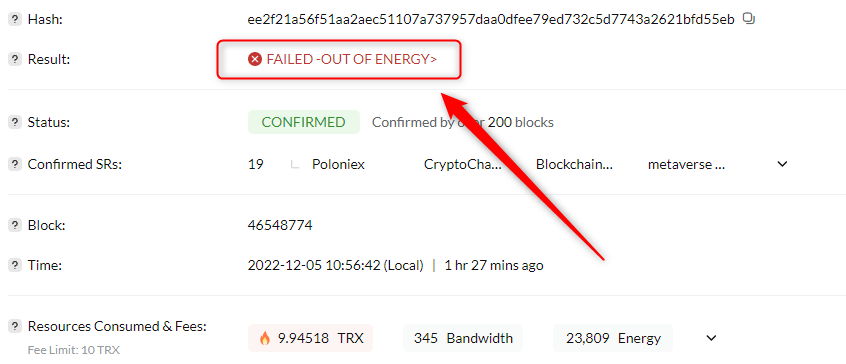
Now, going back to that technical frustration of moving assets while on the go. Your credit card just got blocked and you want to send USDT cheap to a mate to book a flight for you. You open your wallet. You paste the address. You click send. "Insufficient Energy." The transaction fails. You try again. Fails. You are now frantic. The flight price is going up.
Money is on hand, but you can't transfer it in the network. This is precisely the TRON network pain point; TRON network is the most widely used USDT transfer network because of its speed. The average user is confused by the resource model (Energy and Bandwidth). You just want to pay. There's no point in staking TRX or renting Energy. All you wish is the money that you have to move.
It is definitely an irritant but in a security incident it is a weakness. An asset locked in an "Out of Energy" error is a disaster if you need to move funds now to a safe wallet because you suspect your device may have been compromised. You require instruments that will allow you to ignore this complexity. You should focus on accomplishing a USDT low fee transaction, not how the blockchain works deep down. Getting rid of these hurdles is essential for the future of crypto adoption. If sending money requires a computer science degree and a cupboard full of utility tokens, we should hardly expect mass adoption or safety for travelers.
And the world is turning into a smaller surveillance place. Crypto offers true freedom, it must be protected by both intellect and vigilance. And because you are your own bank, you are also your own security guard, your own compliance officer and your own risk manager.
Fail in one of these roles, and there will be blood. You do not want to be the tourist that spends his/her vacation in someone else's jail cell due to a case of mistaken identity or simply a lapse of judgment. Be the Waldo ninja as you move around the world unnoticed, your wealth safe and flitting in-and-out of existence, the only place it's located when you want it to be accessible; and that's 100% undetectable when you do not.
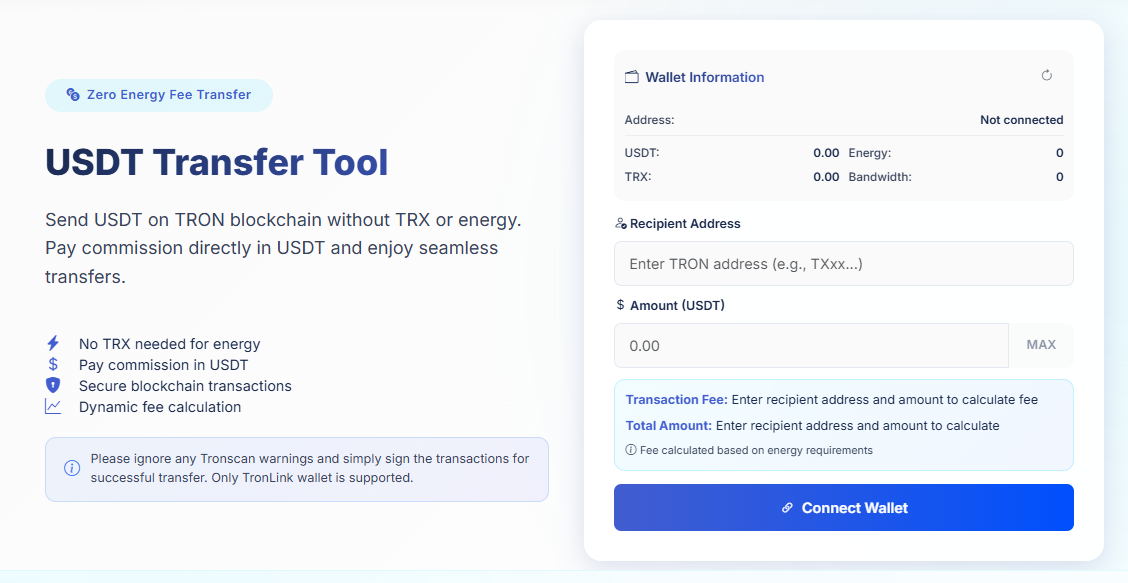
And while still within accessibility and the idea of removing technical barriers, we have some services popping up specifically to solve this so-called "stuck funds" issue on TRON. If you have USDT but no TRX to pay for gas, use this specific tool - Netts Transfer Tool. It lets you do a zero Energy fee transfer, which means you can transfer your USDT on TRON without holding any TRX and no need to know what Energy and Bandwidth is.
After this, all you need to do is connect your wallet and the service will dynamically extract a fee (which is paid directly in USDT from the transfer amount). It is a gasless, secure, non-custodial solution to the so-called "Energy Wall" — your assets should never be stuck because you don't have the native gas token. This means that you move your assets with absolutely no friction, as the system takes care of the Energy delegation automatically by signing two transactions — one for the fee and another one for the transfer.