Corruption and Crypto: Enabling the Vices?
Crypto and corruption — bribery, kleptocracy, and dark finance — without pretending blockchains magically erase motive, leverage, or weak oversight.
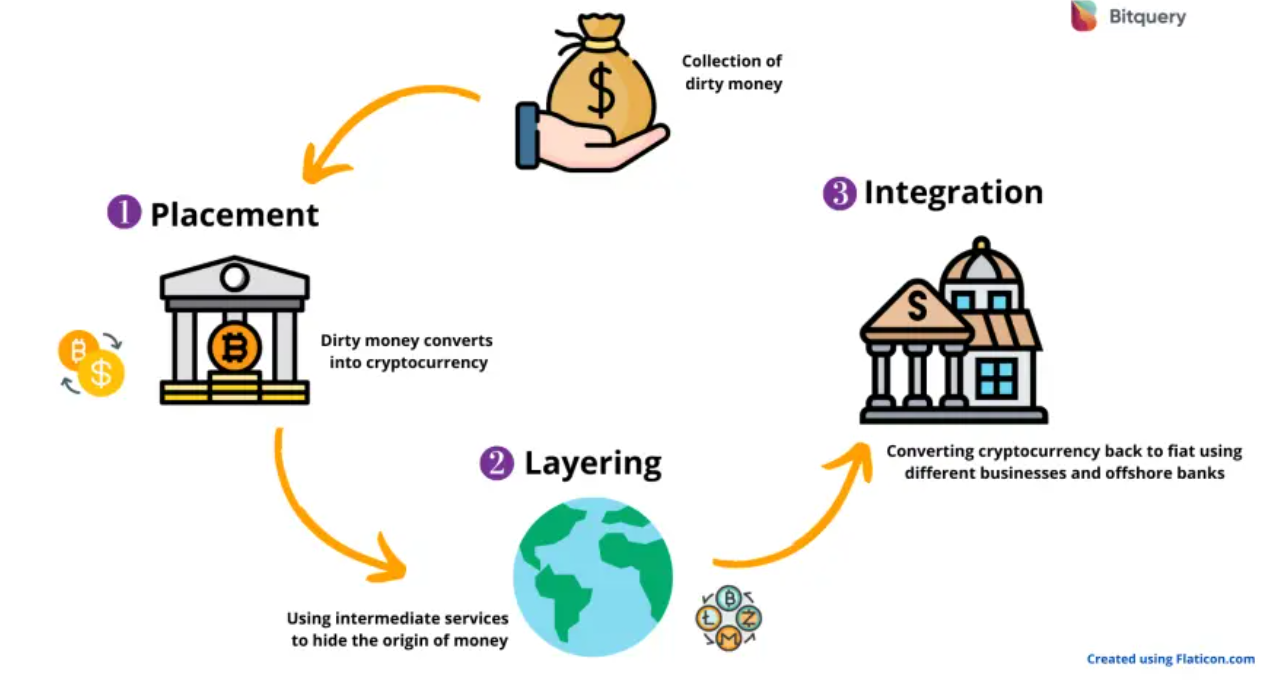
Every single technology that humankind has ever created has always, without exception proven to be a two-sided sword that has helped propel our society to new levels but has also offered up new avenues for our most vile impulses. Innovation always has a dark side, from the invention of the printing press, which spread knowledge — and propaganda — far and wide, to the internet, which connected the world in ways once unimaginable but also opened the door to cybercrime on an unprecedented scale.
This is not a historical rule that excludes, by definition, cryptocurrency. On its most idealistic level, decentralized digital currency was built on the hope of freeing our finances, avoiding the need for permission from the establishment, and putting individuals in command of their assets. The innovative blockchain technology itself promised an unrivalled transparency, security and autonomy in the financial sector.
But as this technology has reached maturity and embedded in the world economy, the darker side has become ever more visible. These exact qualities that make crypto such a perfect solution for advocates of privacy and technical enthusiasts alike — its decentralization, crypto security, and its enabling of borderless trade — have all contributed to its gargantuan toolkit for actors in the shadows.
And yet, as we stand before the wide open gates of this new digital frontier, we must confront the uncomfortable truth that the freedoms we build can also serve to destroy the very societies we create. The ideal of the decentralized utopia ever struggled with the reality of human beings, and therefore these cryptographic walls that spread out the ability to see all among everyone who wishes to gaze into the dark corners of its mind reflect, but also turn into a bastion for those who would rather huddle in the corner and do appalling things, out of sight, out of mind.
Privacy Paradox: Public Trust During The Pandemic
Often heralded as the most extraordinary accomplishment of the crypto transactions, it is indeed an impressive feat that it preserves the anonymity of its transactions from the thirsty gaze of unscrupulous entities. In a time where almost every move we make is tracked, scrutinized, and profited off of by companies and governments alike, the lure of financial privacy is easy to understand.
Isn't privacy great? For the average citizen, in the absence of physical cash, conducting transactions without the oversight of an appointed centralized banking system is a right, and a needed countermeasure for overreach and exploitation. Now switch gears with me for a bit and tell the above story this time from the point of view of a public official.
The idea of financial privacy becomes a toxic oxymoron when we are dealing with politicians, police officers, education administrators, and public health directors. They are the custodians of the public purse, power and health. They — and their finances — should be scrutinized at the highest levels to ensure they are doing the public good, not their own.
Following the dollar accounts of public officials on a traditional financial system has always been a difficult, costly endeavor. For many years, corrupt actors have utilized offshore bank accounts, shell companies, and complex financial structures to conceal the proceeds of their criminal activities. The traditional banking system, on the other hand, still leaves a paper trail, but — yes — only in spite of these challenges.
People can be subpoenaed, their bank records can be seized, and financial investigators can trace the money through an ecosystem of surveilled actors. But now, it's crypto? Cryptocurrency changed the landscape of potential public corruption financial investigations. How to track that at all? As established earlier, these capital assets are cryptographic, which means that ownership is based on a series of alphanumeric characters, not an identified individual.
Although a public ledger, the blockchain prevents users from linking specific transactions with specific individuals, as many blockchain addresses simply do not correlate due to anonymity on the blockchain. Such anonymity is the ideal cloak for public officials who would prefer to take their bribes, kickbacks, or embezzled funds, without a trail in the real economy.
The very privacy that once safeguarded the citizen now serves to protect the corrupt official, engendering a crisis of accountability that is no less an existential threat to democratic governance itself.
Journalist Nightmare: Running After Words
Investigative journalism has always been the light shining in the dark corners of society, exposing corruption and holding the powerful accountable. Historically, it also meant combing through thousands of pages of financial documents, scrutinizing bank statements and following money down a rabbit hole of corporate entities. It was slow and often perilous work, and it was feasible only because the legacy financial system, as dysfunctional as it is, is largely based on record-keeping and compliance.
However, when it comes to cryptocurrency, the life of the investigative journalist has gotten a lot more complicated. What journalist would be able to follow the flow of bits in code (over distance on their own)? The investigation of financial crimes has gone from needing forensic accountants to specialists in advanced cryptography and blockchain analysis.
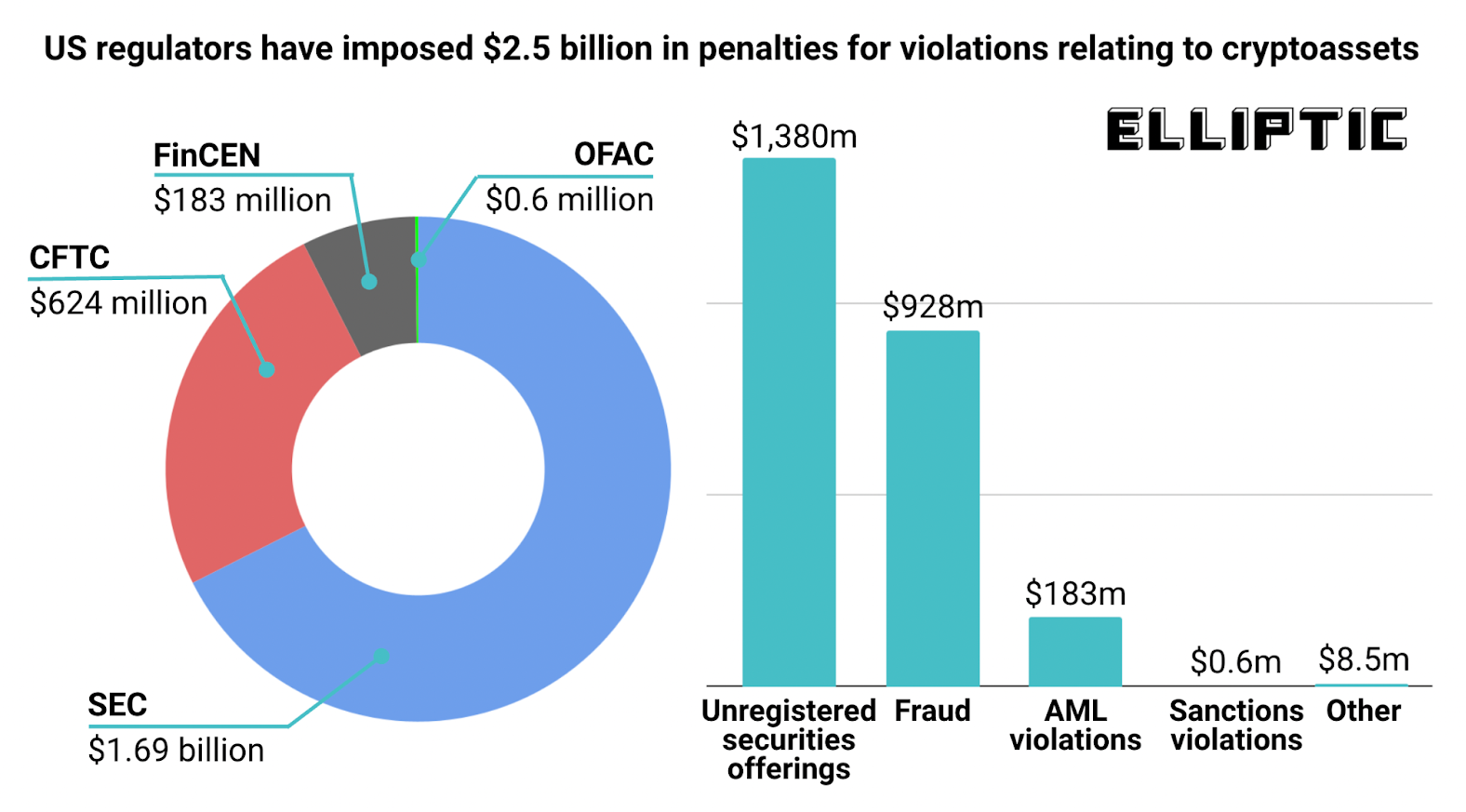
There are companies — and even some law enforcement agencies — that have the tools and know-how to track crypto transactions, but such resources are typically not available to independent journalists and watchdog groups. Sure, the blockchain is public but the way to interpret it involves the technical concepts of mixing services, privacy coins, and cross-chain swaps but how can a market participant understand something that needs a deep understanding of the aforementioned concepts?
With the above background in mind, these powerful tools are currently being leveraged by corrupt or criminal actors to intentionally obfuscate the true origin and/or destination of funds, causing a dense digital smokescreen, which is likely close to impenetrable for a non-expert. Imagine a journalist has identified the crypto wallet of a corrupt politician but has no means of knowing whether the wallet address they think belongs to the politician, in fact, does belong to that politician.
Instead, the journalist will need to fingerprint the wallet, set off on a wild goose chase through a labyrinth of decentralized exchanges and anonymizing protocols to follow the paper trail of funds all the way to the door of the official's home, and link the various digital assets to a money-for-vote exchange. Any of this requires a degree of tech sophistication that is way beyond what exists in most newsrooms.
The result? A chilling effect on investigative journalism — where reporters have to drop promising leads simply because, due to a lack of technical capability, they are unable to follow the digital money trail. And in practice, the same technology that should have brought a new era of transparency has made financial activity into a black box, protecting corrupt officials from being subjected to journalistic and public scrutiny.
Bribery 2.0 and the Cyberunderworld
Cryptocurrency actually facilitated hiding the proceeds of corruption but transformed bribery and corruption transactions. Traditionally, a bribe has involved cash — the big bills are not easily transportable and are a high risk for detection. Which would have had to be through direct wire transfers through offshore banks, with lots of red tape, and a paper trail that would still be subject to international anti-money laundering statutes.
These logistical hurdles have been removed by crypto, allowing for instant, secure, cross-border value transfer. For example, in public procurement, a crooked official can comfortably accept a payment from the contractor in the form of Bitcoin or Ethereum, which will be transferred directly to the cold wallet. There are no banks to alert the transaction, no nations to transfer over, and no recorded trace to search.
Decentralized autonomous organizations can circumvent campaign finance rules and hide the original source of the funds in the political arena, and crypto donations can be anonymous. Crypto, even in the day-to-day running of government (like permits or regulations), offers a smooth, untraceable means of bribing inspectors, police, and bureaucrats.
This has allowed for an ecosystem of digital services to thrive which help to provide the tools to more easily facilitate and hide the illicit transactions that occur because of this. This means that corrupt actors can use decentralized finance platforms to wash their money — swapping one token for another on different blockchains to sever the traceability chain.
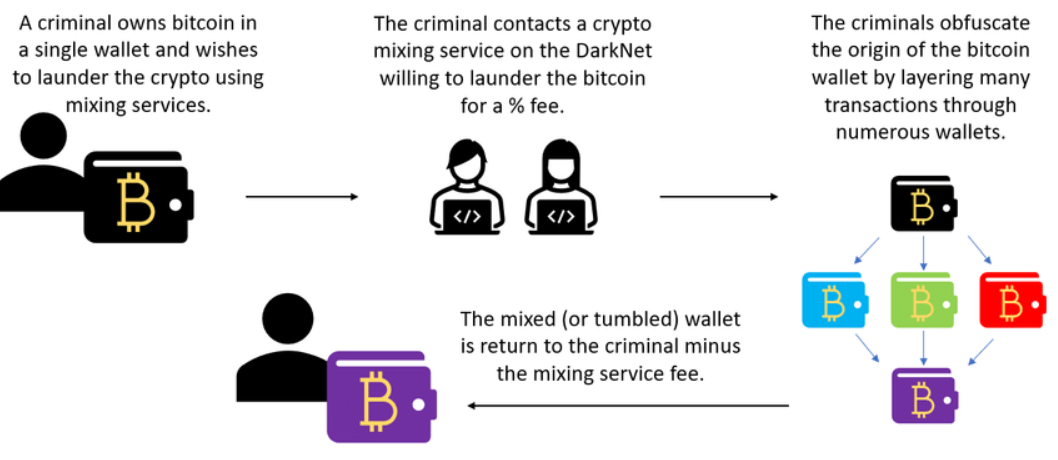
This can be done through the use of mixing services, which group multiple user funds together, providing a particularly difficult way to trace the original source of the funds. Also, the automated nature of smart contracts enables corrupt deals to be executed. A decade ago, the sophistication and automation reflected here was unthinkable, and this includes a great escalation in the war against public corruption.
For example, we had instances in Eastern Europe when top-level politicians were discovered with multimillion-dollar amounts of untraceable privacy coins in their wallets, with the money reportedly received from the oligarchs for regulatory preferences. South America has also seen findings of trafficking networks of corrupt police officers who have taken to accepting stablecoins in exchange for turning a blind eye to drug trafficking.
Stablecoins are an especially pernicious, as they offer the anonymity of crypto but without the volatility of crypto, making them perfect for the criminal underground. In developed economies kickbacks have been paid in crypto to healthcare administrators if they put a pharmaceutical product on a public healthcare schedule. This is perhaps only the tip of the iceberg, as the overwhelming majority of crypto-enabled corruption goes unreported, and of course unpunished.
Our evidence is digital and therefore, ephemeral, existing only as a string of code on a decentralized network, and they are extremely hard for law enforcement to put together a case against. This absence of physical proof coupled with jurisdictional issues in probing transactions not tied to one specific location makes a recipe for impunity. That is, a corrupt official can simply accept a bribe from a foreign entity, wash the money through a DEX, and keep the funds in a cold wallet — and traditional law enforcement measures are often powerless.
Need for Systemic Reform
Until that time, the increasing reliance upon cryptocurrency to enable public corruption will remain a serious threat to the international financial system and the rule of law. What has to be different about the current reform system so that in practice, at least finding corrupt actors is harder — or impossible? Well, the answer is not simple, and regulating or imposing the control over the crypto ecosystem must ensure that the need for security and accountability is balanced with the need for decentralization and privacy.
Yet, equally, the inadequacy of the existing regulatory framework to cope with the implications of the digital age is plainly evident. Perhaps the greatest demand is for stronger transparency and disclosure requirements for public officials. Similarly to how for centuries politicians and bureaucrats needed to declare their classical assets, they should be obliged to declare their crypto holdings and wallet passwords.
This would establish a minimum level of responsibility, and investigators could track their digital holdings for any unexplained increases. In addition, a coordinated worldwide approach should be instituted to regulate the on-ramps and off-ramps of the crypto-economy — i.e., the exchanges and platforms where digital assets are traded for fiat currency. Implementing strict restrictions at these key moments makes it far more challenging for corrupt actors to cash out their dirty money, at various stages in the process.
Developing Advanced Tracing Tools
It is also important — and urgently needed — to create advanced tools for identifying criminal blockchain activity and to train law enforcement and investigative journalists in how to use them effectively. Such crypto tracing technology is not only attainable but already in use, albeit dispersed among a limited number of highly-specialized establishments.
Bringing these tools into the public domain and training not just the judicial sector and journalists but also everyone who is working to uncover corruption would help in equalizing the battlefield and removing the mask of anonymity that corrupt officials wear today. Moreover, there is a particular need for greater supervision of privacy coins and mixing services, which are intentionally built to hide the movement of funds.
Yes, they may have valid purposes for those seeking financial privacy, but the opportunity for abuse regarding public corruption through their use is just too great to be ignored.
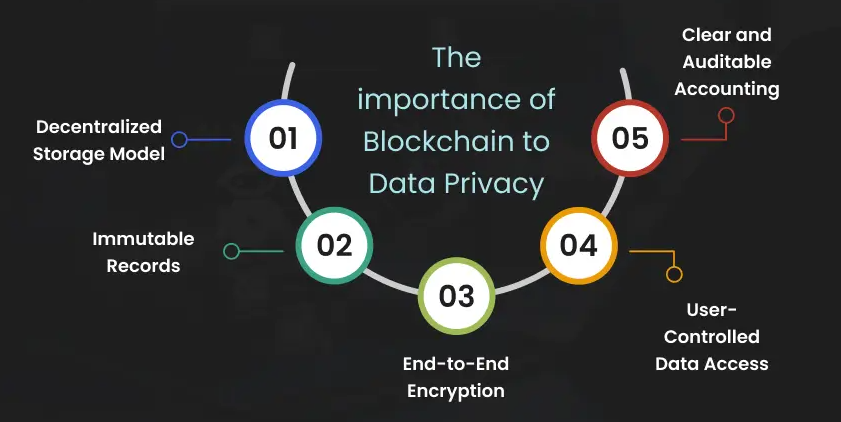
Or could the entire crypto construct all come crashing down if we go that route? This is the life-or-death question that plagues the crypto community. Cryptocurrency was birthed on the principles of decentralization, self-governance and immutability. For many, that means any effort to impose regulatory oversight or require disclosure or to eliminate — or for heaven's sake, place conditions upon — the use of privacy-enhancing tools is a frank betrayal of these founding principles.
However, if governments can monitor, track and more importantly, control the movement of digital assets, is crypto just a faster iteration of the traditional banking system with all of its issues and centralized power structures? There is a fear, though, that in trying to eliminate corruption, we will be going after the things that make cryptocurrency special.
But the other option is not much more palatable. Put simply, a financial system which allows complete anonymity and impunity for corrupt public officials is nothing more than a system that will one day erode the foundations of democratic society. And so the challenge is to achieve balance — a regulatory framework that retains the key advantages of decentralization but includes strong measures to minimise the risk of its exploitation by the powerful.
It will take a balancing act, a willingness to bend, and a muted comprehension of both the tech and the implications of the horrible chess game of public corruption.
Pandora Is Released And The More Questions Than Answers
There is no unringing when you open Pandora's box. Cryptocurrency has brought a new force into the world, which can completely change the global economy and the system of the world power. The blockchain cannot be un-invented and the digital genie cannot be put back into the bottle. It's a technology that isn't going away anytime soon and we need to adapt to the repercussions, good and bad that it entails. Now the story goes, with this new tech, a solution is on the way — a financial system that is more transparent, fair, and efficient.
In the meantime, though, how much more crypto tokens will get spent to persuade public officials? And what public contracts will the highest crypto bidder receive? These are the questions we face in this brave new world. This story is not able to offer anything more than questions — endless questions — but where there is interest and will there is also a necessity to seek answers — eventually.
An extended war is in the making against crypto-powered corruption, one that will require coordinated and sustained action on the part of governments, industry, the journalism community, and civil society. It will force us to reevaluate our basic ideas about privacy, transparency, and money in politics. Yet it is a fight that we cannot afford to lose, for the prize is the very soul of our civic institutions and the faith of the public in the goodness that lies at their heart.
This is why proper tools are required in the digital asset management process as it's really easy to lose track in the digital space and this is where workspaces such as the Netts Workspace come into play. A complete suite of pro-level tools for the TRON ecosystem optimized for top class blockchain operations that allows you to create and handle your digital footprint securely.
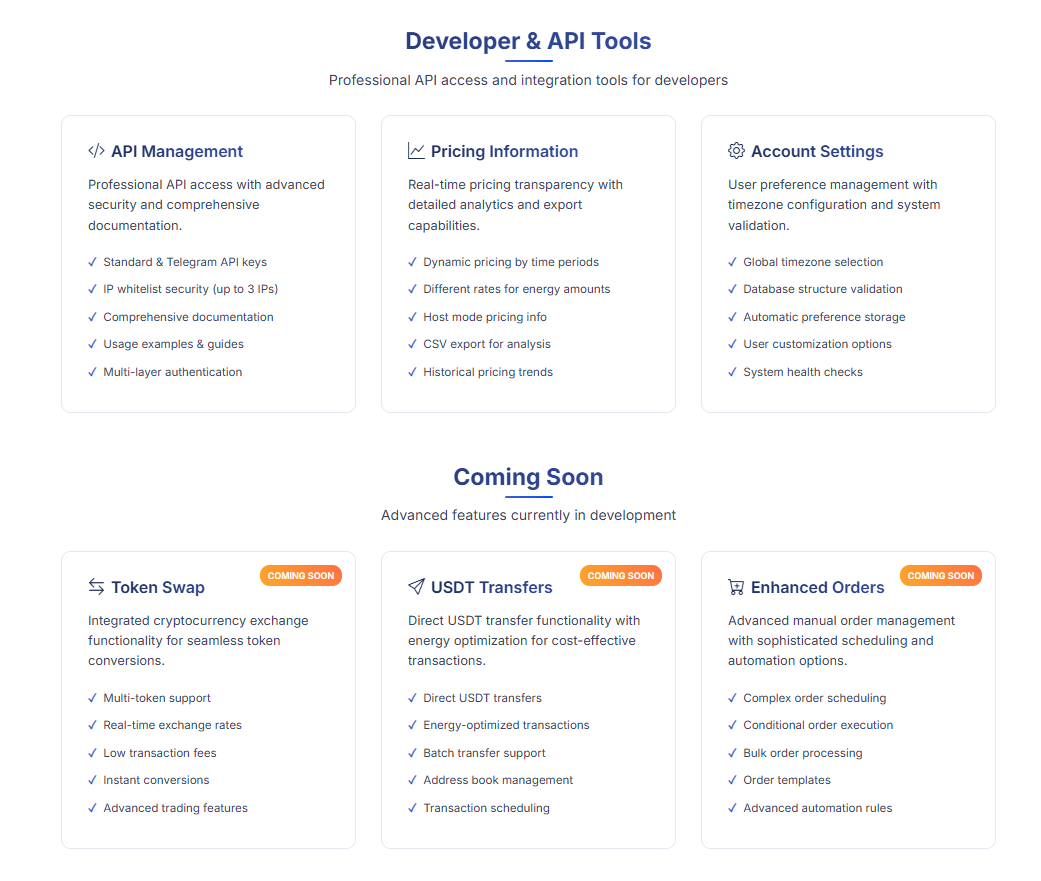
From acquiring TRON Energy for on-demand needs to taking care of the automated Energy rentals for ever-growing demands to limiting the Bandwidth usage, this becomes your single-source command center. Features in Netts Workspace such as intelligent; automated Energy delegation relying on balance triggers; real-time monitoring and professional API access with enhanced level of security makes Netts Workspace the secure solution for your digital asset management and allows you to save substantially on transaction costs while remaining in full control over your resources.