Signs that a Cryptoinvestment is Too Good to Be True
Red flags in crypto pitches: unaudited contracts, locked-liquidity tricks, fake hype, seed-phrase scams, and “easy yield” that ends in rugs.
Arthur — the sort of person who measured his coffee grounds in grams every morning, 18 grams of grounds for a 300-milliliter pour over. He was a systems architect, twenty years in high-level server infrastructure for a mid-sized firm, dealing in logistics management; a man who did not believe in magic, luck, or fate. He had faith in data, in the visible trails of records, in the unchanging principles of cause and effect, and in the unforgiving reasoning of code.
The minute you say to Arthur you found a c-note lying on the sidewalk he would immediately take to looking for the hidden camera, or the hole in the shirt of someone nearby, assuming it was some sort of social experiment, or some sort of prank. For the most part, he was the last person on the planet you would expect to be scammed out of his entire life savings investing in cryptocurrency. And yet, on a rainy Tuesday in November, Arthur was staring at a screen that read "Connection Error," his gut twisting with nausea as he accepted that fifty thousand dollars — money that was to go towards his daughter's university fund, money that took a decade of not going away for holidays, and working extra shifts for — had just vanished.
It didn't take place overnight, and it didn't take place because Arthur had a particularly old-fashioned definition of greed. It began on a technical forum for blockchain scalability solutions — where engineers talked about sharding implementation and rollups of layer twos.
This wasn't a "get rich quick" scheme he was after; he wanted to do some thinking maybe optimize his limited retirement portfolio. He began a conversation with a person called, "Helix_99," who had a clear knowledge of zero knowledge proofs. For weeks they argued over the hypothetical ceilings of transaction throughput. Helix didn't sell a product, he sold ideas. He posted thick, mathematically rigorous, novel whitepapers. After several months of gaining his trust, Helix eventually told Arthur that he was beta-testing a new liquidity aggregation protocol that was using AI to arbitrage price differences between decentralized exchanges. He never invited Arthur to invest. He just asked whether Arthur wanted to "take a look at the code" of the beta interface, crediting him with a "good eye for system architecture."
Arthur felt honored. He was like someone at home, a peer to a genius. By the time he got to the platform, it was a thing of beauty — polished, interaction-heavy, real-time data visualizations for his data-munching mind to feast on. Arbitrage opportunities live in milliseconds via the dashboard. He deposited five hundred dollars — the bare minimum to check out the withdrawal feature, a routine security step that he always boasted about doing. It worked perfectly. It came back to his wallet in a matter of minutes, and with it a small profit. In three days he earned fifty dollars in profit. The system worked. The math checked out.
Then came the "opportunity." A post from Helix stated that the liquidity pool was on the verge of being capped to ensure liquidity and that only "founding partners" would be permitted access to the upper tier of arbitrage rewards. To Arthur, it wasn't a scam; it was an opportunity for a technical advantage afforded to him through his own smarts which comes by once a century, if that. It wasn't gambling … he was building the future of his finances. Confident that he was shoring up his family's legacy, he wired the tuition money. On the night of the day after that, the site vanished, Helix's account was gone, and Arthur was left alone with nothing but guilt and a silent house.
Arthur's tale is a tragedy on its own, but not an uncommon one, nor exclusive to the naive or desperate. However, if people intelligent enough fall on the wrong side of the track, then intelligence can be a curse; high stakes fraud is a game of brains. Rationalizing terrible decisions just like smart people do often is within our core competency and we can build elaborate logical houses of cards to support what is ultimately just visceral instinct. The reasoning may be "inside" information, an unreliable conviction in one's intuition, a belief that the extra hundred thousand dollars right this minute to repair a leaky roof or resolve a pressing debt is a desperate need, or, perhaps a spiritual belief that one is "manifesting" abundance through quantum positive thinking, but the outcome is the same. Conversely, if the other side makes a mistake you can be assured they will not know this until the dust has cleared and the wallet has been emptied. So, how does one know? How do you see the decay beneath the gold before it collapses beneath the pressure of your dreams?
Obvious Red Flags
The obvious issues — the neon signs blinking "danger" to anyone who is willing to look past the glare of possible riches — should be the first line of defense. These are the promises of meteoric growth with no history attached. If the project guarantees you one percent returns every day, just run. Risk and reward go hand in hand in finance. These yields are high but they are also completely devoid of risk. If such opportunities existed, institutional investors with billions of dollars as well as armies of analysts would have already arb-ed it down to a normal market rate. If some random website is giving you returns in excess of the best hedge fund ever, the only opportunity here is the opportunity to lose your capital.
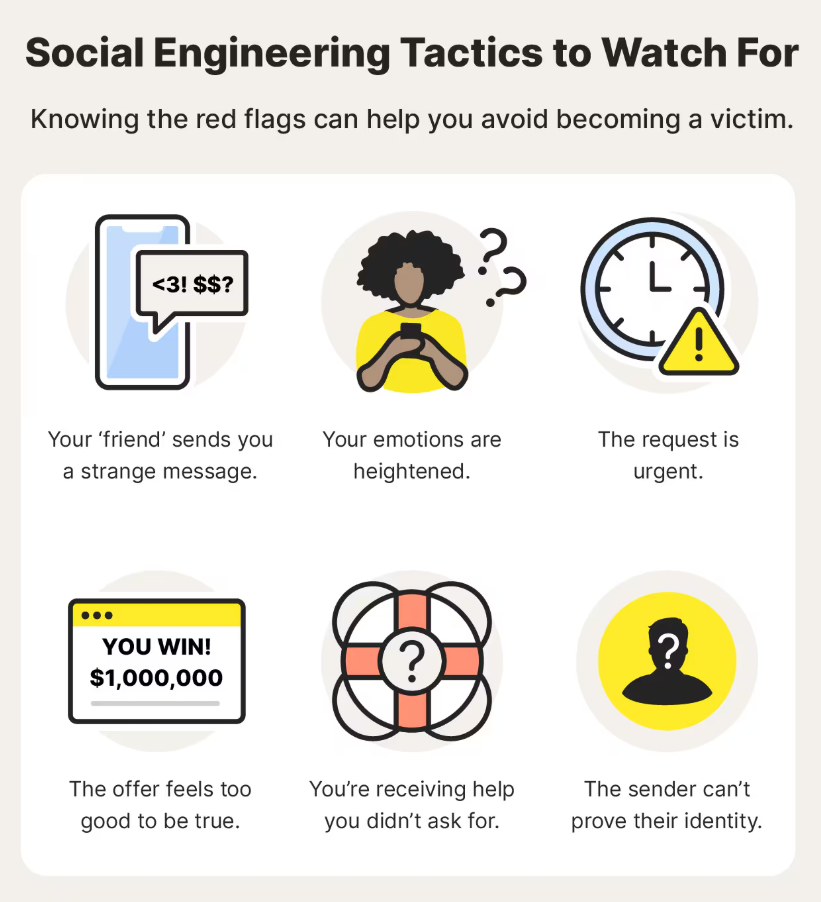
A proof that is equally glaring is falsified credentials. It is trivially easy to generate a whole roster of "experts" who do not exist in the era of AI generation. Perhaps pictures of well-dressed individuals grinning at the camera, the words Chief Strategy Officer or Head of Quantitative Analysis, etched below their image. With a quick reverse image search, it is usually found out that these faces are stock photos or, even worse, AI-generated fakes that have never existed on Earth. One more obvious sign is a history of bad credit. If the token contract has a track record of suspicious activity, or the founders were involved in prior "rug pulls" — projects that disappeared taking investors' money with them — there's no reason this time will be different. Crypto history does not exactly repeat but it sure does rhyme.
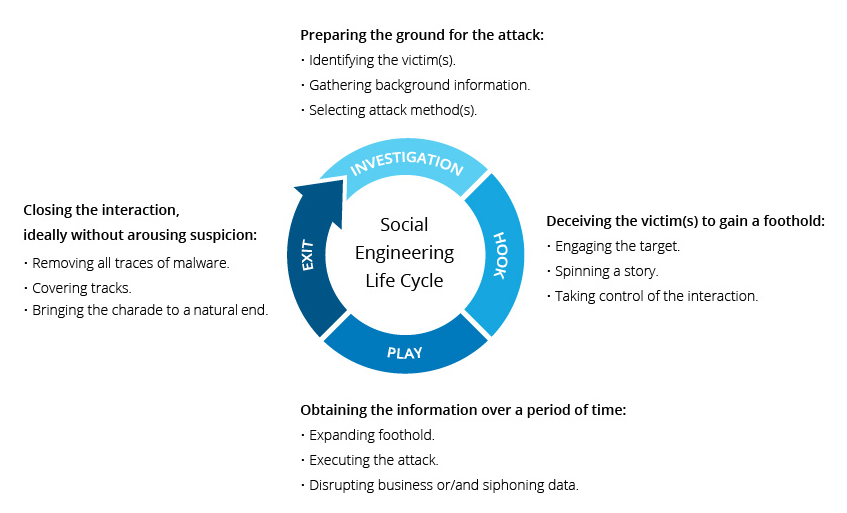
But those clear indicators are disappearing as scammers get savvier. The predator of today is not dressed like a predator; the predator of today looks like a buddy, a pupil, a visionary. So, we get to the non-obvious signs, the signs that slip past your logic gates to your psyche where your insecurities lie.
The Too-Smooth Operator
However, the most dangerous sign of them all is someone who is too "smooth". This is the person who spends weeks or months making a relationship with you before ever bringing money into the conversation. They may text you pictures of their lunch, inquire about your family, or talk about mutual interests. They are patient. When they send you the link eventually, it is a favour, not a request. They might provide you with a "partnership link" — which is just a referral link — and make you believe that this is your way into the deep elite. They exploit the social contract of reciprocity: having done something "nice" to you so you owe it to him to trust.
Fake Sites and the One Character Off
Many of these advanced pickings use full copies of legitimate websites that are done very, very well. You may be attempting to login to a legitimate exchange or a well known DeFi platform, yet an address is one character off or has an alternate domain extension. You see the same interface, click buttons, and charts update in real time. However, when you connect with your own wallet, you are not signing a login request; instead you are doing something more like giving them permission to wipe out your assets. It feels right in the moment. The interface feels so familiar that you don't second guess because you've seen this UI a million times over.
Social Lemming Rush
That is the "Social lemming rush" phenomenon. Whilst everyone had a joke and felt like they were a part of a revolution (in fact many changed entire lives), many many more lost all whilst scrolling. These are movements filled with feeling around an "us v them" mentality, a fighting the system to make millions or billions mentality.
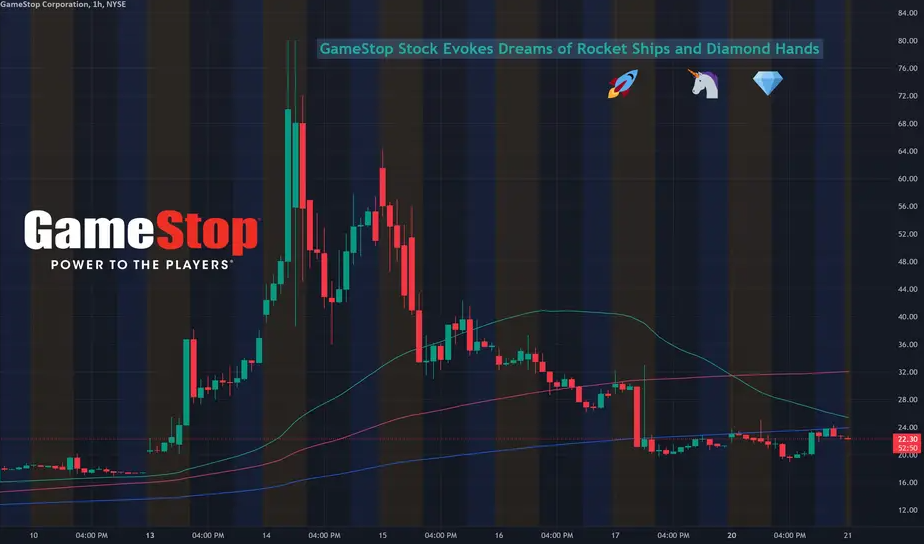
It is intoxicating. It feels like a game. But buying a token just because everyone else is buying it and you still have zero clue on the mechanics of the token is not an investment, you are gambling on the behavior of a crowd. And crowds are fickle. Often the difference between a right and a wrong investment is how well cloaked the bad investment is. Where there is no doubt, no care, and the corresponding wallet just empty.
The AI Arsenal
In addition, recent advancements in artificial intelligence have provided scammers powerful weapons that were science fiction just 10 or 15 years ago. This is not a poorly composed email from the "Nigerian Prince." We now have real-time deepfake video calls where a "CEO" can talk to you using state-of-the-art voice synthesis coupled with facial movements in under a second so that they can pretend to sound and look like any well-known public figure, as we have seen today with AI. Such deepfakes could be used to promote a scam project, or they could even have you believing that a partnership is real.
The content of text in the chats is frequently produced by very advanced language models which mimic empathy, humor, and the professional jargon without making a tiny mistake. They are never fatigued, never make a grammatical error and can carry on a conversation for months, all the while constructing an elaborate psychological profile of you that they can use to bypass your unique fears and predilections. In this atmosphere, you can no longer trust your eyes and ears; only cryptographic validation remains the one source of truth.
Recovery Scams and Technical Obfuscation
One of the most devious forms of this is known as the "recovery scam," which goes after people who have already been scammed. Immediately after that moment when the loss still hurts the most, some "expert" or "investigator" from the blockchain comes and says that the funds can be returned, but only for a reward. They may tell you that they have "inside access" to the mining pools, or that they can "reverse" the transaction. On chain, this is technically impossible, but it sounds like a lifeline to a desperate person. It is the last twist of the knife — to rob the last few dollars of a person who has lost everything.
This confusion largely translates to how the technicalities of the blockchain operate. When we hear technical terms, scammers love it because it confuses their victims. They may talk about "nodes," "mining pools," or "energy optimization" in seemingly plausible, but technically nonsense ways. For instance, in TRON, users need to deal with resources.
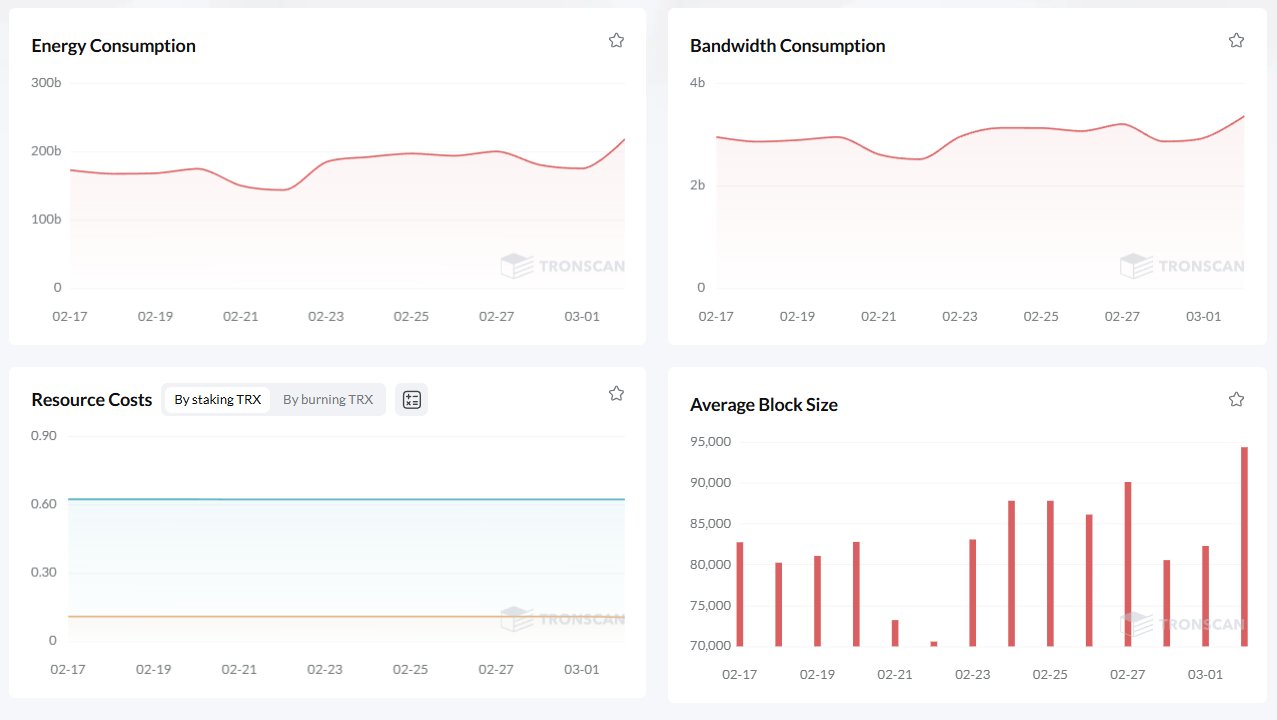
Example: a real power user may purchase TRON Energy and lower their transaction costs for your operation. So this is the normal reasonable way to use the network effectively. Still, an unscrupulous person could distort this idea by claiming you need to purchase TRON Energy packages to "unfreeze" your funds or "improve" your account type. They are diamondizing a real phrase and pointing against you not knowing the technical specifics.
Likewise, there are services that claim to automate Energy renting for you. In fairness, automating Energy rentals, in the proper context, is an interesting way for developers and institutional volume traders to guarantee that they never suffer a shortage of resources for their transactions, at the lowest price. It is a tool for efficiency. In case of a scam, "automation" is usually another name for "give us the keys." They can request your private keys or demand you sign a smart contract permitting them unlimited spending allowances under the justification that it's necessary to automate the process. In reality, with all true automation tools you will never expose your private key for automation purposes.
Illusion of Control
For a high like no other, just dust a little bit of the illusion of control all over your agenda. Predators understand that if they present you with a dashboard of buttons to press and charts to monitor, you'll feel like you are in control. They gamify the investment process. With the click of a button, they allow you to "compound" your earnings. You're allowed to "upgrade" a mining tier. Every single thing you do reinforces the idea that this is a real system somehow responding to your interaction. In actuality, those digits you see on a screen are merely pixels. The backend is just a database that keeps increasing a counter until the point the developers just want to switch it off.
This is why you need to develop an attitude of extreme skepticism, to avoid falling into these traps. You need to disentangle the "feeling" of an investment from the reality of it. However, if an opportunity appears to be exciting, urgent, or scarce, then you need to pause. And emotion is the killer of due diligence. Ask yourself: Why me? You are a stranger — and I am to believe you are revealing such an amazing secret to me? If this technology is so revolutionary, why does nobody in the major Technical Publications write about it? If you see it being sold in a Telegram group or a Discord channel, then why is that the case?
Another few practical safety guidelines you should also note are:
1. Check the address of the contract on a block explorer. Look for verified source code. Never touch anything that is not verified within code.
2. Check the liquidity. Is it locked? For how long? Developers can withdraw funds anytime from a project with unlocked liquidity.
3. The "community" hype — ignore it. Just because a thousand people yell that a token is "going to the moon" does not make it true; it means there are a thousand people with exit liquidity.
4. Do not share your seed phrase or private key with anyone ever. And no legitimate support admin, CEO, or "validator" is going to ever ask you for this info.
5. Look out for "glitches" or arbitrage opportunities that are too good to be true. If there was an easy money printing, the bots would have arbitraged the money away in milliseconds, and the money would not have been distributed to you.
Yes, boring is the path to successful investing. It encompasses reading the documentation, comprehending the project value and also risk management. It is not about striking gold but it is about finding value. Beneath the hype and the lights, behind the smooth talkers who act as your "friends", lies the inescapable reality of the code & the market it works (or does not work) in. If you don't see the value, then there probably isn't any.
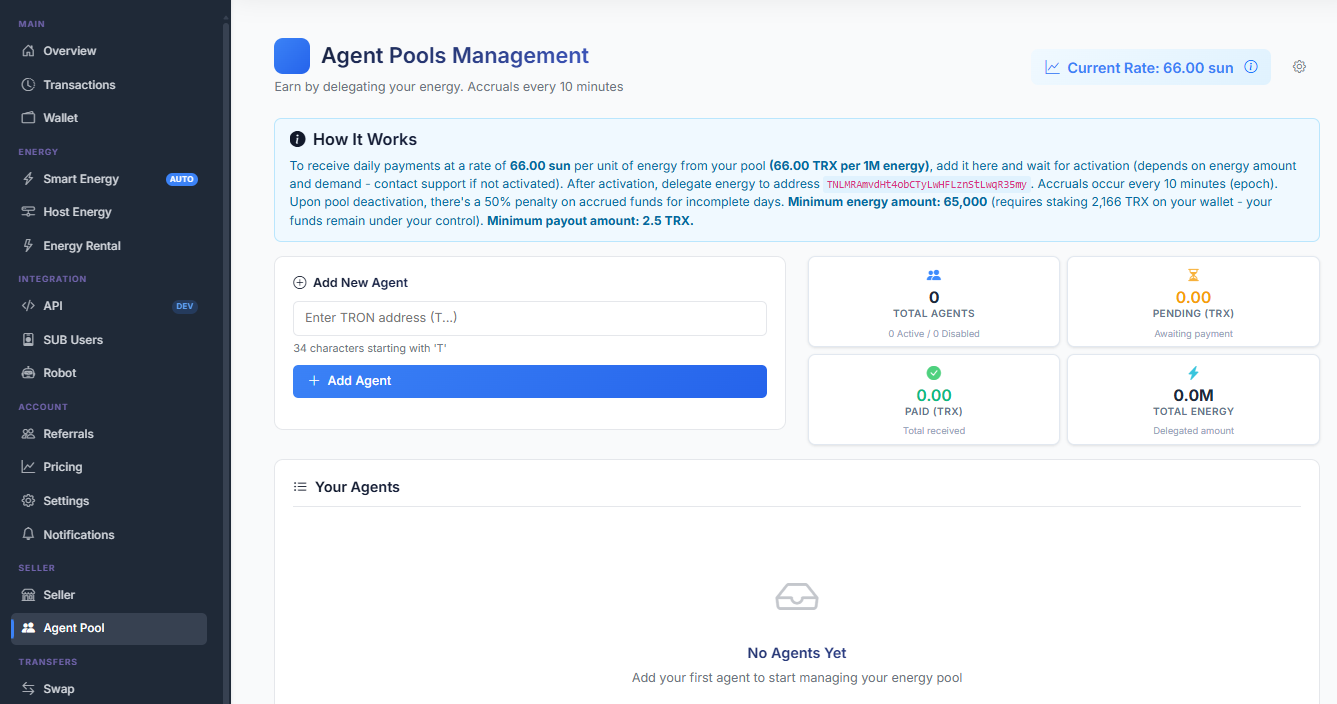
There are real utility platforms for those interested with appropriate/real tools for tracing the technical setup of the TRON network and not just for beating the drum for the biggest headlines. Netts Workspace provides a full TRON energy management stack with automated energy delegation, real-time monitoring, as well as space for cost optimization tools built for actual operators looking to buy TRON Energy, and rent the Energy with automated solutions in a safe and efficient manner.