Why Cryptogaming Mostly Failed - Lessons to Learn
GameFi’s bubble burst on Ponzi-like sinks, wallet friction, dull loops, and hacks — a postmortem from Axie and Ember Sword to today’s survivors.
The digital ambition graveyard is strewn with projects that promised to completely change the way we play, earn and interact online. One of the most prominent inhabitants of this digital necropolis is a who’s who of the fallen stars of the crypto gaming world. In a heady, feverish stretch of time between 2020 and 2023, it looked like the marriage of blockchain technology and video games was inevitable, preordained to upend “antiquated” models of gaming as we now knew them.
Billions of dollars in venture capital, funds investment firms use to acquire and support promising start-ups, flooded into the sector, which came to be referred to as “GameFi,” while developers trumpeted that they had discovered the holy grail of user engagement. Except that here in early 2026, the reality on the ground is very different. There are survivors — and even thrivers — but most of the hyped “next big things” have cratered, leaving behind frustrated investors, disillusioned players and a wealth of painful lessons. To get a picture of the future, we need to take apart the past, beginning with some high-profile failures that epitomized an era of arrogance.
High-Profile Failures and Broken Promises
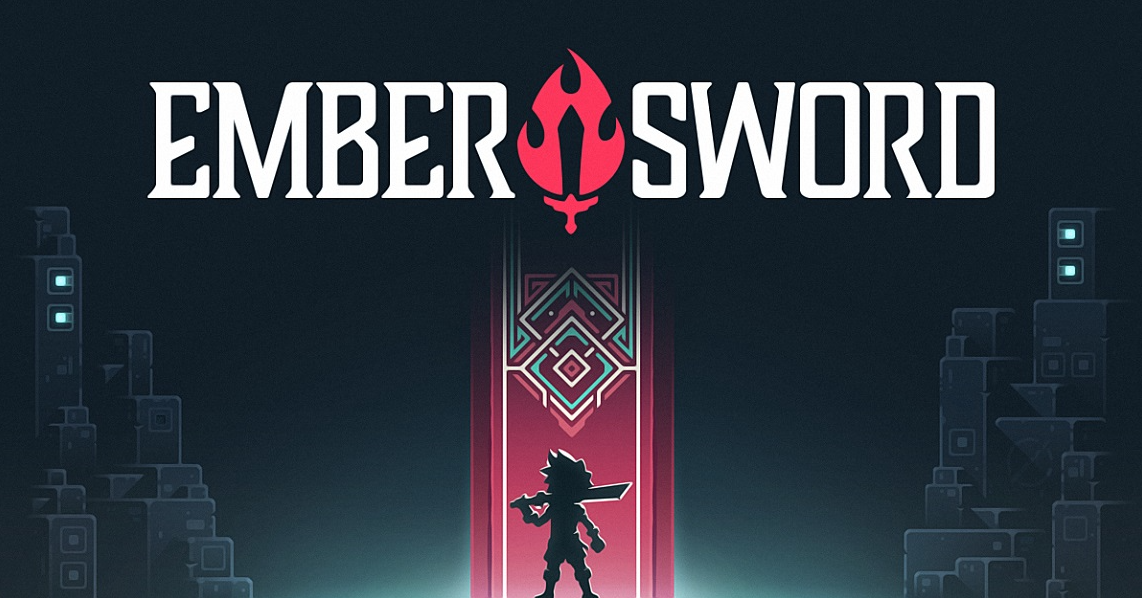
And the most scalding instance of this is Ember Sword. For years, this was the project by which all other blockchain MMORPG were measured.
It was the pitch every prospective investor wanted to hear: an emphasis on play-and-earn, rather than play-to-earn; a sexy art style that didn’t just look like an asset flip, video game slang for taking whatever assets are available and quickly throwing them together; and a pledge to make the crypto aspects invisible to your average user. They made millions of dollars, sold vast tracts of virtual land to eager speculators and built a community that waited with bated breath for years. But then the dream came to an abrupt end in May 2025. The publisher confirmed that development was ceasing and the servers were being shut down due to a lack of funding.
Why did Ember Sword fail? It was not a classic rug pull; the developers apparently did try to create the game. The failure was one of scale and misaligned urgencies. The team has spent years testing out backend tech and changing game engines multiple times, moving between varying blockchains to find the most optimal technical base. They were so focused on the “crypto” part of the equation — what to do about land ownership, how to make it easy for off-chain assets to be ported onto their chain — that the “game” part would take a back seat. When both became available through early access, players were greeted by a world that was beautiful but lifeless. Its gameplay loop felt repetitive, its combat lacked the visceral punch of non-crypto alternatives like Albion Online, and its economy was stagnant because there wasn’t enough fun content to spur demand for assets. They erected a complex financial skyscraper on a foundation of sand.
Economic House of Cards
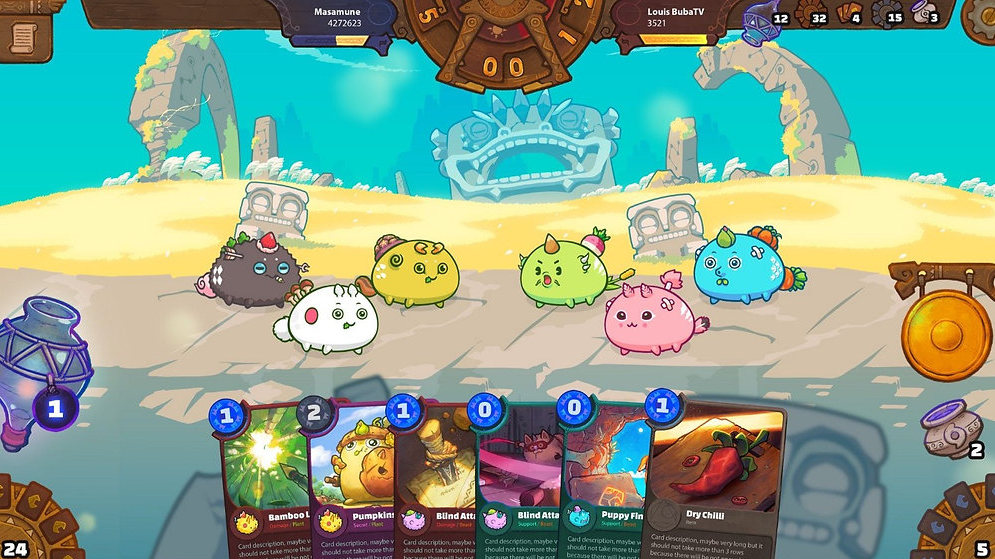
This story is not unique. We can step back even farther to the sudden success and fall of Axie Infinity to see a different kind of failure — the economic death spiral. In 2021, Axie was the golden child of the industry. The game was so addictive that people in the developing world gave up their jobs to play it. The concept was easy: purchase three “Axies,” or NFT creatures, fight with them and reap Smooth Love Potion (SLP) tokens that you could sell for real money. It still worked great, as long as new players kept coming and buying Axies from older players and generating demand. But once user growth overwhelmingly called it quits, the house of cards fell. There were no other reasons to hold SLP, except for breeding more Axies; and without new players, there was no one to sell those additional Axies to. The token price plummeted, and the “jobs” all but disappeared. Brutal lesson here: a game economy cannot operate like a Ponzi scheme. When the only value in the game is derived from an expectation of future profit rather than the pure delight of play, then as soon as the hype dies, so too does a streamlined system built around it.
The human toll of Axie's fall cannot be exaggerated. “Scholarships” and “Guilds” such as Yield Guild Games (YGG) emerged to lend assets to players who couldn’t afford the entry fee, in exchange for a cut of their earnings. When the token collapsed, thousands of people in the Philippines and Venezuela were left with earnings that amounted to pennies per day, sometimes after investing long hours and emotional energy. It permanently tarnished the public perception of “Play-to-Earn,” renaming it for many to be perceived as “Play-to-Exploit”.
Another cautionary tale is Star Atlas. It was to be an epic space opera, a metaverse of exploration and conquest with AAA visuals driven by Unreal Engine 5. They were selling spaceships for thousands of dollars — concept art sold as playable assets. Players purchased fleets, imagining they would be admirals in a galactic economy. But for much of its existence, the “game” was a browser-based staking mechanism and glorified showroom. The space between the marketing-trailer and the playable reality was deep, a chasm that swallowed millions of dollars’ worth of investor patience. It underscored a profound flaw in the crypto gaming model: The funding is up front, sometimes years before any delivery. When developers are already sitting on the cash, the push to ship a slick product can wane as they shift focus to propping up token prices and handling community sentiment. The “game” is the Discord server, not the software.
And then there are the projects that crumbled under a mix of sheer incompetence and near malice, like the legendary CryptoZoo. Led by internet celebrities, it offered a way to more or less invest in what was essentially a passive income ecosystem where you could hatch and breed exotic hybrid animals. What that actually turned out to be was a bug-ridden mess of code that could barely be called a game, artwork that he apparently stole off the internet or assembled lazily and no “game” to speak of. This exposed a huge issue in the field: marketing was more important than product. In traditional gaming, perhaps a dud trailer dupes some people but reviews kill a bad game fast. In crypto gaming, the token launch usually comes first, before the game is even made. The “success” is in token price, not player count. This misstep in incentives meant that creators could profit millions of dollars without having to actually ship a working product.
User Experience Gap
To see why these failures sting, we need to compare them to the standards by which the average gamer is conditioned. The old school gaming space is owned by AAA franchises such as Call of Duty, Grand Theft Auto, The Legend of Zelda and Elden Ring. These are the fruits of extensive polish. When a player purchases the latest Grand Theft Auto, they know precisely what to expect: an enormous, living world; hundreds of hours of specially curated content; professional voice acting; and a bug-free (with rare exceptions) experience. They shell out their sixty or seventy dollars, or they download an F2P game like Fortnite, and boom, they’re having fun. The transaction is simple. Money for entertainment.
Crypto gaming is trying to add a new layer of friction into this courting dynamic. But instead of simply clicking “Play,” the user is often invited to establish a digital wallet. They have to write down a seed phrase — terrifying for someone raised with the use of “Forgot Password” buttons. They need to buy cryptocurrency, often paying exchange rates and transfer fees. They need to verify transactions, sign smart contract interactions, and obsess over security. Picture a casual Call of Duty player being asked to figure out what the transfer fee will cost and dealing with gas limits before they’re allowed into a matchmaking lobby. It breaks the immersion. It renders something that should be relaxation into administration.
The traditional gamer is also accustomed to a meritocracy. In Counter-Strike you win because you are better at aiming and strategy. In numerous unsuccessful crypto games, you won by purchasing the more expensive NFT sword or the cooler character. This “pay-to-win” mechanic, turbocharged by asset prices in the four figures, is antithetical to the ethos of most gaming communities. They rejected it violently.
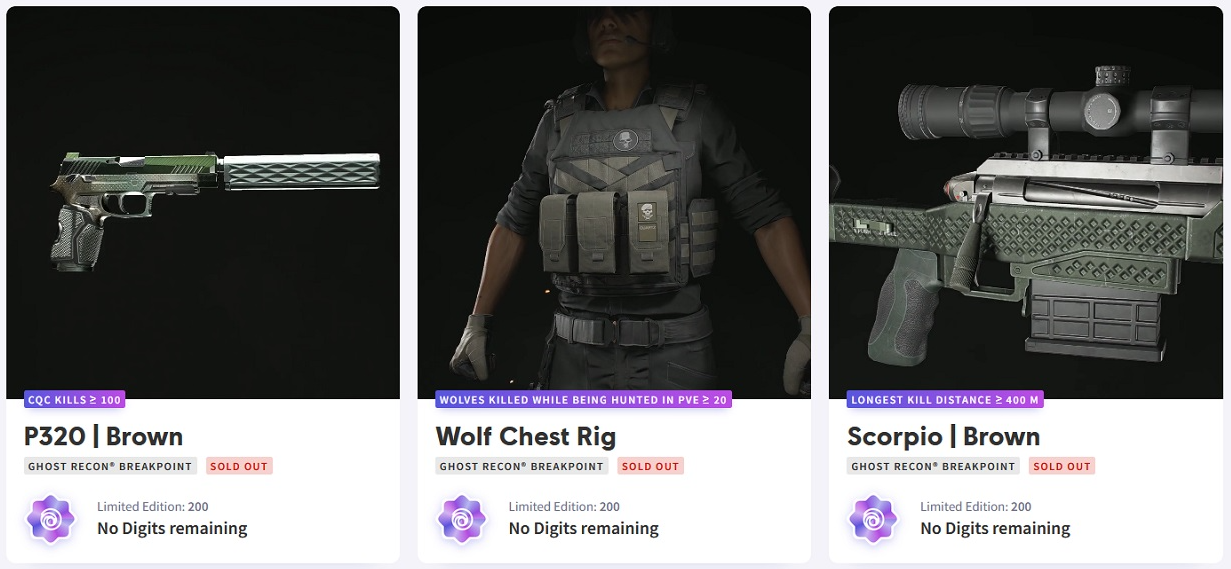
Ubisoft attempted to add Digits (NFTs) to Ghost Recon Breakpoint, and the backlash was so bad that they had to give up. Gamers viewed it as a shameless money grab, an effort to monetize the very polygons that made up their virtual worlds without any corresponding fun.
And in terms of the environment, it was a huge reason early crypto games were so turned down. Prior to the “Merge” and mainstream success of Layer-2 scaling solutions, 2021 was a year with the narrative that NFTs were boiling the oceans. Gamers, frequently young and environmentally conscious, felt that the technology was morally bankrupt. What they saw were companies attempting to cram through a technology that wasted the energy of a small country simply in order to sell a receipt for a monkey picture. Although the technology is now far greener with Proof-of-Stake networks and Layer-2 rollups, the reputation has stuck. It is the sort of brand stain that takes years to wash out.
Myth of the Metaverse
The promise of “interoperability” — that you might take a sword from, say, one GameFi game and port it into another — was heralded as some kind of killer feature; however, this never materialized. A fantasy RPG sword doesn't have a model/animation/damage value in a sci-fi shooter. There's no motivation for the shooter devs to do extra work so players can use assets sold by another company. That shattered one of the “metaverse” narrative’s biggest value propositions. Gamers came to realize that owning a digital asset on a blockchain didn’t mean much if the servers for the game were turned off. And when Ember Sword closed, those land plots turned into useless lines in a ledger. You had the receipt, but you no longer had the item.
The culture gap could not be more stark. For many old-school gamers, gaming is a way to escape from real-world stresses (like financial ones). They loathe the “hustle culture” that crypto gaming attempted to bring into their living rooms. To someone who plays to unwind, the notion that every hour spent gaming should be monetized is dystopian. They don’t want to balance a portfolio; they want to save the princess or defuse the bomb. All the talk of “floor prices” and ROI in crypto gaming discords probably turned off exactly the people you want to get to mass adoption.
Crypto Gaming 2.0: Invisible Web3
But it is not all bad news. As we progress further into 2026, the growing pains have been absorbed by the new generation of projects. A "Game First, Crypto Second" philosophy characterizes the "Crypto Gaming 2.0" wave.
That shift is exemplified by the success story of Off The Grid. A battle royale shooter that arrived with real AAA production values, it didn’t bludgeon players over the head with blockchain lingo.
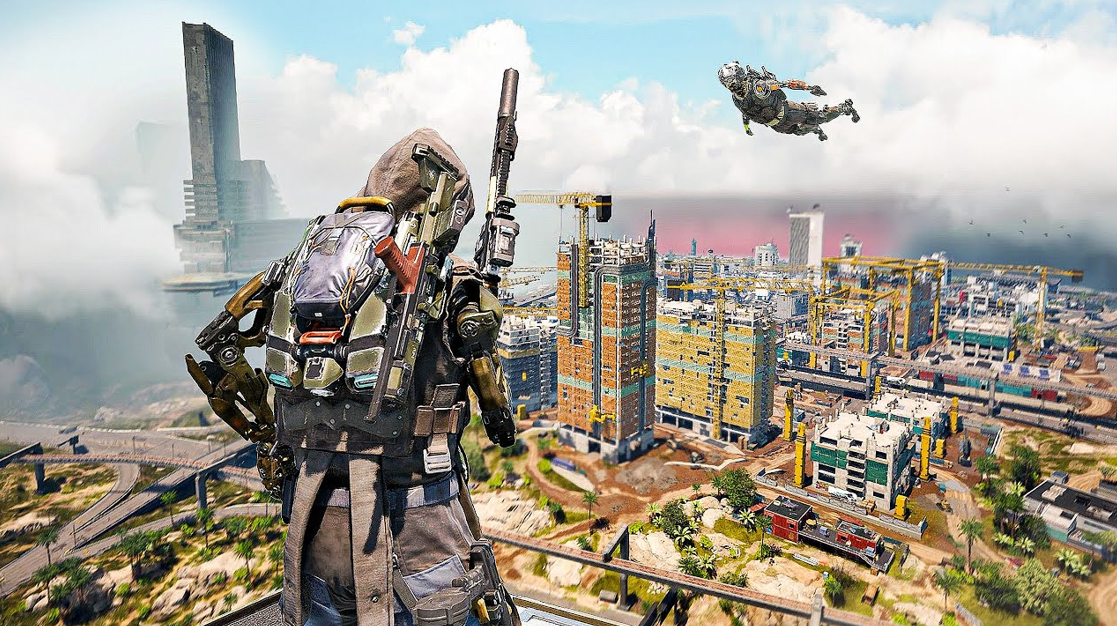
You played to the game like any other shooter. The crypto elements — the ability to buy and sell rare pieces of loot as NFTs, despite grumblings from its own community — were there if you wanted them, happening in the background. If a player didn’t care about web3 they didn’t need to interact with it. Great, because they didn’t need to understand how to send USDT or handle a wallet in order to shoot a weapon. This is the only way that will work, and it’s often described as “invisible web3.” It respects your time and habits as a player.
Another case in point is the resilience of trading card games such as Gods Unchained and Parallel. These genres naturally lend themselves to the tech. People who physically play cards are already adjusted to the idea of owning, rarity and a secondary market. Transferring that experience to the blockchain was a natural progression rather than an awkward fit. That was what these games were about, balance and competition depth. They constructed esports scenes, and nurtured communities that cared about the “long term viability” more so than the token price. They demonstrated that if the core loop is fun, users will put up with the friction of the underlying tech.
The Path Forward
The lessons for prospective startup creators are obvious but bracing. The first step: Rein in the “crypto games” you keep building. Make games that are good, and just so happen to run on crypto. If your pitch deck has ten slides about tokenomics and one on gameplay, you already fucked up. The market simply won’t accept “minimum viable products” that are barely interactive. You are trying to compete with 30 years of studio experience and hundreds of millions in production money. Your gameplay should be compelling on its own.
Second, abstract away the complexity. An average user should never have to look at information represented in a hexadecimal address, or manually set their own gas fee amount. They should encounter a login screen, a choice of credit cards and a “Play” button. The blockchain ought to be the white whale — necessary, but concealed behind the walls.
Third, design sustainable economies. The model of “play-to-earn” is dead, where the game pays you to play. There is no way that can be done, economically or otherwise, forever. “The model has to evolve into play-and-own, where the value actually comes from the utility and desirability of the assets themselves fueled by a thriving player base that truly wants to use them.”
Fourth, manage expectations. Don’t sell the dream if you can’t build it. JPGs of spaceships for what a real car costs are no longer on offer. But they need to put out a vertical slice of the game and then ask for millions of dollars. Show that your team can ship software, not just hype.
1. Unsound Economies: Ponzi-like loops that only work while new money keeps arriving, then implode when recruitment stops.
2. High Friction: Wallets, seed phrases and gas fees are turning casual users away.
3. Bad Gameplay: Click-to-earn mechanics taking place of real skill and enjoyment.
4. Risk to Security: Hacks and scams wiping out user trust, and savings.
5. Misaligned Incentives: Investors, who want number-go-up, vs. gamers in search of balance.
Finally, trust is paramount. Following the hacks of the Ronin network and the failures of untold numbers of bridges, security can’t be left as an afterthought. Users have a right to know their assets are secure.
The industry is maturing. The speculators, for the most part, have moved on to whatever is new and shiny, but they’ve left practices in place that continue pressuring builders. We’re going into a phase of disillusionment, yes, but also realism. The games that made it to 2026 are the ones that got the message: a game is for playing, not working. They are the ones who figured out that you can’t tell a gamer to change their habits; you have to meet them there. The combination of blockchain with games provides tools for ownership and commerce, but is only as useful as the person wielding it like a sword. The failures of the past five years were painful, but they cleared the brush for a healthier and more sustainable forest to take root.
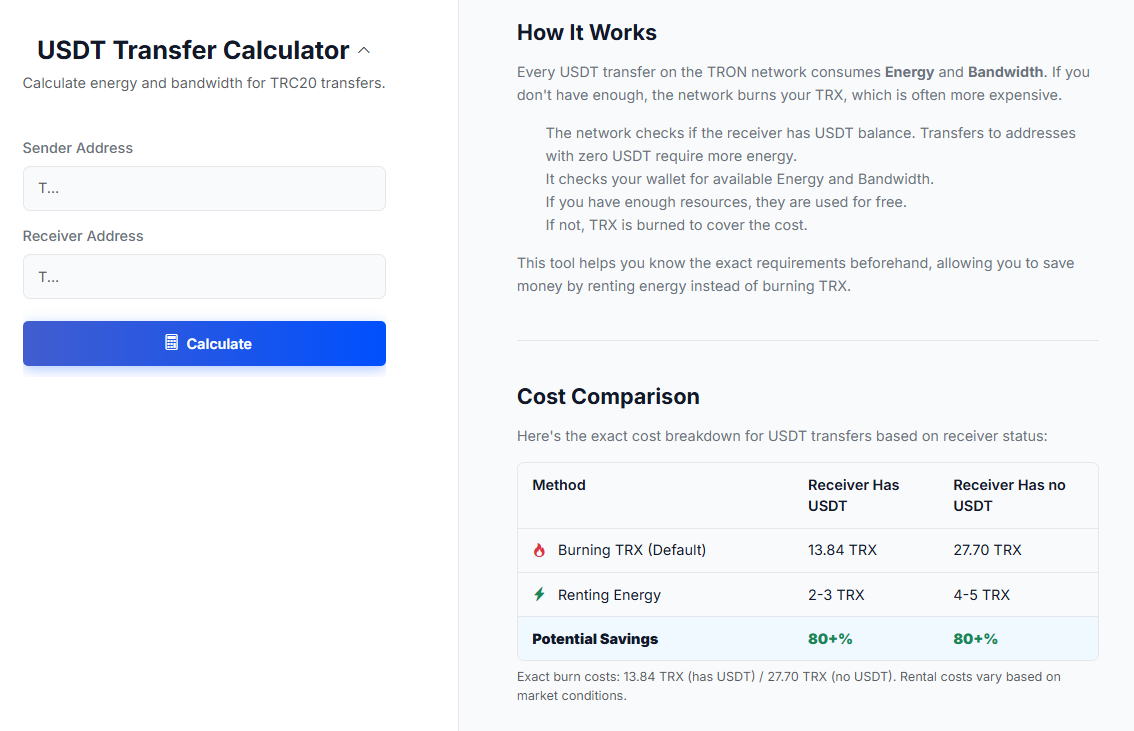
Even for those deeply rooted in the ecosystem who do handle their own finances, especially on the TRON network, getting to grips with the technicalities is not easy. Whether you want to pay for an in-game item or transfer funds from wallet to wallet, we can understand the fear of the infamous TRX burn! The Netts service also provides a handy USDT Transfer Calculator that can assist you in accurately estimating these charges. It is able to compute what the precise cost of your transaction in Energy and Bandwidth will be given that you’re sending from an empty USDT wallet vs. a non-empty one. With a tool like this in which you can calculate the amount of transfer fee, then you may decide to burn TRX or rent Energy and save big on each transaction.