What Can You Buy Using Crypto Nowadays
Cars, real estate, travel, luxury goods, gaming, donations, and more — a practical look at what people already buy with Bitcoin, stablecoins, and crypto today.
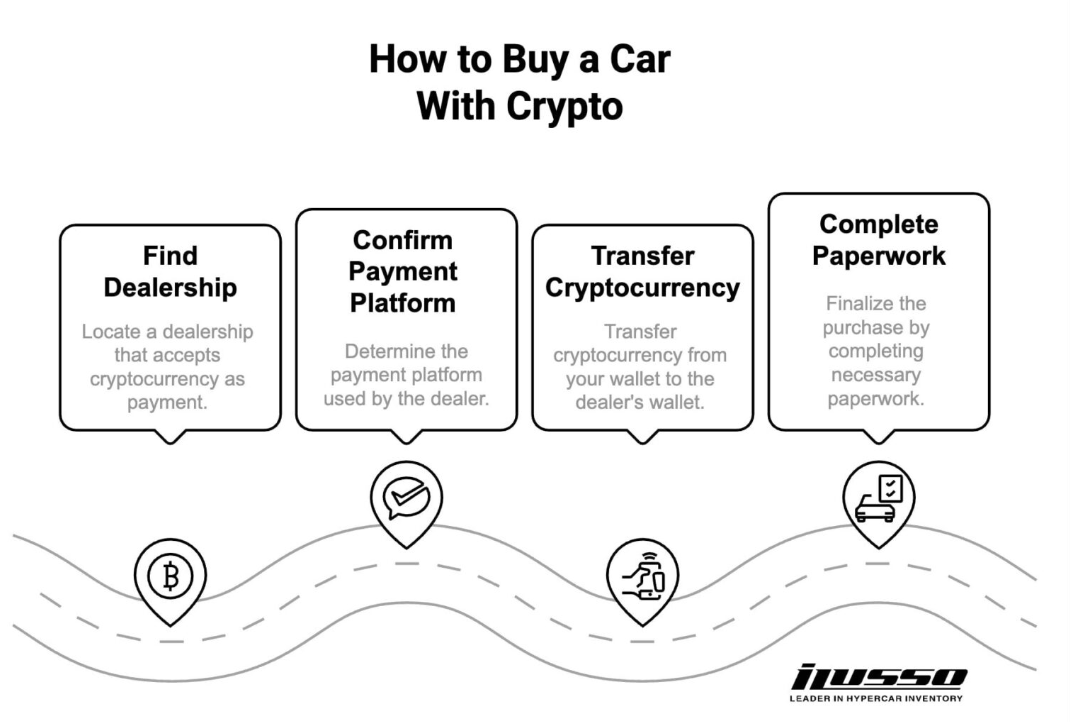
The world of cryptocurrency, almost a decade old, was an elusive domain where not everyone would imagine they might trade in everyday money for digital coins. The most celebrated early transaction in this category was two pizzas purchased for 10,000 Bitcoins, a purchase that has since gone down in history as an annoyingly costly piece of crypto folklore. At the time, the notion that these digital tokens could be used for anything other than a payment within a game was not unlike science fiction. The idea that you could walk into a dealership and purchase a car using code from your digital wallet was for most an unthinkable concept. Still, the world of digital finance has changed drastically and quickly.
This once-unimaginable possibility is not just possible today — it is increasingly a fact of life, in one of the most significant shifts in how we claim and use digital wealth. The transformation has been rapid, from a skepticism-laden curiosity to a robust parallel financial system both feeding off and bucking current trends.
Being able to buy a big ticket like a car is just the start. The crypto landscape has transformed into a labyrinthine bazaar featuring everything from real estate to consumer goods. The transition from a speculative investment to a global, borderless economy where bitcoin transactions are as easy as swiping a credit card has been unexpectedly quick, requiring not much more than an internet connection. This is a new reality worth examining as what you can buy with crypto — day by day — becomes more unexpected and extensive. It's not just believing in a digital asset and hoping it will increase in value; it's about participating in the vibrant economy where digital currency can be used to purchase real-world items for almost any sector you can think of.
Pixels to Pavement: Car Cryptorevolution
That’s quite the jump from buying pizzas to buying cars, and is a huge indication of cryptocurrency’s credibility and usefulness. Today the automotive industry is amongst those that have already made great strides in adopting this transformation. It’s no more a gimmick relegated to a few niche, tech-forward dealerships. High-end automakers like Ferrari, Lamborghini and Rolls-Royce can also be obtained through a network of boutique dealers that have tailored their business models to make it easier for coin-flush tycoons to buy in.
And these aren’t just back-alley deals, by the looks of them, but sophisticated operations to service a new generation of wealth that can convert its portfolio directly into future classic car performance for the driveway. In many instances, the buyers are a new breed: young, highly wealthy techies who have accumulated great fortunes in the digital realm and decided they want to turn that digital success into physical expressions of success.
But this revolution isn’t just for supercars. Major car brands are targeting cryptocurrencies and other alternative payment methods to attract more customers. Major automotive associations, as well as some manufacturers have started incorporating crypto payment gateways. Transacting with crypto usually involves multiple middlemen that settle payments behind the scenes — for instance, payment processors like BitPay, which connects the buyer’s cryptocurrency wallet to the seller’s bank account.
Once a customer opts to pay in something like Bitcoin or a stablecoin, the processor handles transforming it into cash instantly. This elegant fix protects the dealership from the volatility associated with crypto and gives them a fixed price sale, while providing customers with the flexibility that they want. This phenomenon is worldwide, and crypto-friendly car dealerships are popping up in tech havens from Miami to Dubai as evidence the digital money has hit high-end consumer culture for good.
The process of purchasing a car with crypto has also become more user-friendly, and secure. Lack of trust was a major barrier: Sending a bunch of Bitcoin to an address and hoping for the best was anxiety-inducing. After all, trustless technology is not even a thing yet and established dealers nowadays even operate within escrow and via legal binding smart contracts to ensure both party’s safety. Title transfer, registration and taxes are all managed with the same attention to detail as a cash or finance deal. A further development is the emergence of classic car auctions taking crypto — which has created an alternative option for collectors. Scarce, antique cars (already considered alternative investments of sorts) can now be purchased directly with digital assets, a kind of stunning bridge between old-world mechanical beauty and new-world digital finance.
Bricks and Mortar and Blockchain: Buying Real Estate
Outside the garage, cryptocurrency is having an even bigger impact on one of the oldest and most established asset classes: real estate. The slow-moving, paper-based world of real estate is being given a digital overhaul using the transaction process of blockchain. Real estate is offered for sale in fiat and paid mainly by means of cryptocurrencies around the globe, indicating that there’s a technological shift taking place in the real estate ecosystem. From stylish urban condos in Lisbon to sprawling beachfront villas in the Caribbean, digital is being used to buy actual, real world property.
And it’s not just direct purchases that are on the ascent; there’s now emerging demand for “crypto mortgages,” letting borrowers post their virtual holdings as collateral in exchange for a loan to buy a home, enabling them to maintain cryptos while finagling property. The benefits of crypto for real estate are attractive. For large, cross-border transactions in particular, legacy bank transfers can be slow, clunky and replete with fees. A payment with cryptocurrency, by comparison, can be completed in minutes or hours — not days — and from anywhere in the world for both buyer and seller.

These bigger-ticket purchases especially favor stablecoins such as USDT. The problem is, by being pegged to a fiat currency, it puts the token at risk from price swings which tend to exist in closing amidst an already complex property deal. A safe and simple USDT transfer can provide a more seamless and predictable experience. In addition, the transparency of the blockchain can be used to facilitate title searches and transactions while minimizing the risk of fraud in a way that provides increased security for all parties to a transaction.
Another interesting trend for the space is the rise of fractionalized real estate ownership. Tokenization enables valuable properties to be “split” into digital shares, for example, so that investors can invest a small amount and own a piece of a building or apartment via digital token shares. This brings real estate investing, a model that used to be out of reach for many smaller investors. An investor in Tokyo could own a fraction of a commercial building in New York City, collect the rent and have someone on the ground hire snow removers if there was bad weather. This flexible and fluid form of property ownership exists only because of omni-programmable nature of today’s cryptocurrencies and smart contracts.
Worldwide Digital Market
Cars and houses — those are fun to put in headlines, but the real measure of crypto’s adoption is when you start seeing it used as an everyday utility for a wider variety of goods and services. Cryptocurrencies have permeated the digital marketplace, and they are now a practical tool for daily e-commerce and international shopping. It was major tech retailers that were among the first to recognize the potential and today, building a new computer, or purchasing the latest smartphone using crypto is an easy process. Companies such as Newegg have long taken digital currencies, serving a tech-savvy customer base that is used to living in the digital world. This creates a closed loop where tech pros can earn in crypto and spend their earnings on the advanced tools of their profession without ever interfacing with traditional banking.
The range of possibilities is vast and growing:
1. Top-of-the-line electronics, gaming rigs and computer equipment.
2. Flights and luxury hotel suites (as well as private villas) originated abroad.
3. High-end watches from companies such as Rolex and Patek Philippe.
4. Designer clothes, bags and limited edition streetwear.
5. Subscriptions to digital privacy services, such as VPNs and secure email.
6. Online education programs and university degrees, professional certificates.
7. Other fine art, sculpture and rare collectibles from top auction houses.
8. Thousands of gift cards from large retailers, restaurants and entertainers.
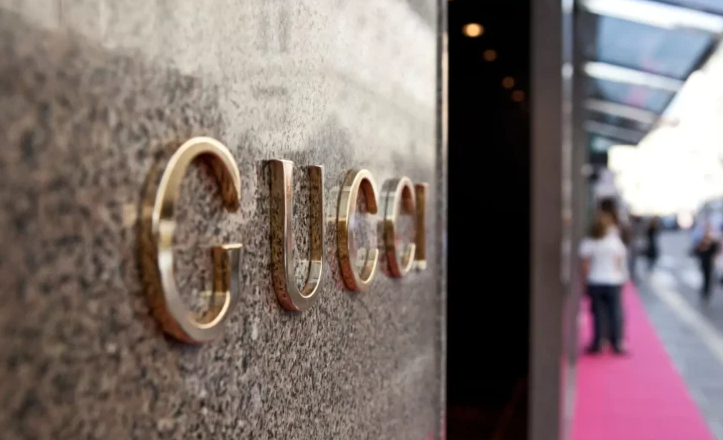
The travel and tourism sector has also emerged as a major advocate of crypto payments. Airlines and booking sites like Travala and CheapAir also let travelers pay for flights, hotels or vacation packages with assorted digital coins. It’s a game-changer for international travelers, who don’t have to pay expensive currency conversion fees and deal with the limitations of traditional banking while in foreign countries. High-end goods have been quick to follow, with purveyors of luxury watches and jewels as well as high-fashion brands like Gucci all accepting crypto payment. This has enabled them to engage with a new wealthy audience who like to bank and spend their wealth in a digital world. The friction of sending USDT or other digital currencies has essentially vaporized international borders for commerce, enabling a global bazaar.
Luxury Lifestyle and Private Aviation
The ways in which spenders are using this digital currency also soars into the high luxury stratosphere for those rolling with a cryptocurrency “whale” budget. Private aviation has increasingly become a key market for use cases involving crypto payments. Paying with Bitcoin or USDT has become common to rent a private jet for business travel or family vacation. Brokerages in this realm understand their clientele well: Someone who needs a jet is often concerned with speed, privacy and efficiency — all cornerstones of cryptocurrency. The convenience of being able to instantly pay a six-figure charter invoice on a weekend, with no need to wait for bank clearances, is an amazing product that the traditional finance can barely compare. That includes yacht charters, with the Mediterranean and Caribbean based brokers that accept crypto billing more than $100,000 for weeklong voyages aboard some of the most luxurious yachts in the world.
For the high-fashion and collectibles worlds, the integration is nearly invisible. “What we are now seeing is the rise of ‘phygital’ goods, physical goods with NFTs as a certificate of authenticity and giving access to some extra benefits.” The purchase of that luxury watch or limited edition sneaker pair will be you acquiring both the physical and digital twin, with the latter providing ownership as well as perks. This digital certificate validates authenticity and ownership, creating an extra layer of value which resonates deeply for the crypto-native consumer. High-end watch sellers, especially in the secondary market, have been some of the most aggressive adopters of crypto payments. A rare vintage timepiece is a store of value that you can carry in your pocket — much like Bitcoin itself — and there’s plenty of overlap between people who collect watches and those who invest in crypto. This is generally regarded as little more than an exchange of asset class via the frictionless transferability of USDT.
Digital Assets and Gaming Battle in the Metaverse
And there’s hardly even a massive digital economy consisting wholly of virtual goods, or anything. For millions of gamers and digital consumers, “buying something” does not always mean a physical package landing on your doorstep. It is a rare skin for a character, or an extremely powerful weapon within a game, or perhaps it is some portion of virtual real estate inside a metaverse platform. It’s a multi-billion dollar business, and the currency is crypto. Gameplayers can collect tokens via their gaming activity, enabling them to make acquisitions (real world assets). In several developing countries, this “play-to-earn” model has become an important source of income that people can use to buy food and pay rent using earnings from a digital game.
The virtual real estate market has however become a bit more stable and actually useful in certain areas, although it is commonly fluctuating. Brands are purchasing virtual land to establish digital storefronts, and people are constructing virtual art galleries to exhibit NFT collections. it's a consumer economy, in which the things purchased are parcels of code, but the utility and status that those commodities represent to members of the community is just as real. Support is in place, with all of these purchases built on blockchain rails, so sending USDT or platform-specific tokens is a prerequisite for users to get involved. It’s a move from buying things to buying digital experiences and digital identity.
Philanthropy and Social Impact
A welcome trend in the crypto world has been the advent of “Crypto Philanthropy” Nonprofits and charities around the world are now creating wallets to receive digital currency donations. Many of the big organizations, including The Red Cross, Save the Children and UNICEF, have embraced cryptocurrency donation platforms. That will enable donors to direct funds toward causes they care about with the ease of sending a text. The blockchain is transparent (everyone can see what is going on), so that the funds can be tracked, which adds a certain accountability that usually lacks traditional charity giving.
What’s more is that crypto can offer aid on the ground in emergencies like these. Indeed, when conventional banking systems shut down (or are frozen because of political turmoil or natural disasters), cryptocurrency typically continues to function. We have seen situations where aid is delivered directly to the digital wallets of individuals in conflict zones, enabling them (when cash is difficult or illegal) to buy whatever necessities they need. This utility turns crypto from a speculative tool into a lifeline. Donors can send money across borders instantaneously without incurring large intermediary fees, meaning that more value actually gets to the people that need it.
Citizenship and Global Mobility
For those who want to increase their personal freedom and reach, cryptocurrency has opened up many doors that were once challenging to open. Many nations which offer ‘Cash-For-Passport’ or ‘Golden Visa’ schemes have already begun to accept cryptocurrencies as payment and/or evidence of financial means. Countries such as Vanuatu, Antigua and Barbuda — and increasingly El Salvador — have been leading this trend. Through a hefty investment in the country’s economy — often in real estate or a government fund that contributes to economic development — paid for in crypto, an individual may secure a second passport or permanent residency.
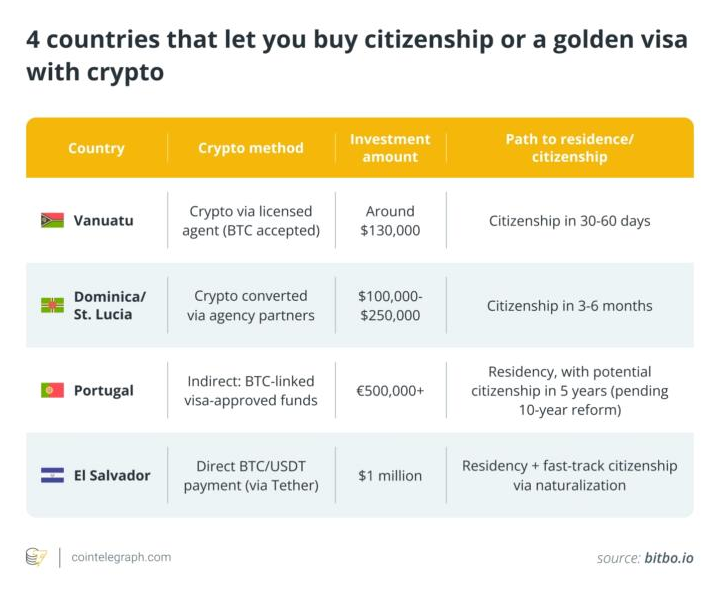
It is especially enticing for the “digital nomad” crowd — those who work remotely and travel often. A second citizenship ensures them a safety net and more freedom to travel, according to these individuals. The ability to accomplish this simply by moving USDT or Bitcoin fits like a glove with their location independent lifestyle. The ultimate acquisition: the purchase of the legal right to live and work somewhere new, entirely through means of the digital economy. That practice is only set to increase, as countries vie for wealthy, highly mobile tech-savvy people to come and live on their shores.
Education and Professional Development
The academic world — which most people, rightly or wrongly, think of as slow to change — is adjusting, too. In a sign of the increasing times, more and more innovative schools and online learning platforms are accepting cryptocurrency as payment for tuition. This is a huge win for international students, who are often charged extortionate exchange rates and have to wait when paying fees in their home countries. Paying in crypto makes the transaction instant and transparent cost-wise.
Outside of the degrees, the world of professional development and online certifications is rich with crypto payments. Coding bootcamps, blockchain development courses and digital marketing certifications can often be paid using the very currencies these students are learning to build with. This fosters a symbiotic system in which education about the future of finance is funded by the currency of the future. It reduces the entry barrier for students in developing economies who may not have international credit cards but do have a crypto wallet.
The "Unbanked" and Financial Inclusion
Finally, it’s important to underscore what crypto does for the “unbanked” — the billions of people around the world who lack access to traditional banking. For them, crypto purchases access to the global economy. It enables a freelancer in a developing country to be paid by a client in New York or London without losing 20% through remittance fees. It enables a family member working overseas to send money home, quickly and cheaply. In this light, buying "services" is simply the purchase of financial sovereignty.
The emergence of crypto debit cards has altered the status quo between the unbanked and a typical merchant. These cards enable people to have crypto in their account and spend it anywhere that Visa or Mastercard are accepted. The conversion takes place behind the scenes at the time of purchase. While it’s not technically spending crypto, since this is a conversion and not a direct payment versus scanning a QR code from the smartphone app, the experience feels like spending digital money. This enables a person without a bank account to purchase groceries, pay for gas and shop online — in other words, technically “buy” their way into the modern consumer world that was until now off-limits to them.
The New Frontier: Surprising and Uncommon Crypto Buys
The most fascinating aspect of the cryptoeconomics is perhaps the fact that entirely unique and unanticipated assets and experiences are created through markets. As the ecosystem matures, it is starting to test the limits of what can be tokenized, traded and owned. The art world, for one, has been upended altogether. In addition to the high-profile market for NFTs, established physical art galleries and auction houses now accept crypto in exchange for works by big-name artists — effectively merging hundreds of years of art history with cutting-edge financial technology. It enables art collectors to diversify their portfolio in new and exciting ways, with the process of exchanging USDT for a masterpiece as easy as buying a book online.
The uses are going to creep into even uncharted waters. A few companies now sell space burial services that can be paid for in crypto, a Monday-morning quarter of your ashes launched into orbit. Some allow users to buy precious metals like gold and silver that are then stored in secure vaults, with the ownership represented by a digital token. This is how you can have the stability of physical gold, with the liquidity of a cryptocurrency.
And for the most advanced futuristic spending, a few pioneering private space tourism companies have started to take reservations for flights to the edge of space that can be paid for in Bitcoin. The notion of sending crypto to book a flight to see the curvature of the Earth is a strong reminder of how far digital currencies have advanced. These frontier purchases illustrate that cryptocurrency isn’t only a means of replicating the old financial system but also for completely new markets and opportunities.
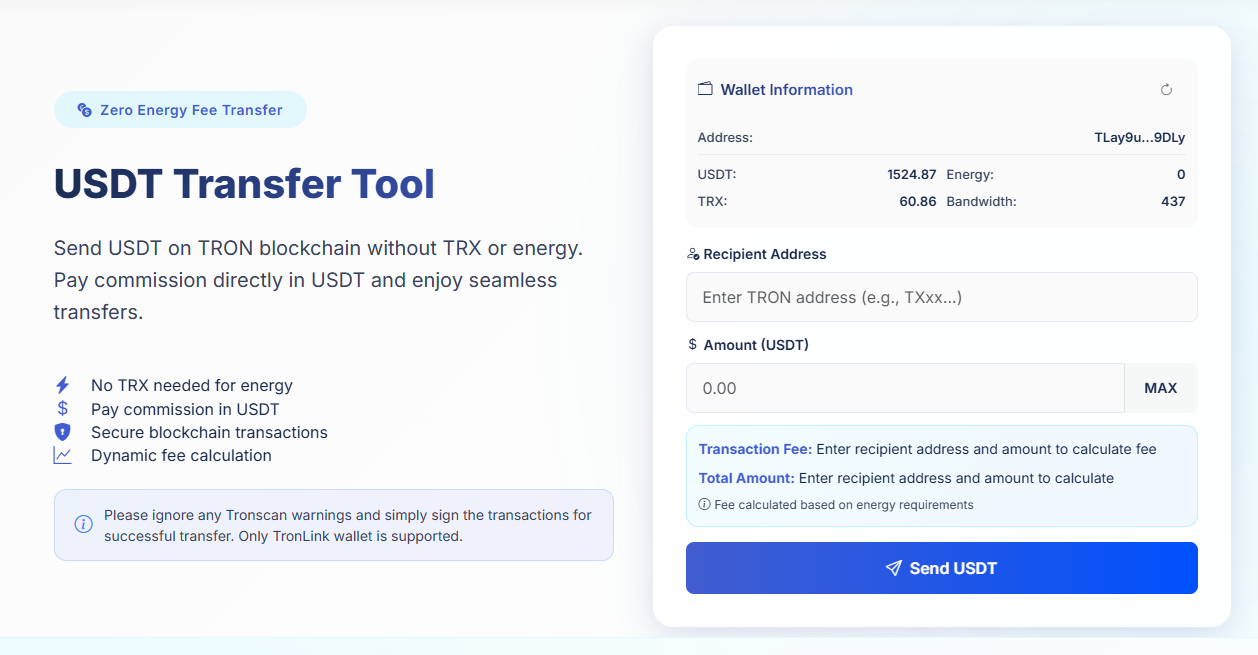
But if this new digital economy does grow, the technology underpinning it must be able not just to let us make transactions, but also to allow those transactional relationships to be both feasible and convenient. One of the selling points of cryptocurrency generally is to streamline complicated financial transactions, however, challenges remain in this regard. For instance, even just sending USDT can be complex if the sender doesn’t have a resource for transaction fees on that blockchain, which is called Energy on TRON. Solutions to this problem are now starting to appear – for instance, with services such as the Netts Transfer Tool that enables users to pay transaction fees in USDT. This eliminates a big barrier and makes for an integration that is as elegant as the power of crypto itself, preparing the way for further adoption.