War and Cryptocurrencies: Blood Money
From Bitcoin’s idealism to cartels, militants, and sanctions evasion: how borderless crypto became blood money in modern conflict — and what traces it leaves.
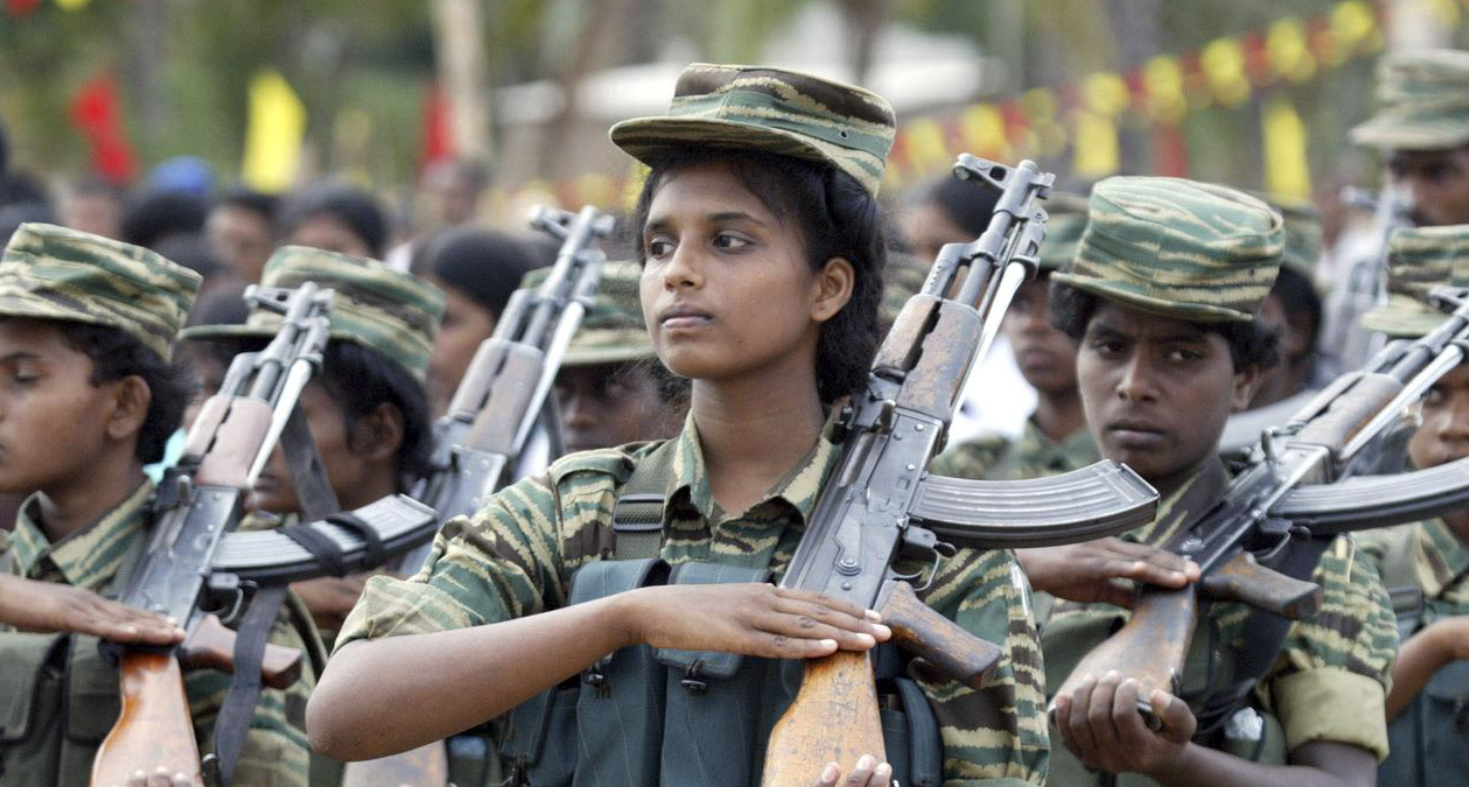
It was 2009, and the world had just changed in a very significant way that few knew had happened. Out of the rubble of a world financial meltdown when faith was lost in centralized banks, emerged a pseudonym Satoshi Nakamoto with an idea; he released the Bitcoin white paper. It was a call for freedom: a technical pamphlet for a peer-to-peer electronic cash system that, among its many virtues, included the prospect of liberating money from both governments and corporate behemoths.
The vision was utopian: financial inclusion for the unbanked; protection against hyperinflation; and a sovereign store of value available to anyone with an internet connection. But like almost every other game-changing technology we humans have ever created — from the working of iron, to the splitting of atoms — the creator’s noble intention has been quickly swallowed by a set of far more complex and occasionally violent human realities.
Since this genesis block has been mined, the world hasn't witnessed peace. Instead, it has seen an outbreak of various types of conflicts - from unconventional guerrilla warfare to all-out state-on-state fighting. And so, in this frenetic world, a place for cryptocurrencies was found that few of the original cypherpunks would have openly predicted … but many may well have dreaded. They are the lifeblood of modern conflict and the “blood money” of the digital age.
This is not to lay the blame on any specific group, or to judge or condemn such technology as it mustered against its bloodless and faceless system of control. Instead, it’s an attempt to understand the grim embrace of cryptographic advancement with the machinery of death. Every war referred to here is a nightmare, an indictment of diplomacy and humanity and suffering. The existence of cryptocurrency in that theatre is only an indication of its utility – as effective and borderless as it is censorship-resistant, a tool like this will be as useful to warlord as refugee.
Shadow Market Goes Digital
To grasp why digital minting has caught on in conflict zones in the first place, you need to understand what a logistical hot mess modern warfare is — especially if you’re not an established state. Historically, insurgency and organized crime were tethered to physical cash. The image of the suitcase filled with hundreds is something we tend to associate with Hollywood – moving physical money around is incredibly risky. It’s heavy, it occupies space, it can be confiscated at checkpoints and it can be destroyed.
For a cartel in Latin America or a rebel group in the jungles of Central Africa, the transactional friction of moving millions of dollars in fiat to purchase weapons, supplies, or fidelity represented an operational choke point.
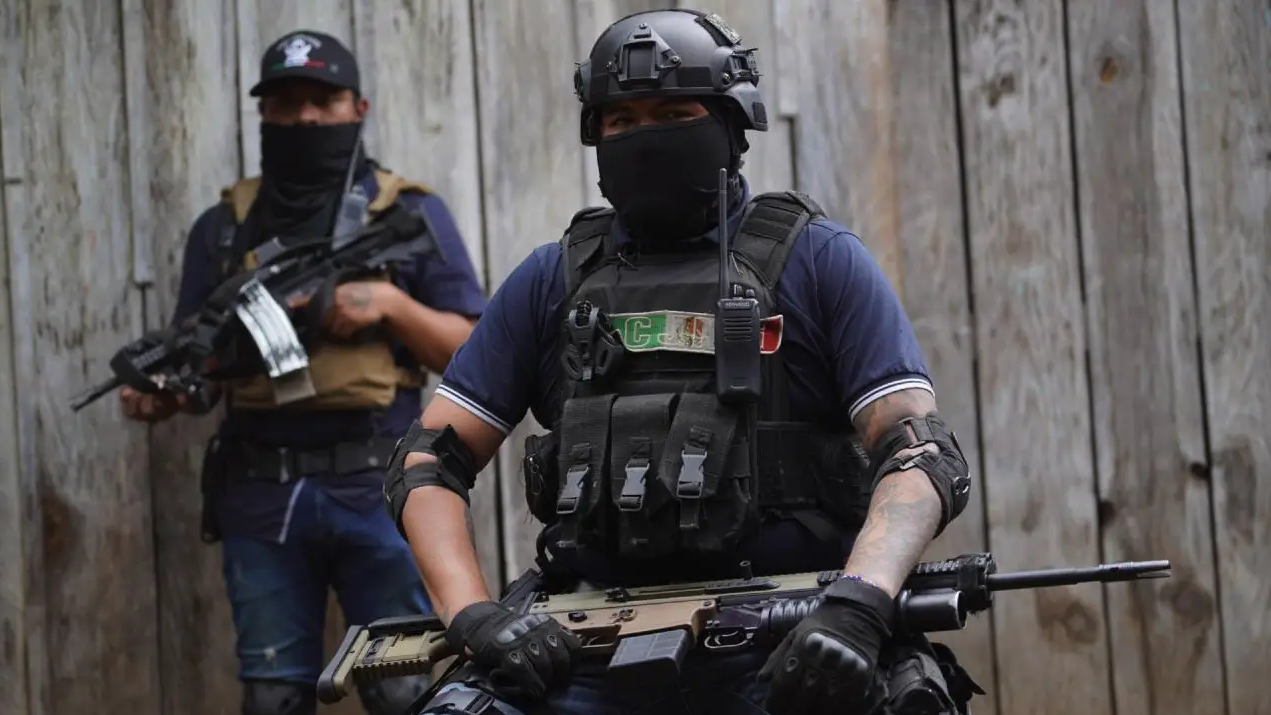
Cryptocurrency solved this problem overnight. It transformed value into information. A billion dollars in Bitcoin or Tether requires no more land than a text message. It can be stored as a seed phrase, which crosses borders in the human mind and cannot be discovered by metal detectors or currency sniffing dogs.
This value “dematerialization” directly changed the economics of conflict. It has also reduced the barriers to funding violence and has extended the influence of those who want to plant seeds of disorder. The convenience is seductive. It permits the near-instantaneous settlement of transactions conducted around the world, unaided by the SWIFT system and absent scrutiny from international financial overseers.
Cartels: From Cash to Crypto in the Drug Wars
In Latin America, the “war on drugs” has spawned a proliferation of bloody, low-intensity conflicts that have cost hundreds of thousands of lives. The cartels, strictly criminal groups in the past, have morphed into paramilitary organizations with capacities akin to those of small countries. They have resorted to crypto as a way to launder the staggering earnings from their illegal trade. The old “Black Market Peso Exchange” has gone digital.
Cartels are also said to be buying precursor chemicals from vendors in Asia via cryptocurrencies. The provenance trail of deadly ingredients is easily blurred by the anonymity of that blockchain. A cartel henchman in Mexico can send $10 million worth of stablecoins to a chemical supplier in Guangdong in seconds, the transaction settling on a public ledger which tells us nothing about who was involved.
This efficiency speeds the production of synthetic opioids like fentanyl, which drive a different sort of tragedy on the streets of the developed world.
And again, crypto lets these groups easily pay their “soldiers” (or even subcontractors). “Plata o plomo” (silver or lead) is now a digital dynamic. Bribes to crooked officials, payoffs to assassins, and the acquisition of military-grade arms — everything from sniper rifles to armored cars — are being made with digital assets.
Some critics claim that the transparent, public nature of blockchain is a deterrent yet due to large number of transactions and "mixer" services or privacy coins forensic analysis can sometimes be slow and opaque. By the time the money can be followed, the weapons have been shipped and are in use.
War for Africa's Economic Freedom
Africa has been torn by a variety of conflicts, from the Sahel to the Horn of Africa and the jungles of the Congo. In most of these areas, formal banking is non-existent or completely collapsed. In this case, cryptocurrency has found a problem to solve that is at once utilitarian and utterly chilling. And for guerrilla groups roaming far-flung hinterlands, crypto has become a tool to connect with the global economy without having to open a bank account.
Unfortunately, kidnapping for ransom has become something of a "business model" for some insurgent groups. It used to be a question of money changing hands in dangerous, physical exchanges. Today, more and more demands are being made in crypto. This eliminates the risk for the kidnappers, and it enables them to be paid by desperate families or companies promptly.
That money can then easily be turned into or used to buy supplies. Because the technology is peer-to-peer, a group in the bush can accept money from a supporter in Europe or a criminal cohort of another group outside its own country without an intermediary to block it.

The kind of weapon that can be purchased through these funds has also changed. We’re not just talking about the AK-47s and RPGs. The increasing use of drone warfare has been financed, in part, by crypto. Small, commercially available drones can be purchased online using digital currency and adapted for lethal purposes.
The cost of purchasing that unique military capacity has fallen amid the prevalence of digital spending. This proliferation of lethality extends the duration and heightens intractability of conflicts – external funds can keep coming pouring down on a group even if it is a thousand miles behind enemy lines/besieged.
The Eastern Front: A High-Tech War of Attrition.
Germany and other European nations are wrestling with a stark reality: The world as they have known it is changing at breakneck speed.
The war in Ukraine has long been called the first "crypto war" since digital assets are being used there on a wider scale than ever before by both sides. It offers a tragic case study of how ingrained this technology has become in present-day state-level conflict. Cryptocurrencies proved useful to crowdfund the war effort from the start. Millions of dollars in donations came in from across the world to help fund everything from medical kits to night-vision goggles and suicide drones.
A lot of this was for defensive reasons, however the enemy operated on these same channels. And both paramilitary “groups” and private military companies have used crypto to dodge the suffocating pressure of international sanctions. While the old-fashioned financial gates slam shut, the crypto window remains open. Digital assets have allowed oligarchs and state-affiliated entities to move wealth offshore, safeguarding the capital required to maintain political and military clout.
Prevalent use of stablecoins, especially USDT (Tether). In a conflict situation where the local currency can be volatile or unavailable, US dollar-backed stablecoins provide a lifeline of stability. They are the conflict’s “digital cash,” spent on imports of fuel, gear and other dual-use electronics.
The transparency of the ledger lets you see how money moved, but pseudonymity preserves the actors. We know the “what” but seldom the “who” until it’s too late. And the tragedy here is the routine nature of funding war now, so prosaic that anyone can contribute to a munition purchase with an action as easy as scanning a QR.
Middle East: Back and Forth
The Middle East is as geopolitically complex a place as it ever has been, and cryptocurrencies have only added another stratum to that complexity. Militant groups have for years sought ways to evade surveillance of the global financial system. For years, they used “hawala” networks — trust-based money transfer systems. Crypto is effectively "digital hawala." It has the same trustless properties, but with worldwide reach and instant settlement.
Recently, there have been groups of people who have gathered donations in Bitcoin and altcoin with social media campaigns. These appeals for funding obscure the brutal nature of what will be done with those funds. They appeal to ideological sympathies and the donor, ensconced in a comfortable Western city, might not quite realize that, however small their donation, it is part of a great river of blood money.
Additionally, regional state actors have tried crypto as a way of reducing the impact of sanctions. An oil or gas-rich, sanctioned country can essentially turn their natural gas and oil into censorship-resistant money by mining Bitcoin with domestic energy resources. This digital gold can then be used to pay for imports anywhere on the international market, avoiding the dollar-denominated financial system that tries to isolate them.
This dilutes the power of non-violent diplomatic instruments, such as economic sanctions, making military confrontation the only alternative left for dispute resolution.
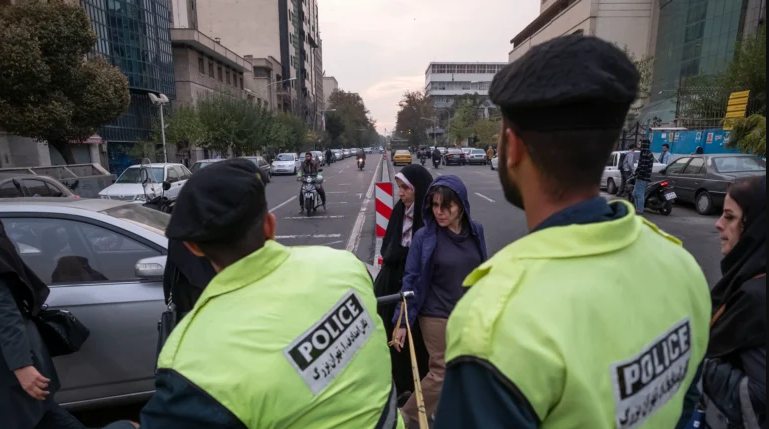
A tragic irony was at play in the latter part of 2025 with this dynamic. Iran, which had sought to turn to cryptocurrencies to evade international banking sanctions and finance the activities of the Islamic Revolutionary Guard Corps (IRGC) throughout the region, has done a 180. In December 2025, the Iranian government imposed a harsh ban on all cryptocurrency exchanges and transactions.
That whipsawing underscores the fraught connection between authoritarian control and decentralized technology. Initially, the regime perceived crypto as a method for bypassing external enemies; eventually it feared internal loss of control. But, the genie was already out of the bottle and the shadow economy simply shifted further underground, underpinning proxy conflicts that have swept through the region for generations.
The Immutable Register of Human Sorrow
In our view of the world as a whole, we approach global cryptocurrency not as a cause of war but as fundamentally changing the nature of how war is fought. It has made the power to project power democratic. A few million dollars in crypto can now buy a small group the kind of weapons once reserved for nation-states. It has sped up the pace of battle, with money increasingly raised and spent in mere minutes rather than weeks.
The unerasability of the blockchain, as it were — the idea that once a transaction has been written, there is no way to erase it — stands in for our permanent record of collective failure. The flow of this money will be traceable by historians in the future. They will see the wallet addresses that financed the massacres, infer behavior of the transactions that bought the bombs, and the digital signatures from the merchant of death. Blockchains will be our digital monument to inhumanity, a ledger that can never be re-written or modified.
This child of liberation is enslaved to the very worst among us. It’s a reminder that technology is an amplifier of human motive. If the intention is to heal, then it will heal more quickly. It will kill better if that is the intent. The point is not that tragic code was written, but when carrying the torch for a utility comes to cause this kind of destruction. We’ve built a perfect transmission system for money, and we have now created a world that is worthy of it.
Einstein’s Warning and the Future
We stand at a precipice. The combination of AI, drones and crypto paints a terrifying vision of modern warfare ever more distanced from human compassion. The power to program money — that is, to institute “smart contracts” that release money only when a drone strikes its target or a shipment reaches its destination — already exists. Now we are all heading towards a world of algorithmic warfare, bankrolled by programmable money, waged by unthinking machines.
In this perspective, the neutrality of technology is a ghostly idea. We soothe ourselves by insisting that tools are not evil, but is that enough? When a tool makes the infliction of suffering so easy, so frictionless, is it not complicit? We have to face the fact that our technology has far outstripped our moral evolution! We hold the firepower of gods but the intelligence of bickering apes.
As we gaze upon the wreckage of cities destroyed by weapons purchased with invisible money, as we tally the continuing costs of wars fought along digital supply lines, we are confronted with the limits not just of our imagination but our own hard-won progress. We have conquered the atom; we have mastered the bit, but we have not conquered the night in our hearts.
It is perhaps fitting to end this review of tragedy by recalling the prophetic words of Albert Einstein, on whose watch the nuclear age dawned and who knew only too well the danger of power without wisdom. His words ring ever truer in today’s age of digital warfare: “It has become appallingly obvious that our technology has exceeded our humanity.”
By enough of doom and gloom. We at Netts are still optimistic - and stylish.
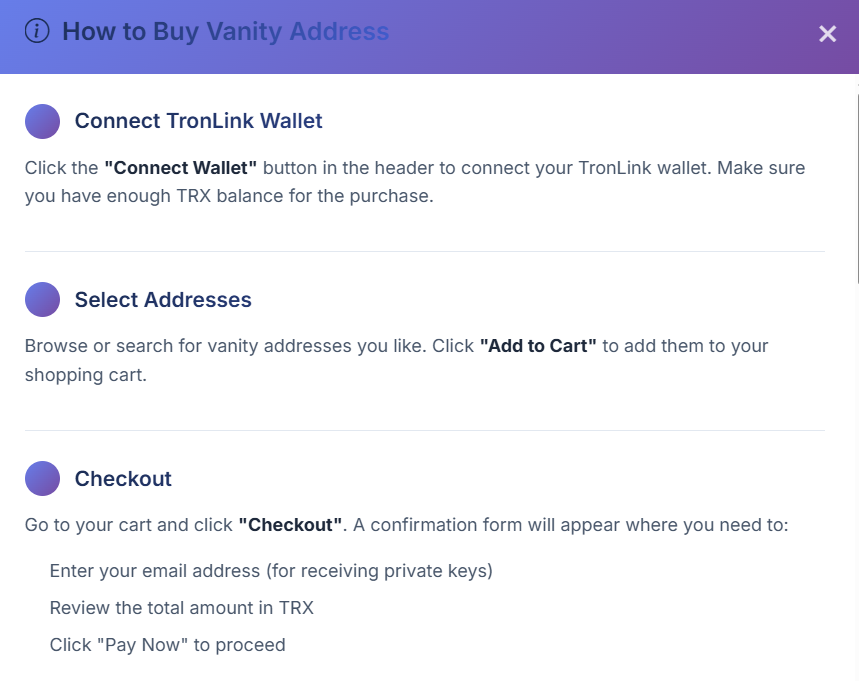
To make you address stylish too, use our Vanity Shop to get yourself an address that actually makes sense and looks great instead of usual gibberish.