Trade Guilds and Crypto: the History Repeats
Emergence of trade guilds looks really similar to the world of crypto today. Find out how in this article.
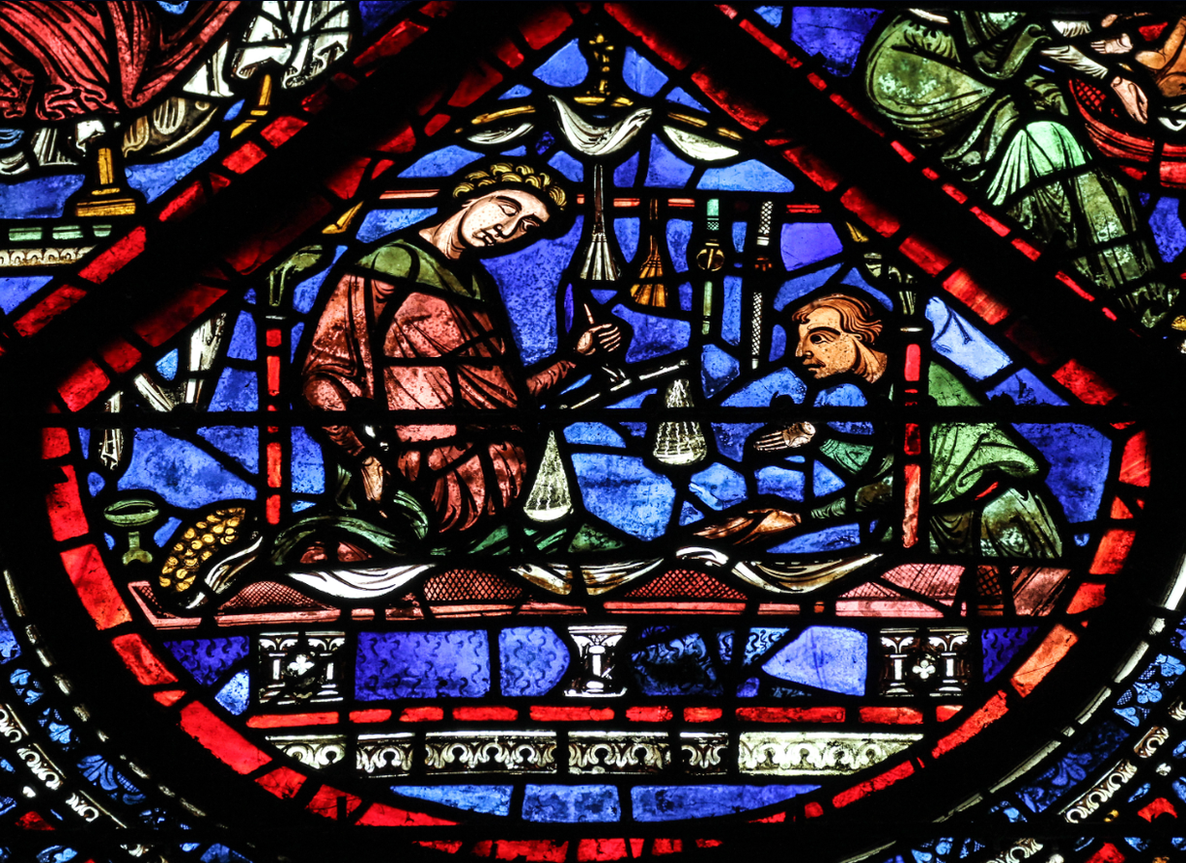
Very few of the institutions of economic history have left as enduring a legacy as the medieval trade guilds. Born out of necessity in the bustling towns of 11th-century Europe, these organizations of merchants and craftsmen arose in response to the increasing complication of commerce and the need for collective defense. In a decentralized world where life was largely dominated by religious authorities, guilds emerged as a model of collective strength. These organizations regulated trade, maintained quality standards and served as a social safety net for members. As the centuries passed they slowly began to gain power, sometimes challenging or even surpassing kings and bishops. These guilds not only represented a new economic force, they emerged as a social revolution restructuring the very foundation of medieval life.
Take the tale of the Hanseatic League, which was a major alliance of market towns and merchant guilds. The League came to dominate trade in Northern Europe, controlled commerce, developed its own legal system and even waged war. Such guilds were the building blocks of economy and society back then, pressing into service both a monopoly over their business and a monopoly on quality and local governments. Members often held important posts in town councils — collectively they could successfully confront the most powerful feudal lords and even the Church (which had significant power even over kings).
The guilds fulfilled several functions: regulation of economic and political power, quality control, training specialists. Young people would come to the master to learn for a certain number of years, after which they became journeymen; later, if they had developed a certain skill, they could create a "masterpiece" (yes, that's where this word originates from) to sell and become masters themselves. This orderly system kept skills alive and improved, as well as furnished a welcome means of social mobility.
It looks really similar to the world of crypto today. Upon the first emergence of Bitcoin and its cousins, not many took it seriously. Regarded as a mere passing trend or a curiosity on the fringe, digital currencies were little more than curiosities. Despite this, the world remained unaware until later that blockchain technology matured and the promise of decentralized finance became more obvious. TRON is one of several major networks at the leading edge of a new order in our economy, one where conventional gatekeepers are vulnerable to being replaced by user, developer and innovation communities. Like the guilds of the past who carried a torch against the dominant powers, crypto networks are doing the same by disrupting the status quo of how we organize, exchange and create value.
Power of Guild: Labor Magnetism and Resource Pooling
If one wishes to grasp the real significance of medieval guilds, it is necessary to lift the focus from their economic functions. Exactly, they were not just trade associations, but rather amplifiers of social mobility and invention. They allowed members to unite, pool resources and execute projects that could never be done individually. Skills learned were passed down via apprenticeship from one generation to the next and the rigid structure of the behaviour of craftsmen maintained quality and trust in the marketplace. They had also served as mutual aid, helping each other out during sickness or difficult times. They were even able to sway laws and run cities unofficially.
Take, for instance, Giano della Bella, a 13th-century Florentine politician whose popular rights reforms were tied to the expansion of the city state’s important guilds. These changes and improvements could happen only by mutual exercise of power, i.e. these guilds legitimately challenged the already established nobility and used momentum for reforms that decentralizes power and secures the necessity of artisans and merchants. The tale of della Bella is an example of the considerable change that organized collectives can create — a lesson that is still relevant even in the digital age we live in.
The Renaissance banker and merchant Jakob Fugger epitomizes the immense power and influence derived from guilds and trade associations as another towering figure. Fugger used his immense capital to fund heads of state and exercise a significant political influence in Europe — just like the Medici had done some centuries earlier — thus, we can see how innovation of capital and collective organizing power can overturn longstanding hierarchies.
TRON’s Parallel to Energy Syndicates and the New Digital Guilds
Within TRON, the idea of the guild is rejuvenated as Energy syndicates — platforms. Similar to the medieval group arrangements, these communities pool TRX tokens together to receive and power Energy — the resource needed to perform smart contracts and transactions on the network. An energy syndicate can provide better conditions, costs and resource guarantees for its members when acting together. This group strategy is similar to how guilds accumulated wealth and power in order to help their members succeed in the marketplace.
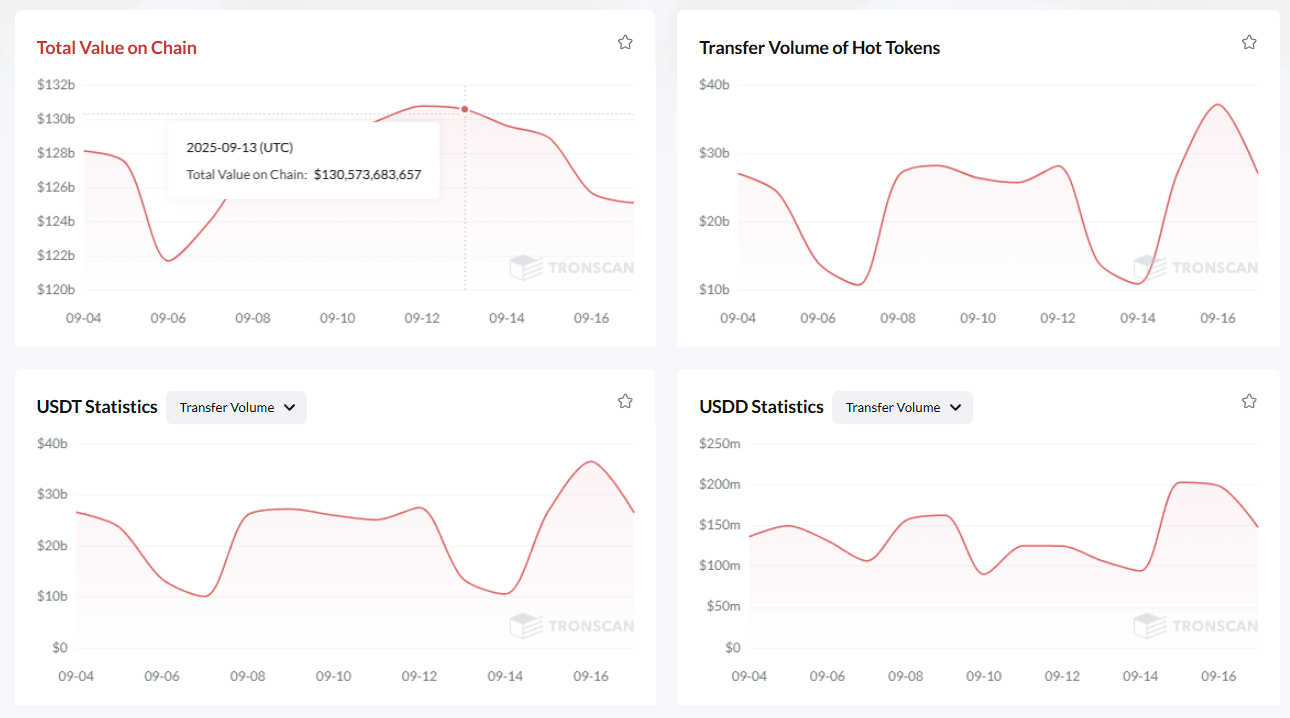
Rental of TRON Energy works just like a guild back then: instead of having your own frozen assets, you join a general pool and have resources on call. This model not only reduces barriers to entry, but also creates a sense of participation and support. Exchanging Energy to and fro these syndicates starts to become a transactional marketplace where our very need for efficiency and cooperation sparks waves of innovation. The emergence of programmable energy leases — automated services that autonomously manage energy rents and allocations — takes this ecosystem a step further, enabling DApps and users to ensure their performance without continuous human monitoring.
TRON has seen significant evolution over now what seems like an eternity in crypto timeline. The original access to Energy was only available through freezing TRX by users, limiting the availability and flexibility of such resources. As the ecosystem continues to mature, it became apparent that a more dynamic solution was needed, giving rise to TRON Energy Market platforms where users can quickly and conveniently rent Energy like they would rent a car. This transition has shifted accessibility into the favor of blockchain engagement which can now be enjoyed by a larger demographic including casual players and hardcore devs to full-fledged enterprises.
Energy renting: the pulse of the TRON network, Energy has to be used every time a smart contract is executed. Users can access Energy more efficiently — and as a result keep costs down — by pooling TRX and leveraging the renting system.
Energy use: users are able to rent resources they need without needing to lock up capital — they only need to pay for what they use. That democratizes network access, not unlike guilds democratized trade within medieval cities.
Energy market: by allowing members to trade Energy between them, syndicates can create an active internal market which reacts to the demands of the community.
Programmable leases: automated tools to manage Energy resources in real-time guarantee that the DApps and users always get what they need for efficient operation.
How We Make Change: the Lasting Power of Creativity and Acceptance
TRON's Energy communities and startups are revolutionary not only at the technical level, but especially in social and economic terms. These digital guilds are making it easier for a new generation of users, developers, and entrepreneurs to gain access and participate. Renting and trading Energy on demand led to the development of thousands of decentralized applications, from DeFi platforms to NFT marketplace and further. Similar to how guilds supported craftsmen and merchants in the medieval era to drive innovation, TRON’s trading platforms protect and promote creative experimentation.
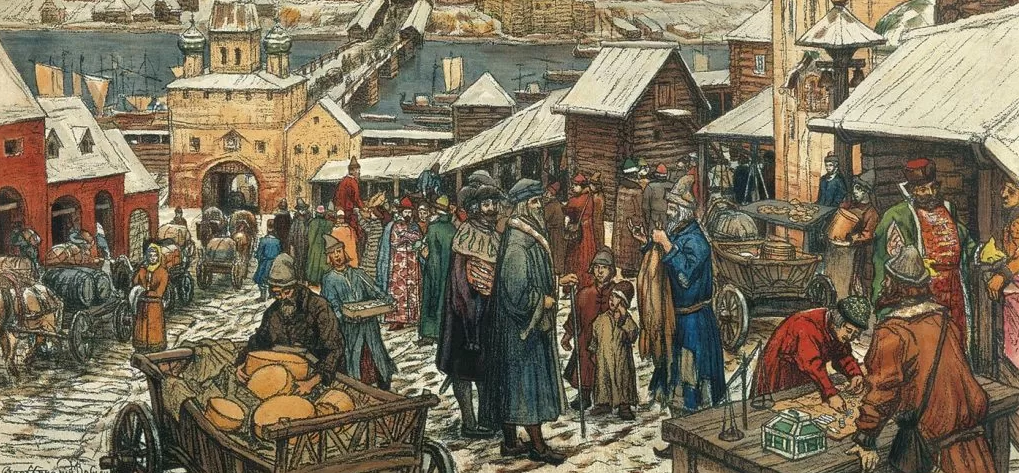
The programmability of Energy leasing is a game changer. This allows developers to create applications that will automatically do the Energy renting and management for users, the major entry roadblock for TRON newcomers now removed at all. The most classic usage would be the USDT transfer itself, where every transaction requires a certain amount of Energy. This amount can be automatically rented from a DApp rental market for every transfer and the user can pay the fee directly in USDT — no TRX needed — or the user doesn't need to worry about how much TRX is spent before each transfer.
It is worth mentioning that this is not only applicable to payments. From DeFi platforms to NFT marketplaces, gaming DApps and even enterprise solutions utilizing programmable Energy leases, there is a new level of dependability ensuring that all can operate smoothly no matter the transaction volume. Automating Energy management allows devs to spend less time building around resource allocation or failure transactions due to Energy shortage and more time building cool features with awesome user experiences.
Programmable Energy leasing is already being leveraged by various DApps and services. Here's a look at a few of the most useful use cases and benefits:
1. Cost efficiency. DApps and users can rent Energy on demand, which is considerably cheaper than having to freeze TRX to ensure availability, a huge saving in the case of a high-volume application.
2. Improved UX. No knowledge about leasing Energy resources is required and that means the DApps can be used by far more people.
3. Operational flexibility. Enables automated Energy management to allow DApps to scale up to sudden spikes in transaction volumes without a hitch while being able to scale down during low transaction periods.
4. Reduced friction for startups. Without the burden of maintaining large TRX balances, IT startups are able to focus on launching and expanding DApps, resulting in more exploration and innovation within TRON.
5. Scalability. Programmable leasing enables DApps to flexibly scale Energy usage up and down to instantly support large Energy demands at any time, both in bursts for everything from viral social apps to enterprise-grade solutions.
6. Consistent expenses. The ability for a DApp to calculate fees dynamically, thus allowing a DApp to evaluate operational cost in real time, eases budgeting and financial planning with a higher degree of accuracy.
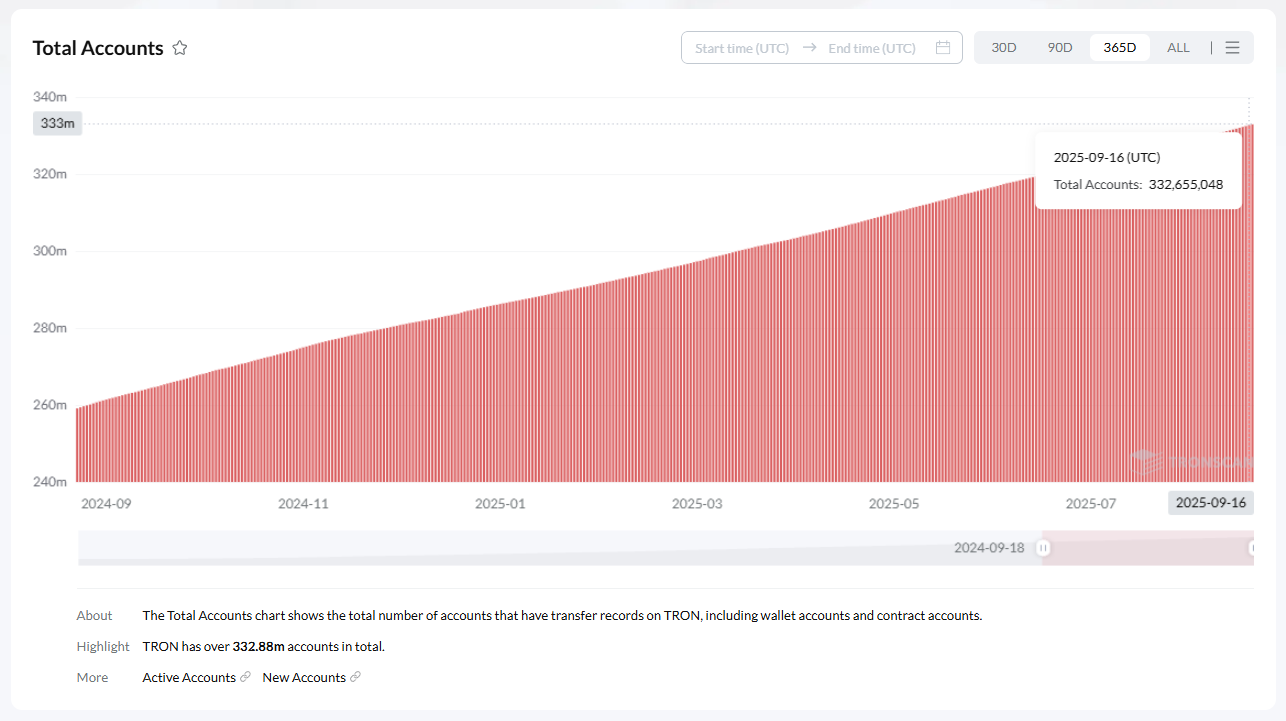
Because of all this, the amount of TRON network users, for example, only keeps growing:
In some ways, the narrative of crypto rising is a rehash of the rise of guilds. Not unlike the great ideas of their times, both faced skepticism and resistance from established powers. Both found success through the creation of communities based on trust, collaboration and a shared mission. And they both have shown us that once progress gets started, it cannot be stopped. History has taught us a thing or two: whenever people gather their resources, exchange their wisdom and actually help each other, they can overcome the greatest of challenges.
The Giano della Bella and Jakob Fugger of the past can teach us that if we stand together, we can change things. As we transition into the digital age, those innovators who created the Energy platforms behind TRON are keeping that torch alive, breaking down old paradigms and paving new ground.
Energy Netts Charge Bot — to Reduce Energy Losses on TRON
In the context of the ever-changing TRON Energy management landscape, services such as the Netts Energy Charge Bot smooth the path to participation in the network. It enables people to control their wallets, fund TRX and rent assets by a few clicks. Users can then simply select the wallet they want and press Charge, and for the next hour, they will have their resources automatically refilled — enough to complete a USDT transfer without having to freeze their own tokens.
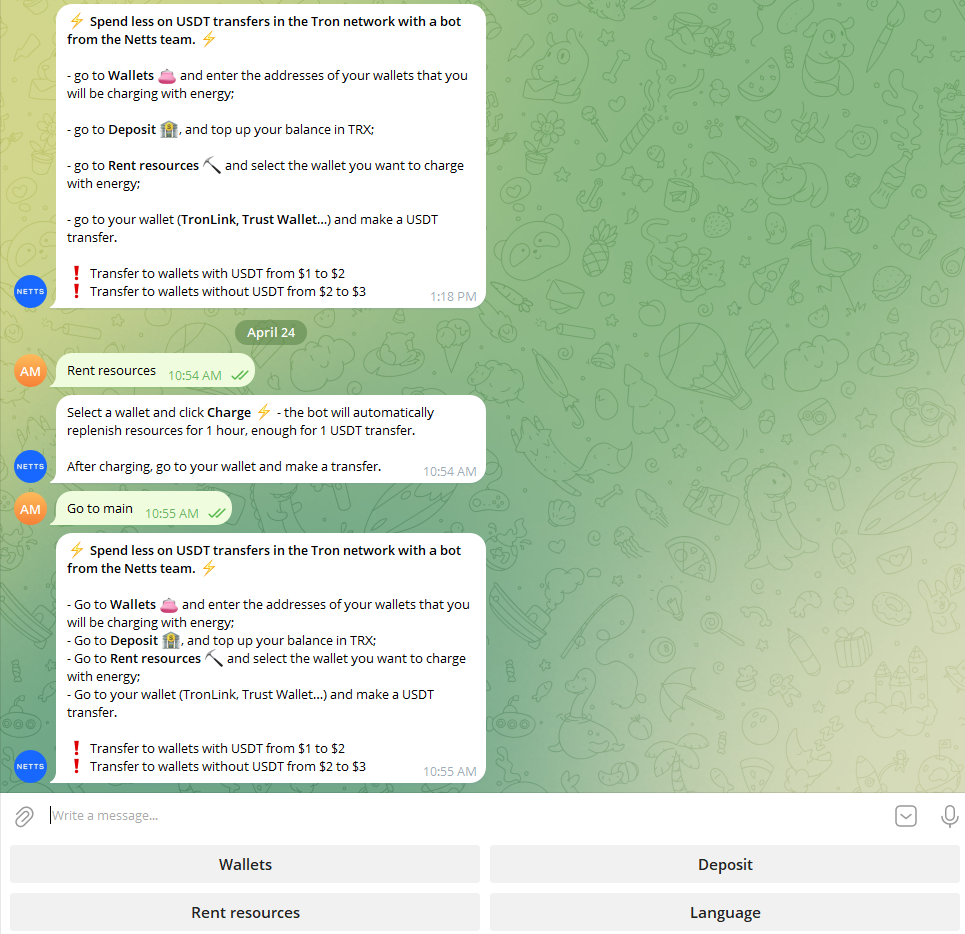
Netts platform itself is a leader in real-time price and service quality comparison, aggregating offers from more than twenty providers, assuring that the consumers have the lowest available rates for their Energy product at any time. Netts enables on-demand Energy rentals and transactions — whether one-time, scheduled, or recurring — with instant delivery, API integration, or more, allowing anyone to rent Energy on TRON easily. With a real time market tracker, the platform enables users to compare providers, find savings, and make a better decision. Netts also provides great API support for developers to automate Energy management for DApps and trading bots. With the expansion of the TRON Energy Market, Netts is leading the way saving users money and simplifying the blockchain life.
Conclusion: Progress, Closer Than Ever
Progress, history assures us, is ineluctable. Innovation pretty much always perseveres against the fearful establishments — such as traditional financial institutions caught napping at the wheel when it comes to cryptocurrencies. The growth of the TRON energy platforms, akin to the guilds of medieval times, reflects mankind's urge to cooperate, create and adjust. Collective organization around a distributed vision is always a threat to the status quo and an impetus to innovation and, by extension, the future.