The Road So Far — Challenges that Shaped Crypto
Regulation, hacks, scaling, UX, and inclusion — crypto kept maturing by turning each crisis into an engineering problem.
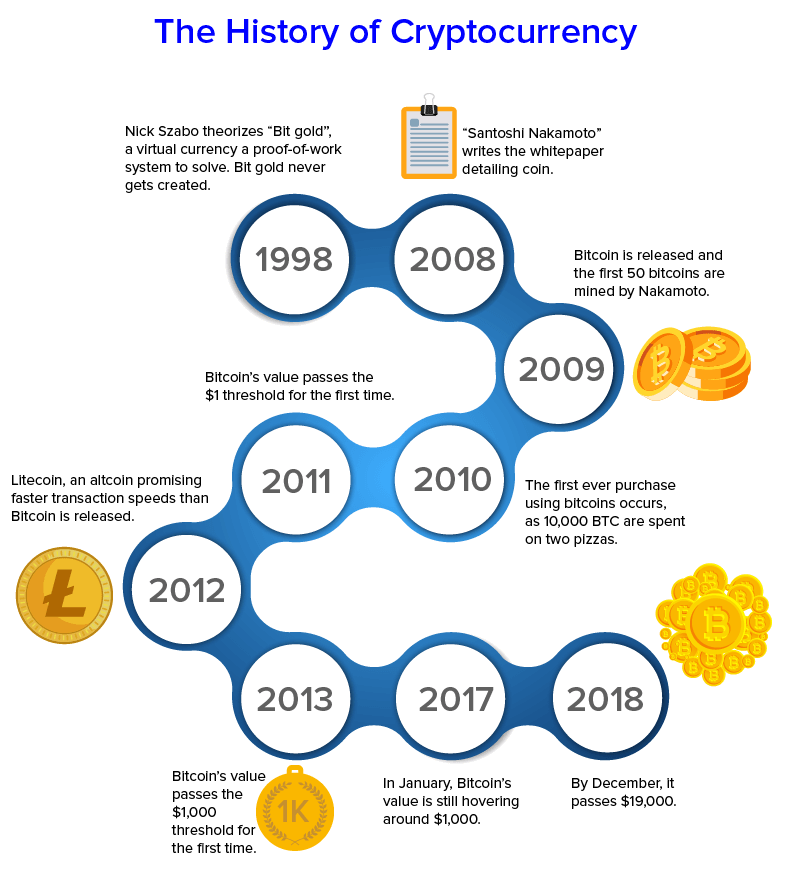
The cryptocurrency story is a great one, a centuries-old maverick journey and one no weaker innovation could have survived. But somehow, digital currencies have managed not only to survive, but to thrive as practical financial instruments that have altered the global economic playing field from a set of wacky ideas. This impressive transformation is a testament to the crypto community's indefatigable willpower to conquer virtually indestructible impediments and shows that innovation combined with determination can conquer all odds.
Early Days — Fighting Skepticism and Regulatory Foes
At that time, the cryptocurrency boat had just set sail and efforts were being made to fend off general distrust and outright hostilities of traditional monetary mechanisms as well as regulators. Global authorities saw these decentralized currencies with great fear and often depicted them as instruments for nefarious activities or threats to monetary sovereignty. The absence of clear regulatory infrastructure generated an atmosphere of uncertainty discouraging institutional investors and mainstream adoption.
But the crypto crowd was not about to be stopped by this obstacle. It took a constant PR campaign, an open operating environment, and plenty of back-and-forth conversation with regulators to be seen as legitimate. By contrast, Japan and Switzerland established detailed legal frameworks that brought transparency and promoted the local industry. What was experienced in that regulatory evolution was not just a change of flow, but rather a complete reframing of how societies viewed digital assets: from wacky experiments to recognized financial instruments.
The change was really driven by institutional adoption thereafter. Large banks, brokerage firms and businesses started to incorporate cryptos into their business models via custody services, investment products and payment processing. This institutional adoption served to legitimize the crypto industry and provided new avenues for growth as well as mainstream acceptance.
The introduction of innovation-friendly regulatory sandboxes in markets such as the U.K. and Singapore gave crypto firms a space to test new products in close collaboration with regulators before attracting customers. These collaborative methodologies revealed that effective regulation did not have to be at odds with innovation; it could provide a framework to protect consumers while encouraging technological development.
Security Violations and Search for Trust
No challenge has perhaps hurt cryptocurrency's image more than the string of major hacks that have rocked the industry in its early days. Exchange hacks, wallet exploits and smart contract breaches made headlines that portrayed digital assets as naturally risky and untrustworthy. These events were not only very costly but damaged public confidence, creating a significant barrier to adoption by the masses.
The crypto space reacted with admirable creativity and resolve to meet these obstacles head-on. It prompted developers to introduce multi-signature wallets, cold storage options and more sophisticated encryption that significantly decreased the exposure of assets. With decentralized finance (DeFi) platforms came comprehensive audits and bug bounty programs, fostering a culture of security-first development. These measures have turned the tide of cryptocurrency security from being one of its biggest weaknesses to one of its strengths, with today's blockchain networks having security properties that are equal to or better than traditional financial systems.
The industry's ability to defend itself has been increasingly powered by automated security processes and monitoring via APIs. These new technologies have prevented future breaches and restored confidence among users and investors to a degree that has proven the crypto community can take its lumps and come out better for it.
In the cryptosphere, transparency as a security instrument became popular, with many projects now publishing comprehensive security audits and maintaining public bug bounty programs. This policy of openness in addressing issues has built an atmosphere of cooperation where vulnerabilities can be found (if they haven't already been) and fixed, rather than squirreled away or exploited.
Scalability — the Great Bottleneck
With the rise of cryptocurrencies, scalability has become one of the most important technical challenges in cryptocurrency products. Networks like Bitcoin and Ethereum faced congestion that led to slow transaction speeds and sky-high fees during periods of heavy usage. This bottleneck risked stifling cryptocurrency's efforts to go mainstream, with users having to wait hours for transactions or paying fees that surpassed the value of their transaction.
The crypto community's answer to this predicament has been a revelation. The rise of layer-2 protocols such as the Lightning Network in Bitcoin has facilitated instant, nearly-free transactions by leveraging off-chain payment channels. The transition to a proof-of-stake model for the Ethereum network brought with it huge advances in both throughput and energy use. These changes have not only addressed initial scaling concerns, but also show the industry's ability to learn and evolve.
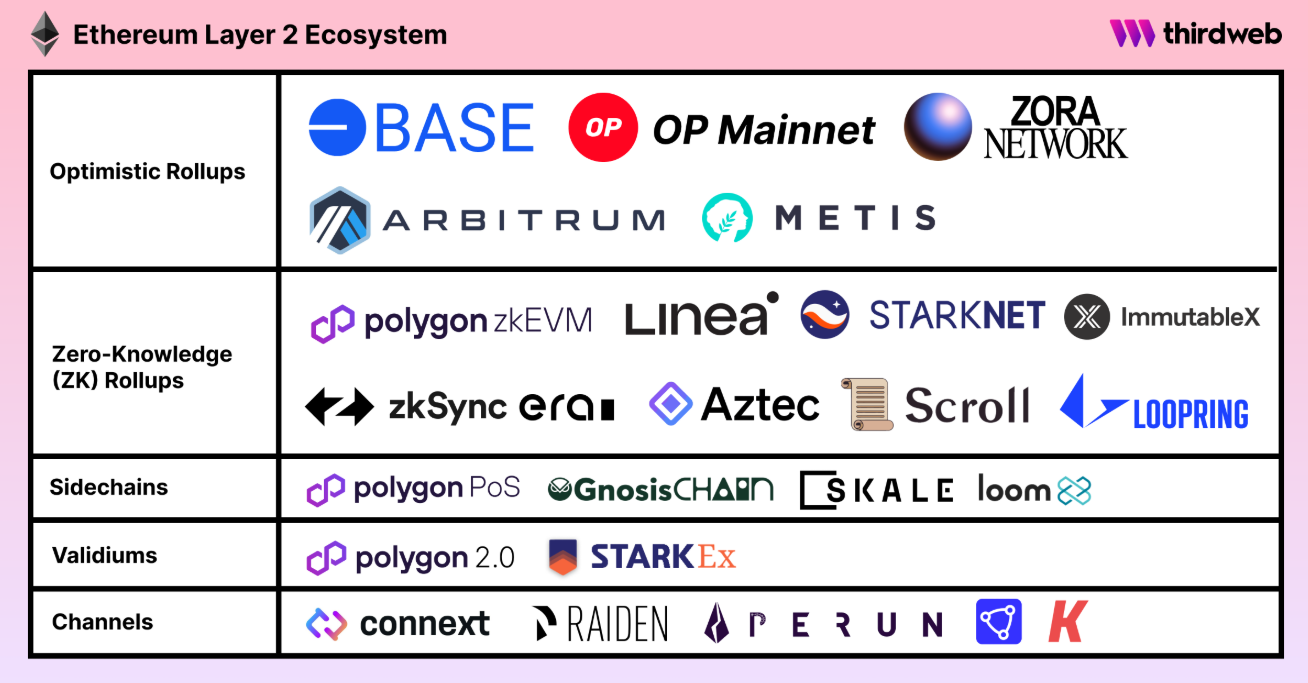
Automated scale-out solutions and API-based optimization also reduce network costs. These advances in technology have moved cryptocurrencies one step closer to being used in day-to-day life, moving them further from experimental technology and towards convenient financial instruments. The formation of energy rental markets on platforms such as TRON has enabled users to opt out of standard transaction fee models.
The crypto community's solutions to scaling have been extremely inventive and varied. In addition to layer-2 solutions, there are sharding and cross-chain interoperability standards between different blockchain networks. Through this form of consensus mechanism, networks processing thousands of transactions a second remain decentralized.
Environmental Concerns and Sustainable Innovation
The environmental footprint of crypto mining, especially for proof-of-work networks, has presented a significant PR problem that ultimately threatened to stymie industry expansion. Critics highlighted the enormous energy used to mine cryptocurrencies, arguing that they were environmentally unsustainable and incompatible with global climate targets.
The crypto industry has responded to such environmental fears in a comprehensive and thoughtful way. The proof-of-stake and delegated proof-of-stake consensus mechanisms have been adopted by the industry, which has seen a marked reduction in energy consumption. Major networks have deployed smart energy management systems that are dynamic and automated. With these advancements, delegation of energy has now become an effective alternative to traditional mining for users to take part in network security without substantial hardware requirements.
What's more, with mining going increasingly green (solar, wind and hydro sources), crypto has even become a vanguard of renewable energy use. These efforts not only tackled the ecological impact of cryptocurrencies, but also put cryptos as front runners for sustainable progress in general technology and beyond.
Battle Against Illicit Activities
Cryptocurrencies' status as pseudonymous transactions was once seen as a negative, allowing for nefarious activities such as laundering money and fraud and also driving ransomware. The perception around this connection posed a massive reputation risk which blocked traditional market penetration and regulatory favoritism. This fear has been leveraged by traditional financial institutions and governments to enact restrictive regulations and create an air of uncertainty about digital currencies.
The steps being taken by the crypto industry in response to these challenges are tremendous and all-encompassing. Leading exchanges and service providers have crafted very tight KYC/AML procedures that sometimes surpass those of banks. The creation of such blockchain monitoring systems has allowed law enforcement groups to follow, and therefore prosecute, criminal behavior at a rate never before possible.
And yet, because of it, cryptocurrencies are no longer a mechanism for criminals to hide behind — they are instead tools of transparency that contribute (instead of detract) to law enforcement efforts when the government and industry work together. Industry commitment to compliance and security has helped change perceptions and win regulatory acceptance.
User Experience – from Usability to Accessibility of Crypto Solutions
Early cryptocurrency systems were not so user-friendly, demanding the knowledge of a techie which put off people from using it. Crypto is a tough world: The onboarding of taking care of your own private keys, understanding the mechanics behind blockchains and being able to use dApps was a barrier that stopped cryptocurrencies from becoming what they should have been.
The industry is making a seismic shift in its approach to usability. User experience design has been a big focus for developers and user-friendly interfaces now enable everyone from novices to experts to take advantage of cryptocurrency management. Today wallets provide user-friendly experience for purchasing, selling and safekeeping of digital assets and exchanges are competing in being more understandable than traditional financial services.
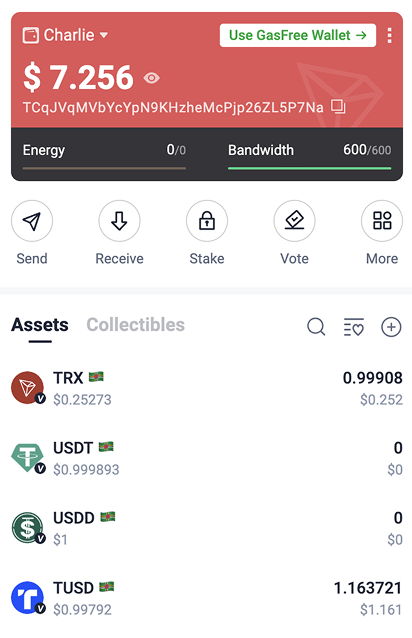
With the addition of API-driven automation, managing cryptocurrency has never been easier as users can now automate a range of activities such as portfolio management, transaction optimization and compliance tracking. These developments have made cryptocurrency services accessible to end users, independent of their technical ability.
Financial Inclusion — Banking and Beyond
Among the many victories of cryptocurrency has been its contribution to advancing financial inclusion worldwide. Billions of people around the world have been left out of traditional banking systems for centuries, especially in developing regions with little or no banking structure. By those means, cryptocurrencies have given people a different route to participate in the world of finance; they offer people the ability to interact with payment systems, utility services that allow for saving and investing but don’t require one to be handcuffed to legacy financial institutions.
This democratization of finance has particularly had an effect in markets with fragile currencies or repressive financial legislation. Cryptos have allowed people to store wealth, move assets across borders and tap into international markets in ways not otherwise possible. The automation of blockchain transactions has broken down a number of these obstacles normally associated with legacy financial systems, paving the way for economic inclusion irrespective of geography and socioeconomic status.
Mobile/crypto integrated financial services have improved access to financial services even more, as people can now perform banking on their smartphones rather than depend solely on traditional brick-and-mortar infrastructure. The technology convergence has given rise to unimagined economic empowerment and prosperity.

The built-in automation features of blockchain technology have been especially disruptive to financial inclusion. Smart Contracts allow automated lending and insurance products to people previously locked out of conventional financial services, without human bias, on a 24/7 basis. Energy rental pricing schemes have given easier access to blockchain transactions through fixed fees and pay-as-you-go structures.
Cross-Border Payments — Walls Are Tumbling Down
And it's worth noting that cryptocurrency has arguably achieved one of the most important things: seamless cross-border payments, something global finance still struggles with. Conventional international fund transfers use a complex infrastructure and are inefficient, slow, costly and subject to regulatory requirements which differ in each country. Cryptos turned that on its head by affording instantaneous, near frictionless, and cheap intermediary-free transfers.
This innovation has especially benefited migrant workers who are sending money to their families. Financial service providers charge 5-10% on traditional remittances, while cryptocurrency transfers can be done for lower costs. This reduction in costs has returned billions of dollars to families who rely on remittances for their survival.
Revolutionary technological advances in the innovative space move on favorably with cryptocurrency-based mastering of cross-border payments that has given birth to fresh business models and economic relations. Small businesses can now take payments from clients worldwide with zero fuss, and freelancers are paid by clients no matter where they live — without having to negotiate clunky cross-border banking deals. It has opened new possibilities for economic development and leveled the playing field with respect to which communities' businesses can compete in today's global economy. Energy outsourcing companies have also gone to great lengths to make these transactions even easier by offering alternatives at a lower cost than traditional fee schedules.
Path Forward — with Care
And while cryptos have made monumental strides in the battle against all odds, we aren't there yet. The sector must overcome sustained trials and ongoing innovation will be crucial. There is also a lot of dynamism in the regulation segment, with new regulations coming up that can either help growth or hinder growth. Technological vulnerabilities are also appearing as networks expand and new attack surfaces are uncovered.
Volatility, though lesser than in previous years, is still a barrier to mass adoption. The integration of cryptocurrencies with traditional finance is still evolving and proper guidance from crypto-enthusiasts to the old guard is necessary. Energy considerations can further be improved by network design, yet needs attention in future large-scale networks with higher load.
The crypto "community" needs to tread carefully, so that the next chapter to be written keeps security, sustainability and inclusivity in mind. The successes to date leave a solid foundation on which to build further, though they also introduce an obligation to support the levels of creativity and standards that have brought modern cryptocurrency into its present state.
And the challenges that remain demand continuing vigilance and new solutions. The cross-chain movement is still evolving and with privacy concerns at a razor's edge in the balance between transparency and individual freedom. The decentralized design of cryptocurrency systems brings distinct governance challenges that demand novel mechanisms for decision processes and dispute resolution.
Netts Ecosystem — Effective TRON Energy Management
Various Energy management solutions try to optimize transaction efficiency within the TRON network. Netts ecosystem has established itself as a leader in this area, providing full Energy rental service to reduce transaction costs and better utilize resources. As the world's first energy rental aggregator granting access to billions of units of energy, Netts has broken out a new pattern for users to connect with TRON.
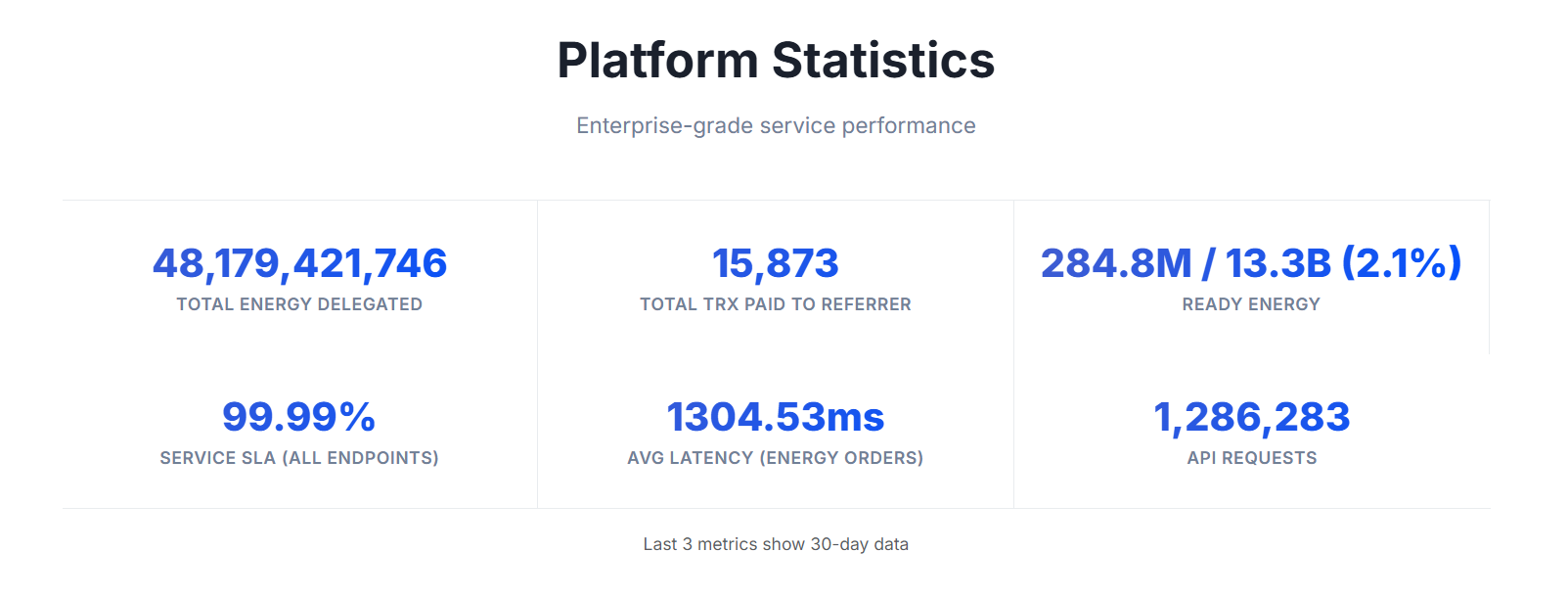
The API nature of the platform makes integration and automation easy, which means you can rent Energy effectively without having to stake or freeze your TRX. The long-awaited feature has brought huge convenience to Netts users eager to save on transaction fees. Users have saved as much as five times the cost of burning TRX for Energy so far because no matter how big a package you purchase, all that matters is its equivalent in USD. Its dedication to quick transactions, competitive pricing of Energy rentals and enterprise-class security features has turned the platform into an indispensable resource for end users and businesses on the TRON blockchain.
Netts' comprehensive service ecosystem goes way beyond basic grid-sharing access, with transparent analytics, automatic delegation and real-time monitoring at your fingertips. The Workspace platform provides everything you need to manage your finances and analyze efficiency, make sense of how you are operating, automate rentals and much more. Given Netts are enabled to work within any system, users can experience an efficiency boost, yet retain total control over their assets — this is a perfect example of how utilizing automation and API integration adds value whilst maintaining user independence and flexibility.