Best Possible Ways to Integrate Crypto into Your Business
Crypto in business means picking assets, API-ready payments, compliance, automation, and customer education — not just a logo.

The digital world is at a tipping point now that cryptocurrency integration is no longer a vision of the future, it's a smart business necessity. With cryptocurrencies gaining mainstream popularity every day, businesses that take part in this paradigm shift can open up new revenue channels and appeal to more tech-savvy clients while becoming leaders in the industry. The convenience and speed of crypto payments are not only bringing in more customers but helping to retain those who already know they want innovative payment solutions.
History Repeats: Looking at the Revolutionary Impact of PayPal
The launch of PayPal in the 90s serves as a fascinating analogy that clearly demonstrates why embracing technology is so vital to prosperity. When PayPal came onto the scene as a safe way to pay online, it upended e-commerce by providing consumers an unparalleled option for paying that didn't involve putting a check in the mail. Early adopter businesses that added PayPal reaped huge benefits: more sales, greater buyer confidence and access to a larger pool of customers. And those who resisted such innovation generally found themselves at a disadvantage in the market and losing market share to more nimble competitors that understood the wisdom of embracing new payment technologies.
This tale from history underlies an important truth: companies that ignore the state of the art risk becoming irrelevant. Today, cryptocurrency is the natural next step in digital payments evolution, and those that incorporate crypto business integration solutions today are likely to benefit from similar competitive advantage as early-adopter PayPal businesses did decades ago.
Strategic Approaches to Cryptocurrency Integration
Accepting cryptocurrency payments is a full-service approach that involves technical, legislative and business aspects. The most effective integrations always start with choosing the right cryptocurrencies depending on your customer and business model. Bitcoin, still the most well-known digital currency, provides broad acceptance but can also be inefficient and costly when it comes to transactions. Ethereum offers smart contracts and other features, but gas prices may vary. Stablecoins such as USDT and USDC provide price predictability, perhaps the perfect choice for businesses looking to avoid volatile risks but wanting to enjoy blockchain technology all the same.
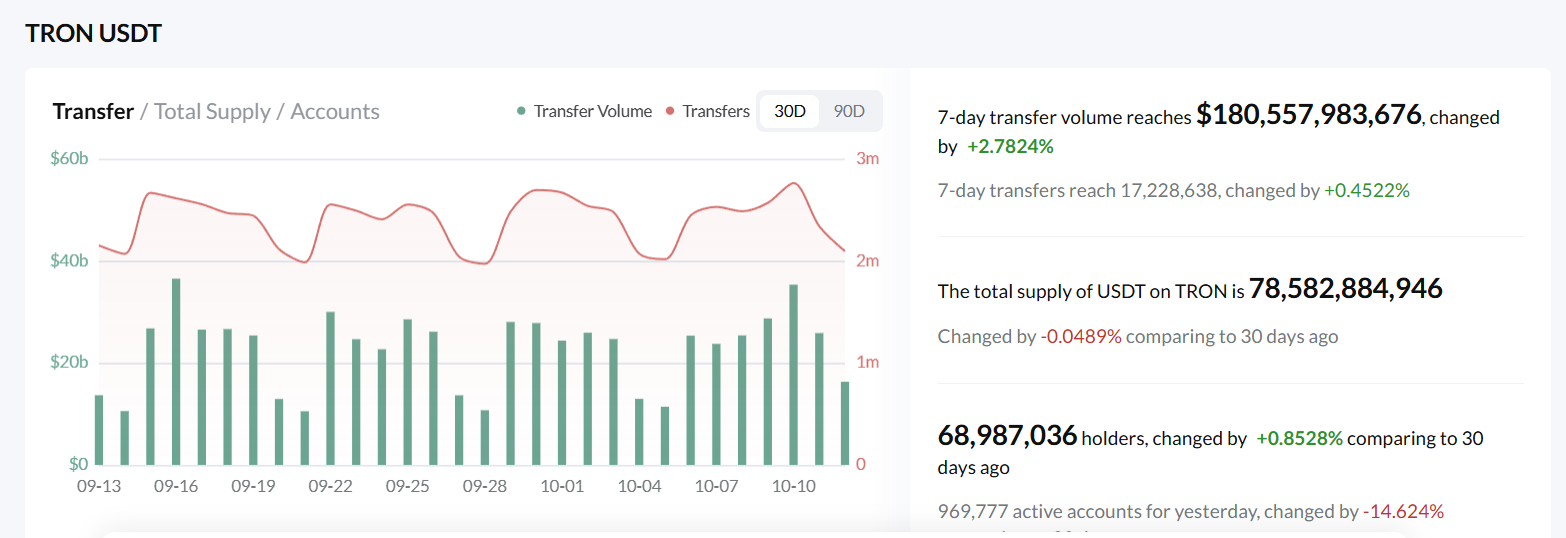
Your target market's preferences and technical acumen should also play into the decision-making process. There are younger, tech-savvy customers who may prefer newer cryptocurrencies with faster transaction speeds and lower fees, like TRON USDT, older or traditionalist customers might be more comfortable sticking with something established like Bitcoin. Providing several cryptocurrencies increases your attractiveness to a variety of customer bases, but doing so can add extra complexity to management systems.
1-2
Having a clear picture of the financial aspects before integration of cryptocurrency will be very important. Most traditional payment processors charge 2.5% to 3.5% per transaction, plus extra fees for international transactions and chargebacks. On the other hand, cryptocurrency payment processors often levy much lower fees — typically between 0.5% and 1.5% per transaction. This can make a big difference in operating costs for companies with high transaction volume. Fees for many standard bank transactions, such as wire transfers and currency exchanges, are also eliminated when using cryptocurrency.
API Integration and System Compatibility
Contemporary cryptocurrency implementation follows largely the API technology to guarantee easy interaction with your actual business systems. Payment providers such as BitPay, Coinbase Commerce and CoinsPaid present holistic APIs that allow businesses to enable crypto payments within their existing infrastructure without hampering the flow of work. These APIs enable instant transaction processing, automatic currency exchange and also integrate with the leading e-commerce platforms such as Shopify, WooCommerce and Magento.
The great thing about API-based integration is its adaptability and scalability. Businesses can accept cryptocurrency in the most fundamental way, and slowly add features as they get used to it. APIs also allow for crypto payments to be processed automatically, cutting down on manual labor and streamlining operations. For blockchain-based companies, such as those working on TRON, proprietary APIs can scale and automate tasks like energy management to provide the best cost-performance ratio.
When reviewing API providers, you must take into account things like the quality of the documentation, developer support offerings, security options and how easily it integrates with your current systems. The best APIs should have detailed documentation, active developer communities with clear lines of support, and strong security that protects your business and customer financial data.
The process of implementation generally involves a few important steps, which are worthy for business owners to comprehend and follow. You have to set up a cryptocurrency wallet (or system of wallets) for you and your business, both online "hot" wallets used for everyday spending, and offline "cold" wallets used as a store of coins. Hot wallets are accessible from the internet and suitable for frequent use, whereas cold wallets exist offline and mainly store larger amounts in a more secure environment. In general, many businesses follow a hybrid strategy — they maintain small funds in hot wallets to cover day-to-day costs and deposit the rest of their cryptocurrency coins/tokens in cold storage.
Compatibility with your current accounting programs and inventory management systems are also essential to consider. Many of the latest cryptocurrency payment processors provide APIs for transactional data syncing with standard accounting platforms like QuickBooks, Xero, and FreshBooks. This unity facilitates precise accounting records and expedites tax filing operations. Second, companies will need to establish software-driven reconciliation processes that link blockchain transactions with their source orders or services in order to eliminate manual accounting work and reduce errors.
Compliance and Risk Management: Art of Walking the Regulatory Tightrope
One of the most crucial factors in any cryptocurrency integration is to be completely regulatory compliant and implement proper risk management. Under AML rules, businesses must establish rigorous policies and controls for confirmation of customer identity and monitoring transactions. KYC processes aid in confirming customer identities and identifying possible suspicious behavior to keep your business compliant and free from financial crime.
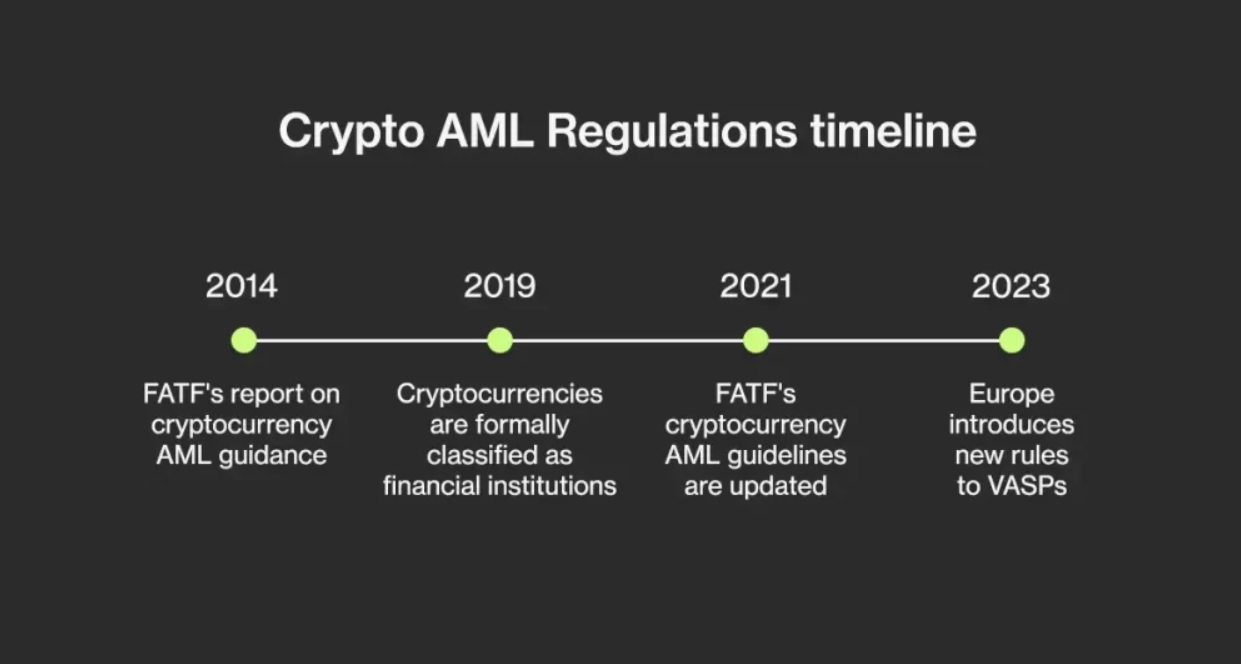
The legislation regarding cryptocurrency is hugely different from country to country, so it is necessary to know and follow local laws of this field. In multiple jurisdictions, businesses that accept crypto will have to sign up with financial regulators, keep track of every single transaction, and put complex reporting processes in place. "Ignore these requirements at your peril; penalties for non-compliance can be extreme, ranging from fines and license pushbacks to criminal charges."
Risk management goes beyond ensuring regulatory compliance, encompassing technical and operational aspects. Cryptocurrency markets can be volatile and if not managed appropriately, your company's financial stability might suffer. Most payment gateways provide instant conversion, which ensures that cryptocurrency payments are automatically converted to desired fiat money and protects your revenue from any market price twists. What's more, you can secure your funds from theft or unauthorized access by putting multi-signature wallets, cold storage options and security audits into service.
Tax considerations will be another important factor for companies which are using cryptocurrency payments. For the most part, businesses are generally subject to capital gains tax rules with respect to cryptocurrency transactions and have to keep track of the value of cryptocurrency at the time they receive or sell it. The need for this type of trust challenges business owners to implement robust record-keeping systems that capture transaction records like time, amount and market value at which transactions occur. A number of businesses are interested in accountants that have a focus in cryptocurrency taxation to make sure they keep up with complex tax laws.
Cash flow management is especially critical in the context of cryptocurrency payments. Unlike with payment instruments where you receive the money immediately, transactions in cryptocurrencies can be completed long after purchasing due to network congestion or confirmation time. Businesses must make clear when a payment in cryptocurrency is "confirmed" and have contingency plans for how to deal with transactions that take longer. Other businesses may allow cryptocurrency payments for invoices only, or might require a certain number of confirmations to guarantee finality for the transaction.
Advanced Integration Solutions and Automation
As companies look to get the most from integrating cryptocurrency, leading-edge automated tools allow operations that can add a level of efficiency. By automating the crypto payments process, merchant errors are reduced and processing times for transactions speed up, meaning businesses can handle more transactions without the associated growth in staff requirements. This automated process is especially useful for businesses with a significant number of transactions or that span several time zones.
The TRON ecosystem has some especially solid options for companies that want to maximize their cryptocurrency use. With the TRON infrastructure, companies can automate the process of renting TRON Energy — all while enjoying lower costs and top-notch performance. This automation makes sure companies are always fueled up for their transactions without human intervention, being more efficient and cost-effective.
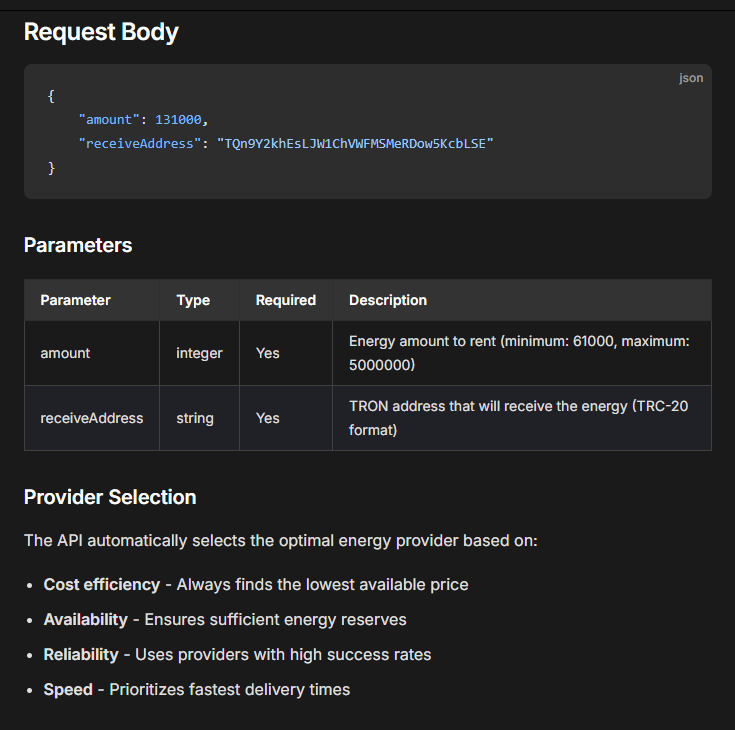
Dedicated services such as Netts API offer end-to-end solutions for firms working on the TRON blockchain. Such services provide automated energy control, real-time price optimization, and easy business system integration. With TRON Energy renting being automated, companies can concentrate on what they do best — their business — while also making sure their cryptocurrency transactions remain pocket-friendly and convenient.
Customer Education and Support Implementation
Proper integration of cryptocurrency really revolves around full-scale customer support and education. There are many who do not have a good understanding of cryptocurrency technology, so it is very important to offer step-by-step explanations on how the crypto payment features are available for use. This training should be composed of how-to instructions and guidelines as well as, for example, a FAQ or troubleshooting guide on how to manage the payment processes comfortably.
Support should be created for cryptocurrency-related problems in the field of transaction delays, issues with wallet support and network congestion. Ensuring your customer support is properly trained in cryptocurrency technology empowers them to help customers and instill confidence in the payment options you provide. And providing services through various channels, such as live chat, email support and phone assistance, means customers can get support when they need it.
It is necessary to measure success and return on investment when it comes to assessing the performance of your cryptocurrency integration effort. Performance metrics could be transaction volume, customer acceptance rates (%), cost savings in comparison to other payment methods and client satisfaction scores. Today, before you decide to integrate cryptocurrency payments for your business, think about these baseline metrics, measure them over time to show ROI of the decision.
Client segmentation analysis allows you to optimize the cryptocurrency payment tools your business uses. Various customer segments may belong to different target audiences with different tender or cryptocurrency preferences. For instance, international customers may prefer stablecoins to avoid currency conversion costs, while local tech-savvy customers might prefer newer cryptocurrencies with faster transaction times. By understanding customer needs and wants, businesses will be better equipped to design their cryptocurrency offerings for rapid acceptance and success.
Business Integration of Cryptocurrency Going Forward
As crypto-tech continues to advance, companies that adopt more holistic strategies for integration today will be poised to reap the benefits of tomorrow. Integration of crypto into this e-commerce platform is more than just another feature addition — it's about an embrace and acceptance at a fundamental level for what could be seen as a shift in how financial transactions are conducted across the internet.
Businesses that are providing cryptocurrency payment solutions have found better customer satisfaction, low transaction costs, and new market entry. The secret is to treat integration as a strategic program and not a pure technology activity, ensuring that every part of the business — from customer support to finance — is on the same page with the new payments capabilities.
These competitive advantages go beyond cost savings to also encompass higher customer retention and market differentiation. Businesses that accept cryptocurrency payments are generally seen as appealing to segments of society that have greater propensity for innovation and technology. This is especially useful for businesses looking to attract a younger consumer base or digital-savvy customers who demand up-to-the-minute ways of paying. Further, crypto payments can open access to foreign markets without having to deal with the complications and costs of traditional cross-border transactions.
Increased operational efficiency is another major advantage of utilizing cryptocurrency. With automated payment processing there's less manual intervention, fewer human errors, and business people are free to work across any number of time zones without the need for human hands on deck. For operationally intense businesses, these efficiency gains can translate into significant reduction in operating costs (like renting TRON Energy) and higher quality of customer service.
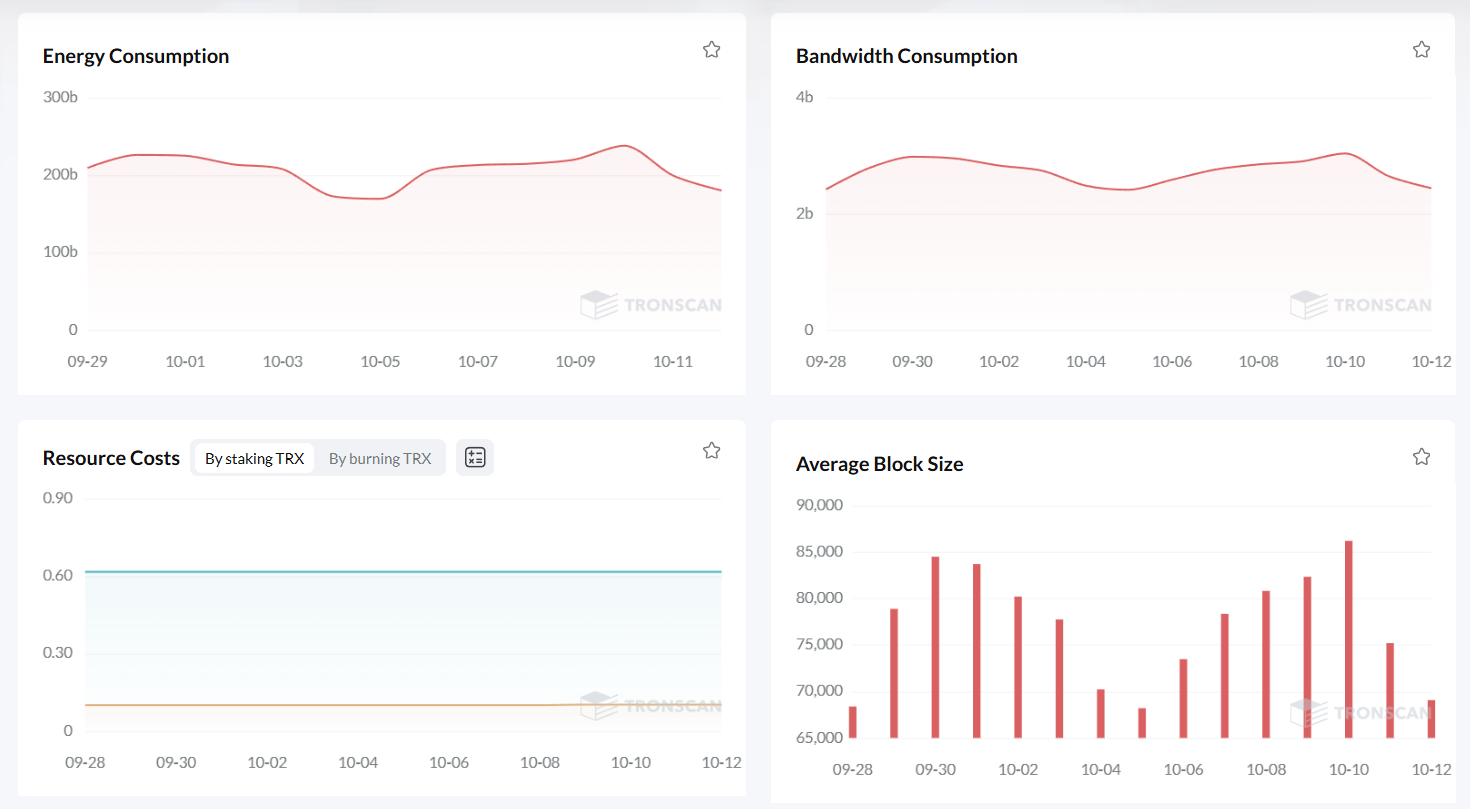
For companies looking to go all in on crypto solutions, services like Netts API can provide a range of features to maximize cryptocurrency operations. We offer autonomous energy management, live transaction optimization and interoperability with current business systems to help even non-tech-savvy businesses experience the efficiencies in cryptocurrency adoption.
Cryptocurrency within the business space is a promising opportunity for any early adopter. Taking cues from historical predecessors such as the adoption of PayPal, deploying comprehensive integration initiatives, ensuring adherence to regulations and implementing advanced automation are just some of the ways businesses can place themselves at the vanguard of digital economy revolution. Those who get on board with this shift today will have the competitive advantage that early adopters of prior payment innovations had, and they will secure their place in an ever more digital economy.