Common Problems that New Crypto Users Might Encounter
With millions of new wallets opening each month, the demand for educational and awareness tools has become bigger than ever.
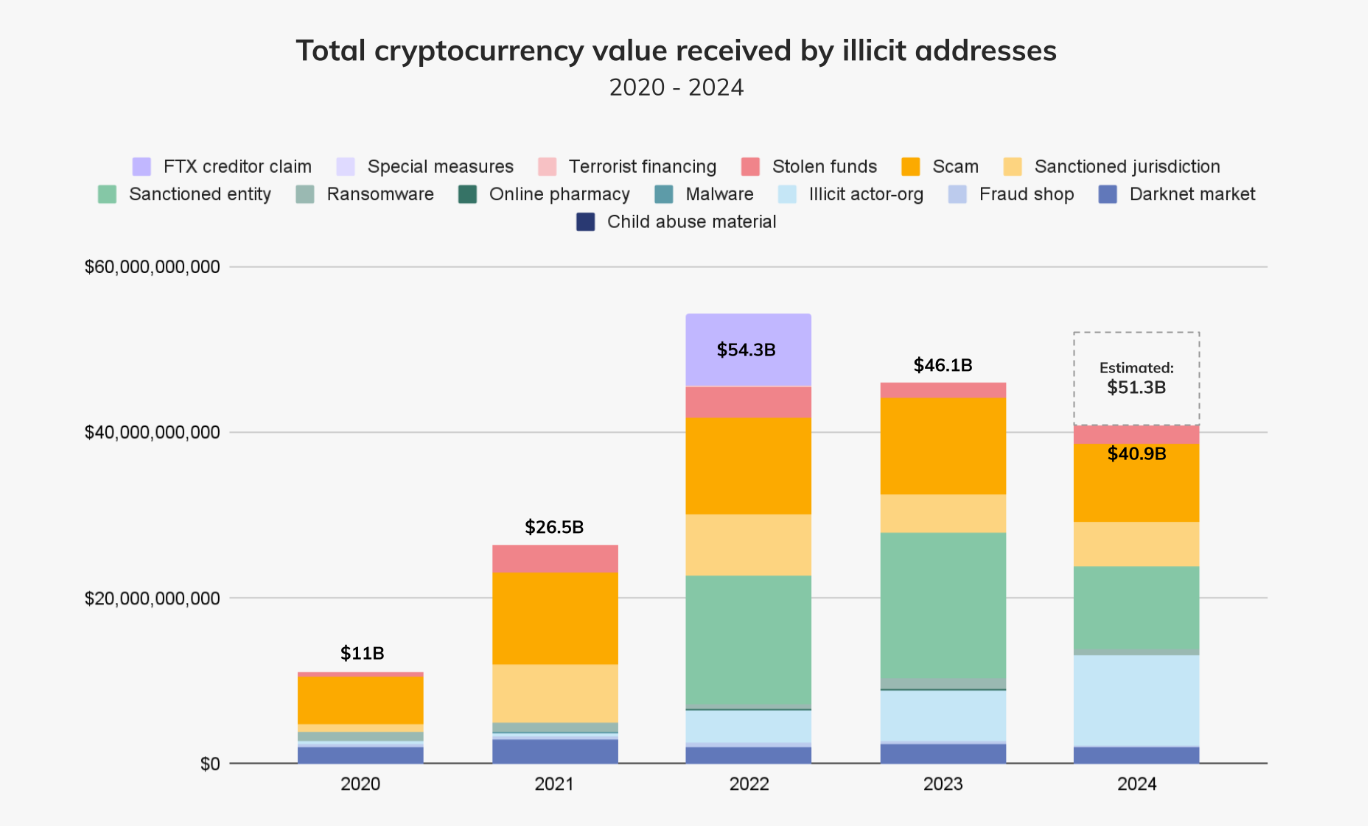
The cryptocurrency world is an exciting but daunting place to enter into. Each year millions upon millions of new users are attracted to the promise of financial freedom, new technology, and worldwide accessibility. But the path is seldom paved with gold for first timers. However, crypto presents its own set of challenges, from security threats to unintuitive transaction mechanisms. For anyone just starting out, understanding these common problems — and how to avoid them — can make all the difference.
The first steps into crypto are often action-packed and filled with optimism for many. We hear stories of quick profits, of decentralized finance everywhere. Yet underneath all of that, the digital asset world is multifaceted and, more often than not, ruthless. At least in traditional finance, if something goes wrong you can pick up the phone and call customer support. The learning curve is steep and mistakes can be expensive. This can be an awful realization, particularly for those familiar with the safety nets banks and other regulated institutions provide. As regions around the world continue to adopt, with millions of new wallets opening each month, the demand for educational and awareness tools has become bigger than ever.
Scams, Phishing and Social Engineering — Security Pitfalls
Security is one of the first and most persistent challenges that new crypto users encounter. In the case of lost funds due to traditional banking error, there are means to regain your funds, unlike a crypto transaction, which is irreversible. The irreversible nature of transactions make this space a gold mine for scammers and hackers. By 2025, scams were much better at targeting newcomers who may not have known what to look out for.
The variety of scams is endless. Phishing remains one of the biggest threats, with scammers sending emails and messages as if from a trusted exchange or wallet. Often the message will be urging to act quickly – reset the password, verify the account, or claim the prize and follow the link leading to a fake website designed to steal login and password or a private key. Social media is the second big battleground. Here, scammers are impersonating influencers or customer support staff to offer the user “help” that would actually rob them of the asset. The third biggest threat are investment scams. Scammers behind fake investment platforms promise guaranteed returns and leverage smart websites and fake success stories to deceive users. Ponzi schemes and pump-and-dump groups appeal to the fear of missing out to urge the user to send the funds and receive a quick profit.
The first scam a new user might encounter is likely going to be a social media message, notifying that they’ve won a crypto giveaway. The link opens a website that looks exactly like a well-known exchange or a wallet, but when following the instructions and sending the private keys, the victim is robbed of all funds. Other types of common scams include fake investment platforms, phishing mail that looks like a notification from one’s wallet, and impersonating a known figure. Furthermore, even a seasoned user might still be subject to the social engineering of some kind. The messages can be targeted – after all, scammers usually learn the information from publicly accessible sources, forums, or data breaches. There even were cases of phone scams and deepfake videos made to deceive the user.
The best defense is vigilance. Verify URLs of websites, never disclose your private keys and seed phrases, and turn on 2FA security on every account. If something sounds too good to be true, it probably is — avoid unsolicited offers. Which means, if you're not sure, check with official channels or veteran guild members before you do anything. Note, that no service will ever ask or request your private keys.
Wallet Management: the Double-Edged Sword of Self-Custody
The basic idea of crypto is that you hold your own money. However, with great power comes great responsibility. Wallet management confuses even experienced users and the choice of hot (which is connected to the internet, remember) or cold (offline storage) sometimes can be intimidating. It has its own pros and cons.
One common mistake is saving private keys or recovery phrases in insecure locations (such as the cloud or e-mail). If they get hacked, your money gets hacked too. Crypto has no “forgot password” option; if you lose your keys, you lose your assets. Fake wallet apps are also downloaded by some users and the credentials are captured upon setting up the app.
There are so many different types of wallets it can be nearly impossible to keep track of what you have. Because mobile wallets are convenient for daily use, they are susceptible to loss or hacking of your phone. They offer more control which is nice, but means keeping a track of backups. The gold standard for protecting your keys is hardware wallets (physical storage devices that store keys offline), but there is a learning curve and expense associated with that option too. Long term storage can be done with paper wallets and metal backups, but those need to be protected against fire, water and theft.
For enhanced security, multi-signature (multi-sig) wallets demand multiple signatories for a transaction. It's particularly beneficial for groups, organizations, or anybody seeking to mitigate the risk of a single point of failure. But before you reach this point, beginners often find it a bit complex to set up and manage multi-sig wallets.
To avoid these missteps use credible, easy to use wallets to start. Use hardware wallets, which keep keys on offline devices, for large balances. Be sure to store your recovery phrase in several places you trust offline — paper in a safe and away from the internet and not a screenshot on your phone. Practice recovering your wallet before you actually need to. Even to this extent, some users devise inheritance strategies which enable trusted family members to access funds in the event of their passing.
No matter how well prepared a user might be, mistakes happen. Sending funds to the wrong address by mistake, losing a backup, or being scammed are some of the possible scenarios that could cost you your crypto. We hear tales of lost fortunes and hard lessons throughout the crypto community. The takeaway here is to incorporate the lessons learned from those instances and prevent them from happening by adhering to security and redundancy-centric habits.
Transaction Fees and Network Congestion
And another hurdle for newcomers is grasping transaction fees. Fees can vary a lot based on how congested the network is. In some blockchains, sending a small quantity may incur higher fees than the value being transferred. This inconsistency is a point of irritation for a lot of newcomers, particularly those who try to do things quickly or on a low budget.
E.g. a user would attempt to send $10 of a token, only to pay a fee of $15 at peak times. Alternatively, they may choose the incorrect network when switching assets across exchanges, which can lead to funds that are now lost or trapped. These are typical and pricey pitfalls.
Fees operate differently on various blockchains. Bitcoin and Ethereum — fees are determined according to network demand and size of transaction. When the activity peaks — major movements on the market or an NFT launch that caused a stir — the fees can soar like never before. With a very low fee, transactions get delayed and remain in mempool for hours or days too.
This adds yet another layer of complexity — cross-chain transfers. There are many tokens on different blockchains, and if users select the wrong network, they will lose their tokens. For instance, sending USDT from an Ethereum wallet to a TRON address will get your funds lost unless you use a bridge or compatible service. These nuances result in confusion and frustration for new users.
Plan your transactions at non-peak hours to reduce the fees and you can also check various fee estimators available in the wallets. Confirm network selections before sending funds. Use blockchains with low fees and high transaction capacity such as the TRON network for regular transaction making. For active users, some wallets may let us optimize costs by allowing batching or fee optimization.
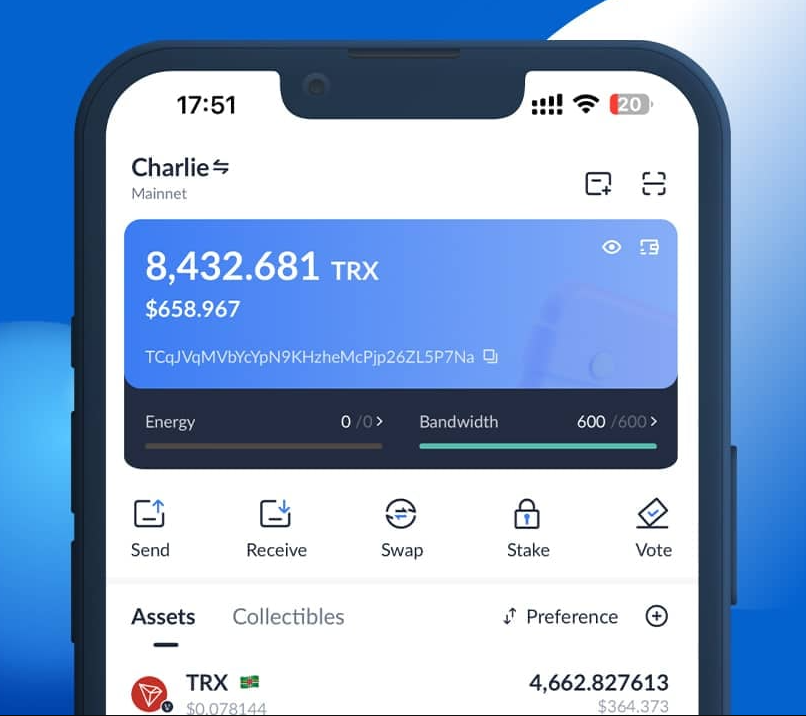
Some blockchains have a different approach to resource management. For example, on TRON, Bandwidth and Energy need to be monitored for users to make transactions. New users unfamiliar with this may be surprised to learn that running out of such resources means paying in TRX. It is important to learn how to monitor and replenish resources so that everything runs smoothly.
Learning Why the TRON Network is Worth Your Time
TRON has become a common choice among new and veteran crypto users alike. It attracts developers due to its fast transaction times, low-cost fees, and a good ecosystem for decentralized applications. However, the thing that differentiates TRON is its unique resource model that does take some time to comprehend but is very beneficial once you figure out how it works.
TRON was built to resolve most of drawbacks which older blockchains had. Its architecture enables thousands of transactions per second, so it is great for both small transfers and larger scale dApp operations. With such low fees, the network has become a darling for stablecoin transfers starting with USDT that has dominated remittance, trading, and payments.
Each transaction on TRON comes with a resource cost: Bandwidth for normal transfers, Energy for smart contracts executions (i.e. sending of TRC-20 tokens like USDT to or interacting with dApps, etc.) Inadequate Energy leads to the network burning TRX (TRON's native token) as an expense, which can get pretty expensive pretty fast. Newbie users are typically surprised when they see a decrease in their TRX balance after a few transactions without understanding they are paying for Energy.
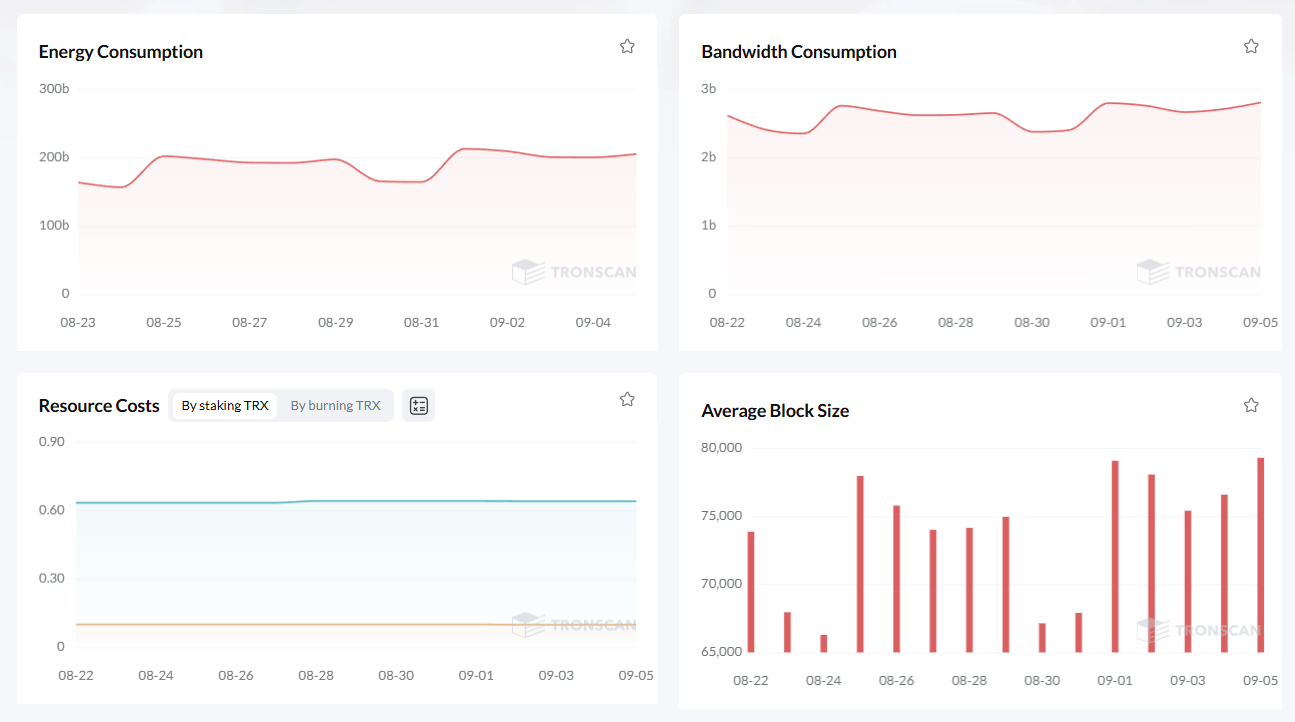
The trick is figuring out how to collect those resources. While you can get Energy by freezing TRX, it comes at the cost of locking up your funds. You can also lease Energy, which is usually more flexible and efficient in terms of cost — particularly if a user does not perform daily transactions or want to keep their TRX liquid.
The TRON ecosystem is also host to an expanding array of decentralized applications, ranging from DeFi platforms to gaming and NFT marketplaces. The ease of onboarding for new users due to its compatibility with major wallets and exchanges. The community is quite active with forums/guides/tutorials in many languages.
TRON makes it easy for users to interact with the blockchain in a cost-efficient and fast manner, and this makes it attractive to individuals and businesses as it strikes the right balance between speed, cost, and usability as compared to other blockchains. The emphasis on accessibility and efficiency has made it appealing in markets where excessive fees or slow transaction speeds are an obstacle to adoption. The network is always progressing and thus, features are always being updated, ensuring the blockchain remains competitive.
Finally, the TRON Energy Market is growing fast and services like netts.io to facilitate the renting of Energy for your transactions better than ever. If you want to avoid paying a lot of fees while also not needing to freeze TRX to hold a large amount of TRX, renting energy in the long run will be a game-changer.
This is how it usually goes down when renting Energy on TRON:
1. You go to a service such as netts.io which collates quotes from approved Energy providers.
2. Add TRON wallet address, and how much Energy you need (for example, 65,000 or 131,000 Energy).
3. Select your rental time, which is usually just one hour.
4. Commit the transaction and you instantly have Energy in your wallet.
It is simple, safe, and you do not need to stake or freeze your crypto to do it. The savings are enormous: renting Energy can save up to 80% of transaction costs relative to burning TRX, and is three times cheaper than staking alternatives. As an example, you might pay 2–3 TRX for enough Energy to pay for 4–5 transactions — instead of burning 13 TRX to send USDT.
Mastering the Process: a Lifelong Skill
The world of crypto is forever changing, yet there are timeless lessons to be learned. Knowing the biggest pain points — security risks, wallet handling, excessive fees, and specific platform foibles — makes it easier for you to avoid expensive mishaps and fully leverage your experience in crypto.
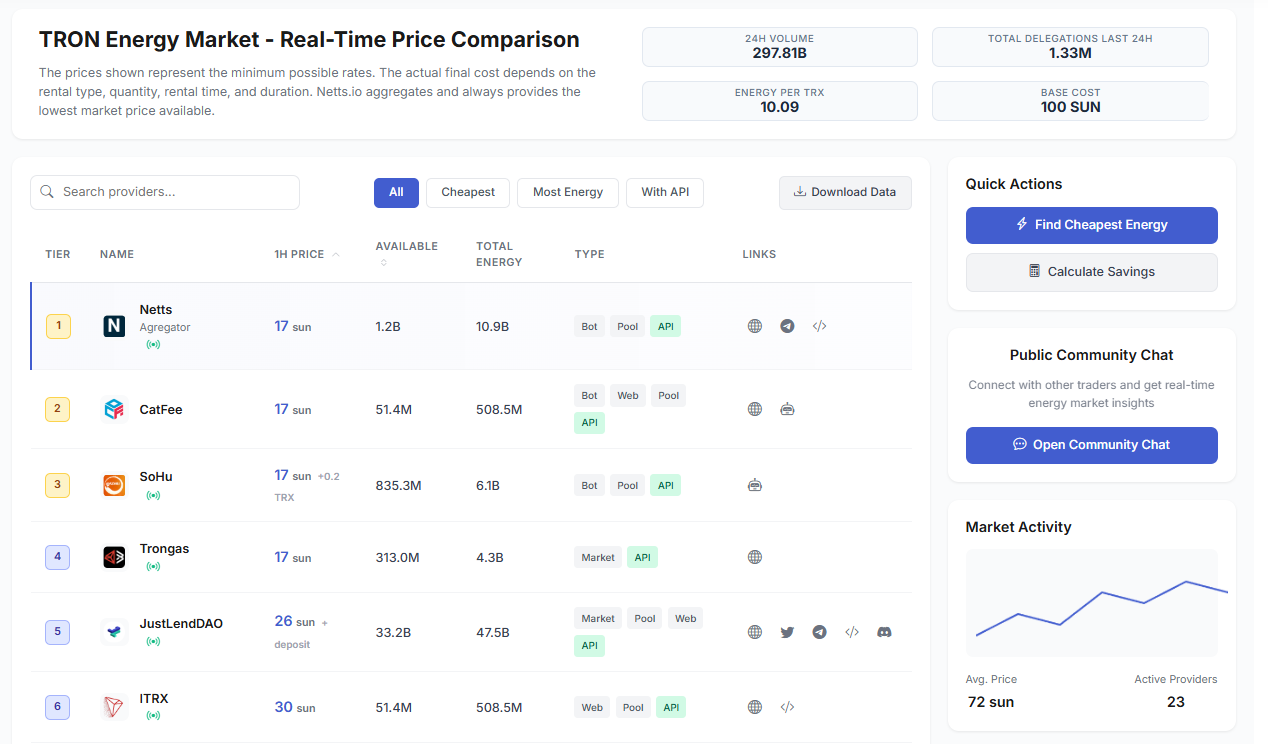
Once you learn how to rent Energy on TRON with sites like netts.io, you'll have a powerful tool at your fingertips. At the end of the day, the process is very simple, the savings are real, and the peace of mind you get knowing you secured the best price available is priceless.
It’s not just about crypto — it’s a mindset and a community. The best users are the most curious, ask questions and share their experiences with other users. Join the online forums and local meetups, and use educational resources to build knowledge and confidence. We all make mistakes, and every one of them is a lesson.
Ultimately, the best advice for thriving in crypto is to stay informed, exercise good security hygiene and use the tools that provide you with a better and cheaper experience. Despite the difficulties you might face, the rewards are also there for you if you put in the effort to study. With time and effort, the possibilities are achievable, and you can flourish in the world of crypto despite its challenges.