Sports and Cryptocurrency – Spicing Up the Game
Fan tokens, NFT collectibles, sponsorships, and betting rails — how blockchain is changing team economics, athlete brands, and the spectator experience.

The story of sport is a tale of never-ending change, a reflection of the technological and social revolutions which have characterized our own species. It was visceral and localized in the beginning. If you wanted to see a gladiator fight in ancient Rome or a jousting bout in medieval Europe, you had to stand there and see them live, inhale the same dust that covered their bodies, hear the clanking of weapons and roar of people with your own ears.
The stadium was the universe. If you weren’t there, you had to settle for the embellished stories of those who were. This physical necessity constrained sports fandom to the immediate vicinity of where the action was happening. An area team was really local, with the backing of people who lived just a walk from the pitch.
And then the age of broadcast, first over crackling radio static that left your imagination to piece together a game from the excited account of a play-by-play voice. It was television that really broke down the walls of the stadium. Suddenly, the Super Bowl was no longer a game played in front of thousands in stadiums; it was an international phenomenon viewed through living room screens. The stadium was replaced with the presumptuously intimate couches of suburban homes. The number of people watching the World Cup final from their homes exceeded the number that could be squeezed into every stadium on Earth, all at once. The camera angles, the instant replays and the commentary gave layers of analysis or intimacy that the live spectator missed. The game was no longer a local gathering, but had become something packaged and delivered simultaneously to millions by mass media.
Now, we’re on the brink of another tectonic change. The age of the internet, which already changed how content is streamed and consumed, now joins hands with the financial muscle and technology behind blockchain. The spectator is beginning to become a participant. The shift toward cryptocurrency in the sports universe isn’t just a difference in payment elements, but a seismic recalibration of how fans and teams interact, how athletes monetize their brands and — perhaps most significant — how the sprawling business of sports betting unfolds. We are transitioning from the Age of the televised viewer to the Age of the tokenized actor, where ownership, equity and involvement can be both de-centralized and real-time.
Betting in Digital Age: Rise of Global Betting
Parallel to the evolution of media consumption has been the evolution of the wager. Gambling is as old as sports; any time two teams or individuals competed for supremacy, there was someone in the stands willing to wager value on the outcome. For generations this was an informal industry, driven by handshake deals and local bookmakers operating in the shadows or down at the track. The mechanics were basic but fraught with frictions: cash exchanged hands, trust was critical and often betrayed, and the market was fragmented.
The internet, as it grew, brought the bookmaker in from the shadows and onto the screen. With the advent of online sportsbooks, access became revolutionized — a punter in London could bet on a cricket match in Mumbai or basketball game in Chicago. But those platforms were nonetheless linked to the old banking system. Deposits came slowly, withdrawals even more so and industry restrictions across borders plagued transactions. Credit card denials and bank freezes were frequent headaches for the committed bettor. Fiat currency’s own friction — its intermediaries, clearinghouses, regulatory bottlenecks — served as a governor on the business’s velocity.
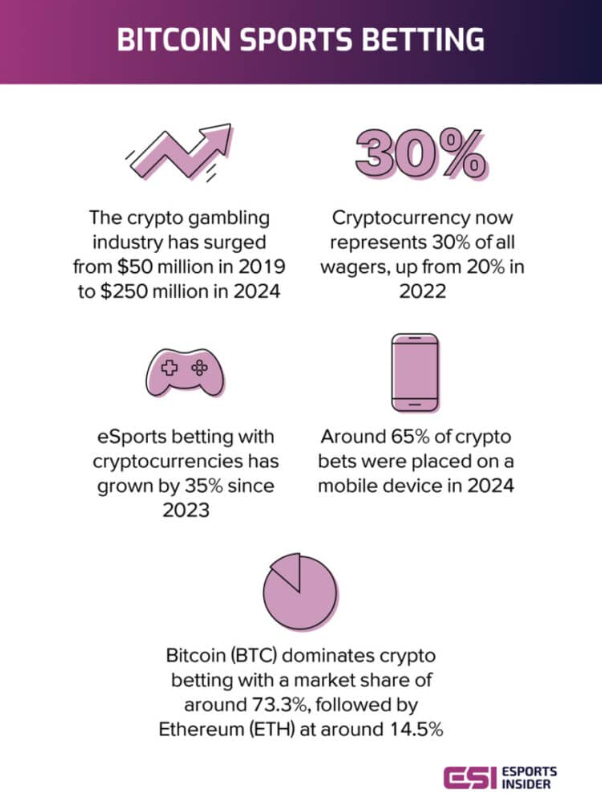
Enter cryptocurrency. As the case for blockchain and sports betting becomes more appealing, it goes without saying that it will become the most natural marriage within the digital economy. Speed, privacy and borders bade farewell to legacy betting systems when crypto showed up. When a bettor is using a digital asset, he or she is skipping over the labyrinth of correspondent banking.
A winning bet can be resolved in a second with a smart contract, and literally just for seconds, the money is wired to the users’ wallets after referee blew his final whistle. No chargebacks, no waiting for business days to make a transfer or process a post but most importantly, it doesn’t matter where in the world you are because your money is not controlled by location currency. That seamlessness has caught a new wave of discerning bettors, who analyze sports markets with the same data-driven rigor as professional traders approaching financial markets.
Crypto in Action: Speed and Safety Meets Sovereignty
To get a sense of how these changes manifest themselves in the day-to-day life of the sports world, just look at the mechanics of a modern crypto-empowered sports platform. A user does not simply put money in, but interacts with a decentralized protocol. On a fast-changing tennis match, milliseconds count when deciding whether to lay down a live bet. The effectiveness of the blockchain itself turns into a point of competition. This is where high-capacity networks, such as TRON come into play. Unlike older blockchains that can be bogged down and costly, networks built for volume enable micro-betting — placing small wagers on specific events in a game, like the result of the next pitch or corner kick — without the transaction fee gobbling up your potential profit.
But for a heavy user, even small fees can become significant. The result is the development of a mature resource economy in blockchain. On the TRON network, transactions need resources - Bandwidth and Energy for example. Bandwidth is what’s used in regular transactions, while Energy is the gas for running smart contracts — the very code that underpins decentralized betting apps and payout systems.
Smart sports bettors and platform operators have found ways to greatly reduce this cost. Besides, they can acquire Energy for TRON network transactions from resource markets instead of burning their tokens to pay for fees. In this way, they get the minimum amount of computing power required for processing a thousand bets or claiming a reward with low cost per transaction. When you rent an optimal level of energy from a provider more professional than yourself it’s sorta like how a Formula 1 team buys specialty gas – to “uplevel” your operation, if you will; taking it from what would be just considered casual “betting” or even gambling and up into the space occupied by high-frequency traders.
And the impact is more than just hydrocarbons and six-figure billing statements. It changes the very nature of how a user looks at a platform. In the olden days, the bookie has all the cash. In a decentralized environment, the funds are held by smart contract and they could be released only after an oracle checks the game result. This stripping away of the "trusted third party" means that punters will never have to worry about a bookie going bankrupt or refusing to pay out on a legitimate win. The code is the referee, as fair and incorruptible as the technology allows. This trustless industry is favoring higher volumes, cooler bets, but the risk of counterparties to default is removed due to cryptography.
Bet Made: Tokenization and Fan Power
And if betting is the financial engine of sports, then fan engagement is its emotional heart — and here as well, crypto is rewriting the script. The fan token turns the passive supporter into an active stakeholder. In the past, being a “member” of a club meant plastic and a discount on merchandise. It has since become common for holding a team’s fan token to bring voting rights on club decisions. They are not generally decisions about which player to buy (management sends that decision up the flagpole), but they are meaningful emotional touch points: deciding the design of next season’s kit, picking the song that gets played after a goal is scored, or even designing the layout of the team bus.
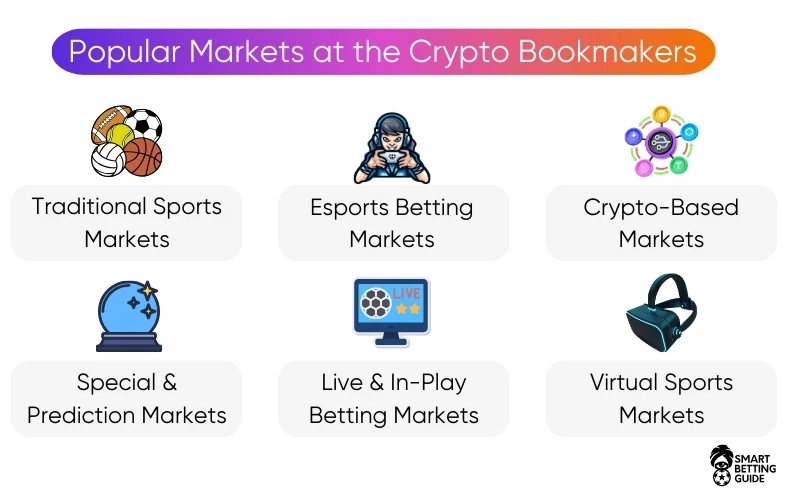
This tokenisation establishes a digital economy around the brand of the team. The token can increase or decrease in value depending on the success of the team, tying fans' finances to how well their club does. If the team actually wins, demand for the token could spike, benefiting the loyalists who held on. It’s trivial and goofy, but it puts fandom to play in a way that television never could. And in many cases, these tokens double as keys to special experiences — VIP access to training sessions or meet-and-greets with players or digital collectibles that take the form of NFTs.
Take the world of racing, a discipline that has consistently been at the cutting edge for technology. Racing leagues are trying to figure out how blockchain can register the provenance of car parts or verify the authenticity of race-worn gear. A fan might own an NFT for the digital rights to a specific segment of a song or a digital twin of a car. Still, in the world of atoms and molecules, the branding is everywhere. The all-consuming culture of crypto has turned these brands into the racing world’s new tobacco or airline sponsors. Their logos are on the liveries of the fastest cars, their partnership is based on speed, engineering excellence and a mindset dedicated to what comes next. Rest assured, that when a racing team couples with a blockchain company, they are saying yes to the value of innovation and performance.
Business Game: Sponsorships and Brand Exposure
Crypto capital has reconfigured the visual landscape of professional sports. These days you can’t follow a major international sporting event without seeing branding from leading exchanges and blockchain networks. That’s not just advertising, it is a plea for legitimacy and broad adoption. That a crypto exchange should be named for a storied stadium, when a Premier League football club has taken onboard blockchain as a sleeve sponsor – such activity normalizes the tech for the average consumer. It takes crypto from the weird, wild internet into prime time.
And these sponsorships tend to run deeper than slapping a logo on something. They involve technical integration. A stadium could allow crypto payments at concessions, getting you more quickly on your way to the beer and hot dog. A team could release its tickets as NFTs, or non-fungible tokens, to stop scalping and fraud, making sure that the person known to the blockchain as having bought their ticket is also the rightful owner of said seat entering the stadium. The data captured from this engagement provides the teams with a unique understanding of their fanbase and enables them to customise experiences and rewards in fine detail.
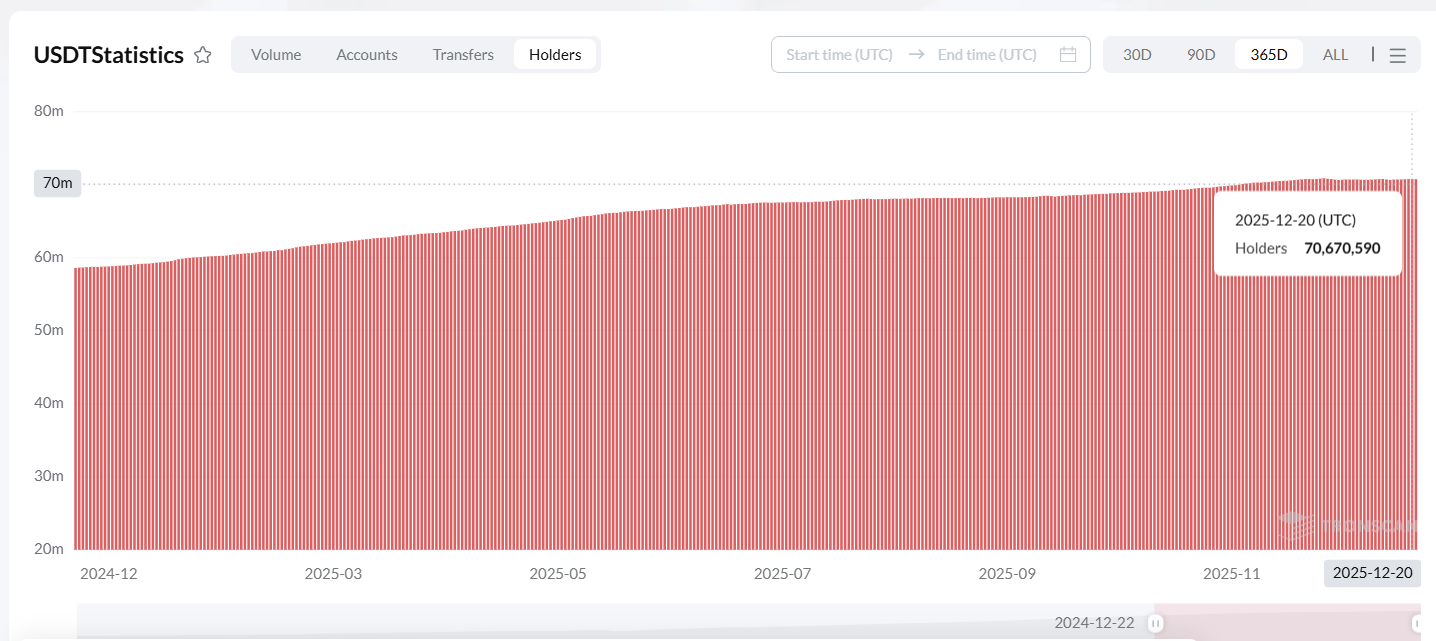
TRON has been one of the key players in this space with its fast transaction speed and low cost, and thus enabling it to be established as a feasible resolution for the sports economy. The speed can make it applicable to racing and fast sports. Branding itself often centers on efficiency and power — not unlike the athletic ideals of the sport they back. By embedding themselves in the culture of sports, such brands aren’t simply looking for exposure; they are constructing the infrastructure on which the future of our digital economy will be built. The fan downloading a wallet to secure their digital ticket today is the user who will use that same wallet to make a payment or receive a loan tomorrow. Sports is the Trojan horse for the masses.
Future Decentralized
As we head into the future, the distinction between game and digital layer will continue to be eroded. We could have decentralized autonomous organizations (DAOs) that own and run sports teams, with token holders voting on all major decisions, from who to hire as coach to the price of concessions. The athlete, too, could be tokenized ― fans could “own” the player and invest in their career development in return for a cut of future revenue. The potential is as great as your imagination and the laws will ultimately cohere around these innovations.
What is clear, however, is that the age of the passive consumer has ended. The sports economy is being rebuilt on pillars of interactivity, ownership and speed. Taking stakes in the game. Whether it is through settling a micro-bet instantly, making an on-chain governance vote as a fan token holder for your favorite team or walking into a stadium using a ticket verified by blockchain technology, crypto is changing the game – perhaps literally. It is the empowering of the individual, bypassing the middleman and building a global and borderless community of fans who are bound not only by their passion for the team, but also by a shared digital infrastructure that links them. The stadium of the future isn’t just a structure made up of concrete and steel, it’s a digital network that sizzles with value and passion, a dynamic hub for millions of interconnected users.
In the emerging digital sphere, controlling our identity and wealth are taking a front seat. And for the serious participant swimming these currents — whether they’re trading in high-value fan tokens or managing a portfolio of betting wins — security and uniqueness are mutually reinforcing. Which brings us to the specialized tools that are born to cater for this niche.
Completing the professional feel, not just for those fully engaged in the TRON ecosystem. The Netts service — Vanity Shop gives a fast track to obtaining that custom wallet address, which is like a prestige name plate for your digital footprint. The user-friendly process is designed with both security and usability in mind: users simply login to their TronLink wallet, search for their vanity address, and make the purchase with TRX.
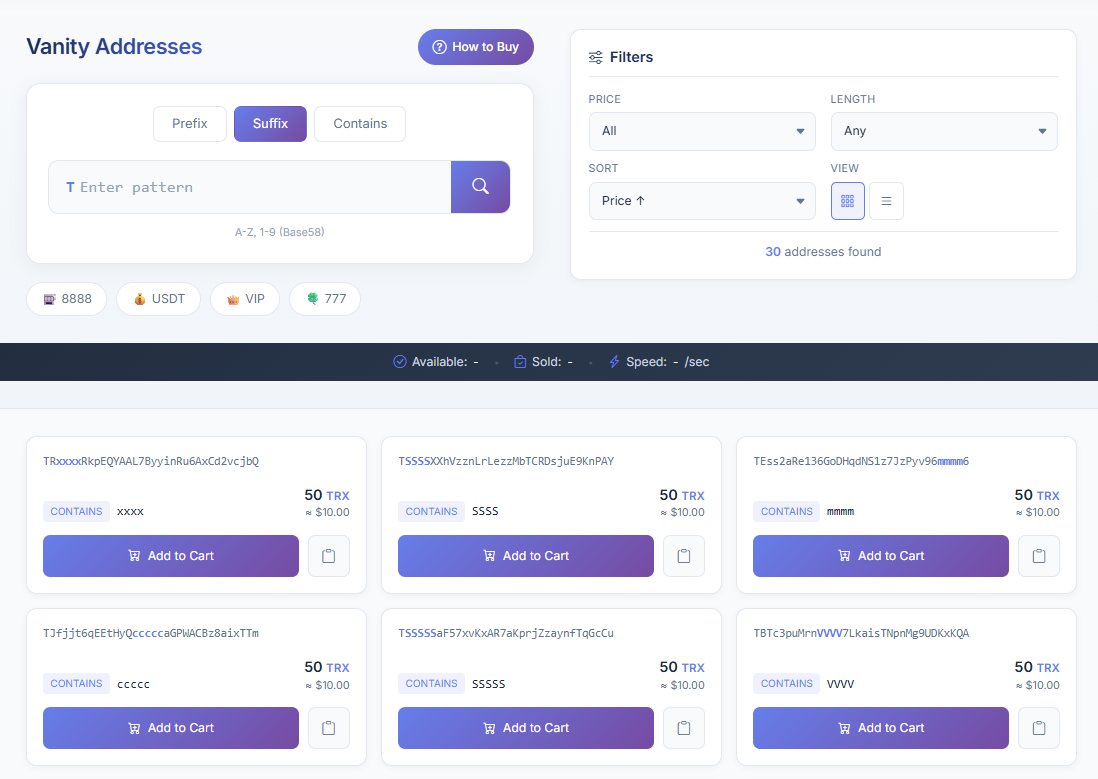
And, crucially, the service focuses on safety protocols after the purchase which every crypto user requires. Once the private keys (sent both onscreen and via email) are received, the user is instructed to refresh account authorizations. When you change the owner's key to leave only your secure main wallet as the active key on this newly-purchased address, you've got a place where it is safe for that vanity address to act as a "pretty face" because everything about it is cosmetic nonsense and nothing makes a difference without your say-so. And it is the subtleties - such as the tip to revoke approvals and control permissions through Tronscan - that distinguish professional asset from amateur, so your digital persona in both sports and cryptoland remains stylish and secure.