Solo or Team in Crypto: Pros and Cons
Solo versus team in crypto: protecting alpha, stress, legal shape, anonymous collectives, and when a doxxed structure actually lowers rug risk.
A common phrase turns out to reveal a universal truth, strength in numbers, is the reason for the building of empires, the building of pyramids, and the launching of humanity into the stars. But then a magician never shares his trade secrets either, because once you know the hand trick, the trick is gone, and only the humdrum of science and deception remains.
Inside crypto, this dualistic concept is less a philosophical discussion than it is a matter of numerical life or death. They speak of friendship, sacred ties made in fighting trenches and yet if you have no one — you cannot be betrayed and betrayal is never from an enemy. From the person who has the keys to your multisig wallet to the co-founder who knows the backdoors to your smart contracts to the person you trust that understands the nuances of your trading algorithm.
What is the way in this wild west of blockchains, a frontier? Do you give away your precious alpha, hoping you will receive loyalty and collaboration in return, or do you keep those secrets locked up in the deepest recesses of your mind, in fear they will just leg it with your secret and create a competing project that immediately makes you irrelevant?
High Stakes of the Crypto Market
To realize just how serious this decision was, you need to first comprehend the climate. The cryptocurrency market is a completely different animal than any other financial market that humans have ever seen. It works around the clock, 24-7 and crosses borders, jurisdictions, and regulatory framework.
A world in which code is law, and where just one line of that law can extinguish the value of millions of dollars in a split second. In this hyper-capitalist arena, knowledge is not just power; knowledge is cash dollar bills. Pure, liquid, untraceable money. A new arbitrage strategy, zero-day exploit, or tokenomics model is worth its weight in digital gold. With a secret of that nature, the urge to pull it off solo is irresistible. Why split the profits? Why risk exposure? We hear all these brands - but how much would YOU
On the flip side, the complexity of the new wave of DeFi can be such that a multidisciplinary approach is often required. You could be a genius solidity dev, but can you create a decent user experience like these guys, who are already quite experienced?
Does it sound like you can go out there and sell your thing to a bunch of people? Handle the maze of legal obligations of different jurisdictions?
Consider the stakes involved. In the physical, real world, people are murdered over a paltry, very low dollar amount. Robberies are done for a few hundred bucks in the till. For thousands, but sadly, you can commission a hit. The natural inhumanity of the human condition drives humans to take extreme and dangerous action for amounts of money that would make any mid-sized DAO laugh, as though it were a rounding error in its annual budget.
Now, take that aspect of human nature and apply it to the crypto world. But the stakes are astronomically higher here. This is not thousands, but tens of millions, hundreds of millions; sometimes billions. Three digit millions are one hell of a psychological burden on the guys who have to manage that treasury on behalf of a protocol.
When a hundred million dollars is sitting there in a wallet, behind a few lines of code, and a shared private key, is your friend really your friend? The crypto graveyard has the shattered remains of many teams who once believed they had forged an invincible partnership, only to find that everyone has their price.
Successes & Challenges of the Lone Wolf Path
In crypto lore, the lone wolf path is highly romanticized. It is the blueprint for the lone genius, sitting in a dark room over a glowing monitor taking on the full force of the financial system with a keyboard and an internet connection. The most notorious of this being Bitcoin itself and its anonymous creator; Satoshi Nakamoto.
Even as the identity of Satoshi is contested between whether it was one individual or a small, insular group, the only Satoshi the world was exposed to was one. The whitepaper, the first code, the early community, and then the digital ether swallowed Satoshi whole, leaving a legacy to change the world. Satoshi operated in total secrecy — there was no human weak link that could serve as the point of failure, no co-founder to be compromised, no team member to be coerced by state agents. Satoshi's secret identity is also the most closely guarded secret in the business world, proving that lone wolves do indeed rule the roost.
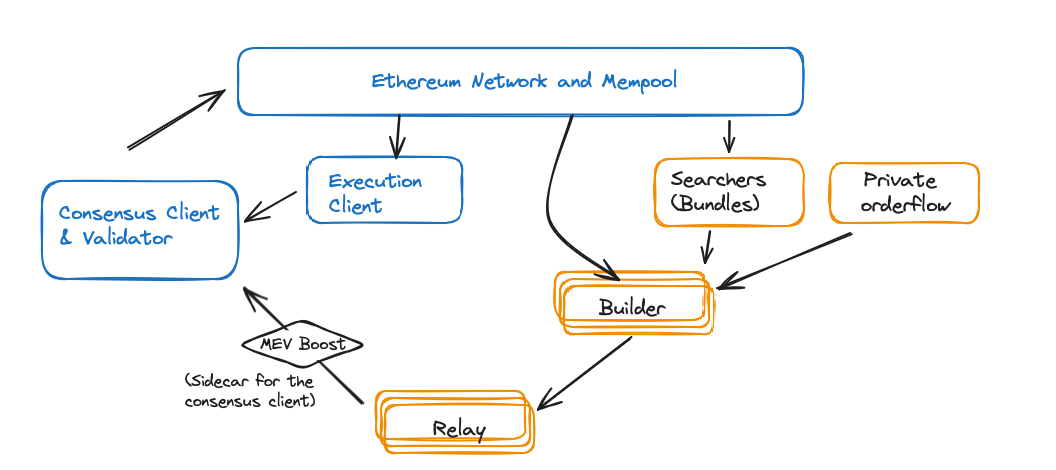
Today, MEV searchers look more and more like whitehat hackers. They lurk in the mempool, sniffing out the next big arb, the next big liquidation, or the next exploitable smart contract. Even for an expert MEV searcher, opening their proprietary algorithms to a team is a huge risk. Once the alpha is shared, that alpha is dead.
The moment a searcher finds some super high return, low competition arbitrage path, involving a partner means sharing the profits and doubling the chance the strategy gets discovered by competitors. The best searchers often work solo, automated trading bots run in Dubai forever and never have a confrontation or show their trading playbook. In a similar way, solo whitehat hackers have saved protocols billions by simply finding and responsibly disclosing exploitable vulnerabilities. They can operate quickly — untethered by the slow-moving bureaucracy of government and the need for consensus.
But the lone wolf route has extreme downsides. The savage solo operator enemy is not the market — it is burnout. The crypto market is a 24-hour beast and a lone wolf must stay on top of their positions, update their code, and constantly sift through the endless stream of new information. There is no one who can step in and cover your shift when you are sick, no one to consult when you get stuck on a tough technical issue, and no one to help you carry the emotional weight of a big round of layoffs.
Additionally, the lone wolf is self-limited by their skills. The entry-level gets higher up as the crypto industry matures. Programming a good smart contract is only one of the many skill sets required to build (and market) a successful protocol as of today, and top-tier advanced cryptography, frontend development, community management, and marketing prowess are required. Are you really that good at taking them on alone? Can you move faster than a well-funded organization with dozens of employees whose only jobs are to code, market and strategize?
The answer is most likely, no, to 99% of the population. The right path can deviate into the independent lone wolf path, but that is the path of elite talent, obsessive commitment, and sometimes, borderline insanity.
Pack Mind — a Power and a Saboteur
If lone wolf is the romantic ideal of crypto, then team is the unromantic reality. All of the most successful and well adopted projects in the space have been built by teams. The brilliance of a team is synergy; the output of a unit of specialized robots is infinitely greater than the sum of the parts. Having a team divides up the labor so the work can progress at an accelerated pace and take on greater difficulties. It offers an existing built-in support structure, a sounding board for hair-brained ideas, and a network that a sole operator could never hope to build. A properly functioning team is a miracle to behold, a finely tuned machine changing the world at breakneck speed.
The teamwork in crypto also has a dark side, which is a fear-inducing abyss. In a trustless system, you can never trust one party to do the right thing, but when you assemble a team, you are immediately injecting trust into a trustless system. And as history has shown over and over again, you can't trust humans with that much money.
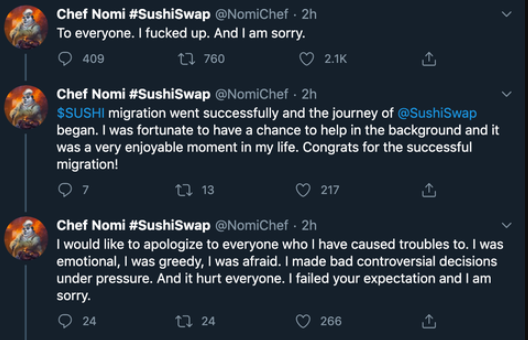
There are plenty of tragic cautionary tales. Take for example the notorious case of SushiSwap at its inception. The unknown founder was able to build up a huge community and brought in hundreds of millions in liquidity. However, it felt like too great a temptation. In a jaw-dropping act of betrayal, the creator sold off the vast majority of the developer fund, just like a rug pull for the community backing the project. This was eventually rectified, as the funds were returned following a wave of community outrage, but it did go to demonstrate just how tenuous trust in decentralized teams can be.
Perhaps worse still was where some of the largest centralized exchanges and trading firms fell to reveal that the firm's inner circle, a small group of friends and acquaintances, had been committing astounding amounts of fraud and malpractice.
Instead of checks and balances, the team dynamic created an echo chamber of hubris and bad risk management. They all blindly trusted each other, and this mutual confidence was what allowed them to bypass normal financial safeguards, and it led to one of the biggest financial catastrophes that has taken place in history. But this team dynamic is the ultimate danger: groupthink, diffusion of responsibility, and being crippled within by a single bad actor inside the inner circle. Now, when you are having secrets with a team, yes, they can betray you at any damn minute.
Walking the Trust Spectrum — Options for Each Player
With such diametric extremes of good and bad in either direction, what path should you take? I know, I know — my answer is more frustrating than helpful, but it all depends on you specifically, your experience, your risk-tolerance, and your project. The world of blockchains has few paved roads and no universal remedy. You have to assess your abilities and the needs of your undertaking before deciding to solo or run with a pack.
Depending on your profile, here are the main options available to you:
1. Pure solo operator. For the ultra-niche, introverted, and laser-focused individual. If your edge is a non-exposed trading algorithm, an apparent MEV strategy or a very particular technical skill, then flying solo may be necessary to preserve your alpha. You need to be OK with solitude, able to govern acute stress in the absence of external support, and you need the nuts and bolts skills to manage all operations yourself. While your security is guaranteed, your scalability is limited to the hours you are awake.
2. Anonymous collective. It is a compromised hybrid which seems interesting in the decentralized finance space. These people are not connected by legal contracts but by multisig and smart contract governance, they are anonymous or pseudonymous coders working together online. Enables skills to bring together talents without revealing the real-life identity. But that also makes betrayal more dangerous. And anything the collective does, if one member pulls a stunt no one else knows about it because for this to work there must be anonymity, but anonymity allows people to pull stunts without anyone being able to hold them accountable.
3. Doxxed corporate team. For projects that need heavy funding and close regulatory scrutiny, the old-school corporate structure is often a must if they are ever to see widespread adoption. KYC — founders expose themselves to the light of day, set up legal entities and sign binding contracts. It is with this that the crypto world has something tangible to lose, removing the risk of egregious acts of robbery or rug pulls. But it adds bureaucratic friction, regulatory risk, and sometimes the threat of internal politics bringing the train to a halt.
Preparing for the Age of Untrust in a Non-Trust World
Many successful Layer 1 and Layer 2 protocols have gone down the path of the Core-and-Community Model. The core technology is developed by a small trusted team, while a wider decentralised community builds out the ecosystem using grants, bounties and independently funded work. It strikes a balance between targeted top-tier engineering, and both the resiliency and scalability of a decentralized network.
Whichever route you take, handling the financial aspects of your operation becomes a daily balancing act. The mechanics of value transfer are important whether you are an individual trader transferring money between exchanges, or the leader of a team paying contributors around the world. You often deal with sending USDT directly to partners, contractors, or your own cold storage.
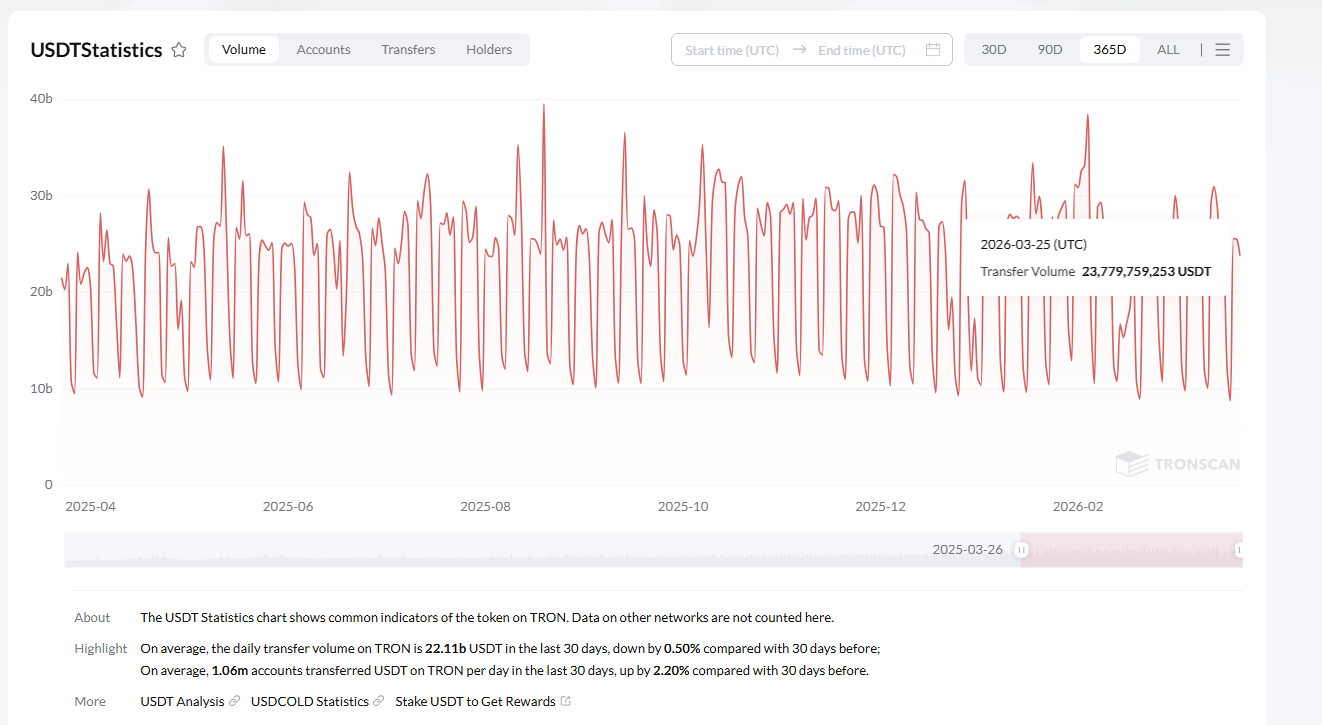
As a result, the friction these transactions cause can snowball into decreasing your available margins or bogging down your operational tempo. This is especially the case on networks where management of resources appears to be complicated. For example, you may be in need of a method for USDT transactions, maybe you are looking for the USDT no gas fee solution to always keep the overhead low. In practice, crypto uses a blend of self-custody where the things you use to manage your own funds are as important as your choice of whom to trust.
At the end of the day, it boils down to a choice of risk — to go solo, or to build your team. The lone wolf enjoys the trade-off of burnout and decreased bandwidth for total safety and control. The team builder balances the risk of betrayal and other costs of coordination against the potential for scale and synergistic strength.
There is no right answer or wrong answer, only the answer that is most consistent with your goals and your psychology. You might opt to build a team to join the project, but such decision must be made with utmost caution and secure measures — multisig, strong protections, and legal or smart contract barriers. Trust, but verify. Go solo, of course, but that means you must be ruthless with your time, automate everything you can, and protect your mental and physical health as if your life depended on it.
Operational Efficiency and Resource Management
Such is the nature of the stakes in which we find ourselves; the difference between success and ruin can come from one private key that is compromised, or one treasury that is mismanaged, so operational efficiency is key. Every transaction, every interaction with a smart contract, and every resource must be used efficiently.
So that leads us to the technical realities of trading on major blockchains. One notable point is, for example, TRON has to manage your Energy and Bandwidth on a daily basis. If these resources are not optimized, it results in expensive fees or failed transactions, an annoying fact if you are the person trying to transfer capital quickly. The complexity surrounding the management of these network-specific resources means users are often forced into pain-point ridden workflows that take them away from what they set out to do in the first place — be it a trading strategy they can fire up alone or a protocol launch with a large team behind it.
We cannot stress how much the psychological burden of working in the crypto market is. Regardless of whether you operate a team or are soloing it, the endless stress of maintaining digital assets in a wildly unpredictable market weighs heavily on mental health. The fear of missing out, the stress of possible hacks along with disorderly financial transactions may trigger major burnout.
Hence, you need to create strong operational processes and employ tools to make it easier for you. Operators can offload the cognitive load that comes from routine tasks through automation and further move the needle away from friction in value transfer, allowing for higher-level strategic decisions. Resource management is not only an aspect of financial optimization; it is key to sustainability in the crypto sector.
Given the manipulation of digital resources and shared environments, more agreements are instead being enforced via smart contracts, organizations run by decentralized autonomous organizations, and proof that people who say they own or manage digital resources are really doing it — all without a reliance on human integrity. This movement signifies a paradigm shift in our conceptualization of collaboration and trust in this digital age. This provides teams with more security because the rules of engagement are baked into the protocol.
Netts Transfer Tool helps you to get your resources organized, whether it be your own lone wolf in the shadows type of secret holding or sprawling decentralized team route.
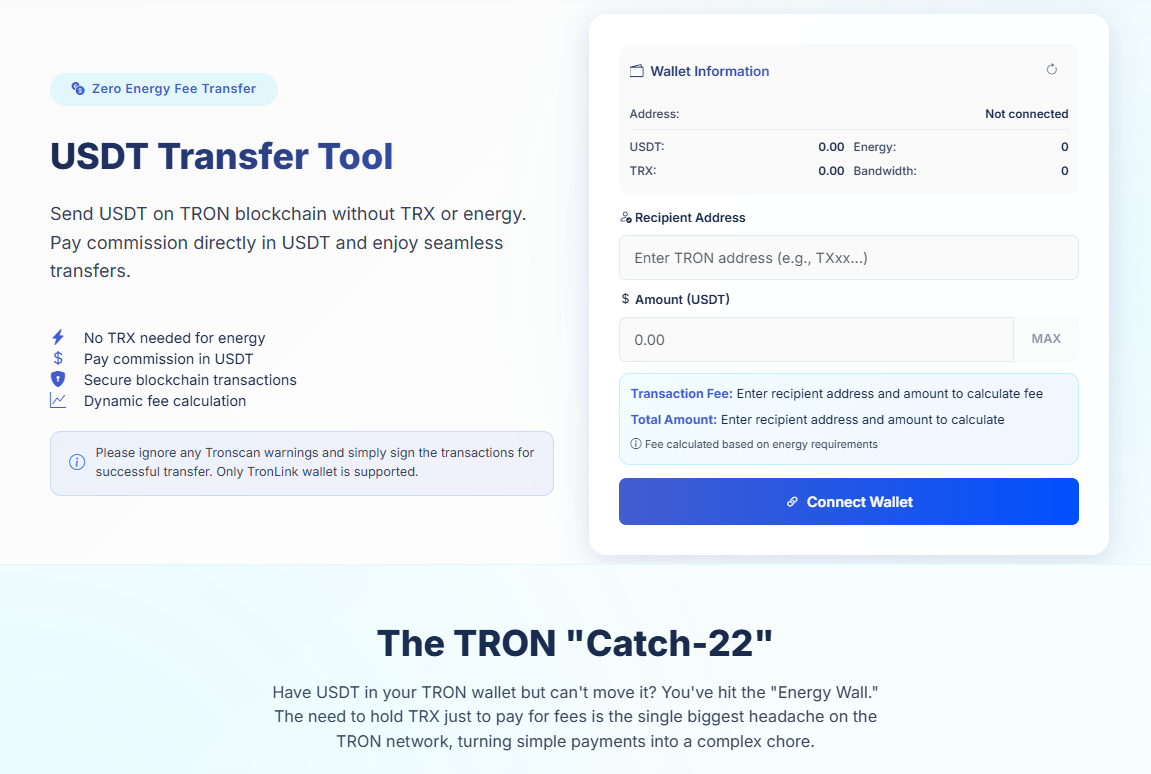
Netts offers you a seamless non-custodial solution, enabling you to make USDT transactions with 0 TRX needed & experiencing USDT with no gas fees by paying the commission in Tether itself. Netts handles your transfers faster and more securely by automatically delegating the necessary Energy and Bandwidth, allowing you to step up your crypto wild west game.