New Generation of Cryptousers - Who Are They?
Who actually uses crypto now: normies, remittance users, gamers, degens, and professionals — and what the next cohort expects from wallets and apps.
To fully appreciate this seismic moment in the landscape of cryptocurrencies, however, you need to start by going on an archaeological dig into the digital strata from a decade ago. The first generation of adopters — the “Genesis Generation” — were wired differently, in the wake of global financial crash of 2008. These weren’t the day traders or meme-chasing speculators we see now. They were the architects, the cryptographers, the cypherpunks and libertarians who gathered in shadowy mailing lists and forums like Bitcointalk. They also remembered the day Satoshi Nakamoto released the whitepaper, not as a buying indicator, but as a declaration of independence from a dying monetary system.
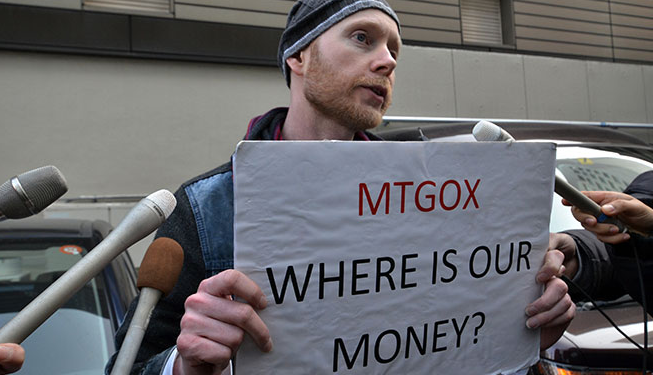
The composition of this early cohort was biased heavily towards the technically literate. Purchasing Bitcoin in 2010 or 2011 wasn’t as simple as downloading a user-friendly app from the app store. It was a barrier to entry that depended on technical skill. One needed to learn how to compile software, manage private keys in command-line interfaces and navigate the murky waters of early exchanges such as Mt. Gox.
Most of them were millennials and Gen Xers, products of a generation coming of age during the internet’s awkward teenage years. They recalled the days of dial-up modems and of an early web that had not yet been polished to a high gloss. This barrier to entry – being able to play an obscure game on a primitive computer through an arcane network – ensured the community was small, close-knit and motivated by shared ideas rather than profit.
For these first settlers, the appeal was philosophical. They were fueled by deep mistrust of central banks and government overreach. They witnessed the devaluation of fiat money via quantitative easing and wanted a solid, mathematical replacement. “Sound money” was their religion. They had grown up in a world where financial privacy was disappearing, and they saw cryptography as the only defense against the surveillance state. They didn’t seek a “Lambo”; they sought sovereignty. The market volatility was a price that they were willing to pay for the opportunity to be part of a financial revolution. A 50% price crash wasn’t cause to panic sell; it was a test of conviction, a “hodl” moment that made them stronger. They were mining Bitcoin on their CPUs not to get rich, but to secure the network. The romanticism of the technology — the beauty of the blockchain — was just too enticing.
Gen Alpha Shift: Memes, Velocity and Status
Fast forward 15 years and the demographic terrain has been terraformed in ways barely imaginable. Enter Generation Alpha and the younger fringe of Gen Z. These are real digital natives, the “iPad kids” who’ve never lived in a world without high-speed internet, touch screens or social media feeds curated by algorithms. A few are quite literally younger than the Bitcoin network. For this new specimen, the onboarding ramp isn’t a dense technical whitepaper or a libertarian manifesto; it’s a fifteen-second TikTok clip, a viral tweet, the notification from a Discord server.
It's a different mentality, this new generation. They have been raised at a time of hyper-financialization and gamification. For them, digital assets are intuitive — they have spent their childhoods buying skins in Fortnite or items in Roblox. To the current generation of gamers, paying real money for a completely digital item isn’t a stretch; it’s their default setting. But their approach to crypto couldn't be more different than the old gang's. They may not necessarily be on the hunt for a new monetary system or an inflation hedge. They are searching for a cheat code to win the game of life.
Raised in an economic context of runaway housing costs, stagnant pay and the looming threat of climate change, many in this generation suffer a profound economic nihilism. The old path — graduate from college, find a job, save 10% of your paycheck — seems to have led to a dead end. As a result, they are seeking unreality. They want the 100x, the 1,000x, the “moonshot” that will take them from a childhood bedroom to a life of yachts and caviar all in an afternoon’s market cycle. The “Lambo” isn’t just a car to them — it represents an escape, a real sign that they outsmarted the system.
This longing for hyper-speed outcomes has discarded a lot of the idealism of those early times. For this demographic, it’s irrelevant to the point of nonsense whether they’re buying Bitcoin, a fraction of a bar of gold or a token named after a viral internet frog. Their basis is often not really the technology. They don't give a shit about block sizes, decentralisation ratios and how hard it is to censor. They believe in “Number Go Up” technology. That detachment from the mission is why its leaders have such a peculiar relationship with risk. A rug pull — when developers drain the liquidity and disappear — is not looked upon as a systemic tragedy or a moral failure. It’s just a mechanic of the game, a known danger like a trap in a dungeon crawler. They understand the casino is rigged but they play anyway, because they think they can beat house or leave before the music stops.
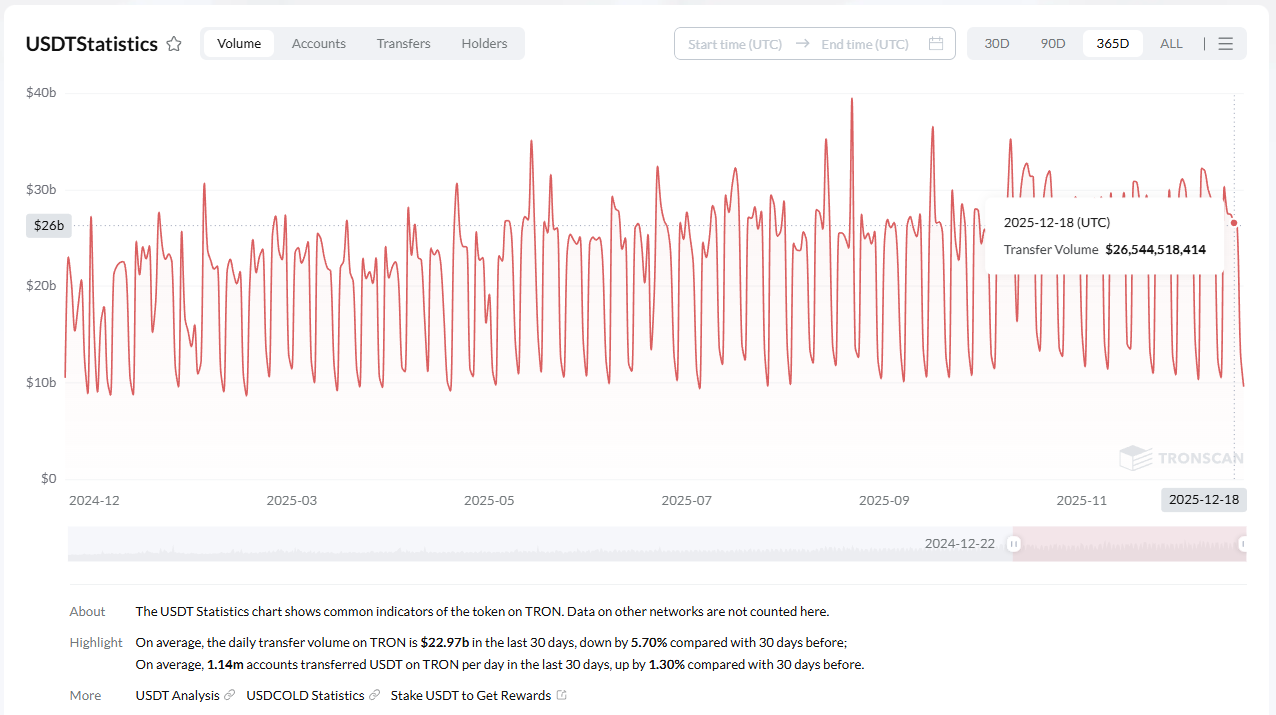
We can see it in the way they respond to their environment. They are mercenaries of liquidity. They will bounce from chain to chain in pursuit of yields and airdrops with a speed that makes no sense. They are not loyal to any blockchain per se. They use TRON if transfer fees for their USDT is cheaper on the blockchain. If Solana is pumping, they go to Solana. This pragmatism is a two-edged sword. On the other hand, it results in large adoption and liquidity. On the other, it sows a market culture that rewards empty-calorie projects and short-termist attitudes. They are not “investing” in any traditional sense; they are “aping” into positions on the basis of hype, vibes and community feeling.
Influencer Industrial Complex and Distortion of Reality
The blast of influencer culture has also spurred — and shamelessly played into — this change in user psychology. Instagram, TikTok and YouTube make up the new schools of higher education for a generation of crypto newcomers. But the program can be terribly misguided. The “investment advice” being given on these platforms is seldom related to market fundamentals, risk management or technical analysis. Rather, it is lifestyle marketing masquerading as chart patterns.
And influencers know exactly what their audiences want. They rent mansions in Dubai or Miami, lease supercars and photograph themselves with swathes of cash to give the impression that trading is a simple route to riches — fast. They are in danger of normalizing extreme risk-taking and continuing to push more and more people toward making bad decisions. (The story is always the same: “I turned $500 into $50,000 in a week, and so can you if you just join my private group.”) This is a pretty severe survivorship bias. The newcomer can view the one trade in a million that brought millions, but never views the thousands of portfolios that ended at zero.
These conditions are tantamount to a toxic allergic reaction to boredom. Real investing is typically boring — it requires patience and persistent inaction over stretches of time. But the “TikTok brain,” wired for constant distraction and instant dopamine hits, cannot abide stasis. As a result, users are steered towards high-leverage trading and obscure meme coins offering the right level of volatility to satisfy that rush. The influencer culture commoditized trust and turned followers into exit liquidity. So when a young user gets rug-pulled or rekt because they followed the advice of their favorite streamer, often they don’t blame lack of regulation or their own lack of due diligence. They curse the game, shrug and look for the next pump. Then it turns into a self-fulfilling prophecy, as the market is not considered as a semi-coop economy, rather than a PVP one.
Silent Builders and Prodigy’s Path
But it would be far too easy to tar an entire generation with the same brush. It would be simple to stereotype Gen Alpha and Gen Z as dopamine-addicted gamblers with no concentration span, but beyond the bashing, we need to discuss how they are not all this. A redeeming few — a “Remnant” — have the technical savvy of the digital native, matched to the ideological passion of tech’s early adopters.
These are the young who look around themselves and see, despite all the censorship and deplatforming and frozen bank accounts and everything else entailed by surveillance capitalism, crypto not as a casino but as a lifeboat. They are still in the game of disrupting and changing things because they want to make the world a better place.” Both types can be found on the deeper threads of Reddit forums or in long-form YouTube essays that deliver thoughtful commentary, there they are — but builders are impossible to miss. These individuals may be younger, but they are as steadfast in their dedication to the principles of decentralization as were the cypherpunks of the ’90s. These users are usually less vocal than the “moon boys,” as they may be busy building or learning. It’s the ones donating money to open-source repositories, booting nodes from their dorm rooms and engagidng in governance discussions for Decentralized Autonomous Organizations (DAOs).
To understand the potential of this younger generation if motivated properly, consider narratives that bridge the chasm between early adopting and youthful dream. This includes a young man with the name of Erik Finman. His story is inspiring evidence of what can happen when a young mind dismisses the conventional wisdom to take on the turbulence of the new digital economy with genuine belief, and not just speculation.
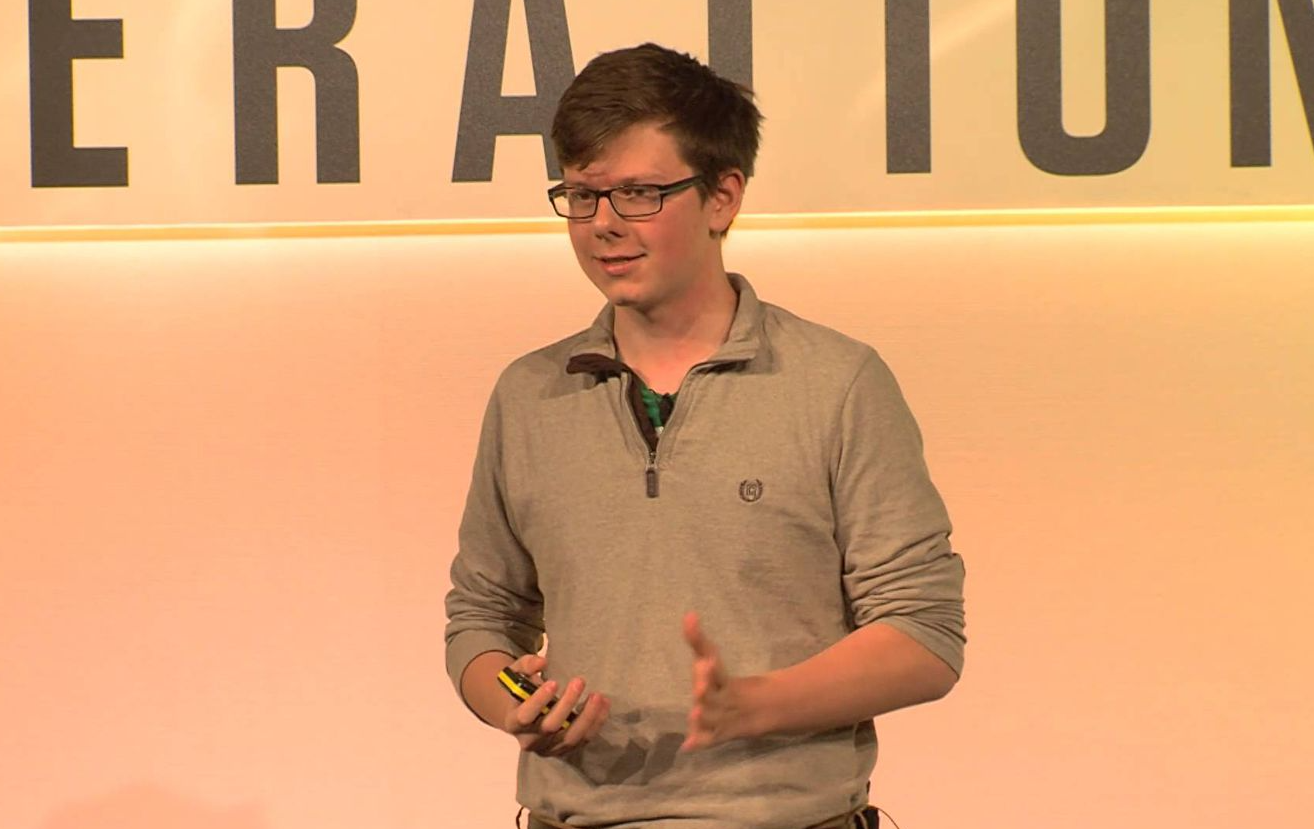
Erik Finman did not follow the traditional path of a college-bound kid from suburban America. He was bored by the old-fashioned education system, a factory for creating obedient workers rather than creative minds. He felt out of touch with his teachers and the curriculum, and like the world was changing faster than textbooks could catch up.
At age 12, when most kids his age fret about middle school social dynamics or video games, Finman was already thinking larger-scale in terms of the economy. That May, he worked out an unusual agreement with his parents. He bargained to drop out of the typical college path in favor of an unorthodox education if he could earn money as an investor. “The expectations were out of this world, as if in some way they were expecting him to fail and come back to the flock,” he said. He needed to turn $1,000 that his grandmother gave him into a life-changing $1 million.
For a 12-year-old, it was a Herculean struggle, but Finman tackled the problem with an age-defying wisdom. He wasn’t chasing the latest fad or going for a quick flip. He looked for fundamental value. Finman did work hard to get there, though — he invested $1,000 in the current price of Bitcoin (at $12 per coin) and was able to sell it when it hit just over $10,000 in 2018. When most of the world saw it as a “magic internet money” for thugs and drug dealers, Finman saw its potential in a young technology. He clung on through the crashes, the doubts, the ridicule.
The ecosystem grew, and so did he: Just like that, he diversified into a handful of other virtual currencies, buying Ether, Ethereum’s native currency — which was just the sort of thing an early adopter would snap up before smart contracts became a catchphrase in the halls of mainstream finance. Finman and others like him can rightfully lay claim to have stayed in the crypto game longer than almost anyone else, even though his success with Bitcoin doesn’t necessarily translate into being a savvy traditional Wall Street investor. His is not just a tale of luck; it is one of conviction and the rare gift for recognizing value where others see risk.
20th Century and Efficiency & Quest for Value
As the market continues to develop and evolve, millions of new users are entering it every month and the world is gradually talking more about operational efficiency than sheer speculation. The younger generation too, although frequently on the lookout for short-term profits, is increasingly cost-conscious. They are coming to understand, in a high-frequency trading world, fees are the stealth assassin of portfolios.
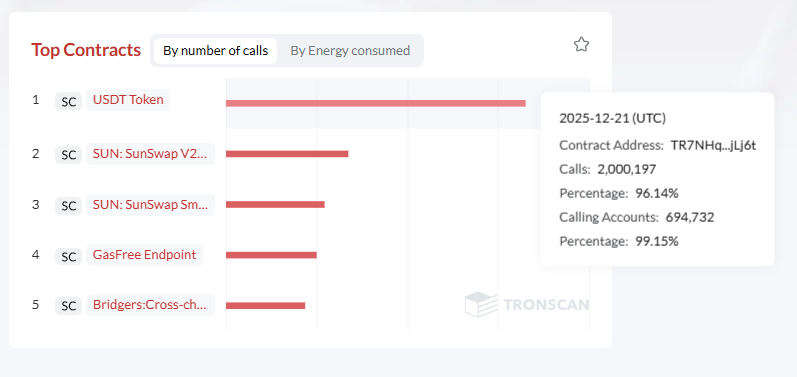
Playing both sides of the trade with a fool who will cost them most of their money playing this particular fool’s game is no longer a fun and games proposition. This is especially the case for those working on the TRON network, which has emerged as something of a highway for stablecoin transfers, given its speed and low fees. Savvy users are now using resource scheduling on our control plane to maximize their return and avoid waste.
Here is where the idea of resource management enters into play. Transactions on the TRON network use “Energy” and “Bandwidth.” Burning TRX to fund this energy is the default, but the most costly method. Savvy users, whether individual traders or big exchange operators, have been realizing that they can simply rent out TRON Energy instead. It's how they're able to conduct transactions — especially USDT transfers — for a fraction of the cost. The TRX Energy market has skyrocketed, as participants realise they are better off renting rather than burning out TRX. It’s a sign of a maturing market where people aren’t just betting but actually controlling their operational costs. Cheap TRON Energy finds have now become the bread and butter of a daily trading routine for both traders and businesses. They know that every dollar they don’t have to pay for fees is a dollar they can reinvest.
For the new wave of crypto adopters, these "your wallet is your contact book" tools are a must have. They don’t want to get stuck with technological inefficiencies; they want the system to work for them. They want the best rates and the smoothest ride. This need has created aggregators and marketplaces that try to help make the process more transparent. In this energy rentals frenzy, hunting for the best deal can be as fierce as trading the tokens themselves. Provider pricing can vary significantly across providers, and for a generation obsessed with optimization, overpaying is sacrilege.
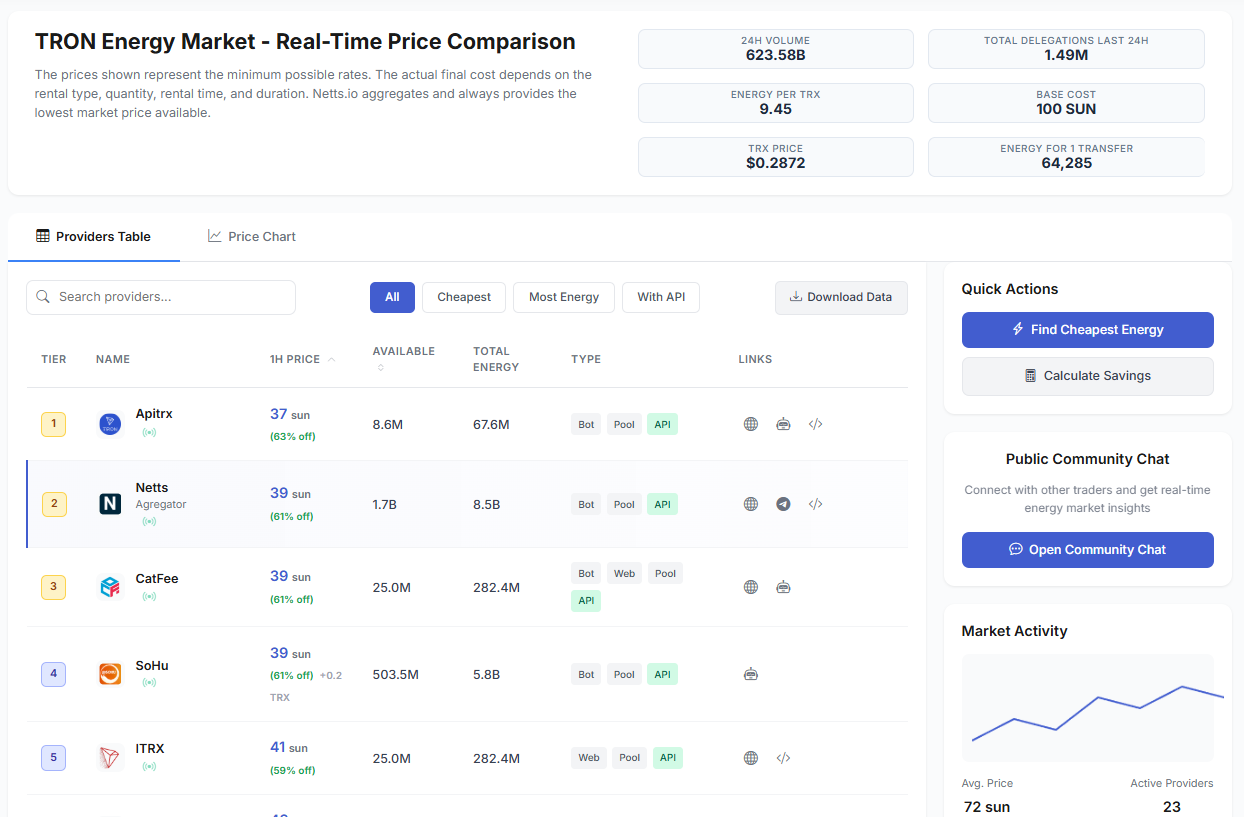
Services like Netts are on hand to try and fill that gap, proxying as an essential resource for the contemporary crypto user in pulling together information from more than 20 providers which count Feee.io, JustLendDAO and many others, so that users can always find the lowest market price. Netts is the world's first Energy market for energy products on TRON, with base prices as low as 34 sun — much lower than the market average – designed explicitly for cost sensitive, high-velocity users who want to make real time price comparisons.
The platform records a huge volume with over 463.78B in 24h volume and 1.71M delegations, showing that the demand for energy-efficient solutions is huge. For one-time transactions and larger scale activity, Netts abstracts all the complicated backend of blockchain resources down to simple, cost-saving user interface; making it the next natural step in crypto user progression: wiser, faster, more productive.