The Future of Crypto — AI & Robotics
Where autonomous agents, robotics, and blockchains meet: machine-to-machine payments, verifiable data, and the promise — and risk — of automated economies.
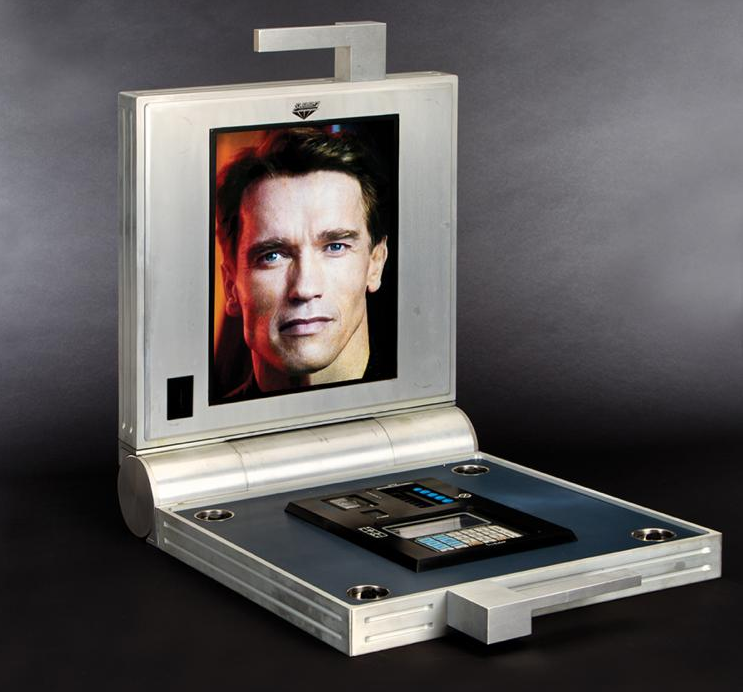
As we look back at the 20th-century cinematic classics, we might smile when they show us an imaginary future. We reminisce about the kludgy, wall-sized screens in Paul Verhoeven’s Total Recall, where video communication through a spy suitcase was hyped as a miracle of futuristic technology. The notion of actually seeing the person you were talking to in real-time at the time seemed a long way off, a marvel best left for some far-distant time. But video calls are the new normal, even the banal — a feature of the device in anyone’s pocket. We have leapfrogged beyond those dated visions with an offhand deftness that might be ever so slightly shocking.
We see the communicators on Star Trek and compare them with our smartphones, which are orders of magnitude more powerful. We see Rosie the Robot, the cycloptic-hair-care-machine and other early form Roombas vacuuming our floors — with a little less sass for now. The flying cars of Blade Runner may not be waiting around the corner yet for mass adoption, but what digital toolbelt moves outside of hyperspace? We are no longer just staring into screens; we are designing intelligences that can look back at us and, by inference, know us in a way that Kant would say exceeds our own self-understanding. The future is no longer just about communication; it’s about presence and independence.
The rate of progress in contemporary artificial intelligence research is nothing less than stunning. All in the span of a few years, we moved from chatbots that could barely understand syntax all the way to complex, reasoning agents that know how to write code, compose symphonies, and diagnose patients. Examples such as the recent versions of GPT and self-driving vehicles have demonstrated that the synthetic mind is no longer a dream but a reality.
These minds can plot and reason their way through intricately detailed systems of activity without human involvement. But a brain, however brilliant, is constrained when confined to a server farm. It requires hands to shape the world and feet to walk through it. This is where the other half of the revolution kicks in: robotics. Robot hardware is advancing at neckbreaking pace, rapidly catching up to the software that drives these machines. What we are looking at here is the early birth of embodied AI: the combination of a sophisticated robotic base with an extremely high-level synthetic mind. This convergence is making science fiction into our daily reality.
This silicon/steel hybrid forms a new order of being. We are now entering the age of “autonomy” when a machine decides what is the best way to achieve a goal, rather than merely repeating a pre-programmed task. Picture a world where the kludgy industrial robots of yesteryear have been replaced by sleek machines that hum with quiet excellence, like the latest models out from the companies now dominating this industry, or even the recent stuff coming from up-and-coming contenders. They’re not programmed robots, repeating one motion at a time on an assembly line — they’re adaptive organisms.
Combine a robotic body that can move around the physical world with AI sophistication to understand context, intent and nuance, and you have something new: Another form of “life” that can participate in the human economy. But here's the big question: how does this new, made animal workforce work, financially? A robot can’t walk into a bank to open a checking account. It cannot write its name on a credit card slip. The model of old-school banking — the one where we had to verify every single person’s identity before conducting a transaction, and the system involved days or weeks of delay for payments — doesn’t work so well with high-speed autonomous machines. This is where the cryptocurrency becomes the unstoppable life force of the robotic future.
Enter the Crypto
Crypto is the currency of the internet, and via robots, it will be the currency of them. It is permissionless, without frontiers and programmable. In the world we are creating, a personal assistant robot will need to be able to manage its own finances. Imagine a scene ripped from the film I, Robot, in which a machine strolls into a store and walks out with a package or perhaps groceries. In our depiction of the future, that robot doesn’t simply surrender a credit card; in milliseconds, it carries out a wallet-to-wallet transaction with a cryptocurrency.
This is confirmed and it takes place immediately, without waiting for a central authority to verify that. The robot checks whether the goods are good, the merchant’s machine checks that the payment is good, and they swap. But the consequences go well beyond what happened with simple retail purchases. When paired with robotic labor, and crypto payments, the door is open to an entirely new class of business model which was simply impossible to execute.
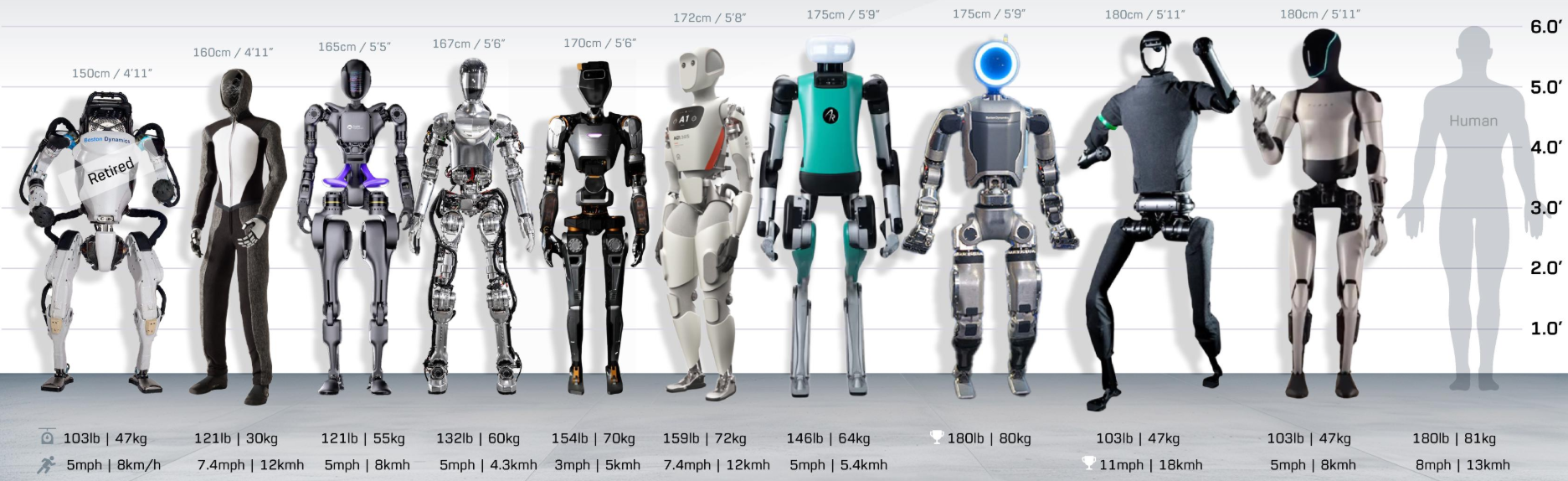
Just think about the idea of a robot rental service. But if all goes according to plan, in the not-so-distant future, you too might be able to own a human-form robot that does your bidding — provided you have thousands of dollars in disposable income. But, just as we rent out our spare bedrooms or our cars today, we will be able to rent out our robots. When you are asleep or at work, your personal assistant robot may be out in the world, doing tasks for other people. Maybe it’s delivering unusual packages, cleaning up a local park or keeping watch over the neighborhood for some special event.
You’d receive payment for these services directly into your crypto wallet. This “gig economy for machines” needs a frictionless payment rail that can process thousands of micro-transactions per second. You can’t computerize the process of paying a robot every time it does something, or completes a particular package delivery. Such a degree of granularity and speed is achievable only using a blockchain-based financial system.
The machine economy will work on a scale and speed that human commerce can’t. Robots don’t need to sleep, and they don’t second-guess. A pack of self-driving delivery bots could barter for right-of-way on a sidewalk with micropayments — one bot paying another some fraction of a cent to let it pass. This would necessitate a high volume throughput blockchain that can handle thousands of transactions per second for low fees. This is where the materials science of blockchain networks become critical infrastructure. In this ecosystem, efficiency isn’t just a measure; it’s survival. A robot that throws away money via transaction fees is a robot that’s failing its master. Next we illustrate how optimization of blockchain resources becomes a fundamental algorithmic task of the synthetic mind.
TRON - Blockchain of the Future
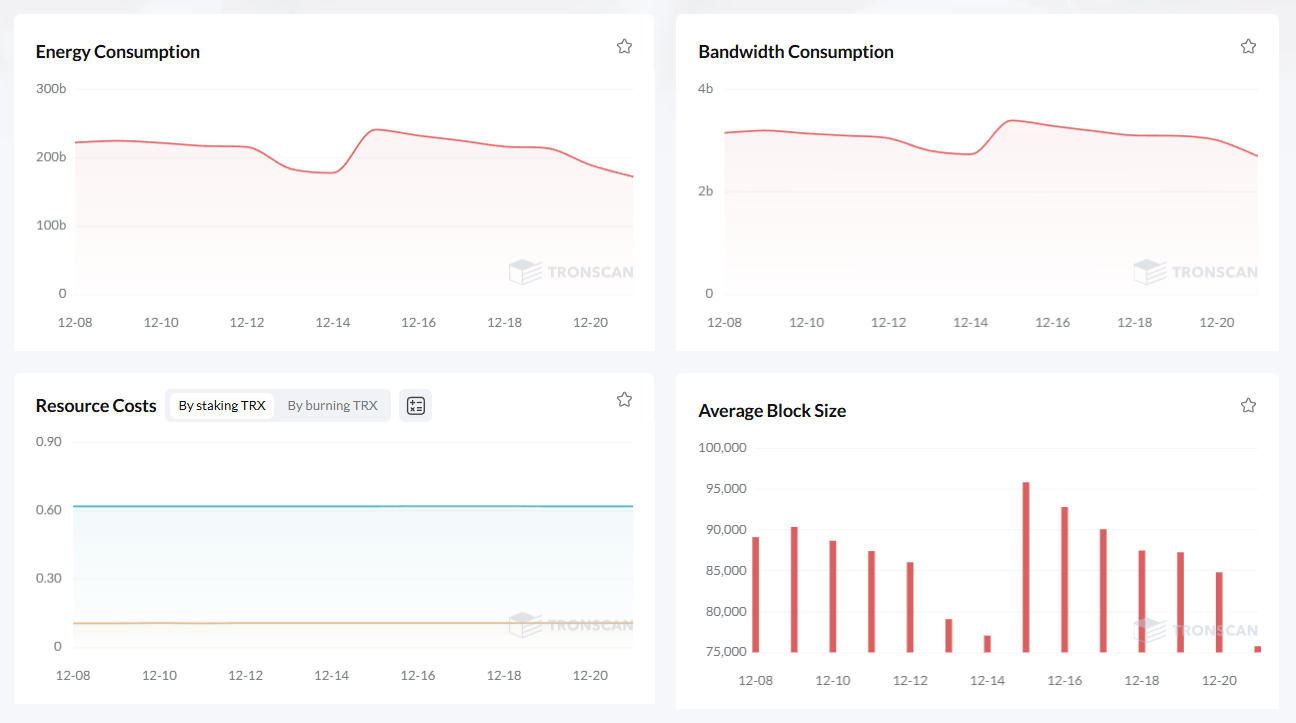
And one of key dimensions of digital resource management in this new machine economy. In the same way that a robot requires an electrical charge to function and move, it also needs blockchain resources to communicate with the network. High performance blockchains like TRON also consume resources in order to interact with the network; these resources are called Energy and Bandwidth. For a user, handling them would be easy. But for a fleet of thousands of autonomous robots that must handle millions of transactions a day, time is money. Note: If a robot had to burn the native token for every transaction fee, it would result in absurd fees. It won't be a question of horsepower, but rather incredible resource management. We will also witness protocols targeting TRON Energy renting automation, where robots rent the Energy they demand to process their transaction bursts in real-time and release it when idle.
Automation for renting Energy will be as important to operating a robot as charging its batteries. A smart robot will reason about the to-do list it has in hand: “The next hour I have fifty things to deliver. It will then measure the possible blockchain resource necessities for fifty payments and fifty smart contracts. As a third step, it will also rent, at the same moment in time, just enough Energy from a decentralized marketplace to sequentially solve it and keep it locked during the completion of the task.
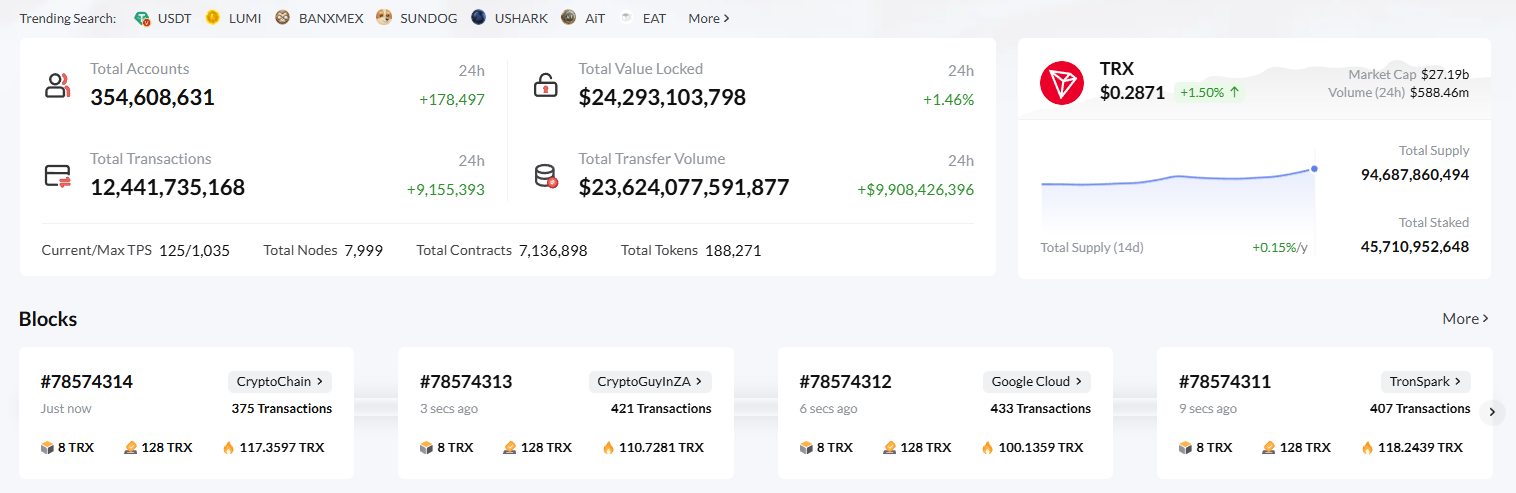
Such an optimization is feasible only with the programmable properties of crypto assets. The robot is in effect able to hedge the cost of operating at any given time, but without allowing costs in terms of disparity between labour-profit and network fee eat into profits being realised by labour. This is beneath the surface of the robotic economy — It’s always a negotiation, for digital bandwidth and processing power.
And the robots won’t just be bringing home the bacon; they’ll be buying it on their own. A complex machine requires maintenance. In a mature robotic economy, a robot will not only be able to order parts for itself but also diagnose its own wear and tear. If a servo motor in its arm has gone bad, the robot may scour the global marketplace for a replacement part — haggling with one of perhaps thousands of other automated suppliers and paying using the digital currency it has earned. And, in more modular designs, it might even schedule an appointment and have the part sent to its destination for installation by itself. This entire supply chain — from the diagnosis to the procurement to the delivery — can occur with virtually no human intervention, fueled entirely by smart contracts and crypto payments. The bot is resourceful and will always have enough money for repairs, power and upgrades.
It All Clicks Together
The nexus of AI, robotics and crypto also fixes the trust issue. Trust is formed in human trade through reputation, law and face-to-face encounters. Trust in machine commerce is built on code. If you dispatch a robot to fetch an expensive object, how can the seller be sure it is authorized to pay? Funds could be held in escrow by a smart contract and released only when the robot verifies physical possession of the package. This "delivery versus payment" is trust-minimised and secure. The robot is emancipated as an economic agent, so that it can act for you even when making complex transactions on its own. We will also witness the emergence of decentralized autonomous organizations (DAO) made up solely of robot fleets, which come together to feed computational cycles into software updates or growing their numbers. The distinction between a tool and an actor in the economy will be, at times, indistinguishable.
We’re on our way to a future in which owning a robot is like running a little business. The robot is both the employee, the manager and the infrastructure. It functions, it generates income, it meets its obligations and deposits the profit into your account. This has the potential to radically alter work’s social structure. If much of the population is in possession of robotic labor, then I could imagine a Universal Basic Income being offered not by the government but as byproduct of one’s robotics horde. But it all requires a strong foundation in the underlying crypto infrastructure. The network needs to run constantly and securely — and for practically nothing. Which is why the particular emphasis on resource models such as TRON’s Energy and Bandwidth is super relevant. It is a model that decouples the value of the network’s utility from the speculative value of the token, allowing for more predictable operating costs.
And PA robots with AI and crypto are perfect as these devices can provide a measure of privacy and security not possible in traditional finance. Unless your robot is purchasing sensitive medicine or making a super secret donation, the belief in crypto as protection against data-selling by credit card companies isn’t rooted in reality. The “cyber money” is made in the shape of the “cyber being.” It is a digital-native solution for a digital-native entity. And as these robots gain in popularity, the way we think about money itself might begin to change. Cash is physical and fumbling; credit, digital but chained to identity and banks. Crypto is raw value, moveable by code. For a machine that thinks in code, crypto is the only way to transact. It circumvents the friction of legacy systems, so that the robot can interface directly with the value layer of the internet.
So Close, Yet Still Far
The transition won't be immediate. Renting robots to others and getting payments in crypto could be big later on — as not many yet will be able to buy their own robot at first, once society fully embraces this new technology. Early adopters will also blaze the way for a new form of economy, perhaps with small fleets of robots doing dangerous or repetitive work. We may see “robot agencies” where you can rent a particular model for the day, paying in a Bitcoin asset. These are agencies that will have to realize it's not just about the hardware being best, who is going to be most efficient on-chain. The victor will be the player who can execute algorithmic thrift, eking morsels of efficiency out of both battery and blockchain. There may be a thin line between a successful robot and an unsuccessful one when considering how efficient are its TRON Energy renting automation strategies.
This intricate ecosystem will probably have a range of robotic intelligence and financial power. At the low end, dumb sensor-bots that flood data en masse for micro-payments. In between, labor-bots who do physical work. And up top, manager-bots pacing fleet-wide, optimization of logistics and financing. These manager-bots will be highly sophisticated AI agents, constantly combing the cryptocurrency markets in search of yield, just as they do energy markets and labor demand today. They will be day traders of the physical world, arbitraging labor and energy from place to place.
As we move deeper into the 21st century, the separation of the digital economy and the physical economy will begin to disappear. Your robot, your AI agent, and your crypto wallet will be the nodes in a single fluid network of value and action. Verhoeven and Asimov’s sci-fi fantasies not only are coming true, but they also are becoming something much more complex and interesting. In other words, we are creating a world in which machines work not only for us but also with us: They talk to us, they deal with us, and another of their central jobs is just that — helping us construct a more efficient, automated abundance. The next great robot isn’t just a machine — it’s a banker, a broker and accountant all in one carbon-fiber chassis.
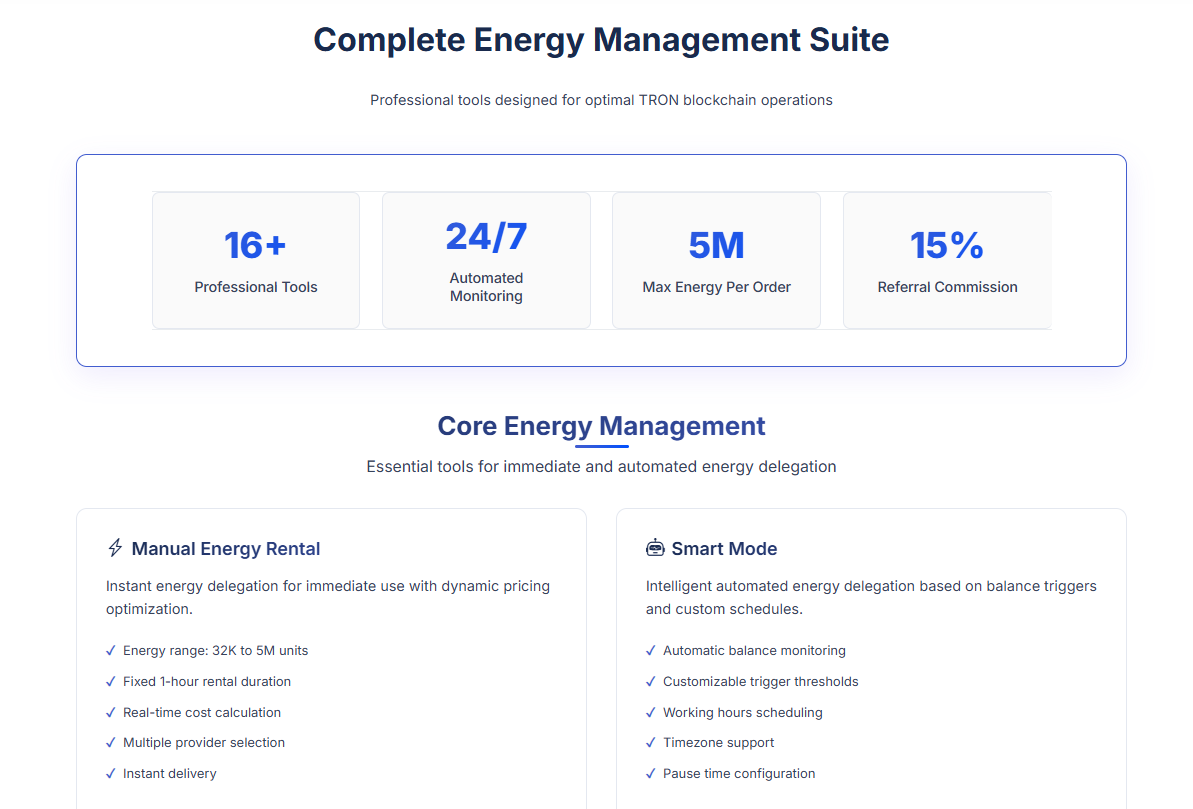
And for those who want to see how a digital fuel for this new economy could be managed today, platforms such as Netts Workspace offer a window into the future of resource optimization. For professional TRON Energy management, users can automate delegation with intelligent scheduling and real-time monitoring. Supporting both smart and host tools, and offering a dashboard for financial tracking that makes it the kind of infrastructure that will one day power the autonomous fleets of the world. It is that move toward frictionless delivery of efficiency and utility which will characterize the next era of digital assets.