Internal Structures of Different Crypto Companies
Flat crypto orgs vs. legacy giants: lessons from Binance’s remote hustle, NVIDIA’s famously flat tree, and how structure follows regulation and culture.
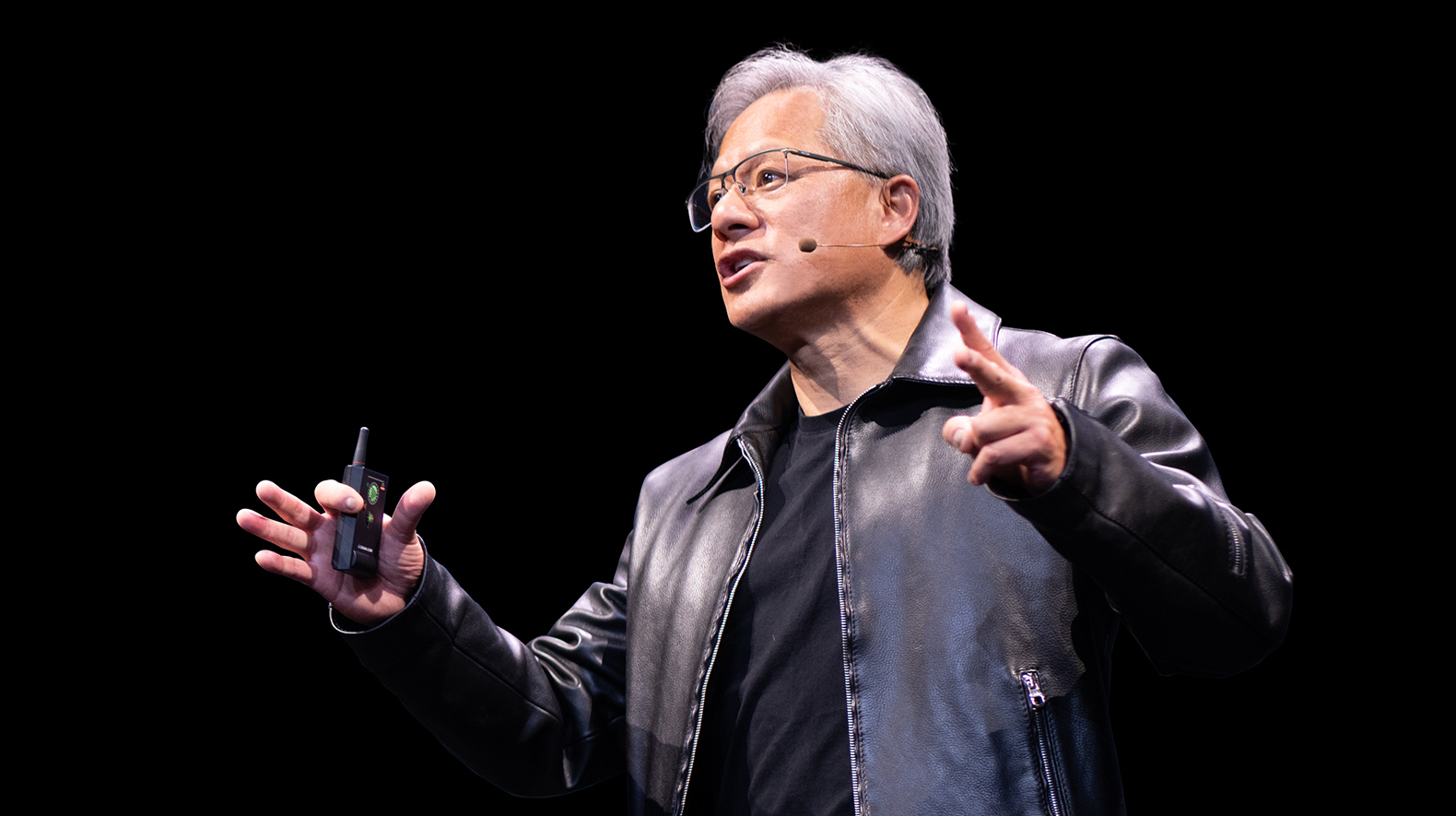
Legendary Jensen Huang, the maverick CEO of NVIDIA, has become an iconic figure in modern management not just for his preference for leather jackets but also for an unconventional – and highly successful – take on corporate structure. He is well known for famously eschewing the standard middle-management layers that gum up most Fortune 500 companies and are seen by him as just so much unnecessary friction in the machine of innovation. Huang has been quoted explaining his philosophy, saying he tries to have as little bureaucracy as possible to keep the flow of information clean, quick and unfiltered.
He’s said to have more than fifty direct reports, a figure that would cause most corporate CEOs to die from heart failure, but he sees it as an intentional architectural decision: he wants to be fed straight into the heartbeat of his org without having things filtered and distorted on their way up. He thinks no job is too menial, and a flat structure means speed — the only currency that counts in tech.
He doesn’t go into one-on-one meetings. This makes it so that everyone has the same information and nothing is cloaked in secrecy, which removes politics, or someone having all the information because they’re hoarding it. Huang is known to join interns in the cafeteria for lunch and respond to emails with brief, poetic replies, a tack that might be expected from a CEO of a trillion-dollar company. This “intellectual honesty,” as he calls it, takes the truth over the hierarchy.
This “flattening” of hierarchy is something that very much rings true in the cryptocurrency space, where the ethos of technology centers on decentralization, disintermediation and code over corporate ladders. But the internal organs of crypto businesses all look dramatically different from each other, anywhere between chaotic anarchy to militaristic hierarchy, and compared with traditional giants like Microsoft or Coca-Cola unearths strange divergences in how human beings pow-wow together across world-wide distances to produce value in the digital era.
CEXs and the Binance Swarm
The most important stop on the crypto structure spectrum is the centralized exchange, and Binance stands out as perhaps the perfect example of a new-age “crypto” corporate entity. For a while, Binance even ran under an even more radical philosophy than NVIDIA’s — it said it did not have a corporate headquarters at all. In that vein, Binance's enigmatic founder Changpeng Zhao famously said that his office was "wherever I sit" in a brazen rejection of the Westphalian notion of corporate domiciling.
That move-fast-and-break-things, nomadic model allowed Binance to operate at warp speed, racing ahead of both regulators and rivals, rolling out features and listing tokens while others were filling out paperwork. Their staff members were spread out over time zones, working asynchronously in a manner which sidestepped the 9-to-5 tradition altogether. The gulf is massive if we compare that to a company like Coca-Cola.
Coca-Cola is a wonder of logistics, and of the localized corporate structure. It has a huge, physical headquarters in Atlanta, but it spends and does all that work through a militaristic structure of regional franchises and bottling partners. Every decision at Coca-Cola trickles down through protocols to make sure a Coke tastes the same in Nairobi as in New York. Binance in its early years was the opposite of this; it was a global swarm.
Whereas Coca-Cola has decades of physical infrastructure and legal agreements, Binance built itself on cloud servers and remote teams linked by upstart Telegram groups and Zoom calls. They employed a volunteer army, referred to as “Binance Angels,” to run local communities, which no traditional company with armies of paid marketers — contrast: Coca-Cola — would be brazen enough to implement.
The benefit of Binance's approach was unprecedented speed of market penetration and domination - they took everyone by surprise, launched into new markets, without worrying about the boring stuff - building an office first. The downside, however, was revealed as governments intervened. They lack the sort of physical “throat to choke” that regulators have become accustomed to, and it has left them furious, and ultimately led them down the path of legal spats in several countries. On the other hand, Coca-Cola’s rigid structure makes it slow to pivot — you won’t see Coke suddenly pivoting to sell sneakers next week — but it means that’s also incredibly resilient and highly compliant. Binance, in turn, has had to “grow up” and put more traditional corporate structures in place to survive which suggests that maybe complete structurelessness has a cap when you engage the real world.
Foundation Model: Ethereum
At the other extreme, there’s what we call the Foundation model, of which Ethereum is by far the most popular example. The Ethereum Foundation is not a traditional CEO-led entity but rather a stewardship organization created to nurture, not command. Vitalik Buterin is the cofounder and spiritual leader, but he can’t just dictate changes to the network. He can only propose them.
This is an interesting contrast to a company like Microsoft, especially during the Bill Gates or Steve Ballmer eras. Microsoft is a command and control hierarchy. When the CEO says “we’re betting on cloud” then suddenly the whole company turns to Azure, resources are shifted and naysayers might find themselves pushed into the darkness. The interior is optimized for efficiency in execution.
In Ethereum, the “company” is more of a loose federation of researchers, client developers (like the teams behind Geth, Nethermind and Besu) and community members. The Foundation gives grants and brings together, but it does not dictate. If Microsoft is an army, Ethereum is a gardening club or a scientific consortium. Ethereum's design is to ensure protocol neutrality and decentralization, which is its value proposition.
The flip side is that decision-making can be painfully slow. Upgrades that a centralized tech giant could ship in six months might take Ethereum three years of arguing, testing and consensus building. Microsoft can push a Windows update to millions of users overnight. Ethereum can't "force" anyone to update their node; they need to be persuaded that the upgrade is worthwhile.
Coordination for the “Merge” that transitioned Ethereum to PoS necessitated hundreds of open calls and unprecedented co-ordination among disparate groups – a shade of decentralized project management impossible to imagine from a world with Windows’ closed-door development cycles. This structural inefficiency is a feature not a bug for blockchain, but it makes life hard for anyone used to the crisp efficiency of top‑down corporation.
DAO Governance Tradeoffs
And then there are the Decentralized Autonomous Organizations, or DAOs, a kind of technological extension of Jensen Huang’s hatred for bureaucracy. With a DAO such as Uniswap or MakerDAO, you theoretically have no bosses. We’re talking decisions made by token holders who vote on proposals, a kind of direct corporate democracy. Compare this to McDonald’s. McDonald’s is one of the most successful institutions of all time — it was founded on hierarchy and standardization.
A franchisee can’t wake up and decide one day to sell sushi; the corporate hierarchy won’t allow it in order to maintain brand integrity. In a DAO, in theory the community can vote to do anything. If the MakerDAO community voted to put their treasury into real-world assets or alter the risk parameters of the protocol, they do it and the code follows through on the will of what got voted in.
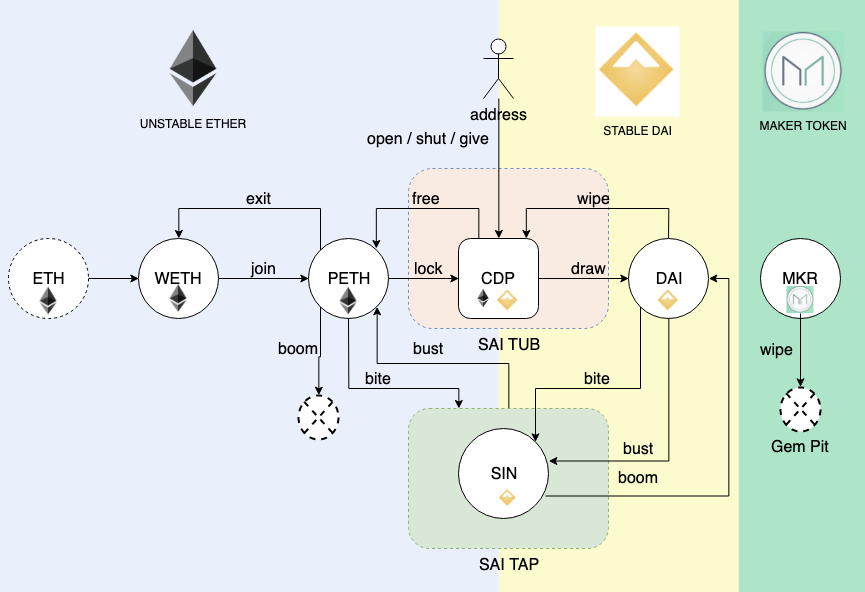
The structure is algorithmic. The rules of engagement are encoded in code — smart contracts — instead of employee handbooks. That flexible architecture of structuring offers unparalleled (textual) transparency. You see every dollar of the treasury as well as every vote cast, an impossibility in the black-box boardroom of McDonald’s where decisions are made behind closed doors.
But the downside of DAOs is that there is often a “tyranny of majority” or just voter fatigue. At McDonald’s, executives are paid multimillions to make tough calls. In the case of a DAO, without an educated and active community, an organization can become rudderless or compromised by whales who make decisions in their own best interest rather than that of the protocol. Ironically, the absence of bureaucracy can enable a different kind of bureaucracy; one where community governance meetings never conclude, forums debates are never resolved and proposals are endlessly drafted but no action is ever taken: an organization paralyzed in a state of continuous consideration.
This has generated the emergence of professional “Delegates” — bodies such as university clubs, or venture firms which are delegated voting power to make informed decisions — thus reintroducing a version of representative democracy into this flat structure. We’re even starting to see some interesting two chamber governance structures in DAOs – something like Optimism’s “Token House” and “Citizens’ House”, which aim to balance the plutocracy of coin-voting with identity-based governance. This is an interesting experiment in digital nation-building, without compare in a place such as McDonald’s, which is nothing more than a dictatorship of the shareholders.
Pseudonymous Teams
Structure when it comes to dev teams in crypto is also quite different from traditional tech, especially with respect to identity. Many other DeFi projects work with teams that are totally pseudonymous. What if all those anonymous cartoon characters at Apple were also engineers? Apple is known for its secrecy and departmental structure — one team may not know what another is doing until the product launch, an effort to prevent leaks. It keeps the "magic" inside and it protects IP.
By contrast, SushiSwap or Yearn Finance can be projects building in public. The code is open source, the roadmap is on a forum and the developers might only be known as “Chef Nomi” or “Banteg.” This openness opens people up to trusting in a trustless environment. Users don’t have to trust Apple’s brand or Tim Cook’s face; they check the code on GitHub.
The internal structure here is often more meritocratic than may be good for it — if you ship great code, you are hired just as quickly as someone from a top university, with the caveat that your resume is beside the point and your physical location means nothing. The pros of that potential are, well, talent can come from anywhere at any time. A great developer in a village can contribute on par with a Silicon Valley based developer. The con is that without legal contracts and HR departments, “rug pulls” or internal drama can destroy a project overnight. Apple’s strict human resource policies prevent an engineer from making off with the company treasury or poisoning the product without legal repercussion; within a pseudonymous crypto team, code and reputation are the only checks.
Hybrid “Labs” Firms
Then there are the hybrid models emerging in space, where companies attempt to reconcile corporate efficiency with crypto ethos. Labs quickly bring in new teams to move money or build financial products. Compare this to a company like Ava Labs (Avalanche) or Solana Labs, which function similarly to a high growth startup like Uber or Airbnb. They have CEOs and offices and equity compensation and structured departments, but their product is first and foremost a decentralized network they don’t fully own. They have to walk a tightrope.
Uber owns its app completely, if they want to introduce a different pricing model, they do. The software is built by Solana Labs, but the network is operated by thousands of independent validators located around the world. This creates a weird internal tension where the company has to act like a leader but pretend it’s just “one of the participants” for fear of legal attack. It’s a dance for influence, not power.
In a conventional company, power is spelled out. At a crypto “Labs” company, power is soft. They’ve got to trust that they have the best engineers and most resources at the wheel, not giving orders. This demands a high competence, persuasive culture much the way Jensen Huang runs NVIDIA - close to the metal.
Treasuries and Real Users
Some other interesting structural similarities are in how companies organize their treasury so as to better manage working capital and risk. Look at MicroStrategy under Michael Saylor as compared with Apple. So Apple is sitting on a huge pile of cash and marketable securities that it’s not sure what to do with, presided over by a treasury department with conservative leanings toward capital preservation and consistent buybacks. The structure is supposed to be a bulwark of stability.
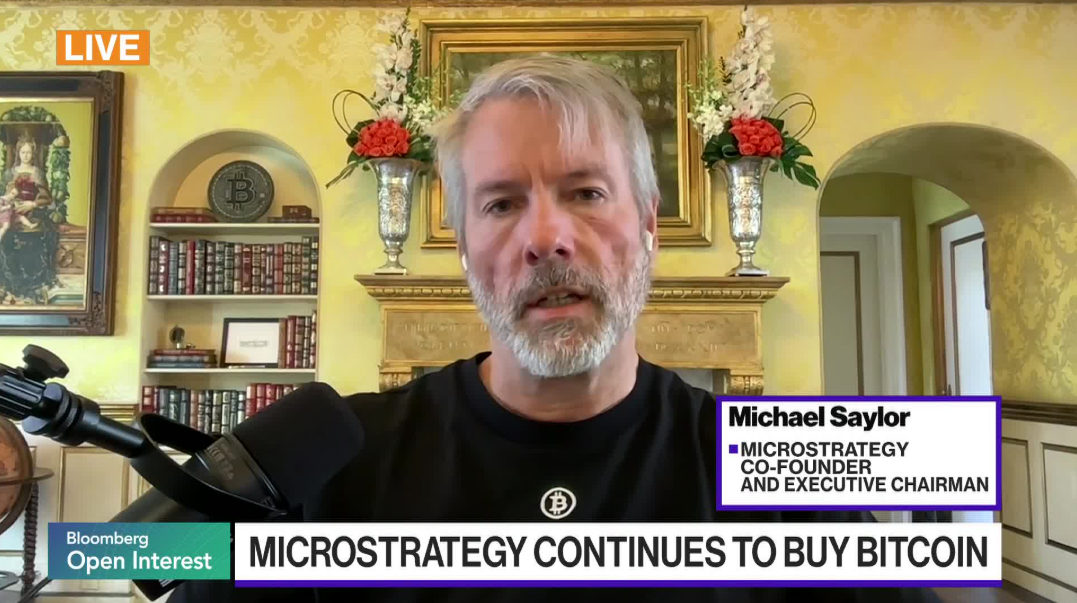
MicroStrategy, a software company in name only, shifted its entire corporate structure to serve as nothing more than a Bitcoin acquisition vehicle. Saylor transformed treasury into the strategic engine of the company, borrowing money to purchase volatile assets. Here is a structural inversion wherein the company’s “bank account” actually becomes the finished product. This is crypto. Among many DAOs, the “Treasury” for good or evil is the single most important part of it, and community members go to war over how to spend it.
This is in stark contrast to the traditional modus operandi of corporate governance, where shareholders are seldom directly involved with the day-to-day management of the cash pile. The structure of a company such as Ripple also makes for an interesting comparison with the traditional banking system – e.g. SWIFT. SWIFT is a member-owned cooperative and it’s slow, it’s consensus-driven, it’s bureaucratic. Ripple is a private technology company that has created the product banks are using. It has more the structure of a software vendor such as Oracle but pretends to replace the infrastructure of the cooperative. This tension between acting as a centralised vendor while creating an open, decentralised ledger lies at the heart of Ripple’s identity and the legal maze that defines its borders.
Traditional VC firms such as Sequoia or Benchmark were historically partnerships that wrote checks and provided board advice. Crypto-native companies such as a16z crypto have grown huge internal “operating teams” — who hire engineers, security auditors and lawyers to work on the protocols in which they have invested. This “Service-as-a-VC” model treats crypto networks not as companies to invest in, but ecosystems in which you must participate. It’s a long way from the old-school finance model of passive “check-writing.”
Aggregators at Play
Because customers are traveling this complicated landscape of various company structures, they must also confront the nitty gritty aspects of using the networks these companies construct. On the TRON network, an example is the technical structure of needed resources to operating such as Energy and Bandwidth. As much as the governance discussions are great, the regular user just wants to send some money — without blowing a hole in their wallet.
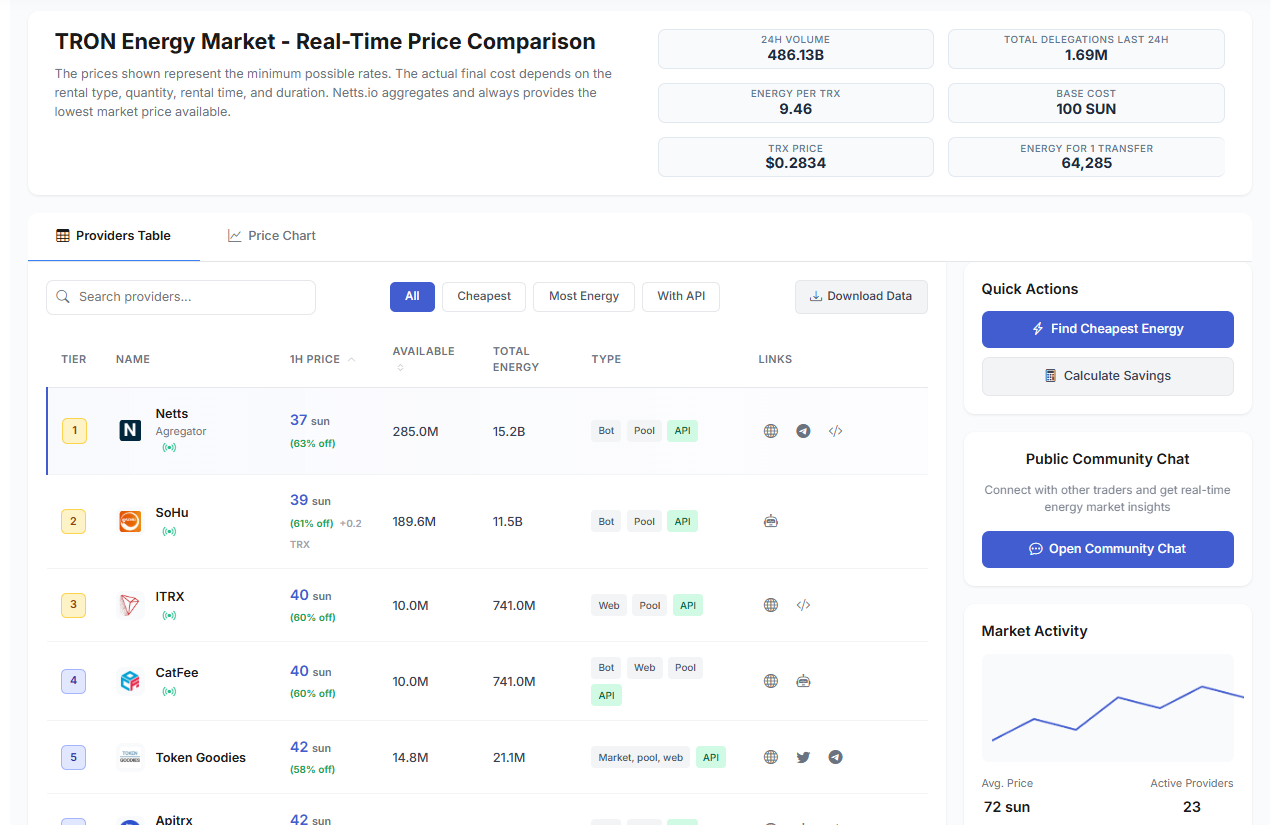
And here is where the reality of the ecosystem hits – and that’s renting TRON Energy to keep costs down. A POC has to be trustless. It doesn’t matter to a user who is interacting with their favorite DApp, or sending USDT if it is a DAO structure, or Foundation model – in terms of an objective cost. The cheap TRON Energy is the essential part for user experience and connects high level ecosystem of blockchain with end-users wallet. Data from the eSoV online platform suggests why demand for industry branches has grown: even where alternative means of accessing money and capital are available, the benefit is primarily conceptual to the average user who just wants to send value across borders.
This is where a provider like the Netts TRON Energy Market comes in. Netts offers more than twenty, real-time quotes from competing energy suppliers, users can always find the best rates for a TRON Energy rental. Given that the TRON energy market processes more than 1.72 million delegations every day, it is obvious that there is a demand for low-cost transactions.
Netts allows users to save up to 90 percent on transaction costs relative to burning TRX directly and provides an easy interface for users to search providers, check rates charts, and rent instantly. For single ecommerce transaction or dApp usage a few cents are just right. As for one-time payment/economic apps or high volume dApps, Netts predicts results using market data to bring further discount. You can see how much cost is paid with utilizing blockchain. The inner complexity of the Blockchain will disappear and everyone gets the benefit. Netts rewards you like cashback in your daily life. Spend less to get more. We interpolate data from various payment blockchains. You pay less than current market price.