Crypto App Development: Where to Start?
A practical path for building crypto products: pick a real problem, learn as you go, lean on APIs, talk to users, and ship iteratively on TRON or EVM stacks.
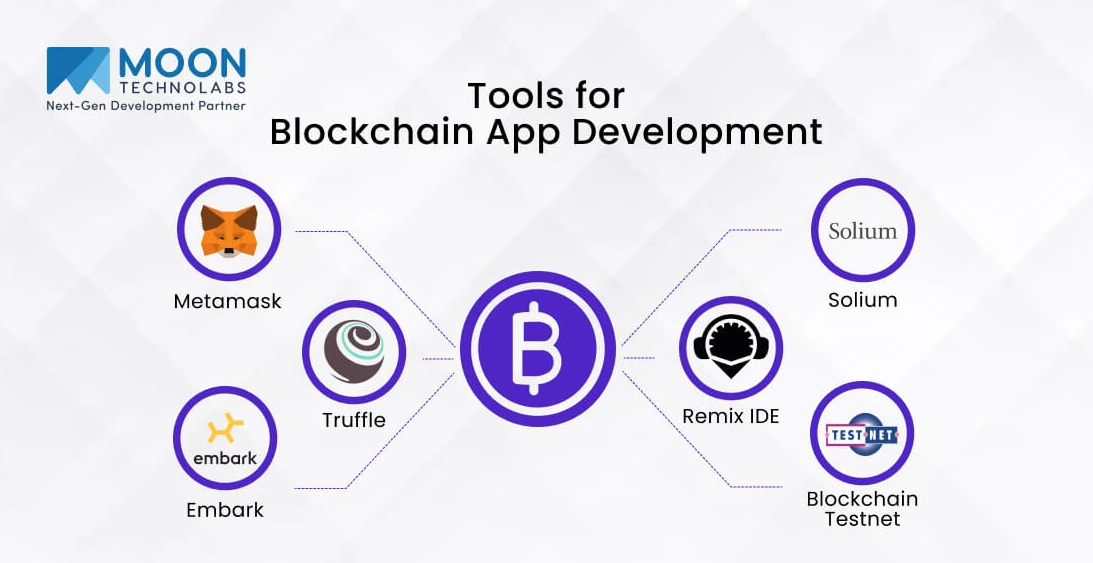
By and large, in the cryptocurrency world the users are spectators. Millions of people across the globe spend money on tokens, checking charts obsessively, reading news and waiting for the market to go in favour of their portfolio. There’s this general sense of passive engagement, that the technology is a wave crashing over them as opposed to something they can leverage.
Permissionless Infrastructure
They perceive the blockchain as a huge, immutable machine constructed by unseen geniuses, a black box they can only interact with through puny interfaces like exchanges and wallet software. This viewpoint, no matter how widely shared, fails to capture the most profound and liberating promise of the entire blockchain revolution. The real value of this technology has nothing to do with how much the asset is priced at or what volatility it trades at, but the fact that we finally have permissionless infrastructure.
Unlike the traditional banking system, to build right on top of which you need licenses and credentials and approvals, or the walled gardens of Web2 giants that can terminate your access at any time — it's open. If you have an idea, you don’t need to ask permission to execute it. You don’t need a degree, or even a corporate sponsor, or government money. The barrier to entry is far lower than that which the average observer even begins to comprehend, and the road from entranced spectator to active creator is one of the most fulfilling journeys you could embark on in this sphere.
The stubborn and intimidating myth that blockchain development is only for the math geniuses and crypto gurus has prevented many from taking part. They feel that in order to write even a single line of useful code for a crypto app, one must dedicate years to studying computer science, mastering complex algorithms, learning the minutiae of elliptic curve cryptography. Nothing could be further from the truth. Certainly, the core protocol developers — those building the blockchains themselves — need that kind of deep expertise, but constructing an application on the top of a blockchain is a very different job. It's like the difference between building an engine on a car from scratch, and learning how to drive or tune that kind of car. You don’t have to be able to forge the steel for the pistons or work out thermodynamics of combustion in order to be a great driver or an effective mechanic.
Pick a Real Problem
In the crypto world, that “engine” is already up and running. It is safe, it is decentralized, and it is all yours for the taking. Your job is to just make interfaces, steering wheels and dashboards for interacting with it. When you learn to approach this as “how do I effectively use this tool” instead of “how does all of this complex math work,” a new world opens up for you. You stop waiting around for someone else to develop the features you want and start becoming aware that you can build them yourself.
The most important stage of this journey is not what programming language you decide to learn first, nor which blockchain is the “best.” The critical decision is in selecting the all important problem to solve. It’s all too tempting as a beginner to dive into abstract, 'academic' tutorials that lack any personal relevance. They struggle through lessons on manipulating lists of numbers or printing “Hello World” to a console, without seeing any relationship between those exercises and their interests or their digital lives. The motivation dissipates because the learning feels like tedious, mandatory work before you get to the "real" work.
The key to getting into development, is finding a project that you're passionate about. It ought to be a utility that solves one of the problems that you deal with on a daily basis as a user of crypto. When you’re making something that you actually want to use, the frustration of debugging code turns into the puzzle-solving challenge of a video game. You are not learning to code; you are trying your hardest to get it to work because that solution is what you need. It is this passion that will drive you through the initial learning cycle and keep you in the game when times get tough.
A TRON Energy Use Case
For the TRON ecosystem, however, for many developers and users who prefer a high TPS as well as super-low transaction costs, let's go through an actual real-life case. If you use the TRON network to make transactions then you must have heard about its unique resource model, Energy and Bandwidth. You are aware that with every transaction you broadcast, these resources deplete. You know that if you freeze TRX, you get these resources, but not generally enough for heavy use. And, you also know that once you run out of those then it's time to start burning TRX directly from your own wallet… and that definitely starts adding up faster than people would think.
That maybe you’ve also realized that doing this resource management by hand is boring and repetitive. Log in, check the balance, figure out what you need to spend, find a provider and make a rental. This friction is the ideal soil for a first project. Why make people rely on a black box calculator, when you could create for them some easy mechanics so that they can predict with certainty how much Energy any given transaction type is going to use? This offers you a concrete, actionable goal. You’re no longer just “learning Python” in the abstract: you’re “building a calculator to save me money on fees.”
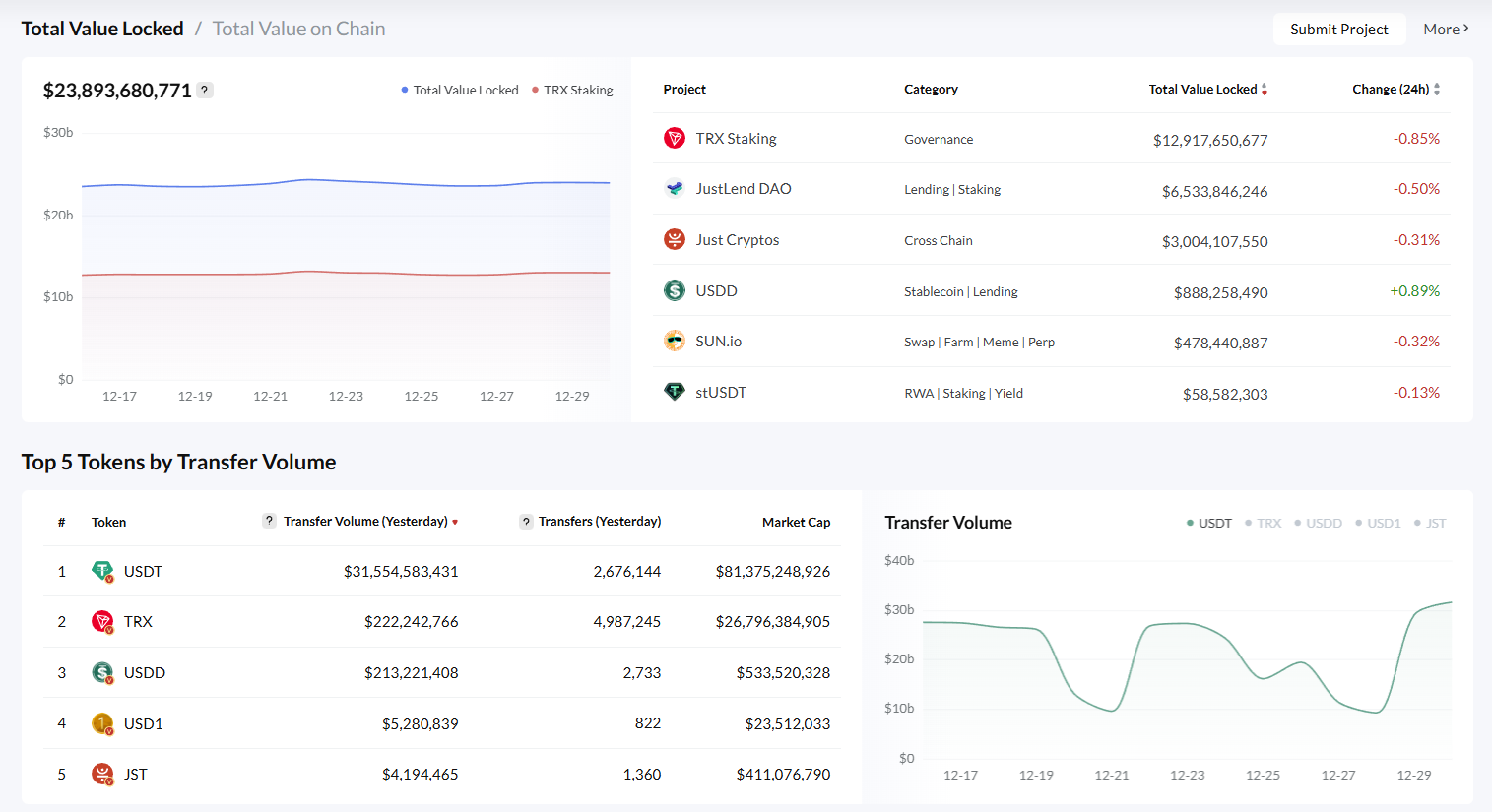
As you go deeper into this project, you may realize that a calculator would be nice, but it’s still manual. You may even want to go further. You can think of this as some sort of background process that checks your wallet every hour. An example of a useful use case: if it detects you’re low on Energy one day (below some safe threshold) then it automatically looks up the best price and rents sufficient, now never get TRX burned on fees again. This specific goal — creating a tool for automation of the renting of TRON Energy — cuts down the huge intimidating forest of computer programming to just those few trees you need to focus on and learn about right now. You don’t need to know how to develop a website or game, you just need to know how to communicate with the TRON network. This focus is incredibly liberating. It lets you block out 99% of the noise in the developer world and focus on the 1% of it that is relevant to your mission.
Read, Logic, Write
You don't need to know 'everything' to create a bot for automating renting Energy: If your goal is something like creating a bot for renting energy and you are not programming professionally, you won't need everything about everything. You have to just learn the particular "vocabulary" necessary for operating on a blockchain. This is where the notion of APIs, or Application Programming Interfaces, comes in. You might consider an API to be a menu in a restaurant. You don’t need to enter the kitchen and prepare the food (the complicated backend logic of blockchain nodes), you just see the menu (API docs) and order what you want (fire a request). For your Energy project, you'd be taught how to make a request of a particular type to the TRON network in order to retrieve your current Energy balance. This little victory — seeing your own code pull your real, live balance out of the blockchain — is empowering like you wouldn’t believe. It demystifies the technology instantly. You understand that the blockchain is nothing but a database, which means you can query it and with some more logic, you can even write instructions to it.
Suddenly, the journey is no longer a heap of theory, but rather a bunch of well-structured logical steps. You start with "Read" operations. There is no charge for the reading data from the blockchain, and it is secure with no permissions needed to read. You might script to track the balance of a “whale” wallet, or scan the total supply of a token. These are read-only projects and are great places to play in safety — you can’t break anything or get hurt with your money.
Once you are able to read data, you bring "Logic" in. It’s the brain of your application designing work. You are programming to something that says, "IF Energy balance is less than 50,000 THEN prepare to be a tenant" This is the logical place to let your imagination run wild. And you can keep it as basic, or take it as far out there, in complexity that you want to. You can set it to run based on the time of day or the current price at which available energy is offered, or even your balance in other wallets.
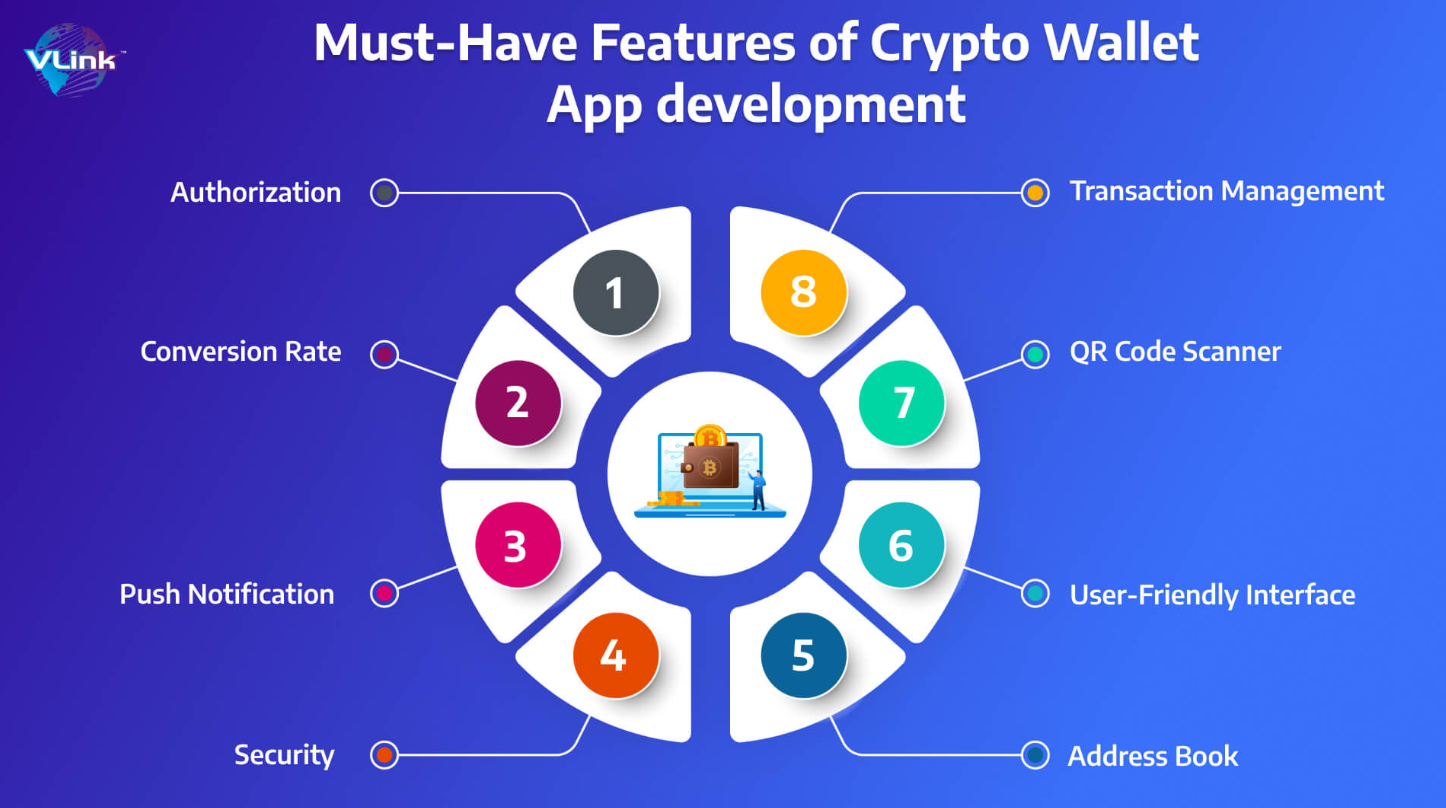
You don't get to "Write" until you have the reading and the logic solved. This is when you master signing transactions. This step requires respect and care because you are going to be touching your private keys, but it is also where the magic happens. It's the way you send money, interact with smart contracts and sign your rental orders to the blockchain. By the time you make it to this stop, you will have generated enough knowledge to be able to do so in a responsible fashion. You’ll learn about the environment, local testing and never hard-coding your keys. So the target to automate TRON Energy renting takes you straight into mastering these vital safety measures. You are picking them up not because a teacher told you to, but because you have a stake in trying to shield your assets while building your tool.
Getting Unstuck and Iterating
It must be admitted that this course will have its difficulties. And there are times when your code just won’t run and the error messages seem like they were beamed down from space. You may spend hours debugging a script just to find out you forgot a semicolon or misspelled the name of some variable. It is a common experience, everyone from the total beginner to the lead of some Bitcoin or Ethereum project goes through it. The only difference is that the developer in question knows this is all part of the plan. They don’t view a mistake as an indictment of their intelligence; they see it as a signpost to the solution. When you hit a wall, realize that you’re not alone. The crypto development community is among the most active, passionate and supportive in the world. Since the space is about open source and decentralized collaboration, you’ll find people who are shockingly willing to help.
Online forums, chain specific Discord servers or even sites like Stack Overflow are your best buddies. The secret to eliciting this support is to ask your questions in the context of your work. Instead of a question general enough to be useless along the lines of "how do I code?", you're saying "how can I check Energy balance on TRON with the requests library for Python?" The particularity of the question informed by your real-world project, will land you with high quality, actionable answers. People like to support others who are obviously building something real. Your fight with TRON Energy renting automation is now a bridge to other developers who potentially overcame the same issue. You start working with a network of peers, and sometimes bringing people on who are just as valuable as the code.
While you’re iterating on your tool, you might notice some things that would be nice to improve. Perhaps you want to have a notification system that will inform you on Telegram that your resources are running out. Perhaps you want to attach a dashboard that will allow for visualization of your savings over time. And that's how a bash script becomes an application. You are layering complexity incrementally. What is just a simple calculator can evolve into a dashboard and even, perhaps (if you’re lucky), something that others want to use. That is the linear growth trajectory of many successful crypto apps.
They didn't start as big corporate projects with hundred page whitepapers, they started with one developer trying to scratch an itch. By solving your problem yourself – say you wanted an automatic rent contract for Energy coming to your personal account – it’s almost certain that you’ve solved the exact same problem as thousands of other people, and all these optimized solutions are yours for free. The fact that you have users' eyes is your biggest weapon as an app developer. You understand the pain points better than anyone because you live them every single day.
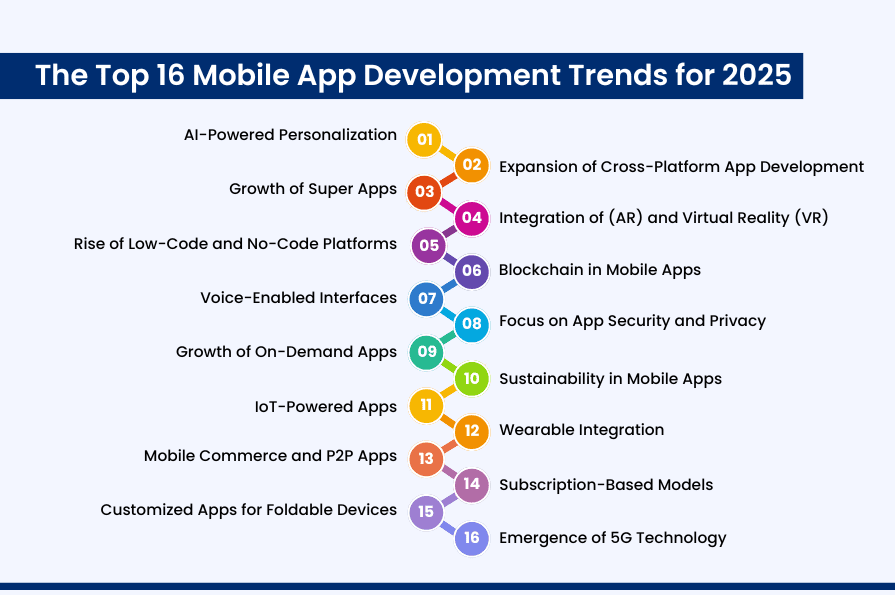
Charting the future of the crypto world isn’t about who can yell loudest on Twitter, or who has the most followers; it’s about constructing the rails that others run on. Simply put, every app you develop, however small, makes the network more useful and robust. You are adding value to the ecosystem as a whole. This kind of participation is infinitely more meaningful than just holding tokens and praying for number go up. You’re a builder, and you have that vote in tech direction. If you make tools that let people be private, you are moving the dial toward privacy. It all comes back to building tools that prioritize efficiency, such as those currently tackling TRON Energy renting automation, ultimately driving the network closer to sustainability and cost-effectiveness. You are not on the train anymore, you are building the tracks. The feeling of agency this gives is deep. And you see that the “crypto world” isn’t some far-away thing inhabited only by billionaires and corporations — it’s a group of code and tools cobbled together by people much like yourself.
Leveraging the Work Already Done
One thing that’s really cool about beginning to learn development today is how much infrastructure there already is in place to help you on your way. You don’t have to invent the wheel. Services, nodes, and platforms already exist to do the heavy lifting for you and let you concentrate on your apps' unique logic. If you’re trying to create say an Energy management tool, you don’t have to build your own full node (which is expensive and hard to do) or set up your own lending pool. You can connect to existing protocols and services which offer these capabilities through straightforward APIs. This composability is a special feature of the blockchain community. You can plug into a liquidity protocol, an identity service and a data oracle, mixing them like Lego blocks to build something completely new. You are not that good a programmer, but you are using blocks as sturdy and trusty Lego.
Don't think of the project you've got in your head as too complex to achieve. If your vision points to a complex decentralized exchange, take the first step of learning how to swap between two tokens using a script. Now, if your dream is to have a full resource management package, begin with that one query on the Energy. Celebrate these small wins. Every time your code manages to play nicely with the blockchain, you are confirming painstakingly the fact that you have power over this digital world. You are even showing to yourself that the wall is a bluff. The thought process of programming is based on human thought process; it's just more disciplined and organized thinking. As an enthusiast, you already know the market dynamics, the motivations and the tech; translating your understanding to code is a logical progression.
Keep in mind that the arsenal of tools and languages you master today is the blues guitar that those guys played yesterday. The scenery changes quickly, but at the end of the day some core base skills can stay with you; problem solving, structure/organization and architecture. You learn to build now you are future-proofing yourself. You are developing a kind of literacy that will be as important in the coming decade as computer literacy has become in the last 30 years. It now appears clear you are not just trying to survive the shifts in the digital economy, but to capitalize on it. You’re the one who knows what’s inside the engine. When new narratives or technologies appear, you won’t just consume them – you’ll be cracking the code, examining the mechanics and, perhaps one day, building the coherent interface on which that narrative bit will run.
From Script to Product
And lastly, as you advance, don’t ever underestimate the importance of nice, professional tool when you see one. While you're banging your head against your own implementations, you'll have a new respect for platforms that have solved these issues at scale. You will appreciate the engineering problems of strong security and 24/7 robustness. And this way, you become a more intelligent user as well as the better developer. You come to know good work, not only by the interface, but through its performance and logic.
1. Begin with a problem you experience firsthand and want to solve.
2. Embrace “just-in-time” learning instead of attempting to master everything.
3. Use our APIs or tooling to cut through complex backend infrastructure.
4. Get involved in project-specific support from the community.
5. Iterate over your solution, adding on the features you’re able to build.
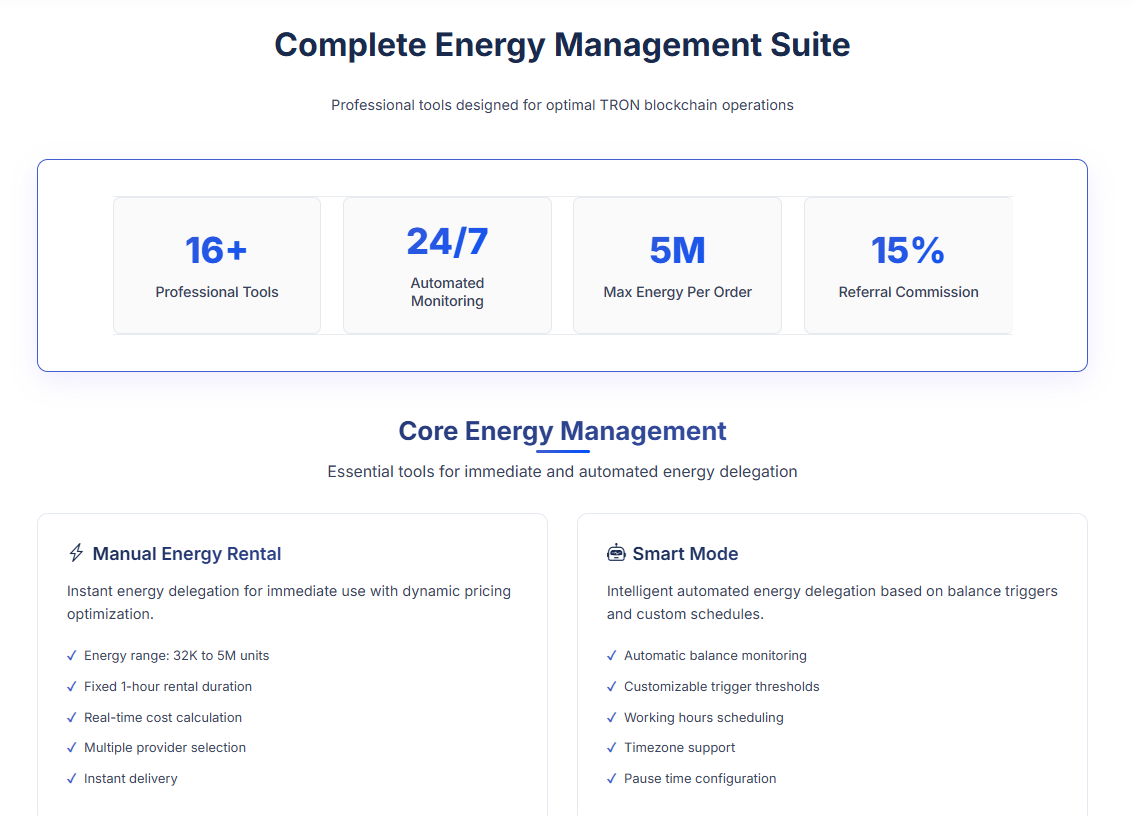
What is possible when user insights are distilled into technology? Providing an all-in-one solution for TRON Energy management ranging from automatic delegation to advanced financial analytics - Netts Workspace to automate all of your Energy operations.