How Trading Bots Influence the Cryptocurrency Arbitrage Game
What are trading bots exactly, how do they work, and what effect have they had on the cryptocurrency ecosystem?
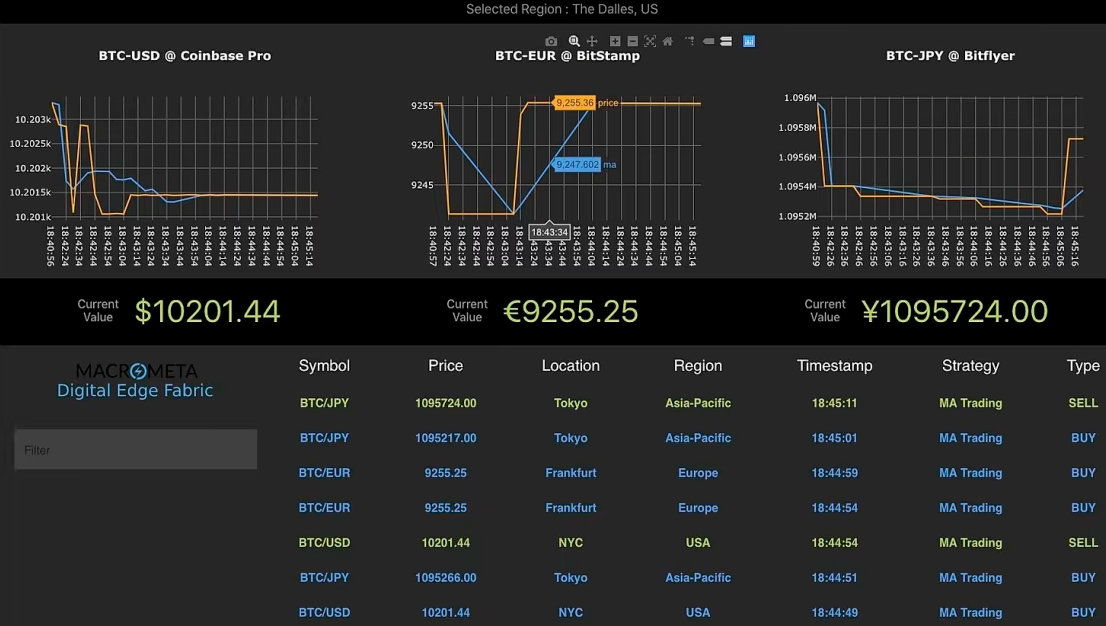
When it comes to cryptocurrency, everything happens at lightning speed. With the success of digital assets, the options to use as tools to trade them have also increased in number. Perhaps the most powerful of these are known as trading bots, automated software processes intended to make trades for the users. Such bots have changed the game of crypto trading as they allow both individual investors and giant institutions to make the most of market openings that would be impossible to exploit by hand. What are trading bots exactly, how do they work, and what effect have they had on the cryptocurrency ecosystem?
Essentially, a trading bot is a computer program that connects with financial exchanges and places buy and sell orders in compliance with predefined determinants. While algorithmic trading has been a large part of traditional finance for decades, the openness and programmability of cryptocurrency exchanges have opened the floodgates on bot trading. Crypto trading bots range from simple scripts, which execute basic strategies blindly, to complex artificial intelligence systems that process huge amounts of data in real time.
Crypto markets are ideal for such bots because they take full advantage of the 24/7 nature of crypto trading. Therefore, they can watch dozens of exchanges at the same time, adjust to price changes in milliseconds, and make thousands of trades every day. Bots are not only convenient, they are required for a lot of traders since market moves can be in 0.01 seconds.
How Trading Bots Are Used In Crypto
Arbitrage — the action of profiting from price discrepancies for the same asset on various exchanges — is the most prevalent use of trading bots when it comes to cryptocurrency. So for instance, if Bitcoin is selling for $30,000 on one exchange and $30,100 on another, a bot can set up its strategy to buy at the cheaper exchange and sell to the more expensive exchange, capturing the $100 spread. The process of the arbitrage game is ultra-competitive, which needs both speed and accuracy.
But in addition to arbitrage, bots are used for market making (providing liquidity by artificially placing buy and sell orders), trend following, portfolio rebalancing, and even complex strategies such as triangular arbitrage, meaning there are bots that will constantly trade between three different assets in search of prices being out of line to generate profit for their operators. Many of the most infamous cases in crypto history involve trading bots. Back in 2017, with the ICO boom, bots were used to snipe tokens entering initial offerings, sometimes buying up part of coins before the human traders can react. In the last few years, we have also seen HF trading firms enter the crypto space, deploying more complex bots that we would arguably consider market makers in the same tradition as those in traditional finance.
Of course, there are other popular stories about bots causing havoc on the market. A badly coded bot on a decentralized exchange caused a flash crash in 2021 that liquidated millions in value in seconds. This illustrates the beneficial and the detrimental aspects of automated trading.
Tools of the Trade: Hardware & Software
A trading bot can only be effective in its software and hardware. Most bots are implemented in software using Python, JavaScript, or C++ as programming languages with online exchanges using APIs (Application Programming Interfaces). Gekko, Freqtrade, and Hummingbot are examples of open-source frameworks that have facilitated bot deployments, and a commercial platform makes the easy-to-use and advanced features of the platform available to the public for a price.
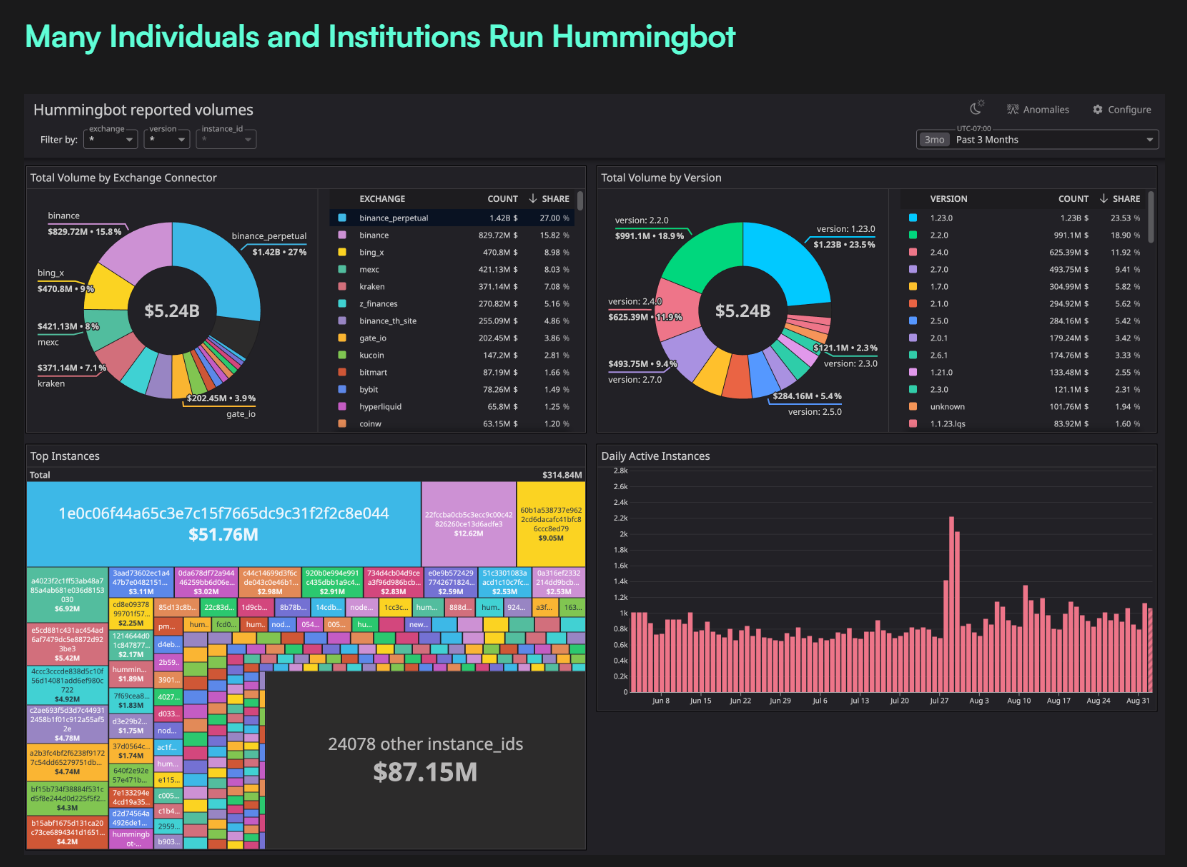
The best bots have machine-learning algorithms that can assess purchase and sale signals based on specific circumstances, natural language processing, and social media sentiment analysis for snapping trades. These bots can learn from past trades and adapt to the changing market conditions, thereby improving their performance over time.
Hardware-wise, you can never have enough speed. Many professional traders will run their bots in high-performance servers in data centers near the exchange and will benefit from low latency — one key competitive advantage. Others employ FPGAs or custom hardware to accelerate the speed of execution. However, for most retail traders, a stable internet connection and a cloud server will be enough to run a sufficiently profitable bot.
The Mind of Trading Bots: How They Run their Software
So to really get to the bottom of the efficacy of trading bots, you need to lift the proverbial hood and see how these systems perform in reality. Generally, trading bots use a modular architecture, with a pre-defined architecture in which each module focuses on a certain part of the trading cycle. The general workflow can be further divided into four components: data collection, signal generation, risk management and execution.
The initial part on which any trading bot revolves is data collection. Bots are constantly gathering real-time market data from exchanges — this may include the price, volume, order book depth, and on some occasions, news or social media sentiment. The data is retrieved from exchange APIs that require you to generate secure API keys and generally have very low rate limits to avoid abuse. So, bots should be written very cautiously to keep within those limits, not get banned, and (more importantly) keep the data from the websites you are scraping intact. As API keys are encrypted and stored securely (after authorization, access tokens are generated based on which the request to the exchange is made), this addresses the key outside environment security as a compromised key will allow the hacker to steal funds and disrupt trading.
Signal generation: as soon as this data is collected, the signal generation module analyzes it for potential trading opportunities. At this point, the bot's strategy comes into play. The logic behind an arbitrage bot is simple enough: find an asset that is cheaper on one exchange than another, then if the spread is profitable (including fees and slippage), execute a buy on the cheaper exchange and a sell on the more expensive one. Market-making bots, by contrast, simultaneously place buy and sell orders at various levels, profiting by capturing the spread and also providing liquidity. Trend following bots detect momentum using technical indicators — moving averages, RSI, or MACD — and place market orders in the direction of the dominant trend.
Risk management in practice: this is one of the most important parts that makes a bot successful as opposed to making you lose money quickly. Bots have to establish the stop-loss and take-profit levels, the position size, and the exposure to avoid mass liquidations. Several sophisticated bots take this a step further by implementing dynamic risk controls, dynamically changing their parameters based on either current market volatility or how they performed in prior trades. As an example, a bot may sense higher volatility and decrease its position sizes or increase stop-loss thresholds to not get stopped out from random price action.
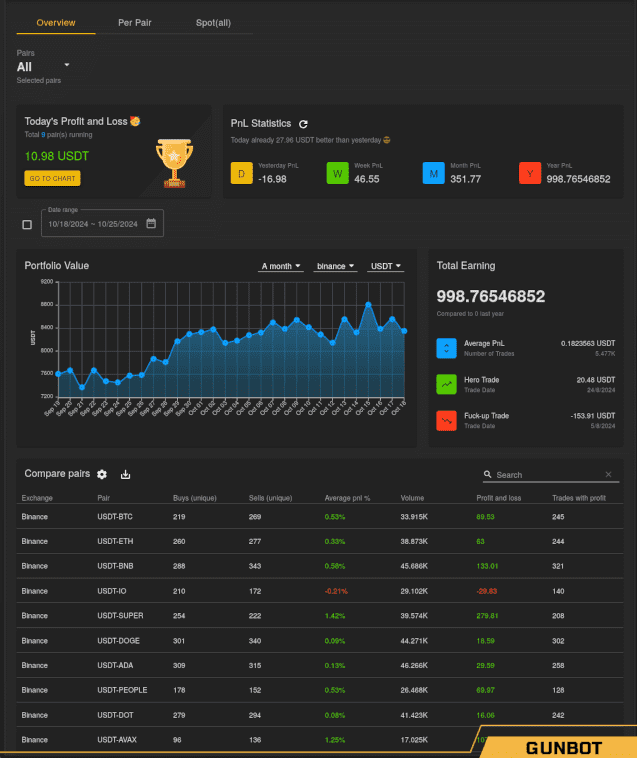
The execution module places the actual order on the exchange. Speed and reliability matter here. That means bots need to manage order confirmations, track partial fills, and respond to failed or delayed orders. With high-frequency trading, milliseconds can be the difference between a profit and a loss. Most of the bots will have these error-handling routines built into them where if it happens to return an unexpected error number, it creates a new limit order for that trade so that it can be retriggered again, or if the exchange is down, the program will switch the orders to a backup exchange, and in the case of major problems, the trading bot might even stop trading altogether.
For example, let's say you have a bot that performs triangular arbitrage on one exchange. The bot watches three trading pairs — BTC/ETH, ETH/USDT, and BTC/USDT. If the algorithm spots a profitable loop after fees and slippage, it initiates all three trades in quick succession. The trick is executing the entire cycle before prices move, and that requires speed and accuracy.
Bot development can incorporate many steps, but perhaps the most essential ones are backtesting and simulation. Developers backtest bots on previous data to determine how they would have behaved under past market conditions before deploying one with real capital. This assists in detecting bugs, tuning parameter values, and instilling trust in the strategy. A lot of modern bots come with integrated backtesting engines which allow you to adjust parameters and test results against various timeframes and market conditions.
The ability to adapt is yet another characteristic of a high-level trading bot. The markets are dynamic, and what worked yesterday may not work tomorrow. Other bots have a machine learning component which adapts their parameters on the fly based on successes and failures. Some depend on user input description, alerting when performance declines to an average or an unusual market condition is discovered. Many expert bots cleverly strike a balance between automation and oversight, providing hands-off operation and also a cue for human input whenever necessary.
Error handling and fail-safes are crucial for the safety of funds and reputation. Bots are programmed to recognize when a protocol is in trouble — an exchange goes offline, slippage spikes higher than expected, a withdrawal just fails — and to react accordingly. This could include stopping trading, notifying the user, or reverting to a secondary strategy. Since black swans happen in crypto quite a lot, good error handling can turn what would be a mild headache into a catastrophe.
Lastly, for the purposes of compliance and troubleshooting, transparency and logging are essential. Properly crafted bots maintain logs of their every action, allowing for easy auditing of their performance, investigation of any problems that arise, and compliance with regulatory requirements. Now that the industry is maturing, there are various exchanges and bot platforms that are starting to provide tools for monitoring, reporting, and even sharing strategies in a set of users.
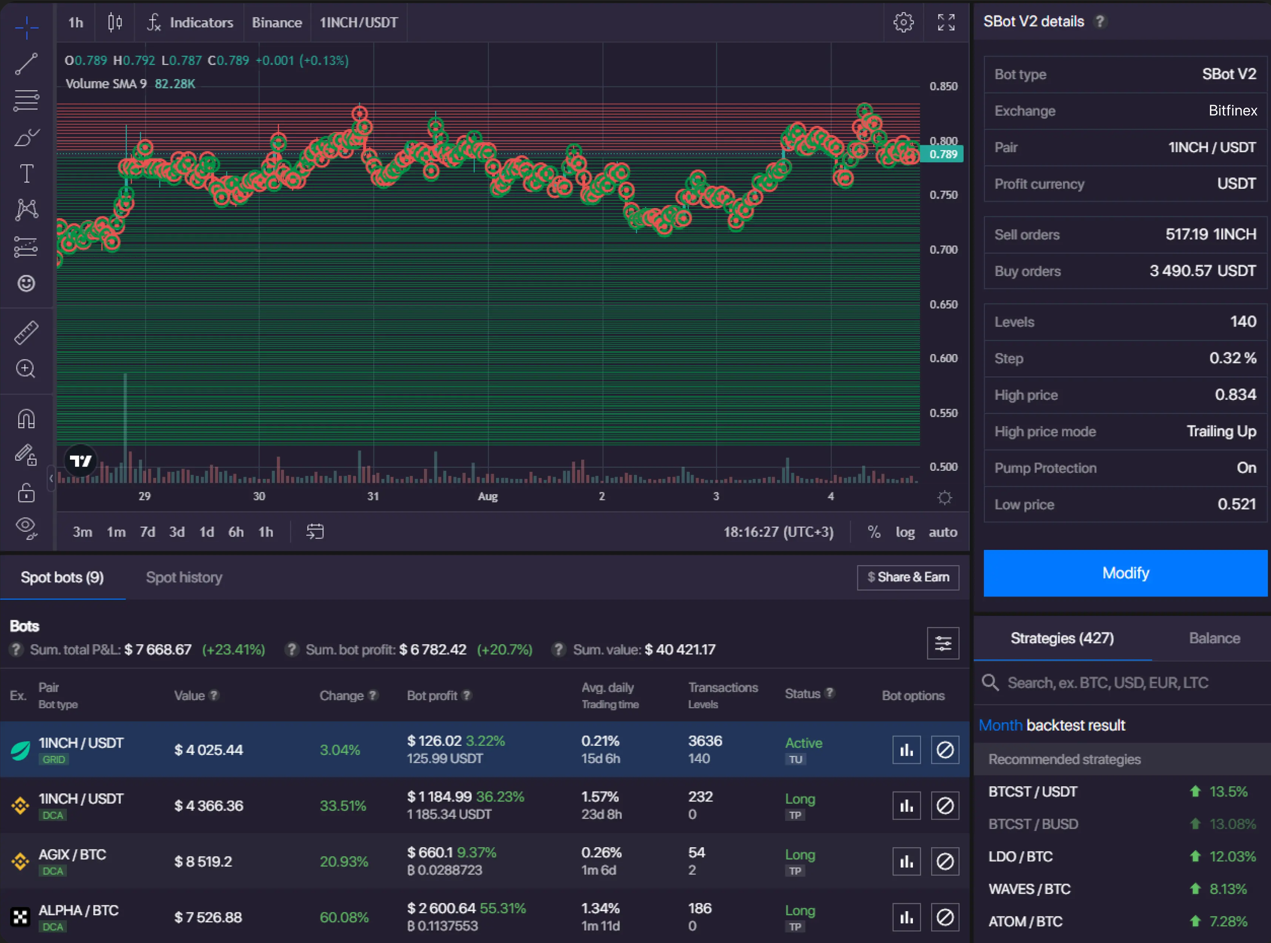
Together these pieces — collecting data, generating signals, managing risk, execution and adaptation, and transparency — explain how trading bots have grown more sophisticated as cryptocurrency markets have become faster and more interconnected. From rudimentary arbitrage scripts to state-of-the-art AI-powered systems, the finest of these excel in speed, logic and versatility, ensuring that their users secure a solid advantage in the rapidly changing arbitrage game.
Ethics or Regulation: The Controversy Surrounding Automated Trading
This has stirred a heated debate around the ethical implications of trading bots and the regulation that must ensue. On the one hand, they make the market more efficient by reducing price spreads and offering liquidity. They can level the playing field, but on the other, they can create it unevenly, benefiting those with the money and technical capacity to apply advanced algorithms.
Bots can apparently manipulate markets, start flash crashes, and place common investors at a disadvantage, critics say. There have been instances where bots involved in wash trading (fake trading volume), front-running (buying ahead of large orders), and other forms of market abuse have occurred. Global regulators have replied, and some exchanges have introduced solutions for detection and abatement of bots.
Despite all of the above worries, many in crypto see bots as simply a fact of life in any maturing market. To handle the heavy traffic, exchanges have introduced official APIs, rate-limits, and tools to offer transparency and fair access. A few jurisdictions have imposed record-keeping rules related to automated trading, and some are developing broader regulatory regimes for bots.
Certainly, trading bots are built to be fast and precise; they are not perfect. The market is chaos, a combination of variables — news, laws, social response in social network — that not even the smartest algorithm can forecast. Traders are human, bringing experience, intuition, and flexibility when the unexpected occurs. These are often the most effective strategies — utilizing both schools of thought, with bots handling routine tasks and humans used for high-level decision making.
In fact, for plenty of traders, the bots act as extensions to their skill set instead of being a full-blown replacement. They can automate repetitive tasks, minimize emotional bias, and leave time for tracking and planning. This means one could say, going forward, the lines between human and machine trading will further blur as the technology evolves.
1. Speed: A bot can make transactions in milliseconds — much speedier than any human.
2. 24/7 operation: Crypto never sleeps, neither do bots.
3. Accuracy: Bots never deviate from the instructions, so they will not make emotional mistakes.
4. Scalability: Bots can operate on multiple exchanges and multiple assets at the same time.
5. Complexity: High-end bots can implement complex strategies that would practically be unfeasible with human execution.
6. Risk: Badly written bots can create loss or disrupt the market.
7. Expense: An efficient bot comes with a high initial investment followed by ongoing maintenance costs.
8. Regulations: The legal environment is changing, and compliance is a constantly moving target.
Automation With TRON Energy Bots and the Expansion
The idea of automation, while typically associated with trading bots that are programmed to buy low and sell high, has been applied to different areas of the crypto ecosphere. A prime example of this would be TRON Energy bots — automated services for managing and replenishing Energy on the TRON network. With increased adoption from users and businesses who want fast, inexpensive transactions on TRON, the demand for effective Energy management has also increased. With TRON Energy charge solutions such as refill Energy bots, users can now have their wallets automatically topped up with the required resources whenever their transaction would fail due to insufficient TRON Energy to execute a transaction, so they can be executed instantly with lower fees, all of those while avoiding any delays in transaction or denials due to the user lacking the initial resources.
These bots work by tracking your wallet balance, guessing when you will need more Energy, and filling it up at the best moment. This automation will save businesses with lots of USDT or other TRC20 tokens a lot of money and make their operations run much smoother. The use of TRON Energy bots in day-to-day processes is a signal of further automation coming on-chain.
Back to bots: algorithmic trading bots and arbitrage calculators have certainly helped grab some of the headlines, but the TRON Ecosystem has a different type of bot making its presence felt — Energy refill bots. While most trading bots focus on market activity simply because it is what they are built to accomplish, the Netts Energy Charge Bot has been built to make filling up Energy for TRON wallets more efficient and cost-effective for users.
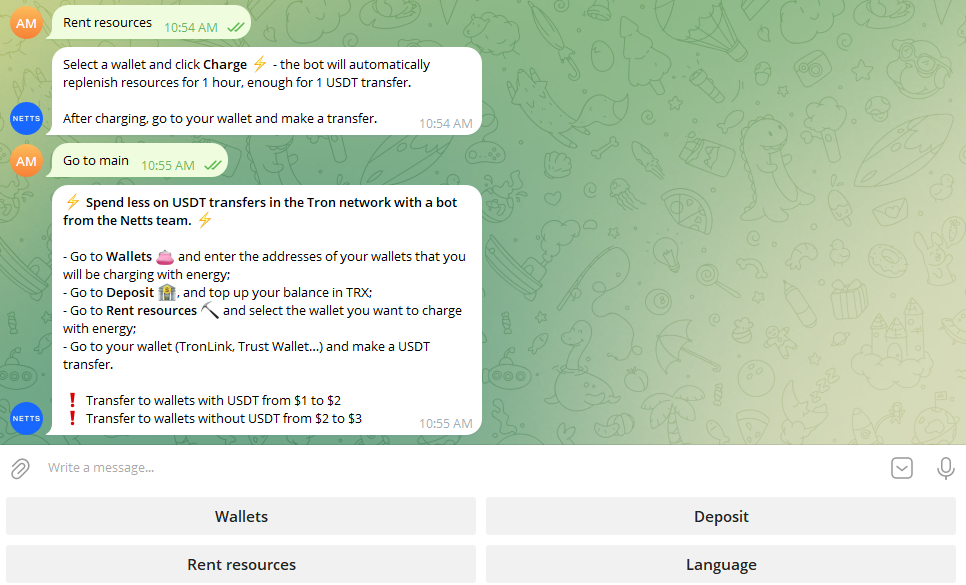
Directly through Telegram, without the need to download or install anything, is the Netts Energy Charge Bot. All the user needs to do is enter their wallet addresses, send TRX, and select which wallet they want to load. The bot automatically restocks those resources, giving enough Energy for a minimum of one USDT transfer. For TRON Energy charge needs, the Netts bot is flexible and easy to use, with instant recharge, multi-wallet support, and a low minimum deposit of 10 TRX.
The Netts Energy Bot has a particularly impressive feature: a clever deposit scheme. If most of your rented Energy remains untouched and there's less demand for the network, you should be able to keep your TRX for situations where there are low network demands after charging your wallet. This can create a scenario where the net cost to the user is zero TRX — a major improvement over traditional rental methods which require payment in advance. Also, the bot offers not only instant bandwidth boosts, but it also supports up to six wallets operating in parallel at the same time, a perfect solution for sophisticated company and individual needs.
Bots in Crypto — Why Trading Is Just a Beginning
However, the role of bots transcends a simple trading strategy as the crypto ecosystem evolves. Bots are being woven into the fabric of how decentralized networks function, from automatic portfolio management to resource allocation and even governance. This includes everything from the introduction of refill Energy bots and TRON Energy charge solutions to automation, which has increasingly made it possible to remove manual processes from the day-to-day and lower the entry bar.
Bottom line for users: know what you can do — and what you cannot do — with these tools, and select the right solutions for your own business needs. From profit maximization with the use of an arbitrage bot to automating transactions with a TRON Energy bot, to taking advantage of new DeFi opportunities, the new arbitrage game is not just about arbitrage — it is about automating everything.
Conclusion: Automation, Opportunity and Responsibility
Crypto trading bots have radically transformed our crypto landscape, providing speed, efficiency, and complexities never seen before. While they have pioneered new pathways for profit, they have also added new risks and ethical quandaries. Even as automation infiltrates every corner of the crypto world — from trading floors to energy management — the urgency for responsible use and regulation only sharpens.
Bots have a tale to tell as we go through the crypto space. Thanks to innovations like the Netts Energy Charge Bot, you have more options than ever to help you navigate the arbitrage game and more. As we stand on the threshold of the new digital era, the future will be built by those who combine automation with insight and who know how to harness opportunities while neatly navigating risks.