How Programmable Energy Leases Help Build TRON DApps
Discover how the emergence of programmable Energy leasing is transforming the TRON ecosystem, and what it could mean for the rest of the crypto-space.
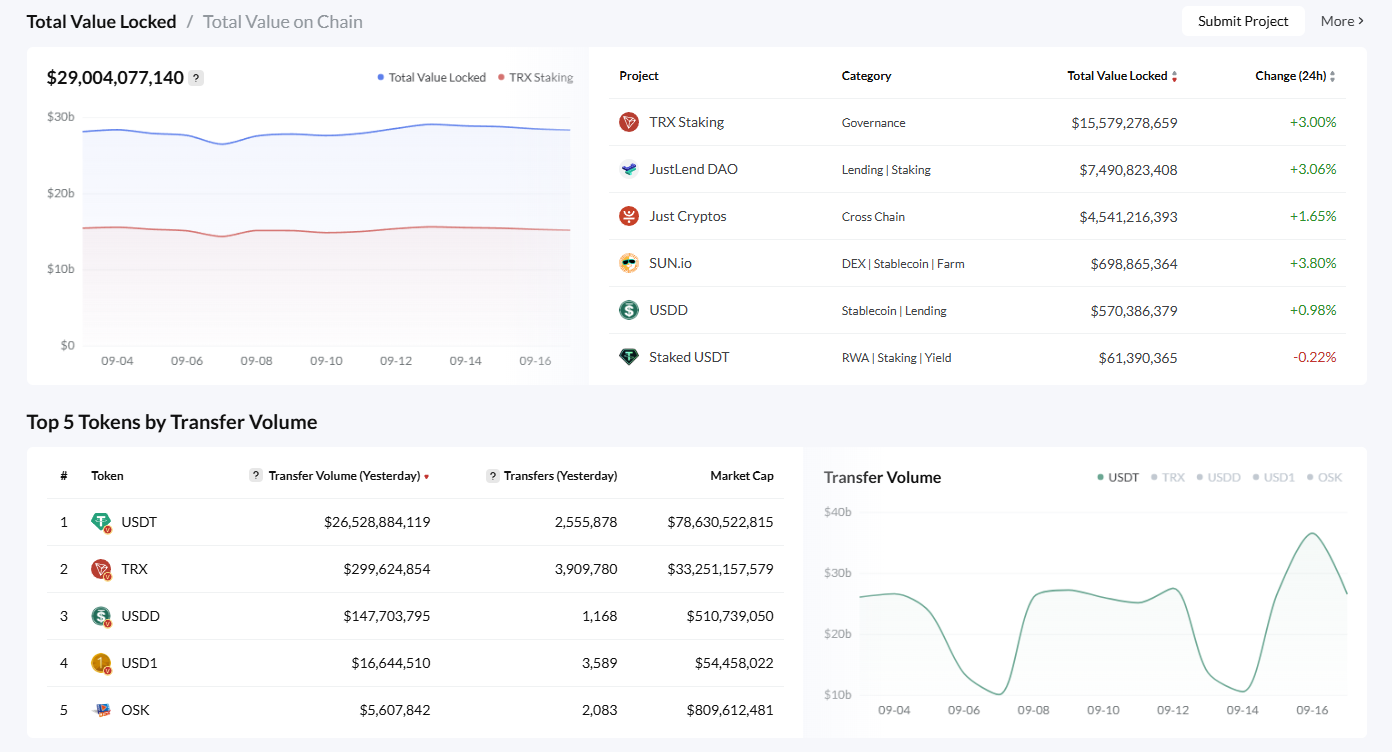
TRON moves quickly — and so do the DApps on its blockchain — much of this can be attributed to its innovative resource management strategies. Alongside other groundbreaking tech innovations in recent years has been the advent of programmable Energy leases — an engine of automatic renting, using and managing Energy resources, providing an unprecedented degree of efficiency, access, and imagination to users and IT startups alike. Discover how the emergence of programmable Energy leasing is transforming the TRON ecosystem, what types of services and value it provides, and what it could mean for the rest of the crypto-space.
The process of executing a smart contract in TRON requires a resource known as Energy. In the past, users and developers always could (and still can) freeze their TRX tokens to gain Energy, which does work but immobilizes funds — quite inconvenient to users when they have short-term or variable requirements. Thanks to the introduction of the TRON Energy Market and the innovative idea to rent Energy on TRON, this paradigm has been radically altered. This avoids the locking-up of assets as DApps and users can pull the resources they need and only pay for what they use.
TRON Energy Market is accessible to all users and DApps in which you can rent Energy from those who have abundant supply, establishing a dynamic, real-time Energy Market. This model is especially appealing for developers who wish to escape volatility and opportunity cost incurred from locking up large quantities of TRX for indefinite amount of time (and you can't unfreeze for 14 days). Since TRON Energy rentals are now an essential part of the infrastructure of the network, it supports everything from micro-transactions to large-scale enterprise rentals.
But programmable Energy leases run even further with that. These allow developers to implement automated Energy rental logic directly within the DApp, guaranteeing that DApps will always have the Energy needed to run without requiring any manual action from the team or the end user that would require studying TRON’s resource model thoroughly. Automating this transaction is the next generation of Energy rental platforms & APIs which will allow DApps to track their Energy needs and rent or release resources with real time response. These platforms usually offer dashboards, analytics and smart triggers so DApps can optimize their Energy consumption and costs as needed.
Coming up with Automatic Energy Control for Developers Building DApps
This kind of programmable Energy leasing is making a revolution in coding for a DApp. This massively lowers the barrier-to-entry for newcomers to the TRON ecosystem if implemented right, as developers are now empowered to create applications that seamlessly do the work of renting and managing Energy on behalf of the user. This means that a USDT transfer DApp can seamlessly rent the Energy it needs for each transaction, letting users pay fees directly in USDT — to use USDT, no TRX need to be held, and resource management is automated. It all can stay under the hood now!
And it's not just payments. Whether it is decentralized finance (DeFi) platforms, NFT marketplaces, gaming DApps or even enterprise solutions, programmable Energy leases are utilized to sustain activity no matter transactional throughput! Energy management automation allows developers to spend more time on building novel features and user experiences, instead of needing to be concerned about allocating resources or failed transactions due to running out of Energy.
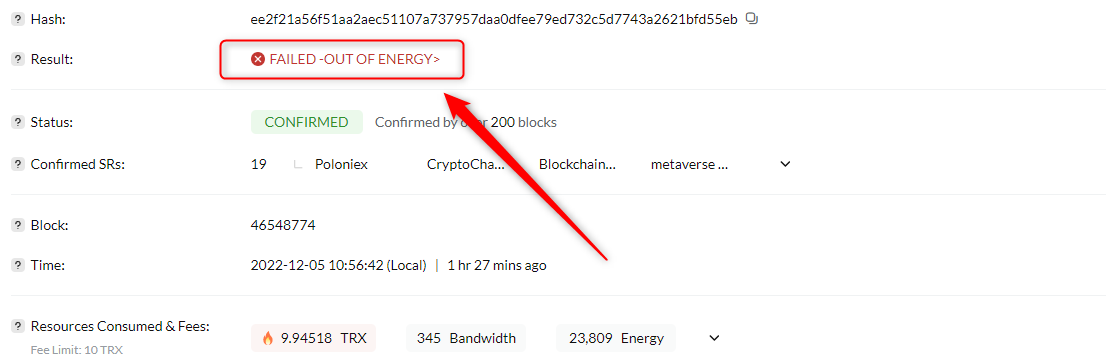
In terms of DeFi, this programmable Energy leasing enables users to trade, yield farm and even use lending protocols on the platform without ever having to experience an Energy shortage through continuous high-frequency trading. For instance, NFT marketplaces enjoy a frictionless way of allowing artists and collectors to mint, purchase and sell digital assets without worrying about their TRX balance. When used in gaming, DApps can provide actions and rewards in real-time and on-chain, while Energy needs are handled invisibly in the background. Enterprise programmable leases are designed for scale and automation; most appropriate for applications such as supply chain tracking or digital identity management where reliability and cost control are critical.
Specific Use Cases and Benefits
These and other DApps and services are already realizing the benefits of programmable Energy leasing. The most significant use cases and benefits include:
Economic benefits. Rather than locking up TRX on the blockchain and tying up capital, paying for Energy by leasing as required can generate savings at scale, particularly for applications with high transaction throughput.
Improved user experience. End users of DApps do not need to be familiar with or manage Energy resources, thus making the platform accessible to a larger user group.
Key Features of Automated Energy Management for DApps:
1. Operational flexibility: DApps adapt Energy utilization to real-time transaction volumes to ensure optimal operational performance during peak and off-peak hours.
2. Lower barrier for startups: instead of worrying about packing large TRX reserves, IT startups can deploy and grow their DApps — opening the door for more creativity and production in the TRON ecosystem.
3. Scalability: DApps can burst Energy usage instantaneously via programmable leasing, helping them scale from viral social apps to enterprise-grade.
4. Stable pricing: DApps can know in advance how much they would spend and plan accordingly due to dynamic fee calculation and real-time analytics.
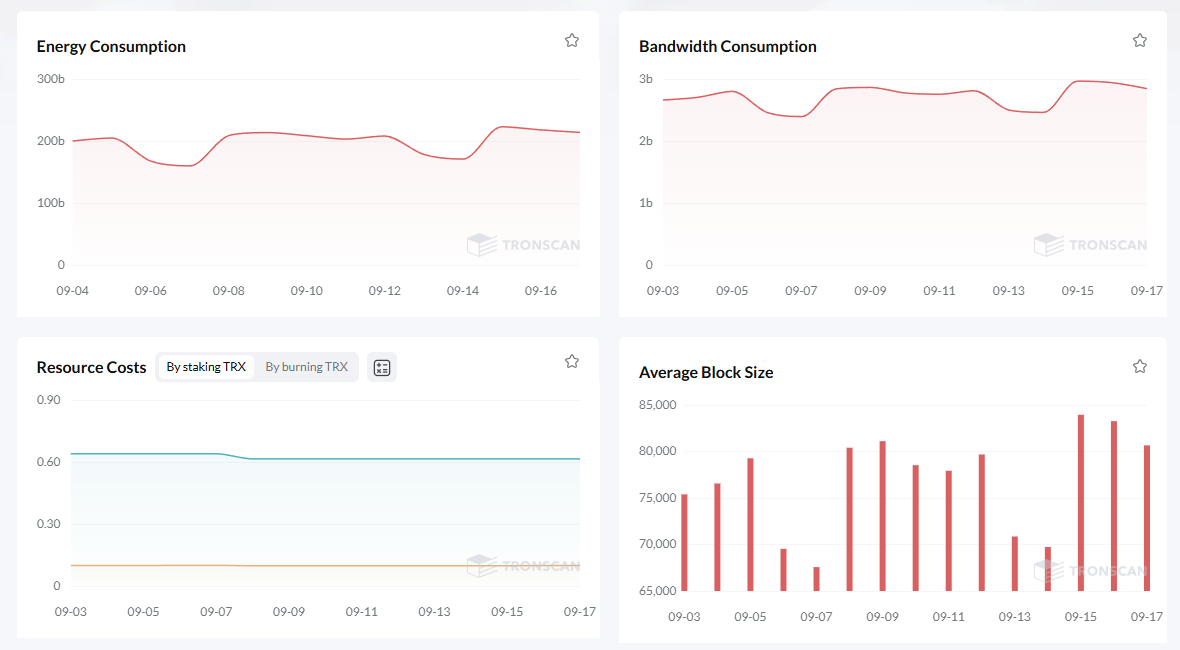
Successful Examples of Energy Renting Implementation
A number of platforms are already leading the way in the TRON Energy market (for providing critical infrastructure, both for DApps and users). Notable examples include:
TronNRG: a rental platform that enables you to rent Energy for a single transaction, a simple API for developers and huge cost savings on payment transactions for end-users. TronNRG has earned high respect amongst NFT and gaming DApps for its consistent uptime and clear pricing.
TronRent: famous for its instant Energy rental service without deposit. Users can save on transaction fees; it also supports short-term rental and variable rental amounts. DeFi protocols and payment DApps requiring high throughput and low downtime have become a staple within TronRent.
GasStation: a fast and automated Energy rental service, it is a trustworthy option for DApps that need secure, reliable Energy for multiple operational needs. Enterprise users will love the ability of GasStation to visualize and monitor: the analytics dashboard makes it easy to track and optimize for Energy use at large scale.
Netts.io: an Energy rental and management ecosystem and platform. It has different modes of operation — automatic and manual — so that every business can find their style. Netts.io also leads the way in programmable leasing, combined with payments integrations, drawing the attention of both startups and the world´s biggest companies.
This is a glimpse of how programmable Energy leasing is a real solution for the community, powering the most used and innovative DApps on TRON. Their stories of success are inspiring new generations of developers and entrepreneurs to examine what’s possible when Energy management has a seamless API.
Crypto: a New Space for IT Startups
This programmable Energy leasing is the soil that IT-startups can germinate and come to realize their cryptocurrency potential. Startups can now build:
1. Exchangeable Energy rental and trading DApps that allow users to rent and sell Energy and buy and sell all Energy from DApps forming new markets and revenue streams.
2. Resource management tools aiding DApp developers in monitoring, predicting and optimizing their Energy usage — lowering the cost of development and improving reliability.
3. Wallets and interfaces that allow users to bypass Energy management complexities to easily access TRON-based services with just a click, even without technical knowledge.
4. Integration APIs/SDKs, so that other developers can plug programmable Energy leasing into their own products with low latency.
As the rentals of TRON Energy have risen up, consulting and integration services have also come into play where companies look for services to integrate automated Energy management with their existing products. In fact, this trend is likely to speed up, as more businesses realize the benefits of seamless, programmatic resource allocation. This translates into not just new business models for startups, but also the opportunity to be infrastructure players for the next wave of crypto.
Certain Challenges and Risks that Programmable Leasing Can Address
Despite these benefits, programmable Energy leasing brings new complications and new risks. This is a concern that if there is a lot of demand for the Energy, the prices of rentals will be greatly affected and thus affecting the profitability of the DApp. Another factor is the security and reliability of automated systems, which should protect against failures as well as attacks. Additionally, over-reliance on third-party platforms for Energy management can lead to a single point of failure.
Modern Energy leasing platforms are programmable and can help solve many of these problems. Fallback mechanisms can be programmed into smart contracts, like switching over to other providers or limiting non-essential operations temporarily in price increase events. It helps developers anticipate changes in the market with advanced analytics and monitoring tools. Also, as the TRON Energy Market is 100% decentralized, it can maintain lower systemic risk because no single provider can gatekeep resources.
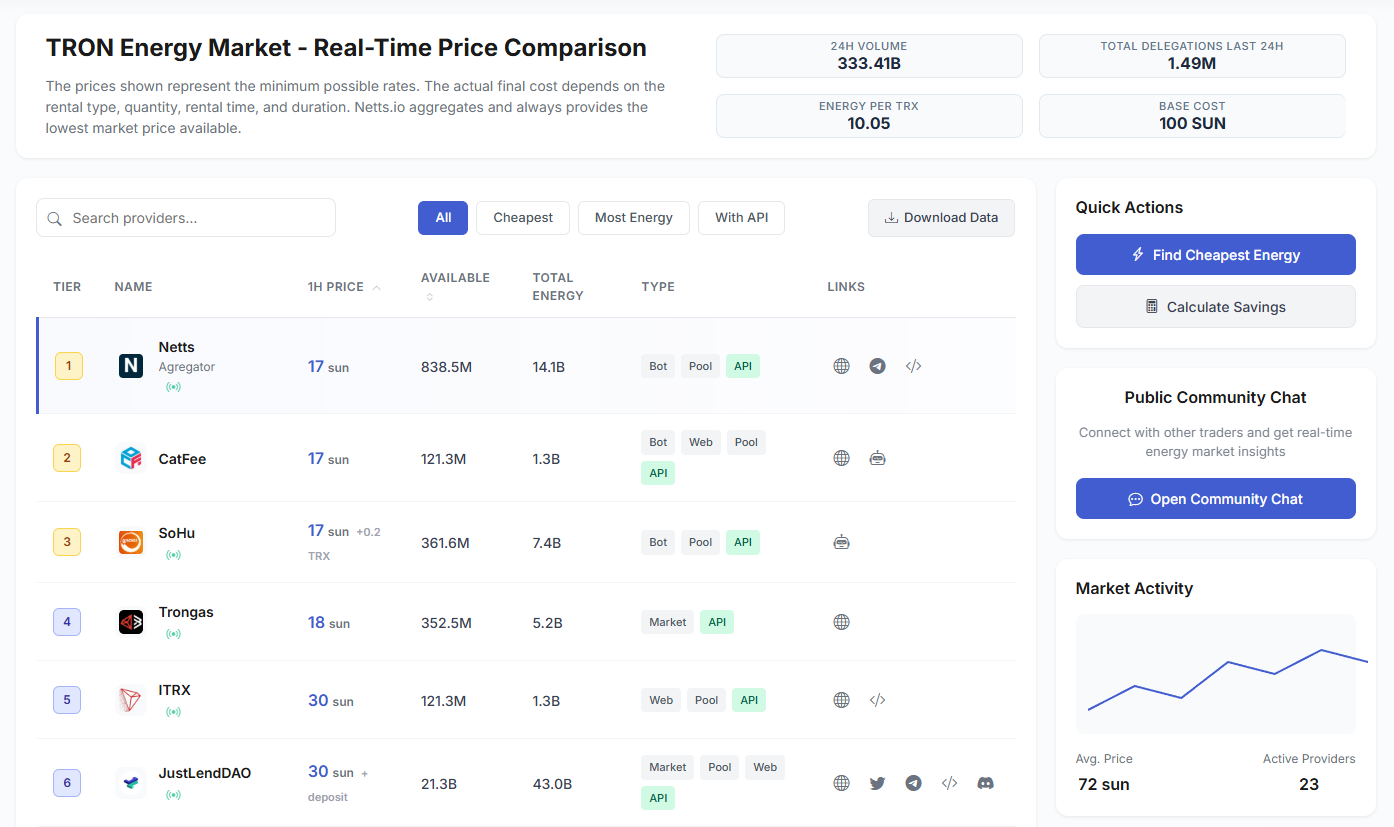
The Future of Programmable Energy Leasing on TRON and Beyond
And the rise of programmable Energy leases is a game changer for the TRON ecosystem, as well as the cryptocurrency world as a whole. This innovation will likely reduce operational costs, simplify user experiences and enable new business models — as a result, it will encourage the adoption of TRON-based DApps and attract a wide range of developers and users.
But also, in the long term, one can imagine the success of programmable Energy leasing on TRON can shed light and enlighten more models on other blockchains in the speed of resource management and the adaptability for scale. As native applications integrated into blockchain networks, we hope that this wave of automation in Energy management will inspire a new wave of innovation in DApps targeting DeFi, gaming, digital identity and many other DApp categories in the coming months and years. Those platforms that want to stand out from the crowd in this competitive era will need to be able to rent Energy on TRON on demand.
This may also be related to regulatory trends, as governments and industry bodies start to realise the advantages of programmable resource management for compliance, transparency and consumer protection purposes. DApp developers and users may unleash even more power with future technical advances, such as cross-chain Energy leasing or AI-driven optimization. In the coming years, programmable Energy leasing could very well be a common function for blockchain-agnostic features, not only on TRON, but within the entire blockchain ecosystem.
However, the options for IT startups are plenty. This is allowing the programmable Energy leasing model to open new doors — from new Energy trading platforms to integration and consulting services, where tech and economics were previously locked behind barriers. More innovative and impactful applications will be brought to life as TRON Energy Market continues to evolve. Startups that find their niche within the overlap of these three pillars — Energy management, user experience and blockchain innovation — are likely to play a key role in building the Web3 of tomorrow.
USDT Transfer Tool: Making TRON Transfers Truly Effortless
A prime example of user experience revolutionized by programmable Energy leasing on TRON has been the USDT Transfer Tool, created by Netts.io. The service enables users to transfer USDT on TRON without having to hold TRX or Energy. Easy, secure transfers without the hassle as instead of usual transaction fees, users pay the transaction commission directly in USDT.
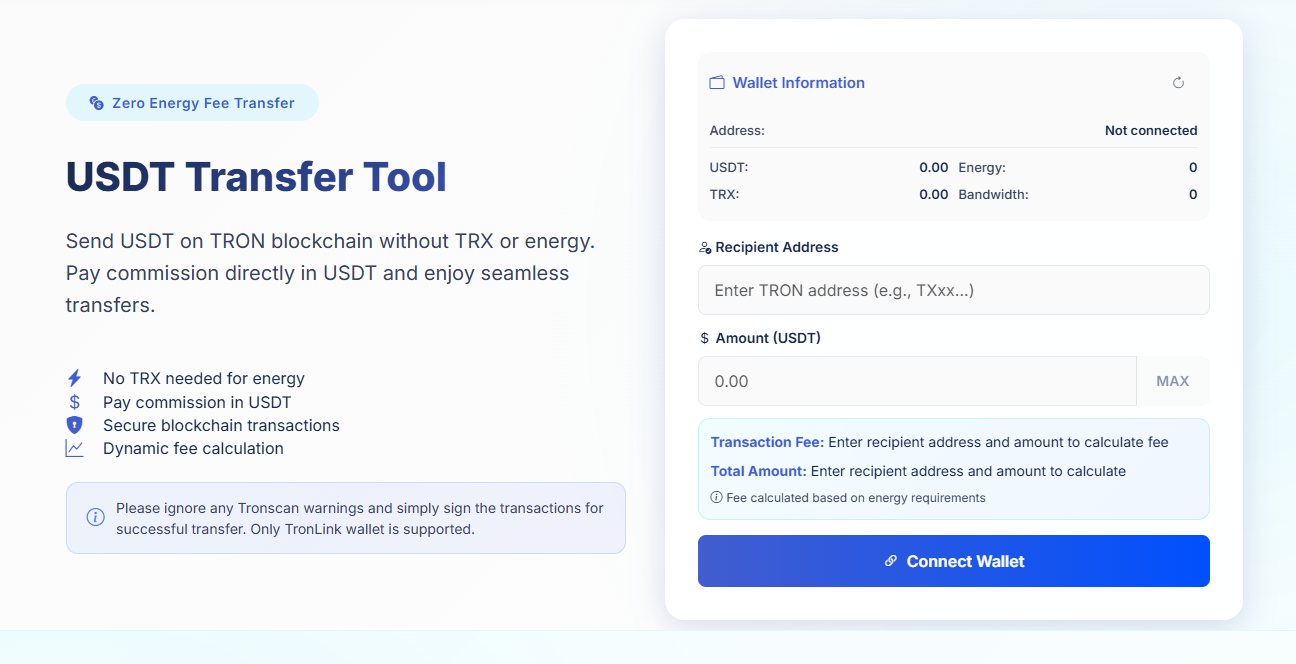
Any USDT Transfer Tool helps to break through the so-called "Energy wall" — the dilemma that users have USDT but they do not have TRX to pay for the transaction transfer fees. It means you no longer need to hassle between exchanges to purchase TRX, juggle different wallets or anything of that sort. A user needs to just connect their TronLink wallet to fill in the receiver and the amount, as well as sign the transaction for USDT fee and mainnet transfer separately. The Energy needed is automatically delegated by the system and then the transaction is broadcasted, making the whole process as simple as it should be.
Contrary to standard fee structures that charge users to start a transaction, the USDT Transfer Tool’s unique fee format allows businesses and developers to allow a recipient to pay and integrate seamlessly into various services. Not only does this tool essentially eliminate the top friction point of crypto payments on TRON, it opens up the network to a larger audience and newfound interest from crypto exchanges, fintech platforms, iGaming or DApps.
With fair, dynamic, market-responsive pricing based on the Energy markets, users will always pay a fair price — and thanks to its non-custodial design users will always retain control of their funds. For enterprises, the USDT Transfer Tool can be integrated through API, creating new opportunities by enabling seamless payments, payroll and customer onboarding without the overhead typical of commercial Energy management.
To conclude, programmable Energy leases are not merely a technical improvement — they indicate a new paradigm in TRON network resource management and consumption. Their automated Energy management, cost reduction and improvement of user experiences are enabling a much more efficient, inclusive, dynamic and sustainable blockchain ecosystem. This evolution towards programmable leasing can pave the way for the future of blockchain technology, enabling more user-friendly, scalable, and ecosystem-ready infrastructure — hence, a future for users and developers alike to look forward to in the next wave of blockchain-powered decentralized applications.