How Geopolitics Affects Crypto
Sanctions, rates, wars, and CBDC plans reshape crypto flows — fast chains and stablecoins matter when banks break.
The complex relationship between world politics and the market for digital coins has become more obvious over the past few years. With digital assets evolving and becoming more widely adopted, geopolitical developments — such as armed conflicts and sanctions to regulatory changes and central bank situations — have a dramatic effect on the crypto space. These dynamics are important for investors, developers, and users to understand when dealing with the complicated world of decentralized finance.
Ascent of Cryptocurrency as a Geopolitical Tool
Cryptoassets are now instruments of individual financial empowerment as well as geopolitical strategy. When political rather than technological crises arise, these digital assets function as alternative financial systems that are often not reliant on any traditional banking capabilities. Russia-Ukraine tensions highlight this trend, as Russian and Ukrainian citizens both sought out cryptocurrency to hedge wealth and pay for goods during the uncertainty.
Cryptocurrencies shine when political uncertainty rears its ugly head - given their decentralized nature. Unlike typical financial systems that can be manipulated or censored by governments, cryptos work over peer-to-peer networks that are censorship-resistant. This has made them useful as instruments of those wanting to preserve financial independence in politically unstable settings.
In Lebanon and Venezuela, economic turmoil and political chaos have fueled widespread use of cryptocurrencies as people look for ways to escape the collapse of their local monetary systems. Likewise, various international organizations have begun to implement digital currencies as a means to provide humanitarian assistance within foreign countries afflicted by conflict or otherwise unable to support traditional banking infrastructure.
Regulatory Responses and Market Volatility
Powerful geopolitical events often happen that result in major regulatory changes for cryptocurrencies. National and supranational-level governments around the world have taken different approaches to digital asset regulation, broadly spanning from outright prohibition to establishing comprehensive frameworks that both promote innovation while ensuring oversight. China’s 2021 ban on cryptocurrency mining created a significant market upheaval, and El Salvador’s acceptance of Bitcoin as legal tender was proof that favorable policies can spur both adoption and investment.
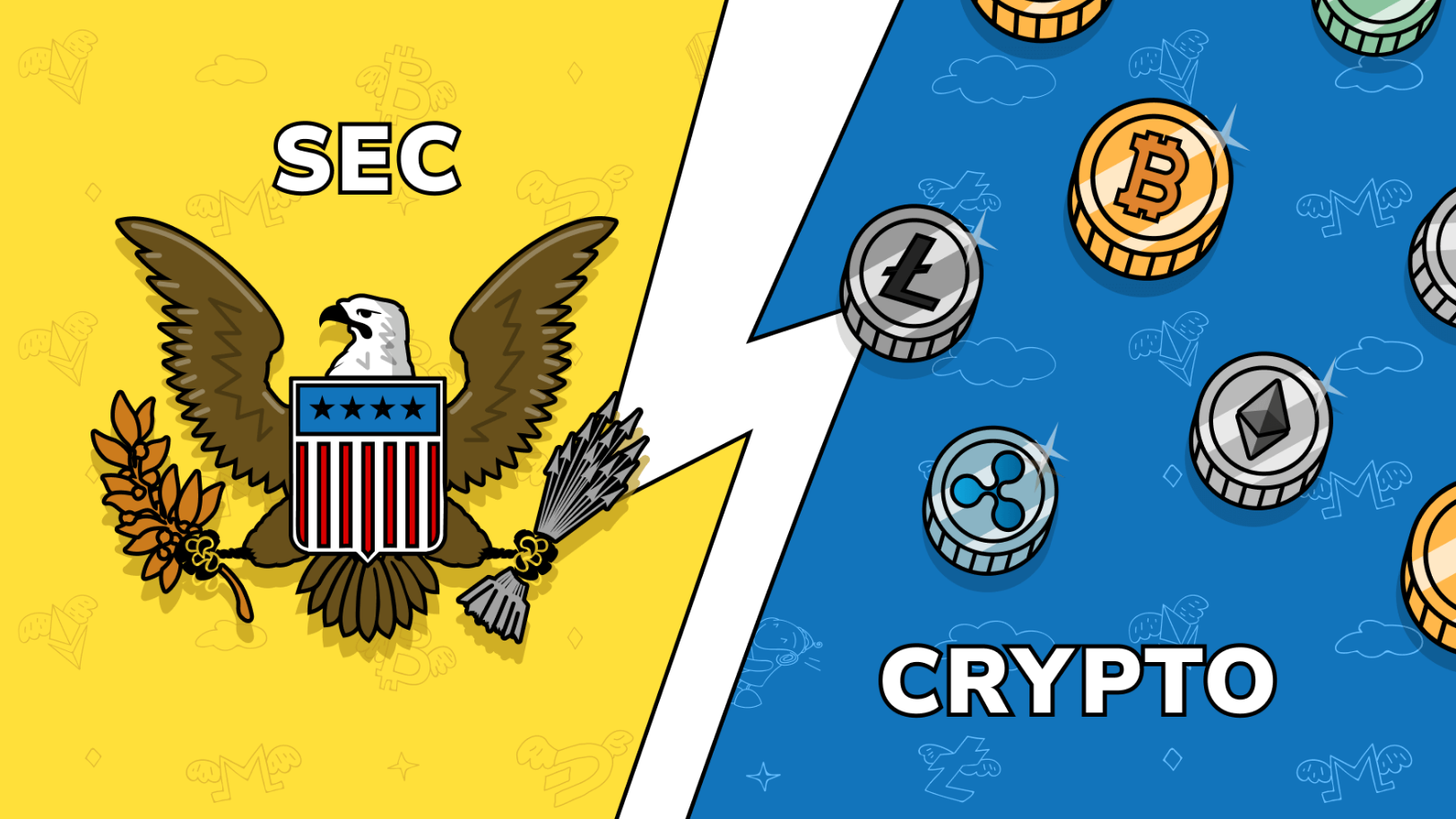
The US's influence in the development of global crypto regulation is gaining prominence. The SEC crackdown against the major exchanges has brought great market uncertainty, and a war between regulatory bodies is still creating price swings in the market.
Economic Embargoes and the Adoption Of Cryptocurrencies
One of the most direct ways geopolitics impacts cryptocurrency markets is through economic sanctions. With conventional financial mechanisms breaking under sanctions, entities that bear the brunt of it are increasingly pivoting to using digital assets over cross-border transactions. This has been especially apparent in situations between countries under international economic isolation, where cryptocurrencies act as a way to stay connected economically even if banking facilities are restricted.
Policymakers and financial institutions are apparently involved in an intense debate regarding the effectiveness of sanctions in the cryptocurrency era. Although digital assets may partially evade conventional financial control systems, they bring new issues to the table for law enforcement authorities that combat illicit flows of funds. This has drawn extra attention to cryptocurrency exchanges and other service providers, particularly those that operate in nations with challenging geopolitical arrangements.
Iran and North Korea are nothing if not examples of how economic sanctions can result in cryptocurrency adoption and development. Iranian businesses have already looked to bitcoin mining and trading cryptocurrencies as an alternative way to access international markets, while a well-developed North Korean cryptocurrency economy shows how these sanctioned states use digital assets for legitimate as well as nefarious means. The ever-changing face of sanctions enforcement has led governments to try and find a new arsenal of tools and strategies for enforcing sanctions against cryptocurrency users.
Policies of the Central Bank and Cryptocurrency Markets
Central Bank Decisions Can Impact Cryptocurrency Markets Significantly. This especially refers to interest rates and monetary policy. The Federal Reserve's rapid hiking of interest rates in recent years has been a significant headwind to cryptocurrency investments because higher interest rates usually bolster traditional currencies and diminish the appeal of riskier assets such as cryptocurrencies to institutional players. This dynamic illustrates how macroeconomic decisions can shape digital asset valuations and network participation.
Central Bank Digital Currencies (CBDCs) are another important nexus where conventional monetary policies collide with crypto markets. China's digital yuan, the European Central Bank's digital euro effort and other such projects around the world have provoked chatter about how state-backed digital currencies could shape — and misshape — the future of decentralized cryptocurrencies. In some cases CBDCs could be built as an extension of current digital assets, but the alternatives space would still perceive them as threats to their decentralization.
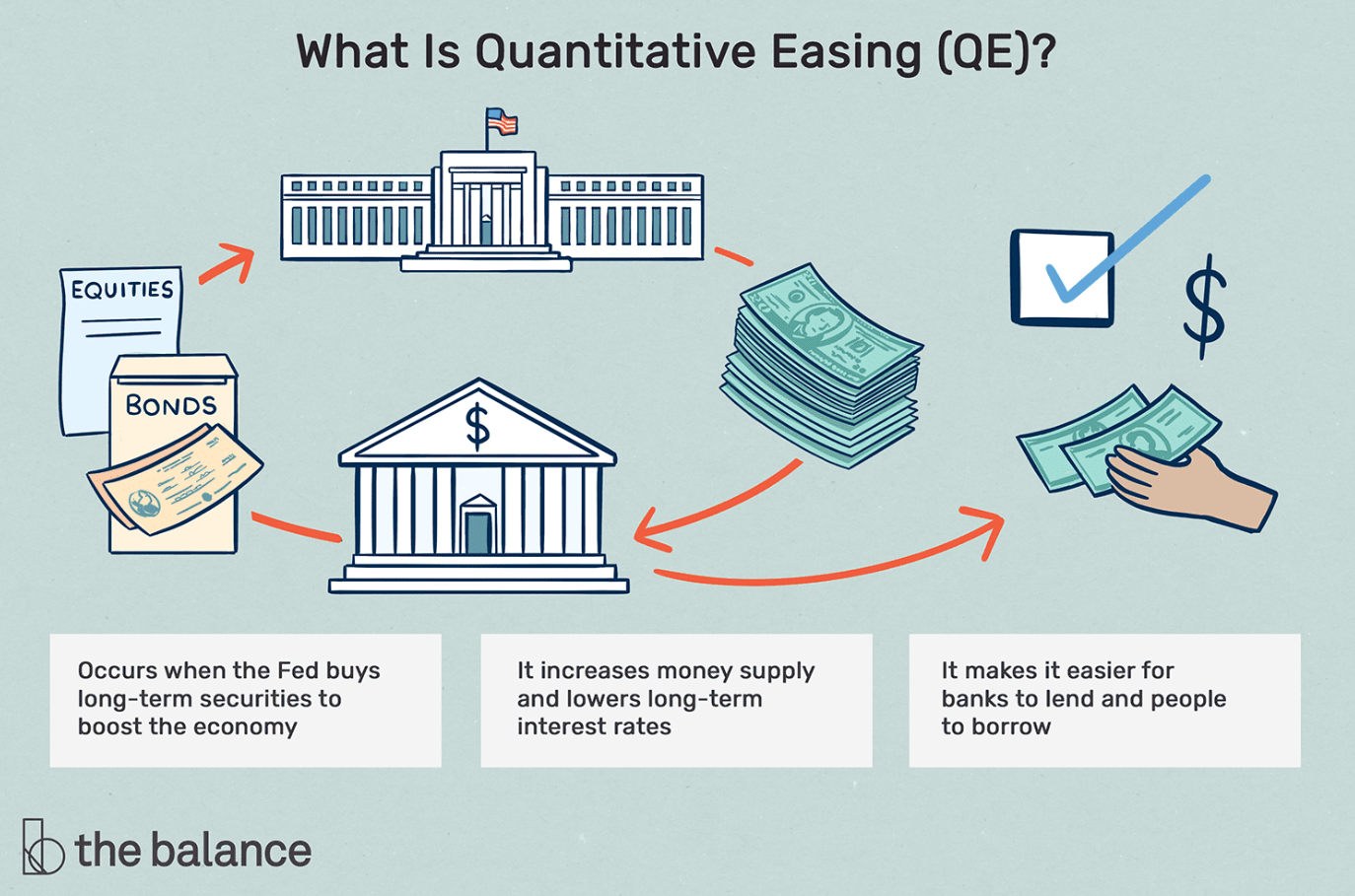
The quantitative easing launched by the Federal Reserve in economic crises has been a mixed bag for cryptocurrency markets. Although investors were funneled into risky assets including cryptos on massive liquidity injections initially, the threat of inflation and resulting tightening cycle has made digital asset markets much choppy. This trend illustrates how central bank decisions can be both a catalyst and challenge for digital asset investors.
The long-term negative interest rate policy by the Bank of Japan is another case that shows how non-traditional monetary policies influence cryptocurrency adoption. As returns from their savings evaporate, Japanese investors have sought alternative assets in the form of cryptocurrencies — risking regulation and cultural aversion to digital coins.
The ECB’s attitude to cryptocurrency regulation is indicative of the more general European worry about financial stability and customer protection. The bank’s careful approach to digital assets and its focus on building a digital euro speaks to the way that central banks are trying to navigate cultivating innovation in a cryptocurrency market while mitigating risk.
TRON Network: How It Fits in Geopolitical Context
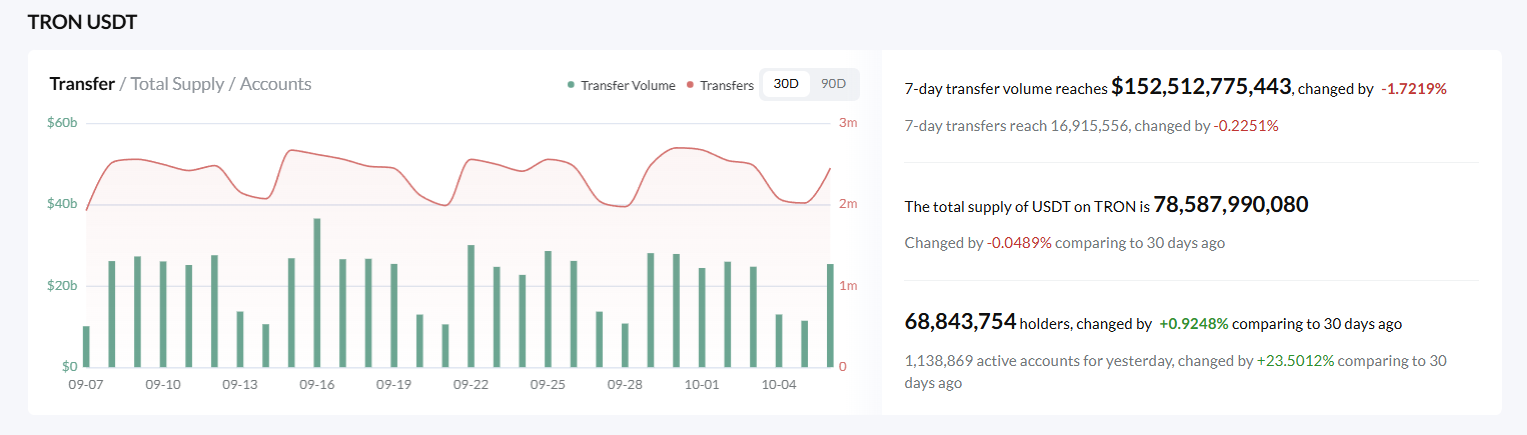
The TRON network, which has been known to promote itself as pushing for fast transactions with low fees, is no exception when it comes to geopolitical factors. With regulations in different countries changing, TRON-based dApps and services need to be prepared for compliance challenges of all countries. Its focus on decentralized finance (DeFi) and smart contract capability also make it a competitor for use in areas that have been traditionally underserved by banking.
In times of geopolitical uncertainty, there is a growing need for fast and efficient blockchain solutions that would work without traditional banking facilities. This interest has resulted in increased demand for services that improve TRON network performance, such as energy management and the processing of transactions. When circumstances negatively affect operations based on geopolitical reasons, then the capability to efficiently handle network resources becomes even more crucial.
The energy system of TRON, where you rent Energy to transact, is subject to geopolitical factors influencing global markets for example. Volatile global energy prices stemming from political events, trade wars or supply chain shocks may result in changes to the cost structure of running on the TRON network. This delivers market potential for smart energy management solutions that minimize the expenditure and guarantee faultless operation.
Globalist nature of the network’s user base also requires TRON apps to traverse multiple (and varied) regulatory terrains at once. Developers who build decentralized applications on TRON are subject to regulatory compliance in different countries, which sometimes involves complicated legal framework and process using automated systems. This complexity has resulted in demand for enterprise tools that are capable of managing multilateral businesses.
The natural emphasis of the TRON network on content and entertainment has rendered it particularly susceptible to geopolitical tensions in digital rights and censorship. Different countries are adopting different methods of regulation, and TRON-based platforms have to change the operation mode according to local judicial system and policy trends; throughout decentralization will remain the backbone of their operations. This delicate balance is now more difficult to achieve because regulatory limitations are increasing in many countries.
Stablecoins' Reliability
Stablecoins have become especially useful in geopolitical crises, providing a measure of stability in turbulent times. Denominated in currencies like the dollar, stablecoins allow users to access some of the advantages of digital money while avoiding volatility. This feature has appealed to individuals and businesses trying to maintain value in times of economic or political instability.
The greater use of stablecoins in times of war and economic blockades has underscored their role as financial safe havens. But it is also this feature that has garnered regulatory scrutiny as lawmakers try to comprehend, and possibly rein in, the use of stablecoins to evade conventional financial restrictions. Governments are still experimenting with how to regulate stablecoins as they walk the fine line between promoting innovation and ensuring stability.
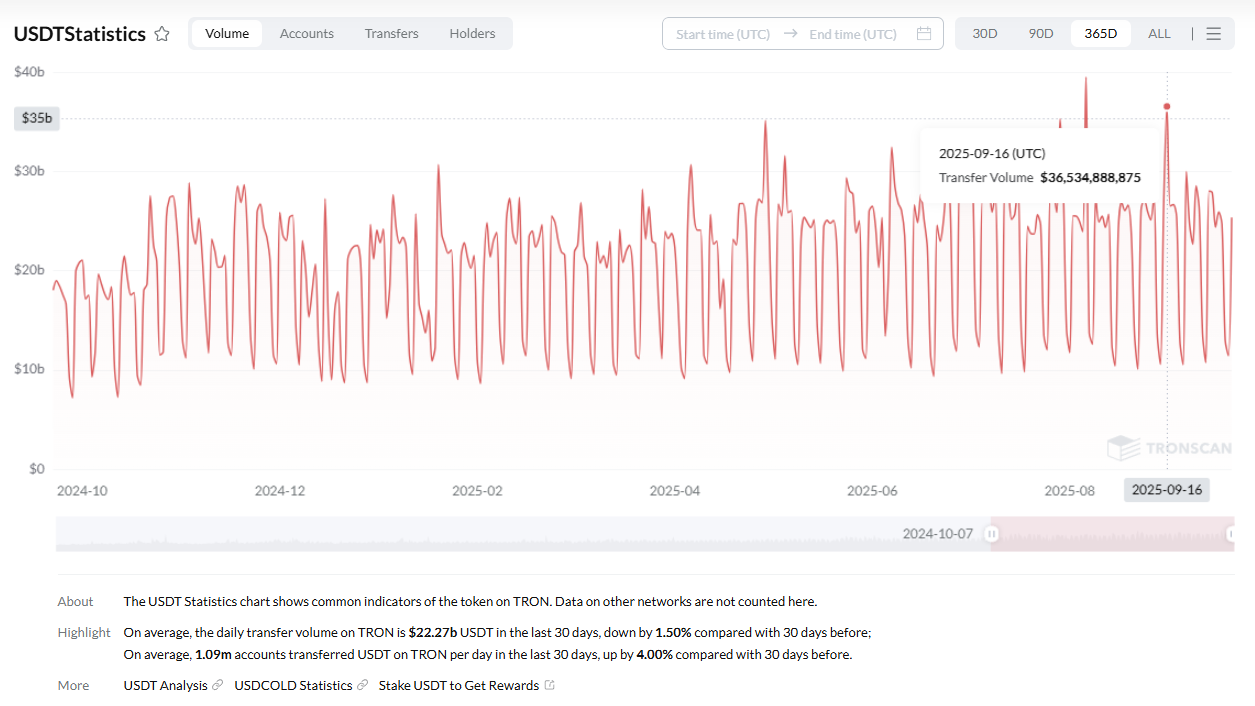
The rise of dollar-pegged stablecoins has created some interesting geopolitical dynamics. Some countries with rocky relationships with the US themselves are concerned about their reliance on USD-backed digital assets, which has been a driver for more exploration of different types of stablecoins. This has spurred the proliferation of stablecoins pegged to or backed by other currencies and asset classes, in a reflection of more widespread geopolitical tensions across the digital asset universe.
Algorithmic stablecoins that failed under market stress showed why good collateral and governance matter in designing stablecoins. These shortcomings have led regulators around the world to tailor tighter conditions for stablecoin issuers and underscored the importance of solid risk management within the stablecoin ecosystem.
Especially in times of geopolitical crisis, the function stablecoins play in cross-border remittances has become particularly notable. When conventional remittance networks are broken by sanctions or political strains, stablecoins let individuals move money across borders with minimal friction. This application has become especially popular in areas that are home to diaspora populations experiencing economic or political turmoil back in their native countries.
Technological Innovation Amid Political Uncertainty
Geopolitical friction has always spurred technological progress in the cryptocurrency world. The demand for censorship-resistant financial systems has spurred the innovation of increasingly sophisticated privacy and interoperability solutions, along with decentralized governance models. These developments underscore the response of the crypto community to political threats and regulatory crackdowns.
The creation of sophisticated automation tools and API endpoints for blockchain management has become increasingly important with added operational complexity due to geopolitical shifts. Services that automate complex activities such as delegation of energy and transaction optimization become highly valuable when manual handling is no longer feasible, due to regulatory/handling limits.
The rise of privacy coins and mixing services is a clear indication that people are worried about financial surveillance and censorship. With international governments deploying more advanced economic surveillance systems, cryptocurrency programmers have created more intricate privacy safeguards that retain the integrity necessary for legitimate applications while keeping transactions out of sight.
Geopolitical tensions provide little opportunity for traditional financial integration, making cross-chain interoperability solutions even more important. The ability to shuttle value across disparate blockchains becomes even more important when the normal financial rails are obstructed by political conflict or regulation.
The decentralized ways of governing have developed as responses to working in environments with unstable politics. With such systems, even if geopolitical circumstances are changing dynamically in some countries, project teams can appropriately adjust the corresponding operating mechanism and policy without centralized institutions buckling under political pressure.
Future Implications and Strategic Considerations
The dynamic between geopolitics and the markets for cryptocurrencies is likely to evolve – as digital assets become increasingly entrenched within global financial systems. It is becoming clear that cryptocurrencies are likely to become more and more relevant to international trade, remittances and financial inclusion efforts. But this increasing significance does imply more attention on digital assets by regulators and those who make the rules across the globe.
So as a participant in the cryptocurrency space, learning about geopolitical developments becomes not just wise but strategic and risk management-wise crucial. Success in this emerging digital asset and financial technology (fin-tech) ecosystem will depend heavily on a company’s abilities to adjust to variable regulatory climates; forecast or predict policy changes; adjust marketing strategies to different political situations.
The ability of cryptocurrencies to revolutionize international relations and economic diplomacy should not be understated. These digital assets could lead to new kinds of economic interdependencies that don’t respect the political boundaries we’ve long been accustomed to. This could mean opportunities for greater cooperation and new sources of geopolitical friction.
The creation of national cryptocurrency strategies is a telling indicator of the increasingly recognized geopolitical relevance of digital currencies. Nations across the world are formulating holistic strategies for crypto laws, use and innovation that cater to their overall economic and political ambitions. These are likely to determine the next phase in the evolution of the global crypto ecosystem.
New geopolitical concerns arise from the junction of artificial intelligence, cryptocurrency technology. With the development of increasingly more advanced AI systems coupled to blockchain networks, these can open up new frontiers for autonomous decision making and resource management that could also alter geopolitics in unanticipated fashion.
Netts Workspace — Professional TRON Energy Management
Effective TRON Energy management is very important to maintain cost efficiency. Netts Workspace service makes full spectrum of professional TRON Energy management possible, such as automatic offline delegated, smart scheduling and real-time monitor solution. It also offers developers via a superior API access to powerful integration options so the solution can be hooked up to existing systems, automating Energy management tasks while still keeping strong security protocols.
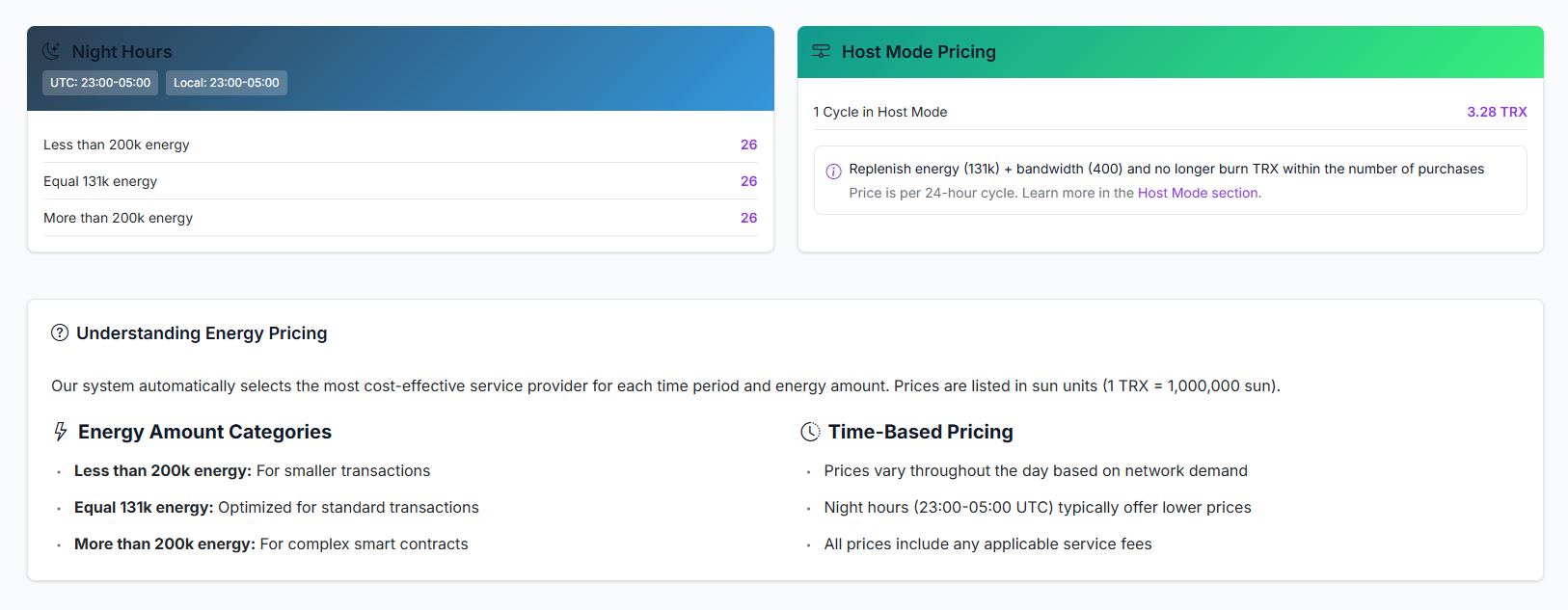
The tool offers a full range of financial management capabilities — including analysis and reporting tools – to allow users total visibility across their activity on the TRON network. Netts Workspace facilitates and simplifies the complex task of managing blockchain resources by doing energy delegation automatically and optimizing costs based on smart schedules. With the cryptocurrency market influenced over and over by geo-political changes, services like Netts Workspace become more important for efficient operations in the fluid digital asset industry.