Freelancing and Crypto: Perfect Match
Freelancing paid in crypto — invoices, wallet hygiene, fee planning, and clear terms so global gigs don’t end in disputes or lost keys.

A freelancer can endure a lot of tension and rounds of economy which has no supervision. The flexibility of working your own hours and projects is definitely great, but often involves managing a lot of balls in the air at the same time. Freelancers are often contending with inconsistent cash flow, the ebb and flow of the feast-or-famine cycle characteristic of independent work.
There might be one month of lucrative contracts and another without, which will end up challenging your fiscal fortitude.
And then there are clients who throw curve-balls by changing project specs halfway through the work, who expect all revisions to be done for free, or who simply disappear when it comes time to pay the bill. To make matters worse, deadlines are constantly being pushed, which makes you reshuffle your calendar and shuffle the to-do list in your head infinitely.
Finally there is the biggest challenge of all, getting paid.
Now handling payments differs from one client to another, for some, it is just bank transfer and a physical check, and some have different online payment channels. Every method carries the associated rules, processing time, and disguised charges. Instead, how about a currency that is transferred to you instantly, rapidly and without the need to disclose personal banking information and without the possibility to be traced?
Hence, you can already guess where I am heading with this — crypto and freelancing are merging at the present moment to form a new way of life for independent professionals globally.
Copywriters, software engineers, graphic artists, and consultants have come to realize that payments can be surprisingly simple. Rather than having to complete reams of paperwork, confirm routing bank account numbers and after days of international wire transfers, you simply forward an address and watch as the numbers rise. Such ease of transaction is changing the landscape of the gig economy.
Existing financial systems were designed in a time when transnational trade was more the exception than norm. A developer in Eastern Europe today could be working for a startup based in Silicon Valley, a designer in South America could be working with an agency in London. For them, having to deal with the friction of a traditional bank is a major pain point.
Nothing derails a successful project like high conversion rates, spike in SWIFT fees or frozen accounts.
Cryptocurrency cuts out these systems altogether. It runs on a decentralized network that does not give a toss about international borders or bank opening times. No matter where in the world the sender and receiver are — when you send USDT cheap around the world it settles in minutes, if not seconds. Such efficiency has never existed before and provides a strong alternative to traditional financial systems.
The Psychological Toll of Traditional Banking
There is little doubt how bad we feel because the time you wait for a normal bank transfer takes a psychological toll. You always excited to get paid after a big project completed as a freelancer. But in practice, the legacy banking system can make you wait days or even weeks. International wire transfers are especially well known for their lack of transparency and their delays.
For example, there may be several correspondent banks involved when a client in Europe pays a freelancer in Asia, with all of them taking a minuscule slice of the transaction and increasing processing time. The freelancer is in limbo meanwhile, money they worked hard for out of reach, and often with no clear answers from their bank as to when the transfer will be completed.
This uncertainty can lead to a lot of stress and instability in cash flow, as business owners may struggle to plan their expenses or make investments in new equipment.
Cryptocurrency eliminates this anxiety entirely. Once a client sends a USDT transfer, the transaction is propagated through the network to full nodes, miners, etc., and will usually complete in a matter of minutes. The transaction will appear instantly on a blockchain explorer, so freelancers always know what is happening with their payments — exactly as it should be.
Instead, freelancers can engage with this money directly and immediately, which represents a paradigm shift in the way freelancers can oversee their financial planning.
Burden of Currency Conversion
In addition to this, currency conversion can be a constant pain for freelancers with international clients. Freelancers are frequently compelled to accept payments in foreign currencies when working with clients in various nations. Traditional banks and payment processors often give you terrible exchange rates (and in addition, they charge hidden conversion fees), and you end up receiving far less money than you should.
This closeted taxation on worldwide work is capable of swiping a chunk out of income and making worldwide clients much less worthwhile to address. An elegant solution to this issue comes from cryptocurrency — especially stablecoins. USDT, as a digital asset well-recognized worldwide, helps freelancers avoid going through the foreign exchange market.
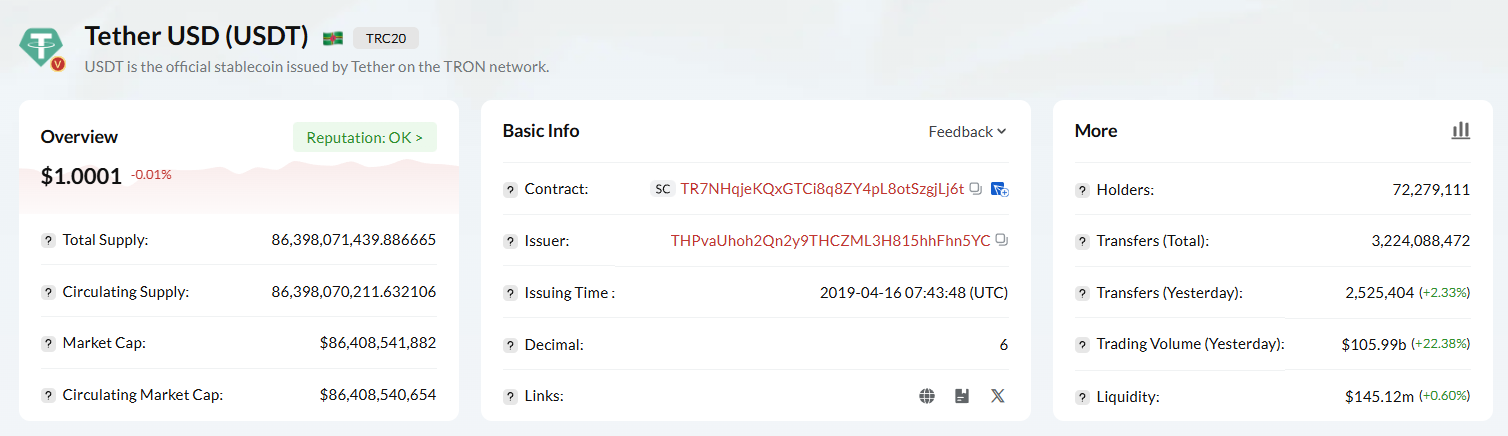
Sending USDT from a client based in the USA to the freelancer based in Brazil means that the freelancer receives the USDT amount going out from the client, with none of that money being deducted simply because a bank needs to convert it to another currency. The freelancer can access the fungible stablecoin and keep it as a hedge against local currency devaluation — or sell it into their local fiat currency on a peer-to-peer exchange or other local crypto platform whenever they find it convenient to do so, and at whatever rate suits them.
Such a degree of financial freedom will never be possible under the traditional banking system.
Top Tokens and Wallets
Stability and utility are crucial in picking the best cryptocurrency for receiving freelance payments. Bitcoin and Ethereum are the best-known brands in the business but the volatility of their price is a big negative for someone depending on crypto to pay the rent or buy groceries. This is why stablecoins make sense.
For instance, USDT and USDC are dollar-pegged tokens that deliver blockchain features while avoiding traditional crypto price volatility. The dream for many freelancers is to be paid half in stablecoins. It offers the quickness and borderless features of crypto while retaining the value of the funds.
Out of all the blockchain networks, TRON has now become a very popular destination for these transactions. TRON is considered one of the networks with a higher throughput and a low cost, so it is a good design for many small, frequent payments. If you ever need to do a transfer of USDT, it is far cheaper to send over the TRON blockchain compared to the Ethereum network which can experience huge gas fees when the network is busy.
In order to communicate and handle your digital incomes from these networks, you must have an accessible crypto wallet. Freelancers' top wallets all focus on security, usability & multichain support. Since then, it has become a staple for Ethereum-based tokens and supported Layer 2 networks, providing a powerful browser extension and standalone mobile app in the process, and even maintaining a power position in crypto with the recent explosion of GameFi.
The second one you should opt for is Trust Wallet, which offers extensive blockchain support and its simple intuitive user interface is great for both newbies and advanced users alike. But let's be real, for anything where extreme TRON stablecoin payment is required, TronLink is pretty much your one-stop shop. It is well integrated with the TRON ecosystem and enables users to handle TRX, USDT and plenty TRON-based precious assets.
If you are a freelancer moving into the crypto space, understanding how these wallets work is very important. You need to understand public addresses (the ones you give to clients to receive money) and private key or seed phrases which you should protect with your life. A bank account does not exist here, and you cannot just call customer service and ask for help when you lose your private keys; you bear total and exclusive responsibility for the safety of your coins.
So when it comes to building up your freelance crypto infrastructure, keep these things in mind:
1. Look for and choose a trusted non-custodial wallet with your networks of choice.
2. Make a copy of your seed phrase offline, so it cannot be compromised on a computer.
3. Know how much you are likely to pay in network fees to avoid surprises when transferring!
4. Set clear payment guidelines for your orders, such as cryptocurrency and blockchain.
Security and Self-Custody
The need for security and safety is also one of the strong reasons that freelancers adopt cryptocurrency. With traditional online payment gateways, freelancers are required to link their personal bank account and even provide sensitive information. An ever constant risk in the online digital era is the prevalence of data breaches and identity theft, creating a potential vulnerability.
Centralized payment platforms can freeze accounts or cancel transactions without any notice, and freelancers usually have a hard time fighting back. We cannot imagine living under the constant fear of someone else having total control of his own funds — something so many of us rely on to make a living.
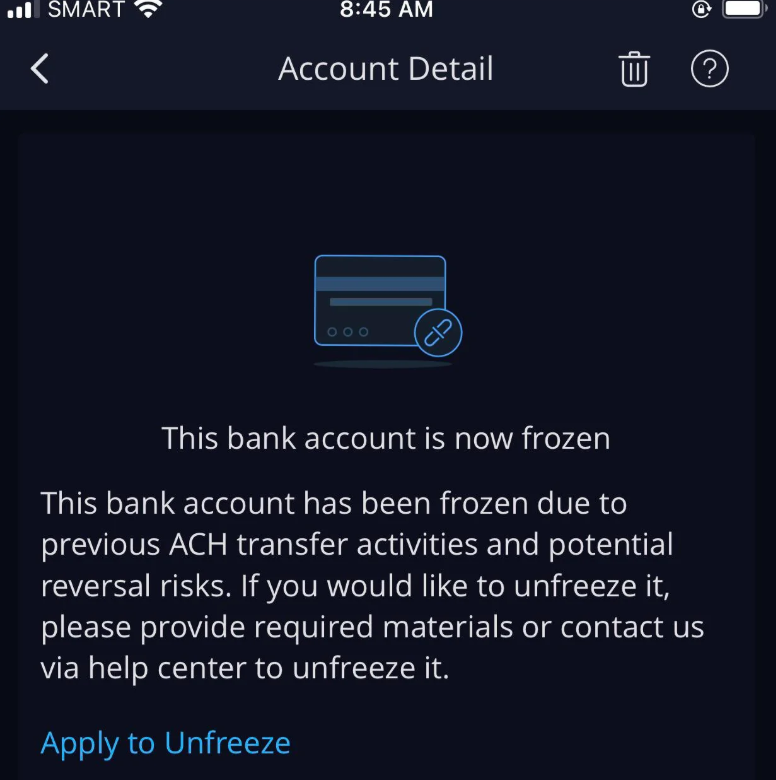
Cryptocurrency also runs on an entirely different model. It's grounded in cryptographic fundamentals that provide a level of security and trust for transactions without the need for a third-party intermediary. The payment goes straight to the freelancer's personal wallet accessible only to them, protected by a private key. No one can freeze their account or take their funds, there is no central party who can do that.
For independent workers who prefer to preserve their privacy and autonomy, this self-custody model offers a desirable degree of financial sovereignty.
Gaining Control: Tools, Tradeoffs and Crypto Reality
The beauty of cryptocurrency is that it gives you a lot more control over your purchases and a lot more transparency into what happens with your money. With traditional finance, the moment a client wires you money, you enter radio silence. You could be waiting days, creating refresh cycles on your account, pondering if the cash is en-route at an intermediary bank or if something was wrong with the routing number.
This is because crypto is tracked on a huge public ledger that everyone with an internet connection can see. Blockchain explorers, which are necessary tools for any freelancer familiar with crypto, facilitate this transparency. For instance, from the usage perspective, if you are on the TRON network, having complete control of your crypto transactions is made super simple with tools like tronscan.
Simply type in your wallet address or transaction hash you want to track into tronscan, and you could see if your payment has gone through. You can see that the client sent you the funds, and actually how many funds, as well as when the transaction has been added to the blockchain. Such transparency brings out the uncertainty and anxiety we are often left to battle with when waiting on international payments.
Nonetheless, we should note crypto may not be for every freelancer. If you feel digitally inclined, there are a number of tradeoffs you should consider before diving whole hog into digital currencies. The first, and probably most immediate, challenge is the learning curve. To set up wallets, be aware of network fees, and to properly store seed phrases require a degree of comfort with technology.
In addition, cryptocurrency regulation is continuously changing and is very different from one jurisdiction to another. However, there are tricky tax implications for freelancers: many countries treat your crypto transactions as taxable and it depends on your nationality and where you're working at the moment. When it comes to receiving and later on exchanging or selling your crypto for a different asset or fiat money, you will need to keep accurate records of the value of the respective crypto at the time you received it and the value of the respective crypto at the time you sold or exchanged it for a different asset or fiat money.
The second important tradeoff is due to the TRON network mechanism, which is Energy & Bandwidth. Most of the other networks work on the model of just paying the service fee in the native token but Tron uses a resource model. Bandwidth is required to execute basic operations and Energy is needed to interact with smart contracts, like sending TRC-20 tokens such as the USDT.
In case you lack Energy, the network would be burning TRX from your wallet to pay for the cost, which could come as a surprise for some new users. One interesting thing about using the TRON ecosystem is making the most of these resources. There is a little foresight involved and once you get it down, you can run a top-notch operation with extreme efficiency.
Future of Payment for Freelancers
Moreover, the use of cryptocurrency in freelance will also fundamentally change the dynamics of trust with clients and independent workers. The traditional model always creates friction: who assumes the first risk?
Does the freelancer ask for payment in full up front, and risk losing a potential client that fears being taken in by a scam? Or does the freelancer do the work, take on the risk of the client not paying when the work is done and only then, perhaps after a lot of wasted time, sending the payment? That conundrum has festered in the gig economy for years.
Escrow services mitigate this risk, yet such services typically carry high fees and a long dispute resolution process. The world of cryptocurrency poses new opportunities to mediate this dance of trust. Since crypto transactions are irreversible, those funds have already left your happy client and are not going to be arbitrarily “refunded” by the now-not-so-happy client.
So, this gives the freelancer a lot of security. What's more, crypto's speed enables micropayments. The client can instead transmit a tiny, instant payment for a particular milestone, minimizing the risk for both sides.
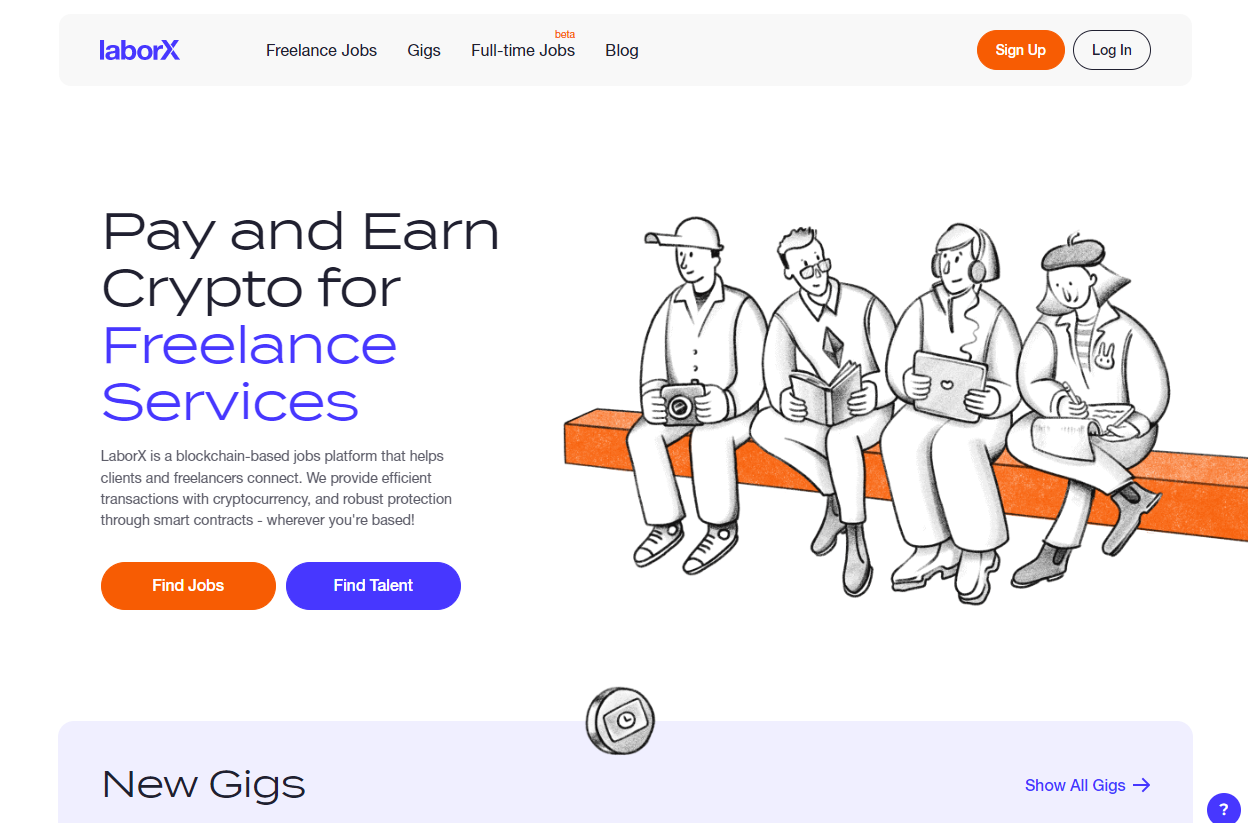
It is now about total reliance, with no intermediaries writing the rules or robbing you of your labor. Freelancers share the independent spirit of cryptocurrency, and its peer-to-peer nature. Here, you essentially become your own bank, with complete control over your money. There are platforms like laborX who develop this direction.
This empowerment, in itself, is enough to attract many professionals who would otherwise feel marginalized or taken advantage of traditional financial institutions. Getting a payment straight from the client without anyone taking a cut before, means the most money in your pocket.
Moving towards a crypto-focused payment model does come with adjustment and an element of education, but more often than not, the challenges pale in comparison to the benefits for those willing to make the effort to learn. There is no doubt that crypto has an edge over traditional finance when it comes to privacy, speed, and convenience. No more having exchange rates chip away at your profits, or banks freezing your account for unrecognised international activities.
You can get paid on weekends, holidays, and in any time zone, as the blockchain never sleeps. Being ever-present is a far cry from how banks usually operate, leaving freelancers waiting until Monday morning to access money dispatched Friday afternoon.
In addition to the obvious economic advantages, there is also a deep psychological transition that emerges with incorporating crypto into the lives of freelancers. That constant low-level anxiety that comes in the back of your head when you start to think: is my bank account going to flag this legitimate overseas payment as suspicious, just disappears.
Rather than being considered a number in a bank, the freelancer embodies the role of an active player within an open economy. They can now concentrate fully on producing great work, safe in the knowledge that their payment is math-driven, not tied to the vagaries of corporate banking policies.
Boost for the Gig Economy
The intersection of freelancing and crypto heralds a better, increased way for independent work to be paid. The outdated financial system — where transactions are delayed, expensive, and riddled with bureaucratic hurdles — is becoming a poor match for the ever-increasingly flexible, global market of gig work.
Crypto is a compelling solution, an instantaneous, trustless and international way to transfer value. Stablecoins like USDT and efficient networks such as TRON enable freelancers to avoid the pain of traditional electronic payments and enjoy a far better payment experience.
No doubt crypto is not for everyone — especially those who are averse to self-custody or are based in unfriendly regulatory hotspots — but for the majority of freelancers, it may as well be a breath of fresh air as a means of payment.
Independent workers are more in control of their financial future with the option to have your own funds and transparency of transactions using tools like tronscan and the very low USDT fee right there to dissuade any higher cut, so you can ensure that you and your workers are getting what they deserve from the work they put in. With the technology evolving and more user friendly, it will be hard to prove that cryptocurrency is not here to stay in the freelancing world.
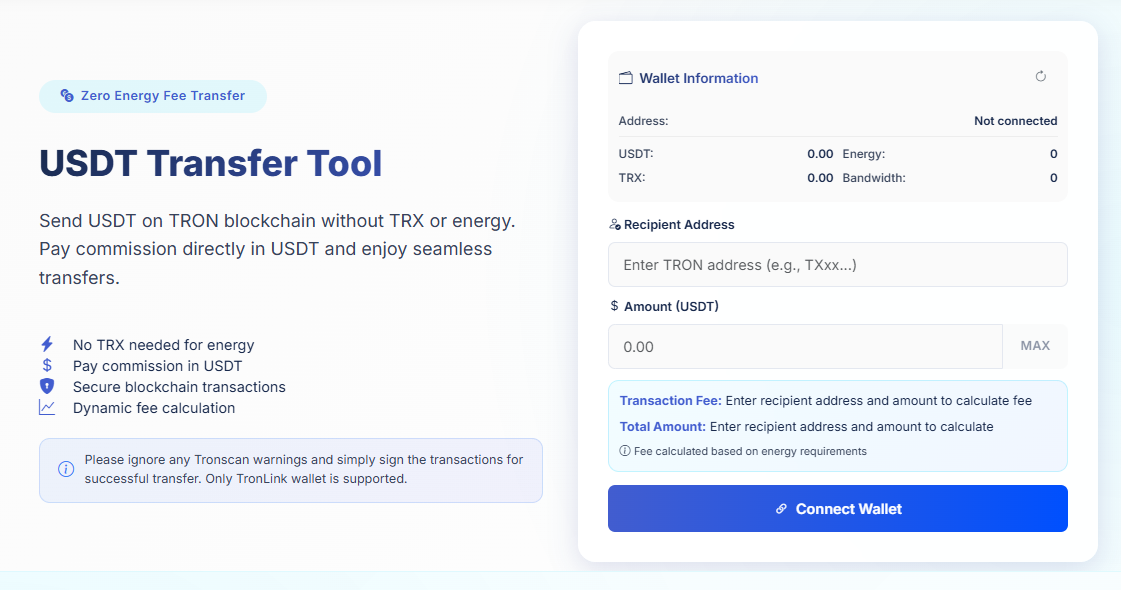
If you want to make your TRON experience even more seamless, especially with all the complicated aspects of Energy and Bandwidth, a few solutions are coming to market. So there is one kind of service, such as the Netts Transfer Tool, which enables users to send USDT on the TRON blockchain without the need of having TRX to cover for energy. Netts facilitates a safe, zero-energy-fee transfer process by allowing you to pay the commission directly in USDT, eliminating one of the main pain points for freelancers who depend on stablecoin-based pay anywhere.