Fashion Industry and Crypto: Style of the Future
On-chain provenance, NFC tags, metaverse skins, and token checkout — how fashion brands experiment with crypto without losing the runway.

The fashion story has forever been a story of human aspiration: a visual language that tells us who we are and, more poignantly, who we are not. For centuries, that language was spoken through fabrics — silk, velvet, leather — and shaped by the hands of artisans. But even as we sit firm in the first quarter of the 21st century, our means of expressing ourselves are undergoing a transformative alchemical act. We've seen a natural shift in technology into our everyday wear, from the functional digital watch to the everpresent SmartWear. The Apple Watch was more than just a timepiece; it broadcasted to the world that the wearer was wired, organized and health-conscious. It was a status symbol on par with the old Swiss mechanical timepieces.
Today, we sit on the cusp of another great inflection. Cryptocurrency and blockchain technology have become a more tangible part of the financial industry and less relegated to trading terminals. They are bleeding into the fabric of our lives, becoming a visual and tactile part of our aesthetic identity. The blockchain isn’t simply a ledger; it’s the new catwalk.
This evolution from purely utilitarian technology to fashion accessory is no coincidence. It’s the next step in a society where digital ownership and virtual presence is now on par, or even superior, to physical reality. As a mid-century executive might have chosen a leather briefcase to complement the interior or his luxury sedan, today’s customer opts for a digital wallet or hardware device that fits with their personal brand. The color of the computer case, the texture of a smartphone cover and now the visual representation of one’s crypto assets — these are the things you wear on your powerful internet machine at home.
Now we are moving into an age in which the act of showing your crypto prestige is equally as subtle and significant as someone’s choice of a “trendy” new lapel. The stereotype of the hoodie-wearing “crypto bro,” after all, is quickly giving way to an aesthetic that’s altogether more sophisticated — a vision of cyberpunk chic and glam high-fashion luxury. This is the shape of things to come: a hybrid existence in which the digital key to your fortune is worn around your neck like a talisman and your avatar’s clothes are worth as much as the shirt on your actual back.
Integrating Web3 at the Atelier
Fashion behemoths, who are typically very protective of their legacy, have actually been some of the first to welcome this new brave world in. They know being relevant in the 21st century requires more than incredible tailoring; it takes having a presence in the metaverse. We’ve seen startups and legacy brands alike rushing to shape what “crypto-fashion” can look like. This extends beyond the preliminary fervour surrounding NFTs as simple digital collectibles. And now we have the emergence of “phygital” goods — physical items that come with a digital twin on the blockchain. It’s also no longer enough for a customer to simply purchase a limited-edition handbag — they should be buying not just leather and stitching, but a one-of-one digital asset that verifies authenticity and ownership, often with access to exclusive perks in virtual worlds thrown in as well.
These are more than just marketing stunts by fashion companies; they are a strategic pivot to a new business model.
1. Fashion houses are building Near Field Communication (NFC) chips into their clothing. With a smartphone scan of a sleeve or hemline, the life of an item tracked on the blockchain is laid bare, from when its raw materials were first produced all the way through to the latest date of purchase.
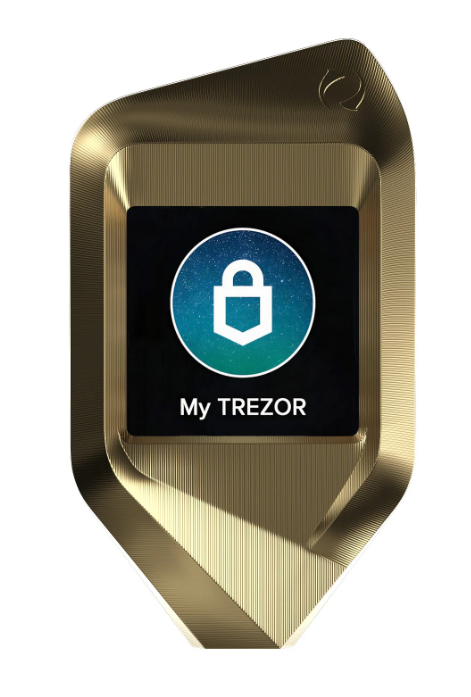
2. Start-ups are offering jewelry that serves as cold storage for cryptocurrency. That diamond-encrusted pendant is no longer just a decoration; it is a fortress guarding millions of dollars in digital assets.
3. The sneaker and crypto worlds seem to have integrated seamlessly. Collectors now show off their digital kicks in virtual galleries as proudly as they do their physical pairs on shelves.
4. Designers are creating “skins” for the metaverse that work across platforms, so users can bring their digital looks with them from one virtual world to another.
5. Even some brands are now taking cryptocurrency directly in their marquee stores, indicating a cultural acceptance of this new money.
These developments all point to a future where our clothes become more than just what covers our skins; it introduces identity into the equation and protects our wealth. The shift to wearable tech was the first step, but wearable crypto is the leap. Never will the passive wearing of clothes become active involvement in decentralized economy. A jacket is suddenly not just a jacket; it’s a node on the network, a wallet, an access pass and a canvas for digital art.
Virtual Flex Psychology
One must plumb the psychology of luxury to understand why this shift is inevitable. Historically, luxury fashion is a signal of resources: time, money and taste. A man-made suit announced that the wearer could afford the hundreds of hours of labor necessary to construct it. Those signals have mutated in the digital age. Scarcity is no longer measured in the rarity of Vicuña wool, but rather by cryptographic proofs in a limited edition NFT. The flex of the future is intellectual and technical. It says that not only is the wearer rich, but she’s a forward-thinker, a tech-whiz, an early adopter of the systems that will shape the next century.
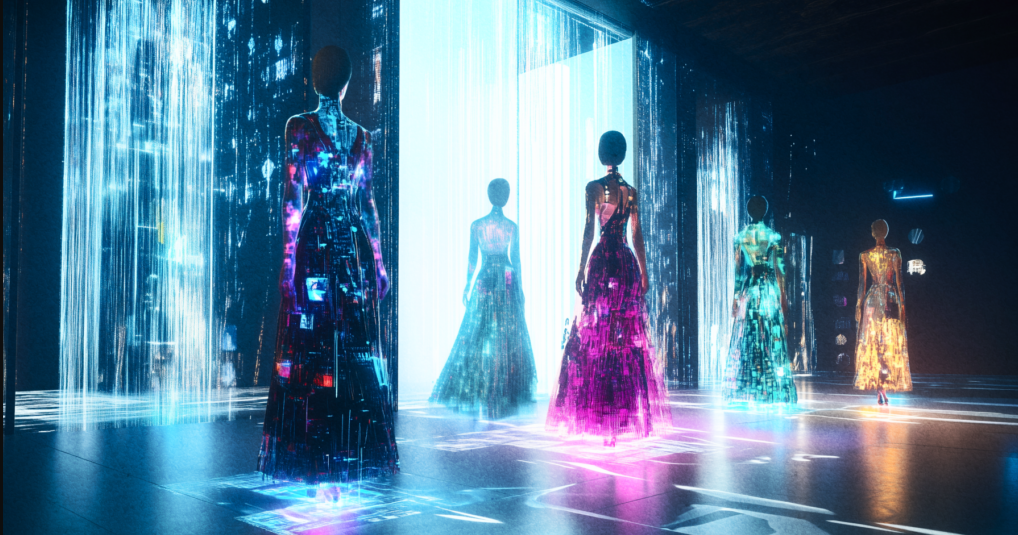
Take “skinning” in video games: players plow billions of dollars into digital cosmetic items with zero functional benefit. This behavior is moving out of the gaming realm and into professional and social life. As our working and social lives remain remote, and more of our interactions happen on digital screens, it’s not uncommon for our digital personas to be in greater evidence than the bodies that house us. If you’re the kind of kid who socializes on Discord and does business in a virtual corporate boardroom, dropping thousands on an NFT blazer is completely rational. It’s their main mode of presentation to their peers. It’s this psychological precognitive turn that the crypto-fashion industry is riding on. It’s not a trend; it’s a rebalancing of values.
Augmented Self: Making Our Invisible World Visible
The missing link in this are the hardwares that connects the digital with the physical, Augmented Reality (AR). For years, digital fashion had a visibility problem — it lived only on screens. But as AR glasses and mixed-reality headsets continue to improve, the digital layer is now being superimposed on top of the physical world. From just down the street, one might appear to a naked eye to be wearing nothing more than a plain black t-shirt in that hypothetical near-future world. To an AR glass wearer, that same t-shirt will be featuring a breathtaking animated piece of art that responds to the music playing in their surroundings.
This capability results in a dual style. You can be demure in the flesh and campy online. It unlocks endless potential for expression outside the laws of physics. Cloth could resist gravity, alter its color based on mood or even glow without the need for a power source. But no longer: Today's fashion designer is not just another name for tailor but also software engineer and visual effects technician. We are witnessing the rise of “digital ateliers” where code is the needle and thread.
Envision yourself at a black-tie gala in 2026. The guests are tangible, but the real show is in the augmented layer. The guests are dressed in “blank canvas” clothing that serve as canvases for their NFTs. The average guest will change outfits a dozen times throughout the evening, plowing through their crypto-collection with a flick of the wrist. This is the apotheosis of fashion and crypto: dynamic, programmable and intimate. It also introduces a novel social dynamic — the power to ‘’mute” or “filter” what you view, curating your visual reality as you curate your feed of friends on social media. In this world, style is a symbiotic relationship between the wearer and the viewer.
The onus is now on the crypto-native community to sustain and mold this emerging industry. Holding assets is not enough, you must use those assets to gain adoption. Crypto users will be on the forefront of deciding what is cool in this new world. They’re voting with their pocketbooks for a time when decentralization is à la mode, by supporting brands that employ blockchain technology. That could mean buying phygital goods, accessorizing with hardware wallets or crafting a digital fashion collection as good as your physical wardrobe. The early “morning followers” of Apple Watch may be derided as gadget geeks, but they are establishing a global norm. Likewise, today’s individuals who wear their crypto on their sleeves, both literally and figuratively, are shaping the aesthetics of the next century.
But this marriage of fashion and finance isn't entirely free from complicated backend needs. With virtual fashion increasingly relying on smart contracts and more regular blockchain interactions, the pressure is on for resource management. Just like maintaining a luxury car on premium fuel and regular oil changes, high-end digital architecture requires a well-oiled infrastructure. For anyone on the heaviest corner of the TRON network, for example, containing transaction costs is a major aspect of life.
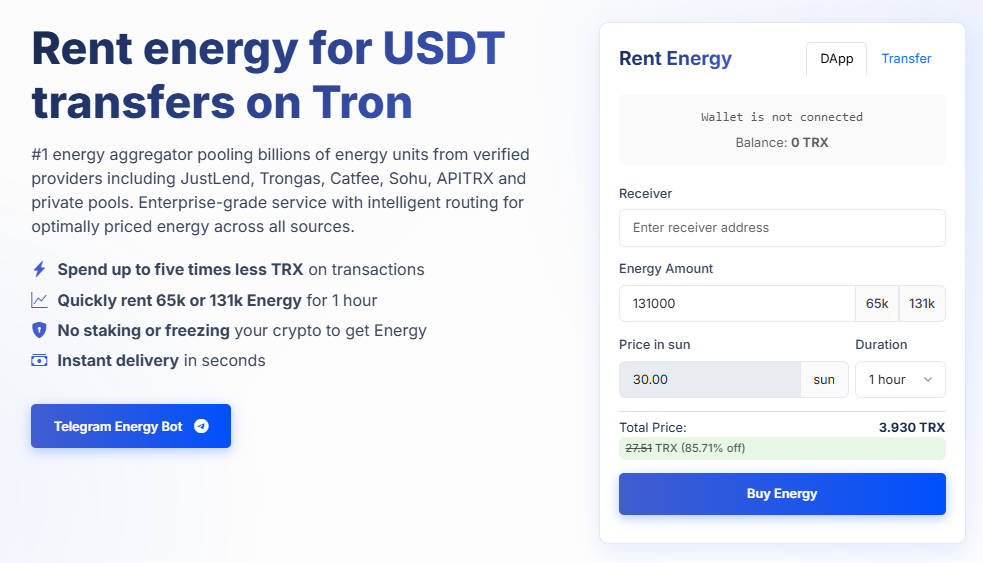
This is where TRON Energy rental automation comes in. The point of contactless and digital, too, is that transactions — purchasing a new NFT dress or transferring assets to a wearable wallet — take place immediately and don’t cost an arm and a leg. Technical users with the knowledge and ability can set up scripts to autorent Energy, so that they never have their digital world hobbled by a lack of network resources. It is the unglitzy, but necessary plumbing beneath the shimmering surface of digital fashion.
When the Physical and Digital Coexist
The confluence of these two environments — the high-octane, at times volatile world of crypto and the seasonal, heritage-based practices of fashion — is not without its growing pains. One of the most evident problems is that of sustainability. Fashion has long been reviled for its environmental impact, and some blockchain networks’ energy use inspires the same disdain. The meeting of those two things might create more problems. But it also provides an opportunity for creativity. Already, the industry is trending toward greener blockchains and “proof-of-stake” mechanisms that consume a tiny fraction of the electricity used by older protocols. “Huge fashion brands, concerned about their image, are driving demand on ‘green’ crypto solutions. We are witnessing the rise of carbon neutral NFTs and digital fashion houses that claim to offset their carbon footprint.
Another big problem is the high cost of entry. For the average consumer, terms like private keys, gas fees and wallet address are daunting. Fashion is supposed to be for everyone and intuitive; crypto historically has been anything but. If a customer requires a computer science degree to purchase a digital dress, then the mass adoption of crypto-fashion is still only pie in the sky. The answer is user experience design. We want user interfaces that cover the complexity of blockchain with slick designs we like. A purchase should be as easy as Apple Pay, with the cryptographic magic occurring quietly in the background. These hardware wallets are disguised as jewelry and it’s well about time too; security has finally met simplicity with style.
The bottom line is that security itself presents a huge obstacle. Fashion items are for showing off, but in the crypto universe lavish displays of wealth can be dangerous. If your necklace is also your piggy bank, the math comes forward in a crowded club to land you on a riskier point where traditional diamond necklaces do not exist. The theft of a physical is tragic but potentially insurable; the theft of a digital key is irreversible and often total. It will require a new concept of personal security. We could even have "decoy" wallets or clothing that has to come in physical proximity to each other (e.g. a jacket and a ring) to validate a transaction. The fashion of the future will have to be armored not with Kevlar, but with cryptography.
There is also the danger of volatility. A fashion trend fades after a season, but the value of a crypto asset can swing wildly in an hour. Tying the value of something physical to a digital token causes a series of complex economic relationships. If the NFT undergirding a limited-edition sneaker plummets in value, does that make the physical sneaker less appealing? Brands will need to tread carefully with this relationship, maybe decoupling the aesthetic value from the speculative label so that the item continues to be attractive regardless of market sentiment.
In the face of these obstacles, the momentum is unstoppable. The mind game has already happened. We have stopped thinking of the digital reality as something distinct from the “real” one. For those who have come of age on Roblox and Fortnite, as real as a cotton T-shirt is a digital skin. As these digital natives age and their buying power increases, the appetite for high-fidelity, blockchain-secured digital fashion will only increase. We are heading this way to a future, in which our web avatars become our public faces and physical bodies become the mere meat that happens to power these virtual machine. In this world, digital style is not vanity, but a social necessity.
Infrastructure of Style
To underpin such a complex ecosystem, the technology itself needs to be strong. We hinted briefly at the need for resource management, but it cannot be overemphasized. In a universe where every piece of jewelry might be liable to execute a smart contract, the speed and scale of the network can mean the difference between smooth operation and a transactional nightmare. For users embedded in the TRON ecosystem, particularly those participating in high frequency digital asset trading or using complex decentralized applications (dApps) around fashion, the price you pay in “Energy” — the resource used on chain to run smart contracts — can rack up.
This is where its users become smart compared to the rest as they use the TRON Energy renting automation. Users are able to bring down the transaction fees (burning TRX) that could have befallen them, by automating the obtaining of Energy. It’s a digital version of tailoring a suit. You wouldn’t pay for an ill-fitting suit, and you shouldn’t stand for the waste of inefficient transaction costs. Energy rental takes the complexity out of the hands of the user and they don't have to concern themselves with network mechanics as much. It emblemizes the professionalization of the personal crypto space.
This kind of finesse is what’s going to distinguish the occasional user from the digital aficionado. As the market matures, we’ll see a stratification not only by what you own, but also by how effectively you manage them. The “style” of the future is not aesthetic, it’s an operational aesthetic. It’s about gliding through the digital world with the same gracefulness you demonstrate every day in your long-commute hustle, but a future where you have all the assets (and they are secure), all your transactions are optimized and your look is effortlessly on point … both when you’re busy living that metaverse life and beyond.

As you brace yourself for this new digital dapper and efficient next gen, Netts Workspace got you covered. It was tailor-designed to work as a professional TRON Energy management tool that automatically delegates energy along with smart scheduling so the digital processes are as frictionless as your life. Boasting functions which include real-time monitoring, cost control and a wide array of financial management tools, makes Netts Workspace able to allow users to handle whatever blockchain "thing" they want without getting burnt like the noob you are. Whether you are a coder, a speculator or just up on the latest in tech and crypto streetwear, this will give you the backend sophistication to live on the cutting edge of frontend life.