Cybersports and Blockchain: It's in the Game
Esports audiences already speak wallet — sponsorships, provably fair prizes, NFT gear, and TRON-era fee tricks that mirror competitive metas.
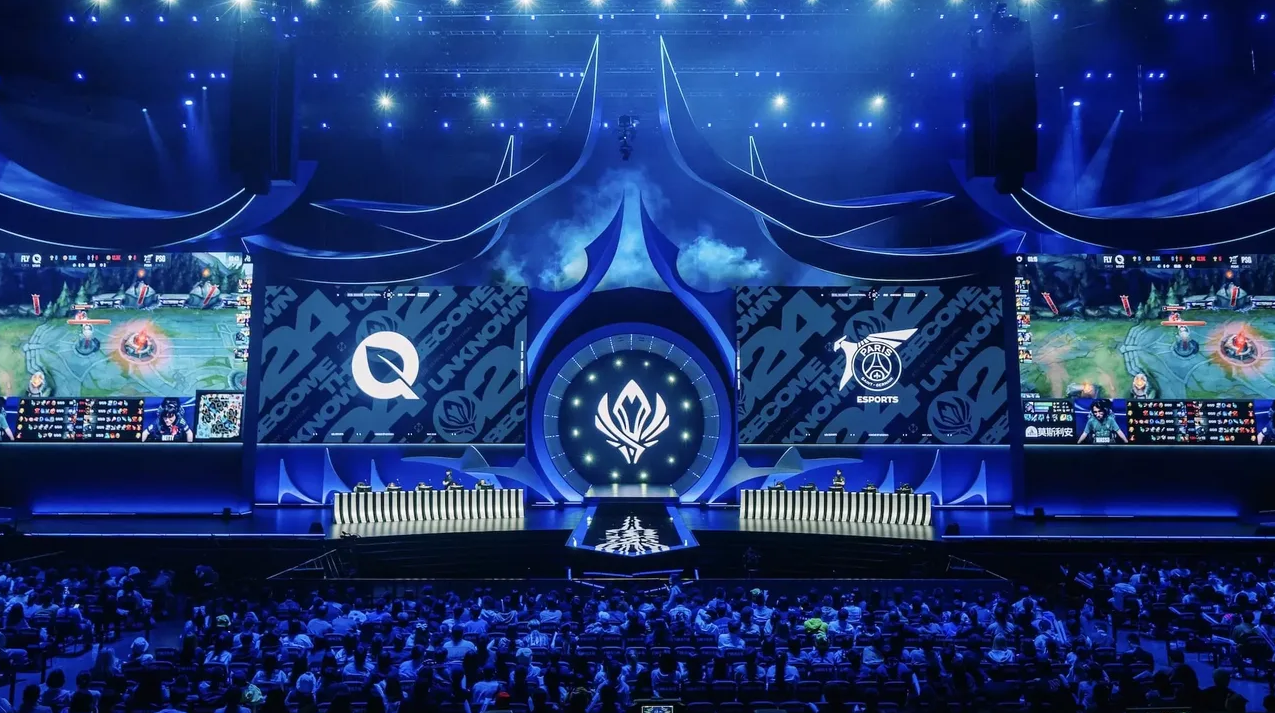
The Mercedes-Benz Arena in Berlin goes dim and the sky above its stage, now clear of holographic swords and catapults, is lit up by the spectral projections of ancient champions, the heralding grand finals of the 2025 League of Legends World Championship. So many millions throughout the world are watching, their attention focused not only on a reflexive slugfest, or an exercise in strategy but something that through sheer force of development has grown into a digital ecosystem far beyond mere entertainment.
This is no longer simply about five players on a team clicking mice more quickly than that of their opponents; it’s about an entire economy now having arisen around them, indiscernible to the casual viewer yet crucial to the functioning of today’s esports. Below a clamoring audience explodes in whooping cheers for a pentakill, but elsewhere, stories are written and transaction data moves across decentralized networks to report game outcomes, settle bets, move prizes into accounts and verify asset ownership. Beyond its experimental infancy in the early 20s, blockchain technology has become the bedrock of competitive gaming's financial ecosystem.
This wasn’t a turn that occurred overnight, but in retrospect, it’s unmistakable from early 2026 looking back. We have gone from a time when skins were locked away behind the walled gardens of game publishers, to one where ownership becomes digital. The marketplace for gun finishes and gloves has had its ups and downs in Counter-Strike 2, but the means by which people can make money off them are different. Processes that once depended entirely on centralized steam servers have been mirrored or replaced by blockchain layers that provide provenance and security. An uncommon Karambit Doppler isn’t some entry in a database: it’s an asset, for many collectors a substantial one, provably useful elsewhere in the decentralized finance space. The distinction between a gamer’s inventory and their investment portfolio is growing increasingly hazy, ushering in a new era where playtime itself becomes the measure of potential economic worth.
The population behind this shift is unlike any that preceded it. The 20-somethings who crowd the arenas and chat rooms of Twitch and YouTube Gaming were born into technology. For today’s 20-year-olds who watch a Dota 2 major, the idea of digital wallet is just as natural as a leather one was for their parents. They grasp private keys and transaction hashes not because they studied computer science, but because those are the tools of their everyday digital existences. They treat digital goods, if not more so than physical ones. In a game, a limited-edition skin inherently means more — among peers — than any designer brand of watch. And this new sense of value is exactly what enabled cryptocurrency to emerge as the native currency of cybersports.
Due to the sophistication of this audience, there is none of the friction that would normally inhibit adoption of financial technologies. If a fan wants to spice up a match between G2 Esports and Team Vitality, they don’t pull out their credit card. They understand that banks can be slow and filled with high fees. Instead, they turn to cryptocurrency. They can EASILY gamble on their favourite dota or counter strike team using the website with cryptocurrency. It’s this easy: Copy an address, send funds and the balance is immediately updated. That ease of use far cry from credit-based betting or the old world of bank wires that crypto replaced has made betting with crypto a top choice for much of the huge esports audience, skipping legacy financial rails altogether.
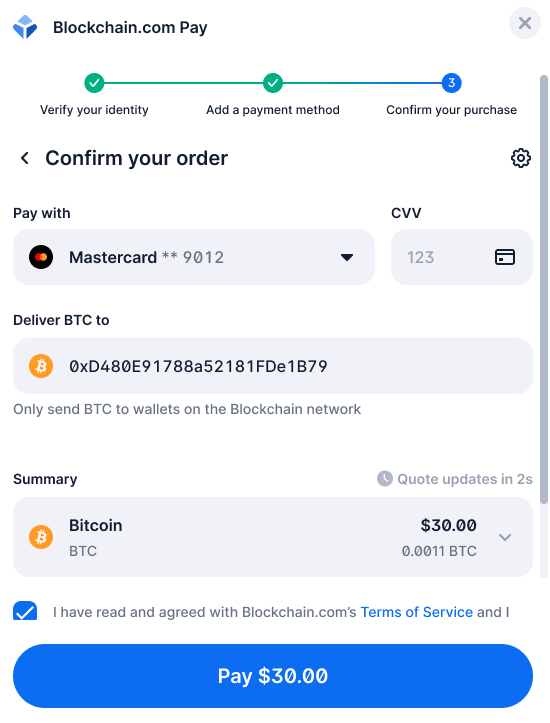
The benefits of this system are thus significantly outweighed by its costs to the user. The primary benefit is speed. Conventional withdrawals from betting sites might take days. On blockchain based platforms, payouts are frequently automated through smart contracts. The prizes are shared immediately upon verification of match result. A player's gain can arrive in his private wallet before the game is analyzed at all. In addition, esports is global so fans are everywhere on every continent. Fans in Brazil and supporters in Germany can all go on to the same platform without having to work out conversion rates from local currency. They all speak the shared language of USDT or Bitcoin.
Transparency is another huge pro that the community loves. In an industry long haunted by claims of match-fixing, an immutable blockchain provides a welcome addition of faith. Bets are made publicly on the chain. The chances are rigged and the payouts can be proven. You don’t have to rely on the house to pay you out; you can transact with the smart contract yourself if it is liquid. This “trustless” environment resonates deeply with a generation that came of age distrustful of centralized institutions.
But there are some shades of gray to this picture. The volatility of certain cryptocurrencies can be a double-edged sword. Stablecoins have alleviated this for betting, but those depositing in highly volatile assets will experience changes to its purchasing power. Then there is the question of irreversibility. There is no customer support hotline to call if a user makes an error and sends funds to the wrong address. The individual is fully responsible for his/her own safety. This in turn requires a level of personal responsibility that can be daunting for beginners, but is also covered by the average esports demographics.
Evolution of the Ecosystem
As we get into the mechanics of how this ecosystem works, it’s not just about betting. It’s the whole financial plumbing of the industry. Stablecoins are notably being used more and more by tournament organizers to distribute prize pools. In the past, when you won a big tournament, you waited months for wire transfers to clear. Now, a team that wins a major can get millions of dollars in USDT within minutes. This cash position, in turn, allows them to execute better cash flow management, by initially paying players' salaries and handling logistical expenses without the usual friction that comes with traditional finance.
New business models have also emerged from the integration. What we are witnessing is the blossoming of decentralized autonomous organizations (DAOs) that own esports teams. In these constructions, token holders — the fans — get to vote on major decisions. It’s a radical alternative to franchise models, and it gives power back to the community. These are fan-owned teams, and the capital that is behind them comes from the formation of governance tokens — this literally gives fans more skin in much of this game than buying a long-sleeved T-shirt; you own an actual stake in the success of your team.
Connecting the Dots
In this hyperlinked world, the details of technology matter. Users are always trying to find ways of streamlining these interactions with the blockchain. It doesn't matter if they are exchanging skins or transmitting money to a betting site: Speed is the name of the game. It is nobody’s desire to squander money on useless fees. This is where the knowledge of the networks behind it becomes a competitive advantage. Most of these transfers occur on the TRON network, which is many times faster and cheaper than Ethereum. But even on fast Internet connections, the bills can quickly mount for those who aren't careful.
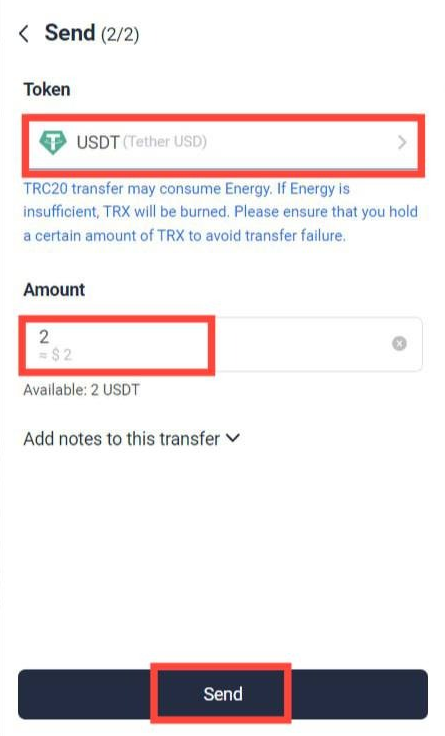
The wise user knows to conserve resources. They also know all activity on the blockchain requires resources. When you send USDT, it interacts with a smart contract and that transaction costs energy. If a wallet balance doesn’t contain enough frozen TRX to pay for the energy and bandwidth, the network will use TRX from their account balance to cover that cost. For an action player who bets often, it can add up to a great deal of money over the course of a year. To address this problem, a sub-economy of energy rental markets has emerged in which users can borrow the required resources for much less than the cost to burn TRX.
The astute esports fan of 2026 is a bit of a decentralized finance whiz. They monitor USDT fees not because they want to save a few pennies, but because they know we are in meta land. They tune not only their in-game builds for max damage per second, but also their financial exchanges. They know that if they have to send money to a friend so they can split the cost of a battle pass or to a platform in order to bet on an in-game line before it changes, doing so blindly is akin to throwing splinters at ginkgo trees. They pause to calculate the implications of a transfer fee, to make certain they are not overpaying.
Global Accessibility and Financial Inclusion
Financial inclusion is one of the most far-reaching effects of this convergence. Esports is a worldwide phenomenon and, in many instances, most popular in areas where conventional banking infrastructure is prohibitive. In some regions of Southeast Asia and South America, establishing a bank account that can cater to international transactions is a bureaucratic struggle. Blockchain bridges this gap. A child in a certified internet café in Manila has the same access to the crypto economy as a venture capitalist in Silicon Valley. This democratisation also reaches contest first-hand level, where now small tournaments can automate their prize-pool via smart contracts avoiding that the one who organizes runs away with the fees.
The more tech savvy the target audience is, the more adoption occurs. When a new protocol comes along with an ethos of lower fees, faster settlement, the esports crowd tends to be one of its earliest adopters. They are the beta testers for finance’s future, willing to traverse bridges between blockchains, manage multiple wallets and experiment with technology that can be intimidating at first blush. This is why so many blockchain projects are aggressively courting gamers; they understand that if you can sell this crowd on something, then you have a group of users who might actually use your technology.
Role of Stablecoins
And stablecoins, in particular USDT (Tether), have become the lifeblood of this economy. They are the perfect medium of exchange because they're stable against the US dollar. Whether it’s a sponsorship package for a tier-1 team or $5 bet on a daily fantasy contest, USDT is the reference currency. Its popularity on the TRON network, in particular, is a consequence of what the users need: they need to send USDT both fast and cheap. TRON provides a smooth, high-capacity option that suits how frequently esports transactions are done.
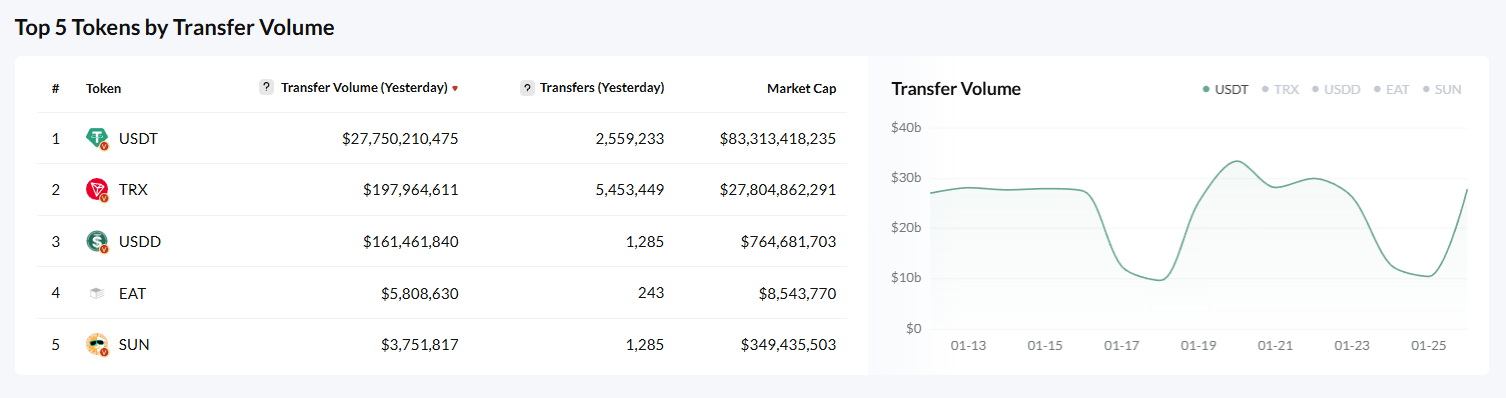
The reliance on USDT of TRON shows how necessary it is to understand network resources. Because as contrasted to a classic bank transfer, the fee for blockchain transactions doesn’t stay the same or well it is hidden. Cost is a factor of the complexity of your smart contract interaction. For platforms cutting thousands of payouts daily, the difference between a judicious transaction and squandering is immense. This is where the idea of Energy and Bandwidth comes in. These are the gasoline of TRON network. Bandwidth was used to measure the transaction bytes and Energy is used to measure the value for executing smart contract code.
The majority of casual users will probably just burn their TRX without a second thought, but as the more sophisticated pick up on it, they’ll figure out that burning a TRX is the most expensive way to pay for something. On the other side, smart money feels like renting Energy that could reduce transaction costs in a significant savings. That column headed: “Efficiency” is particularly important too those who trade or bet at high volumes, and on low margins.
Future of Engagement
As we move into the back half of the decade, that integration is only strengthening. There are experimental tournaments where the game system itself runs on-chain, so you can't have any server side rigging. The range is as wide as the networks allow and developers can imagine. Furthermore, the growth of mobile esports in countries such as India and Brazil has unlocked a giant new market for micro-transactions and betting used by lightweight blockchain clients which work perfectly on telephones. And this mobile-first wave is bringing even further crypto adoption to the mainstream forefront.
But in the midst of all that complexity, the fundamental allure remains the thrill of competition. Blockchain isn’t going to replace the thrill of nailing a skill shot. It just constructs a better-fortified, fairer and more efficient structure around it. It’s empowering for the players and fans, providing them with tools to capture some segment of the value they help to create.
In the culture of cyber sport, every optimization is an opportunity for doping. Players maximise over their configuration, strategies and teamwork. It's only logical that they would make their own financial worlds also as efficient as possible. The meeting of these two worlds is not a crashing, it’s a symbiosis. They enable and depend on one another, propelling innovation at a break-neck speed.
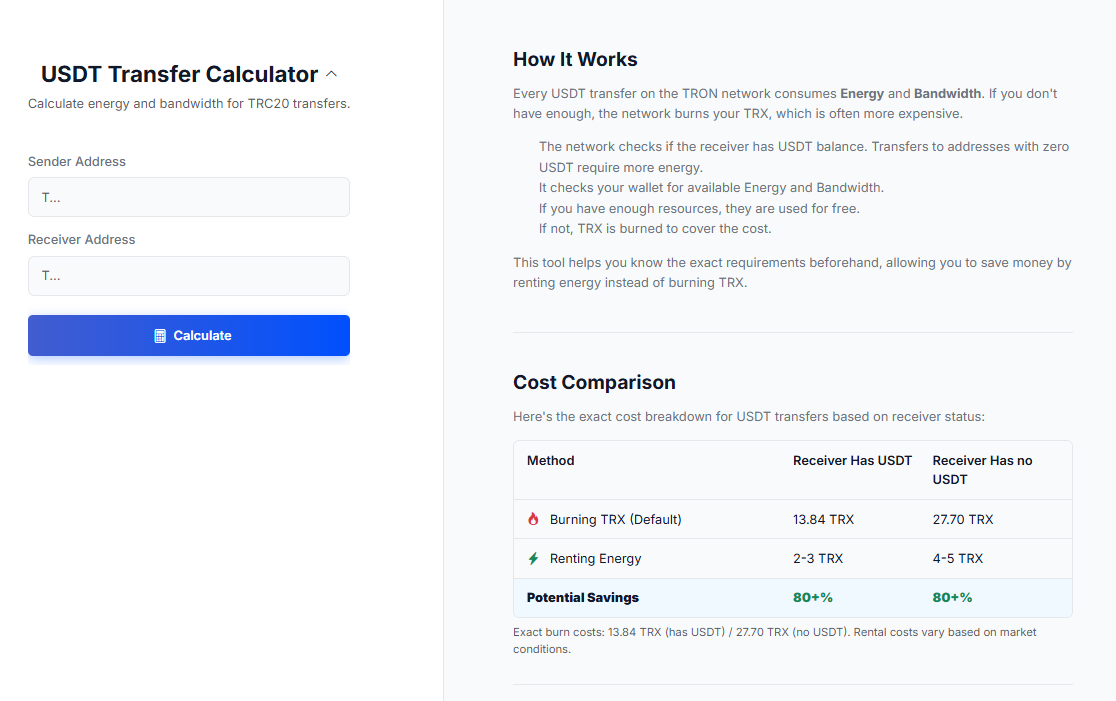
And in this fast-paced world, it's necessary to have the appropriate tools. You wouldn’t go into a ranked match with a broken mouse, so you shouldn’t navigate the crypto economy without knowing what things cost. These are the kind of information that, if you take a lot of bets or trades or payments on the TRON network, really change the game. That’s where tools like the Netts USDT Transfer Calculator come in. It gives users the ability to ‘create a transaction’ by providing the sender and receiver addresses which then evaluate the amount of Energy and Bandwidth needed for that particular transaction, giving them an option to burn some TRX or rent Energy, helping in saving fees. This information will help users to make decisions more economical with digital currencies.
1. Blockchain enables new levels of transparency and reliability to an industry previously devoid of them.
2. Available globally, meaning fans from all corners of the world can join without banking restrictions.
3. Smart contract instant payments make instant settlements cleaner for tournament winners and bettors.
4. In-game assets owned digitally open up economic opportunities for players.
5. Energy rental on TRON to optimize transaction costs mirrors the optimization-obsessed culture of esports.
The game has changed. It’s no longer just about the score on the board, it’s also about the value in the wallet. And to the generation that lives in the server, it’s all part of the same game.