Cryptopandering: New Age in Politics
From crypto bans to laser-eye memes — how fast politicians chase token voters and why applause threads rarely match committee-room fine print.
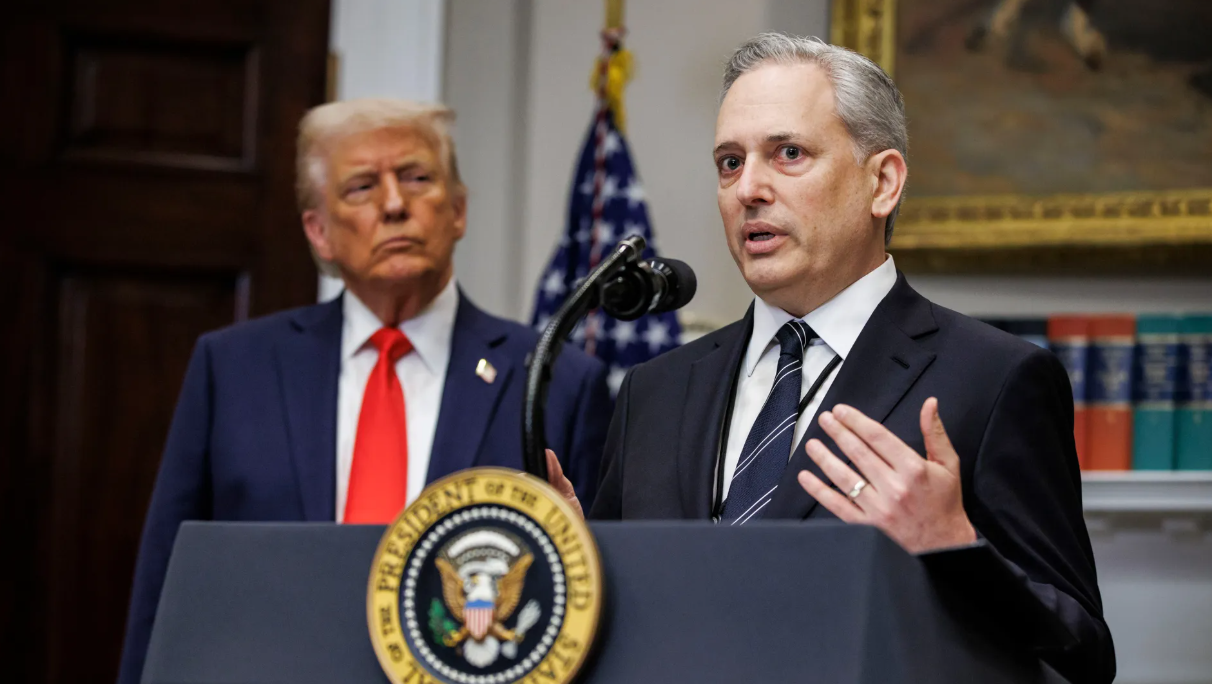
Politics has always been a numbers game. It's a grim, clinical chase in which handshakes are currency and promises the lubricant which keeps the machine grinding on. For generations, the formula was straightforward: You kissed babies, you promised steelworkers you would protect their jobs and you told senior citizens that you wouldn’t touch their pensions. These were the voters who counted. They were large, they were loud and, most crucially, they turned out on election day. But over the last few years, a strange new factor has emerged in this equation, one that scrambles the neat math of campaign managers from Washington to Brussels.
Enter the crypto enthusiast. If you wind the tape back just five or six years ago, which qualifies as a different geological epoch in fast-moving digital assets time, you’ll encounter a political landscape that featured nothing close to real engagement with cryptocurrency. At that time, hardly anyone in government talked about Bitcoin except to denounce it. It was money for drug dealers, they sniffed. It was a device for money launderers. It was rat poison squared. The notion that any Senator or President would seek to actively cultivate this group was a joke. We were the digital lepers, pushed to the periphery of our financial conversation and allowed to exist only because we were so small that it wasn’t worth crushing us completely.
But then, something funny happened. The lepers started driving Lamborghinis. Or, more accurately, the “fringe” became an unstoppable global wave which had become too large to ignore. But by the mid-2020s, enough people held digital assets that we crossed a psychological barrier. We’re no longer talking about the die-hard libertarian coders; we’re talking about soccer moms in Ohio with a Coinbase account, college students in Seoul who want to throw some alts between classes and retirees in Florida looking for better yields than what their savings accounts could provide. Suddenly, the “crypto vote” was not just a myth. There was a huge, untapped reservoir of political capital. And so the Era of Cryptopandering was born. The very same politicians who had demanded bans now shared laser-eye memes and railed against the lack of “financial sovereignty.” It was about the quickest turnaround you could expect, a pivot sharp enough for whiplash.
The Great Awakening of the Opportunists
You need look no further than a widely popular instance of this breathtaking cat’s cradle. Witness the path of Donald Trump, whose hands have never met a crowd he did not wish to please. Early on, his views of crypto were at best dismissive and sometimes seemed downright hostile. He liked the dollar, he said. He wasn’t a fan of those fake internet coins. Fast forward, however, to the 2024 cycle and beyond and you saw a turnaround that would have given a chameleon a hot flash. Suddenly he wasn’t merely bearing crypto; he was crowning himself the sector’s champion. He was going to make America the “crypto capital of the planet.” He was launching NFT collections. He was now surrounding himself with the heavyweights of the industry. This wasn’t a conversion of the ideological variety, folks. Let's not kid ourselves. This was a man staring at a map who recognized that there were millions of votes lying around on the table that his opponent was too sluggish to grab. It’s the oldest trick in a “sly dog” politician’s book: Find an overlooked group, tell them they’re special and ride their enthusiasm to the actual box where they drop off their ballot.
And boy, did it work. There was palpable excitement from the crypto community. After spending years being the SEC’s kicking bag and a personal bane of financial regulators everywhere, to have a major politician finally utter “I see you, and I like you” made some brains go haywire in our own wonky little subculture. It felt like validation. It was like we were at last sitting down at the adults’ table. But this passion is a toxic drug. When you’ve been deprived of attention for so long, the first person who buys you a drink is easy to fall in love with. The risk is that people quickly fall in love, and this love is usually nothing new. It is easy to get on a soapbox and scream “Blockchain!” to a cheering crowd.
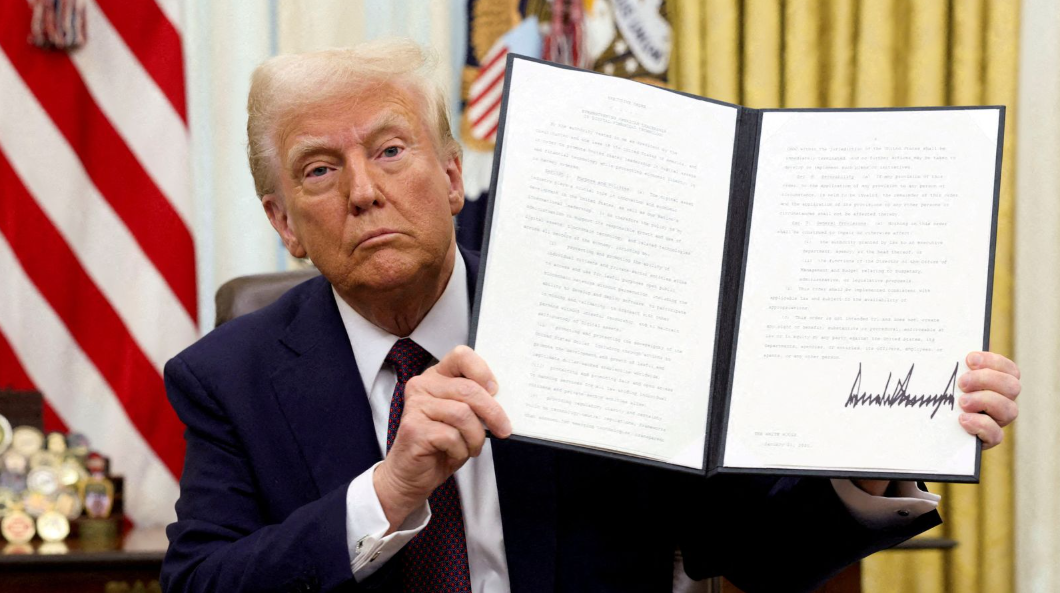
It is hard to sit down and physically write the legislation necessary to integrate a century-old banking system with decentralized finance (without sending us back to the Stone Age in the process). We saw the emergence of the so-called “crypto czars” — these high-profile appointments designed to send a signal that the administration was serious about the industry. But ponder for a moment: what do these czars actually do? They’re often little more than glorified press secretaries, hired to keep the noisy crypto kids happy while the real work is done by the same old bureaucrats in the back rooms.
The Politics of Pretend
Let's be real for a second. Politicians are professional panderers. It is what they do. They kowtow to farmers, they kowtow to teachers, they kowtow to cancer victims. They will stare a dying man in the face and tell him they have a cure if it tests well among swing-state voters. So when they train those shiny, innocent eyes on the crypto community, we need to take everything they say with a mountain of salt. The "oh look, they care!" reaction is precisely what they’re counting on. What they want is for you to be so grateful for the recognition that you never read the fine print. They need you to look at the tweet, not the voting record. This is where the line between the “talkers” and the “doers” comes into play. The talkers are everywhere. They are the ones who turn up at conferences, take the selfies and use the latest buzzwords. They know the lingo. They can use the term “WAGMI” with a straight face. But when the cameras are off, they’ll sell your financial privacy down the river, or trade it away as part of a political favor.
Contrast this with the doers. They are the politicians — generally far less famous — who are actually in the trenches trying to make this stuff work. They’re not running to be influencers; they are trying to be lawmakers. They are the ones battling to make sure that tax laws don’t make it too difficult for people to use crypto as a form of payment for everyday purchases. They are the ones seeking for clarity around what is a security so developers don't have to live in fear of a subpoena. They know that the industry requires more than cheerleading: It needs infrastructure. They understand that in order to keep their dApps running smoothly on networks such as TRON, it’s necessary for businesses seeking to provide Energy rentals to automate the process and they want to ensure the legal framework accommodates these types of technical innovation without unnecessary drag. They understand that renting TRON Energy by automation is not some arcane exploit but a key element in how a resource-efficient blockchain ought to function. These politicians are boring. They don't generate headlines. But it’s the ones on the other side who are building the bridge to the future, while their opponents are out selling tickets to a show that may never go on.
The Danger of Blind Faith
The thing is, the crypto community is far more gullible to the talkers than anyone else. We are a tribe of optimists. You’d have to be an optimist to buy a digital token that swings more than 50 percent in a week and still sleep well at night. We want to believe in a revolution. We like to pretend things are changing. So when a slick politician comes in and validates our bias, we become more accepting. We hang our own hopes and dreams on them. We ignore the red flags. We forget that this is the same guy who a few short years ago likely couldn’t explain to you the difference between Bitcoin and a JPEG. This blind faith can be catastrophic. We have seen it happen. We’ve watched “pro-crypto” politicians get elected and turn on a dime for surveillance coins or to crush DeFi in the name of “consumer protection.” We have watched them treat the industry as a piggy bank for their campaigns, only to discard it when their political star falls.

It’s a tough lesson, but one we have to take in. In politics, there are no permanent friends, only permanent interests. The politician's interest is to remain in power. If backing crypto enables them to do that, they are going to back it. If running over crypto is a way of them doing that, then it will be run over without a second thought. The “crypto voting bloc” is a potent weapon, but only in capable hands. If we cheaply give our votes to any brand that says the right words, our leverage is gone. We are reduced to just another special interest group to be herded and manipulated. To avoid this pitfall, we must demand more than rhetoric;we need to achieveresults. We need to watch what they’re doing, not listen to what they are saying. Did they vote against that invasive surveillance bill? Did they draft a law to protect self-custody? Did they resist when the regulators went too far? If the answer is no, it should not be in charge of running anything. Not a city or a state. And certainly not America at large.
A Maturing Relationship
And now as we transition into this new era, the bond between politics and crypto will inevitably mature. Pandering, after all, is only a start. Sooner or later, the newness will wear off. Crypto will be no more and no less than a dull but vital part of the economic plumbing, as uninspiring and unsexy as the bond market. When they do, we’ll be off of the shiny new toy list and on to the serious industry list for politicians. That’s when the hard work starts. That’s when we will see who our real friends are. It’s not gonna be the guys doing this “To the Moon!” shout. It will be the people that grok smart contracts and decentralised governance. It will be the ones who can’t just use the technology as though it were a prop, dismiss its temptations with pills and exorcism, to whom the technology must be real and respected in order to learn how it works.
Until then, we must be smart. We have to be cynical. We even have to be the “sly dogs” ourselves. What we need is to see the pandering for what it is — a sign that we are winning, and not a victory itself. We had to force them to the table, but we haven’t won the negotiation. The czars and the committees and the task forces are a beginning, not an end. The goal is a world in which financial freedom will be officially established as a human right, to be guaranteed by statute, not subject to the fads and fashions of whichever political party happens to be in power at any given moment. That is the goal. And we are not going to get there by squeeing at every politician who figures out how to pronounce “Satoshi.” That’s what we will do by keeping their feet to the fire and insisting on delivery of promises.
The Tools of the Trade
Here, nothing is certain — you can’t tell the signal from the noise — and all you can really trust are code and execution. And as the politicians talk, the builders build. That’s because the industry continues to evolve, finding bigger, better, faster and more efficient ways of getting the job done. Whether evaluating a candidate for your platform or stewarding your on-chain resources, it's all about efficiency. Which brings us to the point of efficiency and getting things done in a right way, that’s where pro-stuff steps in. Navigating the complexities of resource management can be a headache for delegates in the TRON ecosystem.
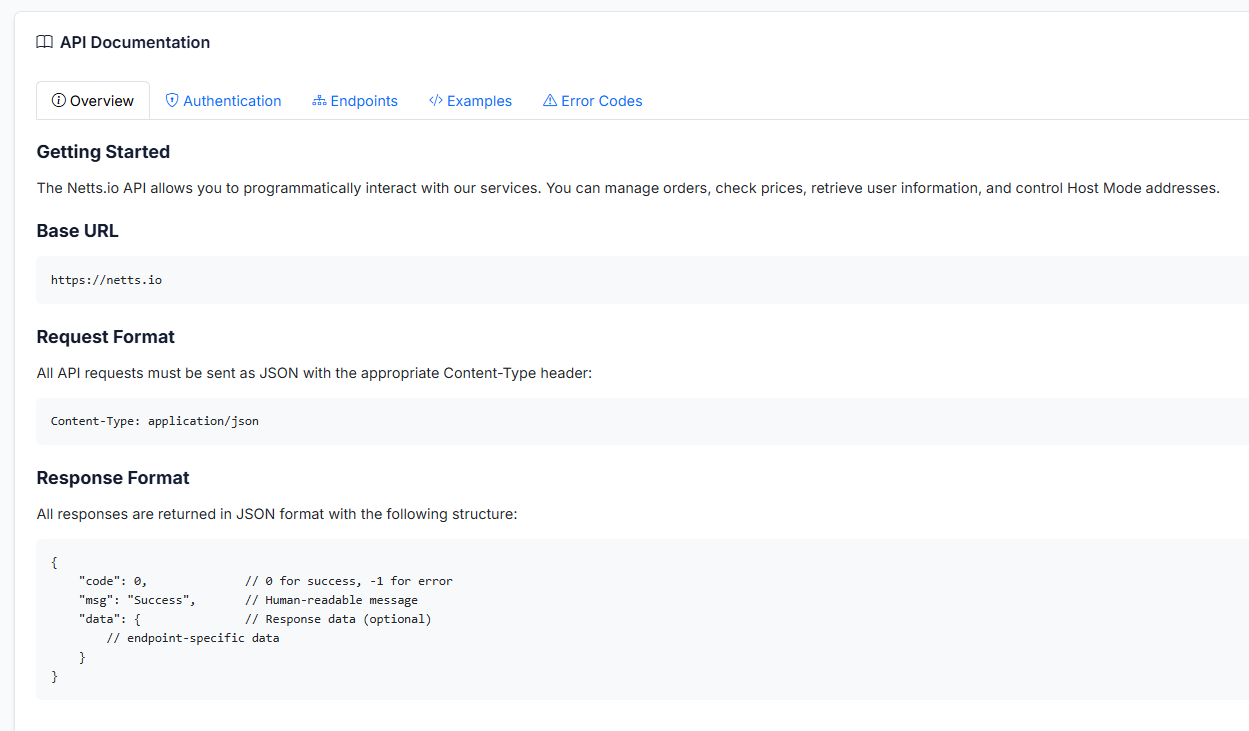
That’s where Netts Workspace comes in. As a professional TRON Energy management platform, it has automated energy delegation and intelligent scheduling that have helped to eliminate the confusion. It has active monitoring & cost management so you will save a lot vs burning TRX directly. Netts is tangible results driven utility that we wish our politicians could offer with professional API access for developers and integrated financial management tools. It’s about separating the talk from the action — and in the world of blockchain, action is all that matters.