Crypto Music: Sounds Good?
Crypto music and NFTs promise fairer pay for artists, direct fan support, and new models beyond broken streaming economics — with real UX hurdles ahead.
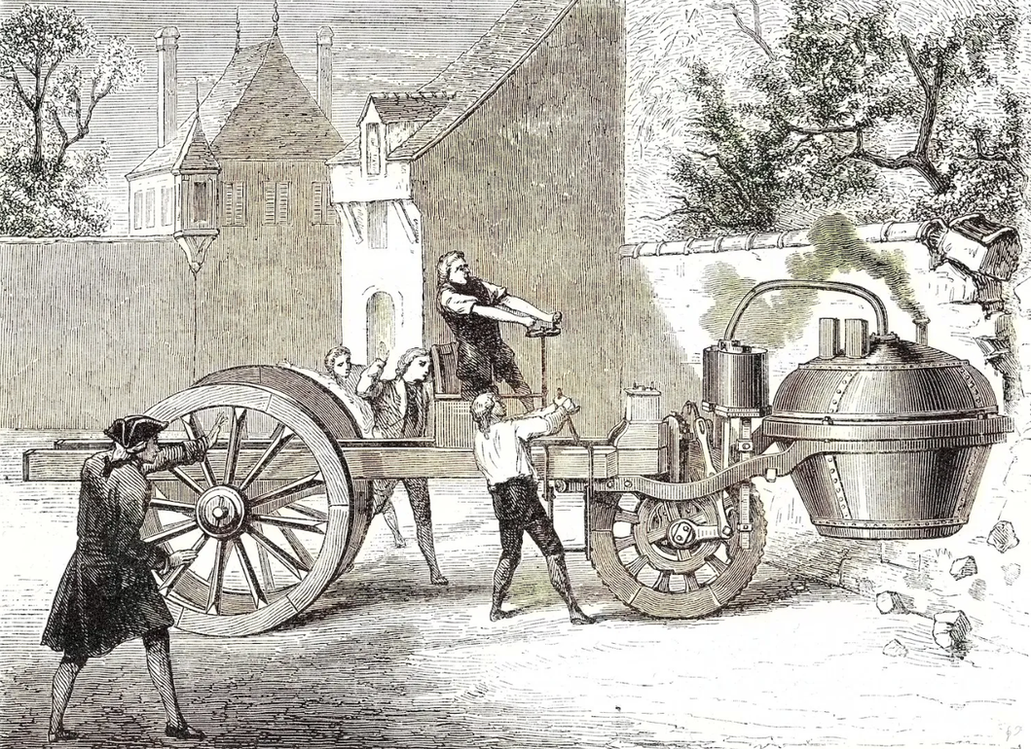
Scepticism is to be the reaction of every new idea. It's a defensive and sort of desperately needed defense in our communal minds, a cognitive firewall against the sudden deluge of radical concepts that may shatter what conventional wisdom have shaped of the world. History is a graveyard of bad ideas, but it’s also the rubric under which there are numerous examples of transformative innovations that were mocked or feared when they first appeared.
When the automobile first sputtered onto cobbled streets, humans fretted that their clatter and stink would spook horses into a frenzy and in fact rend asunder the very fabric of society. The early internet was ridiculed as a toy for pointy headed elitist professors and geeks, nothing even remotely close to the life changing global economic engine it is now. Even the most boring of activities, like shopping on the internet, was first observed with intense suspicion, with consumers reluctant to send their personal financial details into cyber space.
This initial reaction is a crucible, an assessment of the sustainability, safety and eventual usefulness of whatever new thing has been proposed. If ever there was a perfect modern crucible for an idea to take form under the public microscope, it would be the world of cryptocurrency, blockchain and specifically what has been the most esoteric and mystery wrapped in confusion and enigma world of NFTs and crypto art.
The mainstream narrative has, for years now — quite rightly on balance I would add — been about doubts, gripes and horror stories around speculative bubbles, ecological destruction and illicit behaviour. The discussion is awash with hard and necessary questions about value, usefulness, long-term durability. It is this healthy dose of scepticism that has convened the pioneers of this new digital frontier to arguing day in, day out: constantly having to prove their worth by building real-world applications - with meaningful use cases that have a tangible and deeply felt impact.
But the historical playbook is unambiguous: in the wake of this initial period burdened by breathless, often cynical examination, a really good idea slowly, steadily starts to prevail. It ultimately succeeds not because of aggressive marketing or hyperbolic claims, but because it just does — and does so better than the alternative. It does something that is better in some dimension of efficiency, transparency, or fairness than a problem that was previously being swept under the rug, perceived as an inevitable evil, or regarded as fundamentally impossible to avoid through traditional processes.
This is exactly the road that crypto music is starting to walk down. It’s an idea that, when you remove the mythically intimidating jargon of blockchains, smart contracts and tokens, touches on something hard and true about a broken aspect of creativity for the internet era. “At the foundation of it, we’re all musicians who just want to make music.” It is a calling. But it’s also their career, their livelihood, and they are entitled to being compensated fairly, transparently and sustainably for the art, passion and labor involved in their work. In an industry that has grown opaque, centralized and exploitative, the mantra of crypto music presents a radically hopeful, if not existentially necessary concept.
Sound of a Broken System
The music industry, such as it is, has been functioning on a deeply convoluted and layered and often self-defeating model for some decades now; based around an inverted pyramid — you know the sort of thing: where only a few people at the very top benefit from this structure (mainly, but not exclusively, major labels/publishers/distributors). For the past century these corporate giants have served as the guardians of not just the entire genre, but every aspect of it from production and advertising to distribution and airplay.
The digital era, and the streaming platforms that have flourished with it (Spotify, Apple Music and YouTube among them), were originally seen as a great democratization of music. It was supposed to offer a level playing field, offering artists access to the entire globe without intermediaries, and direct access to listeners in all four corners of the world with no intermediary or A&R scout making decisions based on aesthetics. In so doing, they undeniably lived up to their promise of tighter-than-ever global connection but insufficiently recognized that in the process, they unleashed a new, and potentially more pernicious set of challenges. The vision of directly plugging into an international audience has given way to the brutal reality that we must eke out our place between crowded, algorithmically-curated servings from a digital ocean where visibility is transient and fickle, difficult to attain and even harder to maintain without substantial resources behind you.
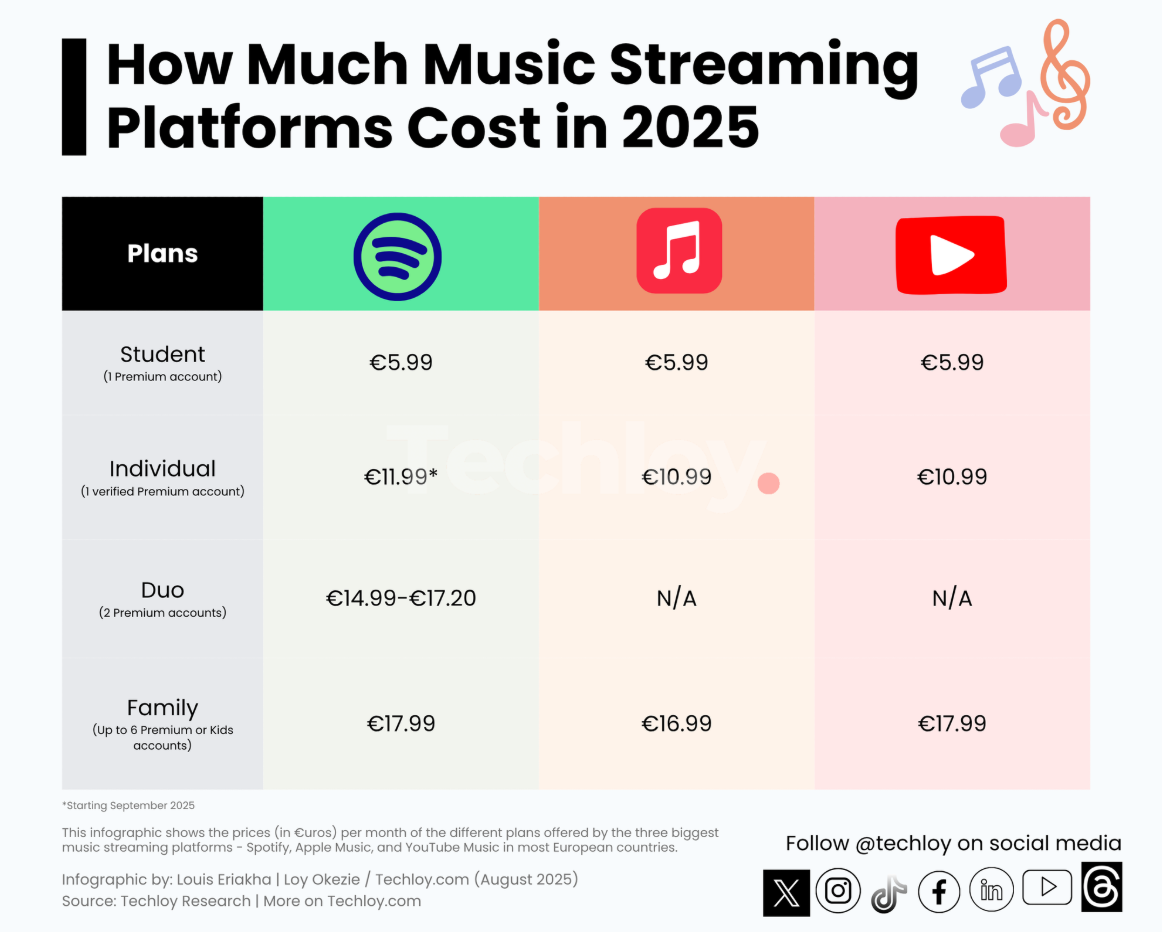
Perhaps most crucially, the streaming funding model has turned out to be rotten at its core and not economically viable for almost all creators. The figures are disheartening no less, stark telltales of a marketplace that looks at music and sees a product, not an art. Even earning them takes quite a while on big platforms, where artists are frequently paid between $0.003 and $0.005 cents per stream (and that amount doesn’t even go directly to the artist). The money first goes to the rights holders — those with legal claims, such as labels and publishers — who then pay the artist their contracted rate, if that’s an agreement that they have.
To bring that viscerally to life: An artist could need more than 330,000 streams just to earn the equivalent of a monthly minimum wage in most western countries, and that’s before even accounting for what the label takes. This system has been exacerbated by the advent of “360 deals”, where labels receive a share of all an artist’s revenue streams, including touring, merchandise and endorsements, in return for their initial outlay. That makes it nigh on impossible for young or even established independent artists to make a living solely through making recorded music and into an unending, unsatisfactory cycle of touring and selling t-shirts just so they can afford to feed themselves. It has almost entirely erased that simple, elegant feeling of being paid per song, of a transaction that is fair and direct for a piece of art, and replaced it with opaque royalty statements, convoluted accounting and payments that are truly microscopic.
Writing a New Reality in Crypto
Enter crypto music, which not only offers a lesser evil but an entire alternative model to value music, to own it and to distribute it in a way that may really break some desperately needed new ground. Musicians can make their work unique, verifiably and programmable digital assets with the help of blockchain technology - most essentially NFTs (non-fungible tokens). That's the one killer upgrade that changes everything about the relationship between artist's work, music, collaborators and audience everywhere in the world. Likewise, rather than “rent” one’s life work to a monolithic central platform for negligible and deferred income, a musician could sell direct a limited digital edition of music (a song or an album) complementary with a visually unique piece of art, also direct sale peer-to-peer. The direct-to-fan economy has far-reaching and interlocking consequences.
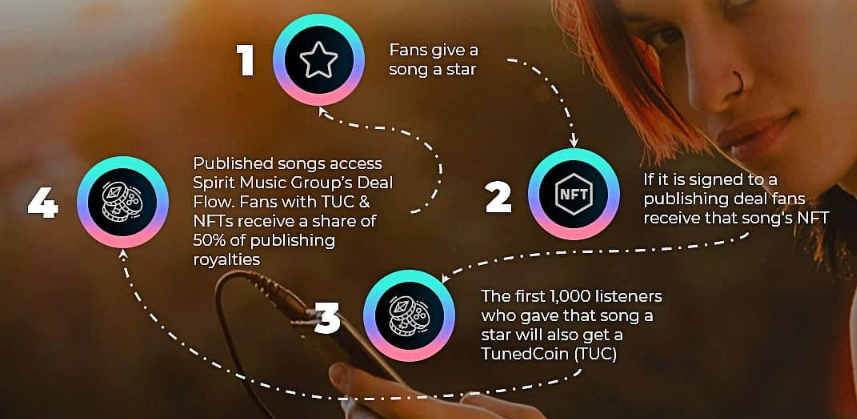
Next thing you know, the entire power dynamic has reversed itself. A freelance musician is no longer dependent on a label’s meager advance, a publisher’s complicated contract or on one of the streaming powers’ horrible payout rates. They are to charge whatever price they choose, based on what they believe their art is worth and with the understanding of what their community can afford to pay. A thousand committed fans paying $10 for a digital album from an artist will supply more direct, sustainable, life-transforming income than millions of passive, anonymous streams.
It is also creating a deeper, richer and mutual relationship. Fans are no more mere consumers, they’ve become patrons, collectors, direct supporters and almost collaborators. They own a verifiably rare piece of the history of their favorite artist, a low-pressure item that can be cherished and displayed, something that may even work as an investment as the artist’s career advances. This provides a strong mutual incentive. The cases are now already exploding with wild creativity: The likes of 3LAU have been minting millions in a single drop; platforms like Royal allow fans to buy fractional ownership in songs, which then entitles them to a verified percentage of future streaming royalties. This makes fans actual stakeholders, their interests conjoined with the artist’s success. And these NFTs can also work as digital keys, allowing access to token-gated private communities on platforms such as Discord, exclusive behind-the-scenes content, early concert ticket access and a voice in future creative projects.
Ultimate Freedom
Beneath it all, beyond revolutionary financial outcomes (which are necessarily the most immediate and obvious change), the heart of crypto’s appeal to any creator is one single powerful word: freedom. To musicians, this is a nearly sacred idea. The old industry is notorious for its creaky infrastructure and its layer of gatekeepers — the A&R men, the publishers, the marketing departments who are too often telling artists how to sound in order to minimize financial risk or maximize commercial appeal. That can be a terrible place for an artist who wants to innovate, to push sonic boundaries, or to make the music that isn’t finished enough before it gets done because it doesn’t fit into any pre-approved, radio-friendly, commercially friendly box. Would-be artists spend years, even decades, watering down their distinctive visions to get a foot in the door and end up jettisoning what it was that made their art so vital and unique in the first place.
Crypto is a clear and legitimate way out of this gilded cage. It’s also the unique chance to build an entire career on your own terms, completely insulated from the aged and often predatory industry infrastructure. A work of art can be released at just the time and place and manner an artist desires it, with no need for the approval or permission of any single executive. They are the CEO of their own artistic business, producing their own projects, promoting their work and building an audience, and managing their finances.
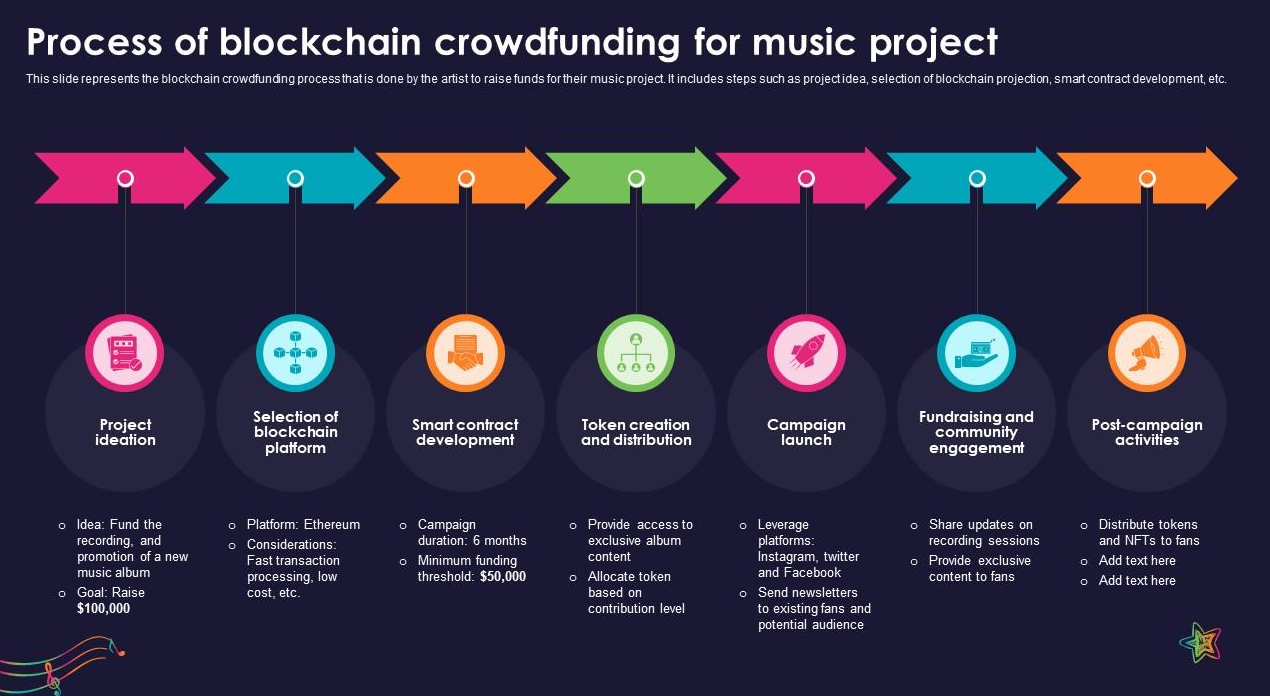
Sure, this absolute freedom has its own job requirements and it’s mentally draining. To be an artist in the web3 era is to be a shrewd entrepreneur. This comes with a steep learning curve – how to market in a decentralised world, build and manage an online community, as well as the logistics around their finances. That means knowing how the systems they use work. For example, when you are sending funds or paying some collaborators they may wonder how much TRX a USDT send needs, or simply wanting to accurately judge Energy for converting to USDT in order to make their transactions maximally efficient and cost-effective. These are little challenges when you think about the bigger picture of pursuing real, unadulterated creative and financial freedom. It's the difference between being a spoke in a wheel of power and being the driver."
Bumps on the Path to Adoption
Naturally, the road to mass adoption is not a frictionless superhighway. Crypto music is thus still in its energetic embryonic stage, a work-in-progress with essential and non-trivial problems to solve. For one, the user experience on many crypto platforms is still clunky, and counterintuitive, largely intimidating to the average music fan. Installing digital wallets, securely managing private keys and necessarily understanding the intricacies of various blockchains set a high entry barrier that needs to be lowered.
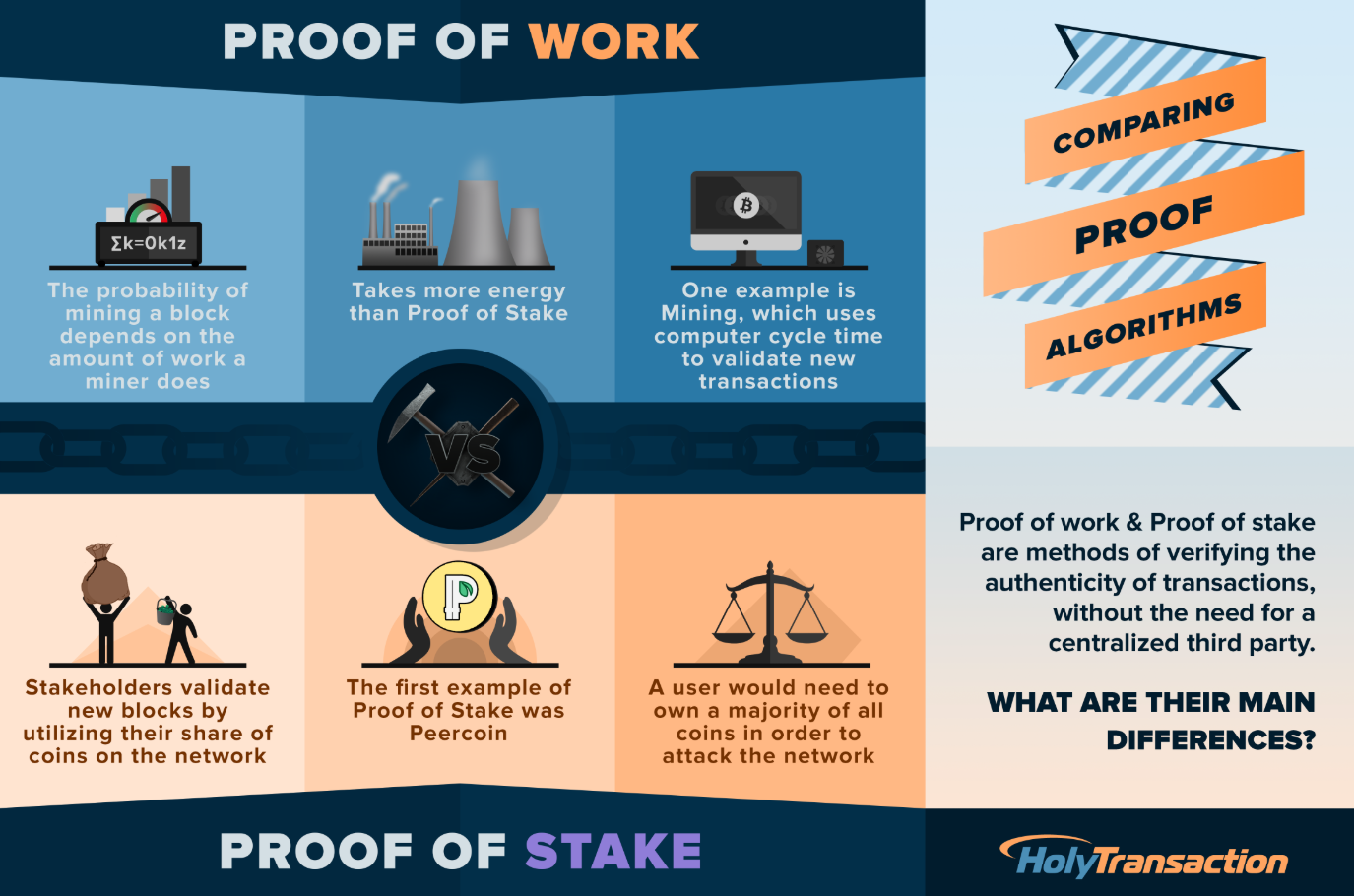
One has been valid concern - gas fees (transaction costs) on some larger networks, although the speed with which more efficient and scalable Layer 2 solutions are rising and being adopted is aggressively beefing up R&D support to leave this problem in our dust. There has also been much debate around the environmental impact of older “Proof-of-Work” blockchains. But the industry is moving to much more Energy-efficient "Proof-of-Stake" models, many of which are already having a positive impact on reducing power usage for transactions.
There is also the plain old volatility common to all things cryptocurrency, which can make it a terrifying space for artists who require stable, predictable income in order to survive and pay their rent. And like any new financial technology, the space is rife with both fraudulent actors and bad actors, making user education and security paramount.
These are important problems, to be sure, but they need to be viewed for what they truly are: engineering, design, and educational concerns rather than inherent insurmountable defects of the organization. No. Because every great technological transformation has gone through an awkward interface phase — one which was the playground for early adopters before it became simple enough for your mother-in-law to participate. The early 90s internet was not a user-friendly or completely safe place, after all — but it grew up. The answers to these problems are on the way, however: more user-friendly wallet interfaces; platforms that abstract away some of blockchain’s intimidating complexity and provide reliable ways for artists to price their work and get paid. The core idea — creators should own their work, control their careers and have a direct relationship with fans — is absolutely right and very appealing. It takes on the underlying, most durable ills of the old system and offers a viable, tangible path forward to a more equitable and creative tomorrow for musicians.
The Future Composed
“Both because those core ideas are so sound and because the demand for this kind of radical change feels so palpable among creators, it’s less a matter of if then when it will be taken up in some ultimate form.” The skepticism was — and still is — a necessary and life-giving part of the process. It makes the people building, developing and creating in the space better — to make tools that are not just technologically new but actually useful, safe, transparent and beneficial for everyone.
The music of tomorrow is being written right now — and it’s a collaborative score. It’s a future where fans can invest in their favorite artists’ success, where royalty payments are immediate and indelibly marked on the blockchain, and one in which a musician’s creative vision is the only gatekeeper blocking them from having a career. It’s only a short matter of time before the tools are intuitive enough and that the rewards are evident enough, the winners common enough that the music of crypto is a loud chord in an emergent symphony in our digital age. The future of music is one in which artists have genuine power and that sounds deeply right.
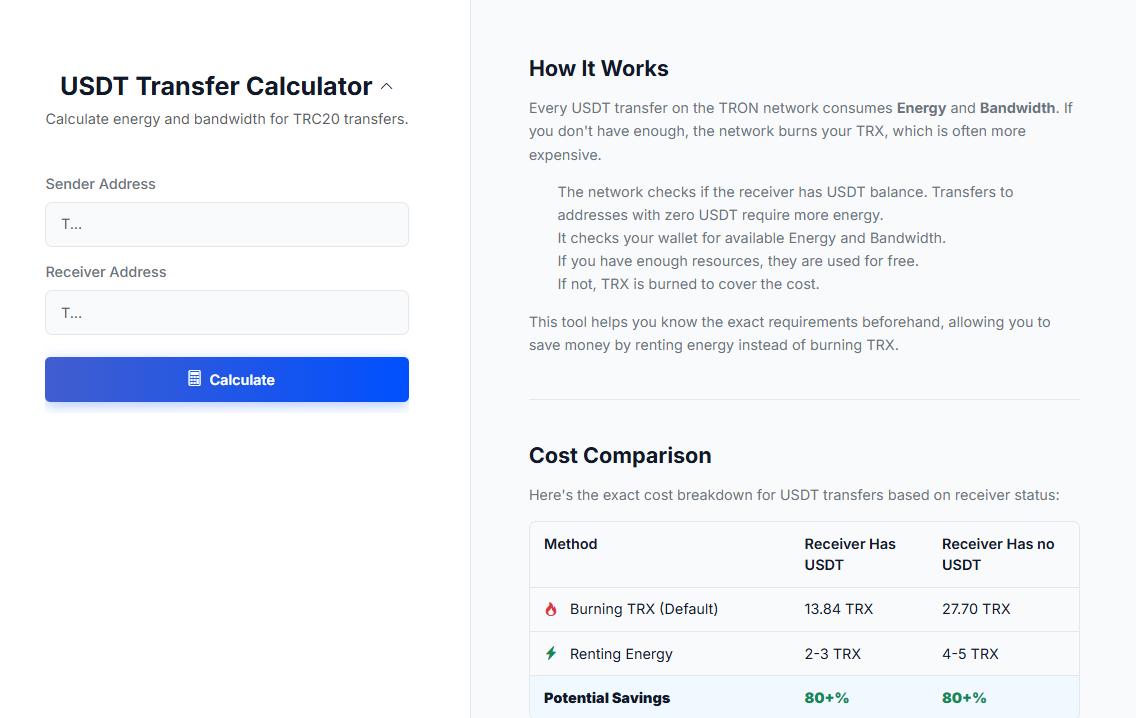
And for artists and users trying to navigate the financial side of this new value chain, it’s crucial to understand differences between them when managing costs. Services have surfaced to handle these complexities. One of these tools is the Netts USDT Calculator, which has been tailor-made for TRON network transfers. It also enables users to compute the precise Energy and bandwidth cost for TRC20 transfers, so they know how much everything should cost and not burn TRX by renting out Energy. This sort of tool is crucial for helping to make the crypto space more open and transparent for creators who are trying to maintain their earnings.