Crypto in Healthcare: Curing the System
Tokenized care paths and transparent ledgers vs. delay-deny billing — how projects like Solve.Care pitch a calmer, patient-centric healthcare stack.
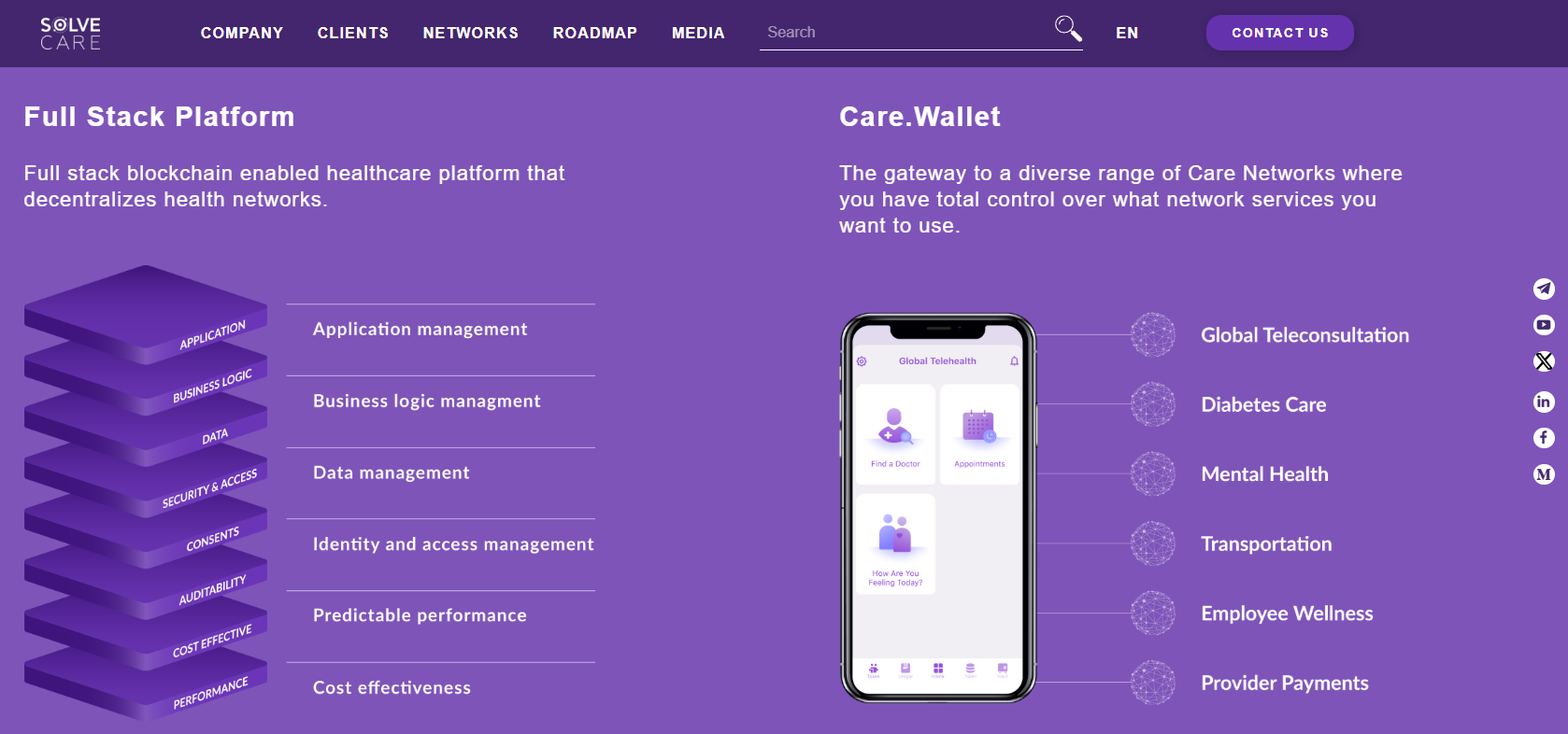
In the vast realm of medicine, a silent revolution is underway – and it claims to rehabilitate the patient-centric mission of health. And imagine a situation in which a diabetic patient in Arizona stymied by bureaucratic insurance barriers experiences the benefit not of a government mandate but of decentralized, organic collaboration that coordinates his care with near frictionless efficiency. That is the future Solve.Care is constructing. Solve.Care is a project that epitomizes the way crypto and blockchain are transforming healthcare. Solve.Care offers patients not only the ability to connect directly with physicians, but gives them access to insurers as well. Solve.Care has taken away the administrative friction that generally takes up to 30% of health spending. In their system, appointments are triggered and immediately approved, transactions settled in real-time with digital tokens, and the path of the patient’s experience traced so transparently that “deny and delay” strategies no longer work.
To understand just how much of a turning point this is, you have to confront the profound structural rot in the existing healthcare system. The industry has moved for decades away from the Hippocratic Oath and toward a profit-maximizing model. We live in a world of healthcare monopolies — where just a few insurance behemoths and hospital networks set prices with scant regard for the reality of the market or human pain. This consolidation of power has fostered a marketplace of discriminatory pricing whereby the same blood test can cost $20 at one clinic and $200 at another, often leaving the patient in the dark until they receive their bill.
The results of these distorted incentives are more than merely monetary: they can be deadly. The opioid epidemic is a ghastly indictment of what occurs when we incentivize care professionals to increase volume and sales irrespective of the patient’s well-being. For years, large pharmaceutical companies marketed highly addictive painkillers, often playing down their risks and providing financial incentives to doctors who prescribed them by the handful. The outcome was a crippling epidemic of addiction that savaged communities, powered by a system that rewarded how many prescriptions were written instead of what health benefits each patient achieved. Regulators, often captured by the industries they were supposed to police, acted slowly, giving the crisis time to metastasize.
The recent, tragic case of Luigi Mangione must be seen in this context of systemic downside risk. After being accused of the murder of UnitedHealthcare CEO Brian Thompson in late 2024, Mangione became a figure of polarization — representing, to some, the explosive, justified rage many patients feel toward the medical-industrial complex. Mangione, in his manifesto, was voicing a grievance millions of other Americans share — that the strategy of “delay, deny and defend,” as Mangione referred to it in his campaign against Aetna, constitutes violence against the sick. His was the desperate response to a heartless bureaucracy that has turned patients into supplicants, forced to beg for their lives from anonymous clerks who couldn’t care less about them.
But, harsh as it is to say: Luigi Mangione crossed a line. Tyranny, not the reformer, resorts to violence. Responding to the structural violence of the healthcare industry with physical violence is madness. But there is an alternative to healthcare plutocracy — a different way that does not involve bloodshed but instead the intelligent use of decentralized technology. We can break down the monopolies and restructure medicine's incentive system by leveraging blockchain's immutability to create a transparent, fair system that is incorruptible.
A wide variety of crypto companies are already laying the infrastructure for a patient-centric future. These groups aren’t just promising change; they’re making it.
Solve.Care
Although already presented in the introduction, Solve.Care’s invention merits a second thought. They have radically transformed the payor-provider-patient relationship with their “Care.Wallet” technology.
How they are changing things:
Solve.Care cuts the administrative bloat out of healthcare. By tokenizing healthcare events — appointments, prescriptions, referrals — they can reduce complex bureaucratic procedures to digital transactions as easy to send or retract as an email. Their system is designed to build “Care Administration Networks” (CANs) which are blockchain networks tailored to defined disease states.
Important uses:
One example is their “Diabetes Care Network,” which incentivizes patients for sticking to courses of treatment. Patients can be rewarded with Care Coins, redeemable for healthcare services. This compliance gamification model incentivizes patient behavior towards superior outcomes, and it is done via the blockchain where the provider can be paid in real time upon verification. This model has been proven to dramatically decrease administrative costs and enhance patient engagement.
Patientory
Fragmentation of data remains one of the most insidious issues affecting healthcare. Your medical profile is sitting on the servers of every doctor you’ve seen, locked in proprietary Electronic Health Record (EHR) systems that don’t play well with others. Patientory leverages blockchain to stitch this cut-up history back together.
How they are changing things:
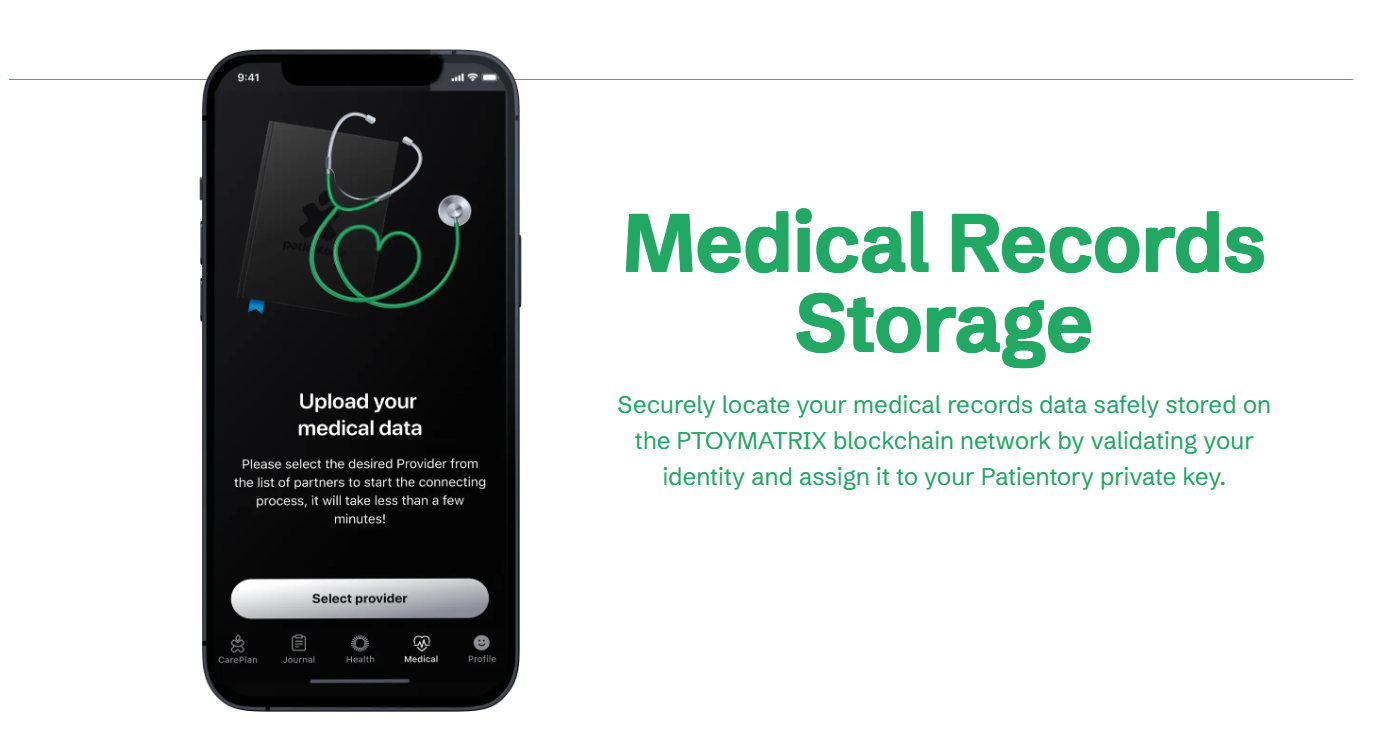
Patientory is a private, encrypted health data management platform that makes the medical history portable, providing the ability for patients to own, manage and share their health history profile. Importantly, the private keys to this data belong to the patient. That means the data cannot be accessed by a hospital, insurer or hacker without the patient’s explicit consent. They are moving from storing data in "institution-centric" systems to the "patient-centric" green field world of sovereign personal storage.
Important uses:
The importance of verifiable health status is revealed in the COVID-19 pandemic. By design, Patientory’s infrastructure enables the secure validation of health credentials without disclosing a user’s sensitive personal information. And for patients with complex ailments like cancer, who might see specialists spread out across multiple hospital systems, Patientory makes sure that all the doctors are sharing the same full picture. This interoperability spares unnecessary repeat testing, and alerts to drug-drug interactions that are generated simultaneously.
BurstIQ
And in the era of Big Data, your health data is frequently being harvested from you without your consent. BurstIQ's mission is "Returning Data Ownership to the Individual."
How they are changing things:
For every user, BurstIQ has created a “LifeGraph” — an ever-evolving map of their health data. Their novelty is “smart consent” contracts that allow for granular sharing of the data. In the context of a particular research project, a patient can allow his/her data to be accessed for up to six months, after which they are no longer accessible.
Important uses:
BurstIQ is changing the way health data is used for insurance and wellness programs. With this approach, insurers don’t need to rely on actuarial tables; they can offer up individualized plans based instead on verified data shared by users. What's more, the platform is being used in response to the opioid epidemic by developing a secure, cross-provider ledger of prescriptions. This kind of "doctor shopping" is prevented as the blockchain servers unambiguously identify duplicate prescriptions.
MediLedger (Chronicled)
The trillion-dollar global pharmaceutical supply chain is inefficient and ripe for counterfeiting. MediLedger has become the leading standard in blockchain verification of the pharmaceutical supply chain.
How they are changing things:
They operate on a permissioned blockchain and enable the biggest pharma businesses: manufacturers, wholesalers, and dispensers to communicate with one another. They make a digital copy of every single dose, allowing for complete traceability. A Zero-Knowledge Proof is utilized by their system to enable companies to check the legitimacy of a drug without disclosing any sensitive business information to rivals.
Important uses:
The implementation of the Drug Supply Chain Security Act (DSCSA) extended a deadline for complete unit-level traceability in the United States. MediLedger became the underlying infrastructure that underpins the industry’s ability to comply with this mandate. In practice, that means should a batch of vaccines turn out to be faulty in some way — which does happen occasionally — the lot can be tracked and recalled in seconds rather than weeks. It also means that the scourge of fake cancer drugs and HIV medicine may be systematically eliminated by checking the digital signature of every box distributed.
Galeon
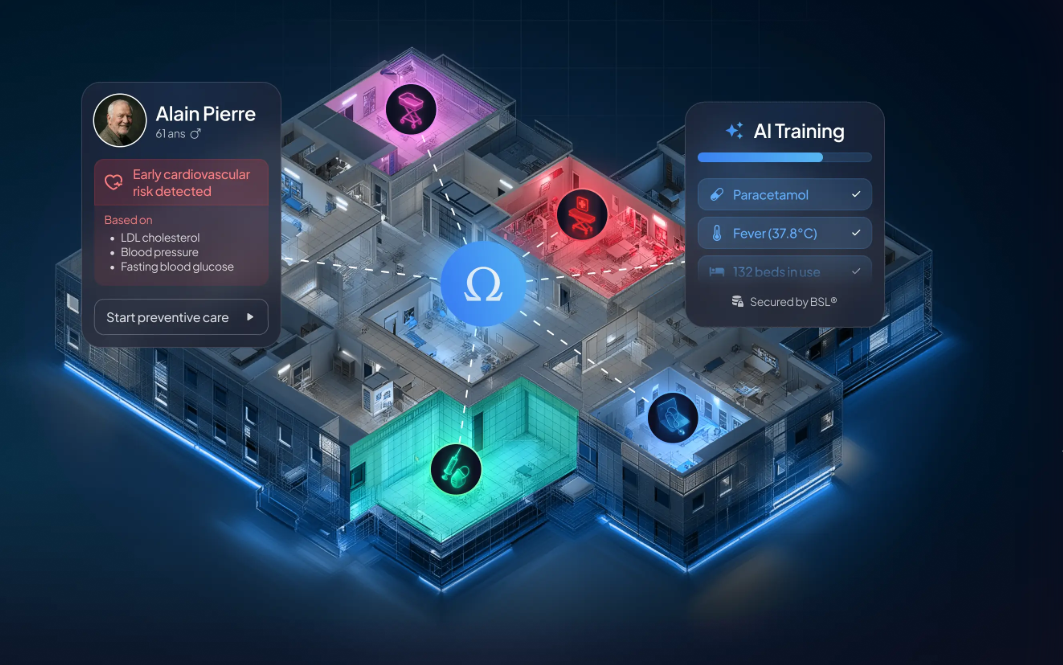
Operating out of France, Galeon is bridging the gap between blockchain and AI to expedite medical research without sacrificing privacy. They are advocates for "swarm learning."
How they are changing things:
In traditional medical AI training, sensitive patient data in hospitals must be sent to a central server — creating a significant privacy risk. With Galeon’s approach, the data does not leave where it is: within the secure firewalls of the hospital. Instead of taking the data to the algorithm, they take the algorithm to the data. Artificial intelligence can move from hospital to hospital, train locally on the data and take back only what it has learned.
Important uses:
Galeon focuses on the rare disease space. For illnesses that touch only a few people in any one country, no hospital has enough data to train an AI for diagnosing it. By connecting hundreds of hospitals in Europe, Galeon brings this statistically significant population to the AI to learn from. This sort of collaborative method could take years off the diagnosis time for extremely rare genetic conditions, giving patients answers that they may otherwise never find.
VitaDAO
The way biopharma is traditionally financed strongly inclines investors toward “safe” bets on marginally improved iterations of existing drugs over moonshot cures. VitaDAO is a Decentralized Autonomous Organization aimed at financing early-stage longevity studies.
How they are changing things:
VitaDAO functions as a hive mind. Anyone holding the token can propose and vote on research projects to be funded. This eliminates the gatekeepers and lets the community direct capital to high-risk, high-reward science. They blazed a trail with the “IP-NFT”, as a method of ensuring the intellectual property arising from the research is owned by the DAO.
Important uses:
They have managed to finance research at the University of Copenhagen, studying how cells age. They do so by tokenizing the intellectual property (IP) – ensuring it does not sit in a patent vault until stock prices can be driven up, and enabling treatments that extend life to emerge as community-serving rather than commercial-worthy medicines. This "Decentralized Science" (DeSci) approach provides an entirely new and far more potent alternative to decades of monopoly R&D from the big pharma cartels.
Embleema
There are many concerns that come with approving new drugs: The process is slow and expensive, marketing campaigns can mislead the public, it’s almost impossible to get good evidence on possible off-label uses of a drug (a use that hasn’t yet been directly approved by regulators), among many others. Embleema specializes in producing regulatory-grade RWE.
How they are changing things:
Embleema, a blockchain platform, enables patients to consent to have their real-world health data — from smartwatches and genomic sequencing — shared with researchers and regulators. This data is all tagged and tamper-proofed by blockchain, meaning FDA can trust it.
Important uses:
This is especially important for post-market surveillance. It is hard to keep track of long-term side effects once a drug has been approved. Embleema provides patients with a secure and confidential way to share their experience. This steady stream of validated information enables regulators to spot safety problems much sooner than if they were relying on traditional reporting mechanisms, which can save lives by flagging adverse reactions before they become widely seen.
Medicalchain
Telemedicine was already through the roof in popularity even before the pandemic, but as with many other such virtual services that suddenly saw a huge surge of new users, it seems the underlying data infrastructure used by most people’s telemedicine providers is creaky at best. Medicalchain is constructing the "Internet of Healthcare" to enable frictionless virtual care.
How they are changing things:
They are a platform where a patient can "visit" a doctor from around the world and immediately share their medical records. The consult is actually recorded on the blockchain, via an immutable record.
Important uses:
Medicalchain's "MyClinic.com" allows patients to use cryptocurrency to pay for consultations, circumventing international banking fees. This is game changing in terms of medical tourism, or patients in third world countries trying to access the expertise of a Western specialist. It mints a genuinely global market in medical expertise.
But as such companies pivot from pilot projects to global distribution serving millions, they will confront a fundamental operational challenge: infrastructure costs. Blockchains need resources to confirm transactions, often referred to as “gas” or “energy.” High fees on networks like Ethereum made many healthcare dApps nonviable in the early days; paying fifty dollars to record a ten-dollar co-pay was hard to justify through economics alone. This is why blockchain asset management represents a key facet of the new healthcare economy.
For a high-throughput, low-latency platform running even relatively computationally expensive applications, on networks such as TRON, “Energy” is a major line item. A healthcare network that crunches through millions of data points each day — patient consents, prescription verifications and micro-payments — uses quite a bit of it. Should these projects have to buy this energy by burning their local token (TRX) their cost would be too high and they might reasonably pass it on, defeating the purpose of the tech.
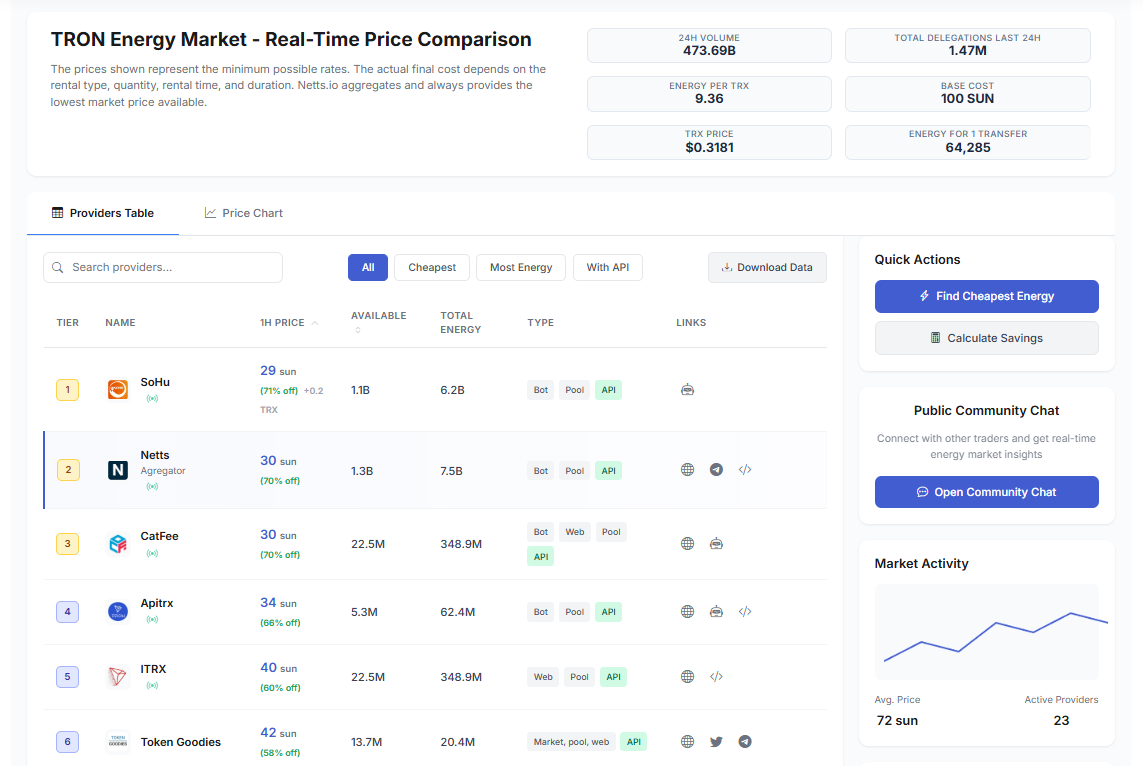
Enterprising developers and enterprise architects work around this by leveraging markets for inexpensive TRON Energy. Renting capacity, for a fraction of the expenditure of burning coins, they can pass the necessary capacity through. The above practice of leaning on TRON Energy rentals is similar to a hospital renting the machine it needs to perform MRIs rather than purchasing and building their own factory. It’s just another case of capital efficiency. By reducing the barrier to entry, these rental markets are designed to allow blockchain’s promised benefits (transparency! security! speed!) not to get overshadowed by how expensive it is. It enables a start-up in Lagos or a clinic in rural India to have access to the same world-class digital infrastructure as a hospital in New York City. Renting TRON Energy therefore serves as a covert yet critical cog in the machine of healthcare democratization.
We can’t forget that the entire point of all this tech isn’t simply to be efficient, it’s also to be empathetic. The cold bureaucracies and algorithmic denials of the current system have sucked the humanity out of healing. The tale of Luigi Mangione is a terrible example of the despair this system can cause. But out of that tragedy, a new hope has emerged. The companies above — Solve.Care, Patientory, BurstIQ, MediLedger, Galeon, VitaDAO, Embleema, Medicalchain — they are the leading protagonists of a push to take back healthcare for humans. They're creating a world where the patient is king, the doctor a collaborator and the system devoted to repairing rather than extracting.
But this future must also rest on solid ground. It takes more than just vision; it requires practical tools that make the economics of decentralization viable.
Netts is an essential tool for those creating this decentralized future in the TRON ecosystem, by providing a full-featured TRON Energy Market. The service is designed to compare the current price for your operational requirements, and it compares prices at various times of the day with hourly resolution. Netts covers the fixed costs of rental, compiles and lists the cheapest available market price. The platform brings a clear and concise way to handle usage-based costs, enabling the brains behind the next wave of healthcare apps to turn their attention to what matters - saving lives.