Crypto and Mobile Devices: Perfect Match
Smartphones put wallets, trading, and DeFi in your pocket — biometrics and hardware bridges keep keys safer on the go.
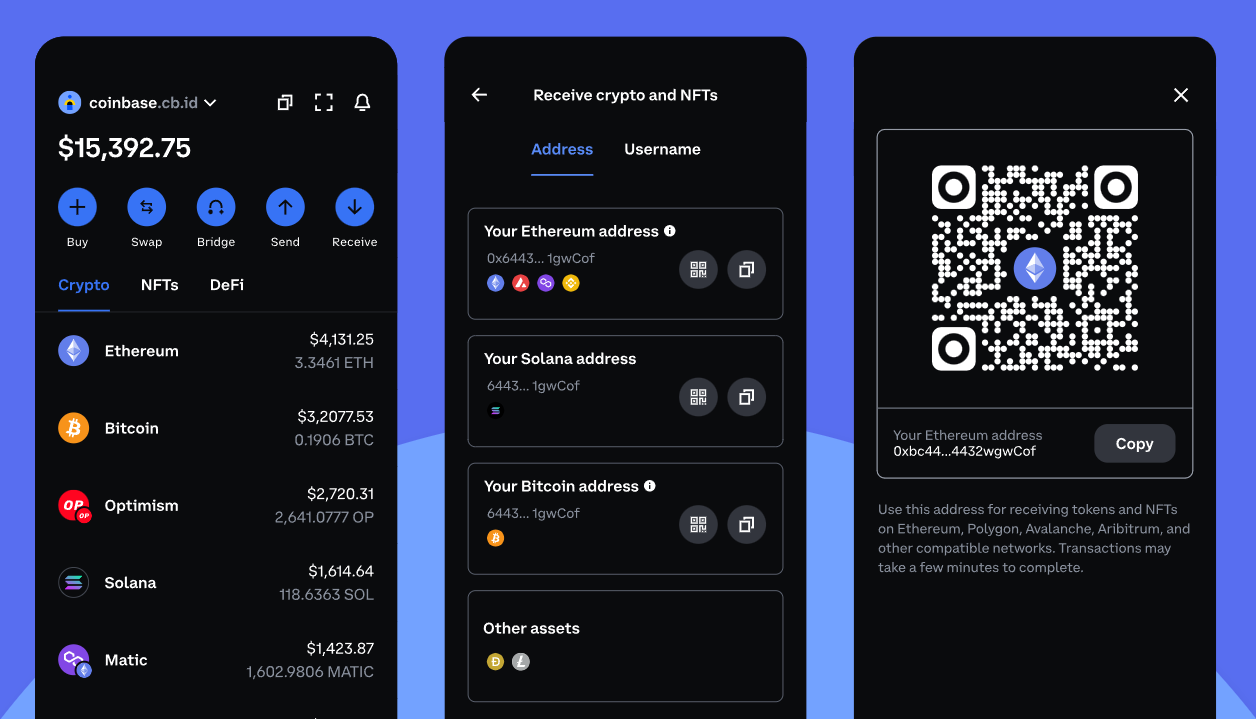
The digital revolution has characterized pretty much everything we all know in regards to how money works, nowhere is there more proof of this than within the way by which cryptocurrency and mobile use join seamlessly with one another. The perfect union of digital assets and mobile technology continues to generate unprecedented prospects for economic freedom, doing away with the need to risk carrying heavy briefcases filled with dollar notes. Combining the evolution of smartphones with the growing adoption of crypto, these two technologies are changing our relationship to money in ways we never could have imagined just 10 years ago.
Mobile Wallet Revolution
Mobile crypto wallets have democratized access to digital currencies allowing anyone with a smartphone the ability to participate in the crypto economy. These applications range far beyond basic storage products and are comprehensive financial management solutions boasting many of the same features found in your general everyday bank apps. The sheer value of having a handful of wallet applications at your disposal is hard to overemphasize – all tailored for its unique use cases and taste in design.
Platforms like Trust Wallet are among the best, with over 4.5 million digital assets supported and a friendly interface catering to both newbies and pros. It's particularly useful for anyone interested in the wider crypto landscape since it is compatible with dApps. And in MetaMask's case, the traditional browser extension wallet's made a good mobile transition keeping its title as go-to for all things Ethereum and Decentralized.
Coinbase Wallet is a great example of how traditional cryptocurrency exchanges continue to open up as the lines between exchanges and wallets become increasingly blurred — allowing users to still avail themselves of exchange services while holding onto their keys. Exodus is all about making crypto simple, and it delivers the goods with a beautifully presented platform that’s approachable for beginners who might be daunted by more convoluted UIs. Atomic Wallet is the only wallet to offer such a broad variety of coins and tokens, in addition to being the first major cryptocurrency wallet with cross-chain Atomic Swaps support and an integrated strategy for staking.
One of the beauties of this varied ecosystem is that it lets people choose. Users will be able to opt wallets after their own preferences and demands, by favoring security or convenience, supported assets listed on the platform or compatibility with certain blockchains. This diversity means there is a perfect wallet for any kind of crypto user, from the casual investor to the DeFi aficionado.
Well beyond being able to store and pay, today's mobile wallets are actually turning into full-featured financial portals. Most now include built-in exchange services, so you can switch between different cryptocurrencies directly from within the wallet interface. From here traders don't have to send their funds across various external exchanges which results in reduced fees and an optimized trading process. Advanced wallets also include portfolio tracking, enabling live-updated visualizations of asset performance, diversification and market trends.
The addition of decentralized finance (DeFi) protocols to mobile wallets was especially game-changing. Users can now access yield-farming, liquidity-providing, and staking functions right on their phones. This accessibility has served to democratize access to advanced financial products previously only accessible for those skilled on a technical level and having had desktop access. Essentially, mobile wallets have moved Wall Street-level financial tools to the palm of every user.
Financial Sovereignty in Your Pocket
In terms of control over your own finances, there are few better ways to do so than with mobile crypto wallets. In contrast to conventional banking systems that can freeze funds, close accounts, or block transactions at the discretion of financial institutions; cryptocurrencies run on distributed ledgers which by virtually no means can be controlled by a single party. This simple, yet profound difference is a game-changer in how we view money and financial freedom.
With a mobile wallet, your cryptocurrency is in the palm of your hand and you have all the ownership rights. No middlemen to limit your access, no arbitrary trading limits, and no shutoffs by banks for political reasons. This level of financial freedom is especially important for those living in areas struggling with unstable banking systems and a lack of access to stable currency.
Being able to send USDT or any other crypto from your phone without having to ask a bank or financial institution for permission is a game-changing step towards personal financial autonomy. People can send money internationally in seconds, with no international fees and payment boundaries like the ones associated with traditional methods. This has made crypto currency especially useful for remittances, international trade and personal financial management.
Security Through Innovation
Decentralized wallet solutions have adopted advanced security features which surpass that of banks' fingerprint-enabled applications. Fingerprint and facial biometric authentication has become common to most major wallet apps. These functionalities are also ease of use and secure to only allow those who have permission to access their assets online.
The hardware security module (HSM) integration with today's smartphones also adds another layer of security for mobile crypto wallets. These specialized chips keep private keys safe within a secure enclave that's completely separate from the main OS, fending off threats like malware. Moreover, many wallets are increasingly being designed with integration for hardware wallets also, facilitating greater portability (i.e. mobility) without compromising on security.
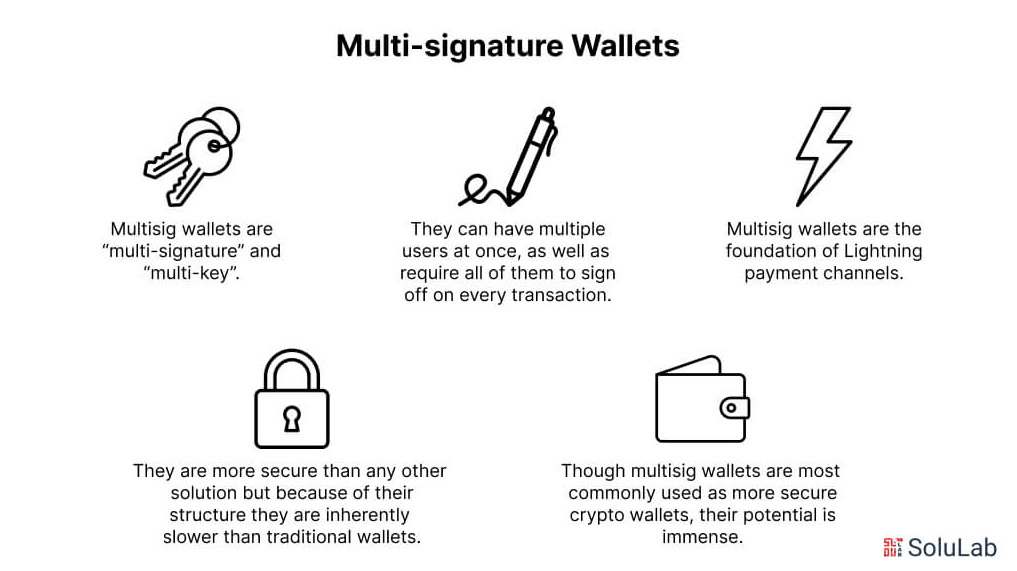
Multi-sig capability has been in demand now for mobile wallets, where transactions can only be sent after the approval of multiple parties. This is especially useful for companies and families that are pooling crypto assets because no one can spend funds without authorization from all other spenders. There are also wallets that offer time-locked transactions where, for example, people can make a transfer that cannot be accessed by any party for a certain amount of time, adding another layer of security against attacks.
The introduction of social recovery systems is another very important innovation in the field of mobile wallet security. Instead of making seed phrases the sole option, which can be lost or forgotten, some wallets now enable users to identify a few trusted contacts that can help restore access to their funds. This implementation combines the security of decentralized systems with social advantages of social networks, bringing crypto to mainstream users while still holding top-level security bars.
More Than a Phone – Cryptocatalog Of Products
Phones aren't the one-size-fits-all solution for using blockchain technology. Mobile phones have attracted more people to use crypto, but the ecosystem has since evolved to encompass more than just handheld devices. Hardware wallets are in effect the gold standard for crypto security, as they keep private keys off the internet and guard them from virtual attacks. Modern systems have come a long way and now include all types of connectivity as well as adhere to their security roots.
The Ledger Nano X has become one of the most popular hardware wallets for millions of crypto investors, it can store more than 5,500 different cryptocurrencies and it can connect to a mobile app via Bluetooth. The secure element chip of the device guarantees that your private keys stay safe physically defying any attempts to extract them, even when plugged into phished devices. The Model T from Trezor brings a new take on how your coins and apps are presented to you - highly usable flavor of the user gifted with high quality of design, but it is also fashionable in appearance due to use of durable materials such as anodized aluminum for the case.
Design Innovation in Hardware Wallet Development
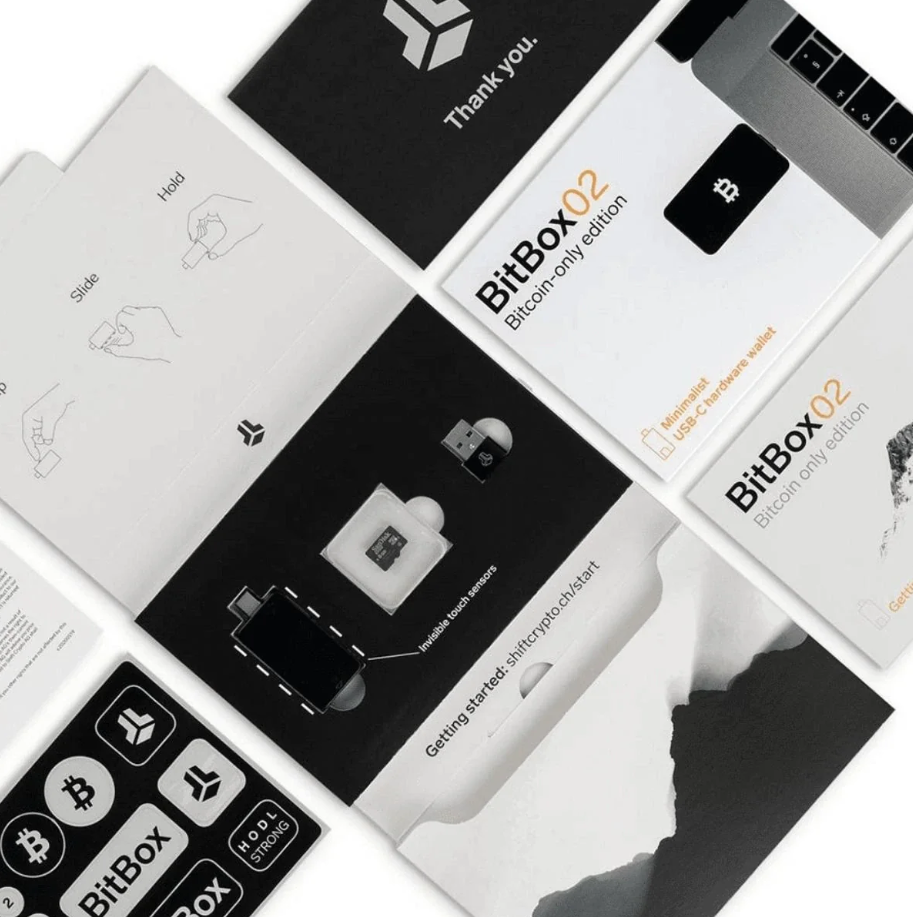
The innovation in hardware wallet design reaches new heights. BitBox02 features a sleek minimalistic appearance, and is enhanced by its security capabilities - offering microSD card support for encrypted data backups. Cypherock X1 does away with traditional seed phrases using a proprietary method to split private keys across multiple hardware devices, solidifying security should an individual piece be lost or stolen. ELLIPAL Titan combines air-gapped security and built-in camera transaction signing making it completely offline.
Wearables with inbuilt crypto capabilities are one of the most interesting things happening right now in the cryptosphere. Tangem Ring is the first to market in this category, a wearable hardware wallet with finger-size dimension. Featuring NFC technology, this easy-to-use portable key chain is designed to enable secure transactions with a simple tap and conveniently facilitate crypto management as part of any user's daily lifestyle.
Crypto-ready smartwatches are a long way off, but many companies today are working on adding wallet features to wearables. These gadgets may also form a bridge to check portfolios, get order alerts and make basic transactions on the go, all from your wrist. The convenience factor is massive — it’s hard to beat the convenience of not even having to remove your phone from your pocket in order to check what your crypto balance is or to give a transaction an OK.
The trend of dedicated crypto accessories is also rising. Smart rings with NFC chips inside could store small amounts of cryptocurrency that allow fast payments, while fitness trackers “before long” could offer digital tokens as an incentive for reaching health goals. These developments are the further step in the process of integrating cryptocurrency into daily life where digital assets become as normal and readily available as other forms of payment.
Emerging Technologies and Future Possibilities
As artificial intelligence and mobile crypto wallets merge, a new era of financial management has dawned. AI wallets have the ability to examine spending behavior, advise on when it is best to spend money considering market conditions and also execute some form of investment strategies. Through machine learning and AI, users can pinpoint potential security threats, detect atypical transaction behavior and receive personal recommendations for expanding their portfolio.
Another exciting space is the convergence of Augmented Reality (AR) with mobile crypto apps. Picture taking out your phone and opening the camera to find the price of a physical product displayed in cryptocurrencies, or using AR to view how your trade portfolio is performing over time with interactive charts and graphs. Mind-bending experiences like this could help crypto management be less abstract, more interactive; most importantly for digital natives it is more intuitive.
Future of Crypto Integration
As we turn our focus to the future, it is just now getting exciting — wearable and mobile cryptocurrencies are soon to spring up. Internet of Things (IoT) connected devices are being developed to integrate cryptocurrency payments where even IoT-enabled residential consumer and automotive goods can now process cryptocurrency transactions. It is a significant step forward to an era where digital currencies can be used on every corner of our daily life.
The progress on putting up more complex mobile applications further expands the limits to what can be achieved with crypto inside mobile devices. Fancy extras such as automatic portfolio rebalancing, yield farming optimization, and cross-chain transaction management are now included in top-of-the-range mobile wallet apps. These features turn smartphones into virtual banking services.
With more and more users having their assets spread across multiple blockchain networks, cross-chain interactions have become an important priority for mobile wallet developers. Today’s wallets also promote frictionless transfers across different blockchains, so it is possible to send value from Ethereum to Polygon or from Bitcoin to Lightning Network through a single mobile interface. This feature compacts the cumbersome bridge protocols and numerous wallet applications, making it much easier for users.
Mobile wallets have also seen their feature sets increase with the advent of NFTs and their inclusion in the wallets. Now, users are able to store and showcase NFTs straight from their smartphones, while select wallets even provide dedicated galleries and marketplaces for digital collectibles. This offers something of a gateway for NFTs to move more into the orbit of mainstream consumers who would like to break into the digital art and collectibles market but don't have enough technical expertise or don't want to install desktop software.
Addressing Transaction Challenges
Despite these compelling attributes of managing one's crypto mobile, many users still encounter some idiosyncrasies, especially with transaction costs and network conditions. In a more frequent example, when moving USDT on the TRON blockchain, users are usually required to maintain some TRX tokens to facilitate the payment of network fees. This can be especially irritating for users who work mostly with USDT and don’t really want to juggle multiple digital assets.
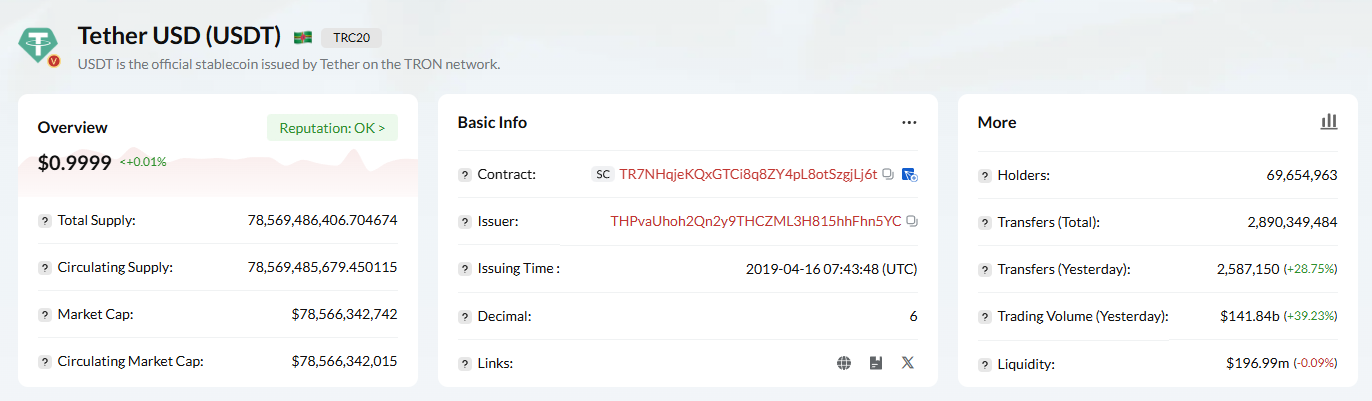
Dealing with not only transaction fees but with different tokens as well has resulted in the discovery of new approaches. Some rent out TRON Energy to lower the transaction costs, others look for other options when making their USDT transfers more convenient. These struggles underscore the fact that there is, and shall remain, a huge demand for user-friendly solutions that simplify the crypto experience without sacrificing security or decentralization.
Netts: Simplifying USDT Transfers
To address these 'pain points', Netts has created a progressive USDT Transfer Tool that removes many of these pain points with TRON blockchain transactions. This user-friendly function lets users send USDT without the need to hold TRX or Energy expenses in order to send USDT across the blockchain. Instead of this, users can pay the transaction fees in USDT and experience a smooth and easy-to-happen process.
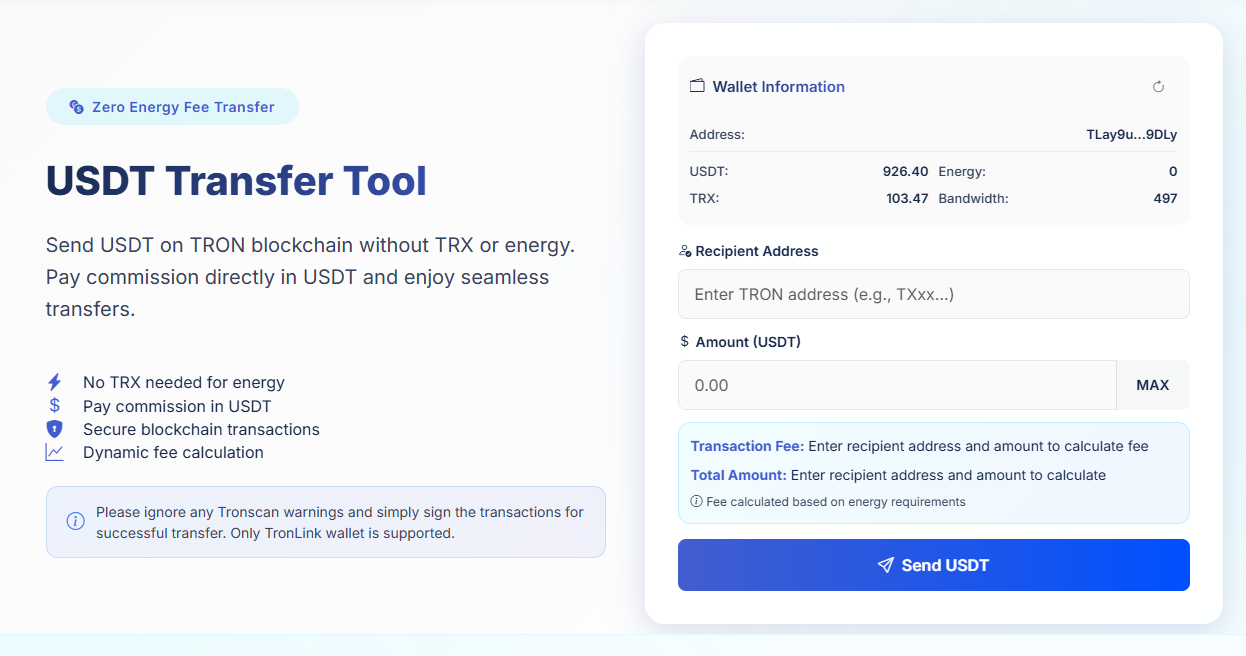
The Netts USDT Transfer Tool solves what the company refers to as the “TRON Catch-22” — a situation where users have USDT in their TRON wallet, but they need some TRX to move it due to transaction fees. Our tool removes this obstacle by allowing users to pay commission in USDT directly, thus simplifying the whole experience for everyone. This service is built to be compatible with current TronLink wallets, which are widely used as TRON wallet solutions.
Future is Mobile
The synergy of cryptocurrency and mobile is one of the best blooming integrations in recent time. This union not only made digital currencies more available, but it also changed the way we thought about money, privacy and control of our finances. As they evolve together, inevitably the merging of their features will result in even more transformative solutions for managing and controlling our financial lives.
Crypto and mobile are the future. The future of crypto, and paired with this, our smartphones will continue to evolve in new fashions providing a more integrated and seamless approach towards managing volatile digital funds. The ecosystem has also continued to evolve, with everything from full-featured mobile wallets and integrated hardware solutions to next-generation wearables promising unprecedented control over their financial futures – all while preserving the security and decentralization that sit at the heart of what it means to digitally own some crypto.