Crypto and Branding: How the Hype is Created
Memes, celebrities, and scarcity tactics move crypto prices — Dogecoin and NFT hype show branding can beat fundamentals.
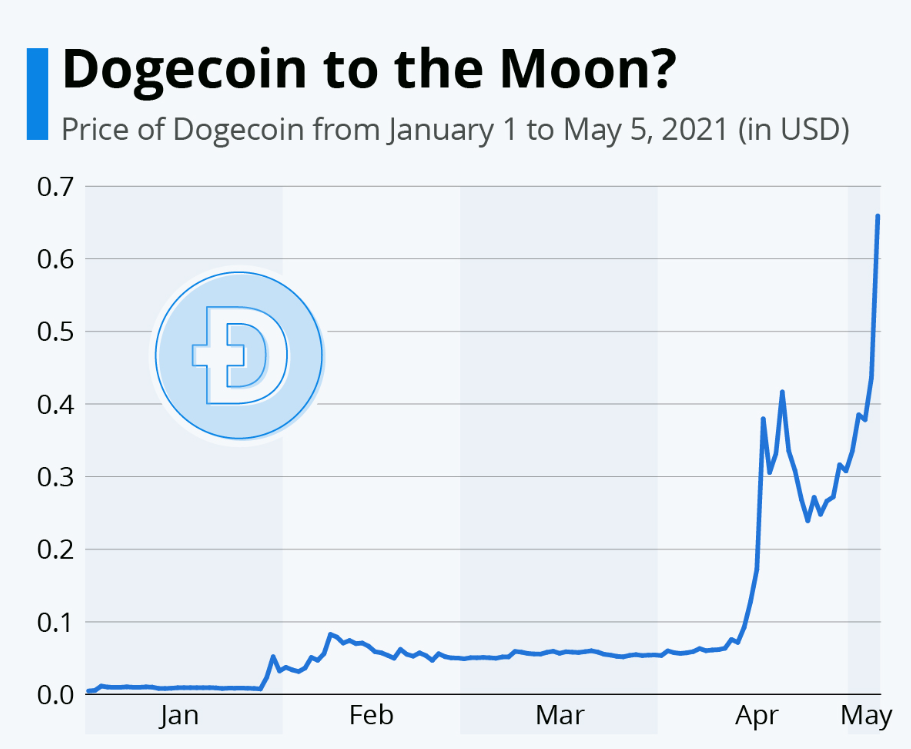
Few better modern examples of viral branding and community-driven hype in crypto can be found than the tale of Dogecoin. Starting out as a joke/parody in December 2013, based off the Shiba Inu 'Doge' meme which was circulating around the web at the time — it gained such an incredible following from its original creators, software engineer Billy Markus and product manager Jackson Palmer that went beyond what they could ever imagine. Dogecoin’s aesthetic of Comic Sans font and self-deprecating humor was an intentional parody of the often overly serious world of cryptocurrency. But as it happens, no one can resist a good joke, particularly when money is at stake.
Early on, the Dogecoin community participated in hijinks that caught the spirit of digital culture. The currency was then used to tip content creators on forums, where “such generosity” and “much wow” words popped up. This wasn’t merely performance online — Dogecoin users funded charitable campaigns, raised money to support the Jamaican bobsled team’s trip to the 2014 Winter Olympics and even sponsored NASCAR driver Josh Wise in a garish branded Doge car.
These were not simply media hits, they involved real emotional investment: Dogecoin suggested a point of origin beyond speculation and helped produce a sense of community, fun and digital charity. Technologically, Dogecoin was a descendant of Litecoin, and its fast block times and low transaction costs made it easy to move — all the more so when mixed with out-of-control meme culture and “tips for all.”
Dogecoin’s ascent was extraordinary. Fueled by online communities that coalesced around the coin’s mascot and message of solidarity, its value rocketed to heights few of its most fervent supporters could have dreamt possible. In early 2021, as the broader cryptocurrency markets were heating up to a frenzy, Dogecoin reached record levels of about $0.74 on some exchanges — an eye-popping increase from its obscure, nearly worthless status only months earlier. That means someone who invested just $1,000 in the coin’s earliest days could, at its peak, have turned into a multi-millionaire. A lot of this heady run-up was due to the strength of branding, meme culture, finally, belief. The recipe, above all: virality, with a catchy image and relentless social media presence.
This is the sort of story that showcases what modern communities can achieve — how they can, through a mixture of dedication and digital interconnectedness, foist massive financial value upon what started as a cultural in-joke. The Dogecoin saga is one that shows how markets can be influenced by more than just fundamentals, meaningless as that term is becoming: indeed, through humor, charm and, crucially, the power of Story. That a digital currency originally intended to be “fun and friendly” could grow into a multibillion-dollar financial asset is a testament to the transformative power of digital branding and community identity in the 21st century.
Stars in the Spotlight: Role of Celebrity-Driven Crypto Hype
There’s no overstating the impact of celebrities on projects and NFTs in crypto. While the world looked on as Dogecoin bucked all expectations, there were many famous faces who started to understand the immense power of their platforms in cryptocurrency. Elon Musk, for one, was an unofficial face of Dogecoin, frequently tweeting Beat Takeshi-style memes or borderline cryptic promises or inside jokes that rippled across financial markets. Only one tweet from Musk — say his notorious “Dogecoin to the moon!” or the name-checked mentions that on-air personalities left behind — both would invariably drive sudden spikes within Dogecoin’s price charts to elicit claps and cheers from the currency’s hyper-vigilant cheerleaders.
Other famous folks followed, many launching their own digital collectibles or tokens. Snoop Dogg caused a commotion with his “A Journey with the Dogg” NFT collection, and Lindsay Lohan also made waves in the NFT space with her “Planet Paris” digital art series. Paris Hilton, for instance, publicly supported the blockchain and joined in on digital art projects. Pro athletes, including Tom Brady, and artists, including Grimes, have released multimillion-dollar NFT lines as well. Within hours, fragments are selling for astonishing sums — a dynamic that especially soars when they accompany the glamorous launches of exclusive Discord access, celebrity video shout-outs or VIP event invitations for buyers.
Here, the cross section of famousness and tokenization created an entirely new level of brand synergy. Social media was a stage for spectacle; fans who wanted to own a piece of digital memorabilia are lured by the promise of limited supply and manufactured scarcity. Celebrities are even getting in on the action, releasing NFTs that represent specific moments from their careers or announcing partnerships with existing coins and immediately exposing projects to millions of would-be investors. But the impact does not end with money. Enthusiast media passively pluck every tweet or fall from grace, expanding interest beyond all viable scale; rumour mills run riot across forums thanks to possible hopes that sometimes have no connection to a project’s technical capabilities.
The reason this particular brand of hype works is the incredibly potent psychological sizzle of celebrity endorsement. Perceived credibility – the feeling that this is someone you trust or admire – gives this with a short-cut around the capacity for technical scrutiny. But it also opens fans up to potentially dangerous investments with little knowledge of the underlying asset. In some heart-rending instances, celebrities pushing iffy tokens ultimately end up creating distance from their aftermath. Notable examples include the now infamous “Ethereum Max” ads featuring Kim Kardashian and Floyd Mayweather. Each would later be sued for their lack of disclosure of compensation — demonstrating that even celebrity is no match for regulatory pushback in the crypto Wild West when combined with sloppy disclosures.
Branding or Bust
All of which raises the crucial question: would Dogecoin (and similar) have received as much attention as it did without the help of branding and hype? The answer is probably no. Decentralized finance? Sure, but defi tokens certainly ain’t capturing Silicon Valley’s imagination just yet. In a crowded field of coins and tokens, drawing attention is hard to do without some sort of hook — a mascot or color scheme or narrative or viral catchphrase. It needs branding. Because in the end, it doesn’t matter how immutably secure or paradigm-shifting a blockchain solution can be: if someone, somewhere isn’t watching and paying attention, that tech is likely to get drowned by the noise. It’s all a matter of being seen, talked about and shared in the digital asset world: standing out.
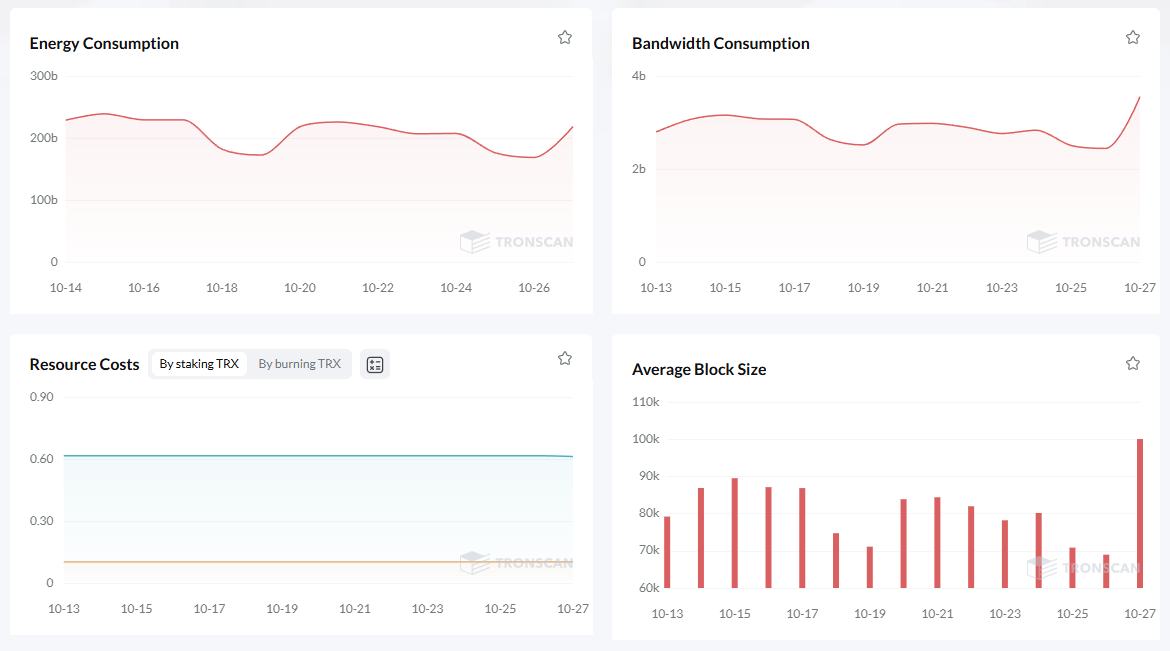
Crypto is fundamentally a technology. But tokens and projects are competing for attention, investment and, ultimately, trust. Which is a long way of saying that effective branding isn’t a nice add-on to our lives, but an essential survival strategy. From Telegram communities to TikTok campaigns, every successful crypto launch comes with concentrated efforts to create buzz. Even TRON, for all its focus on speed and affordability, has achieved part of its mass adoption through relentless messaging – it wouldn’t be where it is without countless meetups and chats with the community. A purchase of TRON Energy isn’t just paying less in fees, it’s an interaction with a brand ecosystem that “guarantees the best price” for Energy and “smooth access” to the network.
The truth of the matter is that branding works for meme coins, and for use contrary to what would be utility tokens or backend infrastructure for that matter. Names, logos, color schemes and influencer partnerships can all help create the kind of emotional connection that utility alone does not. There are innumerable other instances, too: incredible tokens with far better tech have languished largely unnoticed because they had bland brands, and other useless ones which featured little to no innovation but managed to go viral due to slick marketing and a sense of community. “Crypto is just like anything in fashion or beverage, success isn’t only about what you deliver but how you present and tell your story,” he said.
There have been plenty of crypto-branding missteps as well — a reminder about the importance of being consistent and authentic. Some projects tried to emulate Dogecoin’s viral Energy, but fizzled out as their social channels were mismanaged, branding was confusing or the story they told wasn’t compelling. As in any business, bad decisions can be costly and rebranding often doesn’t come soon enough to rescue waning interest. As culture warps and memes fly by in ever-shorter hype cycles, so does the rope upon which individuals marketing a project must navigate if they want to make it out alive.
Marketing Tricks and Tropes: from Virality to Lies
The ways to create a frenzy in crypto are as diverse as the coins themselves. Here is a (partial) list of buzz building tactics, tools and techniques in use today that have been particularly controversial for some:
1. Airdrops — Tokens given to users free, either as a reward for a particular action or bounty or to generate interest in a project. This doesn’t just encourage participation; it all too frequently drives FOMO (or fear of missing out) which promotes the event by word of mouth.
2. Influencer partnerships — Paid social media influencers are hired, sometimes with millions of followers, to hype a token or project. Their recommendations give immediate credibility and access to huge audiences.
3. Viral memes like these are motivating organic shares by using trends or jokes. Dogecoin is a prime example of the approach, as are many meme-based tokens that have emerged in its aftermath.
4. Giveaways and contest campaigns — Encouraging users to share or perform specific requests with the promise of a prize, such as limited release NFTs or tokens.
5. Flash sales and limited editions — Generating artificial scarcity to motivate urgency and action.
But not all marketing attempts are harmless and open. Pump-and-dump schemes, where insiders collude to drive up a token’s price so they can sell out en masse while outsiders are left holding the bag, have been repeated episode plotlines throughout crypto history. False advertising — for example, making extreme claims about the potential of a project or the strength of its security — also takes advantage of less sophisticated investors, as does astroturfing, which is creating artificial signs of community engagement that give an illusion of legitimacy or popularity.
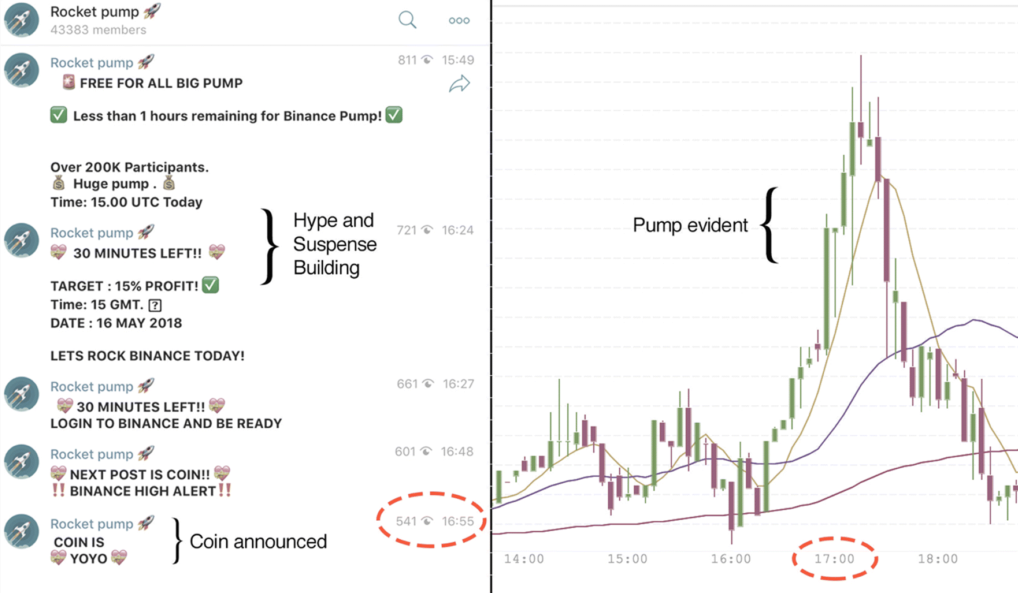
Now, amid a world ruled by social media, messaging apps and meme culture, those tactics have grown more sophisticated. Coordinated raids — where groups coordinate to "pump" a coin or like posts at the same time — are being advertised in Telegram and Discord chatrooms. Some nefarious projects use bot armies to pump positive sentiment, manipulate trending tags or to flood negative threads with spam. Some lure participation by offering so-called “whitelists” — exclusive perks for early buyers that typically cuts out the broader community. In the pursuit of engagement, even non-scams can still cross ethical boundaries with misleading roadmaps, hyperbolic milestone announcements, and fake volume reports that gate bigger monies.
More recently, we have community mining or yield farming campaigns, where users are rewarded with fresh new tokens in return for staking or providing liquidity. And while some of these are built in good faith to kickstart network activity, others have been created with the sole intention of making as much money off unsuspecting users and disappearing into nothingness. The copycat coins and the so-called “rug pulls” — when developers make off with a project after raising funds — are always a risk for anyone driving through the hyped-up side streets of crypto.
TradFi vs Crypto: Is it Actually Illegal to Manipulate Markets?
In traditional finance (TradFi), there are well-established legal frameworks in place to protect market integrity. Market manipulation, spreading of rumors and insider trading are heavily penalized, and regulatory authorities exert a lot of Energy trying to catch the perpetrators. But the world of crypto is a different animal. Its decentralized, cross-border structure has created weaknesses in enforcement. Though regulators such as the U.S. Securities and Exchange Commission have taken action against unregistered security offerings or paid promotions, large parts of the crypto market effectively fall beyond their long arms.
Which means the pump-and-dump, the manipulative communication, and the wild exaggerations that would get you in instant trouble and end up penalized on stock markets can unfold often unabated on social media or messaging boards in digital assets. Uncontrolled promotion has such drawbacks:
Investors, lured by hype or outright fiction, may face devastating losses. Volatility can erode confidence in the wider market, setting back truly innovative projects unnoticed in the debacle. Mass brainwashing by power brokers can generate echo chambers specialized in mass behavior and encourage risky choices.
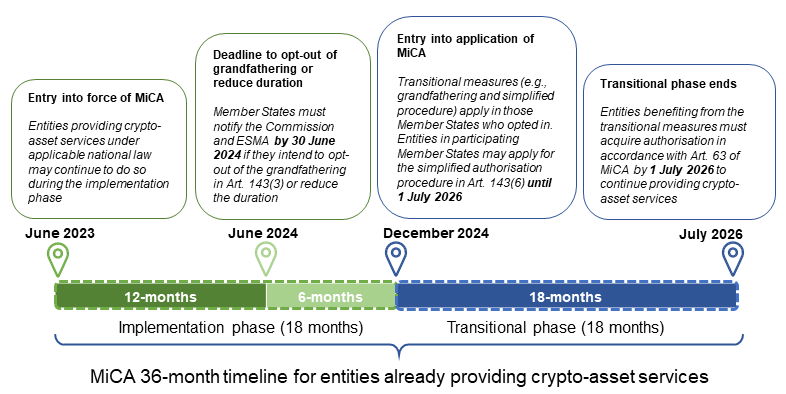
Throughout the world, there are still many areas in which no specific legislation has been passed regarding crypto-related market manipulation. In some, there are efforts under way — Europe’s MiCA regulations for one — while others press on issuing warnings about the dangers of high-risk speculative investments. Furthermore, the SEC in the United States has charged celebrities for not indicating that their endorsements were paid and also criminally prosecuted outright scams where an Initial Coin Offering was nothing more than fraud. After the 2021 bubble, many investors alleging hive-mind led pump-and-dump schemes based on influencer promotion have filed class-actions. Yet enforcement is patchwork. In Asia, as fast-paced crypto adoption has pushed for a response from regulators in the face of scams, enforcement lags behind technological innovation; in South America, crackdowns have become more frequent but high inflation drives risky speculation.
A related matter is the cross-jurisdictional legal hassle. So many of the dumb or dodgy projects just pack up their scammy wares and set up operations elsewhere, taking advantage of decentralized infrastructure to evade traditional law enforcement, making consistent or swift justice nearly impossible. This end run around regulation serves as an important reminder to take care, because bad actors frequently hide in the shadows of anonymity and lack of international cooperation.
Dangers of Unchecked Hype and Brainwashing
Crypto’s freewheeling marketing culture makes it easy to conflate real excitement with calculated manipulation. Without any checks or uniform disclosures, the opportunities for financial damage grow. Investors, particularly new ones, are routinely promised outsize returns in little time with little cost — but as history makes clear, when it sounds too good to be true, there’s usually no easy way at all. With no regulation, there is also little recourse for those who lose money after getting caught up in the excitement surrounding a new listing, token or NFT drop. Good actors in the space always tell us they need better transparency, self-regulation and education and that this is a battle against the opportunists who follow during the rush.
Much of the coverage that these coins got in the media was stories of people who had lost everything they owned based on bets (or, scams) promising to be “the next big thing” after which their founders would vanish overnight. Psychological manipulation is frequently at the center — leveraging greed, herd mentality or even FOMO (fear of missing out) or hostility to “outsiders” who don’t share in the information. Social media is its own echo chambers where doubters are shut up, skeptics mocked, and critics dismissed as “FUD-spreaders.” This celebratory cycle can ensnare even very clever players until it’s too late.
One infamous case was the “Squid Game” token — a coin named after the hit TV show. Investors ignored warnings about its sketchy website and shadowy creators, lured in by aggressive promotion, until millions of dollars disappeared in a spectacular rug-pull. Loans of this kind are increasingly common for everyone from yield farming projects that unexpectedly shut down to NFT collections whose creators erase their social media profiles and vaporize in the digital ether.
Crypto has a well-documented short attention span so whenever the newest hyped project is ambling around the corner, it’s all too easy to not do your homework. But for every overnight success, there are dozens of implosions, and the low bar to entry — from launching a new token to promoting it on social media — adds risk for the hopeful investors chasing those dreams.
Critical Thinking: More Important Now Than Ever
The best protection against these hazards, in the end, is the same that has always set responsible investors apart from those pursuing fads and bright shiny objects: critical thinking. Skepticism, due diligence and a rational weighing of risks are just as important in this dynamic new market as in traditional banking or stock trading. Everyone should do their own research ahead of any crypto project — read whitepapers, check team backgrounds and receive homebase vibes from the community. But common-sense diversification, risk assessment and even the counsel of professionals experienced with digital asset investing can insulate investors from the worst headwinds of hype gone bad.
Digital engagement is inseparable from individual responsibility. Block explorers, project documentation, community groups, independent audit tools exist for newcomers and veterans to verify claims and vet risks. It is possible for individuals to find a reputable supplier either through a trusted platform or comparison tool, that can help people buy TRON Energy, as well as choosing the most cost-efficient provider available on the market. Branding or influencer hype can't be the only due diligence you do before putting hard-earned funds at risk.
The community will be more accountable and resilient through financial literacy and education. Big organizations, advocacy groups and even message boards themselves are starting to offer resources aimed at raising understanding and helping readers learn to spot the warning signs that you're being manipulated. As the industry matures into more stringent regulation and broad enforcement, those able to pair a critical lens with technical acumen will be in the best position to steer clear of pitfalls and profit from real opportunities within digital assets.
As much as it’s full of opportunity and the potential for huge payoff, crypto is a frontier market. Care and discretion are as important here as in any other part of finance. The urgency to move fast and follow fads must be tempered by the patience to stop, think and ask yourself why any particular token or project makes sense. As the industry grows up, real-world wisdom might increasingly become a more valuable asset than any meme or stunt.
Shorter Glimpse of the Netts Energy Market
In the tumult of the crypto world, conducive innovation-support services have emerged to serve users’ tangible needs. A good example of this is Netts Energy Market, which offers the real-time comparison of the price to buy TRON Energy. As the TRON network has become increasingly popular, Energy costs and the effort to get Energy for transactions have been major issues for users as well as developers. Netts is the Energy leasing platform, that means guaranteed access to the best prices on Energy and we aggregate offers from top suppliers so you always know Energy costs are kept at a minimum!
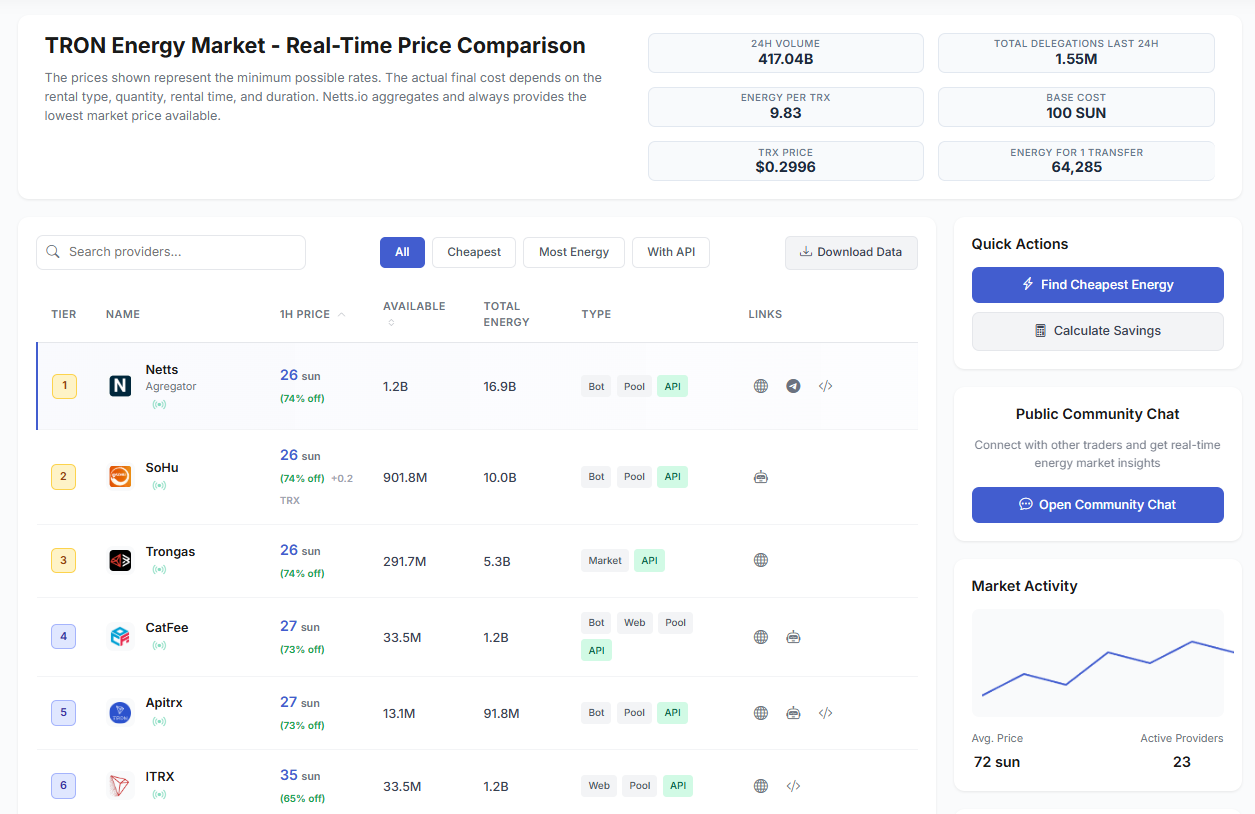
Netts’ strategy is simple, yet impactful: by aggregating data across the market it enables retail consumers and large DApps alike to make more informed choices about their power requirements. If you are looking to rent power for a single transaction or integrate through API for significant power trading, Netts can help eliminate over-spending and optimize efficiency. Real-time competition among providers: competitive prices and steady supply. The dashboard on the platform facilitates effortless provider comparison, instant calculation of Energy consumption (for example executing a smart contract, trading on DEX or transferring stablecoin) and a chance to automate decisions using API integration for devs & traders.
For example, a user may want to make several high-value transactions without wanting to lock up TRX for resources. Through the use of Netts, they gain access to a list of curated and vetted service providers, are able to compare rental rates and secure Energy at the lowest cost, thereby mitigating the risk associated with overpaying or incurring unplanned network costs. This allows cheaper and more robust use of the Tron network while inspiring confidence for builders and users investigating what is available on this Energy-based blockchain.