Crypto and Insurance: New Wave
On-chain insurance experiments — parametric models, capital pools, transparency — and the friction of pricing tail-risk in DeFi.
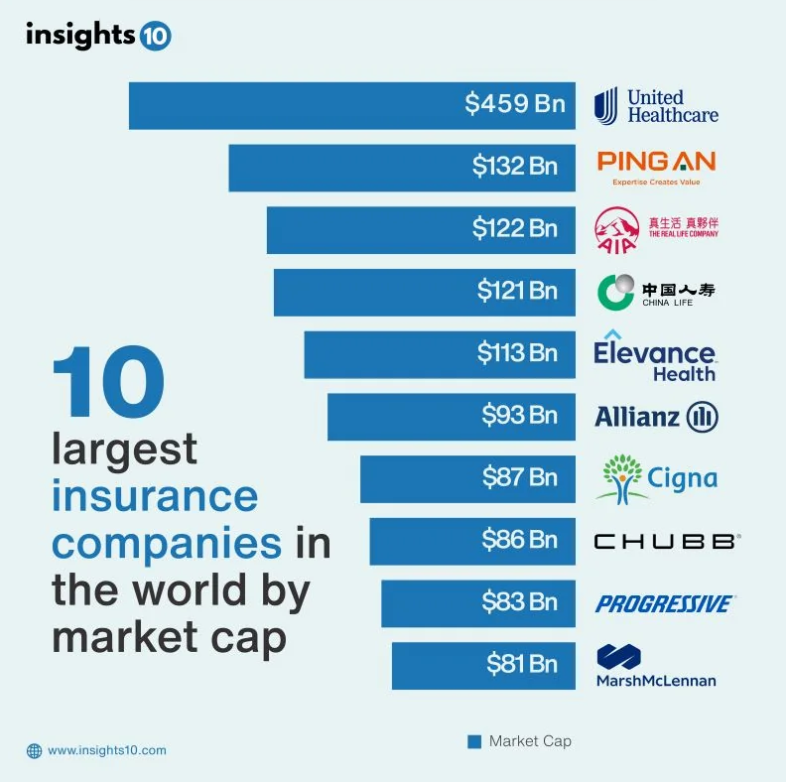
Insurance is not necessary. It's not food or water. But there it is when you are driving a car and are aware that the car is uninsured, and not having a lot of money to spend, this reason alone makes your hairs stand on end at the thought of running into something. And even worse — to your health? Blockchain-based crypto will certainly help solve these millennia-old questions of insurance business. The basic principle of insurance is as old as civilization itself. From Babylon businessmen joining parts with each other to pay for the sunk cargo loss — risk sharing.
Yet the current insurance landscape is outdated and riddled with inefficiencies, exorbitant administrative costs and public mistrust between insurer and insured. While the former are left with the impression that the core interests of insurers are to deny claims (which, of course, is true — the interests of the insurer are to maximize profit), the latter often has to deal with fraudulent claims that costs the insurance industry billions of dollars annually.
And this is the gap where blockchain technology and cryptocurrencies come into play. Blockchains, by their very nature, are decentralized and transparent immutable ledgers. They provide a means for recording transactions and executing agreements in the absence of central authority and intermediary.
From an insurance perspective it's the ability to auto-process claims, reduce operational burden, and eliminate the requirement for trust in an organisation and instead trust the protocol automated by code. The emerging crypto insurance is actually not limited to insuring digital assets against damages of hacks, smart contracts failure, etc., although that part is very important, it is actually all about fundamentally redefining the way traditional insurance products — such as auto, health, and property — are issued, priced, and distributed.
Claims processing is one of the biggest pain points for traditional insurance. This process is generally slow, opaque, and heavily based on manual review. A policyholder files a claim, then an adjuster investigates it and finally renders a decision. This may take a few weeks or sometimes months, and during this time the insured does not know what to do. In addition, the consumer ends up paying through higher premiums for all the administrative attached to this manual processing. This can be solved using blockchain technology — which allows smart contracts — these contracts that are automatically executed based on the conditions presented in the lines of code.
Smart Contracts as the New Referees
Smart contracts can radically transform the insurance sector by automating the entire lifecycle of a policy from the issuance to the claim settlement. This technology emerged rapidly at first and is most commonly used in parametric insurance. Parametric insurance is fundamentally different than traditional indemnity insurance, which pays out for the actual loss incurred (and/or an assessment of damage); parametric insurance pays a set amount when an objective/observable event occurs. An oracle, which serves as an independent data source, introduces real-world information to the blockchain, triggers this event.
Take flight delay insurance for instance. With a standard policy, the traveler would need to file a claim, provide evidence of the delay, and then wait for the insurance company to adjudicate the claim. In a blockchain-based parametric policy, the smart contract is connected to an oracle that tracks flight information provided from aviation authorities.
The smart contract automatically pays the wallet of the traveler if the flight has been delayed by a given amount of time. No claim submission, manual review, or waiting for the funds. This strategy not only enhances the customer experience by several orders of magnitude, but also reduces the costs which impact the bottom-line of the insurance company. We have projects like Etherisc that have been leading the way, with a fully decentralized insurance protocol to build and deliver new insurance products by anyone.
Another very compelling use case is in the area of crop insurance targeting farmers in emerging markets. Conventional crop insurance is not available or too expensive because of the costly damage assessment in remote regions. Blockchain-driven parametric insurance is the answer to this.
For example, a smart contract can be associated with a weather oracle that surveys a territory for rainfall. If the rainfall during the growing season falls below a predetermined level, indicating a drought, the smart contract makes an automated payment to the insured farmers. It creates an important safety net for populations at risk and illustrates a meaningful application of crypto in service of great need. One of the leading projects in this space is Arbol, which offers global weather risk management solutions for businesses and farmers using blockchain and smart contracts.
The move to smart contracts will not be without challenges however. The use of oracles brings in an additional attack vector. This means that if the oracle is feeding incorrect data or has been hacked by malefactors, the smart contract will be executed based on that corrupted data, causing it to pay the wrong amounts. The field of oracle networks has a lot of active research and development on ensuring their reliability and security. At the same time, although parametric insurance is extremely efficient for some risks, it is suboptimal for more complicated situations that require an individual to assess loss (e.g. a car accident involving several vehicles, or a complex medical treatment).
Peer-to-Peer Coverage and Decentralized Pools
The crypto space isn't just automating existing forms of insurance, however, but exploring new paradigms — including decentralized insurance pools and peer-to-peer coverage. The individuals then aggregate their capital into a smart contract to pay for specific risks in these models. When a claim is filed and subsequently approved by the community or an on-chain arbitration mechanism, the payout is made from the pool. Those who contribute capital to the pool receive premiums for assuming risk.
It's an approach we see most popularly used with Nexus Mutual, which first focused on providing cover for the DeFi ecosystem from smart contract and exchange hacks. Holders of the mutual tokens represent their stake in the pool and voting rights on governance and claim assessments. This model reduces the incentive misalignment between the two parties as they are both the insurers and the insured. It also removes a traditional corporate structure that adds overhead and cost, potentially lowering pricing.
Decentralized pools are also being used to test new use cases in the health insurance sector. In the USA, costs of healthcare can be exorbitant and the insurance system is known for its adversarial nature; consequently, community based health coverage is an attractive alternative. This could be enabled through blockchain-based health sharing ministries or DAOs.
Instead, members can contribute their funds, vote on covering rules, and the smart contract can automatically process any medical bill and pay directly to providers. Regulatory barriers and the overall complexity of the healthcare system make this a difficult undertaking, but a few initiatives are beginning to take on the question of how blockchain can help open up the black box of health insurance.
This peer-to-peer model also creates new problems. The biggest concern is cat risk — a loss sufficiently large to make draining the whole pool of assets to pay claims at once necessary, leaving policyholders high and dry. Traditional insurers have reinsurance — insurance on an insurer's losses of the same scope that would wipe one company out. Although some decentralized pools have started testing decentralized reinsurance mechanisms, the ecosystem has not yet matured. Finally, community voting — which is often the basis of claims assessments — can be slow and biased, urgently needing efficient decentralized arbitration mechanisms.
Innovation vs. Stability
This has led to a heated discussion between various industry experts, regulators, and technologists about the intersection of crypto and insurance. Those who support blockchain-powered insurance advocate for a market that is more efficient, transparent, and accessible.
Through disintermediation and process automation, crypto insurance can substantially lower costs, thereby enabling better affordability and access to coverage to under-served populations. With policy terms that can never be changed retroactively, the immutability aspect of the blockchain delivers a level of transparency and trust that is rarely present in traditional coverage.
Moreover, advocates reference the programmability of smart contracts as a driver of innovation. This creates an opportunity to develop micro-insurance solutions which traditional insurance providers cannot afford to administrate. A gig economy worker, e.g., could buy hourly or minute by minute insurance based on their particular activities. With decentralized pools, transparency means participants can monitor available capital and claims can be tracked, increasing community and accountable behaviour.
Critics on the other side of the house bring up valid points as far as the stability and security of crypto insurance and if it even has any regulatory compliance whatsoever. Of course, the biggest problem is the volatility of cryptocurrencies itself. Specifically, if a policy is priced in a volatile asset such as Bitcoin or Ethereum, the actual amount paid for the coverage might vary dramatically depending on the time of the payout.
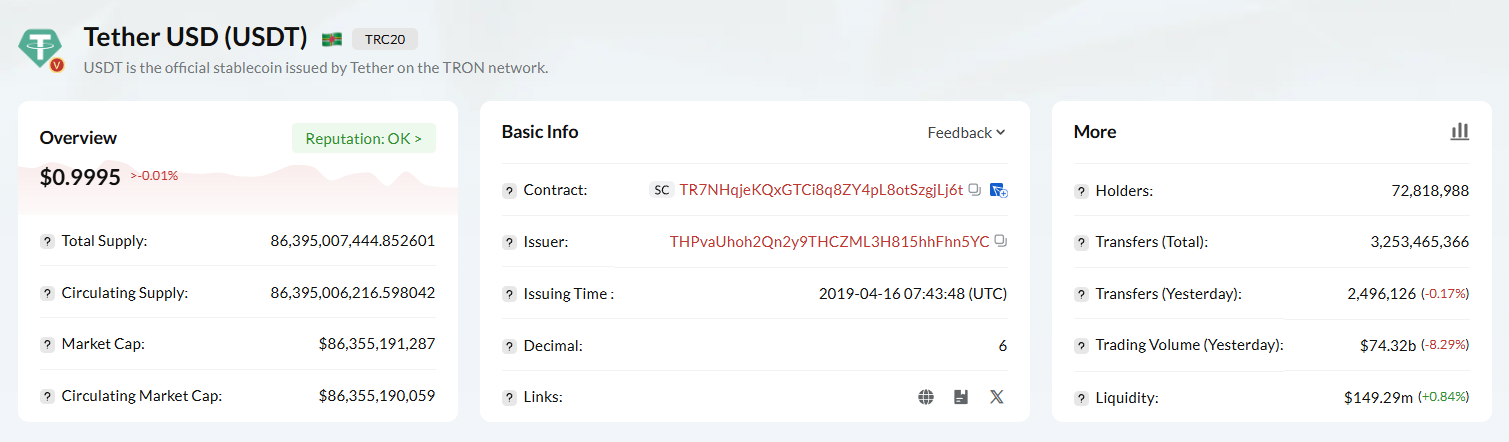
To offset this, a lot of projects will resort to stablecoins — crypto coins pegged to a fiat, like the US Dollar — but that avenue brings its own burden, diminishing the stability of the stablecoin issuer.
Security is another major concern. Even though the blockchain by itself is incredibly secure, the smart contracts on top of it are human written and it is normal that bugs and vulnerabilities are present. Hackers could breach a smart contract and empty the insurance pool leaving policyholders with nothing. In most cases, there is no way to get compensation in case disaster strikes, as crypto insurance differs greatly from conventional insurance, which is regulated and most often covered by government guarantee funds. This is enormous hindrance to mass adoption as there is almost no consumer protection.
The industry is also plagued by regulatory uncertainty. The insurance sector is one of the most regulated sectors in the world, facing stringent requirements on capital reserves, consumer protection, and licensing. The long-term sustainability of many decentralized insurance projects is questionable as they function in a regulatory gray area. Finally, Regulators are dealing with how to bring decentralized entities and a few legal smart contracts in existing frameworks, the outcome of which will have massive consequences for shaping the future of the industry.
Infrastructure & Business Cost
The crypto insurance ecosystem is maturing and needs an underlying infrastructure that is even more important to support these decentralized applications. We can fulfill the vision of an efficient, automated insurance industry only if blockchain networks can process transactions in a fast, safe, and low-cost manner. But, as has been evident with many high-profile networks, a lot of transactions at once means network slowdowns and sky-high fees. If the cost of executing a smart contract or sending funds in order to utilize our insurance is more than the value of the premium we are paying or less than the payout, it all falls apart.
Finding the right blockchain platform and managing network resources are crucial here. Different mechanisms are employed by different blockchains to manage the transaction throughput and fees.
As an example, the TRON network has a resource model around Energy and Bandwidth. Bandwidth enables users to transact gas-fee-free, while Energy is used to execute smart contracts. For example, in the case of a decentralized insurance application, every time a policy is issued, a premium payment is made, or a claim is settled, it is done by interacting with a smart contract, which means that it will consume Energy.
This is crucial for developers building insurance dApps and users interacting with them to effectively manage these resources to minimize costs. If an address has insufficient Energy, the TRON network will burn TRX — the native token of the TRON network — to pay for execution fees. For complex insurance contracts, the burn mechanism can be very costly, as it depends on the computational resources needed to run the smart contract. Users can freeze their TRX for Energy to mitigate this, but having to lock up capital that could be better deployed elsewhere is not always ideal.
As a result, there are now secondary markets where users who have acquired excess TRON Energy can rent it out to others. With this method, users can get the resources they need to run smart contracts without having to hold them in TRX first. Finding the cheapest TRON Energy is a serious operational concern for an insurance platform that is processing thousands of micro-policies every day. TRON Energy renting services allow developers and users to pay a lower rate on their transactions, hence ensuring that the decentralized insurance model is more economically sustainable.
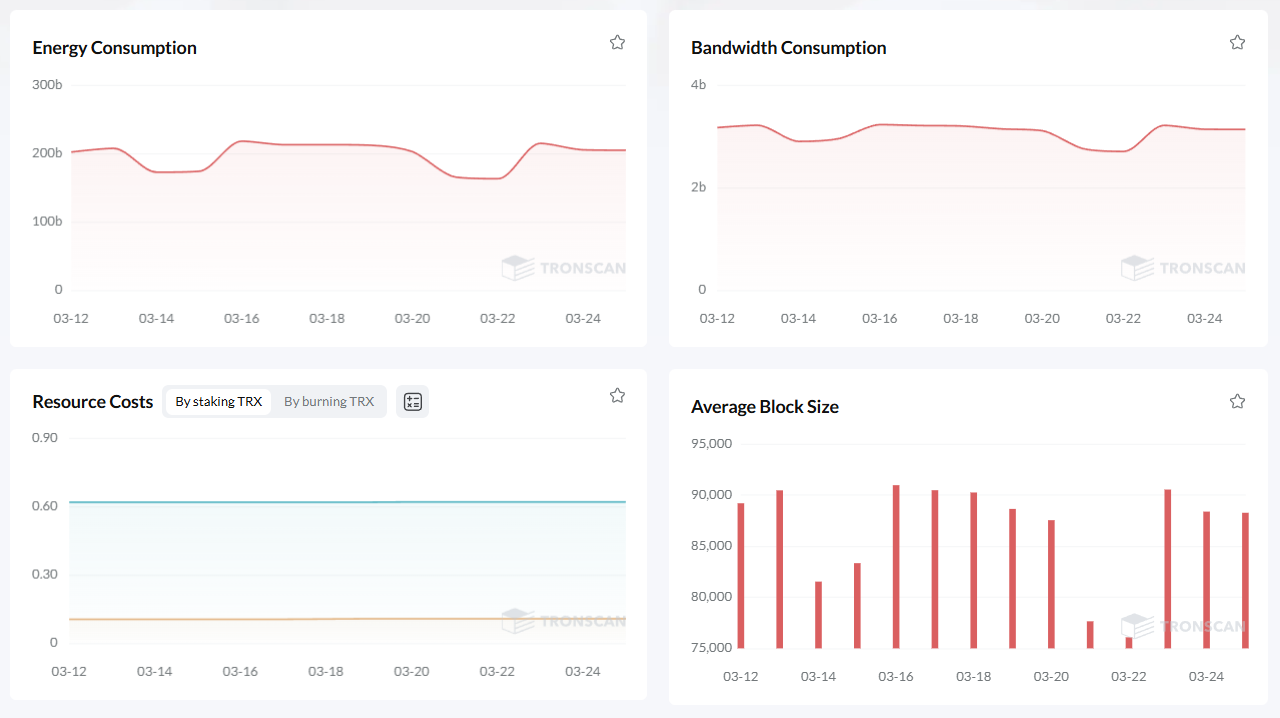
How well a platform can manage network resources will be the ultimate X factor when it comes to competing DAPPs. As the industry continues to evolve, we will see more complex solutions for resource optimization. Layer-2 scaling solutions, alternative consensus mechanisms or the efficient TRON Energy rental market — regardless how, the plan stays: develop the infrastructure able to catering to mass users of decentralized services without pushing the target users out.
Pillars of Next-Generation Insurance
To discuss the merits of blockchain use in insurance, however, you must first break down the areas of operations that need to be refined:
1. Immutable and transparent record keeping of all policies and claims. 2. Capital pooling mechanisms that drive incentives for all parties. 3. Tools for lowest fee and lowest overhead infrastructure.
This will be a gradual change, and merging traditional legal systems with decentralized protocols is still a massive challenge. But the possible advantages — reduced prices, quicker payments, and expanded entry to protection — are too huge to miss. The continued experimentation in the crypto space is — based on the above — preparing the ground for a potentially more egalitarian and efficient insurance market.
Blockchain technology could serve all three functions — so the future of insurance may inherit both traits from both worlds: traditional insurers might adopt blockchain technologies for greater efficiency, whilst decentralized platforms keep filling the void of niche products and flexibility, and enable peer-to-peer coverage of larger risks.
This convergence will ultimately be consumer-friendly by lowering costs, increasing transparency, and broadening access to critical financial protection. From the ancient Babylonian merchants to the modern day smart contracts, that path always existed for mankind, but a new era is here, and so should way of dealing with risk — the crypto wave is a natural next step.
So now let us move towards the practical solutions that exist today for tackling these operational costs. Platforms that aggregate energy in order to rent it have turned USDT transfers on Tron into a walk in the park.
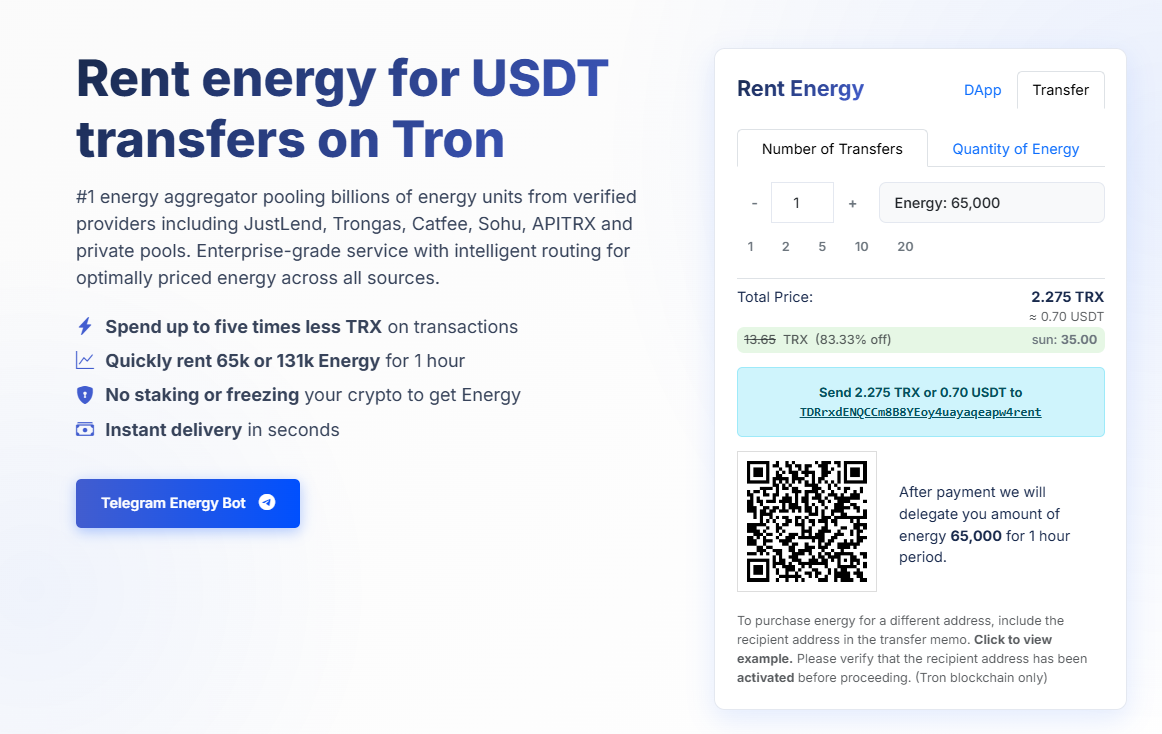
Netts.io is the largest energy aggregator, integrating billions of energy units from the On-chain repository among qualified providers, such as JustLend, Trongas, Catfee, Sohu, APITRX and private pools. It provides an enterprise-level service with intelligent routing to the best-priced energy regardless of source, enabling users to spend up to 5x less TRX on transactions. Easily rent 65k or 131k Energy for 1hr with no staking or freezing your crypto, instant delivery in seconds, seamless operation of your decentralized insurance and regular transactions in a cheap way.