Crypto and Insider Trading: What Do We Know
Market manipulation in crypto — wash trading, spoofing, pump groups, MEV, and insider edges around listings — framed as surveillance and incentives.
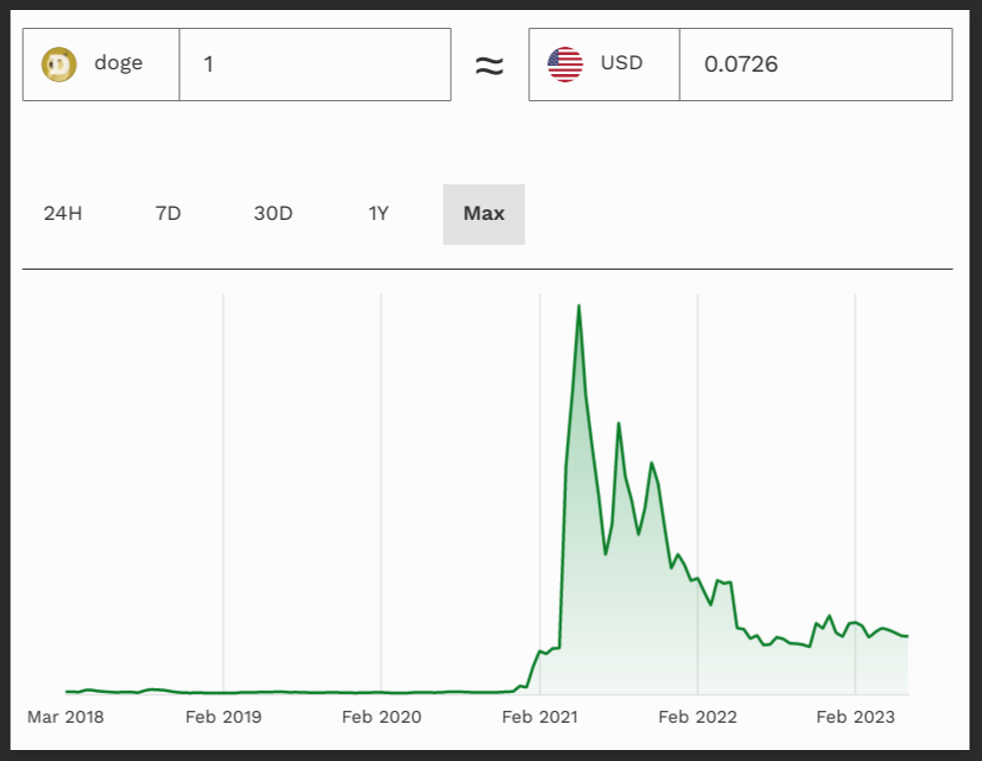
Dogecoin was originally a joke, a meme coin to mock the speculative nature of crypto. However, everything changed when the tweets of Elon Musk turned a joke into a multi-billion-dollar joke. One tweet with a Shiba Inu pic or a vague reference to the moon and DOGE went up by double-digit percentages basically instantly. Fearing they would be missing out on the next big rally, retail investors glued to the screens would rush to purchase the asset. For about six hours, the richest man in the world was the unofficial central bank of a meme, determining the meme's value with a few letters — literally.
However, just as quick as the price would spike, it would inevitably crash and anyone late to the party, would be left out to dry, while early adopters and insiders made a killing. This cultural phenomenon peaked as he appeared on national television, and one sketch sent the price crashing and erasing billions in market cap in a few short hours. The psychology of the retail investor however was exposed — driven by FOMO, of course — and they became the exit liquidity for those who had already accumulated the asset long before the tweets hit the timeline. These price moves are so extreme that this core dynamic of sentiment trumping substance was fully on display, revealing an underlying flaw in the market structure.
Mechanics of Market Manipulation
Simply put, market manipulation is the intentional effort to distort the free and fair functioning of the market and cause artificial, false or misleading appearances concerning the price of, or market for a good, security or commodity. Examples include spoofing, where traders place large fake orders to create an impression of demand, or wash trading, when an entity purchases and sells the same asset at the same time to inflate trading volume — this is more common in traditional finance.
Cryptocurrency manipulation is common, usually taking the shape of some variation of a pump-and-dump, wherein a colluding group or a single powerful whale tries to market an asset up with false positive things to say and then bails out at all-time highs. Digital assets are decentralized and mostly unregulated, and are completely ripe for people with the money and influence to exploit. This absence of circuit breakers — which suspend trading on traditional markets during great volatility — means that an asset can be manipulated to zero before an investor can even make a move.
In hindsight, the mechanics become painfully clear when we consider the DOGE phenomenon. An enticing story of wealth that cannot be resisted to a large crowd of people primed. A trigger — in this example, a tweet by a high-profile individual — sets off a buying boom. The price ballooned, a bubble disconnected entirely from any impact to the tech or business fundamentals. Then, the inevitable sell-off occurs. See what's going on here? Retail bag holders lock in bags at the top as the pumpers or foresighters of the pump lock in on gains.
The blockchain is completely transparent, making it both easy and hard to see what the actors moving the markets are really trying to accomplish, as pseudonymous wallets grow and contract wealth like a long-inflatable snake to the eye. These are the very instruments that are championed to democratise finance but, they are now weaponised against the naive actor in the immutable code of these instruments.
Wild West and the Historical Manipulations
For this point, it is important to keep in mind that the Dogecoin saga is neither the first nor the last time that the market manipulation of this kind has existed in the crypto sphere. There is a long and sordid history of blatant and familiar instances of artificial price manipulation and insider trading in digital assets. One of the earliest and most notorious examples was the collapse of the Mt. Gox exchange. Mt. Gox was handling more than seventy percent of all Bitcoin transactions in the world until its spectacular failure in 2014.
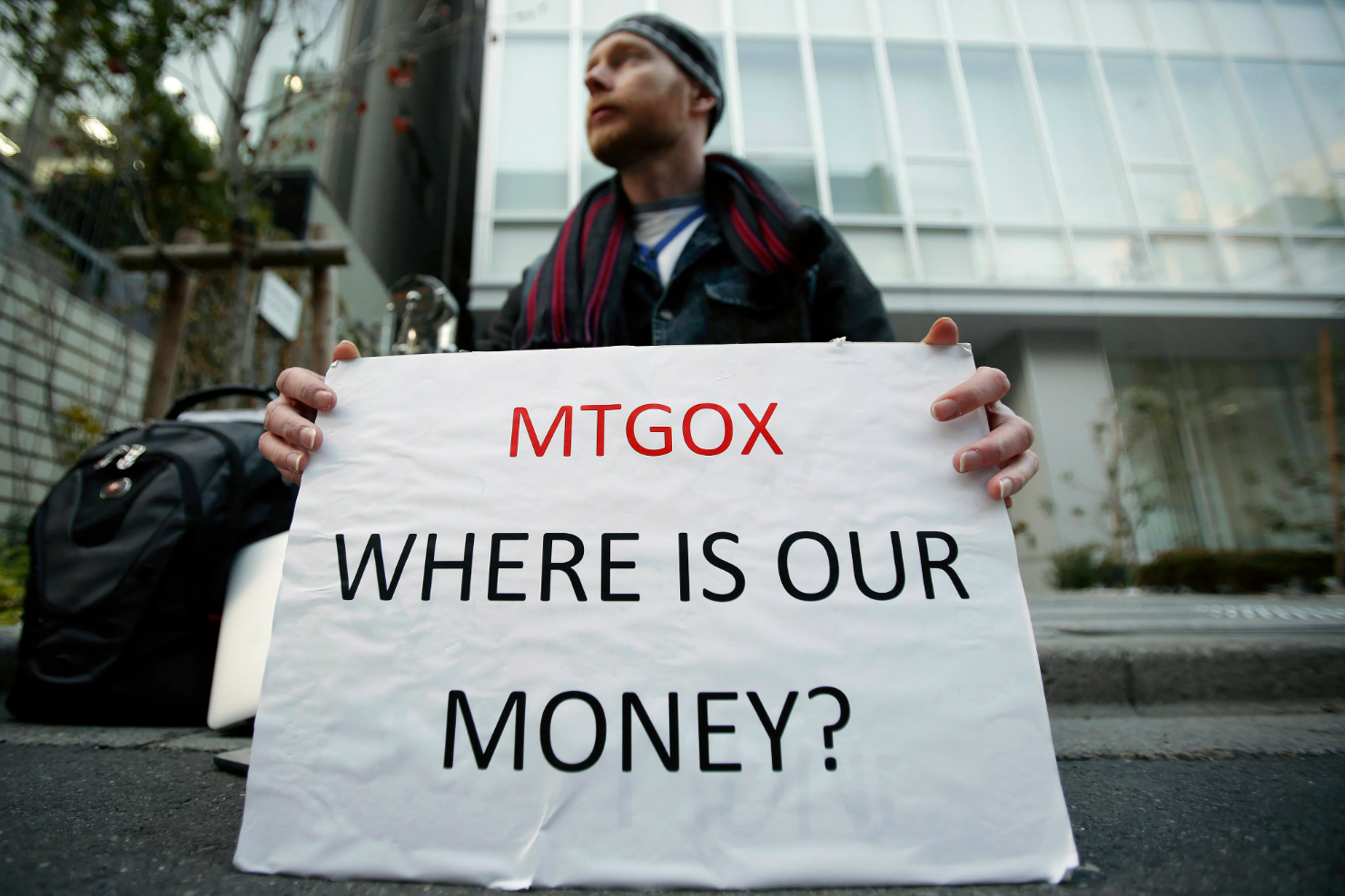
Subsequent investigations uncovered Willy Bot, an automated trading program that placed large buy orders for Bitcoin on the exchange using fake money, more specifically depositing money that didn't actually exist on their exchange. This bot faked buying Bitcoin from around 150 dollars to over 1,000 dollars in late 2013. Though the manipulation was egregious, and the market immature with no means or infrastructure to identify or prevent it. This single piece of code produced the illusion of liquidity and demand which set off a world-wide frenzy, and revealed how easily a well designed, nascent market could be manipulated by a centralized actor with nefarious intentions. Two bull markets came and went and all the lessons learned from Mt. Gox in 2014 were rapidly forgotten by the entire industry, but the fallout took years to recover from.
Fast forward to the ICO mania of 2017 and 2018, the clean breeding ground for manipulations to thrive. From whitepaper to millions: projects with not much more than a whitepaper and a colourful website raised millions of dollars. Token allocations to insiders and early investors were frequently enormous, at steep discounts. These insiders would dump the tokens on exchanges at the same time, and the price would crash, destroying the retail investor in the process. Without vesting schedules or regulators keeping watch, founders could abandon projects immediately after cashing out, a ruse dubbed a rug pull. Although the payout per scheme was small, the scale of these scams was so vast that they eroded public confidence that a lucrative payday was still luring new victims as quickly as they fell off.
Influencers and Shady Practices
And if we exhaust these big, worldwide examples, we can look at the not-so-obvious, but equally grey practices we see every day. For example, the entire influencer shilling thing. Celebrities on social media would be compensated in tokens to bring a particular project to their many followers. They'd telegram the asset, sell it as the new great tech invention and dump their own pile creating a demand surge they then sold into. A prime example of this is the SafeMoon token, where celebrities and influencers allegedly took part in a $100 million pump-and-dump scheme against retail investors. As these influencers faced little to no immediate repercussions, a new generation of online marketers was incentivized to use the same tactics.
Another shady practice involves playing around with non-fungible tokens. During the NFT madness, wash trading was rampant where people bought their own digital assets with different wallets to artificially inflate the perceived demand and value of their creations. Such phony volume would dupe unsuspecting purchasers into paying tens of thousands of dollars for — priceless, actually — digital photos. The transactions were recorded on the blockchain and so must look legit, but this was nothing more than a self-dealing circular arrangement that existed entirely to externally fool the rest of the market. Marketplaces where such assets were listed usually turned a blind eye, as they benefited from the transaction fees earned from the non-existent trading activity.
Regulatory Void and the Lack of Oversight
Why were these obvious manipulations left alone? The answer is rooted in the wider market manipulation issue alongside the tradition-defying nature of the cryptocurrency ecosystem. Financial markets that we know today have a decades long arsenal of regulatory frameworks, systems of surveillance and enforcement agencies against malfeasance. On the other hand, the crypto market was created because we want to avoid these institutions specifically. A borderless, decentralized, and pseudonymous system was created. It formed a second wild west — a space where the law was even more loose than in those of the frontier towns in the 19th century. Cypherpunk ideology — a demand for total financial privacy, an innocuous wording for a complete cessation of state control — became an almost ideal camouflage for financial criminals.
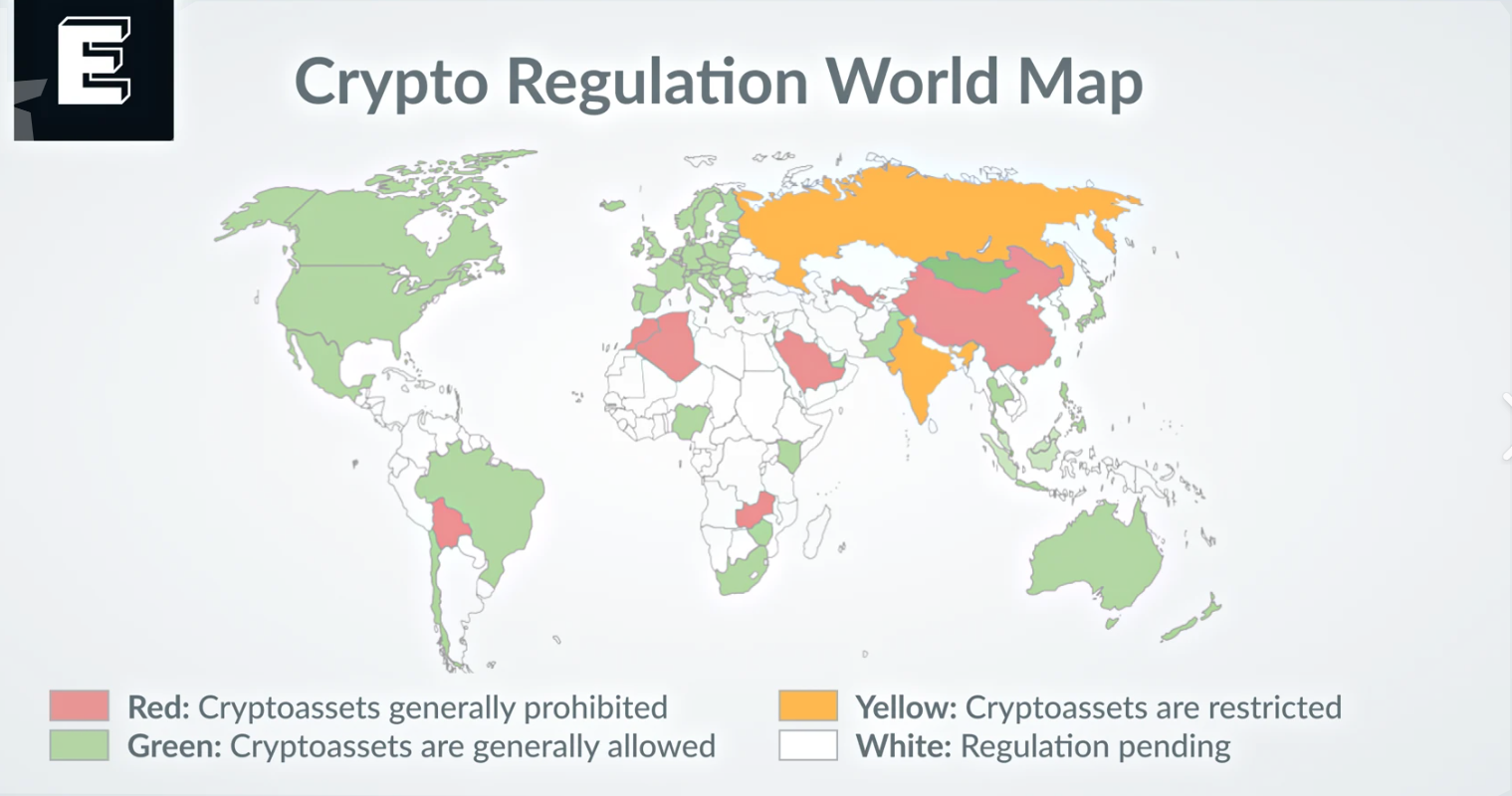
A huge part of this lack of accountability is related to jurisdictional arbitrage. Yet a cryptocurrency exchange could be organized in the Seychelles, host servers in Iceland, and offer services to American/European customers. The process of identifying who is manipulated; which regulator has jurisdiction over it; and whether or not there are staff and resources to pursue an investigation or prosecution is a bureaucratic nightmare.
Global cryptocurrency movement in seconds gives little time for regulators, which are often limited to national boundaries. In addition, the law is always a step behind the technology itself. Regulators have a hard time wrapping their heads around a new DeFi protocol or a new tokonomics because it goes too fast, and by the time they understand the schema it's already been gamed by some manipulators and they're off to the next grift. Legal frameworks made for the analog world are inherently unsuited to match the pace and intricacy of digital property.
Also, it is sometimes uncomfortable to realize that those who investigate such cases have their own issues with corruption and conflict of interest. The cryptocurrency industry has become a billionaire business and a powerful lobbyist. The rich and powerful players in crypto reached out to former regulators and government officials who side-swiped working at those crypto companies and created this revolving door secrecy that blurred the lines between oversight and advocacy. Well, when the people who are supposed to be writing the rules have a vested financial interest in the very entities that they are supposed to regulate, guess what happens?
Thus, action is taken only on the low-hanging fruit or spectacular failures whilst the systemic, day-in-and-day-out manipulation by insiders with the strongest connections is left untouched. Unfortunately, the perils of greed and capture quickly turn the promise of a decentralized utopia into a dystopia. The agencies that are charged with safeguarding the public are severely under-resourced and out-gunned by the billions of dollars of corporate entities they are seeking to tame.
The Market — Can It Be Tamed?
These are just a few examples of the manipulation that we experience, both individually and as a society, but this list grows more and more elaborate every year. The amount of decentralized finance hacks we have seen raises eyebrows asking whether it is not an inside job, since developers leave backdoors in their smart contracts and then come back to exploit the same backdoor. We have seen the end of algorithmic stablecoins as institutional traders with bags go for coordinated strikes, shorting the asset while at the same time, the reserves are drained. In these cases, we run the risk of crossing the line that separates an aggressive trading methodology from illegal market manipulation.
This trend has led to the collapse of major exchanges, whose own proprietary tokens were inflated to new highs using collateral from gigantic loans — yet another example of the systemic risk represented by a lack of oversight on even the most egregious insider dealing. These collapses also trigger a contagion effect that tends to hammer the savings of millions of users who are completely unrelated to the parties involved, showing yet again that the crypto market does not operate in a vacuum.
The size of the problem can be understood when you know the common approaches of bad actors here:
1. Wash trading to fabricate volume and entice the algorithmic trading bots.
2. Using massive fake buy or sell walls to spoof the order books to manipulate retail sentiment.
3. Running private messaging channels to coordinate pump-and-dump groups.
4. Allocating miner extractable value to front-run trades and benefit from average users transactions.
5. Insider trading for undisclosed exchange listings or protocol upgrades.
What can be done about this? Others would implement draconian regulations, making every cryptocurrency a security and subjecting it to the current financial regulatory structure. Although this method may prove to be useful in diminishing the manipulation, it also has a chance to hinder the real innovation and access to finance that blockchain technology provides. It also presumes that conventional financial regulations are always good, and history has shown that such simply is not true.
But the use of archaic laws against new technology nearly always leads to regulatory overreach that hurts the consumers the regulation is supposed to help. The question of whether a token is a security or commodity has bogged down legislators and ensnared the market in never-ending uncertainty.
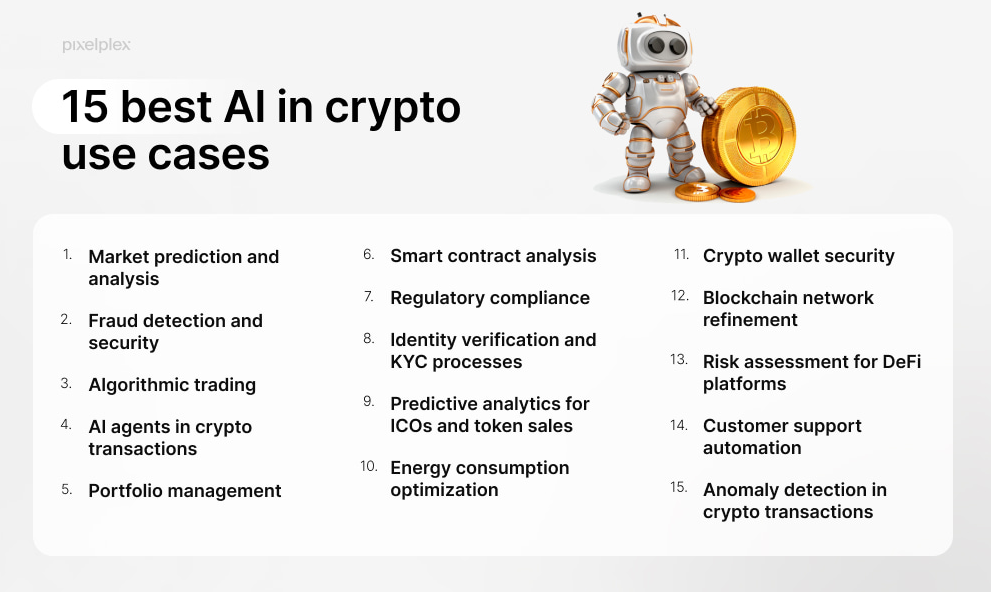
Some propose the use of technological solutions, including more sophisticated on-chain analytics and AI, to identify and alert on abusive trades as they occur. The community itself can be a kind of decentralized regulatory body, holding the blockchain transparent and accessible to all. But this is based on the idea that the community is technically skilled enough — and has the collective will — to police itself, which has hardly ever been the case when there are profits to be gained.
But above all, market manipulation is circumvented most effectively through education. Do your own research in the markets, learn to identify the early warning signs of a pump-and-dump and be sceptical of anything that promises the world and a quick millionaire lifestyle. They say the wild west will be tamed one day but until that day comes everyone is out for themselves in the perilous world of digital assets.
Finding Our Way Into a Future
The crypto market is finally maturing slowly but surely, moving away from crazy speculation towards utility and infrastructure. However, whilst the more general market seems to be riddled with influencers and insiders manipulating the market, various ecosystems are on the same expedition of building the mechanisms in order to scale and mitigate costs for end users. This means that, for example, using on the TRON network requires management of Energy and Bandwidth, both system resources, in order to not pay excessive transaction costs.
Rather than using TRX to burn for every smart contract interaction or token transfer, users can use specialized platforms to rent these resources. Which brings us to Netts, the one-stop-shop TRON Energy Market aggregator.
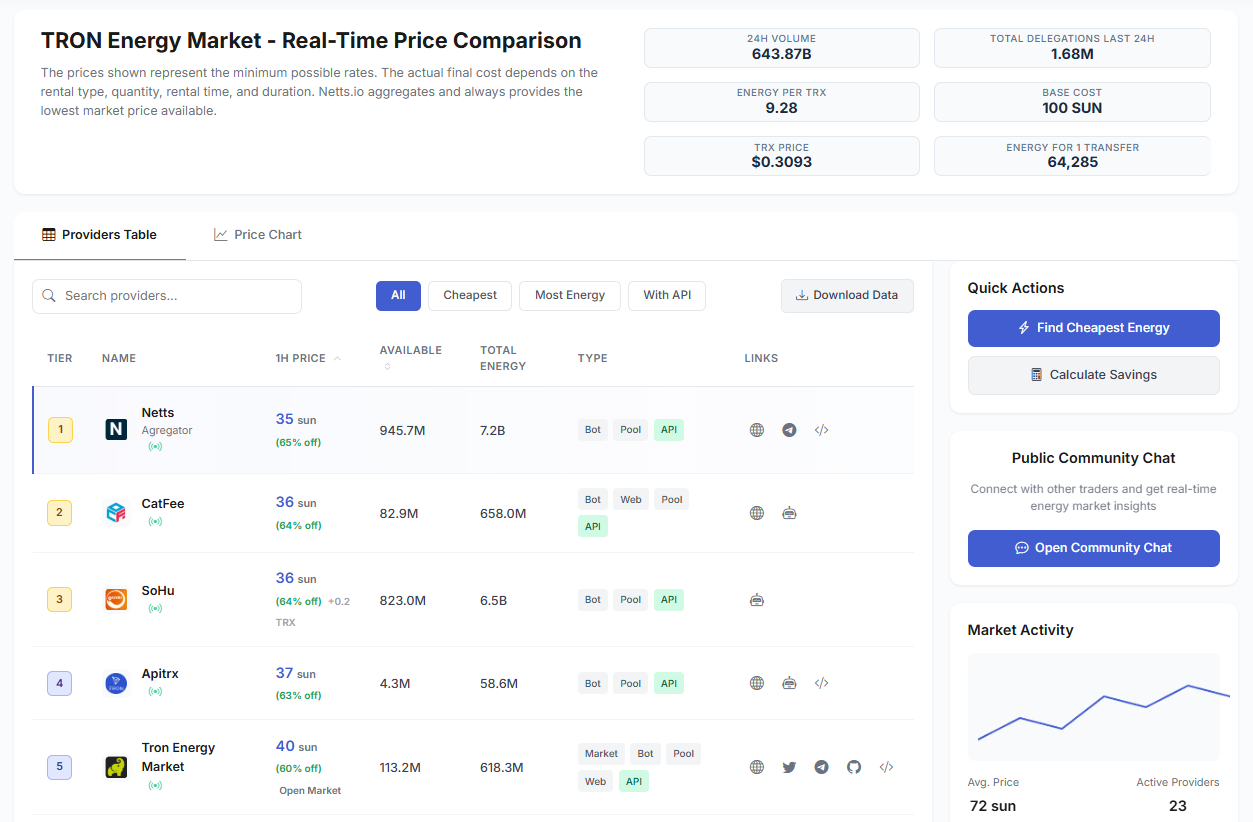
Netts works in the background to compare Energy providers, so users have access to the lowest price TRON Energy in real-time. Netts also provides a comprehensive TRON Energy comparison, and through a transparent marketplace, allows developers and daily traders to save big on operational costs, showing that while the crypto market may be volatile, the infrastructure it operates on can still be a well-oiled machine that is optimized toward efficiency and cost savings.