Constant Stress and Uncertainty in Crypto
Trading stress and 24/7 markets — boundaries, cold storage discipline, pre-set plans, and life outside charts when volatility owns your attention.
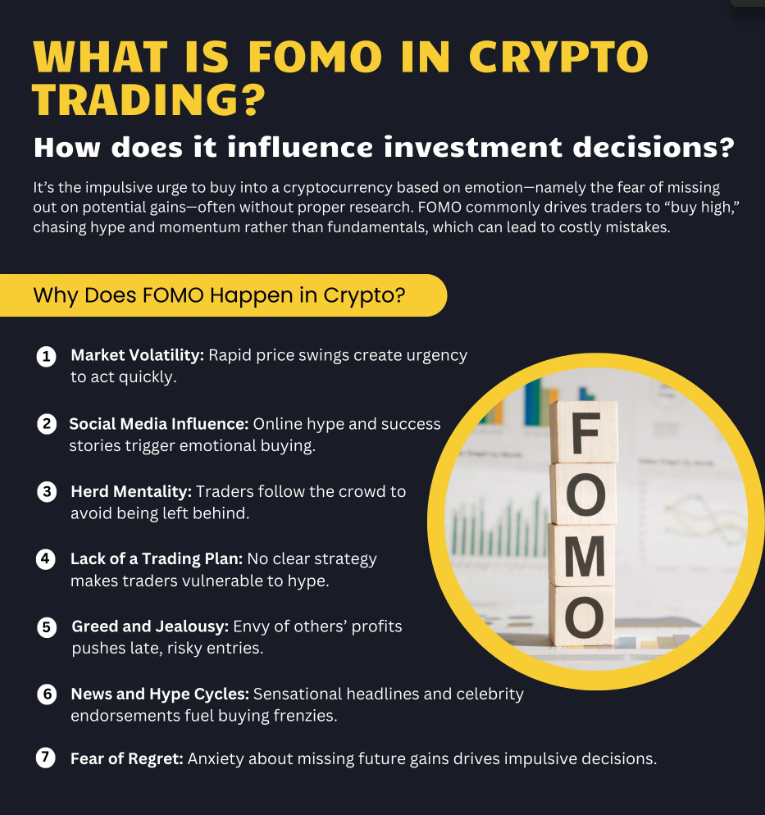
No one has ever said, "I went into crypto to get an orderly job." Or if they have, well, they are something special. The majority of crypto users were here for FOMO, instant cash flow — simple, like a payday game, a heist. At some point, provided you survived pulling off one of your heists, other work might brighten your path — but this is not a way to feed a nuclear family over the long haul. Of course, this kind of lifestyle comes at a cost. One goes and drinks heavier, another goes and buys a motorcycle, and rides without a helmet, another even goes and buys a banana for 6 million dollars. There is a cost to living an incredibly stressed life, and the bill always comes in the form of a mental health crisis.
In order to conceptualize the deep mental health ramifications behind the act of participating in this space, it is necessary to first contextualize the nature of the market we are dealing with. The digital asset market never closes, unlike the traditional stock exchanges that open nine in the morning and close at five in the evening and rest on weekends and public holidays. There is absolutely no downtime. There are no circuit breakers to stop trading as the prices plummet, and there is no single agency that can come in and unwind obviously fraudulent trades. The inhospitable and unforgiving environment creates a peculiar sort of mental ecosystem, a place where the maelstrom of extreme high emotional peaks compete with soul-crushing, life-dispensing low points for survival in the human psyche, especially combines will of the fear of missing out (FOMO).
For the average participant, this equates to their financial health being always cyclical. You can tuck yourself in at night thinking you are a financial genius because your portfolio is up fifty percent, only to awaken eight hours later to find that a panic hit, and now you have lost years — or even decades — worth of wealth in days. This may cause the brain to always be at the fight-or-flight mode due to this endless state of insecurity. The adrenal glands are constantly sending out doses of cortisol and adrenaline to the blood stream and mobilizing the body into dealing with a physical threat that in reality is non-existent.
After some years, this chronic stress results in adrenal fatigue — a low level state of exhaustion, with brain fog and compromised immunity. Those residing in this state often can not complete easy tasks, their memory fails them and they are overly sensitive to sickness. This anxiety is not purely psychological; it expresses itself through very real, very harmful physical symptoms that may take years to completely recover. The human body was never intended to endure the level of perpetual anxiety that the cryptocurrency market commands from its most committed participants.
Chart Neuroscience & Dopamine Drain
To begin with, investing in crypto — buying crypto — is not an ordinary everyday life procurement — when buying crypto, you are in effect buying a ticket to a neurological ride that fundamentally rewires your brain's reward and pleasure pathways; whereas humans are hardwired to chase rewards, the element of surprise when it comes to crypto markets is the ultimate variable-ratio schedule. That is precisely the same psychological trick that makes slot machines and casino games so highly addictive. You check your portfolio and see a huge green candle signifying a price explosion, dopamine fills your brain, the neurotransmitter that is associated with pleasure and reward. You get a great sense of euphoria. You believe yourself, to be a prophet who pulled a fast one on old money and cracked the code to abundance. Yet this high is by nature ephemeral. The red candles do bring flooding anxiety and despair as the market eventually turns.
Eventually that constant swing between incredible joy and total dread begins to downregulate your dopamine receptors. Normal stimulation is not enough to light your brain up. Your brain becomes accustomed to the large amounts of dopamine heavily pumped into your reward pathways during extreme price volatility, and normal daily activities simply become too dull and unexciting in comparison. No paycheck from a nine-to-five job, no night churning through Netflix with the family, no walk at the park with the dogs can compare to that visceral, heart-pounding rush of a hundred-times leverage trade on some shitcoin pairing. And that is what brings about the dangerous and self-destructive cycle of dopamine depletion.
This means that in order to feel anything at all — which is a basic human need — traders are having to take bigger and bigger risks. They soon chase the high, gambling with ever more volatile assets, from Bitcoin to wildly speculative meme coins, obscure decentralized finance protocols or meaningless non-fungible tokens.
Illusion of Control
This problem is significantly worsened by the illusion of control. As traders analyze complicated charts, sketch detailed trend lines, evaluate moving averages and technical whitepapers they justify that they make rational, calculated decisions based on scientific data. In fact, they are often merely wagering on the vagaries of a manipulated, illiquid and extremely irrational market ecosystem based upon social media algorithms and trading bots.
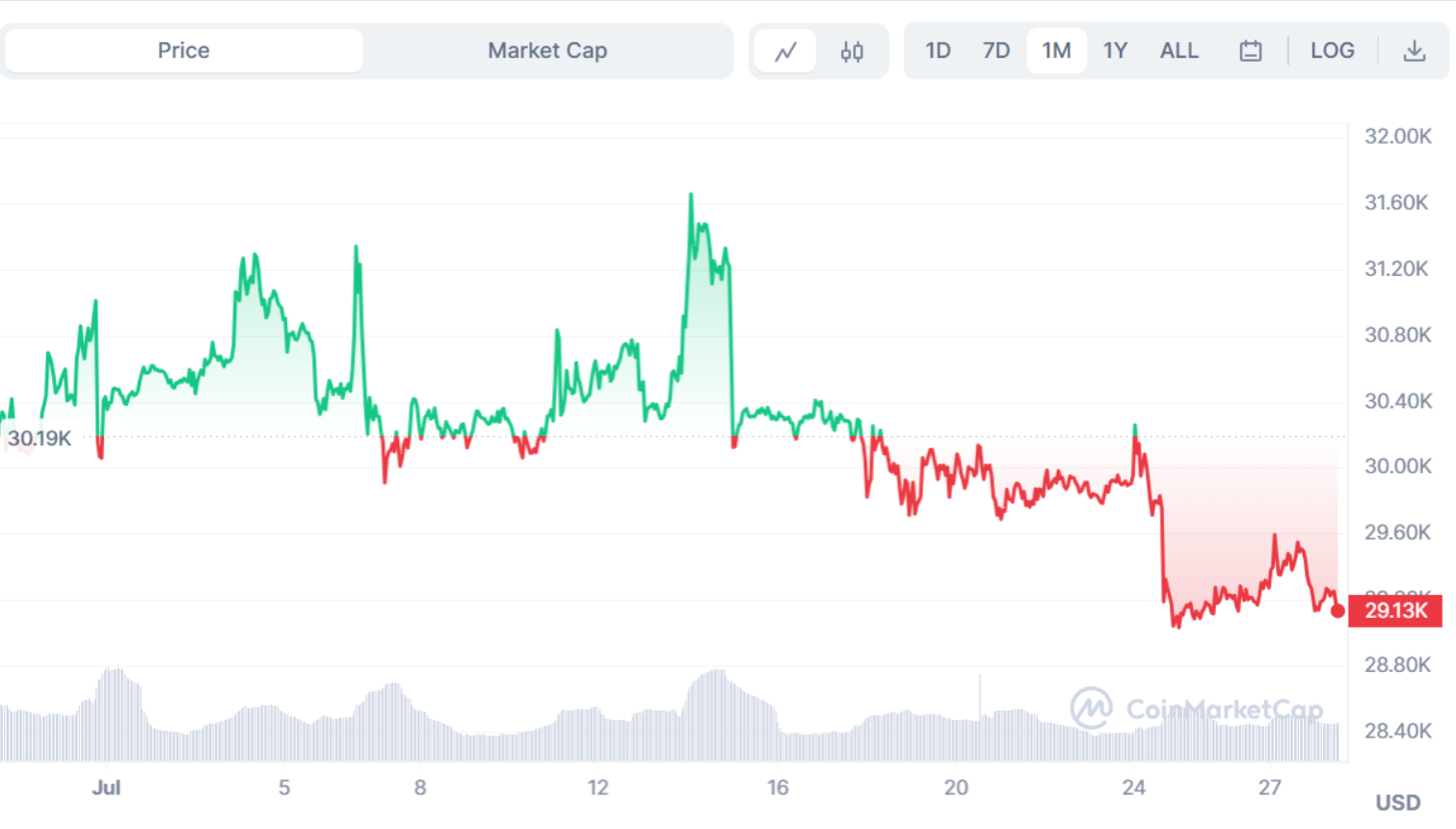
The losses will come as they happen and the psychology behind it is painful and rich. The trader loses money, of course, but also confidence, identity as a successful investor, and self-esteem. The most damaging blow to the ego will have you urgently trying to reclaim the money, causing you to revenge trade, and go into crippling amounts of debt and deeper financial pits. The agony of these opaque losses is borne in utter silence, the crypto community culture is a near total shaming of failure yet the ongoing crowning of enormous, fake, spectacular wealth.
Anxiety of Taking Custody Yourself, the Betrayal of Trust
Cryptocurrency is not just a game of nerves, as market fluctuations create more anxiety. This uncertainty and paranoia in operation is caused by the very nature of blockchain technology that brings a significant level of speculation vectors to every part of a user life. Under the TradFi system, your bank account, your debit card, or your credit card fraud will have institutional strings to catch you. You could phone a customer support agent, freeze your accounts, and request a chargeback so that you can get back your stolen money. As they say in the world of decentralized cryptocurrency — not your keys, not your crypto, you are your own bank.
This kind of unqualified financial independence in the human condition is what lies at the heart of the philosophy of the movement, but it is also the original sin of an almost endless mass psychological weight. Nowhere is this more prominent and more difficult to shake off than in the constantly, low-level humming anxiety of not losing your seed phrase, not accidentally sending (or losing) funds to the wrong alphanumeric address, not being trapped inside a masterfully crafted phishing scam in all of its malicious yet elegant glory; all at any given moment of your everyday crypto-using life.
And unfortunately this paranoia is not completely unwarranted. The cryptocurrency arena is swimming in malicious individuals, highly skilled hackers, and complex social engineering scams. The oldest and most technically astute veterans in the industry have lost their whole life savings in the blink of an eye from one rash decision, or to a previously unknown smart contract vulnerability. This constant need to be on watch is emotionally exhausting.
Traders are up at 3am to monitor Asian market hours, race to answer an emergency price ping on their phone or just confirm their funds have not vanished from their hardware wallet — sleep deprivation becomes a way of life. Work, play, and sleep lose their distinctions and merge into a single all-encompassing market fetish. The glow of the phone screen is the last thing they see as they fall exhausted but sorely lacking in the satisfaction of achievement, into a sleep fraught with anxiety, and the first thing they check on waking in the morning.
Eventually, that uncertainty and paranoia become chronic and they develop a generalized anxiety disorder where they feel like something bad is about to happen any time of the day, even when they are not looking at the charts or checking their portfolio. They find themselves on high alert, questioning every link they click, every email they open, and every new initiative announced.
The relationships take a big hit as the trader becomes more and more insulated from the real world, where friends and family are living the "boring" life of traditional finance and secure jobs. They get caught in a social media bubble, where anxiety-ridden, sleep-deprived bodies support each other in this most warped and obsessive of cycles — a lifestyle that is anything but healthy, but one that eventually becomes part of the vernacular of normal, even glamourised as such. Being in that toxicity for so long destroys all sense of trust, both in others and in oneself, and leaves a feeling of being lost and alienated in the world, all alone.
How to Survive and Get Out of the Gutter
If you are reading this, and identify or see someone close to you in these train wreck patterns, it is essential to know that you are not alone, and step back from the edge is not too late. It is about high time for us to understand that the cryptocurrency market is inherently developed in a way that it can drain maximum capital and maximum attention of its participants. Enduring it over the long haul must be a conscious, egregious, and at times agonizing endeavor to guard your psyche and your body at all cost. You can not control the market, you can not predict the next big bull run or cataclysmic crash, but you can control your exposure to it and your emotional response to its manic swings.
The initial factor to get out of that lifestyle is recognizing the huge impact it seems to be taking on your health. You need to understand, from the very core of your being, that no amount of cryptocurrency is worth your mental health, your physical health or your relationships with the people who love you.
If you want to stop feeling like you are living in a prison of endless anxiety and desperation to control the uncontrollable, it is time to take drastic measures to reinstate boundaries and avoid the all-too-easy-to-follow risk mitigation plan that your own brain nurses from infancy. Below are some practical steps that you can take to ground yourself amid an inherently chaotic environment:
1. Enforcing our own times, where we can literally look at coins and participate in social media regarding tokens, but this time is finite, non-extendable, never more than X-length per day, with all this limited time completely disconnected from any activity related to checking the price of any coin products.
2. Store most of your long-term holdings in cold storage to reflect the fact that the majority of your long-term portfolio is safe value that is non-ergodic and the ability to trade on that is gone; even if you have to trade 1 BTC 1 month from now (to do something productive with it) the bulk of the temptation to engage in short-term trading or speculative activity directed toward your most important asset has been done away with and the centralized exchange risk for your core actions has dropped from areas where anxiety exists.
3. Set your entry and exit points before you ever make an exchange and pen them down, and then hit them blindly with iron discipline that will not bend to the most bullish or bearish tides that come your way.
4. Reinvest a percentage of your profits made from the digital economy into physical assets, tangible experiences or classic investments that promote your personal happiness, maintain your stability and keep your peace of mind outside the digital economy.
5. Have hobbies, interests and relationships outside all things crypto, money, blockchain and digital markets.
When you implement these boundaries with relentless testing, you are starting that very difficult process of breaking the dopamine circuit that has taken charge of your mind. You can bet that you will go through a mental withdrawal phase when your day to day life feels kind of boring, gray, and unexciting. It is a totally normal physiological response to the loss of constant, high-stakes stimulation.

You have to kick through this period of discomfort. Reconnect with the physical world that surrounds you. Take a long walk away from your phone. Read an ink-on-paper book. Talk to a friend (without using the words blockchain, liquidity or market cap). Keep in mind that crypto is just a tool — an extremely speculative and experimental financial tool — but just a tool. It is supposed to add to your life, not take over completely.
Less Cognitive Load, More Crypto in Our Day-to-Day
The best way to alleviate anxiety in any high-stress, unpredictable environment is to eliminate as many variables as possible and focus your mental energy on the things you can actually control. Even in crypto, while you can't know what macroeconomic forces will create the next market cycle or what the next big regulatory hammer will look like, you can certainly control your own operational stack. Each of those little nagging unknowns adds to your mental load, sucking energy out of your mind and contributing to your baseline stress level.
As an example, the network fees and confirmation times can be a shocking and unprecedented level of stress when a user has to make a normal USDT transfer. You may be checking the network periodically to jump on the chance to send USDT cheap, refreshing the blockchain explorer repeatedly, or stressing about making sure you have enough native resources in your wallet to pay the absolutely ridiculous USDT fee during periods of network congestion.
This micro-stress, when then multiplied over hundreds or thousands of transactions over the span of a year, adds massively to the all-absorbing experience of being fully subject to an unfeeling, arbitrary algorithm. By establishing a predictable and optimized approach to these small variables of your daily crypto activities, you leave more mental bandwidth for the larger, unavoidable unknowns of the wider market.
By knowing exactly how things work, from properly storing your hardware wallet backups to understanding transfer cost calculations using tests prior to clicking send, you change your mind set. You change from being a passive, anxious victim of the network's whims to an active, aware and savvy participant. And taking cheeky considerations in a world that seems as if it was created to rob you of your agency. That particular anxiety melts away when you know exactly how much a transaction will cost, exactly how long it will take, and exactly what resources are needed. No more guessing, hoping, and worrying. You simply execute the plan. This is true for all parts of your crypto journey: the more you can measure, abstract and automate the boring operational aspects, the more bandwidth you will have mentally to withstand the unpredictable typhoons that make this industry what it is.
This one is where better tools — more appropriately, purpose-built tools — can save you a lot of headaches on a daily basis and just as much money during the long run. One such service is the Netts USDT Transfer Calculator, a tool which is specifically designed to do away with all the guesswork and uncertainty from your TRON based stablecoin transfers. Each transfer on this network uses Energy and Bandwidth, if your wallet does not have these resources, the network automatically burns your TRX, which can cost surprisingly much, above all if your receiver address has a 0 USDT balance at that time.
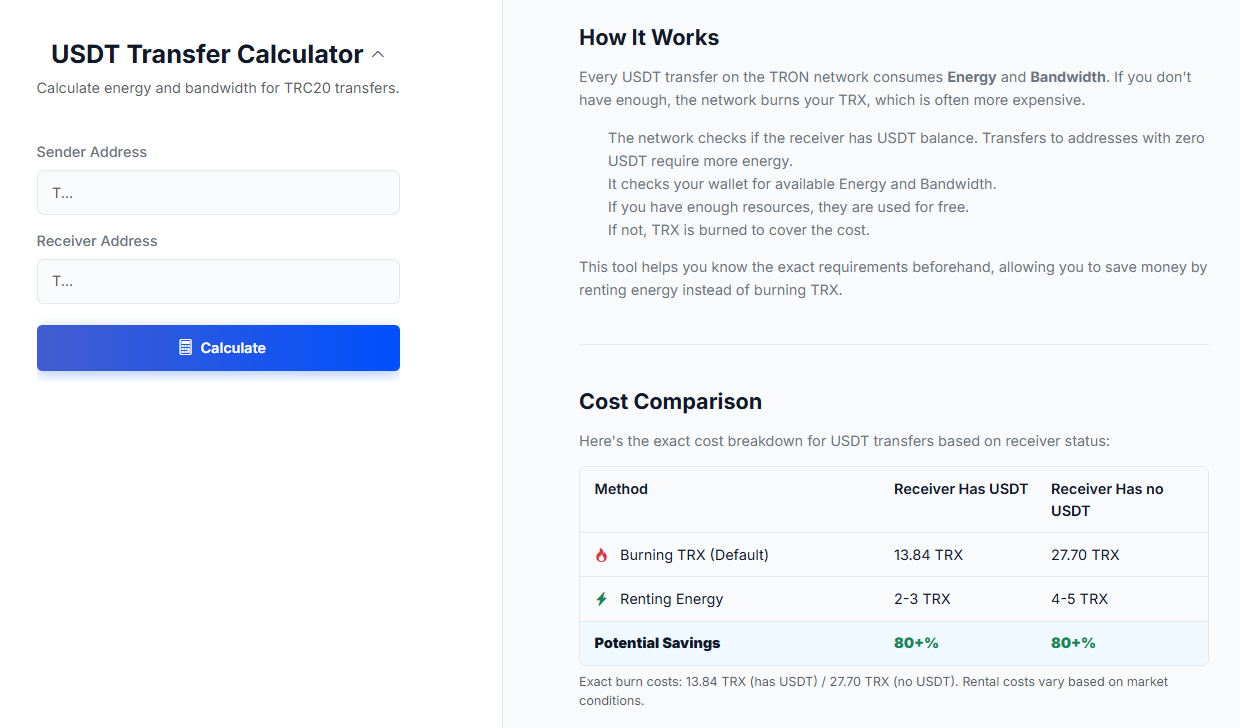
Rather than paying these inflated custodian fees with fingers crossed, this Netts tool lets you pre-calculate the precise Energy and Bandwidth needed. These specific requirements enable you to pay a fraction of the cost for renting Energy — generally more than eighty percent compared to the default TRX burn rate. A more straightforward, one-hundred percent predictable method to regulate your USDT fees and reclaim a sliver, but oh-so-significant, part of control in an otherwise fast-paced and anxiety-inducing ecosystem.