TRON Network: Main Challenges Ahead
TRON scaled stablecoin traffic — mindshare, Energy math, leadership noise, volatility, and USDT concentration still need work.
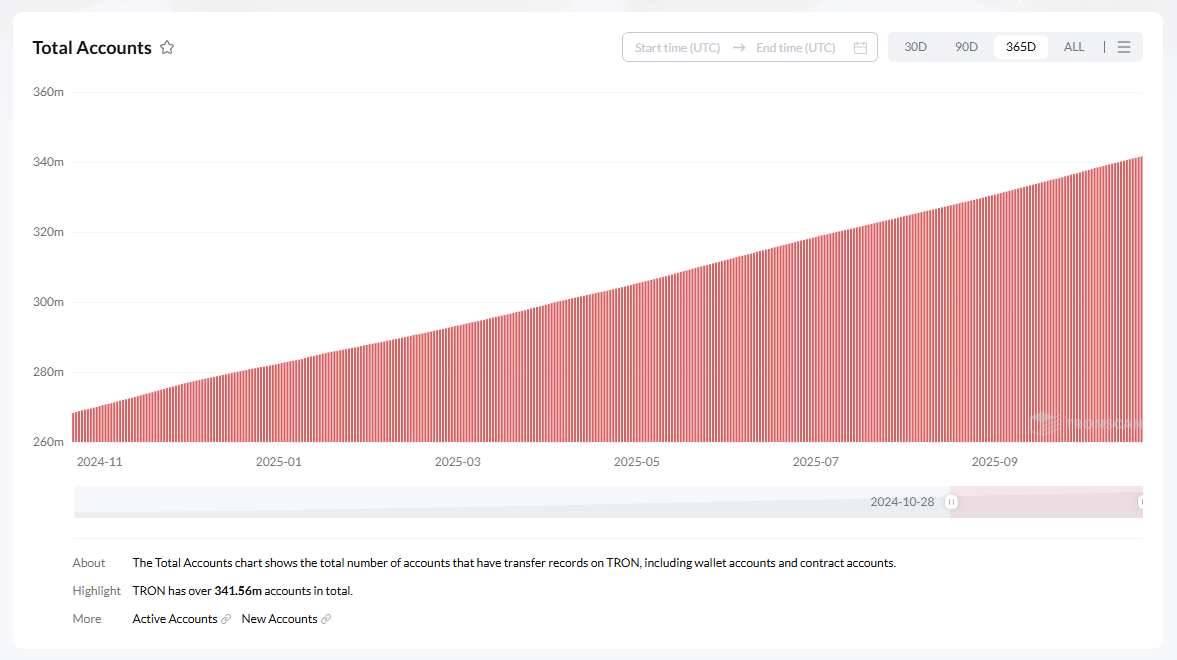
TRON has grown from a 2017 content-focused experiment to become one of the most active blockchains, reaching 100M accounts by 2022, marking four years since gaining complete independence of mainnet and coming into possession of over $50B of mostly USDT-denominated stablecoins in early 2024. High throughput, low fees and EVM-compatibility were transformed into a fundamental rail for DeFi and global stablecoin transfers. Yet momentum invites complacency. Crypto history suggests that dominance erodes quickly when iteration is halted, and TRON still has structural questions that need to be answered before growth levels off.
Dangers of Contentment
While credit for these accomplishments is due, they are not weights that can drag us down into idleness. History is littered with formerly dominant technologies and platforms that choked just when they appeared all-powerful. The world of cryptocurrency moves at a breakneck pace, with developments and competitor plans cropping up all the time. What's right today is wrong tomorrow if not made better by evolution.
Complacency leads to danger: the blind spots it creates are invitations for rivals to steal a march, heads off innovation in struggling areas where the need may not seem so immediate, and prompts companies to ignore user feedback or developed market needs that have yet to materialize. TRON still has to be on guard against such trends, because the success can’t stop here but should become a building block for greater development.
Recognition Challenge: Living in the Shadow of Bitcoin
TRON continues to fight for the public mindshare with household names such as Bitcoin and developer prestige such as Ethereum. News coverage, newbie guides and institutional research all default to those incumbents and emphasis on TRON's perceived legitimacy in shipping at scale is suppressed. That gap is important: recognition affects liquidity, listings and the pipeline of partnerships.
Yet differentiation is within reach. With faster, cheaper transfers, entertainment-focused use cases and a robust repricing of stablecoin rails, TRON has a story that Bitcoin or Ethereum can't tell. What's needed now is differentiated positioning — aligning with established institutions, creating live applications to show off and training storytellers who can translate technical prowess into a narrative that resonates beyond the realm of those born under crypto.
Energy and Bandwidth System — Confusion Is the Fruit of Innovation
Built on the concepts of both Energy and Bandwidth, TRON's resource system differs greatly from the fee-based ecosystems utilized in Bitcoin and Ethereum. This system was novel and intended to maximize efficient network use but has been found difficult for many users to comprehend and negotiate. Entry barriers are complex and adopters can get turned off by new and unfamiliar concepts.
Even though account numbers keep growing, the system functions by having users freeze TRX (with Energy and Bandwidth, the network's equivalent of gas) or paying fees to transaction processors. Smart contracts consume Energy while Bandwidth is consumed for regular transfers. Regular users can get a certain amount of daily free bandwidth which will be enough for most typical transactions. But many of the newcomers don't get that when they first stumble across them with no proper explanation.
Apathy and perplexity about this system are a product of many causes. Even the words themselves — Energy and Bandwidth — don’t really scream “This is how much you have available for crypto transactions” at first glance. Those used to the simple “pay fee and go” model have a difficult time understanding why they are required to freeze tokens or estimate resource usage.
Fortunately, the Energy and Bandwidth system has real benefits if you understand it. Freezing TRX for Energy generates Energy from frozen TRX and will give developers an option to sponsor user transaction costs leading to better user experiences of their apps. And the daily free bandwidth limit is ample for most use cases, thus TRON is practically free to use for the average user. A good place to start is the intersection of user learning and experience designing interfaces that are intuitive, hiding away as much complexity as we can for common use cases; clear documentation in plain language sure doesn't hurt either, nor do interactive tutorials where you can play around with resources without any financial risk.
Leadership Factor: In Stormy Waters
The founder of TRON, Justin Sun, is a personification of cryptocurrency leadership: vibrant, and not without contention. What he has is the vision of an entrepreneur with the marketing instinct and media savvy that most entrepreneurs (even most successful ones) could only dream of, which have created a leadership style that inspires eyebrow-raising both in support and in condemnation. Sun's high-profile activity on social media, his ambitious partnership announcements, and his avowed willingness to not shy away from controversy have made him one of the more visible figures in crypto.
But such a dynamic leadership style adds risk and unpredictability which may have negative impact on both investor confidence as well as network stability. Sun is always doing something and opening his mouth which garners much attention in the media, for better or worse. This media can affect the way that TRON is seen and how it does on the market. His habit of making dramatic announcements and setting ambitious timelines that even his supportive followers struggle to keep up with leads to disappointments, generating doubt even among supporters.

It's not just about what you do on a personal level, but also in terms of governance. TRON's decentralization means that the project isn't a single point of failure, but leadership perception plays an outsize role in a world where trust is key. TRON is able to combat these risks by improving transparency in decision-making, solid community governance mechanisms, and diverse leadership teams. More importantly, an emphasis on measurable results and technological achievements instead of personalities could shift the focus from leadership bickering to things that matter. The fact of the matter is that the technical infrastructure behind TRON is showing remarkable resilience. The network meanwhile is able to operate freely regardless of media blitz around its founder. This distinction between leadership perception at the network level and performance on the development end of the spectrum is paramount - users and developers are ultimately more interested in what TRON can make possible, than who individual creator figures are.
Cryptocurrency Volatility: It’s All About Riding the Market Waves
The volatile nature of cryptocurrency markets remains a recurring challenge for TRON and all blockchain networks, though it is encouraging to see progress is being made. Wild price swings can undermine user confidence, make it hard to build economic models around stable token values and be a headache for developers trying to engineer long-lasting applications. TRON's attention to stablecoins does reduce this volatility for end users, but the network can still feel effects of market swings.
This volatility is attributed to speculation in trading, regulatory uncertainty, technological progress in competing projects and macro-economic issues — as well as the much smaller nature of cryptocurrency markets compared with traditional securities markets. But it's not necessarily a bad thing for things to be volatile. It's a sign of how quickly the market is moving, and how big it might become with significant innovation and expansion. Given the maturation of cryptocurrency markets and growing institutional adoption, volatility has declined in general along a downward trend, i.e., towards stability.
Volatility issues can be tackled by introducing more stablecoin varieties, creating financial instruments or protocols to hedge institutional positions, and building bridges to Wall Street. What is more important is that showing repeatable tech progression and network reliability can build trust on its own, irrespective of market prices.
USDT Powerhouse: Both Strong and Insolvent
USDT on TRON is one of the hottest success stories among all cryptocurrencies. When Tether decided to launch USDT on the TRON network, both platforms changed forever; interdependent yet complementary. TRON's cost was low and its speed transfer rate high, eventually making it more convenient than ETH for USDT transactions; USDT's huge liquidity and user base also made TRON an essential coin for those into stablecoins.
However, this concentration creates vulnerability. TRON is USDT dependent with all the risks it comes with. Regulatory pressure on Tether could have repercussions in TRON's ecosystem as well, if USDT is curtailed or banned. Should there be any tech or security issues at USDT, it would lead through to TRON's whole system. Changes in how Tether operates or prioritizes could shift focus away from TRON and strain the relationship with them.
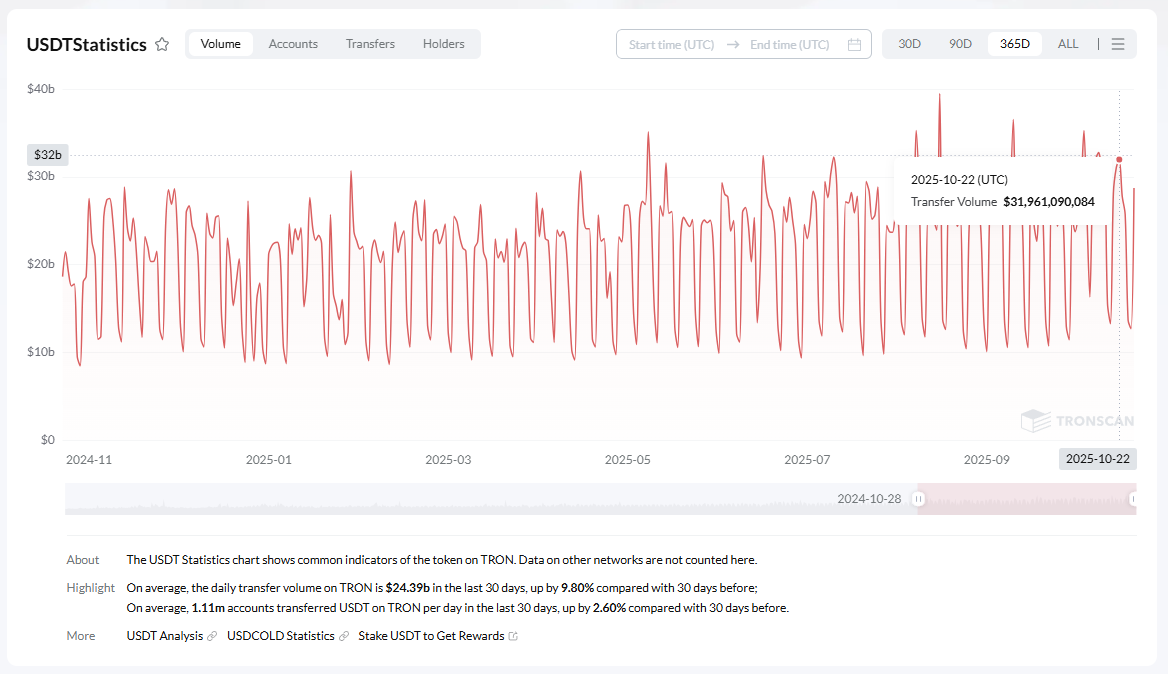
Recent developments underscore these risks. In February 2024, Circle announced its decision to stop supporting USDC on TRON due to issues around trust and transparency. USDC was less popular as a percentage of the stablecoin ecosystem on TRON than USDT, but the move underscores how volatile partnership arrangements can be. After Circle's migration, Binance revealed that the firm is removing its USDC support on TRON as well leading to a link between these moves.
This is also where diversification becomes key. Although USDT has been contributing a lot to TRON's development, there does exist systemic risk if only one single currency is supported on a large scale. A more diverse stablecoin ecology would be more robust against the loss of any one company or changes in policy. This diversification TRON could achieve by actively backing several stablecoin projects, building infrastructure that allows new stablecoins to launch easily, and developing applications that can work with any stablecoin instead of being hard-wired to USDT. Therein lies the challenge of balancing the advantages offered by USDT's supremacy against the need for diversification. TRON has been reaching out to Tether and should build a holistic system.
More Efficient Ways to Work with Complexity and Educate Integration
The TRON ecosystem comes with a handful of layers of complexities - the resource system, smart contract creation, DeFi protocols and NFT markets. This complexity presents difficulties to users, developers and the network. Complexity is the price that one pays for capability but, naturally enough, more capable systems allow more powerful applications.
To deal with this complexity successfully, systematic ways and best practices are needed. Documentation is the infrastructure that facilitates transparent insight into how systems operate and how to use them effectively. Community engagement increases the effectiveness of documentation on present forums, social media channels and dedicated support teams. Development tools can decrease complexity, as well, by hiding low-level details. By abstracting the most repetitive tasks with SDKs, libraries or frameworks, development teams can concentrate on building applications not networks.
Education is one of TRON's best weapons against the obstacles before it - recognition, system complexity and adoption. But typical styles of education frequently do little to make things interesting and to create lasting comprehension. Interactive tutorials allow readers to play with concepts in a contained environment. Gamification brings the play and competitiveness of games into learning, possibly turning that same learning from a chore into fun. Motivational learning platforms can maximize engagement by providing tangible incentives for learning engagement. Together, they can facilitate educational environments that facilitate knowledge construction through action like those possible within events such as the hackathons and competitions. Narratives help to break up content while enhancing retention.
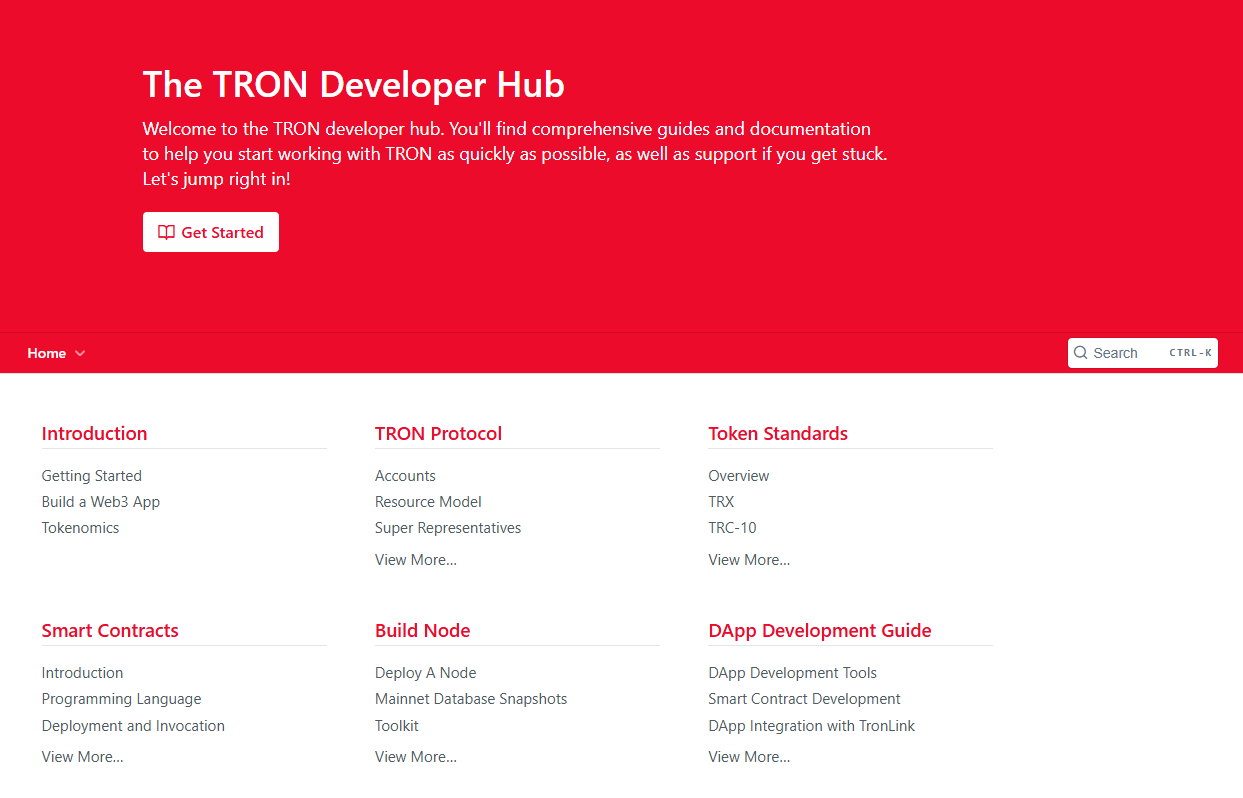
The aim of participatory education is to create a knowledgeable community that is able to support itself. As users get good, they become teachers. As developers create applications, they show potential. And as advocates share information, they help spread the network more broadly.
Road Ahead: Embracing Difficulty
TRON has some challenges ahead of them but they are not insurmountable. The network has proven its resiliency, adaptability and expansion capabilities over the years. Every challenge is an opportunity to make the ecosystem more robust, give users a better experience, and gain competitive edges that separate TRON from other options.
The acknowledgment problem can be solved through the constant showing of worth and firm positioning. The complexity in the resource system can be dealt with by better training and interfaces. Governance and results focus helps to dampen leadership volatility. The market volatility is the result of more general state of affairs, not TRON problems. Diversification can neutralize USDT concentration, preserving benefits.
Where TRON distinguishes itself is its willingness to pioneer new directions that distinguish it from the industry incumbents. Whereas, in the initial stages we have seen Bitcoin and Ethereum have established certain clichés around cryptocurrency, TRON's path is harder to tread but at the same time very distinctly offers us value. Resource is confusing to some, but it's also something that fee-based models cannot compete with. Content and entertainment focus may appear tangential to finance apps, but it covers real world use cases necessary if we expect mainstream adoption.
The rough path TRON has embarked on - building, explaining new systems, navigating leadership issues, volatility and strategic dependencies - it's exactly what makes them not average. Simple remedies mostly have a simple bound. Bitcoin took the path of least resistance, conservative development and ended up being defined by its limitations. Ethereum opted for "moderate difficulty" and now they are doomed by some early design decision. TRON's bolder attempt presents difficulties but also the chance of advantages that are unattainable through easy ways.
Fighting Mediocrity
Like any rapidly changing industry, success in crypto is a matter of managing complexity. There is mediocrity on the path of least resistance and excellence on the hardest course. TRON's problems stem from its desire to be something truly different (and maybe even better) than what is currently out there. Those are the difficulties of the stretch, not glitches in execution.
It's not a matter of whether challenges are there because they are, rather it's more about whether the network and its community have the heart for an overhaul. Joking aside and going off its track record of successes, it looks like the answer is yes. "If you trace back every particular problem, there are other problems which have been as difficult or more so" to solve. That the road will be long and hard is clear, but it is also only part of this never-ending saga of innovation and adaptation.
For users, developers or investors attracted to the idea of TRON, these obstacles should be seen not as potential drawbacks that merit steering clear but proof that this is a project that's serious about realizing a grand vision. It's not like the easy cryptocurrency choices are already overlooked or anything — they're mature, well-known and have obvious weaknesses. TRON promises something different – a platform that is prepared to address hard problems in the search for better solutions.
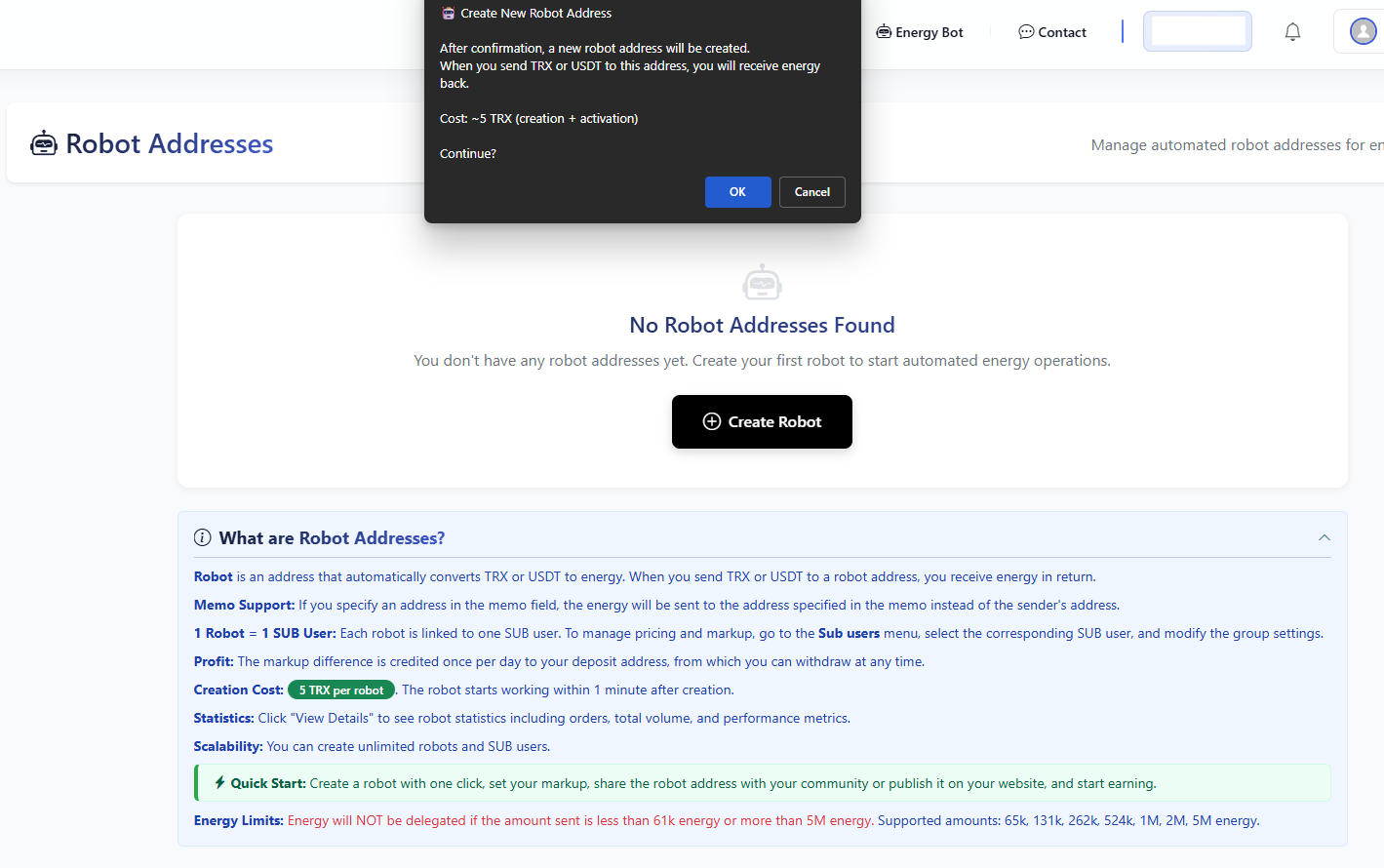
With Netts new feature — Robot Addresses - it will be easier than ever to set up automatic conversion of TRX to USDT - and make money while at it! If you specify an address in the memo field, the Energy will be sent to the address specified in the memo instead of the sender's address. Just create a robot with one click, set your markup, share the robot address with your community or publish it on your website and start earning.