The Business of Crypto Conferences: How an Industry Sells Itself
Crypto conferences aren't just events — they're the industry's influence machine. FOMO, big names, and billions behind the stage.
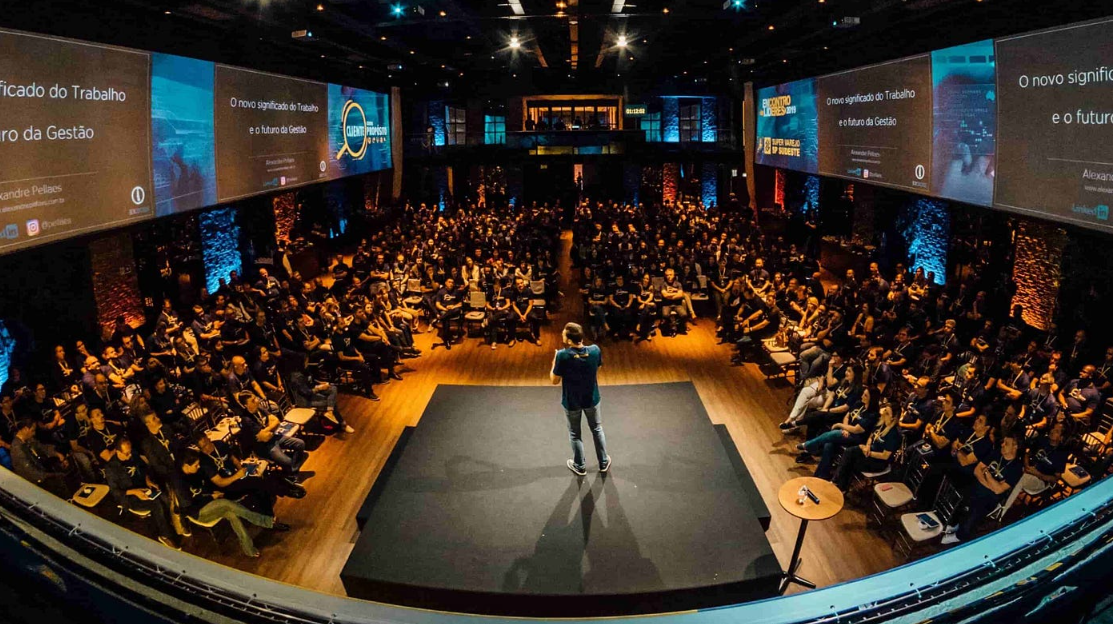
Here is a thought experiment. Two people are watching the same conference keynote. The first person sees a man in a t-shirt talking for forty-five minutes about the future of decentralized finance in front of a projected slide deck. They think: this is a waste of time. Just look at the charts, find something that works, and buy it. The second person sees the same man on the same stage and thinks: whose coin is he not mentioning, and why? Both of them are right about something. Neither of them is fully right.
The dismissal of crypto conference culture as performative noise is understandable. The stage presence, the scripted enthusiasm, the carefully worded predictions that leave enough room to be interpreted as either visionary or obvious in hindsight — it is an easy target. But the dismissal misses something structural. Most retail investors do not find coins through on-chain analysis or whitepaper reviews. They find them through someone they heard speak, someone they follow on social media, someone they saw interviewed, someone who was everywhere at once and therefore must know something. The conference is not where you go to learn. It is where consensus about what matters gets manufactured — loudly, expensively, and very deliberately.
There is a reason the same fifty people seem to appear at every major event on three continents within the same calendar month. There is a reason the ticket prices for front-row access to those people can exceed twenty thousand dollars. And there is a reason that some of the most consequential moments in crypto's recent history — announcements that moved billions in market value within minutes — happened not in corporate offices or regulatory filings but on conference stages in front of cameras streaming to hundreds of thousands of people.
The business of crypto conferences is not a side effect of the industry. It is one of the industry's primary mechanisms.
Events That Define the Calendar
Bitcoin Magazine's annual Bitcoin Conference is the closest thing the cryptocurrency industry has to a pilgrimage site. It started modestly — a gathering of early adopters comparing notes on a niche technology most of the world had not heard of — and grew, event by event, into something that draws tens of thousands of people to rented convention centers that cost more than most companies' annual operating budgets. The 2022 edition at the Miami Beach Convention Center drew over 35,000 attendees. The 2024 event in Nashville brought 25,000 people, 300 exhibitors, and a former president of the United States to the stage. The 2025 edition moved to the Venetian in Las Vegas, expecting at least 30,000 and carrying a $21,000 "Whale Pass" for those who needed to signal their positioning before the first panel started.
That Whale Pass is not a joke. It is a statement about who the conference is actually for — not the retail investors tracking portfolio apps on their phones, but the institutional allocators and corporate treasury executives for whom $21,000 is a legitimate cost-of-business line item and the networking access is worth multiples of that.

Consensus, the annual event produced by CoinDesk, operates in a similar space at roughly similar scale — 20,000 attendees in Austin in 2024, with tickets ranging from $950 to $9,000. It is slightly more oriented toward the traditional finance and regulatory crossover, which means you will find more suits and fewer laser eye profile pictures in the hallways. Consensus has added a Hong Kong edition, signaling the geographic expansion of institutional crypto interest.
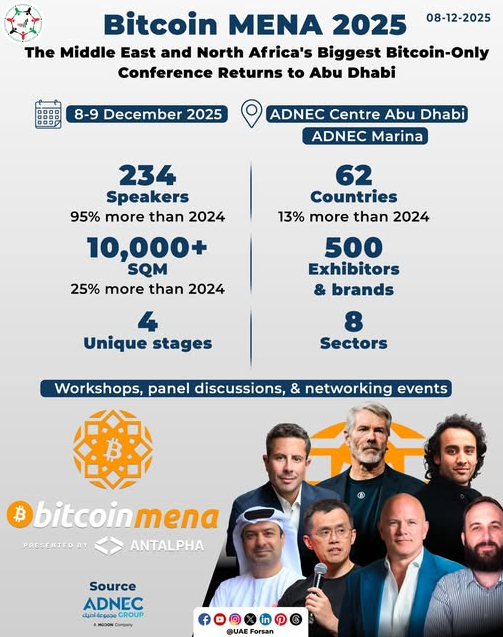
TOKEN2049 has grown into perhaps the most commercially aggressive event in the global circuit. It runs dual editions — one in Dubai in spring, one in Singapore in autumn — and took over all five floors of Marina Bay Sands for its Singapore 2024 edition, which it marketed as the world's largest crypto event. The Dubai edition has become a fixture for APAC deal-making and Middle Eastern capital introductions. Early bird tickets run around $500; standard access reaches $1,360; VIP access climbs considerably higher. The attendance is genuinely international in a way that American conferences sometimes are not.
The Ethereum Community Conference — EthCC — operates at a different frequency. Based in Europe and running since 2018, it is technically focused and deliberately unpretentious. The 2025 edition in Cannes drew 10,000 total attendees, 400 speakers, and 72 sponsors, and the event has locked in Cannes through 2028. What EthCC lacks in spectacle it compensates for in depth — conversations there tend to be about protocol architecture and governance mechanics rather than price targets.
NFT.NYC illustrates how quickly conference fortunes can reverse when the underlying narrative collapses. At its 2022 peak, it ran across nine venues spread around Times Square, hosted 15,000 attendees and 1,500 speakers, and felt like the center of a cultural moment. By 2023, attendance had dropped to 6,000 — a sixty percent decline in a single year, tracking almost perfectly with the collapse of NFT trading volume from over a billion dollars monthly to under $25 million. The conference did not fail. The story it was selling ran out of believers, at least temporarily.
Davos is not a crypto conference, but crypto has built serious infrastructure around it. The World Economic Forum's annual gathering became a place where institutional money could evaluate crypto without being seen at a "crypto conference." In 2025, after a year dominated by AI, crypto staged a visible return: BlackRock's Larry Fink discussed $500,000 Bitcoin projections and reported that sovereign wealth funds were considering two-to-five-percent Bitcoin allocations. Coinbase CEO Brian Armstrong addressed the incoming administration's crypto policy stance. These were not fringe positions aired in side rooms — they were the main conversation.
Who Speaks and What It Costs Them
The speaking circuit in crypto involves a subtler economics than most industries, because not all speakers are compensated equally — or at all — and the distinctions illuminate who actually holds power.
The established names command real money. Speaker fees in crypto range from $1,000 to $25,000 for most professional circuit regulars, with celebrity and headline figures — the Vitalik Buterins, the Michael Saylors, the CZs — commanding whatever the market will bear, which is typically considerably more. These figures do not need the income; they appear because each appearance is an investment in relevance. Being seen on stage in Nashville, then in Dubai, then in Singapore within six months signals that you are part of the consensus-setting layer of the industry. The appearance generates media coverage, which generates social media amplification, which generates influence on the next cycle's narrative.
At the other end of the spectrum, at mid-tier and regional conferences, many speakers effectively pay to appear. A startup founder might secure a speaking slot by purchasing a booth package — $10,000 to $50,000 depending on the event tier — which comes bundled with panel time and a few minutes of stage access. They are not speaking because they have something important to say. They are speaking because speaking is a distribution channel, and they need their project's name in front of people who might become investors, users, or partners.
Michael Saylor has probably used the conference stage to more direct financial effect than anyone else in the industry over the past five years. His appearances are not merely informative — they are systematic. Since MicroStrategy's first Bitcoin purchase in 2020, Saylor has appeared at every major Bitcoin-adjacent event to deliver variations of a single thesis with relentless consistency: Bitcoin is the only rational store of value for corporate treasuries, the dollar is being debased, and any company not accumulating Bitcoin is committing slow financial suicide. His 2025 keynote at the Bitcoin Conference in Las Vegas presented "21 Ways to Wealth" and described ninety-six percent of public companies as "zombie companies" unable to beat Treasury bills. The speech was not a neutral analysis of financial options. It was a sustained argument for a specific asset class in which he holds a very large position.
This is not unique to Saylor, and it is not necessarily dishonest. The entire conference speaker ecosystem runs on the same basic structure: people with positions in certain narratives are invited to articulate those narratives to audiences who might act on them. The incentive alignment is transparent enough that most sophisticated attendees understand it. What is less often discussed is the asymmetry — a speaker who moves even a fraction of a percent of audience portfolio allocation through a well-delivered forty-five minute talk has generated returns on their speaking time that most professions could not match.
Vitalik Buterin operates differently. His conference appearances are more technically focused, more carefully hedged, and less obviously promotional — which is its own form of influence. When Buterin speaks about Ethereum's roadmap at EthCC or Devcon, he is not pumping a token; he is signaling priorities to thousands of developers who will make technical decisions based partly on what they hear. His appearance at a conference is a governance action as much as a communication act. The economic effect is diffuse but real.
Then there was Sam Bankman-Fried. Before the collapse of FTX in November 2022, Bankman-Fried was possibly the single most omnipresent figure on the global conference circuit. He sponsored Formula One teams. He put FTX's name on a Miami arena. He hosted events in the Bahamas where former heads of state appeared on stage beside him. He made dozens of trips to Capitol Hill, presenting himself to legislators as the industry's responsible adult. His conference presence was extraordinary and calculated — each appearance an investment in credibility he was using to sustain a platform built on misappropriated customer funds.
The post-FTX hangover changed conference culture in visible ways. Conferences began vetting speakers more carefully and built in more regulatory programming. But the structural incentive — show up everywhere, project confidence, become the face of a narrative — was not eliminated. It was not. The cautionary tale just has a very expensive recent example attached to it.
What the Whole Thing Actually Costs
Let us talk about the real economics for a moment, because the numbers are considerable.
A top-tier exhibition booth at a major crypto conference costs between $50,000 and $250,000 for two or three days. A standard booth package at a mid-size event runs $10,000 to $50,000. Headline sponsorship — your logo on the main stage backdrop, your name in the conference title — costs considerably more. The organizations writing these checks have decided that the exposure is worth it, which means the return on conference sponsorship, measured across brand recognition, lead generation, and deal flow, exceeds the spend.
Ticket revenue alone at a conference like Bitcoin 2024 — 25,000 attendees at an average realized ticket price well above $1,000 — represents tens of millions of dollars in gross revenue before a single sponsor pays a dollar. Consensus and TOKEN2049 are in similar territory. These are serious commercial operations, not enthusiast gatherings funded by goodwill.
The side event economy runs in parallel and is arguably where more actual business gets done. During the week of a major conference, the host city fills with hundreds of parallel events — ecosystem-specific meetups funded by layer-one blockchain foundations, VC breakfast roundtables where founders pitch to investors in rooms too small for journalists, token launch parties where projects debut to qualified audiences at the same time their press releases go out to the broader market. Sponsors pay between a few thousand and tens of thousands for micro-event presence. The total economic footprint of conference week — hotels, venues, catering, security, production, travel — represents a significant transfer of capital from the crypto industry to the cities that host these events, and back to the conference organizers who create the occasion for it.
The side events are, by most accounts of regular attendees, where the more valuable interactions happen. The main stage is theater — it matters for the record, for the clips that circulate afterward, for the public positioning of whoever appears on it. The real conversations happen at the dinners, the rooftop bars, the exclusive roundtables that never make the official agenda. VIP passes sell out quickly not because the VIP lounge has better coffee but because the investor roundtables attached to VIP access are the closest thing to a guaranteed deal-making environment the industry offers.
FOMO, Market Timing, and the Architecture of Belief
Crypto conferences do not merely reflect market sentiment. They help create it.
The most dramatic demonstration of this was Nayib Bukele's announcement at the Bitcoin Conference in Miami in June 2021. The president of El Salvador appeared via video to declare that his country would adopt Bitcoin as legal tender — the first nation in the world to do so. The announcement was staged for maximum theatrical impact at an event already running hot with bull market enthusiasm. The immediate market reaction was intense, the coverage global, and the narrative implications enormous. Whether the policy ultimately delivered the financial inclusion benefits Bukele promised is a separate question the evidence has not answered favorably — surveys showed the majority of Salvadorans neither understood nor supported the decision. But as a conference moment, as a piece of narrative-setting theater, it was nearly perfect.
Donald Trump's appearance at Bitcoin 2024 in Nashville was a different kind of stage moment — a political figure using the conference format to signal a complete reversal of his prior skepticism toward crypto, promising to fire the SEC's crypto-hostile chairman, establish a presidential advisory council on digital assets, and make the United States "the Bitcoin superpower of the world." The crowd received this with the kind of energy that the term "stadium rock" was invented to describe. The downstream market effect, combined with a general post-election pro-crypto sentiment, contributed to a sustained bull run through late 2024 and into 2025.
Do Kwon was another figure who used the conference circuit masterfully until he did not. The founder of the Terra blockchain and its algorithmic stablecoin UST was a fixture at major events in 2021 and early 2022 — articulate, confident, dismissive of critics in a way that the bull market crowd found energizing rather than alarming. He was named by CoinDesk as one of the most influential people in crypto for 2021. In May 2022, the UST peg broke, Luna crashed from above a hundred dollars to effectively zero, and roughly $45 billion in market value was erased in a week. Do Kwon eventually faced criminal charges and was sentenced to fifteen years in 2025.
The pattern in these cases is not incidental. Conferences amplify belief. They create physical environments where skepticism is socially costly — nobody wants to be the cynic in a room full of enthusiasts, particularly when the enthusiasts are making money. The FOMO that drives retail investment decisions does not arise from careful chart analysis. It arises from the experience of watching thousands of people who appear to know what they are doing express confident enthusiasm about something you do not yet own.
This is why smart projects time their announcements for conference weeks. The attention is concentrated, the media is present, and the emotional temperature is elevated. An announcement that might generate moderate interest in an ordinary news cycle generates a cascade during conference week because the audience is already primed, the influencers are already in the room, and the cameras are already pointed at the stage. TRON Energy renting, protocol launches, partnership announcements — all of it gets more traction when dropped into a room that is already running hot.
Circuit as Infrastructure
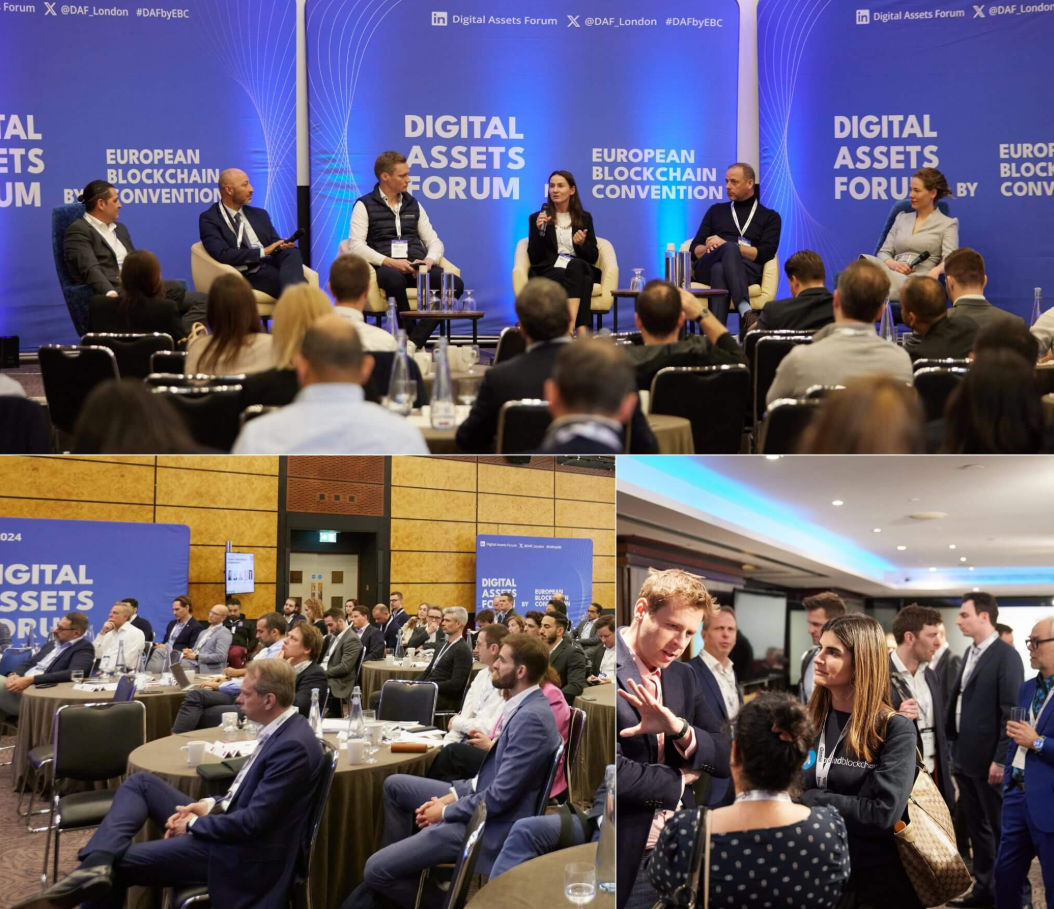
What the best participants in the conference circuit understand — and what occasional attendees often miss — is that conferences are not educational events with a revenue model attached. They are networking and positioning infrastructure that happens to have an educational program running in the background.
The connections made at TOKEN2049 in Singapore are not made primarily during the panels. They are made in the hallway between the panel and the elevator, at the dinner that a layer-two blockchain foundation is hosting for thirty people that night, at the breakfast meeting that a partner at a major crypto fund has scheduled back-to-back for three days. The people who extract the most value from the conference circuit are the ones who treat the official programming as the framework and the side events as the point.
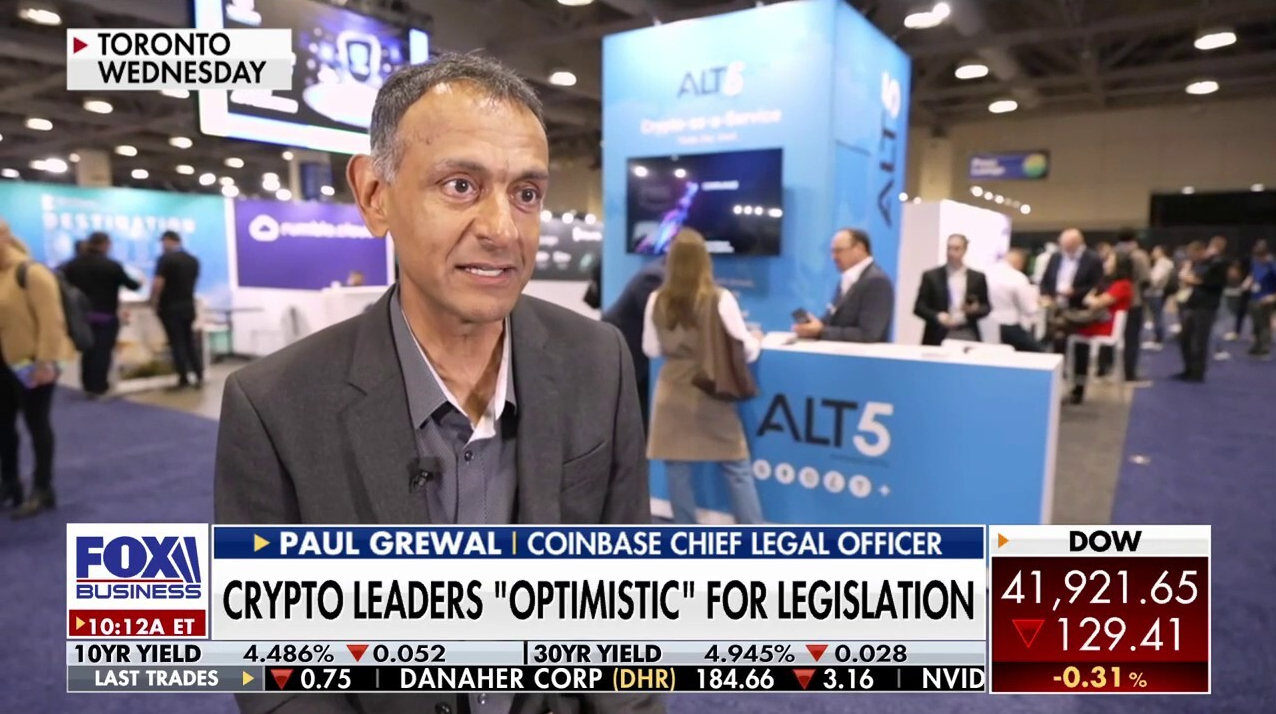
For founders raising capital, this matters enormously. The VC firms that dominate crypto investment — the a16z cryptos, the Paradigms, the Multicoin Capitals — are present at every major event. They are not there to watch the keynotes. They are there to run through a calendar of thirty-minute meetings with founders they have already pre-screened, to attend the dinners where portfolio companies make introductions, and to hear about things before they become public announcements. A founder who has been on the conference circuit for two years, who has spoken at three regional events and appeared on two well-followed podcasts, walks into those thirty-minute meetings with a fundamentally different starting position than someone who emailed cold from outside the network. Even appeared on Fox Business - must be "legit"!
This is why the conference circuit, for all its excesses, is not easily dismissed as self-promotion theater. It is self-promotion theater with a functional purpose. The credibility built through sustained public presence — the speaking slots, the podcast appearances, the Davos panels, the nationally broadcast interviews — translates into the currency that actually moves in crypto: attention, trust, and the willingness of other people to believe in what you are building. Day-trading on technical patterns is a plausible strategy. Building a reputation as the person who always seems to be right about where the market is going, who gets invited to speak at the events where institutional money gathers, who appears on the podcast that the people who manage billion-dollar allocations listen to — that is a more durable and more powerful position.
The conferences exist because someone figured out that the blah-blah-blah is not actually blah-blah-blah. It is the mechanism. The cheapest TRON Energy is found through market aggregators. The cheapest attention in crypto is never free, and the people running the events know exactly what they are selling and to whom.
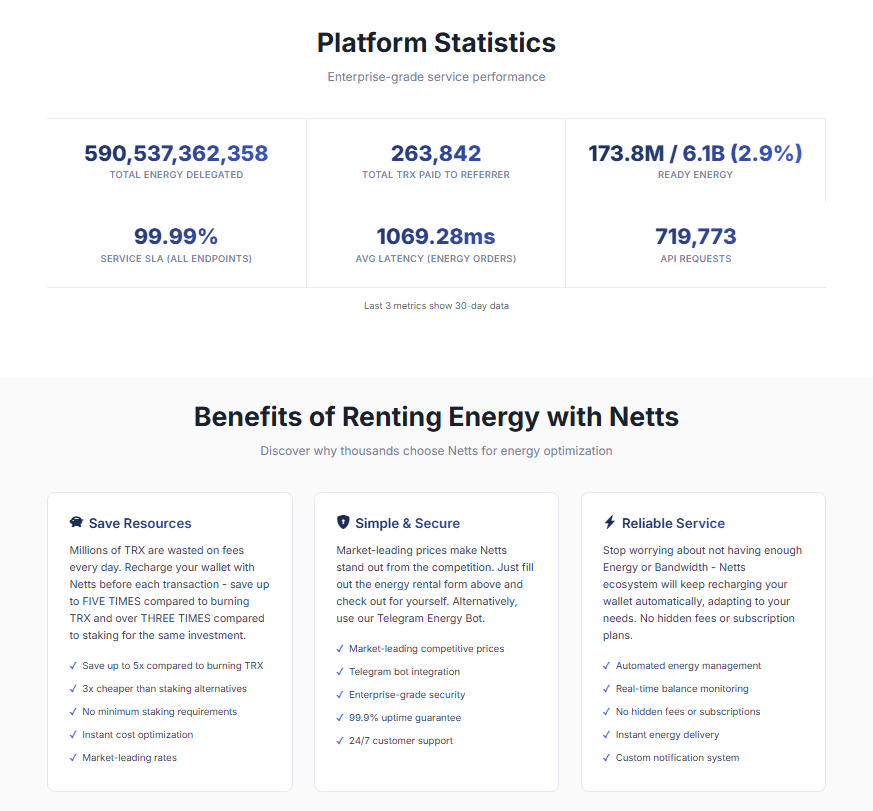
Speaking of infrastructure built for people who know what it costs to operate at scale on the TRON network — Netts.io provides exactly that kind of no-nonsense service for TRON Energy renting. For anyone regularly executing USDT transfers and tired of burning TRX or dealing with staking overhead, Netts aggregates Energy from verified providers to deliver rent TRON Energy at market-leading rates with instant delivery. The service handles the routing and the sourcing; you pay only for what you use. It is the kind of operational tool that does not need a conference keynote to sell it — the math does the talking.