Rises and Falls — Most Volatile Stories in Crypto World
Terra, FTX, Thodex, Mt. Gox — crypto’s wildest booms and busts show how fast hype, leverage, and fraud move prices.
The world of cryptocurrency is truly a reflection of human imagination, industrialization and simply put the raw power of the market. In this digital wild west, fortunes are made and lost in an instant, becoming stories that feel ripped from a modern-day fable — narratives of dizzying ascents ending in staggering collapses that leave investors reeling and observers with jaws agape. This unpredictable landscape has been the scene of some of the most sensational financial stories in recent history, as meteoric rises trade against catastrophic falls to produce a cycle that never fails to enthrall and simultaneously appall.
The rules of the game in cryptoland are such that failure and success tend to be amplified to epic proportions. Crypto markets are a very different beast to the traditional markets we used to trade prior to the advent of cryptocurrencies. They never close, are largely unregulated and aren't influenced by news in the same way that traditional assets are; however, sentiment, speculation (and new technology like smart contracts!) can change everything overnight! This environment is the perfect petri dish for some of the most wild stories possible — where a tweet can set off billion-dollar moves, where unknown developers pull off elaborate schemes and where regular people become millionaires or paupers in days.
Glorious Rise and Fall of Terra Luna
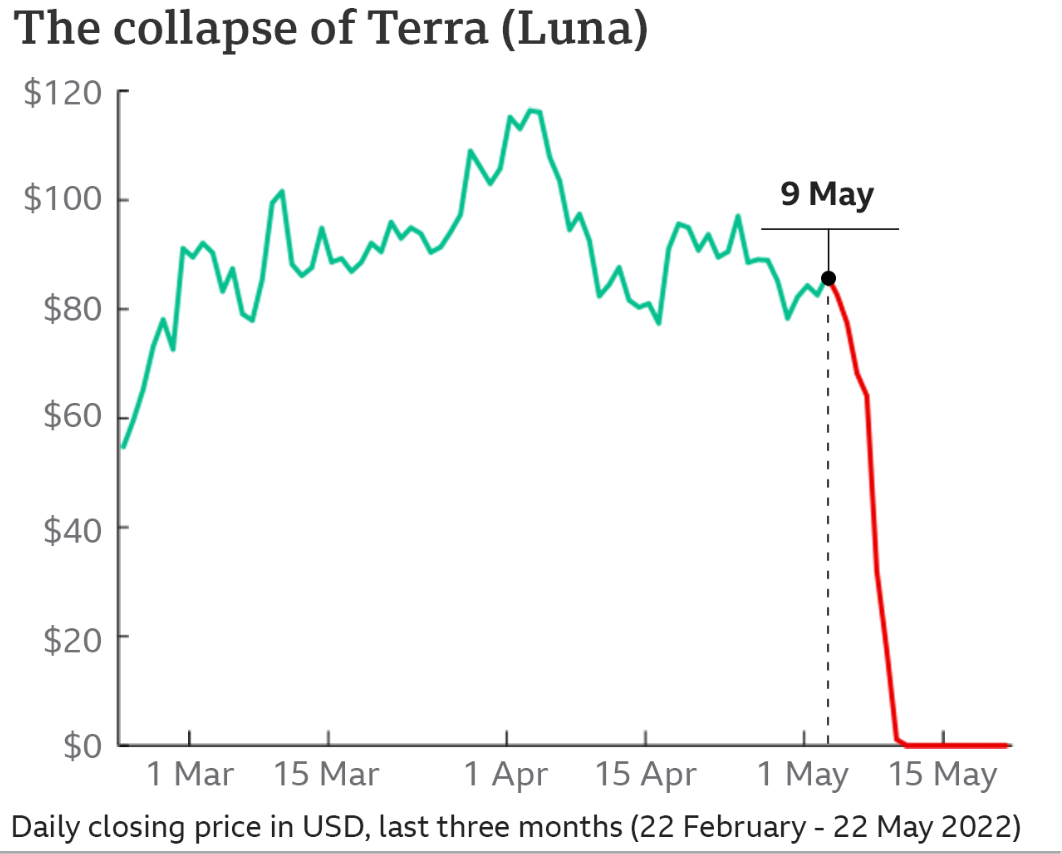
Few stories illuminate the fickle world of crypto better than that of Terra Luna, which all but imploded in May 2022. What started as a novel, audacious experiment with algorithmic stablecoins led to one of the worst disasters in crypto history. Leveraging the UST stablecoin and its companion, LUNA, the Terra ecosystem was designed to peg to the dollar with algorithmic stabilization instead of traditional collateralization.
Terra Luna reached a market capitalization of over $40 billion at its high, while LUNA tokens changed hands above $100. The project piled up monumental sums of money from institutional investors who integrated the protocol into what became a linchpin piece of the DeFi ecosystem. But it was the algorithmic stability mechanism that turned out to be its downfall. When UST lost its peg to the dollar, it set off a death spiral that caused the value of LUNA to drop from north of $100 to less than one cent in days. The failure wiped billions from market values, devastating thousands of investors and DeFi protocols, in addition to institutional players who had trusted the algorithmic model.
The Terra Luna collapse is another harsh lesson on how fortunes can flip ultra-quickly in the wild world of crypto. Investors whose portfolios had surged during the rise of the project were left with worthless tokens, and the broader crypto market saw sizable contagion. The troubles suggest the inherent risk in these sorts of algorithmic contraptions, which is to say you have to really understand how the underlying tech works before you plunk down money.
OneCoin — Messy $4.4 Billion Scam
While Terra Luna was a legitimate project that flopped due to broken mechanics, OneCoin is perhaps the most grandiose scam in cryptocurrency history. Created in 2014 by Ruja Ignatova, OneCoin was peddled as the "Bitcoin killer" that would use an innovation called blockchain to revolutionize money and deliver guaranteed returns to anyone investing in it all around the world. The scam operated as a project run on an advanced multi-level marketing platform that drew at least $4 billion from recruiting investors in about 175 nations.
It was a 360-degree, well-coordinated deception. According to OneCoin, they maintained an operational blockchain and running mining infrastructure with a groundbreaking consensus method. Investigations subsequently found that OneCoin did not at all have a genuine blockchain, mining or even an authentic cryptocurrency ecosystem. The whole operation was a well-constructed Ponzi scheme, fueled by new investor money used to pay returns to earlier participants.
The bubble burst in 2017, when Ignatova vanished, leaving a wake of financial destruction across multiple continents. The FBI added her to its Most Wanted list, and the resulting fallout left hundreds of thousands of investors — who had put their trust and life savings into what they thought was a straightforward cryptocurrency venture — reeling. OneCoin is there as a reminder that due diligence really does matter and that if something sounds too good to be true, it probably is.
Squid Game Token Phenomenon
The Squid Game Token (SQUID) was introduced in late 2021 as a play on the popular Netflix series "Squid Game." During the next few days, the value of the token soared by more than 75,000% to a high point of $2,861 as investors clamored to get in on what seemed like the next cryptocurrency success story.
But the project had one fatal weakness — which would not be exposed until after investors had poured in their money. Developers had installed controls preventing SQUID token holders from selling their holdings — essentially locking investors into a market they could not escape. Just days after the token reached its all-time high, the developers pulled one of the oldest tricks in the book: a rug pull, in which they sucked dry the liquidity pool — along with more than $3 million — and disappeared, leaving bagholders holding worthless tokens that are essentially untradable elsewhere.
The Squid Game Token situation is a prime example of how fast viral crazes can be weaponized in the world of crypto. The fervor of popular culture references, social media frenzy and good old FOMO (fear of missing out) all created ideal conditions for a very slick scam that took full advantage of investors’ excitement to be part of the latest crypto sensation.
Thodex — $2.6 Billion Exchange Exit Scam
Thodex, which was once Turkey's largest cryptocurrency exchange, is just another reminder of how quickly trust can be shattered in the world of crypto. In April 2021, the exchange suddenly halted trading due to technical maintenance. But within days, they found out that founder Faruk Fatih Özer had left Turkey with approximately $2.6 billion in user funds and more than 400,000 users were now prevented from accessing their own money.

The destruction of Thodex was especially traumatic because it sucked in users who had trusted what seemed to be a reputable, regulated exchange. A lot of users had invested their entire life savings thinking they were investing in a safe and transparent trading platform. With the abrupt shutdown, and its founder’s rumored disappearance, thousands of families were suddenly on the brink of financial ruin — their money gone, perhaps never to be recovered.
Özer was later arrested in Albania and extradited to Turkey where he faced allegations of fraud and money laundering. But the harm was already done rather than later and underscored the dangers of centralized exchanges, and even more broadly in crypto land, of having regulators standing by.
The FTX Collapse — An $11 Billion Exchange Disaster
The November 2022 FTX crash is one of the most spectacular failures in cryptocurrency history. Founded by Sam Bankman-Fried, FTX had risen to become one of the world's biggest cryptocurrency exchanges, reaching a value of more than $32 billion at its peak. The platform reportedly was supposed to hold $11.3 billion of client assets, but investigations indicated that only $2.3 billion could be justified and the rest had been misappropriated via FTX's hedge fund arm Alameda Research.
The collapse was both sudden and devastating. After the initial reports of financial improprieties, FTX filed for bankruptcy within days, leaving millions of users unable to access their money. Bankman-Fried was ultimately found guilty of fraud and conspiracy to launder money, sentenced in March 2024 to 25 years in prison. The episode undermined faith in centralized exchanges and underscored the perils of relying on third parties to safeguard crypto funds.
Africrypt Disappearance — $3.6 Billion Vanished
In 2021, the co-founders of South African cryptocurrency investment platform Africrypt, Ameer and Raees Cajee, vanished with an estimated $3.6 billion in investors' money. The brothers had first suggested the platform had been hacked, but evidence indicated it was a sophisticated exit scam. The scam left thousands of South Africans without their money — for some, it was all they owned — having invested in the "cryptocurrency" platform that seemed legitimate enough.
The Africrypt case underscored the international flavor of crypto scams and the difficulties in prosecuting crimes across more than one country. Although many have searched for the laundered funds, stolen fiat is largely unrecovered, leaving victims with no real prospects of recovery.
BitConnect Ponzi Scam — $2.4B Lost
BitConnect was a slick Ponzi scheme that ran from 2016 to 2018, making far-fetched claims about unbeatable trading algorithms and guaranteed daily returns. The platform brought in more than $2.4 billion from investors all over the world before imploding in January 2018. Its founder, Satish Kumbhani, was later indicted for fraud in 2022, but the damage had already been done.
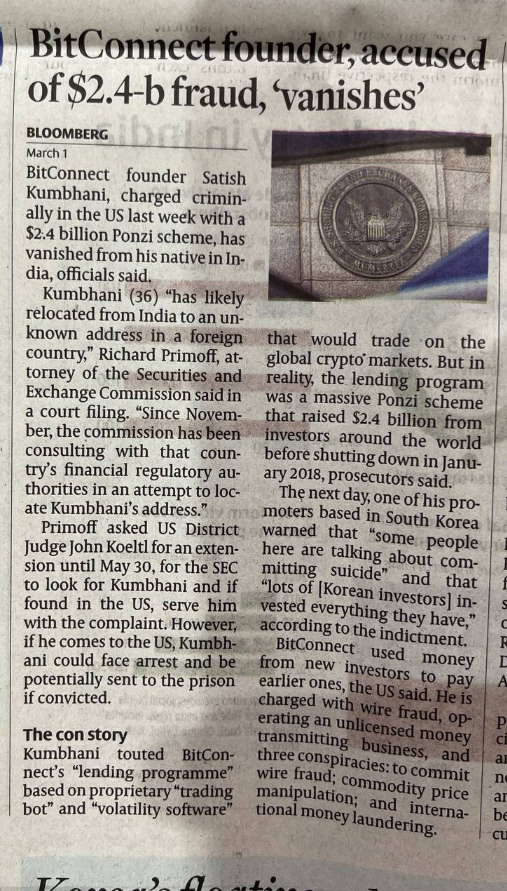
What was truly dangerous about the BitConnect racket was that it utilized multi-level marketing techniques to attract more people; the charade operated as a pyramid, depending on money from new investors to pay returns to those invested earlier. Huge numbers of investors were left holding worthless BCC tokens, with many facing large financial losses when the scheme failed.
Mt. Gox Hack — 850,000 Bitcoins Lost
Mt. Gox, which was at one point the world's largest Bitcoin exchange, filed for bankruptcy in 2014 after 850,000 Bitcoins valued at about $450 million disappeared from its platform. The theft remains among the most notorious of its kind — it was also a wake-up call for the industry on security.
Its CEO, Mark Karpeles, was subsequently arrested and accused of embezzlement and manipulating data, although he insisted that he was innocent. The Mt. Gox breach exposed the frailties of early cryptocurrency exchanges and helped pave the way for more stringent oversight of such platforms by regulators around the world.
HyperVerse Ponzi Scam — £1.5 Billion Scam
HyperVerse, also known by the name HyperFund, functioned as a cryptocurrency mining and investment business from 2014 to 2022, with users told they would receive high daily returns due to its supposed crypto mining activities. The fraud scheme is alleged to have raised approximately £1 billion to £1.5 billion in investor funds before the operation was revealed as a million-dollar Ponzi scheme that did not generate legitimate revenues.
The HyperVerse scam was especially elaborate, with professional marketing materials that made it all seem legitimate. As the scheme unraveled, thousands of investors were left holding worthless tokens with little recourse to recoup their investments.
Poly Network Hack — $611 Million Stolen
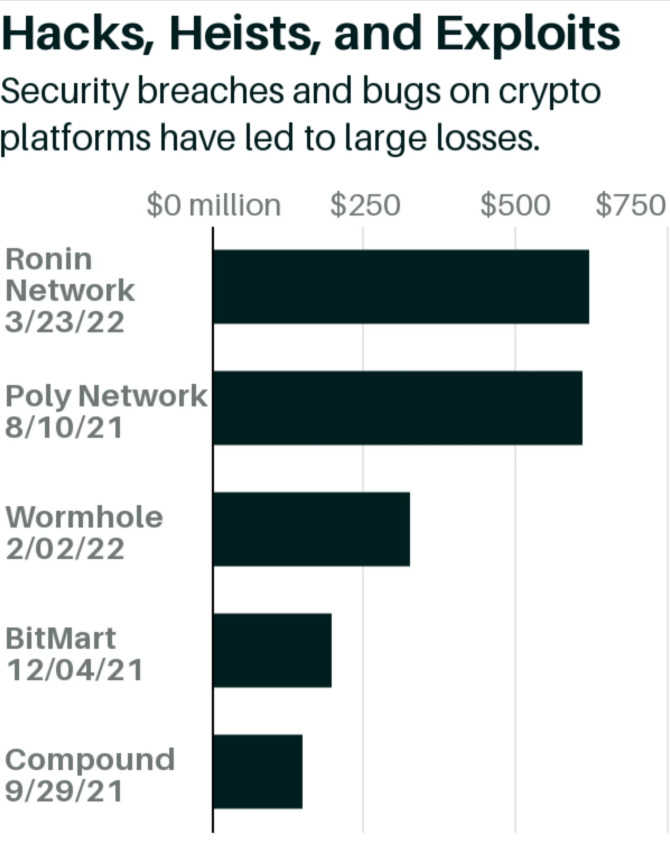
In 2021, Poly Network, a cross-chain bridge protocol, was the victim of one of the largest cryptocurrency thefts in history. Hackers took advantage of a weakness in the network's smart contracts and siphoned off $611 million worth of different crypto assets. What was interesting about the incident is that the hacker eventually returned the majority of stolen funds, saying he did it to highlight security weaknesses.
The Poly Network attack also demonstrated the vulnerabilities of a cross-chain protocol and the significance of deep security audits in DeFi. Although most of the money was eventually returned, it showed how fast millions could be looted by technical means.
Ronin Network Hack — $625 Million Gaming Platform Hacked
Ronin Network, which is linked to the popular blockchain game Axie Infinity, was hacked in a large-scale security intrusion in 2022. Hackers compromised the network's private keys and siphoned away $625 million in crypto assets. The episode raised major concerns about the security of blockchain networks associated with gaming platforms, and exposed the potential dangers of a central verification system in what is designed to be a decentralized structure.
The Ronin Network hack hurt not only its investors but also players who had poured life-changing sums into Axie Infinity's play-to-earn economy. The episode proved how weaknesses in one corner of the crypto landscape could have broader ramifications.
Pincoin Ponzi Scheme — $660 Million Gone Overnight
Pincoin promised remarkable returns to investors and recruited thousands of participants before it disappeared overnight, leaving them with worthless tokens, as well as losses of over $660 million. The scam was especially sneaky because it deployed sophisticated marketing strategies to appear legitimate — with professional websites and detailed investment plans.
Pincoin’s collapse served as a reminder of how easily crypto schemes could vanish with investor money, often leaving victims chasing after vapors for recourse. It was another example of how crypto scams have become an international plague, with victims in multiple countries.
LIBRA Token Debacle — When a Presidential Contributor Goes Wrong!
The cryptocurrency called #LIBRA had millions poured into it by the hour in February 2025, as Argentine President Javier Milei endorsed it. But after an initial spike, insiders cashed out, with as much as $250 million walking away — and the price of the coin crashed back down by more than 90%. The debacle underscored the perils of celebrity endorsements in crypto and risks associated with insider manipulation.
The LIBRA token debacle showed us how fast political figures can move in crypto markets and how exposed retail investors could be to coordinated pump-and-dump operations. The incident also fueled a debate over the responsibility of public figures when promoting cryptocurrency investments.
Risk and the Casino Mindset
Such is the unpredictable nature of the cryptocurrency market that fortunes can turn overnight. Communities such as WallStreetBets have normalized a casino-like strategy to investing, where rogue plays are celebrated and the line between investing and playing lottery tickets gets fuzzy. This gambling mindset can be catastrophic as people may lose more than what they can afford in the chase for easy money.
The problem is compounded by survivorship bias, where only success stories are highlighted, and the overwhelming failures are ignored. That creates a misleading picture of the crypto market, where success seems to be much more frequent than it really is, persuading more people to take unjustified risks with their savings.
Netts USDT Transfer — The Easy Way to Do Crypto Transactions
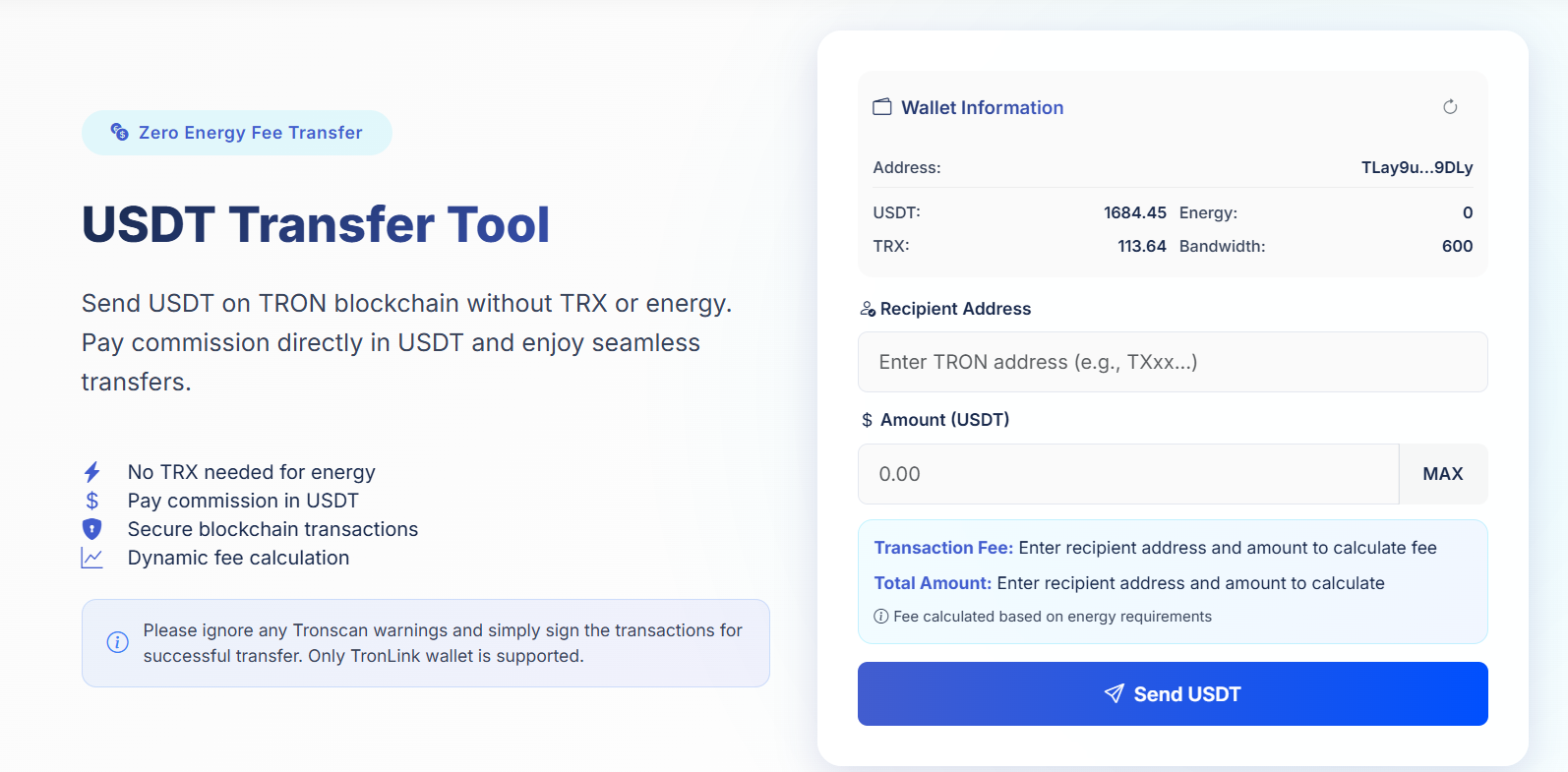
In the intricate world of cryptocurrency transfers, providers like Netts USDT Transfer provide new services to familiar problems. The service lets users send USDT via the TRON wallet without requiring any ownership of TRX, or dealing with Energy consumption issues. Instead of various tokens, just pay gas in USDT and sending transfers gets easier using only one unified token balance for all operations.
The cryptocurrency space will still produce narratives of meteoric rises and catastrophic crashes, glorious victories and crushing defeats. The potential reward is great, and so too is the risk. And the only way to traverse this tumultuous terrain is by becoming educated, exercising caution and being informed about both the opportunities and pitfalls that come with investing in this ever-growing market.