Most Creative Uses of Crypto Ever Seen
From NFT art to gaming, travel, and philanthropy, crypto keeps enabling new ways to transfer value, reward creators, and fund global action.
Check this out: someone who appears to be an anonymous philanthropist named “Pine” made known that they were donating over $55 million in Bitcoin to dozens of causes around the world. Not the way payment comes now — via traditional banking with all its delays and fees but in one fell swoop directly over the blockchain, transparently, efficiently, upending banking as we know it. It wasn’t just a generous act; it was a vision of how cryptocurrency could spin giving into an entirely new form.
Money, one way or another, can be the dullest thing in all the world to spend: paying bills, buying groceries, filling your car’s tank. But cryptocurrency has achieved something remarkable: the power to spend imaginatively (and not just beyond established financial systems’ worldly habits, but sometimes even beyond their ideas about what is valuable or worthwhile).
Art Revolution That Rocked the World
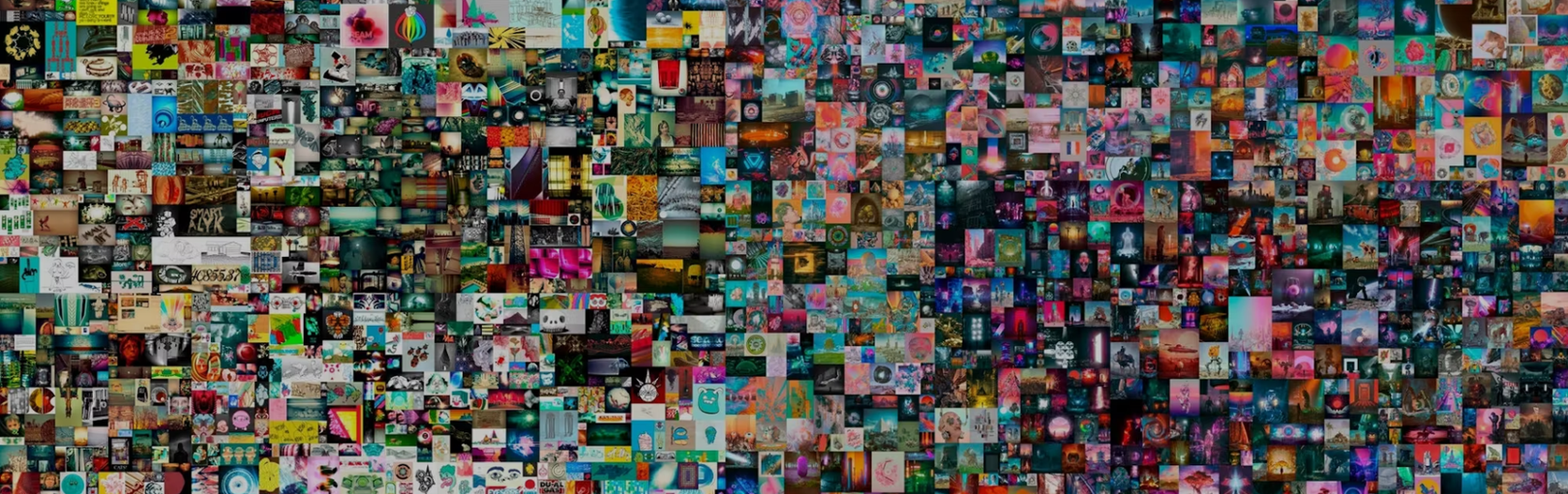
Just last month, a digital artist who goes by the name Beeple sold a set of 5,000 consecutive pieces as an NFT at Christie’s auction house for the record price of $69.3 million. This was more than mere record-setting: it was a tectonic shift showing that digital art could be revered and valued like the classical paintings hanging in museums around the world. The buyer, Vignesh Sundaresan, paid only in cryptocurrency, and it is one of the costliest crypto buys to date.
But there’s more to it than the story ends there. This one sale was the kick-off of a revolution where artists from all over the world would begin tokenizing their art. All of a sudden, one could sell a digital painting of an alien-like, pixelated character for thousands of dollars or a GIF of a dancing cat as an asset worth well over seven figures. The crypto market provided something genuinely new: a way for digital creators to monetize their work without intermediaries — no galleries, no agents, none of the gatekeepers of the real art world.
The implications were profound. Financially struggling artists were suddenly making more off a single NFT sale than they had in years of selling their work the traditional way. Collectors realized that they would be able to own unique digital assets which couldn’t be copied or counterfeited. Unafraid of tech anymore, the art world got giddy over what blockchain technology could offer.
Digital Currency Inspired Royalty Crypto and Space Travel
Richard Branson's commercial spaceflight company, Virgin Galactic, garnered attention when it began accepting payment for tickets to spaceflights in bitcoins. Imagine being able to book your ticket into space with the same digital currency that you use to buy coffee — well, that was made possible. This wasn’t just a marketing gimmick; it represented a tectonic change in how we handle high-value transactions.
With tickets costing hundreds of thousands of dollars each, the space tourism business viewed cryptocurrency as a safe and convenient way to receive payment. Ordinary banking could never have handled such large, worldwide transfers efficiently. Early adopters who had gambled on cryptocurrency suddenly could afford experiences that once lay beyond their grasp, and Virgin Galactic discovered a new cohort of potential customers: tech-adept adrenaline junkies.
This willingness to entertain even crypto as an option for space travel has pried the door open for other high-value experiences. Luxury hotels began accepting Bitcoin payment for luxe packages, private-jet manufacturers incorporated crypto payments into their sales process and even a few fine-dining restaurants added it as a payment option. The message was clear: If you could buy space travel with crypto, you could buy anything.
Gaming Economy That Upended Everything
The emergence of play-to-earn models facilitated by cryptocurrencies shook the games universe in a big and unexpected way. Games such as Axie Infinity had given rise to virtual economies where players could earn real money by playing, breeding and trading digital creatures. In countries like the Philippines, where there are few traditional job opportunities for young people, players could actually earn more money gaming than they could in much of the real world.
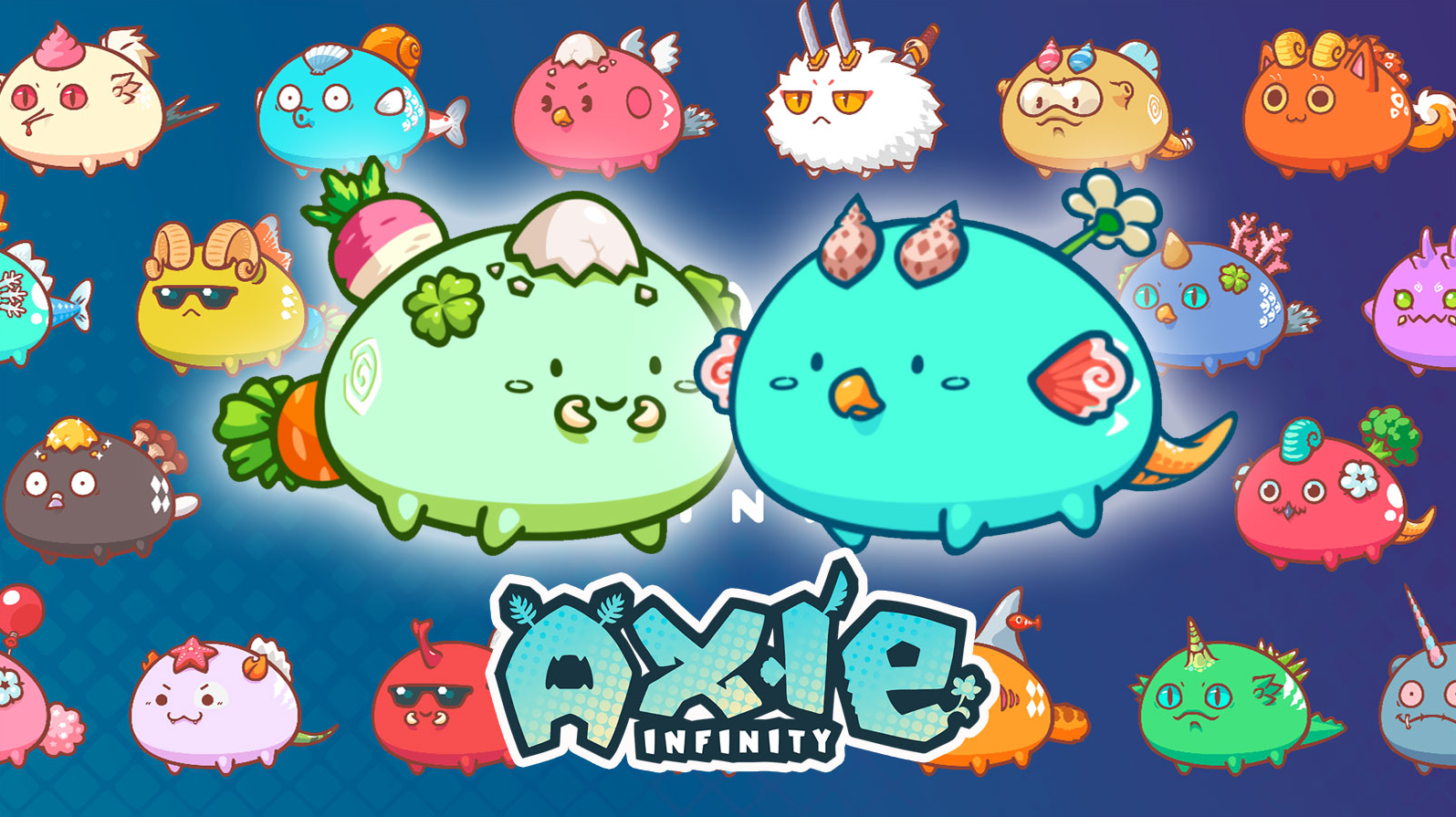
The explosion of Axie Infinity was remarkable. Players would purchase digital beasts — the Axies — with cryptocurrency and then use them to battle others or complete quests. If they won the game, players received their prize in Smooth Love Potion (SLP) tokens, which could be cashed out for actual money. A handful of players were earning hundreds of dollars a month — enough to turn gaming from an avocation into a vocation.
This type of model spread through the gaming universe. More games began to adopt similar approaches, and whole economies developed in which virtual achievements had real world value. The crypto scene had birthed something that never existed before — an opportunity for the gamer in the world to monetize their game skills and time-investment, independent of traditional employment models.
Philanthropic Revolution That Wasn’t Managed Through Bureaucracy
Traditional large donations to charity go through a chain of intermediaries, and each takes a cut — your actual donation size suffers after everyone’s had fees and expenses too. Enter cryptocurrency, which turns this paradigm on its head by allowing you to give directly and transparently — no middleman necessary — ensuring that more money ends up in the right hands. The Pineapple Fund was just the beginning of this revolution.
Bitcoin donations offered several advantages: They could be made instantly, knew no borders, while being transparent and traceable via blockchain; they excluded most fees associated with traditional banking systems. Entities like GiveCrypto were just giving it directly to those who needed the help, and not using traditional paths of aid distribution at all.
This direct approach becomes even more valuable in a crisis. During emergencies like natural disasters, or humanitarian crises, the cryptocurrency funds could be campaigned for, collected and spent immediately. Donors were able to see precisely how their donations were being used, which built trust and drew even more people who wanted to donate. The world of crypto had built a faster, and most importantly, more transparent system than anything else available.
Travel Revolution That Was All in Your Mind
Cryptocurrency entered the travel mix, and international trips were more affordable than ever. Companies like CheapAir and Destinia have accepted Bitcoin as a way to pay for flights, hotel rooms and car rentals; consumers who wanted to use the cryptocurrency while traveling had a viable new option that was safe and easy.
This was of particular value to travelers from currency-fluctuating or unbanked countries. Cryptocurrency presented a reliable, globally accepted means of payment to pay for anything from anywhere on earth. Whether travelers were in Dubai or Colombia, they could book rooms to stay in and flights to get there and things to do once they arrived all by using a single unit of value without having to wonder if the local economy was going off the rails.
There were still travel services that offered lower fees and faster processing with crypto integration in place than they did for the conventional payments. Cross-border money transfers that might take days to clear through the banking system would complete in minutes with digital currency. Here, after all, was something the crypto market had made to support easier exchange and travel at any time in history.
Revolution in Content That Rewarded Its Creators Directly
On platforms like Steemit, they threw the traditional content model out and encouraged users by paying contributors in crypto. Unlike the traditional media set, which monetizes user time and attention without sharing a cent of that wealth, Steemit actually rewarded its users for good posts.
It gave artists the ability to monetize their work in a way that was less centralized. Guides, photographers and artists might be compensated with cryptocurrency that could then be converted into other currencies or sold. It offered an incentive for quality content creation, a highly engaged, community-driven ecosystem in which engagement would accumulate into defined value.
The consequences were wider still. The service pioneered a new economic model for online content distribution that paid creators directly from their audience instead of through ads. This was the move that democratized monetization on content in a way that enabled creators of all kinds to make money from their work, with no need for permission from traditional publishing gatekeepers.
Augmented Reality Revolution
Start-ups such as Blendar wove cryptocurrencies into augmented reality platforms, plunging users into immersive realms where they could earn digital tokens and then spend them while inside the virtual gaming worlds. This blending of blockchain tech and AR was said to be a new frontier of user engagement; a revolution for the way they are entertained, marketed to, or interact with others socially.
Via AR apps, they'd wander around real-world spots to earn some crypto for visiting landmarks or finishing challenges or interacting with virtual content. The tokens would later be exchangeable for virtual goods and perks, or to trade in for other cryptocurrencies. The market for cryptos had come up with a new conceptual framework for how people can link digital and physical experience.
This also created fresh potential for businesses and marketers. Businesses might create AR experiences that paid users crypto for engaging with their products or services. This solution is shaping new concepts of loyalty and introducing users to cryptocurrency through entertainment.
Creative Applications of Tomorrow
And peering into the future, even more uses for digital currency are popping up. From VR experiences that reward users with crypto for moving around in virtual environments to social media platforms that compensate users whose data it lifts, the use cases seem to be endless. The crypto market is demonstrating that it can create a whole new set of economic models and modes of exchanging value.
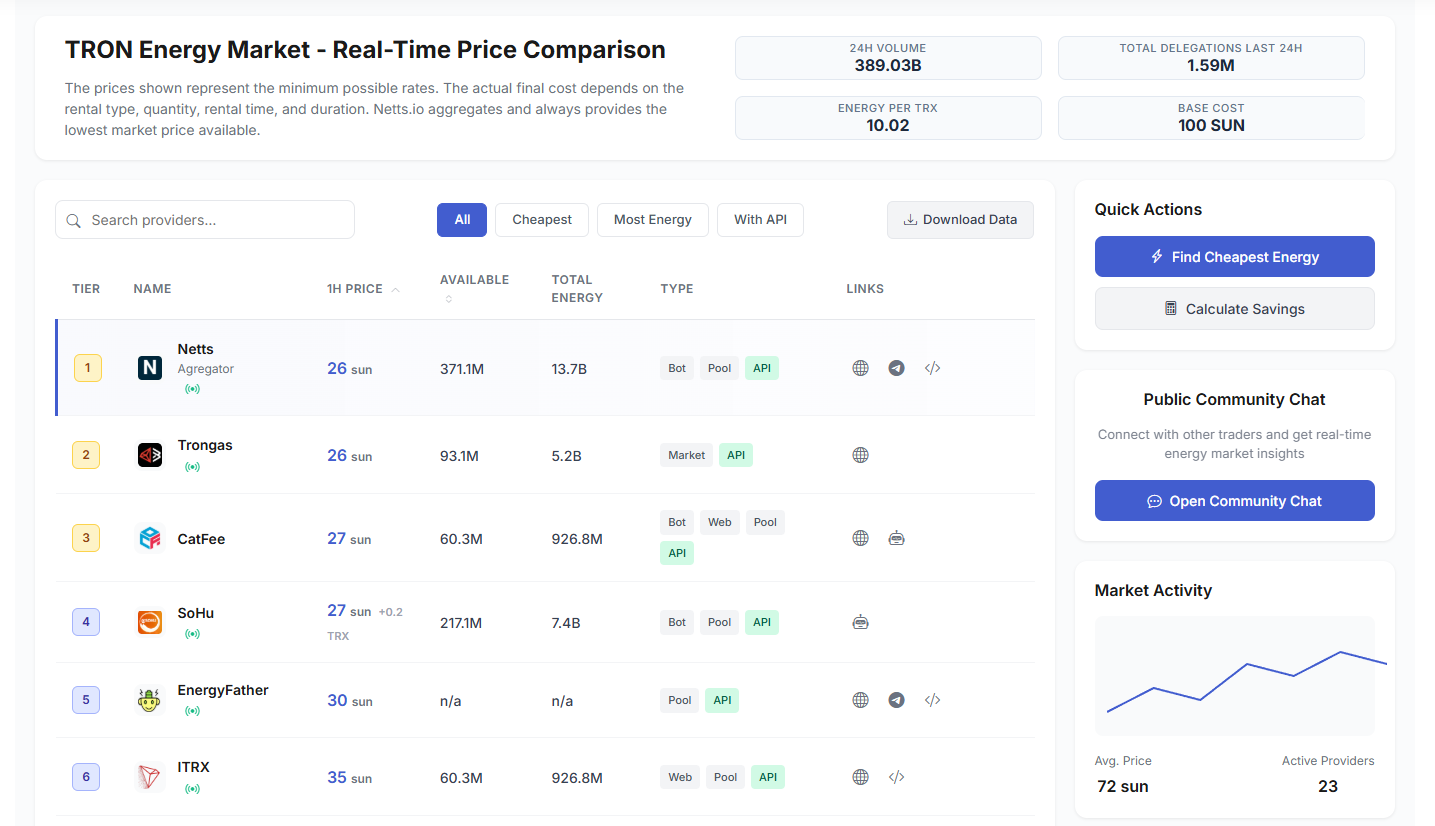
What makes cryptocurrency so absolutely world-changing, though, is the way it disintermediates intermediaries and connects parties directly to each other. Whether it's museum-quality art selling directly to private collectors or energy distributors providing consumer services, cryptocurrency allows the transfer of value without a whole bunch of middlemen and gatekeepers.
The range of creative applications we’ve documented — from space travel and art auctions to Energy exchange and gaming economies — made possible by cryptocurrency suggests that it is not merely a new kind of money, but more radically still, an entirely new way to think about what money can be. It’s a lever of imagination, creativity and innovation that few traditional financial systems can compete with.
Magic of Discovery in Crypto
There is one thing that becomes clear from all of these examples: cryptocurrency has the potential to alter not just our attitudes toward money, but how we see the world. It paves the way for new cooperation, new value creation and new human interaction. Crypto has acted as a petri dish for the experimental, where visionary entrepreneurs and open-source developers dream up new economic models and social architectures.
It’s not just about technology at this point: human imagination and creativity are on the line. The building blocks are cryptocurrency, rendered magical by countless people who have chipped in to produce applications that astound. From silent philanthropists donating millions to artists selling digital masterpieces for record amounts, the crypto market has allowed mere mortals to do things that many had never thought possible.
Future of Crypto Innovation
And as we continue to push the boundaries of what cryptocurrency can do, we will likely encounter even more creative applications for it. From VR economies to decentralised social networks, outsourced AI research-networks to tokenized IP, from distributed ledger voting systems to self-driving robo-taxis – the innovation will be as wide and varied as our collective imagination.
Crypto isn’t just a financial product, the markets are an ecosystem for new ideas and creators. Here, new potentials of value creation become feasible, new ways to coordinate human action are opened up and radical alterations in how formerly unattainable goals can be made attainable.
The value in cryptocurrency isn't just in its technical power of consensus algorithms, cryptography and distributed infrastructure, but in our collective capacity to imagine and build a better world. It’s a tool that makes it possible for people to reimagine the nature of money, value and human potential. In a world where ancient institutions tend to seem forever fixed and unchangeable, cryptocurrency is an indication of what can occur when we combine technology and imagination. That's why we at Netts created Netts Energy Market — so you can always figure out easily where to buy TRON Energy at the lowest price — from the safest platforms on the internet: