Is Cryptomining Dead Already?
Mining is squeezed by halvings, power costs, and rules — yet scale, renewables, and network security keep the story alive.
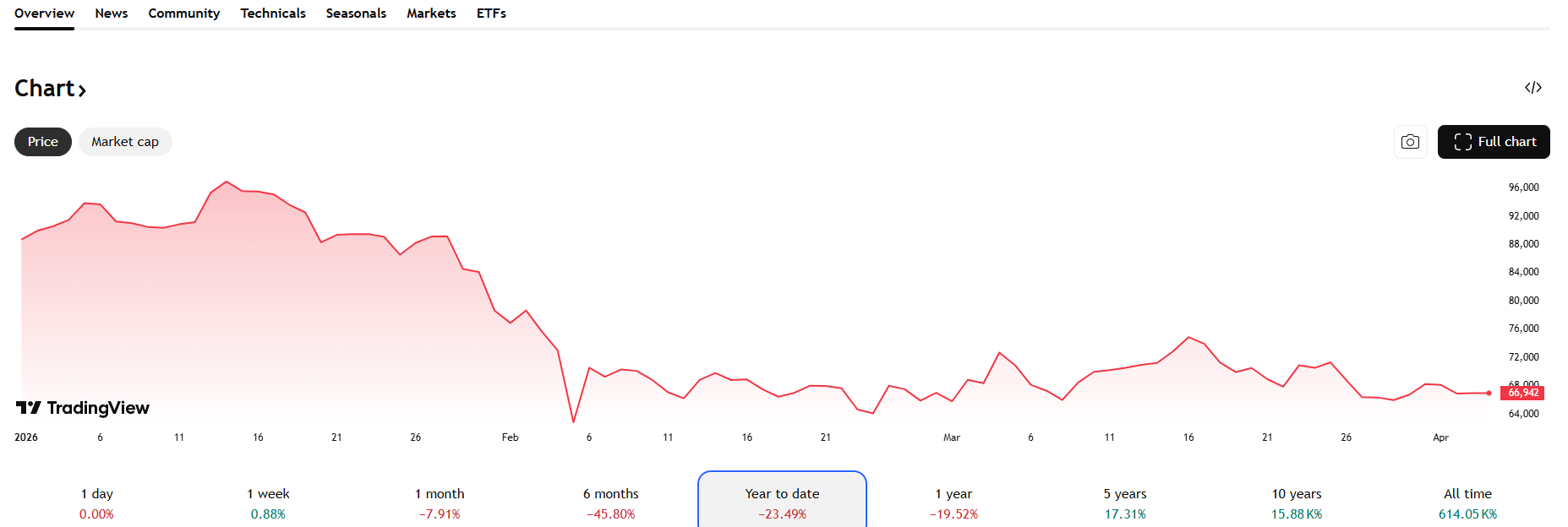
Make no mistake — the mining of crypto has seen better days. It's the trifecta of falling prices, increasing operating expenses and the looming threat of more oversight that have some wondering if cryptomining has had its swan song. The numbers tell a harrowing story that even the most bullish investors might find hard to ignore.
Impact of Recent Market Crashes
It has been a year of record-breaking highs and lows for the cryptocurrency industry as a whole, mining companies taking the hardest of hits. Bitcoin miners lost an estimated $6 billion in market capital in a single sobering month of March that signaled a clear shakeup across the business. The market crash in September was even more brutal, with over $17 billion being liquidated as the total market capitalization nosedived to its historical lows.
October was particularly brutal, dragged down by geopolitical tensions and aggressive trade policies that included 100% tariffs on Chinese imports. Bitcoin fell from $122,000 to below $102,000 in just a few days and Ethereum was crushed as much as 30% within the same time. These violent moves resulted in around $19 billion worth of leveraged position liquidations at crypto derivatives exchanges, fomenting into a financial shockwave that reverberated throughout every inch of the mining landscape.
Big miners such as Marathon Digital Holdings (MARA) have seen their stock collapse, because the same thing that is driving Bitcoin's value down - its declining profitability to mine and lesser on-balance sheet value for those holding it - are taking a toll on these companies. Mining, once a boom industry, now has the look of a graveyard full of abandoned operations and bankrupt businesses barely managing to keep their heads above water.
The Operational Costs Grind
The economics of mining have grown increasingly cutthroat. The April 2024 Bitcoin halving saw block rewards drop from 6.25 BTC to 3.125 BTC, slicing miners' revenue in half during that same period. In the meantime, mining difficulty has shot up to 113.76 trillion at block 890,637, making it so only the most efficient operations will be able to hold on.
Miners in particular, optimization has become the name of the game since energy costs have determined everything and that means a geographical divide with far-reaching consequences for everyone. Miners in high-cost contexts such as the US must pay more than $0.10 per kWh of electricity and have trouble breaking even. Rather, operations in the Middle East and Central Asia enjoy subsidized rates as low as $0.035 to $0.07 per kWh - leaving a lopsided playing field that has seen many Western miners exit the industry altogether.
Bitcoin mining's environmental consequences are acute as well, with Bitcoin mining responsible for 60 to 75 million tons of CO₂ annually. Some mining farms have even resurrected shuttered coal and gas plants to gain access to power, in a reversal of years of progress toward decarbonization, and faced sharp criticism from environmental groups and regulators.
Regulation Clampdown — End of an Era
Governments from all over the world have waged war against crypto mining, issuing some of the strictest laws that outright prohibit operations. Kazakhstan has levied a consumption tax of $0.05 per kWh, and Canada has simply preemptively banned miners from accessing the grid. These have made the regulatory climate so negative that many companies end up leaving or moving to another (more friendly) jurisdiction.
Publicly listed mining companies now also have to contend with the terrible complexity of lugging their Environmental, Social and Governance (ESG) reports into the realm of quarterly earnings disclosures - a rare trick that will add millions in compliance costs, shaving even more off profit margins. We've created a regulatory environment that is so burdensome and expensive to navigate, only the strongest (largest and best-funded) wolves can remain in compliance.
Crashing prices, sky-high costs and hostile regulators have made cryptomining a hell on earth in 2024. The industry that was supposed to change the world, and place it on a path of financial liberation no less, has become little more than an afterthought for yet another failed technology venture.
Hardware Shortage and Supply Chain Disruptions
Compounding challenges for the industry is a global semiconductor shortage which has led to a perfect storm of rising mining hardware costs. The best-performing ASIC mining units that, just a few years ago, were removed from circulation for $2-3K can now sell for more than $8K (or even $12K) partly as chip shortages worsen and datacenters and AI businesses have to make their presence felt. The volatility of Bitcoin and the resulting inflation of prices have made it nearly impossible for new miners to justify entering the space given that existing mining operations cannot even cover their hardware upgrade costs in a matter of years.
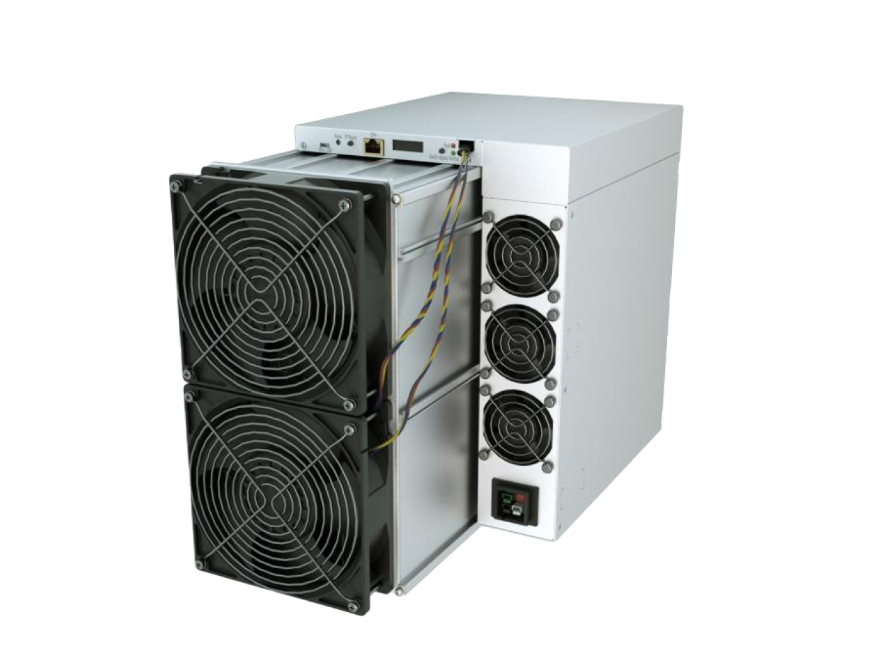
The problem is made worse by the fact that many mining companies are stuck with long-term contracts for hardware which may well end up as yesterday’s kit before it earns any money. And with the rolling progress of mining tech, companies running hardware even just a generation behind are left at a major disadvantage compared to those operating current-generation machinery investments.
Mining operations also face more pressure from environmentalists, and some groups have successfully pushed for moratoriums on new mines in certain environmentally sensitive areas. Together, public pressure and regulatory restraints, and the cost of meeting environmental guidelines in some places are imposing new barriers to entry and operation that not all companies can scale.
And Yet History Is on Crypto's Side
But for everyone who says cryptomining is dead, the naysayers seem to forget what a phenomenal track record the industry has when it comes to becoming antifragile. The cryptomining industry has survived so many depressions, yet having a greater returns structure after that. The current crisis, though grim, is not without precedent in the annals of crypto.
In the 2018 bear market, Bitcoin's price fell by more than 80 percent but miners were consistently adding new machines to its network, which is a sign that they believe in the long-term future of the technology. We've seen this repeat with each major market correction, where the network comes back even stronger and more decentralized after each crisis.
The mega-projects in the mining sector seem impervious to market shocks. Entities like Marathon Digital Holdings not only managed to survive previous crashes but leveraged them as opportunities to broaden their business and bolster their operations. These giants of industry have pumped billions into AI infrastructure and other tech that can help prevent losses from mining, but also provide other streams of revenue to keep companies afloat during market downturns.
Innovation Machine That Wouldn’t Stop
In fact, the current crisis has sped up innovation in mining. Miners are investigating new cooling technologies, waste heat recapture in industrial or residential settings and demand-response programs which would allow them to take their operations offline during periods of peak grid demand for financial payment. These are not only designed to lower the production costs but also to enhance and offer social and environmental sustainability of mining operations.
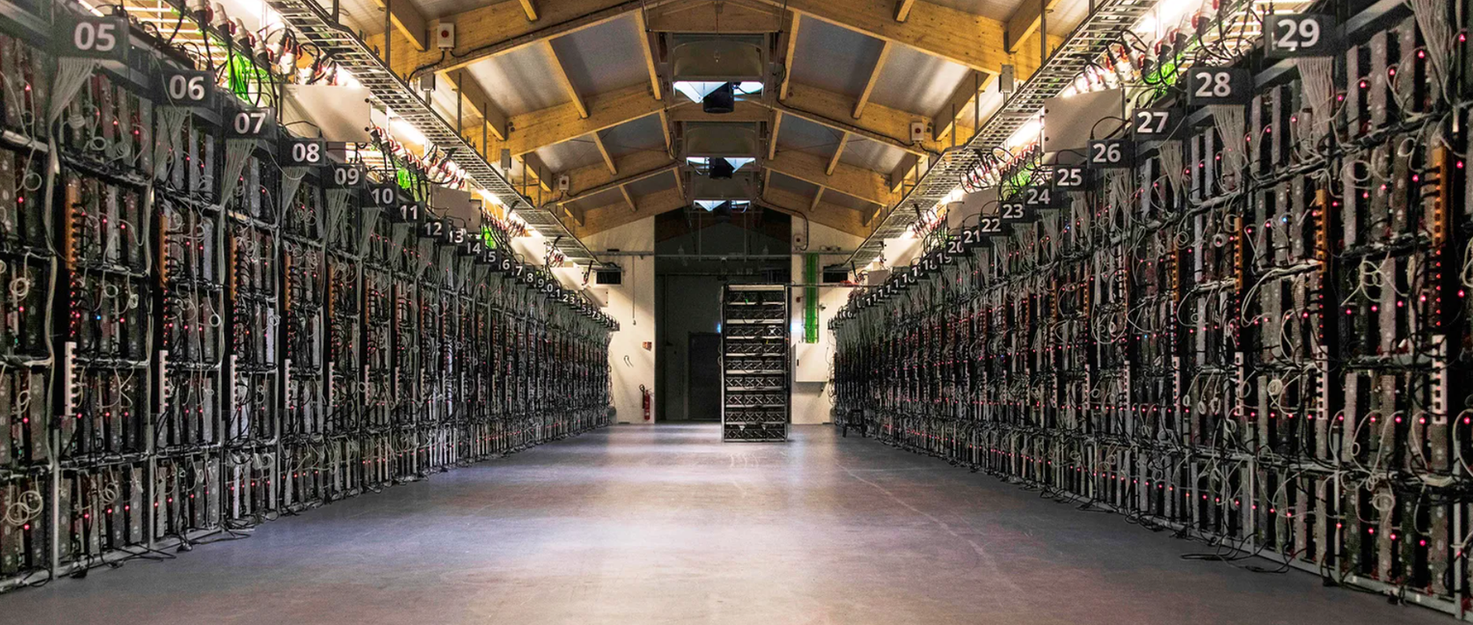
There is also an increasing trend towards the use of renewables in the industry. Mining is also shifting to Iceland, Norway and Canada where operations are getting more of their power from geothermal and hydroelectric sources, cutting dependence on oil and gas as well as addressing environmental issues. This move to green energy has not only helped improve the environmental impact of the industry, but has also opened new windows for profitable business in areas with high renewable resources.
Geographic dispersion of mining has also made the network more rugged against these attacks. With operations strung across various countries and even continents, the network is less susceptible to complaints or enforcement from any single country. This decentralization has turned out to be the greatest strength of this industry, enabling it to fight back and live even in hostile regulatory climates.
Enter the Era of Institutional Mining and Corporate Endorsement
Some of the biggest changes on the mining scene in recent years has been major corporations and institutional investors entering the space. In fact, companies such as Tesla and MicroStrategy, along with several pension funds, not only bought Bitcoin but they started their own mining operations or signed contracts with existing miners. This institutional participation brings a degree of stability and funding that has been sorely missing in the market.
These corporate miners come armed with advanced risk-management strategies, access to cheaper capital and the capacity to stomach short-term volatility that would send a smaller operation under. Their presence also provides much-needed legitimacy to the industry, and goes a long way in attempting to alleviate some of the regulatory concerns that have dogged smaller, less transparent operations. Publicly traded companies with good balance sheets and management professionals have changed the risk profile of the mining industry.
Even more, the mining industry has enabled new revenue streams and risk reduction mechanisms to be integrated with other activities. So mining companies that also do anything else (datacenter operations, AI computing, mining in a renewable energy project etc.) can try to optimize across multiple revenue lines and not rely as heavily on cryptocurrency prices only.
Market Cycles and the Advantage of a Crisis
In history, downturns in the market became strategic moments for miners who can buy hardware at lower cost and secure good contracts with electricity. This time around is no different and you'll find that the more seasoned operators will see the low prices as an opportunity to grow and do so at some of the most favorable entry levels in years.
The foundation upon which the network security is laid hasn't been affected; proof of work still works exactly as it was intended. The recent price fluctuations had not put the network's transaction processing capacity or security guarantees in any danger. This resilient technical foundation suggests a base for the industry to eventually recover upon.
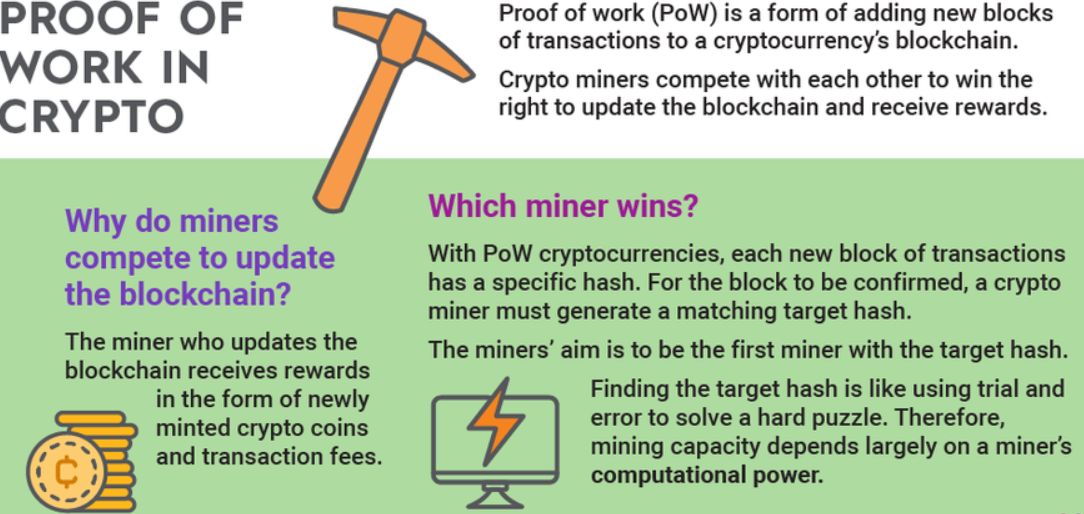
Regulation is clearing up in multiple jurisdictions as well. Though reluctant to act, the SEC's Division of Corporation Finance has made it clear that Proof-of-Work mining is not subject to federal securities laws, giving American miners regulatory clarity at a much needed time. This kind of regulatory certainty has historically paved the way for major development and investment in the mining industry.
Future is For the Prepared
The present crisis had prompted a process of natural selection that could only serve to make the industry stronger. Only the most efficient, well-capitalized and forward-thinking operations will be left standing, resulting in a healthier and more sustainable mining ecosystem. This cycle of consolidation and rationalization has happened following every major market decline, and every time it did the industry came back better resourced and more efficient.
The underlying need for Bitcoin and other cryptocurrencies appears to expand based on institutional interest as well as developments in technology and the growing adoption of these assets within traditional financial markets. This bedrock need serves as the bedrock of long-term prosperity for the mining sector, regardless of short-range market fluctuations.
As painful as the current crisis is, it's a long overdue shake-up that will make redundant inefficient operations and reward those who have built viable, innovative mining businesses. The industry that comes out the other side of this crisis will be more efficient, more environmentally responsible and stronger than ever before.
Revolution to Evolution — Technology in the Past, Present and Future
Turning aside from the current market mayhem, there are a few long-term tech trends that could work in favor of the mining industry. The digitalization of world finance, the need for decentralized services, and the extension of blockchain tech to more areas are all indicators that mining will be in demand even further into the future.
Improved mining algorithms and hardware have reduced the associated costs of operation while creating profitable mining at lower cryptocurrency prices. Recent improvements in chip hardware, cooling systems, and power management are driving the generation of mining devices which are much more efficient than past generations, which lowers how much energy is needed for a unit of computational work.
Furthermore, the emergence of AI and machine learning for mining have provided new options to optimize and improve. Smart mining machines are now capable of independently responding to electricity price, network difficulty and even market, automatically switching on and off and achieving maximum profits while lessening environmental impacts. These technological breakthroughs guarantee that there will always be evolution and improvement in the mining industry, regardless of current market conditions.
Global Economic Environment and Long-Term Value Proposition
Indeed, the economic conditions that we find ourselves in today with high inflation, devaluation of currencies and geopolitical instability only reinforce the long-term case for Bitcoin (and cryptocurrencies) going forward. Now, as conventional financial systems come under growing threat, the very attributes of cryptocurrencies that make them susceptible to abuse - decentralization and censorship-resistance - become more valuable, not less. This primary value proposition guarantees constant demand for the security and decentralization that mining brings.
The increasing use of Bitcoin as a store of value, for both retail and institutional investors, is creating a long-term demand base which underpins the mining sector. Unlike speculative bubbles that burst and the demand collapses as a result, the real economy's demand for Bitcoin is accelerating - and use cases are growing in importance - alongside signs of weaknesses in traditional financial systems. This pent-up demand is therefore the basis for a sustainable future of the mining sector.
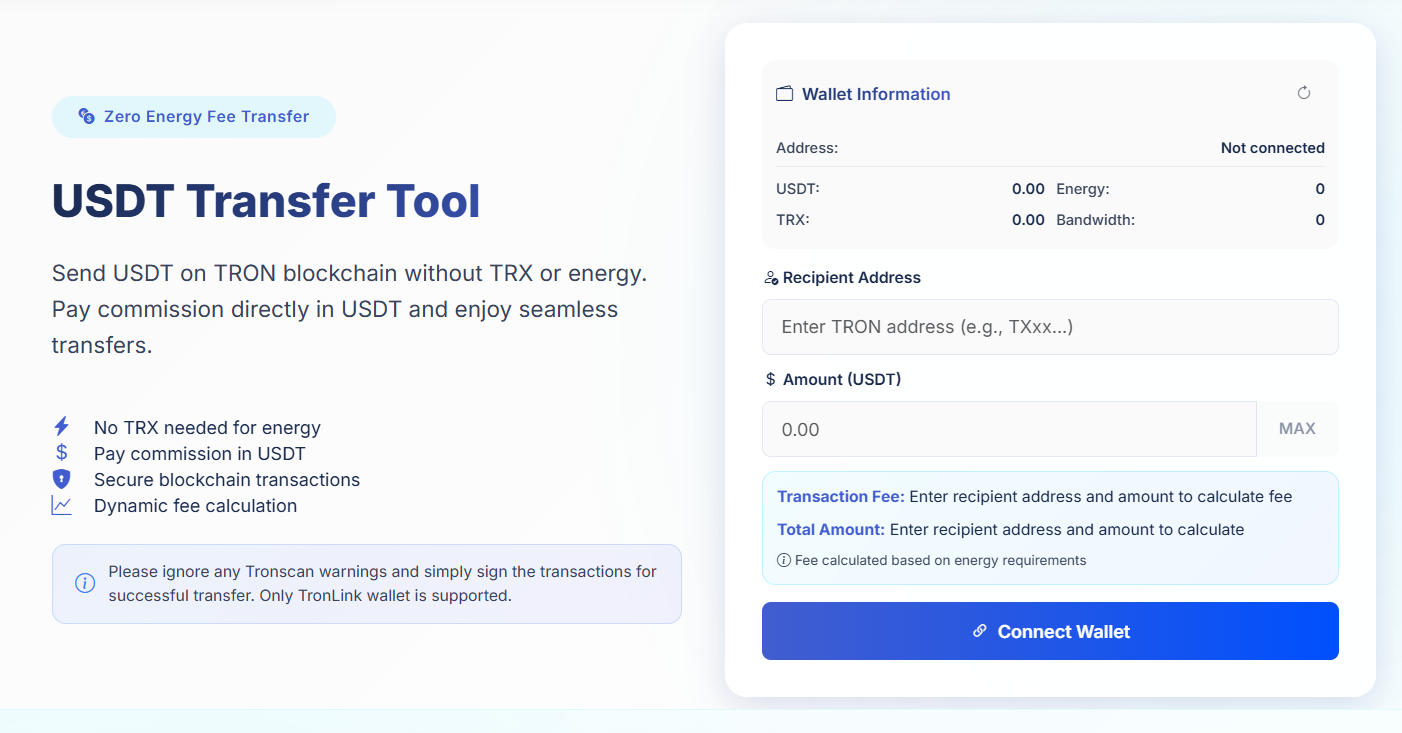
For such trading parties, solutions like Netts' USDT Transfer Tool provide a simple means to transfer USDT on TRON's blockchain without the requirements of TRX or Energy. This groundbreaking solution offers the possibility to pay commissions directly in USDT, removing the headache that comes from having to rent Energy or own TRX simply in order to move USDT. This convenient tool provides secure, fast and fee-free TRC-based transactions making it simple to transfer USDT across the TRON network.