Hoarding Gas Tokens for Future Profit: Scalpers of Crypto
Gas token hoarders profit from blockchain congestion by cornering Energy markets. Learn how scalpers manipulate TRON and Ethereum gas prices.

No one has ever said that they like scalpers. The gamers' wounds from each new flagship Nvidia release are still healing, since bots manage to snatch the graphics cards faster than people can click their fingers. The sneakerheads' dislike for scalpers who take up limited drops a few milliseconds after a release is without limit. Whether it's Supreme, PlayStation 5 consoles, or concert tickets, the situation is always the same: someone puts themselves between you and the item you need not because they want it, but because they know you do; they store up the supply, raise the price, and make a profit from the artificial scarcity.
Currently, individuals who think the same way are aiming at something less physical but no less important: gas tokens. These are the resources that enable blockchain transactions, the fuel you need in order to transfer money, carry out smart contracts, or interact with decentralized applications. Just as GPU scalpers used to camp outside Micro Center at 3 a.m., so too are gas token hoarders betting that when demand rises and the supply decreases, the profit will be worth it.
The point is that gas tokens are not physical items with a limited number produced. Instead, they are created by blockchain protocols, traded on open markets, and are affected by factors which make them both easier and harder to corner than a pair of Jordans. In some cases, holding onto gas tokens has proved to be highly profitable, while for others it has been an expensive lesson in the way that markets incorporate speculation sooner than you realise.
What Scalping Actually Means
Scalping involves carrying out arbitrage based on time and information asymmetry. The scalper does not create any value; instead, they notice the difference between the current price and the future price, take a position based on that difference, and then collect rent when the market adjusts to the new price.
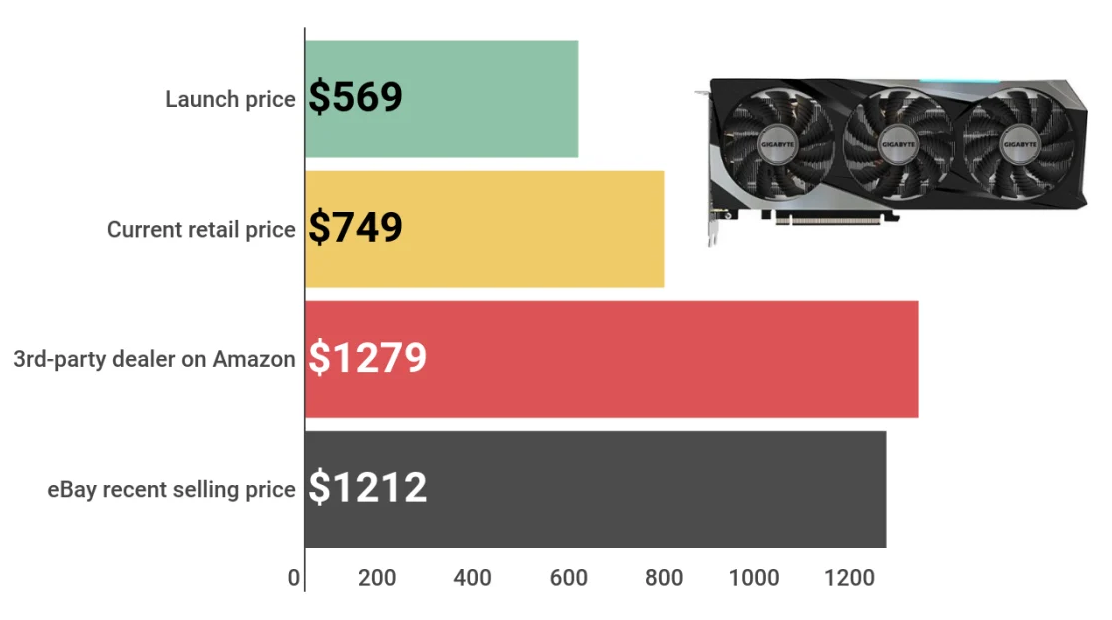
GPU scalpers know that Nvidia will sell out within a minute and that gamers will end up paying twice the price rather than wait. Sneaker scalpers know that limited editions create artificial scarcity and that collectors will therefore pay premiums. Domain squatters know that businesses need the .com version of their brand name and will therefore pay thousands in order to avoid a trademark dispute.
People who hoard gas tokens work on the same principle: they gather up the resource when it is cheap and abundant, and then sell it when demand rises and users are left with no option but to pay the high prices. You are not producing anything at all; instead, you are acting as a necessary intermediary and charging people for the right to do so.
In the case of crypto the mechanics are simpler since all aspects can be programmed. A holder of gas tokens can automate the process of building up their holdings, set up sale triggers, and carry out these actions on a large scale using bots which never stop working. As the barrier to entry is lower the market becomes more efficient and it thus becomes harder to find profitable opportunities.
What Gas Tokens Actually Are
The amount of gas represents the computational cost associated with carrying out a transaction on a blockchain; all actions—such as sending tokens, swapping on a decentralised exchange, or minting an NFT—require the use of the network's resources. Miners or validators carry out these transactions and are paid in the form of gas fees. The higher the level of congestion on the network, the greater the fees become.
On Ethereum you pay gas in ETH, on Binance Smart Chain you pay in BNB, and on TRON the situation is different. Rather than having the tokens burned directly, you can rent Energy and Bandwidth— the resources needed to carry out transactions. In that case, if you do not have sufficient Energy, the network will burn your TRX to meet the cost, and this proves to be expensive. However, if you stake your TRX or rent Energy in advance, you end up paying a great deal less.
It is in the rental market that hoarding takes place. In 2026 the rental rates offered by TRON Energy varied between 26 and 100 sun per unit according to network demand. Renting out the Energy was usually 60 to 80 percent cheaper than allowing the network to burn your TRX. The arbitrage opportunity lies in the difference between the rental rates when demand is low and the burn rates when demand spikes.
A person who hoards gas tokens on TRON would stake a large number of TRX in order to obtain Energy, and then rent out that Energy to people who need it. If demand increases—for example, if a major decentralised exchange launches or if a memecoin causes a rush of transactions—the prices for rentals go up since everyone needs Energy at the same time and burning TRX becomes extremely expensive. The individual who had built up their Energy capacity during the calm period can now charge more.
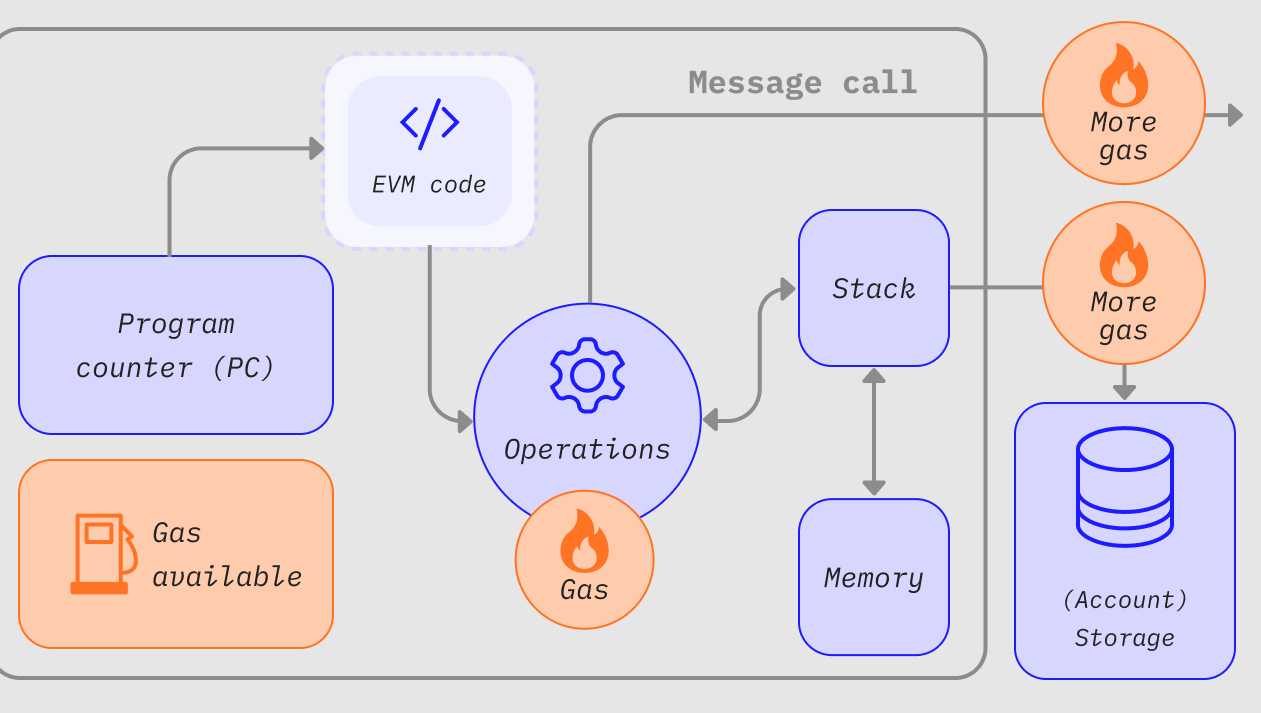
On Ethereum the equivalent approach made use of gas tokens such as GST1 and GST2, which were smart contracts enabling you to create tokens when gas prices were low and destroy them to get a refund when prices were high. This system worked very well until EIP-3529 in 2021 weakened the gas refund mechanism, which made gas tokens economically unviable. As a result, those who held large amounts of them lost the majority of their value all at once.
Domain Squatting Parallel
Domain squatting is perhaps the closest example of gas token hoarding apart from in the field of crypto. In the 1990s, investors realised that every company would eventually need a website and that domain names were cheap, so they registered thousands of them. Business.com was sold for 7.5 million dollars in 1999. Pizza.com fetched 2.6 million. Voice.com was sold for 30 million in 2019.
The mechanics are almost the same. You should register the asset when it is undervalued, hold on to it as the market matures and then sell it when demand overcomes supply. In the case of domain squatting, people had to anticipate which names would become valuable, whereas with hoarding gas tokens they had to predict when network demand would surge.
Both strategies are based on the principle of artificial scarcity. Domains are scarce since the namespace is centralized. Gas tokens are scarce because blockchains have throughput limits and transaction fees go up when the capacity is reached. The person who hoards believes that the system will not scale quickly enough to remove the bottleneck.
The bet doesn't always succeed. Most of the domain names registered were rubbish. Thousands of those names eventually expired and became worthless. People who hoard gas tokens encounter the same issue. If you accumulate Energy on TRON but the demand never rises, then you've tied up capital with no return. If Layer 2 solutions take in all the traffic, then your thesis was incorrect and your position becomes worthless.
The reason for this is a clear understanding of the market; for example, the domain squatter who purchased Insurance.com in 1995 realised that the insurance industry would go online. Similarly, the person who hoards gas by buying up TRON Energy before a major DEX migration realises that DeFi transactions will cause energy demand to rise and that rental prices will go up. In all cases, research, the right timing, and the ability to keep a position even when it seems wrong are all required.
Funding and the Math
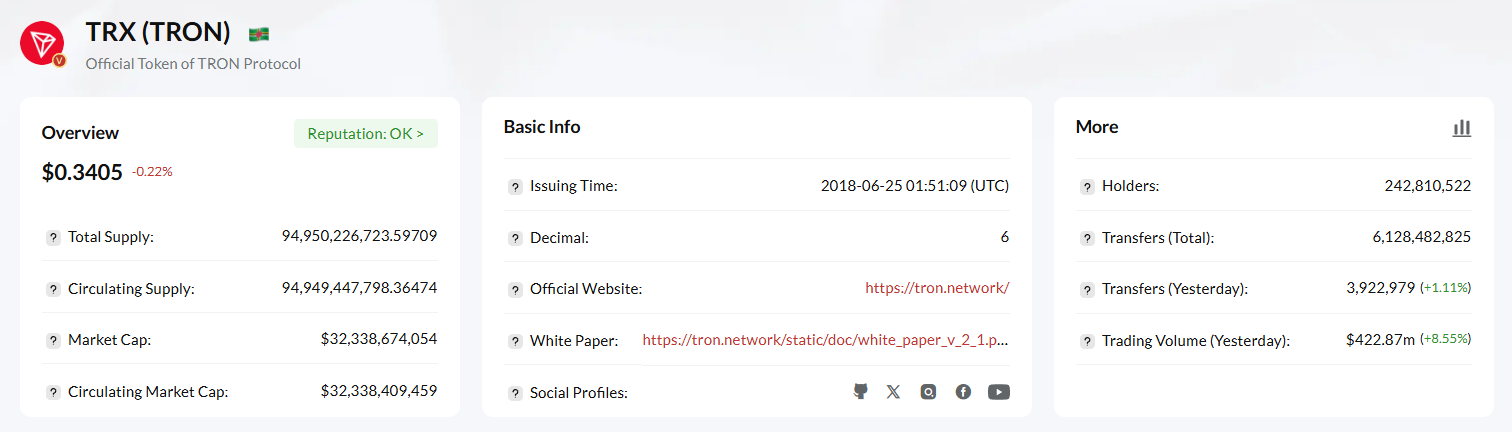
You don't start out by hoarding gas tokens with just twenty dollars; the amount of capital required is actual and the profits depend on the scale you operate. If you want to hoard TRON Energy, you have to stake TRX. In 2026, staking 1 TRX produces about 1,000 Energy units. A single transfer of USDT on TRON uses approximately 32,000 Energy. If you want to rent out enough capacity to handle a significant amount of traffic, you'll need to stake hundreds of thousands of TRX, and at a rate of ten cents per TRX that amounts to tens of thousands of dollars being tied up.
That capital is not liquid; it is committed, producing Energy and waiting for demand to increase. In the event that demand never arises, you have achieved nothing. Moreover, if a protocol change leads to reduced Energy consumption or if a competitor lowers their rental price, your margin will narrow.
The money is obtained from the spread. In 2026 the cost of renting Energy ranged between 26 and 100 sun per unit according to the level of demand. Allowing the network to spend TRX to meet Energy shortfalls was far more expensive, usually two to five times more so. A hoarder who had rented Energy at 30 sun when demand was low could then sell it at 80 sun when there was a spike. The 50-sun profit margin, when applied across millions of units, adds up quickly.
However, such situations are uncommon. Generally, gas prices on TRON remain stable and rental competition is intense. There are dozens of services that provide Energy delegation and they base their competition on price. Should you stake your TRX in the hope of charging premium rates only to discover that automated services are offering better TRON Energy prices, your capital will simply remain there earning returns that are below the market rate.
When compounding is taken into account, the maths becomes more complex. Some hoarders reinvest their rental income in further staking, which increases their capacity over time. Those who are able to earn money consistently are managing this situation as if it were a business, not merely treating it as a speculative venture. They have infrastructure, automated systems, strategies for competitive pricing, and customer acquisition funnels. They are not simply hoarding; they are running an Energy rental service.
For anyone who is attempting to copy that model on a small scale, the advantage they have is very small indeed since they have to face off against companies which possess millions of dollars in capital, automated pricing algorithms, and already existing customer bases.
The Ethereum gas token period provides the most clear-cut example of this. GST1 and GST2 were launched in 2017 as a means of hedging against fluctuations in gas prices. Tokens could be minted at a low cost when gas prices were low and burned when prices rose in order to get a refund. Traders and bots had accumulated millions of gas tokens.
It performed brilliantly during the ICO surge in 2017 and 2018, with gas prices reaching 400 gwei on a regular basis. People who had minted gas tokens at 5 gwei were able to burn them and take the difference. By 2020, gas tokens had become standard practice among high-frequency traders.
EIP-3529 was approved in August 2021 and it weakened the gas refund mechanism so that gas tokens became valueless all at once. Those people who had large holdings lost all their assets.
That is the risk involved in the protocol. One update could wipe out your entire thesis; the developers who implemented EIP-3529 were trying to improve gas efficiency, gas tokens being an unintended byproduct.
Neo GAS is a different model; its blockchain features a two-token system with NEO serving as the governance token and GAS acting as the utility token for transaction fees. When people hold NEO, they receive GAS over time. Initially, GAS was traded at substantial premiums whenever the network was busy and those who had gathered GAS when it was cheap and then sold it during periods of high activity achieved considerable returns.
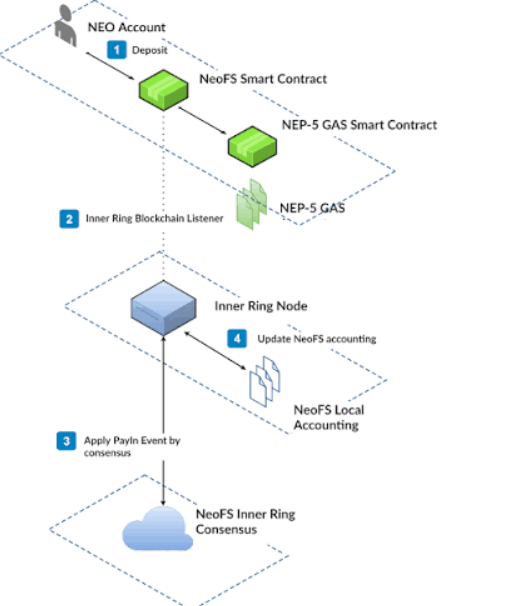
However, by 2026 the price of GAS was hovering at three or four dollars and speculation had disappeared. The network wasn't congested enough to cause continuous price spikes. Those early adopters who had held on to their GAS in 2017 and sold it during the 2021 bull market had earned a profit. The ones who attempted the same approach in 2024 and 2025, on the other hand, achieved only flat returns.
There were also some failures which never made any sense. In January 2026 a memecoin known as 'Gas Town' was launched on Solana with the aim of allowing people to speculate on gas prices. It had no practical use, no method of hedging against rising gas costs, and no link to network fees. It increased in value for a week before collapsing.
The point is that you can get results from hoarding gas tokens if you understand how the system works, accurately time the market, and leave before the original idea collapses.
2026 Gas Token Market
By 2026 the practice of hoarding gas tokens had mostly moved from Ethereum to chains where the model was still functioning. The shift to proof-of-stake on Ethereum together with Layer 2 solutions such as Arbitrum and Optimism had lowered the level of congestion on the mainnet. Transactions on Layer 2 cost only fractions of a cent. The arbitrage opportunity had therefore narrowed.
TRON emerged as the more active market, since USDT on TRON had become the leading stablecoin for cross-border payments, remittances, and exchange transfers. The daily transaction volume was high and energy demand stayed steady. The rental market had reached a mature stage. A large number of services were competing on TRON in terms of pricing, providing automated delegation and bulk discounts. Although the difference between rental rates and burn rates was still profitable, the margins had become narrower.
In 2026 the hoarders who were still making money were running efficient operations. They had automated all aspects of their business. This included monitoring network demand, adjusting their rental prices in real time, rebalancing their stakes in order to optimise returns, and directing customers to the best prices on TRON. They were using dynamic pricing models to capture small margins from high volume.
Most of those people who were attempting to compete without the necessary infrastructure ended up losing. Once they had realized there was a surge in demand, the automated services had already secured the market. The opportunity had not vanished, but it had become professionalized.
Niche plays still existed, since from time to time new Layer 1 chains with low levels of adoption would produce short periods during which hoarding was reasonable. However, these periods lasted only a short time.
There was also a regulatory change. As cryptocurrency developed, governments began to look into who was making profits from infrastructure bottlenecks. In certain areas, operating a gas rental service became something that required a money transmitter licence. As a result, some operators chose to leave rather than deal with the compliance requirements.
What was left behind was a market which, although it still provided returns, demanded a higher degree of sophistication, greater capital, and more operational discipline than it had in 2017. The gold rush was now over.
If one wants to profitably hoard gas tokens, it is necessary not only to have capital but also to have infrastructure, an understanding of the market, and good timing. You should use on-chain analytics to keep an eye on network activity, and tools such as Dune Analytics, Glassnode, and TRONSCAN enable you to monitor figures including the number of daily active addresses and energy consumption patterns. The people who are making a profit from hoarding keep a close watch on these signals and take action before the general public becomes aware.
Building infrastructure that can scale. On TRON this involves wallets set up for Energy delegation, automation that looks after the stake cycles, and systems which rebalance resources among addresses. You'll need scripts, APIs, and monitoring that operate around the clock.
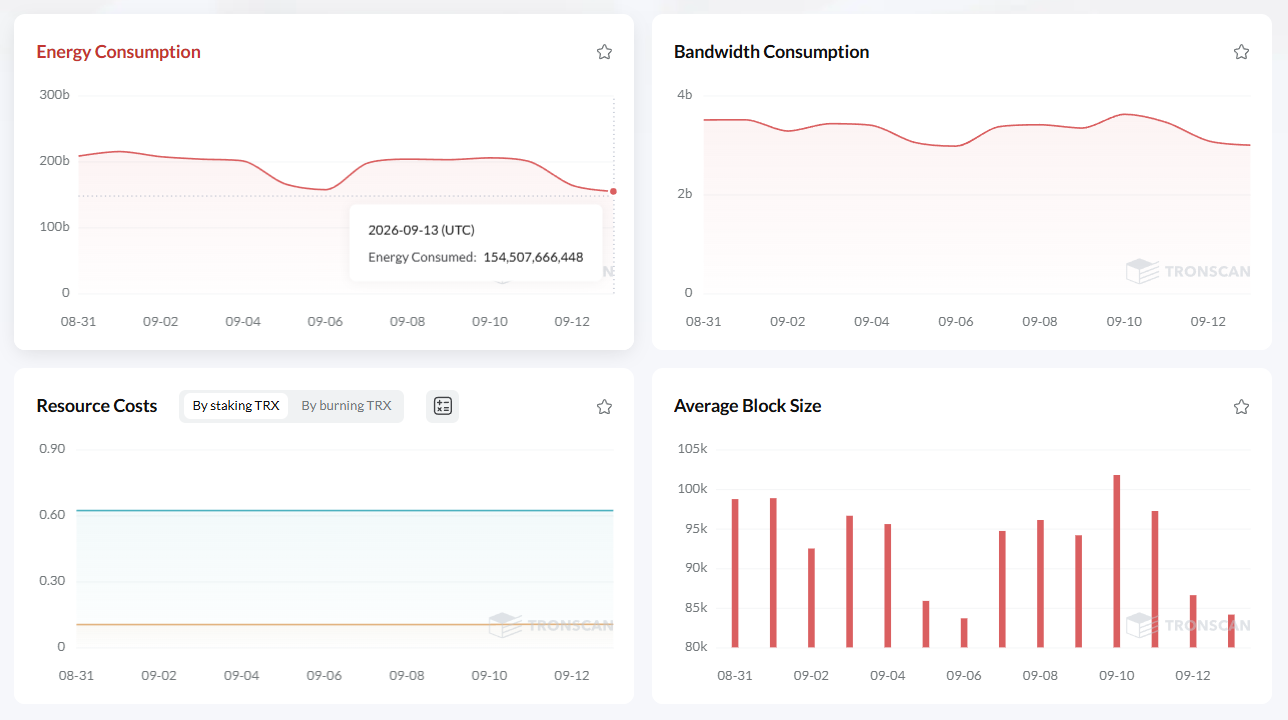
Pricing models which adapt to demand are the way to go; fixed-price rentals are a losing proposition. It is necessary to use dynamic pricing that takes into account both network congestion and competitor rates. The companies that were making a profit in 2026 were employing algorithms which changed their prices every few minutes.
When it comes to acquiring customers, if you're renting out Energy then you need users who have a need for it. This can be achieved through integrations with wallets, by forming partnerships with dApps, or by entering into direct B2B agreements with high-volume traders. Having capital on its own won't generate revenue.
Risk management is essential since changes to protocols, shifts in regulation, and market downturns have the potential to undermine your thesis; therefore, you should use hedges, develop exit strategies, and maintain the discipline to close out your positions when the model is no longer working.
The reasons for the underlying economics. Energy rental on TRON costs 60 to 80 per cent less than the process of burning TRX because staking gradually gives you Energy, while renting sets up a secondary market which undermines the burn mechanism. However, if too many people choose to stake and the supply of rented Energy ends up exceeding demand, the prices will collapse. It is necessary to understand why the prices are as they are and what might cause them to change.
The fact that gas tokens exist is not the key issue; what matters is having a deep understanding of how the system works so that you can identify opportunities before they reach a state of consensus, and having the necessary infrastructure in place to act faster than your competitors.
Why Most Hoarding Strategies Fail
The main issue with hoarding gas tokens is that the market is more efficient than it appears. Gas prices show the actual supply and demand at any given time. Whenever there is a spike in congestion, prices go up right away, and when congestion disappears, the prices fall just as quickly. The time frame in which you can buy low and sell high is measured in minutes, not days. You will miss that opportunity if you aren't keeping an eye on things and carrying out your actions in real time.
Most hoarders are too slow about it; they only notice the price has risen after the fact, decide then to get into the market, and by the time they've invested in TRX or bought up the tokens, the opportunity has gone. They are responding to signs which everybody else had already seen.
There is also the question of holding costs. Capital that is tied up in staked TRX or gas tokens is not earning returns elsewhere. For example, if the price of TRON rises by 30 per cent but your TRX is staked and earning a 5 per cent annual yield from Energy rentals, it would have been better to simply hold the tokens. The opportunity cost of keeping capital immobilised is important, particularly in a market where price volatility usually outstrips the returns from gas arbitrage.
There is also the question of competition. Gas token hoarding only functions in situations where the supply is limited and you hold enough of it to be able to affect prices. However, you are not the only one who has worked out this strategy. A number of well-funded operations are engaging in the same activity, using better tools, having more capital, and achieving tighter spreads. They are able to offer prices lower than yours, automate more quickly, and manage with narrower margins since they are operating on a large scale.
The protocol risk is the deciding blow. Blockchains are capable of evolving. Ethereum eliminated gas tokens with just one update. TRON could alter the Energy costs, change the delegation mechanics, or introduce Layer 2 solutions which reduce congestion. Any of those changes could remove your advantage all at once.
The successful hoarders do not base their actions on one particular theory; instead they run a variety of operations throughout different chains, hedge against risks associated with the protocol, and regard their approach as one of infrastructure arbitrage not speculation. This positions them to adjust when changes in the economics take place.
For everybody else the potential returns are not worth the risks involved, since you have to tie up your capital, compete with professional investors, and are always facing the possibility of rules being changed in such a way as to wipe out your position; the gains are limited while the losses can be complete and the amount of time you have to spend to remain competitive is exhausting.
Quiet Infrastructure Layer
When you frequently move stablecoins—whether it's for trading, making remittances or simply managing your funds across different wallets—the cost of Energy becomes considerable. It's expensive to burn TRX each time you transfer USDT. Although renting Energy in advance will save you money, it does require you to know where to find good rates and to manage the rental process without any inconvenience.
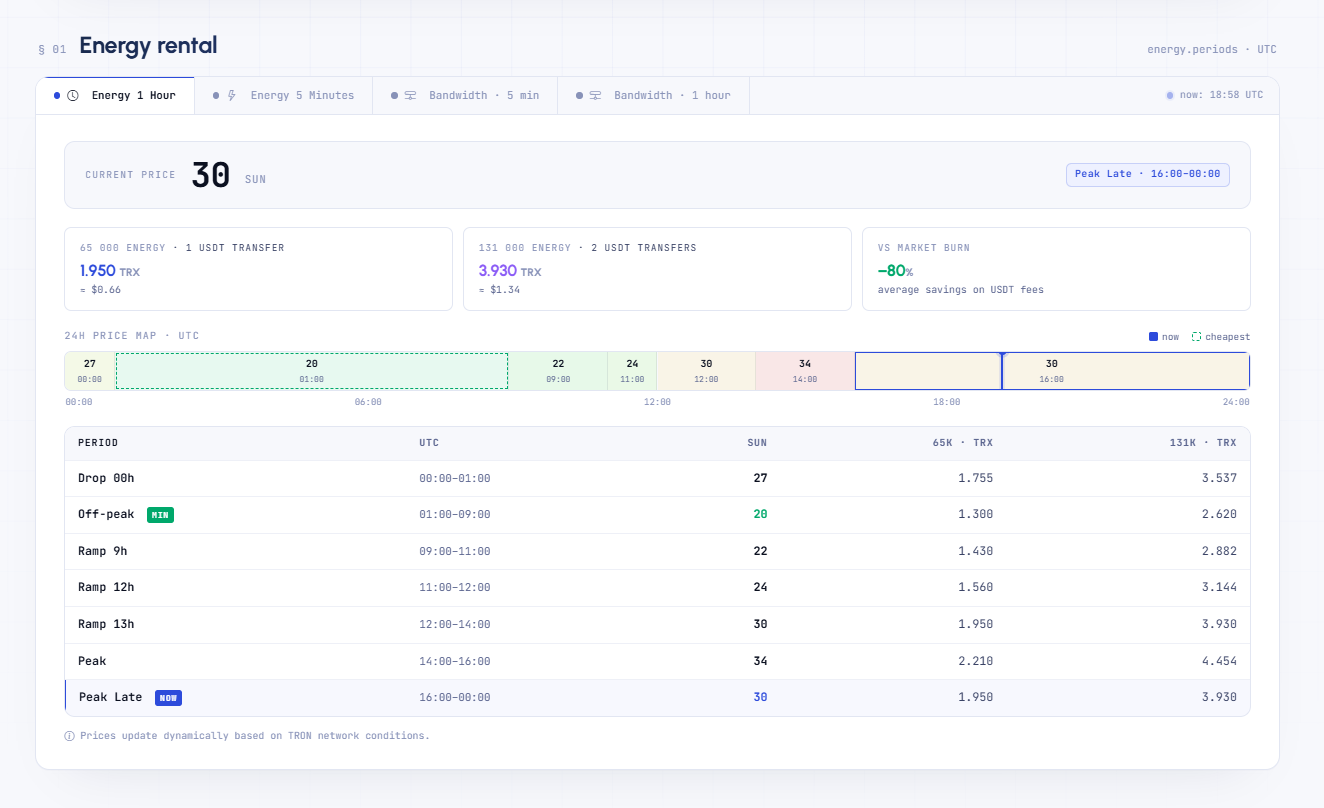
That's exactly the role that services such as Netts Pricing play. It isn't based on hoarding or a speculative approach. Instead, it provides the necessary infrastructure to access TRON Energy at transparent and competitive rates without the need to deal with the rental market yourself. Whether you require a single charge or ongoing Energy for active wallets, it takes care of the logistical aspects so that you end up paying the best available TRON Energy prices rather than wasting TRX at inflated rates. For people who carry out transactions regularly, it is the improvement of marginal costs that prevents hoarders from profiting from your inefficiency.