Copytrading Cults: Trusting Another Trader's Decisions
Over 75% of retail investors lose money on copy trading platforms. Learn the red flags, hidden fees, and why following others rarely works.
Trading is confusing, trading is difficult, charts resemble abstract art, there are so many indicators that they end up contradicting one another, and each decision seems as if you're guessing with money you can't afford to lose. That's when the idea comes to mind: isn't it having to be like this? Could one not simply follow someone who knows what they're doing?
Do you remember the adverts from the Robinhood days, the ones that made it seem so simple? They said, "Just do what I do." It was presented as though you were handing your investment portfolio over to a top hedge fund manager, with the difference being that this manager had a Telegram channel and charged only $50 a month. The offer was extremely attractive – earning passive income without having to do any work, making a profit without any difficulty, and achieving financial freedom by means of notifications. There would be no need for you to understand Fibonacci retracements or to read earnings reports; all you would have to do is trust someone who had already worked it out.
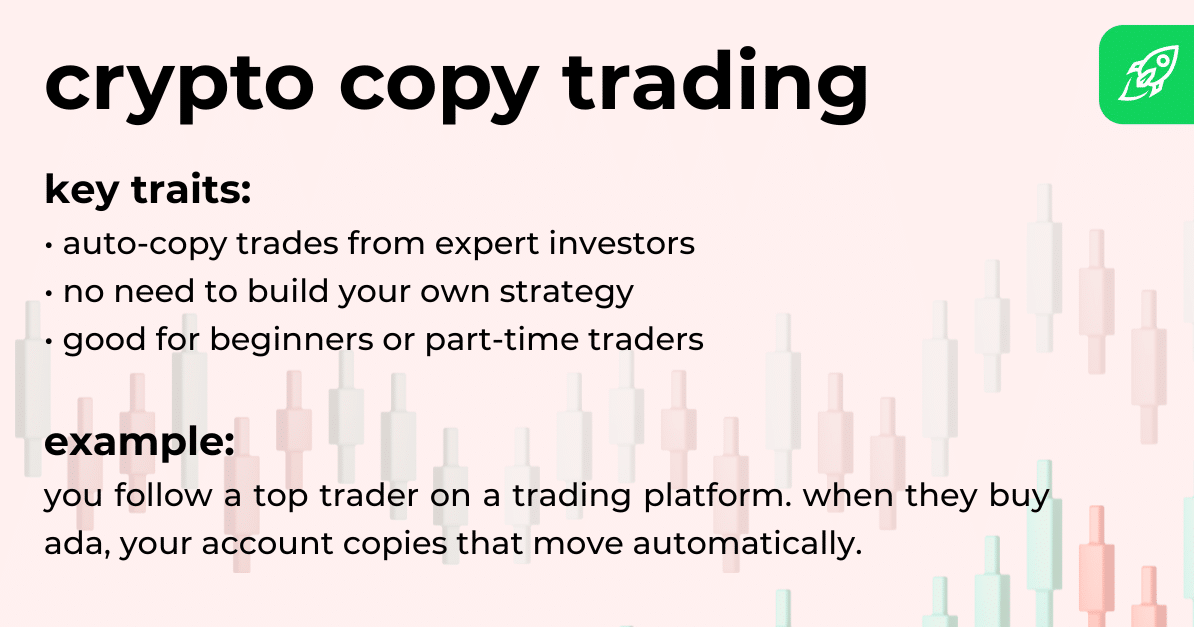
For a time, that idea remained viable. Businesses developed whole business models on the basis of it. Copy trading evolved into social trading, and social trading in turn became a cultural phenomenon. You could go through the leaderboards of the top traders, look at their win rates, examine their profit curves, and select one whose results appeared better than those of your own trading. It had a democratic ring to it, almost like a science. The data was all available to view. One trader had 127 weeks in a row of profitable results. The drawdown was just 8%. The number of followers was increasing all the time. What could possibly go wrong?
Confidence Is Not Competence
The problem is that confidence and competence are not identical, and the internet is very good at making confidence appear to be competence. Someone can sound sure of themselves, post screenshots of green candles, and use technical jargon in such a way as to give the impression that they have seen every kind of market situation twice over. This does not prove that they know what they are doing; it only shows that they know how to display confidence.
A survey carried out in 2026 of 1,420 retail traders who had used copy trading platforms found that 41% stopped using them because of losses, large drawdowns, or because the results did not match those which had been promised. Although 46% of them had started off with the expectation that copy trading would be a reliable way of earning passive income, only 10% described it as such. The discrepancy between what had been sold and what had actually been delivered was not merely a small letdown; it was the difference between having a proper financial plan and simply paying for someone else's mistakes.
How this process works is quite simple. A trader achieves a series of winning trades. As a result, new followers join in. The trader, who is now responsible for meeting the expectations and looking after the money of hundreds of people, feels the need to keep on winning. Their level of risk increases and the size of their positions becomes larger. A strategy which was suitable when the trader had $5,000 of their own capital does not translate smoothly into the case of $500,000 coming from followers, particularly in markets with low liquidity since a single large order is capable of moving the price against all the participants involved. The lead trader may get in at the desired price, but the followers suffer slippage and receive poorer fills. When the position starts to decline, the lead trader exits first and the followers find out about it later.
It isn't always intentional malice; at times it's simply a matter of mathematics. But the outcome is the same—that the followers become liquidity to enable someone else's exit.
There is also outright fraud, and it is by no means rare or difficult to carry out. Copy trading has become a favourite method among scammers since it is so easy to falsify the statistics and so easy to create trust. It costs nothing to produce a false performance chart, and although it does cost a bit more to set up a coordinated network of bot accounts praising a particular trader, the expense is still less than the cost of rent. Reports indicate that Meta made $16 billion from potential scam ads promoting copy trading platforms at the end of 2025, even though it was aware of the fraud. The process went smoothly: it involved fake testimonials on Twitter, a Telegram group creating a false sense of urgency, and a drainer bot waiting at the end.
There exists a documented case of a scam ring involving an "AI Quant Bot" that managed to flood crypto-related social media by having verified accounts share coordinated false stories about successful trades. The objective was to get victims into Telegram-based operations which seemed to be real trading services but were actually highly sophisticated schemes based on theft. The bots published charts and also posted messages announcing successes. They responded to each other, creating the impression of an active community. Upon seeing these conversations, real people regarded the exchange as valuable information and followed the clues with the result that they suffered losses which they had not expected.
On even genuine platforms the figures can be misleading. Performance figures can be changed through wash trading, front-running, or selective reporting. A trader might decide to show only the winning sub-accounts and keep the losing ones concealed. They could reset their public record after a weak quarter so that new followers only see the recovery. They might carry out trading on a demo account until the results are satisfactory, then switch to live trading and promote the results from the demo as proof of their ability. The data displayed on the screen is not objective; it serves as an advertisement.
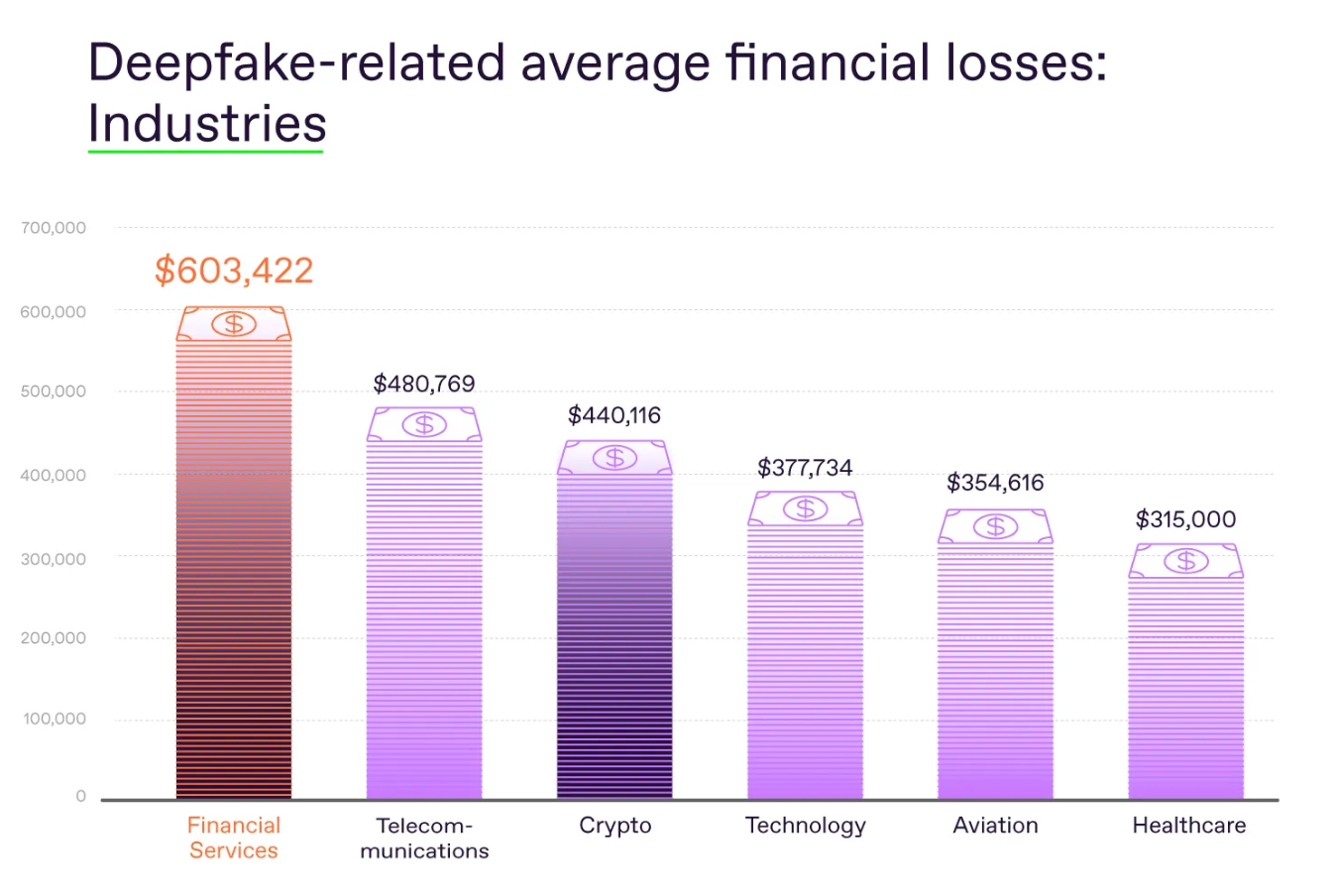
Regulatory authorities have noticed that 22 per cent of bad actors are now using AI-generated deepfake videos and cloned voices in order to make their scams more believable. You can't just be looking at a strategy any longer; you have to decide whether the person is actually real.
Even if you managed to avoid the scammers and met somebody who was honest — someone who carries out their trading using their own money and has a record that seems legitimate —y ou would still have to deal with the fee structure.
Most copy trading platforms charge a performance fee, a subscription fee, or both. The top trader could receive 20% of the profits. The platform might also take an extra 10%. Some additional percentage points will be deducted from each trade due to slippage and delays in execution, especially in the case of someone who scalps or day-trades. In the end, a trade that produced the leader with a 15% return might leave you with only 6%, and a trade that caused them a 10% loss might result in you losing 13%. You are not copying their results; you are copying their decisions and then paying rent on the outcome.
It becomes obvious how difficult it is to consistently beat the market since even professionals have trouble with it. Hedge funds, with their research departments, proprietary data, and algorithmic execution systems, are still not able to deliver returns that go beyond those of index funds after fees have been taken out. Someone who runs a Telegram channel is not benefiting from better tools; rather, they base themselves on confidence, and that confidence fails when the market is in a downturn.
Nokia had previously held a very large portion of the mobile phone market and, back then, it was reasonable and sensible to put money into the company. But with the coming of smartphones the case broke down and the share price dropped sharply. People who had been watching the company because they respected it for having been a successful business subsequently suffered the loss.
The fact which no one is willing to acknowledge about copytrading is that every time you follow a trader's good decisions you also end up copying their mistakes, and those mistakes typically occur earlier and have a more significant effect. It's possible for a trader to be right for two years and then be wrong within just two weeks. In that case, if you're copying that trader there's no way to escape the poor performance in the second week.
Following Someone Else's Invisible Logic
The real issue is that you generally have no idea who you're following or why those people trade the way they do. A lead trader, for example, could be hedging a big position which you can't see. They might be engaging in revenge trading following a bad day. They may have inside information, a hunch, or a gambling problem. You see the trade but not the thesis, the context, or the exit plan. You are reproducing the shadow of a decision without having any understanding of the shape that created it.
Research carried out in 2026 indicates that retail investors mostly decide which traders to mirror on the basis of a trader's social popularity rather than on their actual performance. The trader who has the most followers gains even more followers not since their results are superior, but because people assume that the crowd must know something. It is a feedback loop based on nothing.
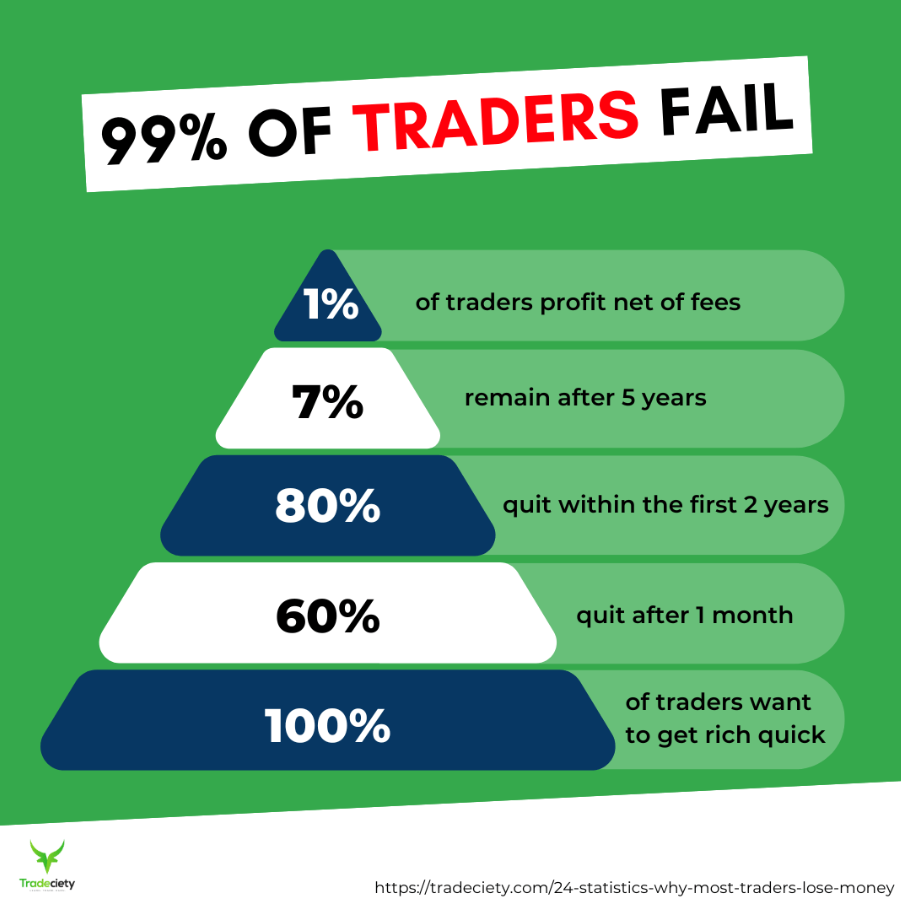
In the case of social media trading recommendations, one study found that 61% of the trade suggestions led to losses, which is worse than simply flipping a coin. Yet the recommendations were popular, engagement levels were high, and people continued to follow them.
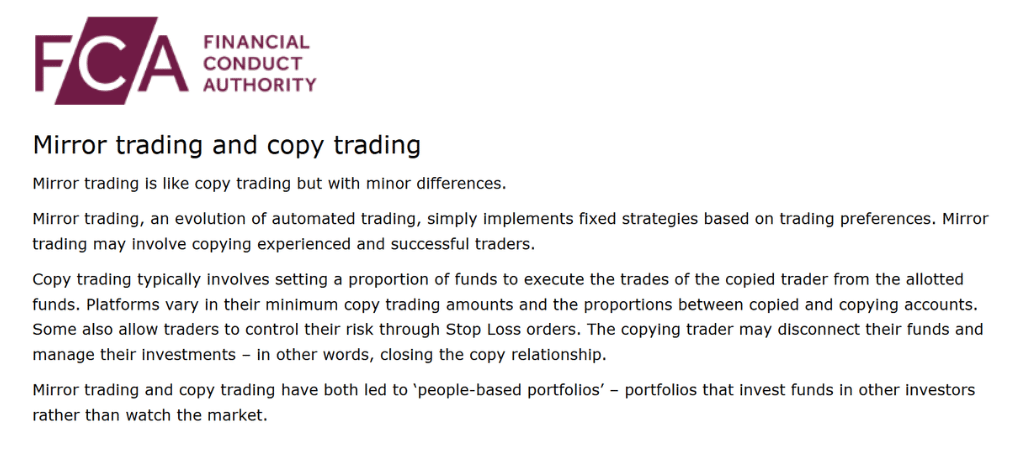
There is also a problem of structure in that the platforms encourage certain kinds of behaviour. The traders who take the lead on most copy trading platforms have very limited potential for loss. When they lose, they lose their followers but not their own capital at the same rate; whereas if they win they receive fees from all those who have copied the trade. This means that there is an incentive to take risks in order to produce good content rather than to make sound investments. Trading then becomes a matter of performance. The account turns into a kind of show and the followers become the product.
A trader named Serenity, for example, increased his following from a few hundred in July 2025 to more than a million by August 2026. This growth was not the result of the strategy being sound; it was due to the narrative becoming viral. When the performance eventually collapsed, the harm had already been spread among a million individuals, each of whom believed that they were making their own independent decision.
When It Works, and How to Find It
Even so, it would be unfair to say that copying an outstanding individual never pays off, since it does happen from time to time when one has a keen judgment and good timing. There are traders who openly share their trading decisions, who manage risk in a conservative manner, and who have survived several market cycles and ended up ahead. Investors such as Warren Buffett are so open about their strategy that 35% of retail investors who copy trades specifically follow his actions. The data is publicly available, the principles are clear, and the record extends over many decades.
Yet Buffett has also cautions people against attempting to get rich by imitating him. The reason lies in timing. Since the quarterly reports of Berkshire Hathaway show what stocks Buffett has bought, the information is already incorporated into the stock price. What you're actually doing is copying his disclosure, not his decision, and the market has already taken into account the earlier information before you have seen the later one. This delay destroys the advantage.
If you are to get benefits from copy trading, you have to locate someone who has a solid strategy, who applies disciplined risk management, who has incentives that match yours, and who makes their decisions publicly fast enough so that you are not merely buying at the top of their move. Such a timeframe is very narrow and closes as soon as too many people discover it.
If you are going to follow someone, here is what to look for:
1. Ask for at least 12 months of verified performance data, preferably more. A series of winning results does not constitute a proven track record; you need to see how they performed during a drawdown, in a sideways market, and when their strategy ceased to work. If they only provide examples of wins, then they are either lying or concealing the important part.
2. Find out if they are trading with their own money; if the account is a demo one or if the trader has never provided evidence that their capital is at risk, then don't involve yourself. Trading with real money changes one's behaviour. Profits made in a demo account are merely show.
3. Instead, look at the results of their followers, not just those of the trader himself. On some platforms it is shown how much real money followers are copying and what actual returns those followers are obtaining. In such a case, if the leader's chart appears excellent but the followers are suffering losses, then the slippage and the fee structure are completely destroying the strategy, and you will end up being one of those followers.
4. You should be wary of anyone who frequently changes their strategy. A trader who was carrying out momentum trades last month and then switching to value investing this month is not actually adapting; they are merely guessing. It is a better sign than achieving perfection that a person maintains a consistent approach even if the results differ.
5. Do not become involved with anyone who promises guaranteed returns, no risk, or secret methods; if the nature of the pitch resembles that of a product launch then it is in fact a product launch and in that case you will be the customer, not the investor.
6. Check that there are established limits on risk. Professionals in trading will say what maximum drawdown they are prepared to tolerate and will adhere to it; if there is no discipline regarding a stop-loss, then your losses have no lower boundary.
7. It is important to realize that past performance says nothing about what will happen in the future, although it does tell something about the person; if a person managed to survive the years 2020, 2022, and the period of volatility in between without collapsing, then they must have an understanding of risk management. The fact that they have this understanding does not mean that they will continue to win, but it does indicate that they know how to lose without disappearing.
Just as important are the red flags: unrealistic win rates, a high degree of urgency, the use of screenshots rather than live, verified data, short track records, Martingale or doubling-down strategies, and results from demo accounts should all lead you to go the other way. Likewise, if a trader only shows their account in the form of images and doesn't provide a link to a verified third-party platform, this is a reason to move in the opposite direction. If you can't click through to an auditable record, then assume that the record is fake.
Why Most People Lose
Regulatory disclosures show that over 75% of retail investors who engage in copy trading on social trading platforms end up suffering losses. The reason for this is not that the platforms are fraudulent, even though in some cases they are. Rather, it is because trading in general is difficult, the act of placing your money in the hands of strangers carries risks, and together these two factors are worse than either one on its own. You are not only exposed to market risk but also to the judgment of another person, to that person's emotional state, to their undisclosed incentives, and to a fee arrangement which is set up to take value from you regardless of whether you win or lose.
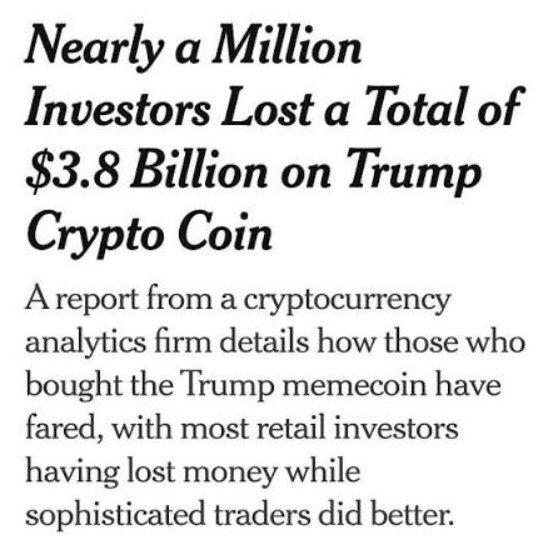
The promise of earning passive income turns out to be one of active losses; the idea of outsourcing financial decisions becomes the harsh reality that you have to watch your capital being lost by someone else in real time with no control over when that loss occurs.
The best investors don't take the time to run copy trading services because it is more difficult to manage other people's expectations than to manage a portfolio, the risks involved are greater, and the potential rewards are limited. If you are good enough to trade consistently, there is no need to offer access to your strategy — you merely need to trade.
It means that the people who provide copy trading services are usually not the most skilled traders; instead they are the most effective marketers. They are good at giving the impression that they know what they're doing, and that is a completely different ability.
The Real Cost of Copying
Copy trading isn't by nature a scam, but it does involve betting on another person's ability, integrity, and agreement with your own objectives. In most cases, at least one of those three elements is absent—the trader is not as skilled as they appear, the platform is not as open and honest as it says, the fees end up being higher than you had estimated, and the strategy works only until it doesn't, when by that time the loss is already yours.
The harsh reality is that even if you outsource your financial decisions the risk doesn't disappear it only gets transferred. You cease to worry about selecting the wrong stock and begin to worry about choosing the wrong person. Instead of losing money because of your own mistakes you start to lose money because of theirs. When a trade turns bad the autonomy which you had given up doesn't return.
It is possible to follow someone who is exceptional—someone who is disciplined, transparent, and focused on long-term value rather than short-term performance. However, locating such a person demands the same amount of research, skepticism, and judgment as is needed in trading itself. You are not avoiding the work; you are simply engaging in a different kind of work, and the consequences of making a mistake are identical.
The issue isn't whether copy trading can succeed since it can, in certain instances, if the right person is involved at the right time and with appropriate risk controls. The real question is whether one can spot those situations before ending up as another data point in that 41% attrition rate.
The majority of people aren't able to do it. Which is the reason the statistics appear as they do. It is also the reason that the prospect of passive income so frequently results in active regret. You're not joining a hedge fund; you're joining a cult in which the leader has a poor track record and exit costs a lot.
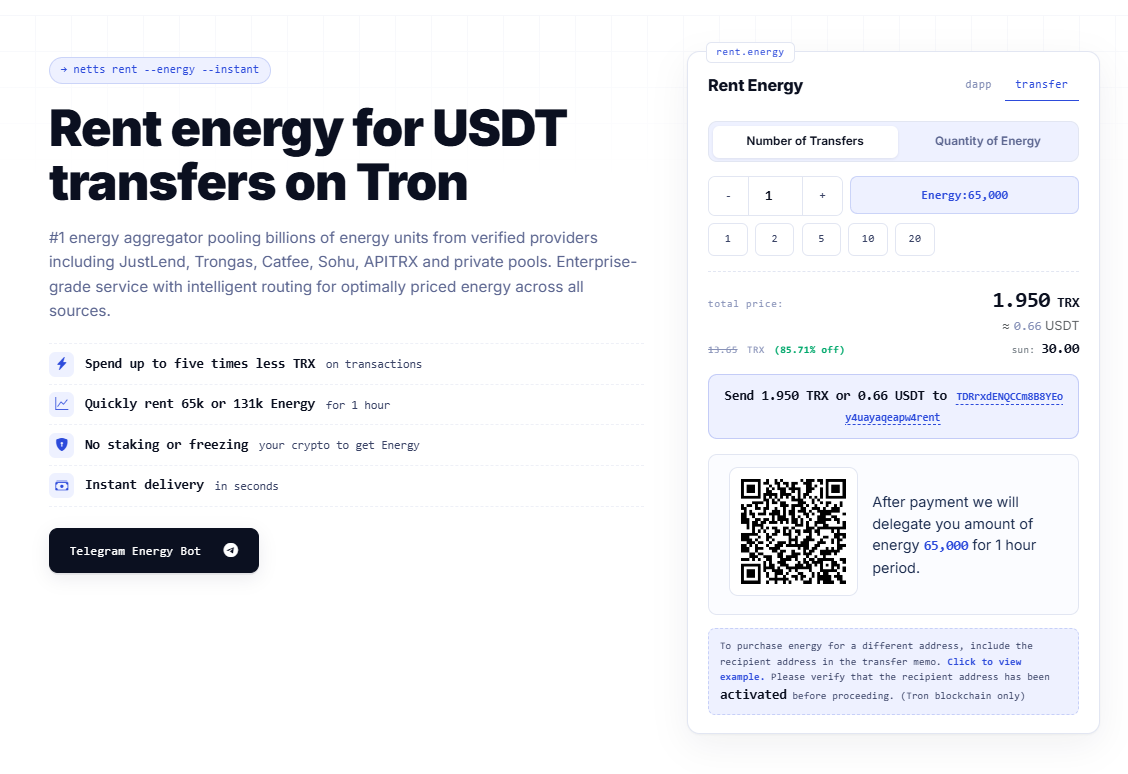
If you do end up carrying out a large number of trades — whether by copying another person's actions or by making your own decisions — transaction costs turn out to be more important than most people realize. In markets such as TRON, where interactions involving smart contracts use up resources, these costs can build up rapidly. Each transfer of USDT requires Energy, and the cost of burning TRX in order to obtain that Energy becomes high when you are carrying out many trades. That is why services such as Netts exist. Rather than having to burn TRX for each transaction, you can get TRON Energy from rental markets at a much lower cost — sometimes as much as 69% cheaper than burning it. For someone who is carrying out frequent transactions, whether by following copy trading signals or using their own strategies, the possibility of buying cheap TRON Energy and thus reducing overhead can make the difference between being just marginally profitable and losing capital through fees. It is in fact one of the very few areas in which the infrastructure actually helps the retail trader rather than imposing a burden on them.