For Better or For Worse: The Wedding Industry Meets Crypto
On-chain marriage certificates, USDT honeymoons and blockchain-verified rings — crypto's slow but real arrival in the world's most conservative industry.
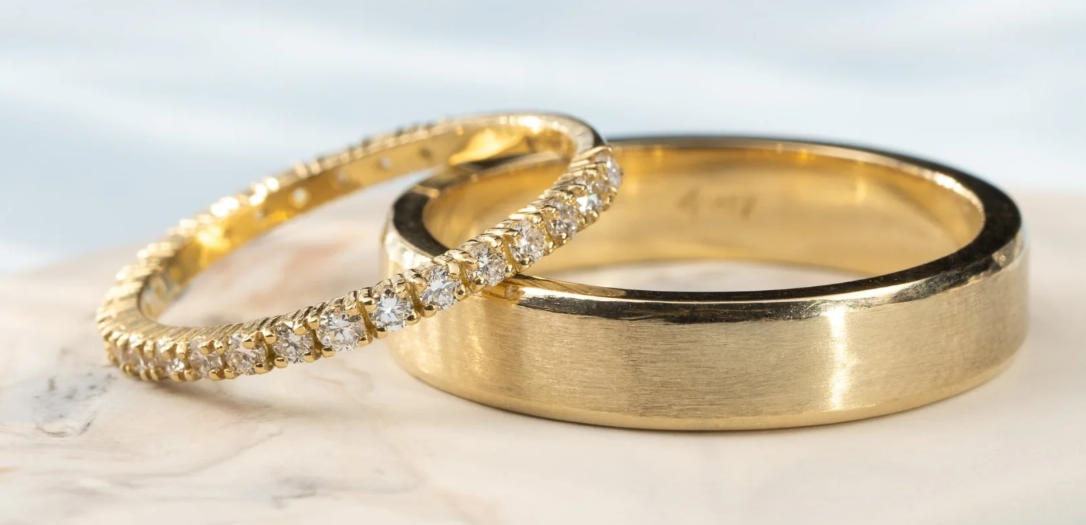
The wedding world moves at a glacial pace. Every other commoditised service has been digitised, restructured, automated, and at least two rounds of hot sauce have been applied to every price curve in the last decade — yet a wedding is still what it is: some couple in their late twenties getting a thirty-year-old caterer on the back of the bride's cousin having used them nine years before because that is what people always get because that's how this kind of booking gets done (over the phone) anyway. Checks are written for the deposits. Contracts are signed face to face. The flowers come from this family run florist, who have been arranging for weddings since 1987. None of this happens through an accident — this is by design; because the whole emotional appeal of a wedding is that the couple are entering into a ceremony older than anyone in the room, and whether or not their emotion can be trusted hinges on doing things the way everyone else has done them since forever.
And that's what makes the slow penetration of crypto into weddings, so interesting. It is not, mostly, the couples behind this. The couples just do what their parents and the venue and the photographer tell them to do. The shift has emerged from a narrower coalition of people who often comprise the couple when one member is immersed in crypto, but also more frequently the vendors and the gift-givers and cross-border destination services that support these events — and it amounts to a gradual modification of the business at its periphery, in ways traditional wedding culture would've dismissed as tractable if all of this was bundled together as a coordinated platform.
First Blockchain Weddings
According to any honest assessment, the first publicised blockchain marriages were publicity stunts in the mid-2010s. A Florida couple executed marriage vows also recorded as a transaction on the Bitcoin blockchain. As used by a couple at a Disney park, whose transaction in a memo field included a hash of their bond. The point was symbolic. The legal marriage part still took place, as it is meant to, through the traditional legal mechanisms, but the couple actively sought an unvarnished declaration of permanence and transparency; public commitment that could not be undone — which come to think of it in its way is what a wedding itself should properly look like at all.
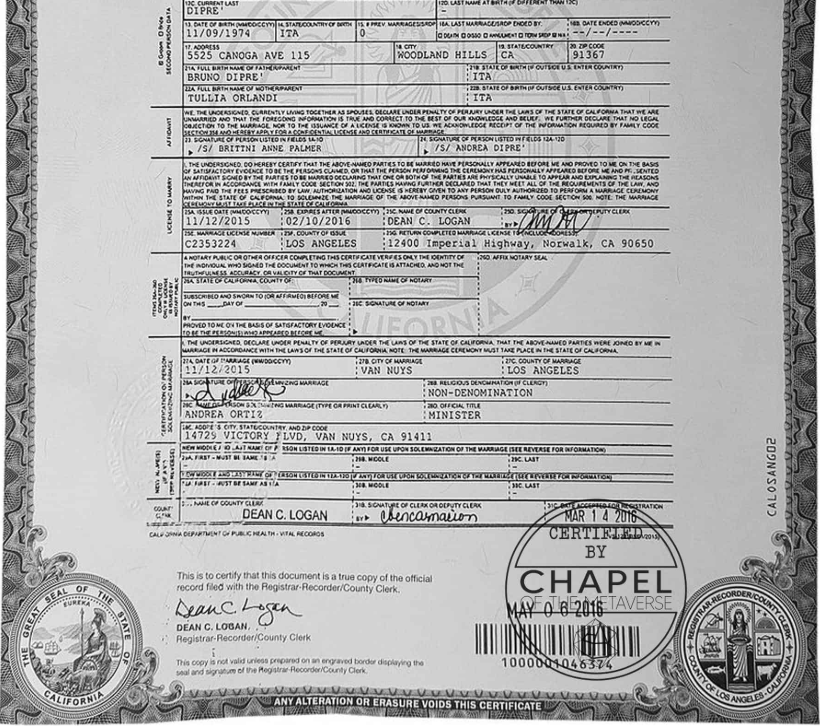
These stunts had grown up to be something weightier by the early 2020s. That led to NFT-based marriage certificates — where the artwork was unique to the couple and metadata included their vows. They also experimented with smart contracts that encoded prenup terms in code, rather than legalese — mainly among crypto estate lawyers who were snarkily fascinated by how far the boundaries of such a thing might be pushed. In most jurisdictions, legal recognition of these arrangements was still uncertain, which significantly hampered their practical effects. For this reason, the symbolic and ceremonial layer of the wedding was (besides just on paper) now for the first time able to build in code.
What motivated early adopters, however, varied widely. A portion of couples actually wanted an on-chain record that was permanent and verifiable. Some viewed it as an opportunity to bring in something that was important to a professional identity for one or both partners. It is for some, they say, to defuse messy international situations — cross-border couples wishing a ceremony with no national implications. Others, frankly, did it because the unusual was in trend and they wanted unusual pictures. The justifications did not have to be philosophically coherent for the trend to buttress.
Honeymoon Math
Crypto has found an admittedly less romantic but more pragmatic application in wedding and honeymoon financial logistics; specifically, destination weddings. Two lovebirds on their honeymoon with an international itinerary find themselves dealing with an unfortunate sequence of small frictions in the conventional financial system. Airport rate conversion is punishing. Foreign transaction fees build up when you swipe your credit card outside the US. Sometimes, the wire transfers to small hotels located in less developed destinations just… fail. Cash carries its own risks. The traveler who arrives in a Thai resort town with four or five thousand dollars to spend over the course of two weeks faces, for all practical purposes, a sequence of dreadful choices about how to get hold of that money.
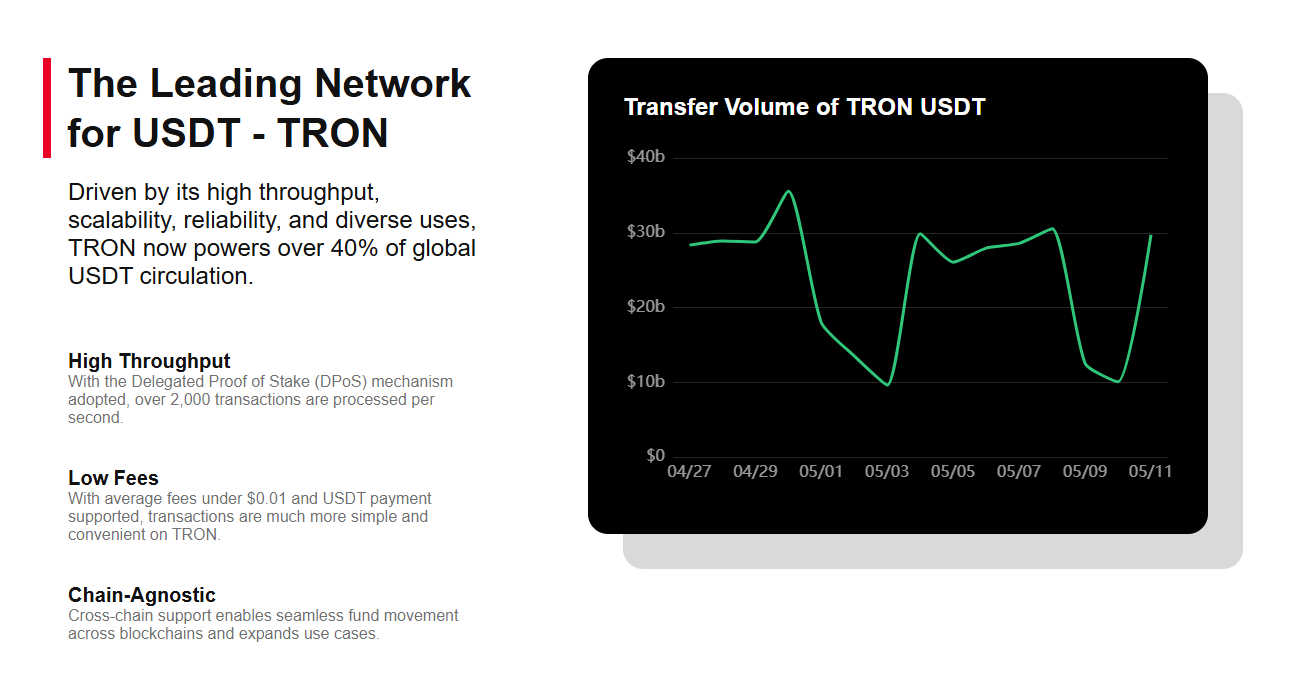
Stablecoins solve this. A pair with USDT can send USDT to domestic businesses that accept it, convert it at informal but trusted brokers who get far, much better rates than the banks provide and skip the whole routine of overseas charge cards and weak ATMs. A honeymoon villa in Bali accepts USDT directly, as the owner uses it to handle foreign-generated income from many different sources. In Belize, the general accountant of their scuba diving operation has decided that they will save so much time on management if they simply accept USDT instead of local currencies as payment. Sri Lanka — the boutique hotel accepts USDT because the family that runs it has been moving the household funds in stablecoins for three years. None of this is advertised. None of it appears in marketing copy. However, that is exactly the forks between what is the up-and-coming but huge share of small-scale international hospitality practice and any couple at such a place would tell you that sending USDT effectively is quicker, cheaper, and less painful than all alternative methods they have endured.
Still, the maths is very simple for the couples themselves. Such logic suggests a two-week honeymoon that requires twelve small payments and between one and five big ones would in aggregate incur many hundreds of dollars in transaction fees and adverse currency exchange rates if processed through normal payment methods. That same trip, financed with stablecoins, may only have a few dollars in transaction fees all in. The savings aren't life-changing, but they're real and they add up over the sort of trip where every other discretionary expense is being pitted against the freshly minted wedding bill.
Problem of Rings, Authenticity and Receipt
Even more interesting and longer term frontier is within authentication of wedding-oriented goods. More specifically, wedding rings hold a weird place in the economy. Many years later, they are often the most expensive single item that a couple will own. They are emotionally irreplaceable. They also face prevalent fraud, mis-grading and the well-established practice of jewelry stores employing diamond and metal terminology that is precise but misleading in practice. An appraisal indicating that the grade was generous ten years later provides scant recourse for a couple who paid 15,000 dollars for a ring whose diamond was touted as of a certain quality.
Provenance systems for diamonds and precious metals, implemented on blockchain systems have been quietly maturing over the last few years. Everledger and other companies have built infrastructure to enable diamonds to be tracked from the mine all the way through to consumer purchase with hash-based records following each stone through cutting, grading, certification and sale. The purchaser of such a stone gets not only the physical good, but also a digital ledger that confirms where it was sourced from, its pedigree and quality. This type of provenance has been absorbed into major jewelers' luxury lines. The marketing promotes ethical sourcing — no conflict diamonds — but the technology underlying it serves a different purpose: it gives the receipt lasting power, just like the ring.
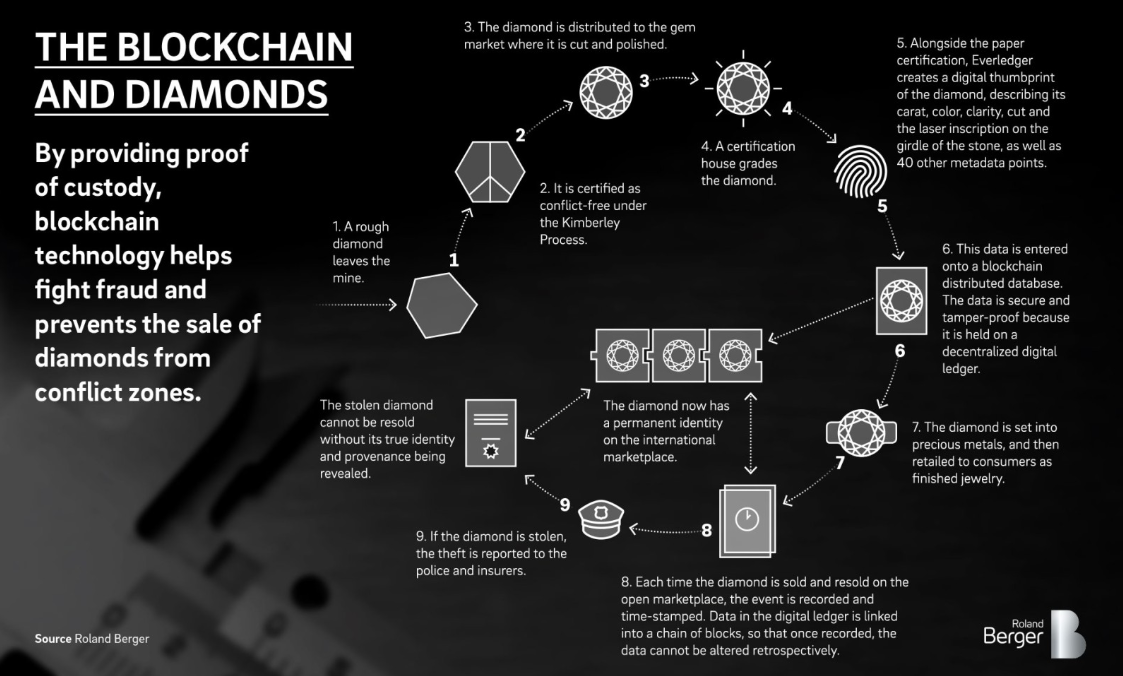
The same rationale is being applied to other wedding items. More and more, expensive watches are shipped with blockchain-based verification certificates. Bespoke wedding gifts of substantial value follow a similar record. Each item comes with a provenance document that can be verified by the dress designer who works with ultra-high-net-worth couples. This means that this ceremony — and everything it encapsulates — can be inscribed in a way where the contents are sustained despite any given business or jurisdiction being fully extinguished. Generations later, if the couple has grandchildren, they will be able to authenticate the ring without condition of the jeweler still being in existence.
Yet another, more marginal use of this same infrastructure appears in poorer contexts. Even a family that buys a modest wedding ring still appreciates it being known that the metal is what the seller claims it to be — and the same technology used to certify a high-end diamond can authenticate the far less extraordinary ring. As the years pass, the cost of the verification reduces. More and more jewelers are participating in the systems. Five years ago it was a luxury item but, gradually (very gradually), it's becoming expected across the price range.
Bringing the Vendors into Payment Without the Friction
Traditionally, the day-of logistics of paying wedding vendors is an extended sweat of administrative diligence. Photographers ask for half before and half after. The band gets paid the balance in cash that night. The florist bills in two sharings. The caterer does not want it until a wire transfer a week before. Every one of these payment flows has its deadline, format and paperwork. The couple — or often enough, the parents acting as the money arm of the whole operation — spends weeks managing it, and every wedding generates at least one crisis around a payment that fails to go through, is disputed, or arrives too early or too late.
This becomes even simpler for couples facing this with crypto as well. One sufficiently funded USDT wallet can distribute payments to all vendors for the times they establish and the entire schedule can be programmed in advance with one of several available wallet automation tools. There is no contested-receipt problem because each payment is fully verifiable on-chain. Vendors who partnered with the platform to accept crypto have funds in minutes irrespective of the nation. Those merchants stubborn about the archaic business model of "no crypto, no purchase" can be paid using the selfsame wallets through on- and off-ramp services which have become stable enough to serve as everyday infrastructure rather than esoteric options.
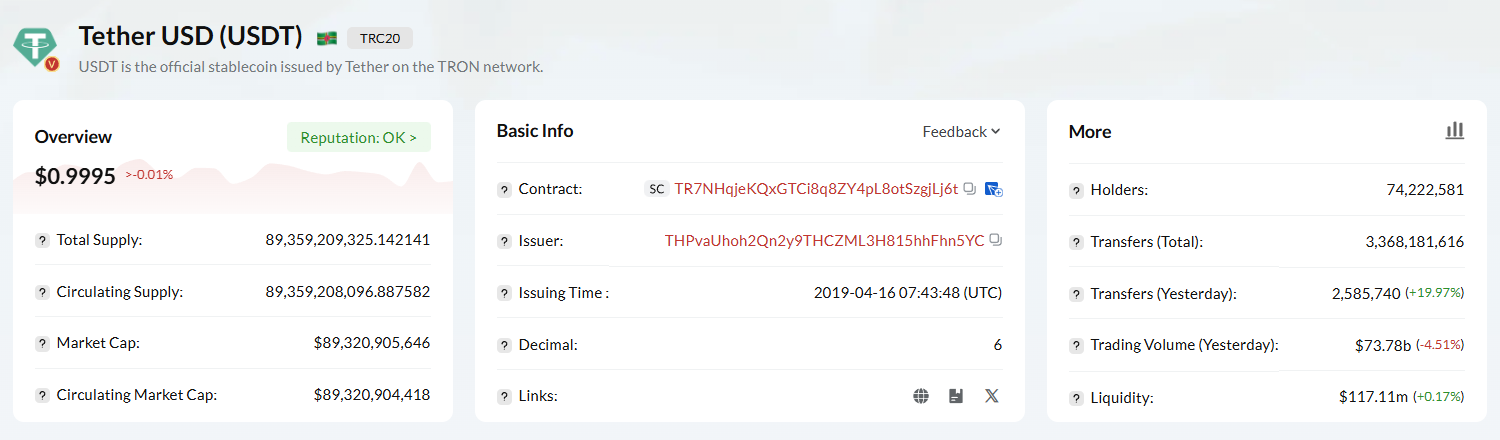
The fees are definitely not a selling point but they help. For instance, a 3,000 dollar catering payment could incur anywhere between 30 and 50 dollars in fees for a traditional wire transfer, leading to several days of float. On the other hand, just one of those with rented Energy costs a tiny fraction of that as USDT on TRON and settles in no time. Over twenty or thirty payments that a full wedding may require, the savings can run into many hundreds of dollars — cash that will finance your honeymoon rather than the financial system. To a person who sends USDT cheap regularly as part of their everyday life, the wedding is just another round of transactions; to one learning it in the context of their wedding, this is often them encountering for the first time how unnecessary most of what we think of as payment infrastructure is.
There is a real but small competitive advantage for those who are accepting crypto particularly early. And that is how they reach customers who want this payment option specifically. They eliminate chargeback risk. They get faster settlement. They develop relationships with high-volume crypto-using customers who are quick to recommend when they love a vendor. Some wedding planners have begun to specialize in crypto-native couples — making introductions with vendors comfortable accepting stablecoins, navigating the on-chain payment timeline, incorporating the wallet interactions into the overall management plan. A tiny niche, but it exists, and is growing.
Wedding Video Parallel
One of the first and most obvious contentions you'll hear when talking about blockchain weddings is, this isn't how weddings are meant to work, that tradition is part of what makes marriage meaningful. And so the objection is true enough, but incomplete — a truth all on its own — and the wedding video usefully illustrates this historical parallel unfolding under our noses.
Now, even half a century ago recording your own wedding on video was an odd thing to do, not least because it might seem self-indulgent and inappropriate in the context of the solemnity of such occasions. What was to be remembered of the wedding was captured in photographs taken by professional photographers, and preserved in formal records at the church or with the registrar. In mainstream wedding culture, the concept that someone close by had a camcorder and would shoot every second of the reception for them to review seemed like an intrusive technological invasion in a sacred moment. A wedding video was, by thirty years later, common enough that not to have one was unusual. The bizarre couple who almost rejected having a videographer was actually the other couple.
It is through pathways that are invisible at the time and obvious in retrospect that technology absorbs into tradition. The blockchain wedding will appear, twenty years down the road, the way the wedding video appears now — perfectly normal, a little boring, mildly impressive to an age cohort who remembers when it was unusual. Rings will be sold based on their authentication on the chain. From here on out, prenups will be written in the form of a smart-contract managed prenup. This is how honeymoons will be funded with crypto money. The slow moving conservatism of the wedding industry will, in time, be swept away by the same forces that brought us the wedding video, the destination wedding, the Instagram-curated reception and every other innovation offensive to traditionalists.
Prices for wedding preparation might sound scary, but prices for TRON Energy rentals don't have to be. Use Netts Pricing service to always buy when time is right - saving on gas fees. By avoiding peaks and buying when activity is low, you ensure optimal bottom line for any transactions.