Debt Collectors and Crypto: Old Profession in New Age
Crypto did not kill debt collection — it gave hunters new maps, and debtors a hiding place that still leaks into real life.
The urge to collect debts is an old one, merely presented in modern terms. The profession has arisen not since people enjoy being hated, but because credit involves a promise, and when it is possible to break promises without any cost, that offers a business model for the disadvantaged side at the table. A lender who is unable to collect becomes a charity with a bad reputation. A loanshark who is unable to collect simply turns into a rumor. A fintech app that fails to collect is then made the subject of ridicule by the next group of borrowers who see repaying loans as optional cosplay.
Crypto entered that narrative in just the same way that all valuable things eventually do: as an escape fantasy. If a bank account seems to be empty, if income is unreliable, and if the paper records show poverty, the amount held on the blockchain might still serve as a personal moon. Collectors pick this up — they always do. Value is similar to perfume. The ones who are looking follow the perfume.
The negative image isn't something that has been invented; pressure, shame, and the right moment are all tactics, along with late-night calls and letters that seem to be fate. Yet the moral stereotype that portrays all collectors as pure villains ignores the other one — that is, the debtor who had obtained a loan in order to go all in, lost the money, and then concluded that cryptography was a way of life. Neither of these stereotypes is fully accurate. Credit markets rely on the incomplete truth that someone has to be afraid of being unable to pay, or else the term 'loan' would simply mean 'a gift with paperwork'.
A bank that makes it appear that repayment is certain tends to become the focus of gossip among people who need money tomorrow. A website lender that has built a reputation for being easy to ghost becomes a target for those who want to be ghosted. Even the loanshark myth, once the romantic aspect is taken away, is essentially concerned with maintaining one's reputation; if hiding works, then everyone hides. Crypto never established that kind of logic; it offered a more attractive way of hiding, and as a result the profession moved into that better method of hiding, even at the cost of worse patience.
Why Hiding in Coins Was Never Going to Stay Cute
The first group of crypto debtors treated their ledgers as if they were invisibility cloaks. When said quickly, pseudonymity sounded identical to anonymity. It was possible for someone to have a miserable financial situation on paper yet to be wealthy in their wallets, giving off small clues regarding their lifestyle while taking an oath that they had nothing left. For a while, some of them were accurate enough to feel clever. Cleverness is a temporary asset class. Look at what's advised in this industry now - they are trying to evolve:
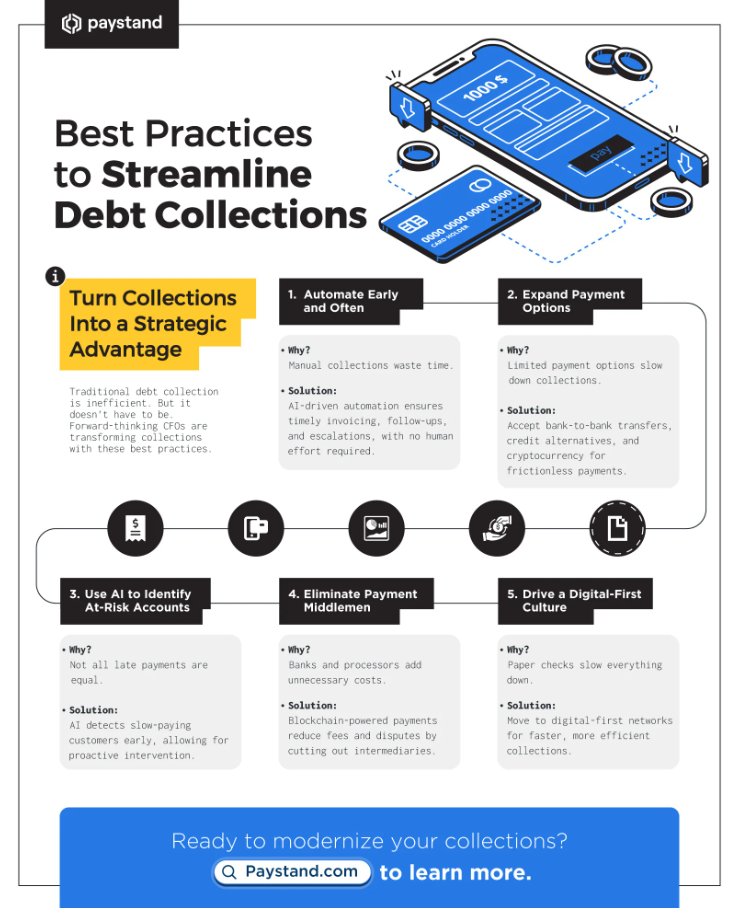
This practice was developed as a result of the incentives that caused it to evolve. Once a large number of borrowers can get money, turn it into tokens, and then feign bankruptcy, the loophole becomes a means of migrating. These migration routes have a detrimental effect on pricing. Interest rates are not merely a matter of mathematics; they also reflect fear, which is incorporated into the schedule. If you remove the fear from one area, that area ends up with people who never intended to repay. That isn't a moral message that a bank would include in a leaflet; that's precisely how any business which lends out time and money reasons when it wakes up drenched in sweat.
The profession has therefore acquired a number of new verbs such as trace, cluster, subpoena, freeze, and monitor. The type of skip-tracer who used to go around searching for addresses and employers is now working with someone who looks at explorers in the same manner as a detective looks at the alleyways. Even though ZachXBT did not originate the method used by the collectors, public blockchain OSINT has caused an entire culture to develop the idea that wallets have a tendency to gossip. The collectors are not too proud to take in gossip that comes with timestamps. They hire analysts, they buy reports, and they discover which bridges are only for show and which off-ramps still keep customer files just as old churches used to keep names.
Imagine a small lender who gave money to what was claimed to be a business but was in reality just a way of supporting a gambling habit, using invoices. After that, the person who had borrowed the money goes missing and only responds with delayed replies and excuses relating to medical emergencies. Then a relative publishes an account of a holiday. Later on, an old email concerning an exchange deposit is found in a leaked database, or a known payout address shows up in a group tip jar, or a photo of unboxing a hardware wallet displays a reflection that no one had intended to keep. All of this is not supernatural; it is just the ordinary kind of information that leaks out when human life interacts with a public money system. The collector's function is to see leakage as a sort of map, not merely as gossip for fun.
How the Modern Hunt Actually Feels
The collector's mind isn't magical, it's probabilistic and in a practical sense quite petty. So where does this person spend their money? Who still answers their calls? When they were more careless, which conversations did they get drawn into? Which friends got 'temporary' transfers that seem to be parking fees? And which expenses do not match the narrative of financial hardship — for instance, payments made through delivery apps, transactions at OTC desks, receipts for VPNs, tickets to conferences, and then the sudden ability to transfer USDT across time zones?
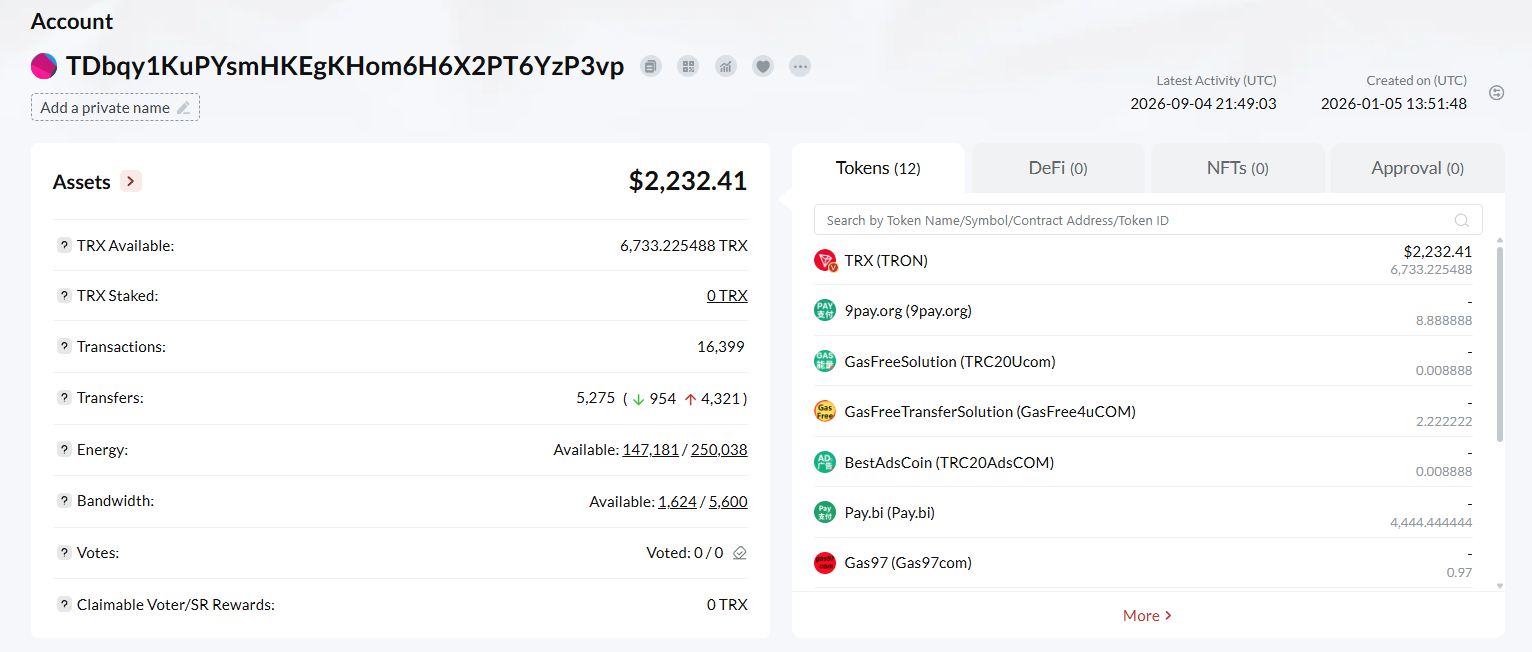
A person builds a lifestyle in the same way that a novelist develops a character, the only difference being that in this case the aim is to obtain payment. Was the debtor always chaotic or did chaos develop after the loan had been given? Did the 'business' in fact have real customers or had it merely shown enthusiasm on Telegram? Was the narrative of the bankruptcy concocted before the wallet had run out or after? These questions have a psychological ring to them since they do in fact rest on psychological grounds. Collection has always involved half accounting and half anthropology; crypto simply gave anthropology a public spreadsheet.
OSINT isn't as exciting as films; it consists of activities such as keeping multiple browser tabs open, checking archived messages, looking at domain registrations, and the fact that people keep on reusing old usernames on different forums. Private investigators include the off-chain elements that collectors need — for example, neighbours, employers who are reluctant, former partners who are exhausted, business partners who have been harmed, and public records which still use surnames. The blockchain does not take over this type of work; it offers an extra map. There are situations in which this second map goes against the first, and it is in these instances of contradiction that interesting investigations are discovered.
There is also the social pressure that does not demand people to have a wallet address. You could call the mother, send a message to a colleague, or go to the shop and ask questions whose innocence would then become costly. Some of these actions are unpleasant, some are legal, and others lie in a grey area where legality is nothing more than a front and shame is the real reason. Crypto hasn't created the kind of coercion that exists within one's social circle; it has simply raised the stakes of things that the circle might happen upon by accident — for instance, a joke about a seed phrase, a screenshot, or a text saying "can you hold this for me" which then becomes evidence of control.
The circle surrounding that person is against taking on this role. Mothers support the idea of peace. Coworkers want to keep some distance. Shopkeepers hope that Tuesday will be normal as well. Collectors realise that ordinary people will swap information in order to have the hope that the storm will leave their door; a form of such exchange existed before Bitcoin. The new thing is that the storm can now target a string of characters and refer to that as proof. It might in fact be proof, or it could simply be theatre dressing up as proof. In either case, the person linked with the debtor feels a change in the weather.
When it comes to multiplying one's assets, law is the collector's preferred option if it is available. Just as in the past it required the production of bank statements, post-judgment discovery now demands that digital assets be disclosed. Exchanges can be served because they hold the very thing that self-custody is trying to avoid: a name linked to a balance. In more than one jurisdiction, courts have been active in changing the view of "crypto is unreachable" to "crypto held at a VASP is a claim that can be frozen", the procedures for doing so becoming ever more conventional to enforcement officers. Although self-custody continues to pose difficulties, difficulty does not mean it is sacred; powers of contempt, turnover orders, and the risk of appearing to be a liar when giving evidence under oath still have an effect on those who claimed they could not be reached.
There is a kind of theatre associated with bankruptcy proceedings. Because of the schedules, people are required to be honest or face consequences. Trustees inquire about coins just as they used to inquire about boats. The debtor who appears to be poor while at the same time leaving a public record is not only risking their money; they are also risking the legal interpretation of their own words.
Scare tactics are still included in the toolkit since causing fear costs less than carrying out forensic investigations. A letter that identifies a wallet cluster may be either a bluff or a masterstroke. The debtor usually can't tell which. This lack of clarity is the object of the exercise. Collection is like a performance accompanied by a balance sheet. The most effective performances persuade the audience to go themselves to the cashier.
People approach this situation in terms of contagion. When one case of someone successfully disappearing into crypto happens, it leads to twelve similar attempts. Those twelve attempts then turn the situation into a portfolio issue. Portfolio issues in turn result in policy changes — this means asking more questions during underwriting, carrying out more monitoring, and refusing to lend to anyone who seems like an exit liquidity artist. The average borrower ends up paying for the more skilled ones. That is the way in which insurance logic spreads into credit.
When people who are in debt think about their situation, they do so with a sense of dignity and they delay taking action. A few of them are actually predatory. A large number are merely people who are drowning and have picked up a floating token and been calling it a plan. The plan ends in failure and then shame comes upon them, after which the mind begins to negotiate: if only I can wait until the next rally, if only I can keep the stash hidden, if only I can persuade them that I am empty. Bargaining is attracted to cryptography since cryptography has the appearance of a locked door; collectors also like that same kind of door because locked doors still have hinges and hinges leave traces.
A third animal is the friend or relative who acts as an unpaid informant. They don't wake up with the intention of destroying anyone; instead, they wake up tired of being used as a shield. The collectors know what fatigue is like. When people are tired, they talk; tired people pass on screenshots and will say things such as, "He still has that Ledger in the drawer." The ledger is made of metal and the sentence is like dynamite.
Human Stories the Profession Quietly Collects
A delivery driver takes out a loan in order to grow his side venture, ends up losing the money in a leveraged long position, and then maintains a quiet stash of stablecoins "for emergencies". Although it appears that he is in debt, in their conversations he still pays out small debts to his friends using USDT since he finds cash inconvenient. These small payments are breadcrumbs. Breadcrumbs form a pattern. That pattern leads to a theory about hidden surplus. The collector doesn't need to have the entire seed on the first day. What the collector needs is a reason to keep looking until the theory develops into a freezing request at an off-ramp.
A wealthy person who is in debt manages to appear insolvent even though they are still well known in the community, a place where status is mistaken for genuine character. The OSINT work is almost painfully simple — there are public addresses, repeatedly listed donation channels, and NFT displays that have turned into concrete evidence. The dramatic element isn't the technology at all; it's the fact that someone who used to promote the idea of sovereignty eventually realises that sovereignty means being able to be found by anyone who is willing to wait and stay professionally bored.
A corporate treasurer gives personal guarantees and then attempts to divide his life into 'company pain' and 'private money'. This division doesn't work when his lifestyle matches the pattern of the company's activities. It is precisely the rhymes that allow investigators to sleep peacefully at night. They do not require proof to be perfect in the first hour; what they need is a rhyme, followed by a process, and then time.
Then there's the casino type that the public tends to dislike: the loan is given to the felt, the felt holds on to it, and the borrower then comes across moral appeals regarding predatory lending. Predatory lending does exist and predatory borrowing also exists. The markets include both kinds of predators and regard both of them as customers. Collectors are employed to ensure that one predator's case doesn't serve as a model for a thousand copycats. That duty will never succeed in a popularity contest. Popularity is not the aim. The aim is to recover the principal.
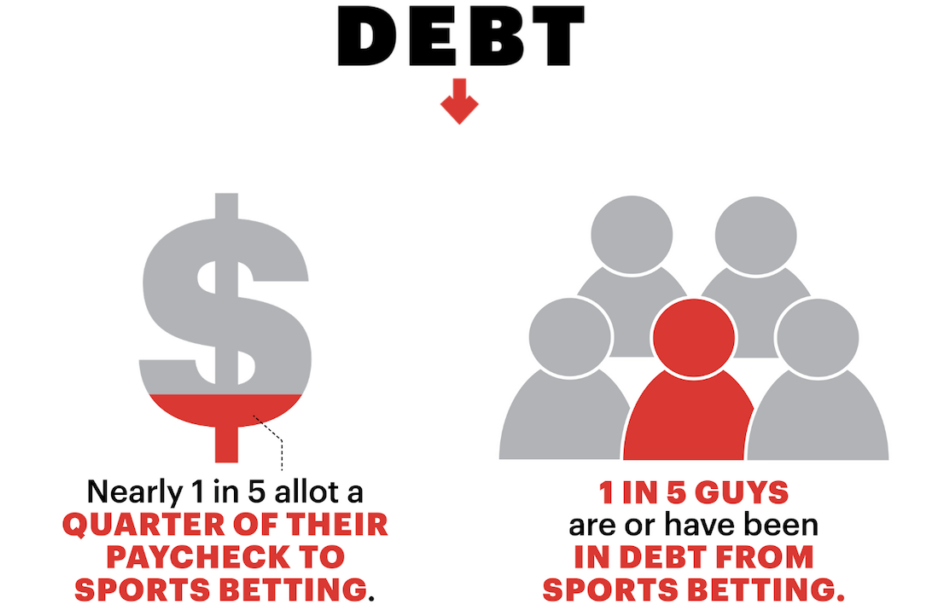
There is also a tragedy that doesn't make the news — someone who took out a loan to pay for rent, then tried to "grow it" by participating in a bull market chat, and afterwards hid the left-over funds in a cold wallet out of panic rather than as part of a deliberate strategy. From the outside, panic appears to be cunning. It isn't until the money is back that collectors are often able to tell the difference between panic and cunning. Empathy costs a lot when you have a long queue of files to go through. This very lack of warmth is one of the reasons the profession is so disliked — and also one of the reasons it continues to function when more compassionate attitudes would cause everyone to default systemically.
The traditional method supposed that there would be friction; when banks closed, transfers left traces through the clerks. Crypto reduces friction but increases paranoia. During one night of sleeplessness a debtor could make an attempt to flee. This is the reason why monitoring became a service: keep an eye on the known wallets, give an alert if the value moves towards an exchange, and act while the identity layer is still attached. The cat-and-mouse game then becomes continuous and continuous games benefit the side that can afford to pay for vigilance.
It also alters the moral atmosphere within families. Those parents who used to keep money hidden in a tin now hide phrases in a book. Couples who previously argued about credit cards now argue over whether a seed is "ours" or "mine". When collectors are ruthless they come to be able to hear those arguments going on through the walls. This does not always involve breaking the law, since sometimes people confide in each other indirectly when under stress. A marriage strained by financial pressure acts as an investigative tool whether or not anyone acknowledges this.
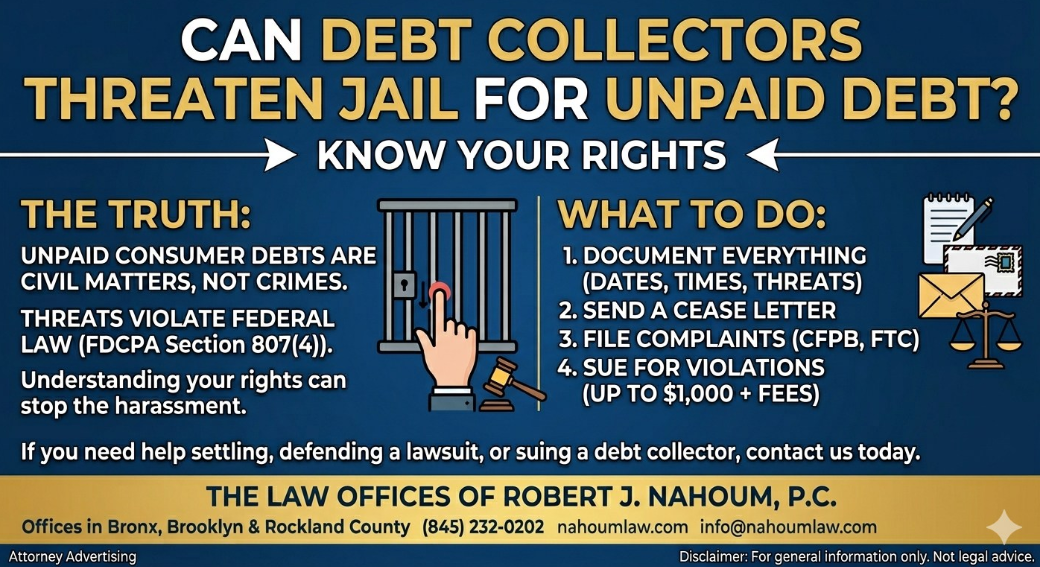
The more pressure exceeds the law, the darker the profession becomes. Threats, harassment, false claims of urgency, and the impersonation of officials — those old wrongdoings — easily move over into chat applications. Cryptocurrency doesn't clean up the behaviour of collectors; instead, it provides bad collectors with new tools such as fake tracing reports, intimidating hex strings, and screenshots which appear forensic to someone who is not knowledgeable. People who have been subjected to illegal pressure still merit protection. This fact can coexist with another fact without causing a contradiction: it is not automatic tyranny when collectors act lawfully against people who used crypto as a disguise. At times, such action is simply the routine enforcement of a contract that the person had agreed to while feeling fortunate.
Where the New Age Settles
Specialization will increase. Companies which merely focus on cars and sofas will seem rather outdated in comparison with those offering desks that combine skip-tracing with chain analysis. There will be greater courtroom expertise concerning wallets, seed phrases, and exchange KYC. More debtors will realize, late on, that 'not your bank' doesn't mean 'not your problem'. Lenders will start asking more unpleasant questions earlier on, since prevention is cheaper than engaging in talk about privacy.
In those situations where civil enforcement is drawing up clearer rulebooks concerning the freezing of coins held in exchange venues, another shift in the psychological atmosphere takes place. People who had placed their value in regulated places realize that "crypto" didn't mean "untouchable"; it simply meant "different paperwork". Self-custody still proves to be the more difficult issue, since even harder problems arise due to the threat of contempt, travel restrictions, the loss of business licences, and simply the exhaustion caused by having to live as if one were a fugitive from one's own signature.
There will also be a permanent cultural divide; those in one camp will claim that people collecting coins is proof that crypto has failed in its promise of freedom, while those in the other camp will argue that a form of money which cannot be pursued is one that cannot be trusted in commercial transactions since commerce depends on the possibility of recourse. Crypto did not originate this debate; it simply brought it into the open on a public stage, presenting it with more attractive graphics.
A third group, however more reserved, is content just to lend without risking themselves and to borrow without becoming foolish. This group will have to put up with more complicated underwriting, deal with worse questions regarding wallets, and accept a credit system which regards on-chain behaviour as character evidence regardless of what philosophers think. Character evidence is always disputed, and yet contested matters still determine the flow of money.
The profession which was once established has not disappeared; instead it has recruited new people to carry out the work. It has learned to read ledgers as if they were diaries. It has realised that someone can own nothing in writing and yet still be required to reveal the truth about a stash. Whatever the means by which that truth comes to light — through a subpoena, because of a relative's exhaustion, as a result of a contradiction in their way of life, or simply out of panic at an off-ramp — the motive remains primitive: value was promised, value was taken, and value is now being sought.
Some debtors will still win the practical game by remaining careful, staying cool, and never again touching an identity layer. This kind of victory is genuine and uncommon. It is because of its rarity that credit continues to set the value for the average case rather than the perfect escape. Most people cannot live like ghosts indefinitely. They need groceries, status, warmth, and a place to stay. Collectors place their bets on that ordinary human need. Crypto has merely changed the form of the bet; it has not cancelled the bet.
The main takeaway is not to borrow never and not to use crypto never. Rather, it is that loopholes tend to advertise themselves. People who collect are paid to close such advertisements. Debtors are led to think that the ad was a way in. With these two motivations, the search goes on — it is less dramatic than people suppose and more personal than they are afraid of, and it is becoming more fluent in the language of hashes.
In this new age, a number of moves keep on being repeated, with all the romance having been removed.
1. Look for a crack between the debtor's lifestyle and their stated state of poverty and then expand it using records, the chain of historical events, and the people associated with the debtor.
2. It is better to use exchange touchpoints and legal proceedings when they are available since names are more effective than poetry.
3. Ensure that the pressure remains warm so that the cost of delaying appears greater than that of settling, with the careful process of tracing going on in the background.
That is what constitutes the craft. It is not attractive and is not always within the capability of every practitioner. Moreover, it is by no means optional for any serious credit system which is unwilling to turn into a party where people treat repayment as a matter of feeling.
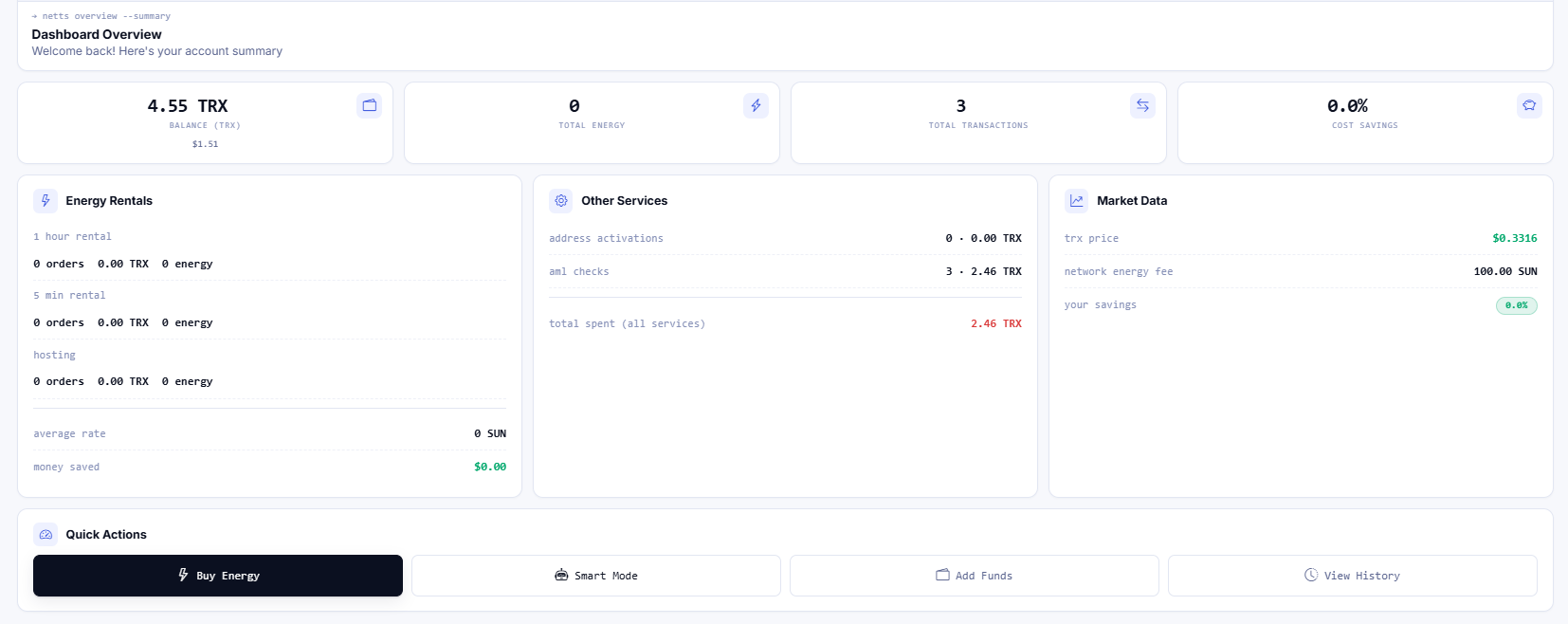
When the pursuit of catching up on personal matters moves back to normal operations — when it comes to handling desks that have to move value, keep addresses under review, and ensure that the processes go on without turning each transaction into a court case — the importance of the dull underlying infrastructure reappears: a TRON API for controlled actions, USDT automation for repeatable settlement, and a TRON workspace in which teams cease having to act on the spur of the moment under pressure. Netts Workspace is part of that unromantic level, offering delegation tools, monitoring facilities, reporting capabilities, and the kind of routine daily arrangements that continue to make a quiet difference after the debates about who owes whom have been moved to another room.