Crypto in Latin America: Escaping Inflation through Blockchain
Argentina's corralito, Venezuela's hyperinflation, and why millions turned to USDT before crypto was considered fashionable.
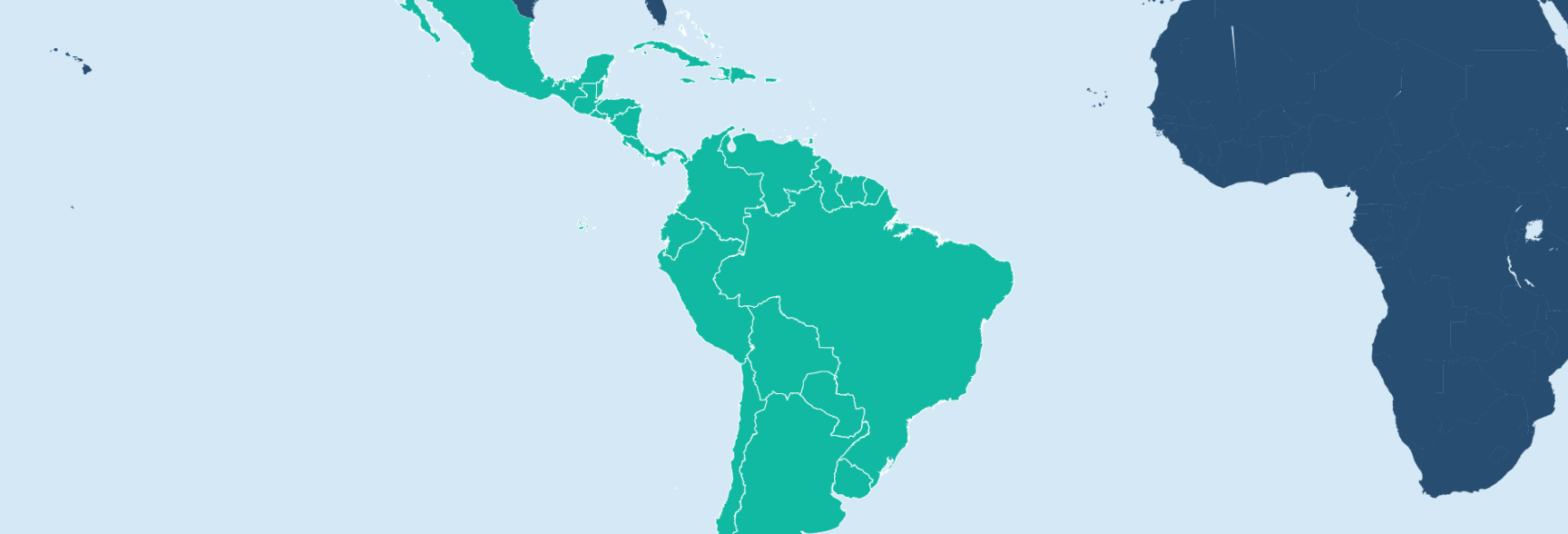
Imagine a woman in Buenos Aires — if you will, we can name her Valeria, because there are thousands of Valerias — who has developed a peculiar habit that would appear odd to anyone brought up toeing the popular financial line. Whenever she gets paid, hours after the transfer clears, she converts a huge chunk of her salary into USDT. Not days. Hours. In her head she has a cursory tally: how many pesos are needed this week. Everything else will be digital dollars by the end of the day.
She is not paranoid. She is not unsophisticated. She is a graphic designer who graduated from university and has a client list that includes some well-known overseas companies. She always does this because she learned, the way people in places that shake learn to leave shoes next to the bed; not in theory but pain. Her salary was in 2012 all in pesos, and in this year it lost about a third of its purchasing power within 12 months. The money was not lost in a spectacular crash. Each week it lessened morosely, like a water tank that no-one bothered to fix.
The arrival of a functional, practical stablecoin in USDT was not an ideological phenomenon. It was the shoe near the bed.
What It Really Feels Like When the Money Dies
If any region in the world rapidly adopted cryptocurrency, there was a high possibility it would be Latin America you just have to know how it feels like to live inside an uncontrolled inflation and you will start to understanding this. Not read about it. Feel it.
Then there is the psychological element that takes place where prices matter significantly (week on week changes) as things have been made cheaper. Until you do not think money as a store of value anymore. It gets into the mentality of this is a perishable. You have as little of it at any time given, because holding it on is a negative not a positive. Instead, for example, you purchase things that you may need in the next month today — not because you want them now but because you are aware of the fact that they will become more expensive. This is not crazy — it is normal with distorted money. After all, it is exhausting as well and it chips away at something that lies in the very air you breathe every day. It is not trivial to have a currency that is working against you, all the time.
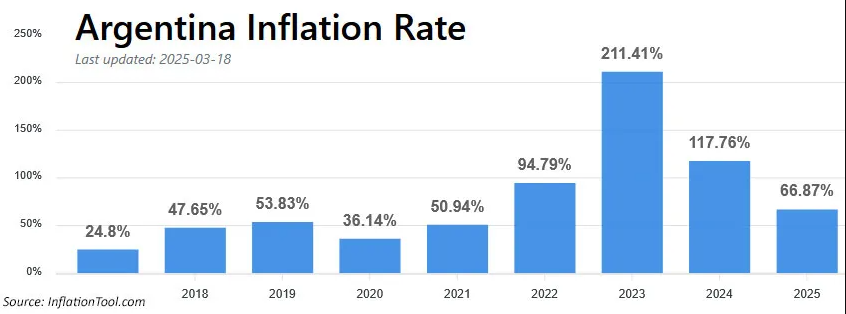
In 2024 Argentina had annual inflation of around 117 pct. Venezuela in that same year had an amount of about 47 percent — a number that would have caused complete crisis under any reasonably functioning economy, but which appeared to be close to a respite after the hyperinflationary years in which annual price rises numbered into millions of percentage points and the banking system effectively lost all guidance over its own currency Before a stabilization program eventually held in the late 1980s, Brazil passed more than 2,000 percent yearly. These are not outliers in Latin American economic history. They are the rhythm of it.
This is a historical recognizable shape of this pattern, that otherwise you do see in other contexts. The Weimar Republic in Germany gave us the iconic images of people pushing wheelbarrows full of cash to buy bread — not metaphors, not propaganda: real photographs of actual people from the early 1920s. These hundred-trillion-dollar notes were issued in Zimbabwe before the country discarded its currency altogether back in 2008. The French assignat, a paper currency introduced to finance the hopes of the Revolution, was printed into uselessness and literally burned in public ceremonies as part of its symbolic death. In either event, it was those unable to sell their shares or bonds into something tangible — land, foreign currency, gold — soon enough that suffered the greatest loss. Those that moved first lost the least.
This lesson was not something Latin Americans read in history books, but rather something they learned by watching it happen to their parents or themselves. The psychological legacy is, therefore, deep-set: structural distrust of anything measured in local currency; a reflex for hard assets and foreign exchange; an unusually cautious view about banks that carries over from the particular horror of the Argentine corralito.
Corralito — Specific Betrayal of Being Locked In
December 2001. Argentina is already in its third year of recession, government reserves are dwindling and the sign of another impending devaluation are evident. Ordinary Argentines know it too. For months, a slow bank run — people quietly going in and out of pesos to dollars within the informal circuit. Dec. 1st → The government says withdrawals of cash will be limited: people are allowed to take out up to a week 250 pesos (US$16). Technically, their money is still there. They just cannot access it.
It's called a corralito. Little corral. A pen. Like an animal pen.
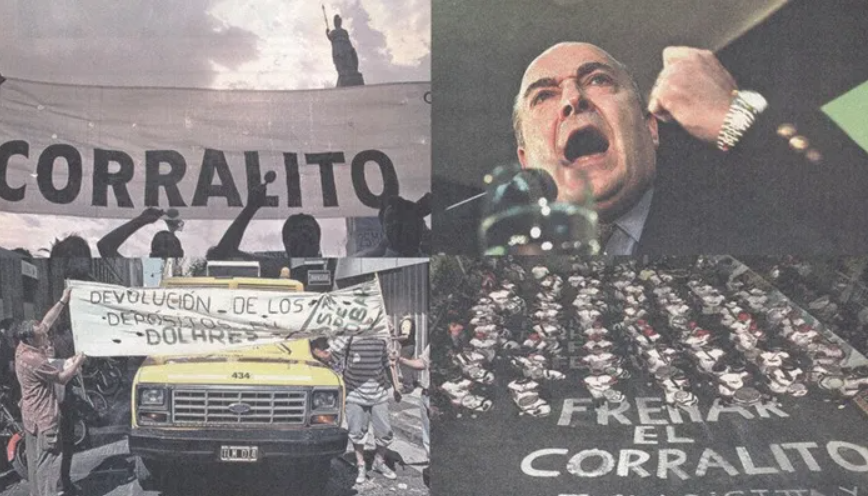
The anger this incites is not about money at all. It is about the betrayal. People had dutifully stored their surplus money in the banking system. They were promised access to their deposits by the system. The system lied. Its aftermath was one of the sharpest social and political implosions in Latin America for years — five presidents over two weeks, urban insurrection, citizens hammering pots outside banks and universal discrediting of the political class. It was the biggest such default History had ever seen, certainly to that point.
Because twenty years later, an Argentine who is told that you ought to hold your savings in a properly regulated financial institution understands something different from someone from Germany or Canada. They remember that Sunday in December when they learnt the account to which they'd been dutifully paying was suddenly shut down because those running the system had decided their stability mattered more than your money.
This is the emotional soup that crypto landed in. Not a technology in search of an application. This is a use case searching for a solution.
People Who Found What They Were Looking For
The profile of the early crypto user in Latin America was not a very similar one to that of the first Bitcoin adopters in America. The Americans were predominantly computer scientists, cypherpunks and libertarians seeking an ideological point to make about central banks. Particularly large numbers of the Latin Americans were people who were looking for solutions to practical problems that required practical solutions, and who needed them faster than the financial industry was providing alternative forms of cash.
Someone sitting in Caracas around 2017, watching their bolivar savings evaporate, was not thinking about the beautiful theory of decentralized consensus. Six months down the line, with all that money in their account worth a fraction of what it is today, they were wondering how to feed their family. During years of hyperinflation, peer-to-peer Bitcoin trading platforms experienced massive growth in their Venezuelan user base. The price at which the premium users bought Bitcoin with bolivars — at times considerable, because of demand outstripping supply and the bolivar collapsing so quickly that any dollar-denominated asset was worth almost anything — tells you something about how desperate things were. They were not speculating. This is creating a survival tax they were paying.
This story, however, played out in a different key in Mexico. Inflation in Mexico — though painful — was not an actual threat to existence, quite like it was in Venezuela. What Mexico had was remittances — one the largest transfers of cross-border cash in the world, most of it flowing from workers here in the U.S. back to families in Oaxaca, Jalisco, Michoacán and 100 other states. The construction worker in Houston sending three hundred dollars home every two weeks was not fleeing inflation. That was an effort to keep five bucks for every hundred. They did not want to give it to Western Union either.
The World Bank recorded an average cost of about 6.5 percent in 2025 for all international money transfers worldwide. That is nineteen dollars and fifty cents, taken from people who earned that money doing back-breaking labor, and waiting on their families to get it for three hundred dollar transfer. And the companies extracting those fees showed no remorse. Infrastructure, regulatory, compliant product — it had it all. Until recently, they have also faced no serious competition.
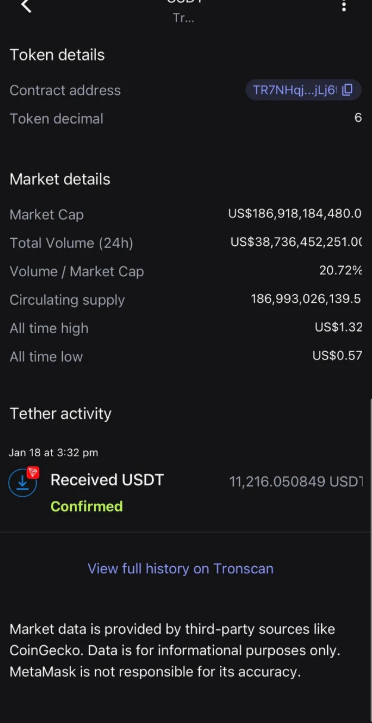
That competition became USDT on TRON. Not with branding or marketing or a cool app experience. Through arithmetic. Send $300 in USDT on TRON and cost of the transaction was cents, not dollars. It was not days, but minutes the transfer arrived. Which meant the owner needed a smartphone and a wallet (which so far they increasingly did). To make things even better three months later Guatemala's biggest bank integrated stablecoin technology enabling remittance to be sent in less than twenty seconds with a flat ninety-nine cent charge right from the banks app. The math was apparent to anyone who had ever waited in line at Western Union.
Notice that, in a story about Bitcoin, we would often skip over what the specific role of the TRON network was; because of long-staring meta-analysis. TRON was not an ideological project. Infrastructure tailored for high-throughput, low-cost, fast transactions. That it went on to become the de facto worldwide rail for USDT transfers, including in Latin America, was almost entirely disconnected from its technology philosophy but almost entirely positivist as far as fees were concerned. So for those who use TRON a lot, knowing the price of TRON Energy became as practical a skill as learning about peak hours on the electricity bill (anybody who pays attention to their bill learns this). Choose timing a transfer to mitigate TRON Energy peaks, search for the cheapest TRON Energy on the market before executing bulk transactions — these are small operational decisions that accumulate into significant cost savings when you move large volumes.
In the new economy that emerged in Latin America around crypto, there was no place for these techno-optimists. No breakout DeFi protocol that was changing the lives of the unbanked. Rather, there was a layer of informal infrastructure constructed by scrappy individuals with hustle and a phone. Venezuelan p2p exchange operators went from common folk operating tiny, informal currency exchange businesses using Request for Quote (RFQ) methodology to the brokers among buyers/sellers of USDT and bolivars earning a spread. It was unglamorous, it was not regulated and it worked! Similar networks fed remittance flows in Colombia and Mexico. Mercado Bitcoin built one of the continent's most valuable fintech companies in Brazil by being there when you need them and not bleeding customers dry in fees (buying bits of smaller coins with other coins).
Government Problem — El Salvador Lesson
At least since there is some version of this same lesson available to every government in Latin America trying to get ahead of crypto adoption: the population's relationship to digital assets isn't really ideological, meaning that ideological responses do not tend to land with quite the force politicians imagine they could.
Nowhere has this been more dramatic than El Salvador's Bitcoin experiment. President Nayib Bukele, who likes an international stage, passed the Bitcoin Law in June 2021 that established Bitcoin as legal tender alongside the US dollar. The framing was bold: this is going to offer financial services to the 70 percent of Salvadorans who have no access to a bank account, cut remittance fees long extracting wealth from Salvadoran families into generations past, and stimulate local crypto investment and talent.
The reality was messier. Over and over again, ordinary Salvadorans survey them said they did not want to convert their daily transactions into Bitcoin. Not for any tech-phobic reason, but because the price of Bitcoin could rise or fall twenty percent every week and you cannot use an asset that may have no value tomorrow to pay rent or buy food. The government launched a Chivo wallet that was wrought with technical issues.
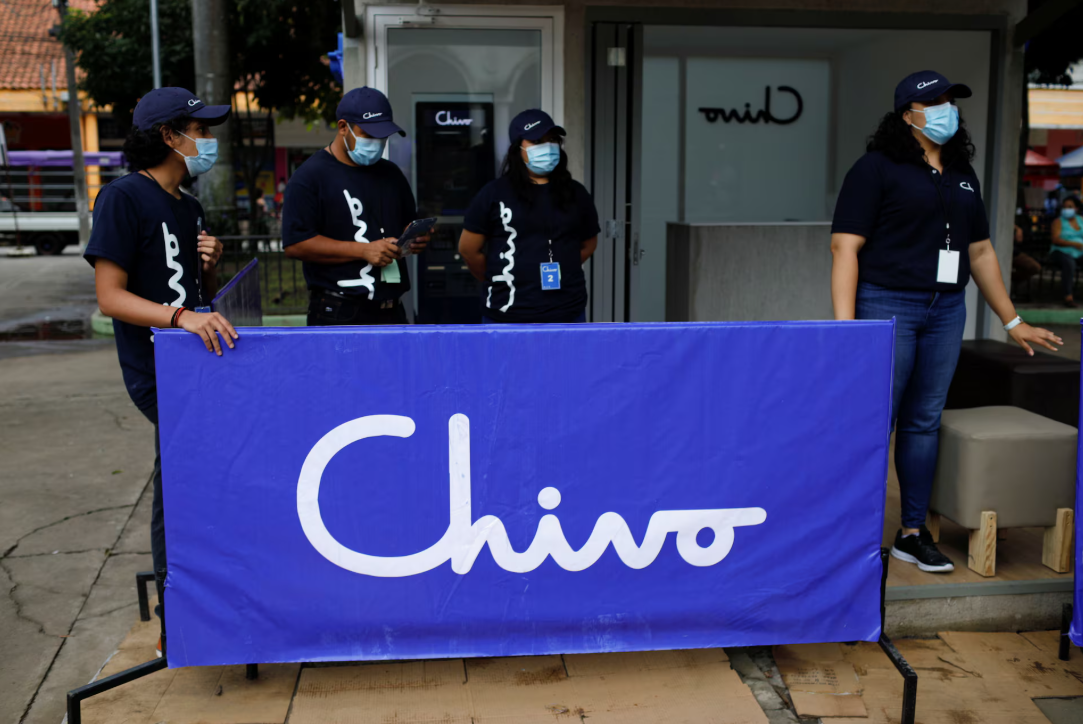
Every citizen who registered received thirty dollars in Bitcoin from the government, but most recipients quickly converted those bitcoins for dollars — a smart decision, to be sure, but not what the program was aiming at fostering.
The IMF — which had been doubtful from the outset — later stipulated a revision of Bitcoin's legal tender status in exchange for a $1.4 billion loan agreement. Bitcoin is no longer legal tender as of February 2025. Acceptance became voluntary. The mandatory merchant requirement disappeared. The government maintained its stack of Bitcoin — Bukele had bought the dip time and time again, and so it was now in profit — but the headline policy experiment was over.
Many have taken this to mean that crypto is not a national currency, but what El Salvador has actually shown is something far different. It showed something much more particular: that the volatility of bitcoin, which is a real barrier to its adoption as currency round the clock, cannot be conjured up through so-called 'top-down' imperatives. The Salvadorans who adopted crypto took the pieces of it that fit their lives — some remittance receivers found the option cheaper and went for it; the Bitcoin Beach community in El Zonte had been building a local circular economy around Bitcoin before, and continued doing so after it. This mandate injected noise and controversy into what was otherwise a low-tech local experiment uneventfully running behind the scenes.
Milei's Argentina is the opposite — not forcing adoption, but eliminating friction. The 2026 decree removed the transaction tax of 1.2 percent on exchanges registered in the CNV, which was not really a visionary crypto regulation either. It was what happens when the government ceased trying to squeeze rent from every financial transaction it could get its hands on. This, in turn produced a more permissive environment for exchanges which combined with the population's pre-existing thirst for anything but pesos resulted in consistently increasing rates of formal platform adoption.
Brazil created the most institutionally robust construct in region — adherence to registration, KYC, tax reporting infrastructure. The DeCripto framework placed Brazil among the most advanced digital-asset regulatory regimes in the world, and that capital had a way of finding its place: $318.8 billion flowed into crypto in Brazil by 2025 — making it the top market in Latin America and one of five largest global markets worldwide. And this is what regulatory clarity does, if underlying demand is real. It does not generate demand; it removes the friction that was keeping large institutional capital on the sidelines.
Part Nobody Wants to Discuss
Jorge Figueira would be a sixty-year-old Venezuelan national who allegedly laundered around one billion dollars of inside proceeds through the use of cryptocurrency, as specified in an US DoJ indictment from January 2026. His weapon of choice was USDT, on TRON. Among those clients were operators with ties to cartels and entities under international sanctions. He transferred between these wallets tens of millions of dollars, but once they were eventually identified, blockchain analytics companies traced his footsteps.
And this case gets cited as proof that crypto facilitates crime. The more nuanced version is that Figueira was creating a business opportunity with the same solution Valeria resolved with her paycheck conversion: how do you store and transfer value if the conventional financial system is either busted or under duress? The motivation was different. The mechanism was identical.
By industrial scale logic, this is illegal gold trade at the national level in Venezuela. Mining operations, which destroy both indigenous land and jungle ecosystems, extract gold from the Amazon basin that is sold into Venezuelan exchanges for USDT. The funds flow through crypto infrastructure designed to avoid the sanctions regime the goal of which is to stop financial flows into the Venezuelan government beyond a minimal level of maintenance of national functionality within international finance. With TRON being cheap, fast and accessible, lured into this activity no more than any honest remittance sender would be.
The compliance community goes on about it in terms of "cartel-linked over the counter brokers", and "Chinese money laundering networks using Mexican corridors" and other arcane bureaucratic formulations that render the problem abstract. The human version is simpler. That same infrastructure that enables a family in Oaxaca to receive funds from their son in Texas for no more than twenty dollars by bypassing Western Union allows an organization engaged in holding up half the world to transfer dirty profits across borders without passing them through a bank that would alert authorities. You can not create a road for honest folk to use.
This creates a cumbersome compliance burden for each and every legitimate platform in the region. Even if the exchange knew nothing about it, a Brazilian regulated entity that accepts a deposit from a wallet connected to sanctioned flows can be punished. The FATF Travel Rule increasingly mandates platforms to record both sides of every transfer. The cost of compliance rises. Other smaller operators either take it in marks or migrate to informality, strengthening the opacity that regulators are trying to combat. At the platform level, this is not a solvable feature. It is a regulatory solution to an IT problem.
Phones, Power Cuts and What It Actually Felt Like
The mobile-first nature of how Latin America accesses the internet is not a theoretical question. A smartphone is the main computer in many households across parts of Venezuela, Mexico and rural Brazil. Which wallet to use cannot be separated from the question of which wallet runs decently on an unstable phone connection and occasional power cuts.
Because its app is well-flowing, market is aggressive at the local level and works quite well in somewhat challenging environments that would stress a higher-powered application, Binance's share of should be enormous across the region. If you want to hold your assets without giving them away to an exchange, Trust Wallet is the default non-custodial option. MetaMask is for people that are far enough along in DeFi to see value in it, a smaller and savvier subset of the Latin American context. Lemon created a local product in Argentina that seemed like it was local to Argentines, not simply a translation from English which people used and the service adopted as needed. Ripio has cross-country presence:
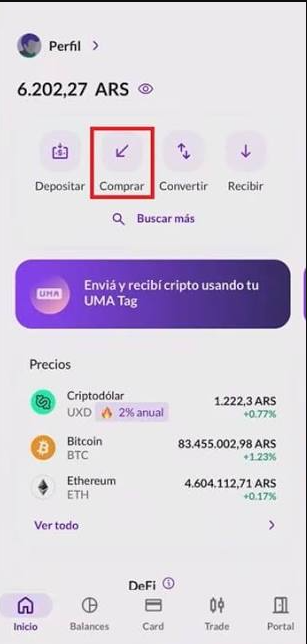
In particular with respect to USDT on TRON — which we think is actually the stablecoin rail that most of what you call daily use in this region runs atop of these days — TronLink and imToken dominate transaction volume/market share. TRON: The Energy that TRON uses for transaction processing is not too complex in theory, but the kind of detail you only want to know once you're doing regular volume. It is worth noting that transferring USDT costs an average of 65,000 Energy. If that Energy is available to you because you rented it in advance, finding the cheapest TRON Energy available at the time, or if the network will burn TRX at the default rate because your balance was zero — is a difference that compounds over time. This is not different from someone who, every week, sends money back home and learned about the ATM with the lowest withdrawal fee.
In a stable country, power outages do not occupy the same particular anxiety. Your wallet is on your phone. Your phone needs electricity. Electricity is unreliable. The situation in which you need to give or receive money urgently and cannot do it because there is no light, is not hypothetical — it is routine. Except for the part where you cannot access the device that holds it, non-custodial wallets offer sovereignty over your own assets. On the contrary, custodial wallets allow for recovery but force you to trust an institution; after all the regulation on what happens when you trust institutions in this region is already out there.
Success is not reserved for those who read the whitepaper or follow the market cap rankings most closely. The ones that discovered something that worked and hammered it they would be the first to fail, repaired their failure and built a productive collaborative relationship with those specialized activities corresponding to whatever tools they decided necessary for specific situations. Valeria translates her wage into USDT within hours of receiving pay. Her wallet is a known quantity, on a network she has explored enough to know its idiosyncrasies. It is not so much that she has no interest in DeFi or NFTs or whatever next narrative comes her way . She solved the problem, and will keep using the solution.
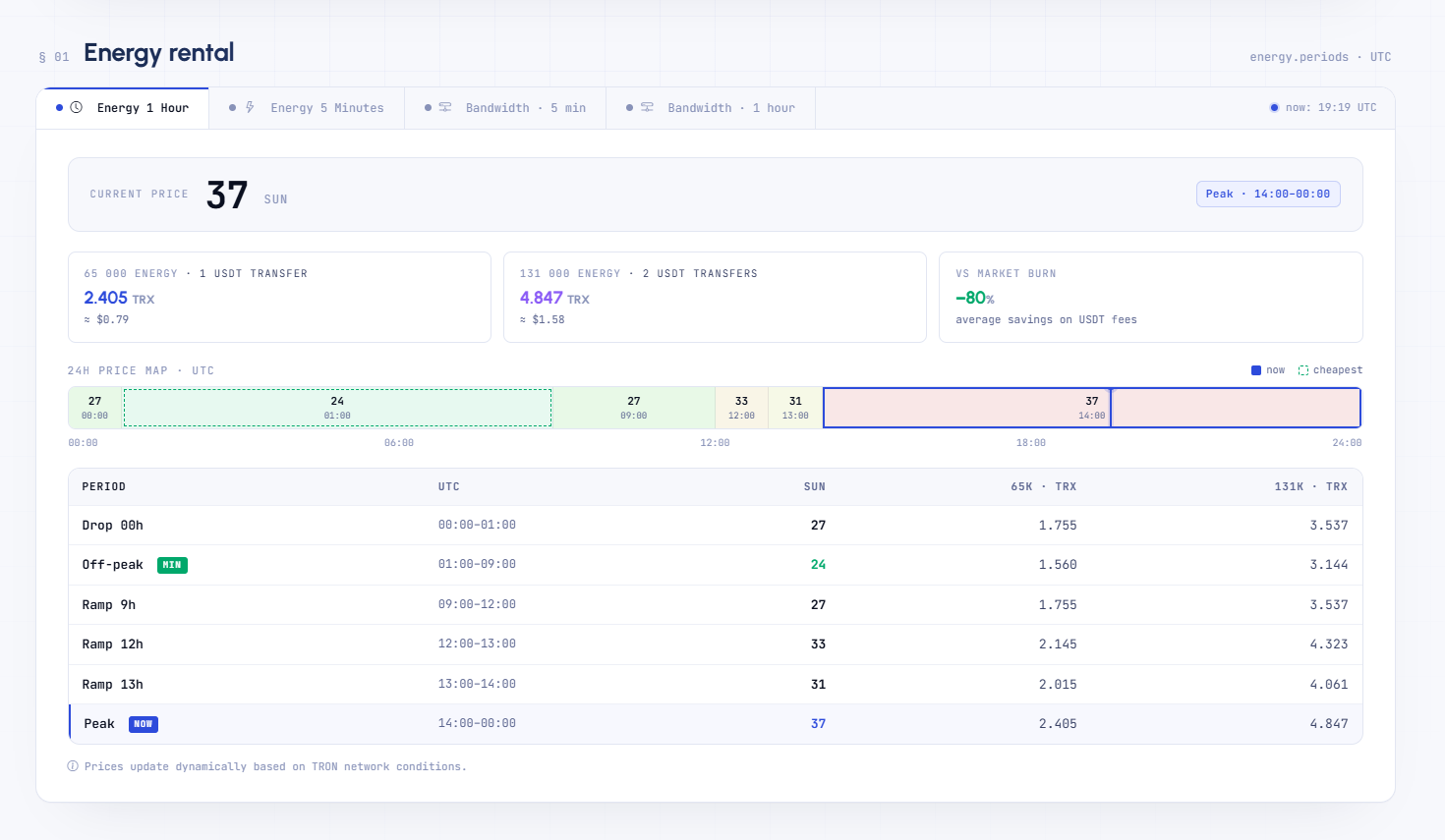
But for those who operate at higher volume — the remittance operators, the OTC desks, and the exchange settlement services that shift USDT across borders en masse — fee management factor into real operational concern. Netts Pricing displays the full daily running TRON Energy rental rates, including real time information on when prices are at their least expensive and the current cost per sun of one-hour and five-minute windows, as well as how far below default TRX burn rate rental prices reside — normally 80 percent lower — with all fees inclusive meaning anyone moving USDT frequently now has a functional tool for identifying the cheapest moments to act.