Crypto Market Makers: Invisible Hands Behind Token Launches
Token launches look democratic, but market makers, insiders, liquidity deals, and hidden financing often shape the chart first.

The romantic view of a token launch is an almost universally shared narrative. Some clever cryptobro has thought up an idea, written a contract, posted a manifesto, gathered a community, and let the market decide. Buyers are not customers but disciples; the token itself is not a product but a holy grail, a chart not a chart but democratic price discovery in action; everyone is welcome to participate and no one is promised anything, and so the internet proceeds to print money with no permission from Wall Street.
It’s a noble tale, which is why it’s so often used to sell the product.
Meanwhile, the less-romantic but true version involves a preponderance of already-rich people making new ones even richer. A token needs branding, liquidity, legal counsel, exchange partnerships, market makers, social distribution channels, paid promotion, wallet funding, listings, treasury management, and a healthy war chest to prop up the price before anyone else gets in; a laptop can launch a token, but a wallet with a million dollars in it can launch a market. This reality involves both the retail buyer and the sophisticated one in the room with the largest wallet realizing the project’s fair launch narrative involves some very unfair center seats.
As a result, the token’s launch involves a public relations stunt and a heavily negotiated private one: the project announces a ticker symbol, the public buys in, but the insiders quietly negotiate cap tables, token loans, unlocks, wallets, market-making sponsorships, options, OTC fees, and kill switches for volatility, and everyone has a financial skin in the game. It doesn’t mean every token launch is a scam; it means that the public myth is almost always overly generous to the buyer. The markets may be disintermediated, but the allocation process almost always retains at least one intermediary. The token launch’s long-tail economics involve early wallets selling their shares when the crowdsourced market is in need of liquidity, or a market maker hedging its position when the token’s volatility regime has changed, or insiders exercising their options, or a founder’s wallet dumping its supply to pay bills, or an exchange buying large quantities of a token to list it on a derivatives platform. The average buyer stares at the price chart and calls it community; the insiders study the inventory and call it market structure.
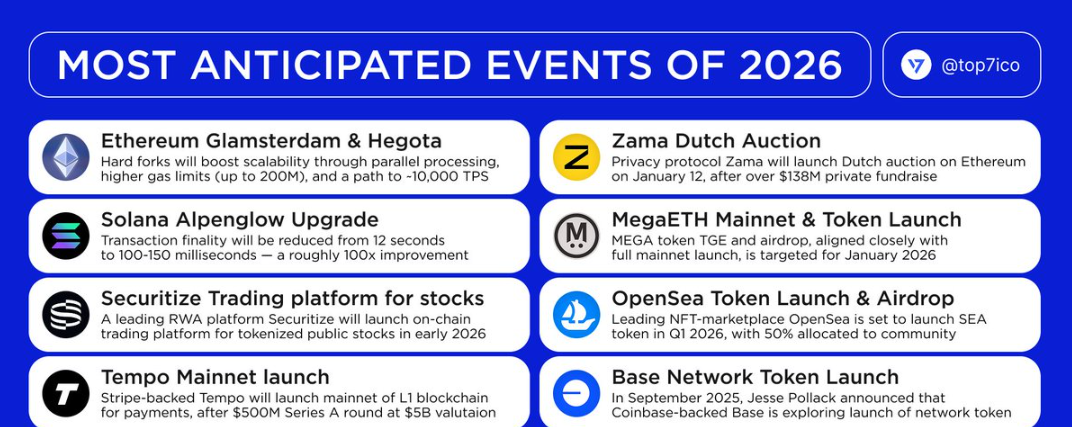
The most insidious part of this unfairness is that it often occurs in markets where crypto’s egalitarian principles are applied with the utmost irony. It is no coincidence that many of the space’s largest liquidity providers also act as launch advisors, underwriters, venture capitalists, and promoters for the protocols they list or distribute. If a token launch’s success is dictated by the ability to pay for the right distribution channels, its failure is often cushioned by the same intermediaries eager to appropriate the risk. The market structure of any given token influences its value capture long after the launch’s immediate success or failure – the entity that sells the largest quantity of tokens to the public may find itself buying back its shares when the price collapses, while the entity that bought the largest quantity of tokens from the initial supply can sell its stake to the next-largest one while pretending not to be seen. Either way, the long-tail liquidity economics rarely favor the small-time speculator who was promised a fair shot at being an early buyer.
Launch Day Is Not a Fair Fight
A token launch is not what you see on Twitter – it’s a fundraising campaign. Long before the first ordinary investor has bought a single token, someone has already negotiated how much supply insiders will receive, how much liquidity will be printed, at what price or bonding curve, on which exchanges, how much the market makers will be paid to facilitate trading, which influencers will be paid to talk about the product, which wallets will be funded, which announcements will be made, and how much liquidity will be on board at launch. The public token launch is the visible portion of a much larger allocation campaign that determines who gets to sell what to whom at what price at what time.
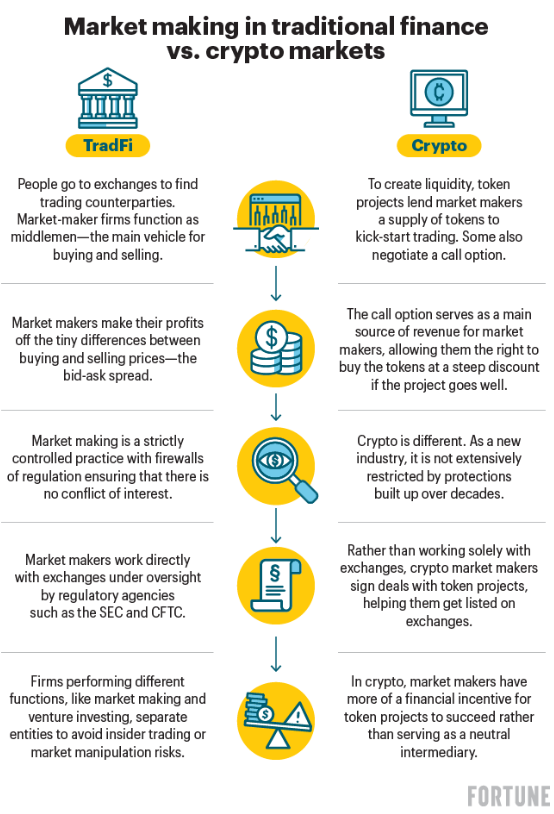
A market maker occupies a privileged position in this domain due to having the ability to print liquidity and therefore influence price discovery at any given point in a token’s lifecycle. This ability is valuable to everyone from speculators to exchanges; it is why all market makers are essentially underwriters for any token that wishes to list on their venue. In a vacuum, the services of a market maker are indisputably useful to any token launch that wishes to appear liquid at the time of its exchange listing. The same cannot be said of their compensation, which is frequently tied to the performance of the token in question. An option fee structure or a cash retainer with inventory liability might be appropriate in many contexts, but not when a protocol is attempting to manufacture scarcity, misrepresent its own launch dynamics, or promise more community control than is realistically possible. If insiders wish to sell liquidity to the public at launch, they should be entirely transparent about the opportunity.
Markets function on information asymmetry, but such an advantage rarely extends to the entire public. In the case of a token launch, the most important disclosures are frequently hidden behind a veil of privacy or plain old deception. The founder knows more than the market; the market maker knows more than the would-be individual speculator buying on Twitter; the exchange knows more than either of them; the early investors know more than the influencers selling their allocations. The biggest short here is the retail buyer, who is frequently expected to do due diligence on every aspect of a token launch while providing little information to him or herself. If the token’s “fair launch” turns out to be anything but fair – if the market maker selling inventory knows something the public does not, or the exchange buying large volumes has information on the launch timing – then the retail buyer who clicked the “buy” button is the one who gets to eat the risk.
Trumpcoin and the Politics of Exit Liquidity
The launch of Trump memecoin serves as a sobering lesson in the dynamics of both exit liquidity and market structure for a rapidly growing number of retail investors. With rumors of a launch preceding the 2025 inauguration and the public eager to get their hands on the first-ever politician memecoin, early buyers acquired the token as a symbol of their support for the former president and his economic agenda, while late buyers purchased it with the expectation of profit from the inevitable short-term price increase. Meanwhile, tourists browsing the token’s social media account became bewildered by the sheer amount of hype dedicated to a memecoin and wondered whether there was anything of value to buy at all.
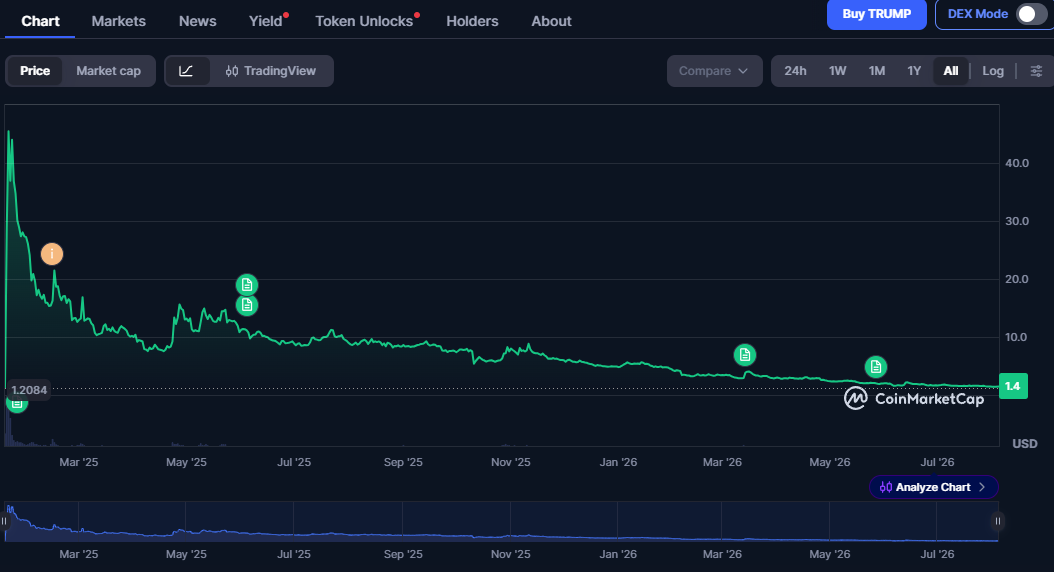
The subsequent rise and precipitous decline in price saw many ordinary investors who purchased the token at its peak unable to sell at a profit while the largest holders, many of whom were affiliated with the Trump political foundation, allegedly sold millions of their tokens for a substantial sum of fees or revenue generated from the token economy. The legal and political battles that ensued following the token’s launch continued to rage, with each side accusing the other of fraud and misrepresentation. However, the very existence of such litigation serves as an object lesson for anyone considering a purchase of a memecoin or any other type of token with a similarly large supply.
As highlighted by the Melania token and the ongoing litigation surrounding it, a similar set of circumstances can unfold with any high-profile memecoin. The lawsuits involving Meteora, Kelsier Ventures, Benjamin Chow, Hayden Davis, and other unaffiliated third parties accused several entities of engaging in a fraudulent scheme to utilize the reputation of Melania Trump to facilitate a rug pull and massive shorting of the memecoin. Melania Trump herself was not accused of wrongdoing in any capacity – she was a celebrity whose name was used by several accounts and whose social media posts allegedly served as an unofficial marketing tool for the token’s launch. However, the court documents detailing the alleged affairs around the token were highly incendiary and served to highlight the potential risks for retail buyers of virtually any memecoin launch.
Similarly, the LIBRA scandal surrounding Argentina’s president Javier Milei and his presidential campaign is another example of a seemingly fraudulent memecoin scam fueled by both celebrity and liquidity. Celebrity endorsements, however, are merely part of a much larger campaign of deception that spans across entire liquidity ecosystems. The public face of any given memecoin – a president, a first lady, a founder, a mascot, an influencer, or a community member – is frequently separate from the actual launch consultants, liquidity designers, market makers, snipers, VCs, and advisors who operate behind the scenes. The very fact that these figures rarely appear in public-facing communications for the memecoins they ostensibly endorse speaks volumes about the potential risks for any given retail buyer.
Why Would Investors and Founders Stay Hidden?
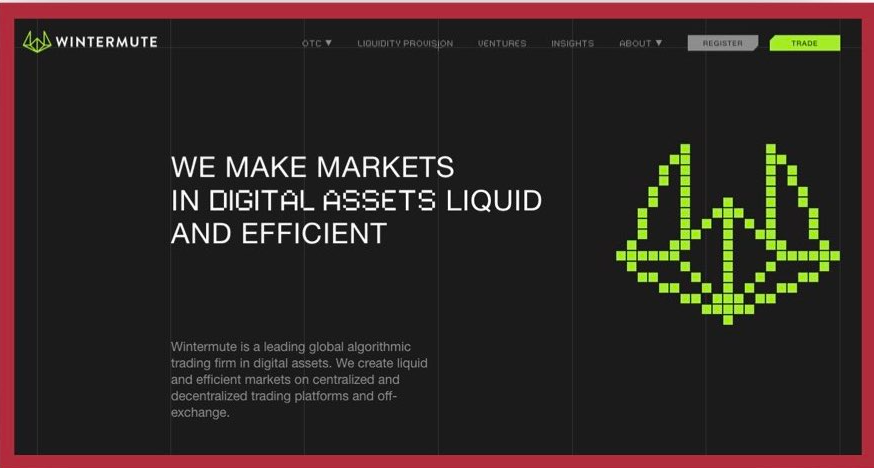
Wintermute, GSR, DWF Labs, Cumberland, Jump Crypto, Keyrock, Flowdesk, Amber Group, Kronos Research, B2C2, and dozens of other major market makers are not your everyday day-traders. Most of them are serious liquidity providers with exchange partnerships, algorithmic trading desks, OTC sales teams, venture arms, legal counsel, risk-management infrastructure, and deep pockets to match the competition. While some have existed as market makers prior to the advent of crypto-native assets, the majority of them were founded in the crypto space and have at least one division dedicated to algorithmic market-making. Most of them have a public brand, a website, and a name that signifies institutional-grade operations. That reputation matters – it signals to the public that any given token exchange has sufficient institutional credibility to host a meaningful token launch.
GSR, conversely, is a full capital-markets infrastructure provider, which means that it offers a broad range of services to protocols looking to launch their tokens. After years of competing with traditional market-making rivals, the company announced its expansion into the launch advisory space and promised to provide end-to-end support for its clients. As a result, the token launch industry is quickly evolving from a fragmented series of discrete services into a fully-integrated capital-raising experience. The market infrastructure space is growing up – fast, and with it comes increased scrutiny.
DWF Labs occupies a unique position in the industry as a market maker with an aggressive publicity budget and a reputation for funding projects at their most vulnerable moments. It simultaneously operates as a venture capital firm, a market infrastructure provider, and a liquidity protocol with publicly-listed war chests. Its critics have accused it of lacking transparency and providing investors with inadequate downside protection due to its conflation of roles as an exchange advisor, promoter, market maker, and liquidity provider. In the eyes of its supporters, however, it is a visionary firm that is willing to take bold steps in order to fund promising protocols at their most critical junctures.
Meanwhile, Cumberland and Jump Crypto represent another school of thought in the market-making space. Cumberland has its roots in the traditional trading world via DRW, giving it an edge in institutional-grade execution. Jump, for its part, has diversified its offerings to include market-making, liquidity provision, staking, and infrastructure development for the crypto space while still retaining its reputation as a trading powerhouse. In the minds of market participants, the names of Cumberland and Jump represent a degree of institutional credibility and expertise in the area of token market making.
Other notable names in the business include Keyrock, Flowdesk, Amber Group, Kronos Research, B2C2 and dozens of others. Each of them occupies a particular niche within the institutional liquidity space, offering services that range from market-making as a service to structured financing, launch advisory services, NFT liquidity, multi-token portfolio management, exchange listings, and more. At the end of the day, a founder only has so many options when it comes to launch liquidity, and each of them has to weigh risk, reward, and exposure. Does the founder wish to retain custody of the tokens or sell them for cash? Are exchange listings and OTC distribution necessary, or is a decentralized launch more desirable? Should the market maker serve as an adviser and long-term partner, or is a short-term sponsorship sufficient? What will happen when the risk desk of the market maker decides that a particular token is no longer worth holding? Each of these questions has an answer – one that will shape the fortunes of the protocol for years to come.
There also exists an entire class of operators that does not engage in market-making proper, but play an equally important role in any token launch. They specialize in finding the right meme, buying the domain, raising awareness, hiring influencers, securing wallets, talking to exchanges, and other necessary but menial tasks. Some of them are full-time launch operators while others have day jobs in the institutional trading space. Meanwhile, many of their expenses are shouldered by venture funds, family offices, market makers, or anonymous promoters who have already launched dozens of memecoins in the past. Their role in any given token launch is to turn a meme and a manifesto into a functioning protocol with a decent chance at surviving the long tail of the crypto markets. The public-facing persona serves as the figurehead while the launch operator serves as the facilitator, and the anonymous backers serve as the silent investors. When the token takes off, everyone wins – when it crashes, no one is officially responsible.
Law, Desire, and Convenient Grey Zone
The motivations of the various parties involved are rarely complicated: founders want money, status, survival, and flexibility; investors want to buy low and sell high while absolving themselves of responsibility if something goes wrong; market makers want inventory and liquidity; exchanges want volume and listings; influencers want exposure and payment; investors want returns, security, and flexibility – and regular buyers, the ones who clicked the buy button, want to feel like they are part of a community and blame someone else when it all goes wrong. Law is an inconvenient third party to this dynamic, and its interventions rarely occur before the damage has been done. Securities laws were not designed with a million-person token crowdsale in mind, and even when fraud laws apply, proving mens rea is rarely a trivial exercise.
The grey zone occupies a particular place in the collective consciousness of the token launch industry. It represents the space between outright fraud and complete transparency, and it is populated by opportunistic promoters, delusional founders, and market makers who know more about the token’s fundamentals than most of the people who buy it. It is easy to conflate the two, but grey zone tactics apply to everyone from promoters to market makers to influencers. One of the easiest ways to separate scams from grey zone tactics is to remember that the obvious con is usually an educational experience for the buyers.
The most dangerous fundraising campaigns are not those that openly promise to steal the money of anyone who buys the token but rather those that promise to reward patient investors for their wisdom and liquidity provision. When the con is not a con at all but an aggressively marketed opportunity, when the token has already launched and appeared to work, when the price chart looks nice and orderly and no one has lost any money yet – that is when scams become grey zone tactics. The con artist is no longer obvious, and the victims are much more likely to believe the perpetrator when they blame everyone but themselves for the disaster that follows.
That is why conversations about market-making sponsorships, liquidity provision, and insider sales always deserve special scrutiny. After all, the entities that provide liquidity to a token have an obvious motivation to sell it when the price is high and buy it when it is low. It is no surprise that conversations about token-specific insider sales, large-volume liquidity dumps, or market maker hedging always spark heated debates about the fundamentals of any given token. No one is suggesting that market-making activity alone is a definitive indicator of a scam, but it is certainly worth asking why entities that provide liquidity to a token would benefit from its price declining by an order of magnitude.
Similarly, conversations about the token’s launch always involve considerations about the initial allocation of supply, large-volume pre-launch sales, and wallet-dumping risks. If the initial token distribution does not reflect a fundamentally sound economic design, then any subsequent changes to the supply schedule or volume commitments run the risk of being viewed as insider manipulation. This is especially true if the “community launch” was largely funded by a small group of anonymous backers who are now attempting to sell their shares to anyone willing to buy.
None of this is an indictment of the entire token launch industry, but it is worth remembering that a price chart rarely tells the whole story. The fundamentals rarely reward the ordinary buyer for his patience and loyalty, and early liquidity provision rarely works out for the individual investor who buys the token at its launch. At the end of the day, markets remain disintermediated, but the intermediaries still exist and occupy privileged positions in the fundraising process. There is no magic pill that would ensure fairness for the small-time speculator, but there are ways to ensure that he or she is not taken advantage of.
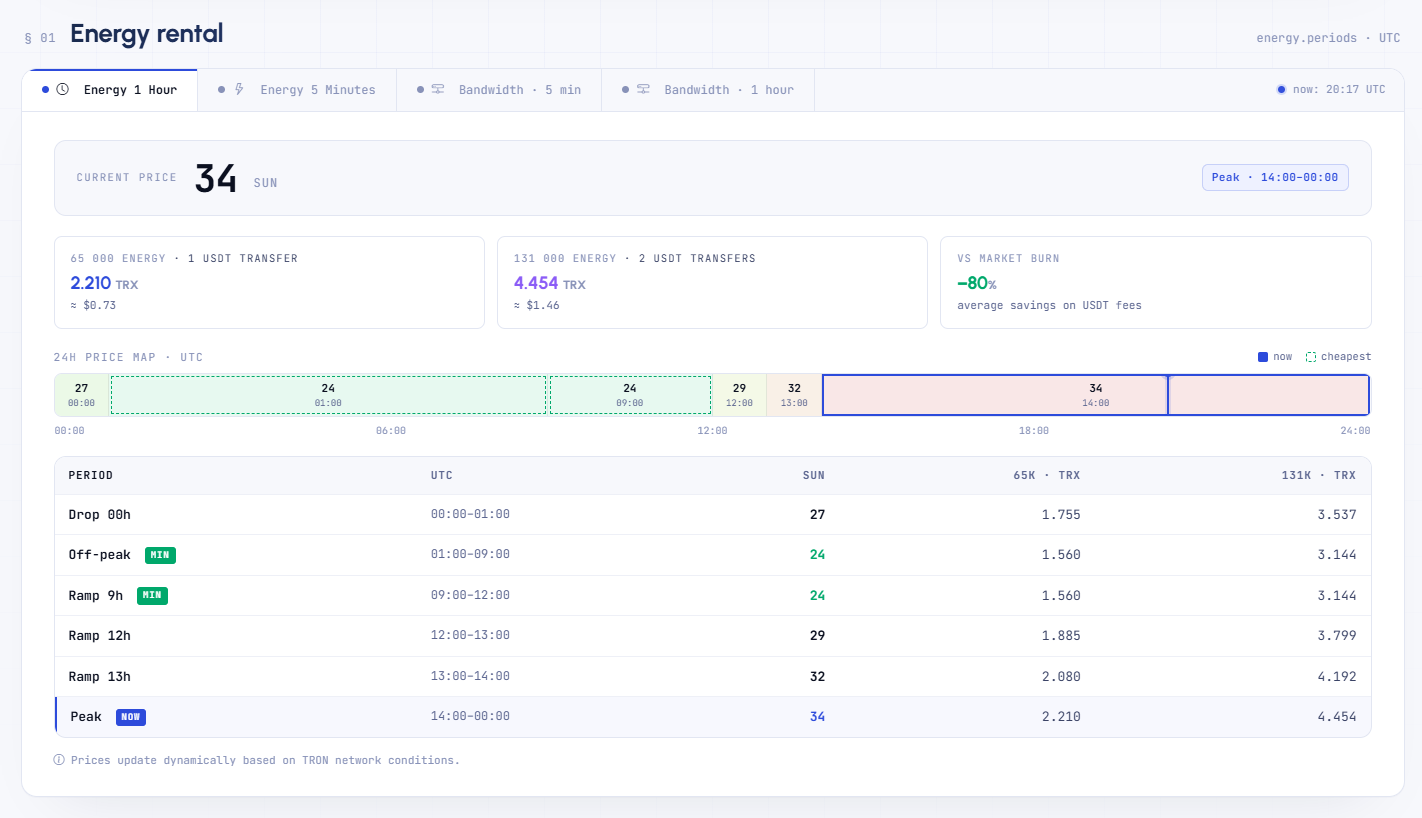
In a world where token swaps and fair launches hide costs behind mystique, Netts Pricing delivers value by disclosing real-time TRON Energy prices, facilitating TRON Energy purchases at the lowest available rates through aggregation, and making cheap TRON Energy costs simple to identify before a USDT transfer. With current TRON Energy pricing at 25-26 sun, 65,000-131,000 Energy transfer estimates, Bandwidth, and associated expenses – Netts Pricing goes beyond the hype of token markets to provide much-needed transparency for users.